Author: Sword of Damocles
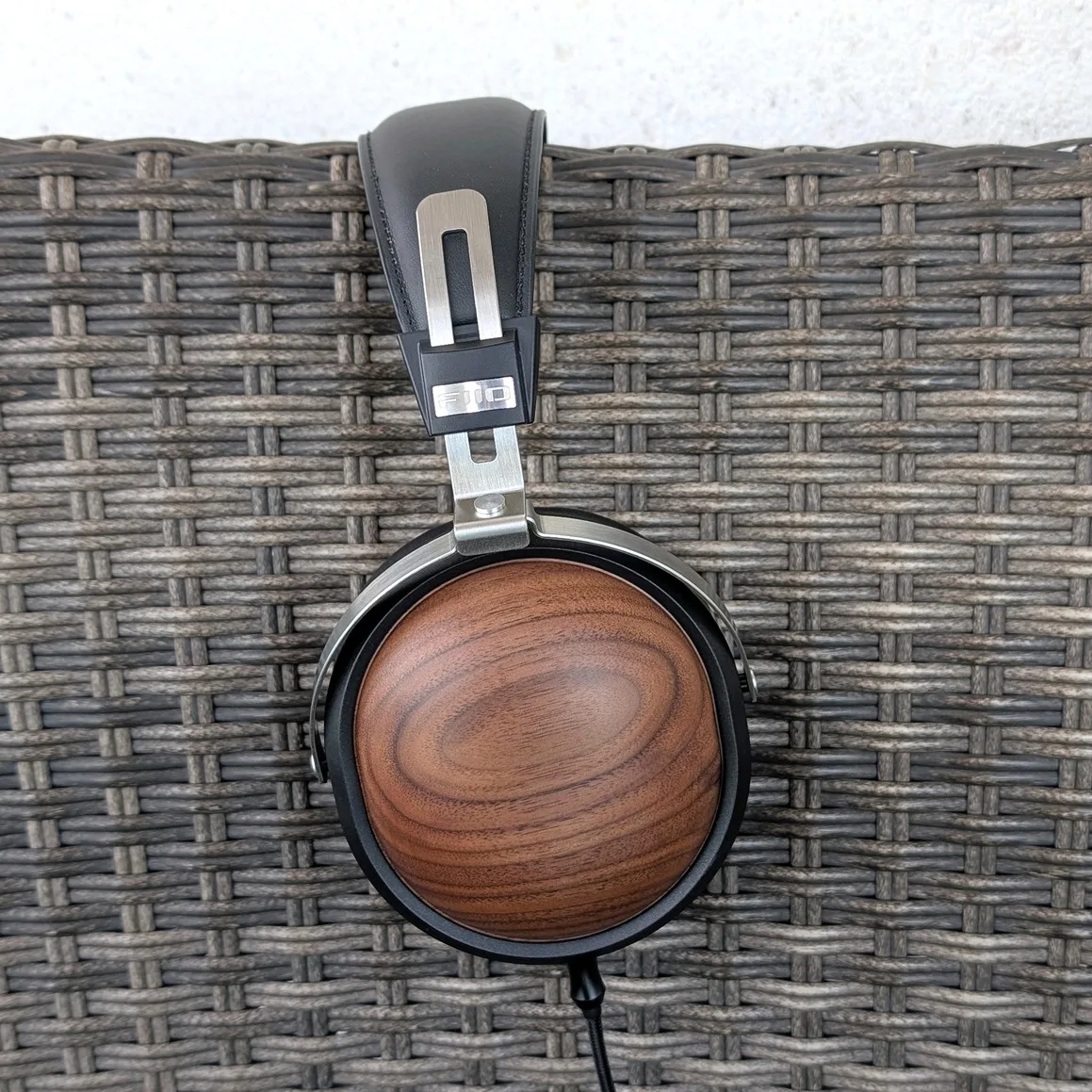
Table of Contents:
Information:
- Release year: 2024
- Country of Origin: China
- Price: 159 € (price varies between 140–200 euros)
- Colour options: Walnut and beech
- Available in Finland: Yes
- Type: Closed, over-ear
- 60 mm dynamic drivers (0.1 mm thick nano-wood composite diaphragms: Northern European spruce & carbon fiber)
- Impedance: 32 Ohm
- Sensitivity: 98 dB/mW
- Weight: 340 g
- Connection type: 2x 3,5 mm
- 2 cables: Length 1.5 m | Connectors 3.5 mm (+ 6.35 mm) and 4.4 mm
- Accessories: Carrying case
- Warranty: 2 years
Review sample: Self-purchased product
We have reviewed most of FiiO's over-ear headphones in Kuulokenurkka, but the FT1, released in 2024, was not tested at the time. It is a wood-cup closed-back headphone that has gained considerable popularity and costs a modest 160 euros (depending on the place of purchase, it can be slightly more or even less). Since every headphone must always be compared to other alternatives in the same price range, it quickly becomes clear that nothing more interesting has happened in the 100–200 euro closed-back headphone category in recent years. In a way, the FT1 has been the most interesting release for a while.
At the same time, FiiO's headphone selection must be noted as somewhat confusing, as the manufacturer sells an open-back FT1 Pro -planar headphone alongside the FT1 and a more expensive closed-back headphone called FT13, which in turn has dynamic drivers. It is therefore advisable to be careful with model names when making purchases. Unlike FiiO's planar headphones, no major quality issues have been reported with the FT1, at least not since the manufacturer replaced the loose and breaking screws in the headband with sturdier bolts. Thus, more than 1.5 years after its release, the FT1 can be considered a mature product. Since I had only heard it briefly at a fair, I wanted to find out what I had missed.
Packaging and accessories
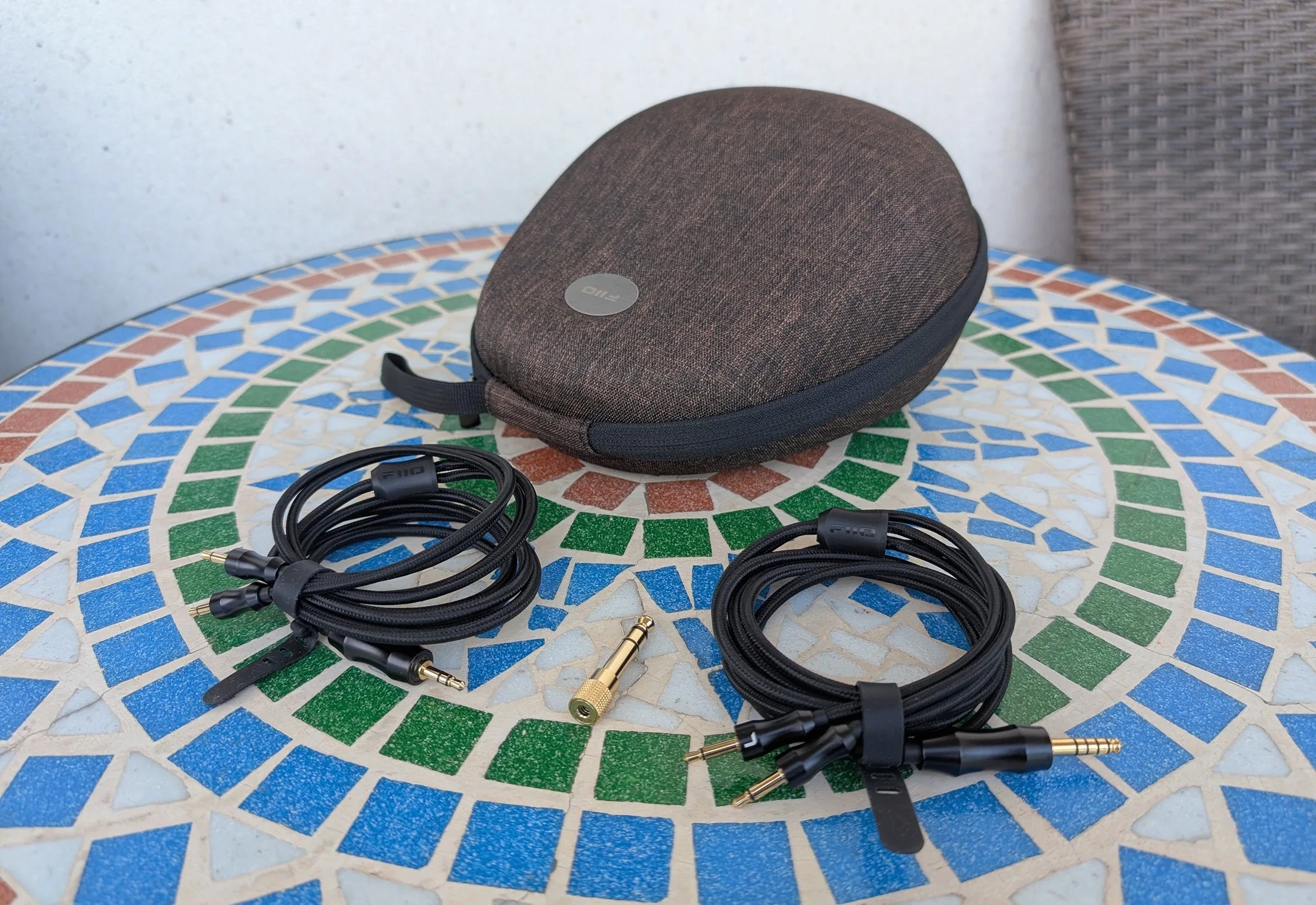
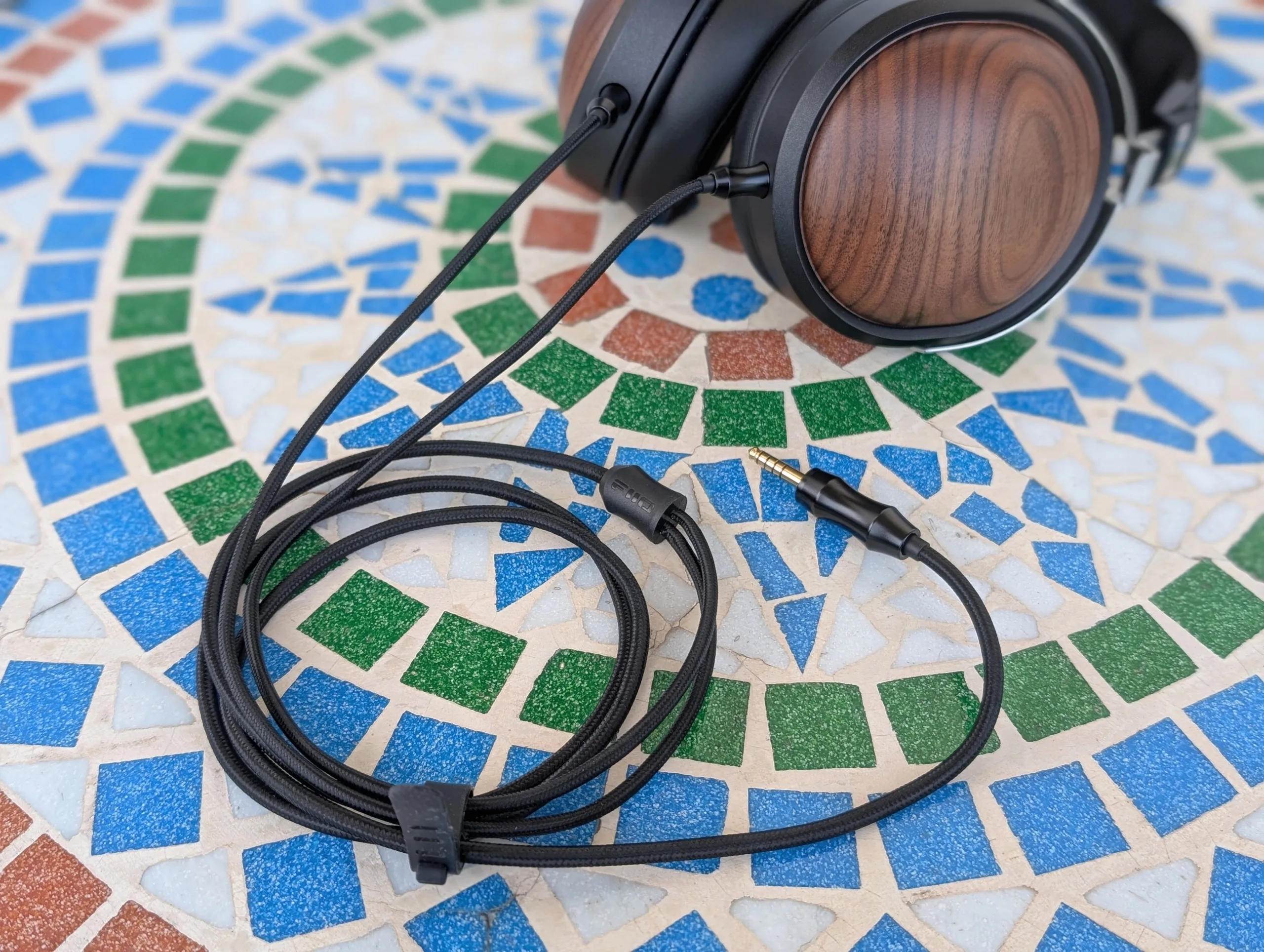
Despite its affordable price, the FT1 is admirably well-equipped. In addition to a handy carrying case, the buyer receives both a balanced (4.4 mm) and an unbalanced (3.5 + 6.35 mm) cable. Both cables are approximately 1.5 meters long and connect to the earcups with two 3.5 mm connectors. From a usability perspective, the only weakness is the fabric sleeving, which causes strong rustling when rubbing against clothes. The headphone's structure somehow amplifies these rustling and rattling noises, which can only be eliminated by switching to a rubber or plastic-coated cable.
Build and comfort
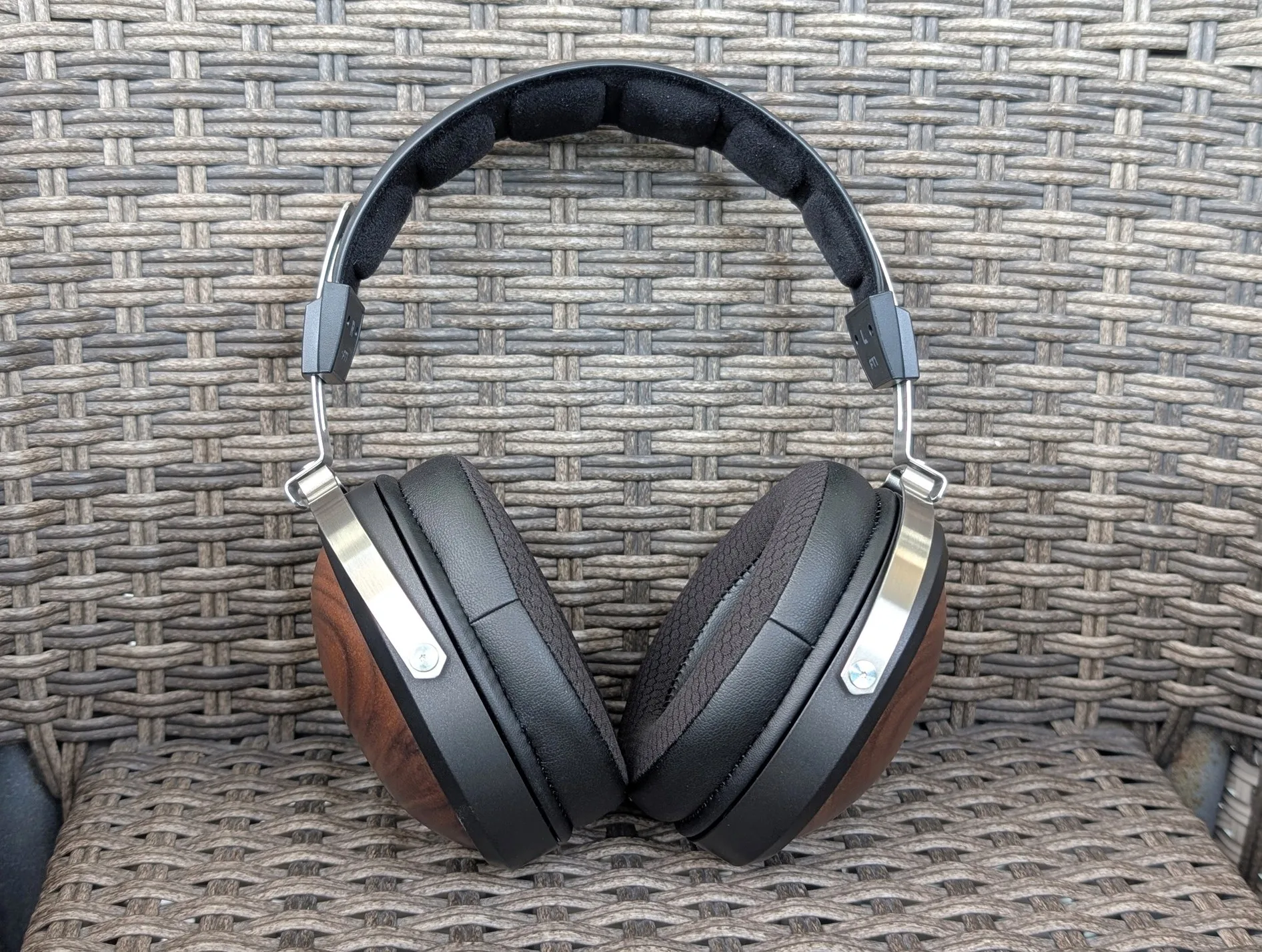
The FT1, like the FT1 Pro I previously tested, seems structurally good enough, although the affordable price is occasionally revealed in the finish. The edges of the metal parts feel quite sharp, and the extension parts of the headband even press against fragile faux leather during use. The tactile feel is not the most robust either, for example, compared to Beyerdynamic headphones, but still, the FT1 feels durable thanks to its metal headband.
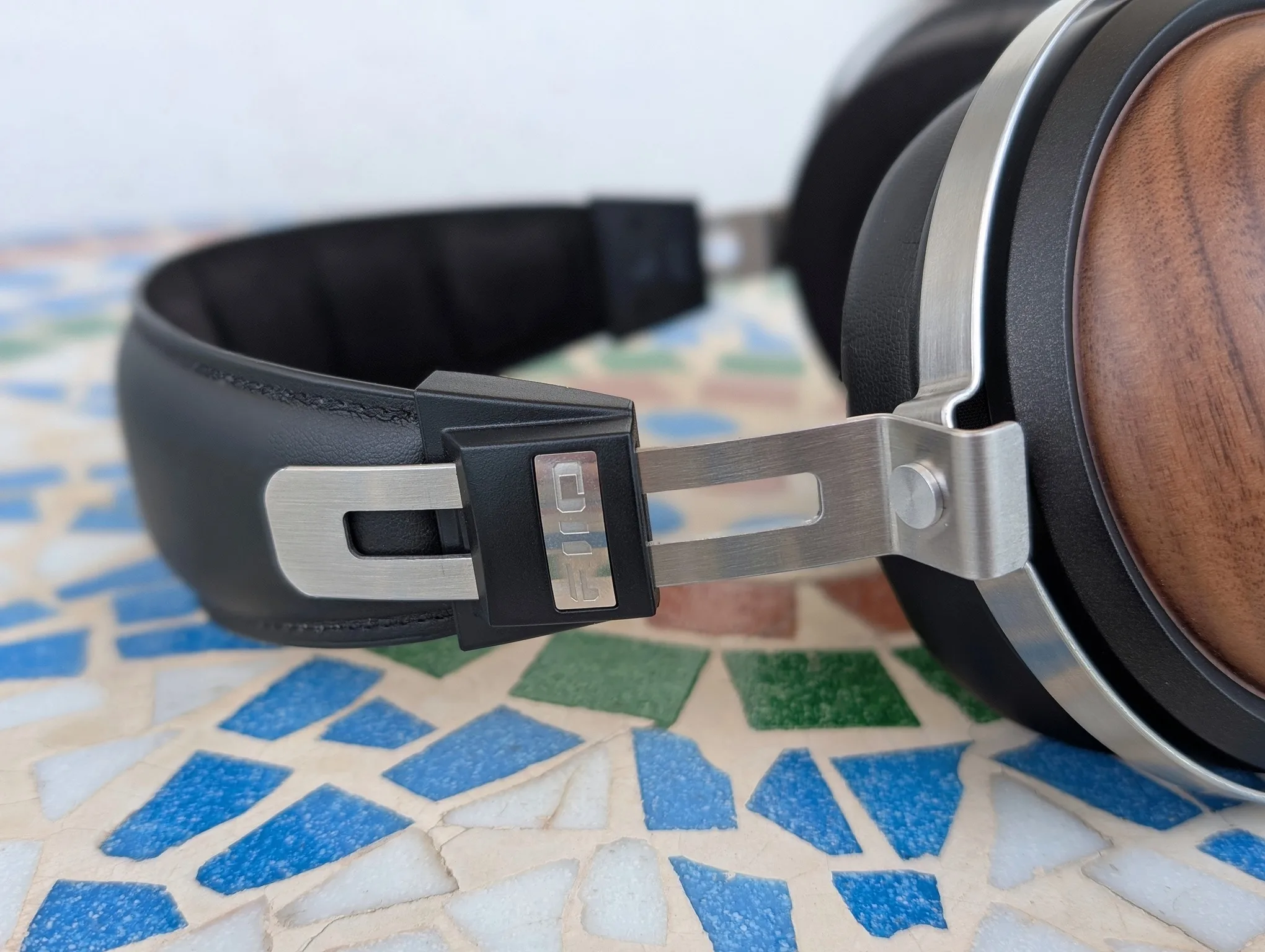
runko on lisäksi mustan sijaan hopeinen.
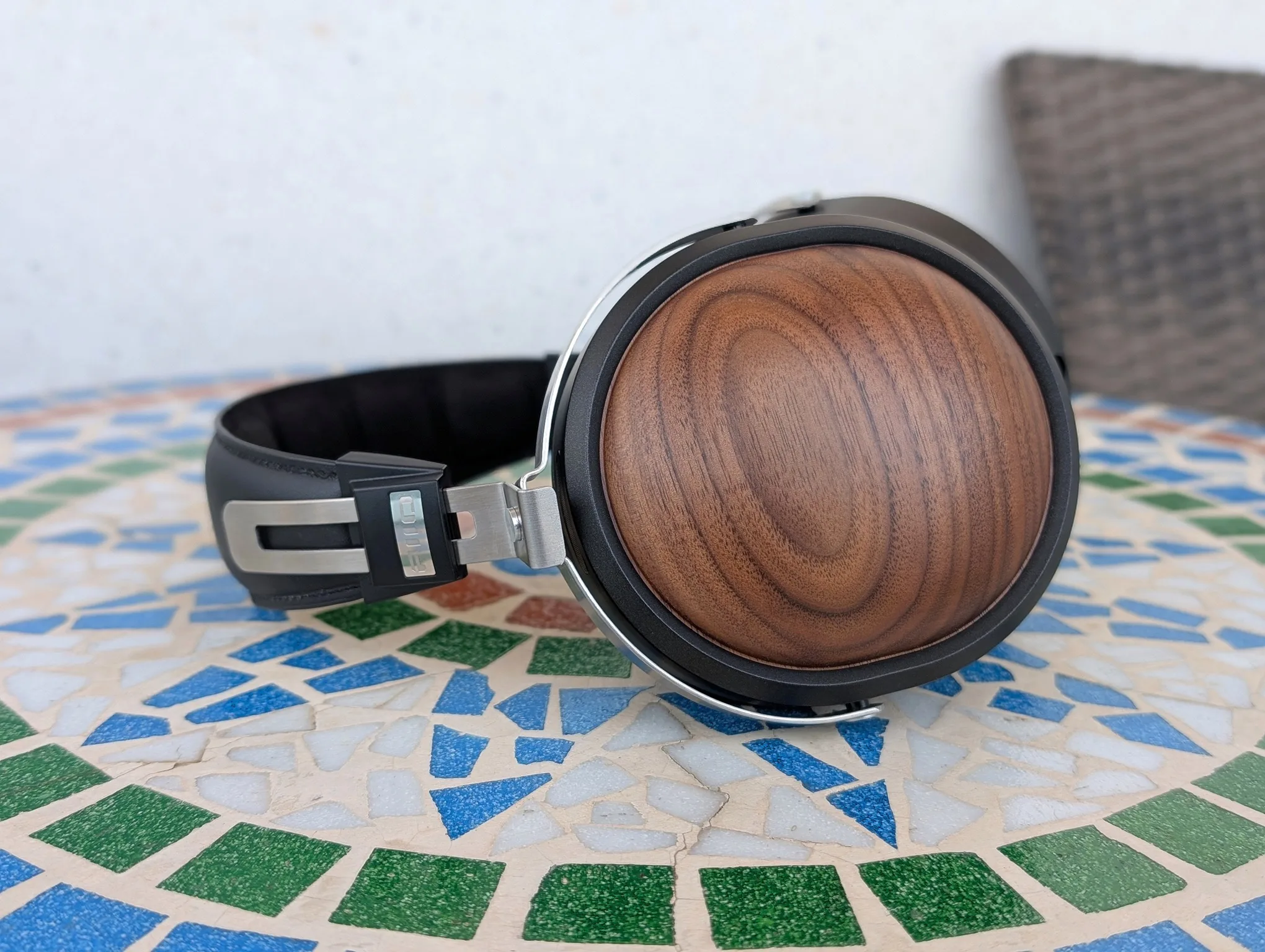
In the FT1 Pro, which is based on the same structure, I was bothered by the thinly padded headband, but in the lighter FT1 (340 vs 374 g) the same solution surprisingly feels very comfortable. Sometimes things can indeed depend on small details. The long-term wearing comfort of the FT1 is also really good for me, for which I can first thank the gentle clamping force and even fit.
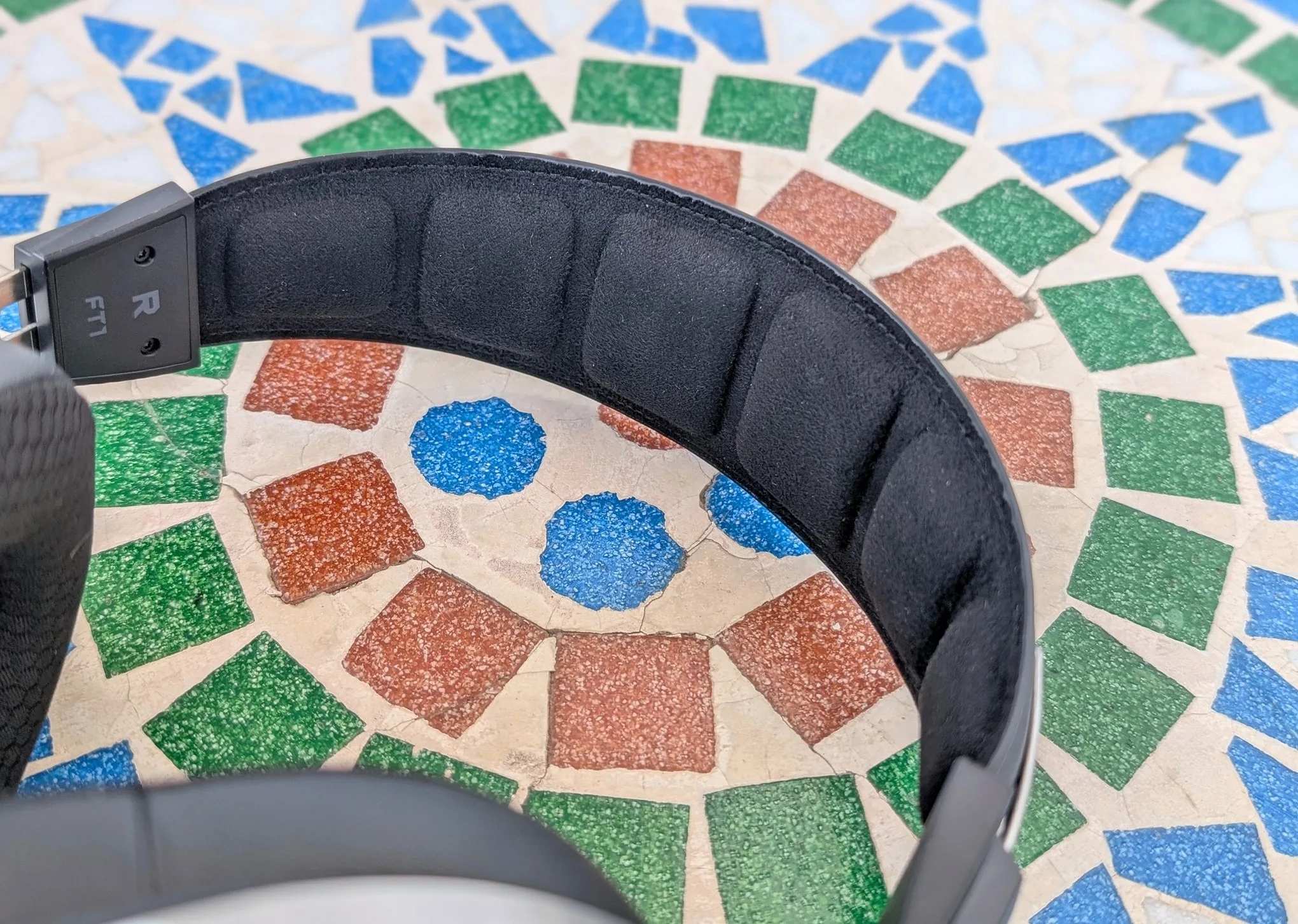
The adjustment possibilities with their different ranges of motion also work, and the spring mechanism of the cups does not turn the lower edge of the earpad too strongly inwards, unlike, for example, Meze Audio's STRADA– and LIRIC headphones. In the FT1, a light clamping force is sufficient for a tight fit and bass reproduction even with thin-framed glasses. In this respect, FiiO has succeeded in the design of the FT1 even better than in the newer and more expensive FT13 model, with which many have experienced challenges in achieving a tight seal.
The plush hybrid-style ear pads also feel good and my ears fit comfortably inside them (opening size 60 x 40 x 20–30 mm). However, bearded users should note that the fabric-type material rustles and crinkles quite strongly when rubbing against the face. I have rarely encountered a similar characteristic with other headphones, so the FT1's structure is microphonic in many ways and amplifies various extraneous noises. On the other hand, the headphones block ambient noise quite adequately, and the listened music does not leak out much either, unless the volume is significantly increased.
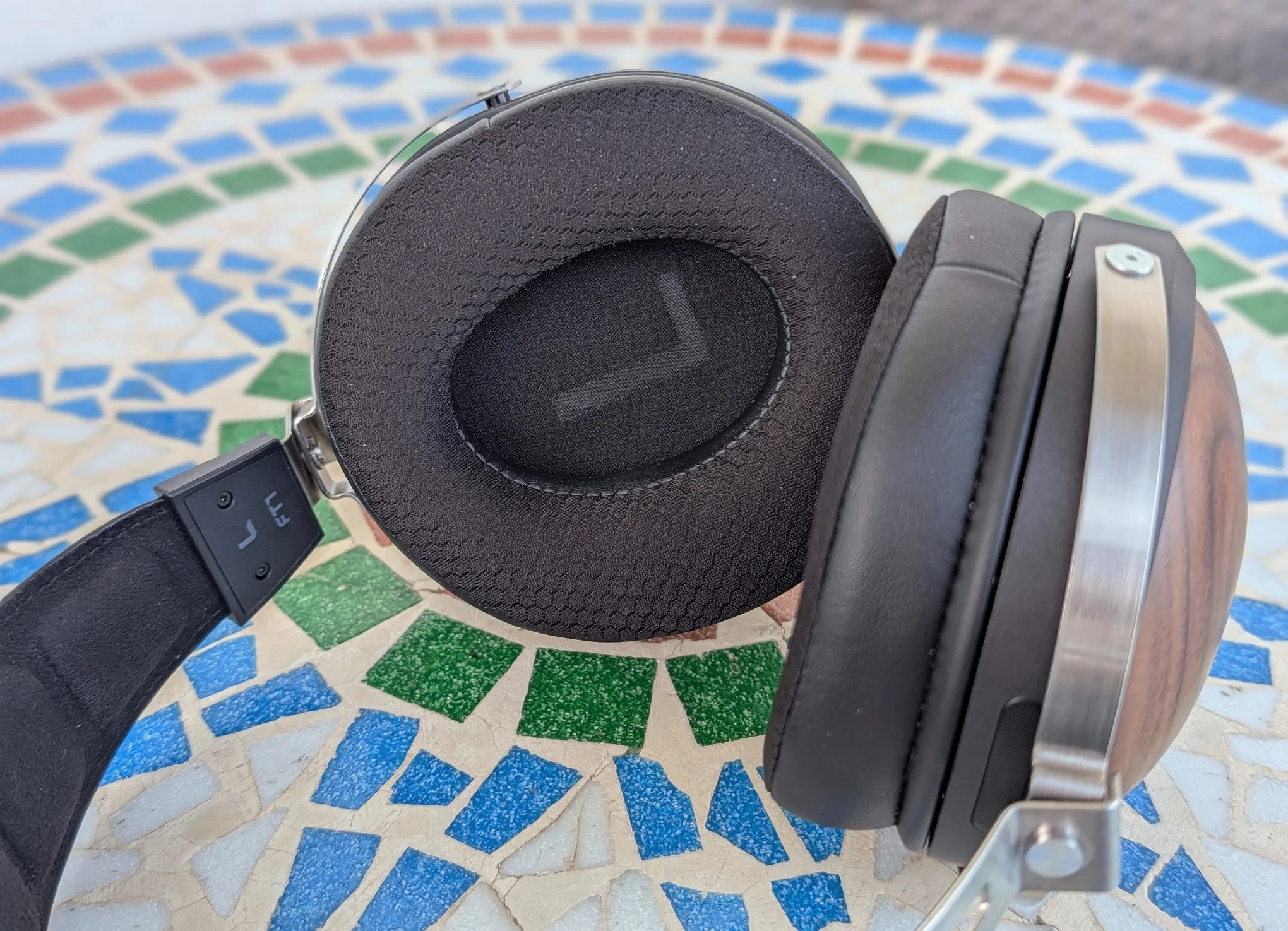
Considering maintainability and DIY tweaking, the way the ear pads are attached pleases me. They are stretched around the driver frame in an old-fashioned way, which means there are plenty of different pad options available for those who want to modify the headphones' comfort or sound profile. Nowadays, with the FT1 series, there is no longer a need to fear the headband screws breaking or coming loose, as FiiO has replaced them with more durable ones. Therefore, recommending such headphones does not depend on the structure or comfort, at least.
Sound quality
Larger and more special drivers than usual
When headphone sound is produced by dynamic drivers, their diaphragm diameter is usually either 40 or 50 millimeters. However, the FT1, like the FT3 and FT13 models, features larger 60-millimeter drivers. Such drivers make it easier to achieve robust bass and high sound pressure, but at the same time, the diaphragm structure requires rigidity to vibrate uniformly.
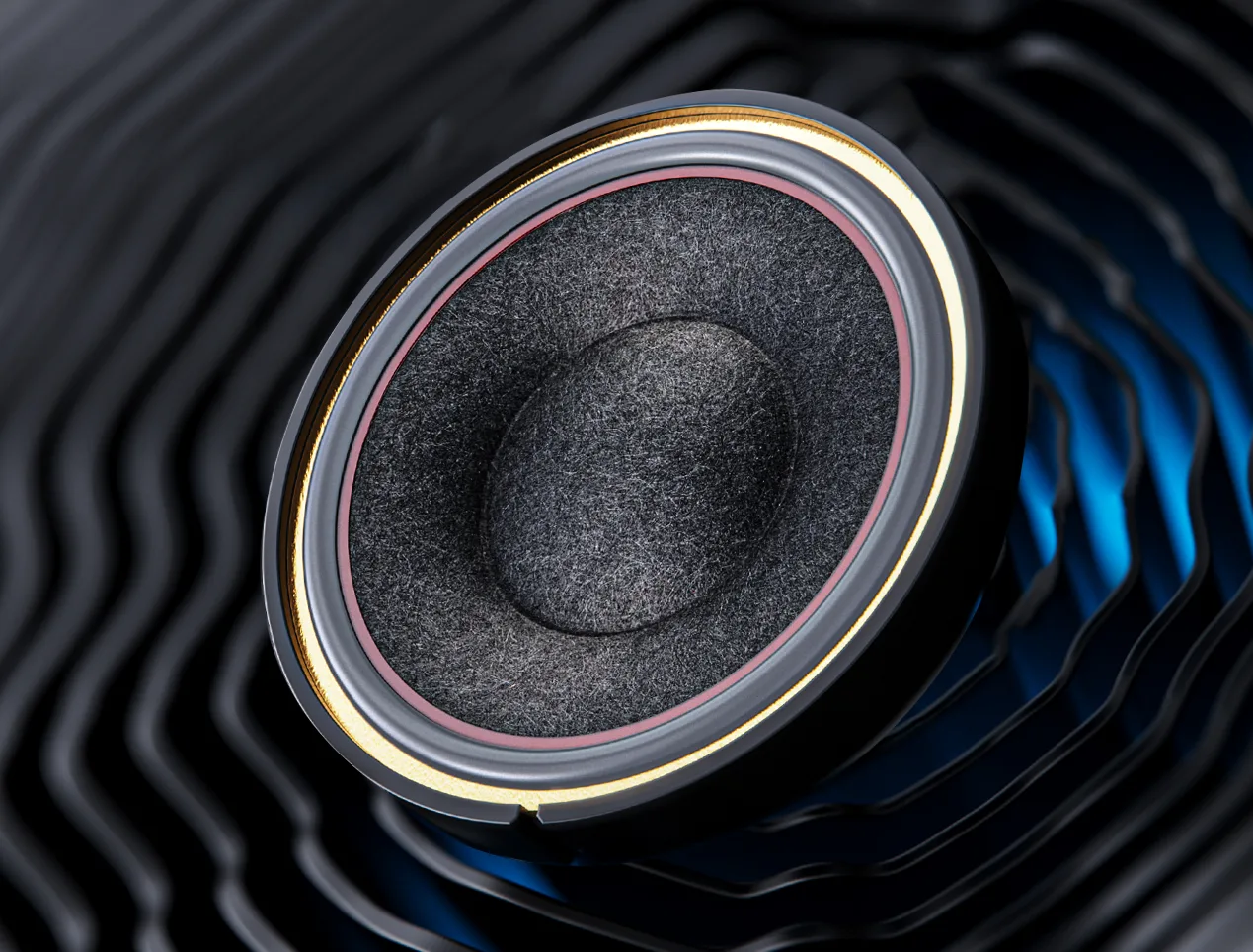
FiiO has made its 0.1-millimeter thick diaphragms from nanoporous wood composite, a mixture containing spruce and carbon fiber. The wood fibers are said to originate from over 90-year-old Northern European spruces, making the FT1 likely easy to market specifically to us. Furthermore, the Chinese manufacturer focuses on small details in its marketing, which are worth reading more about on the headphones' official product page. The diaphragms are, among other things, W-shaped, and the voice coil is also made of fine Japanese metals. At this point, it can at least be stated that in headphones costing over 150 euros, the drivers are usually more conventional than those in the FT1.
Impedance measurements and amping requirements
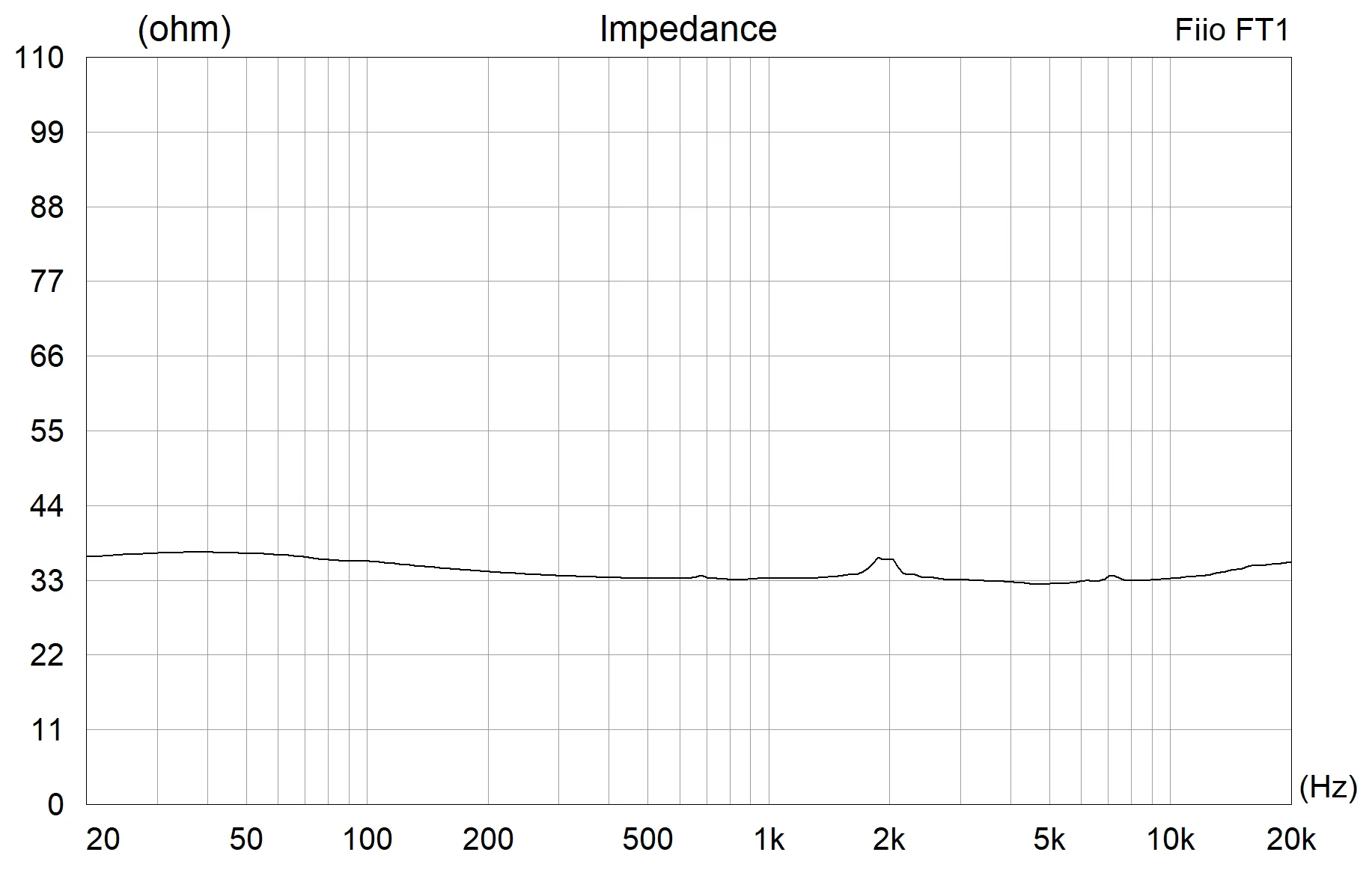
Dynamic drivers no longer always have an uneven impedance response, as the FT1 demonstrates. FiiO's stated nominal impedance of 32 ohms holds true for almost the entire audible frequency range. A minimal rise at the extremes is not an issue, nor is the 2-kilohertz ”oscillation” a particularly interesting feature, even if it suggests something special is happening in the headphone drivers or structure at this point.
The FT1 is, as expected, also a sensitive headphone (98 dB/mW), making it versatile for low-power amplifiers as well. Nowadays, it is generally difficult to find a dynamic headphone that would be difficult to drive in some way. Various amplifiers are primarily tested in the hope that they will color the sound a little more to one's taste. I found the FT1 to sound equally good when using Qudelix 5K, JDS Labs Element IVor Cayin iHA-6. I would also be satisfied with such headphones connected to the Macbook Air's (M1) headphone jack, and I would not generally recommend any more expensive device for an affordable headphone model that doesn't forcefully demand one.
Headphone Measurements
The headphone frequency response measurements were performed with equipment compliant with the IEC711 standard and KB501X model silicone ears. The graphs use the Harman target curve (2018 version), optimized for this equipment, as a reference. This curve is a generalization, based on scientific research, of what kind of frequency response would sound good to most people and correspond to balanced loudspeakers in a well-acoustically treated room.
The Harman research was conducted with silicone ears that ”hear” sound slightly differently than the ear types sold today. For this reason, the target curve used by Kuulokenurkka is based on the diffuse field response according to the KB501X ears” own HRTF transfer function, to which, however, the core findings of the Harman research have been adapted using filters. In practice, the result still corresponds to the ideal frequency balance indicated by the Harman research, but as the equipment used by Kuulokenurkka would ”hear" it based on its characteristic acoustics. Thus, it is possible to make more precise observations of the headphones' frequency response between 2–20 kilohertz than when using the pure Harman 2018 curve as a reference.
More information about the measurement equipment can be found on the Headphone Measurementspage. The FT1's frequency response can also be compared with other measured headphones on Squiglink .
Frequency response:
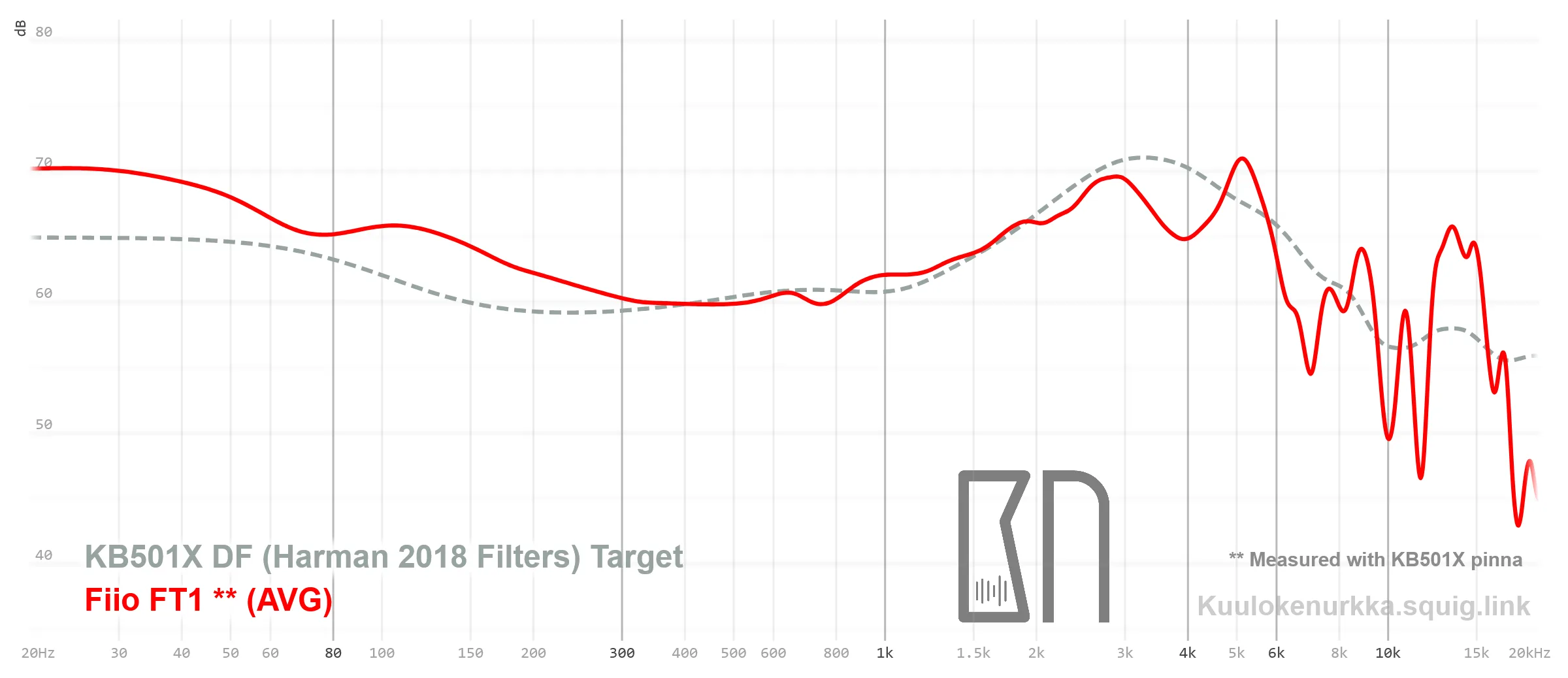
The FT1's popularity is easy to understand when examining its frequency response. The headphones reproduce bass robustly, typical for closed-back headphones, but instead of just a boomy mid-bass emphasis, they have an engaging bass profile that rises towards the sub-bass. The main attention should therefore be on the physicality and depth of the bass. In addition, FiiO has managed to tune the midrange to be excellently linear and natural up to 3 kilohertz. Strictly speaking, the 1–2 kilohertz range might sound boosted and energetic, but alongside the rich bass, it is likely beneficial in the end, as the sound at least does not sound too soft and distant.
The headphones' only major weaknesses occur in the high frequencies, which are uneven to varying degrees depending on who is listening to the headphones and how they are positioned on the ears. Especially from 6 kilohertz upwards, the treble may bounce up and down differently. On the other hand, my frequency response measurement, which represents an average, is not very far from the truth for me personally when I place my ears in the center of the cups. In a way, a small amount of extra energy is a welcome counterbalance to the rich bass, but critically evaluated, the 4–9 kilohertz range could be reproduced a bit more evenly. The FT1 reproduces the highest treble airily around 13 kilohertz, so both extremes of the frequency response can be described as extended in terms of energy level.
Sound observations
I find the FT1 to be an entertaining, bass-driven headphone that directs my attention to the most essential aspects of music and largely makes me forget about listening with a furrowed brow. Because the presentation immediately captivates without requiring much getting used to, a certain ”commerciality” does not bother me. The reproduction includes uninhibited punch, pleasant fullness, and deep power emanating from the sub-bass, which would not usually be achieved with an open-back design. Often, the advantages of affordable closed-back headphones end right here, but the FT1 succeeds better than usual in other areas as well.
Pleasingly, it reproduces the midrange very naturally, providing energy and clarity alongside the bass emphasis as I expected. I like the FT1's present way of reproducing vocals and various instruments. Who wouldn't like powerful bass and a midrange that brings out the best in recordings simultaneously? In my opinion, only a few closed-back headphones integrate these features as seamlessly. I have not found the slight edginess added to the upper midrange to be too aggressive; instead, this characteristic adds grip to the reproduction.
On the other hand, when increasing the volume, the slight unevenness of the FT1's treble sometimes pops out as an extra harshness, which I don't always like. To my ears, a few emphases don't really grate, nor does sibilance occur excessively, but to some extent, the unevenness still detracts from the coherence of the reproduction and perhaps simultaneously from the detail. The FT1's character also varies somewhat depending on the music listened to: sometimes the sound turns a bit dark due to bass emphasis, while at other times certain frequencies are emphasized as striking brightness. Nevertheless, almost without exception, other closed headphones in the same price range exhibit greater treble problems or a more boomy mid-bass. In that regard, the FT1 holds the package together excellently. Listening is enjoyable in my opinion, and nothing sounds obviously strange or colored.
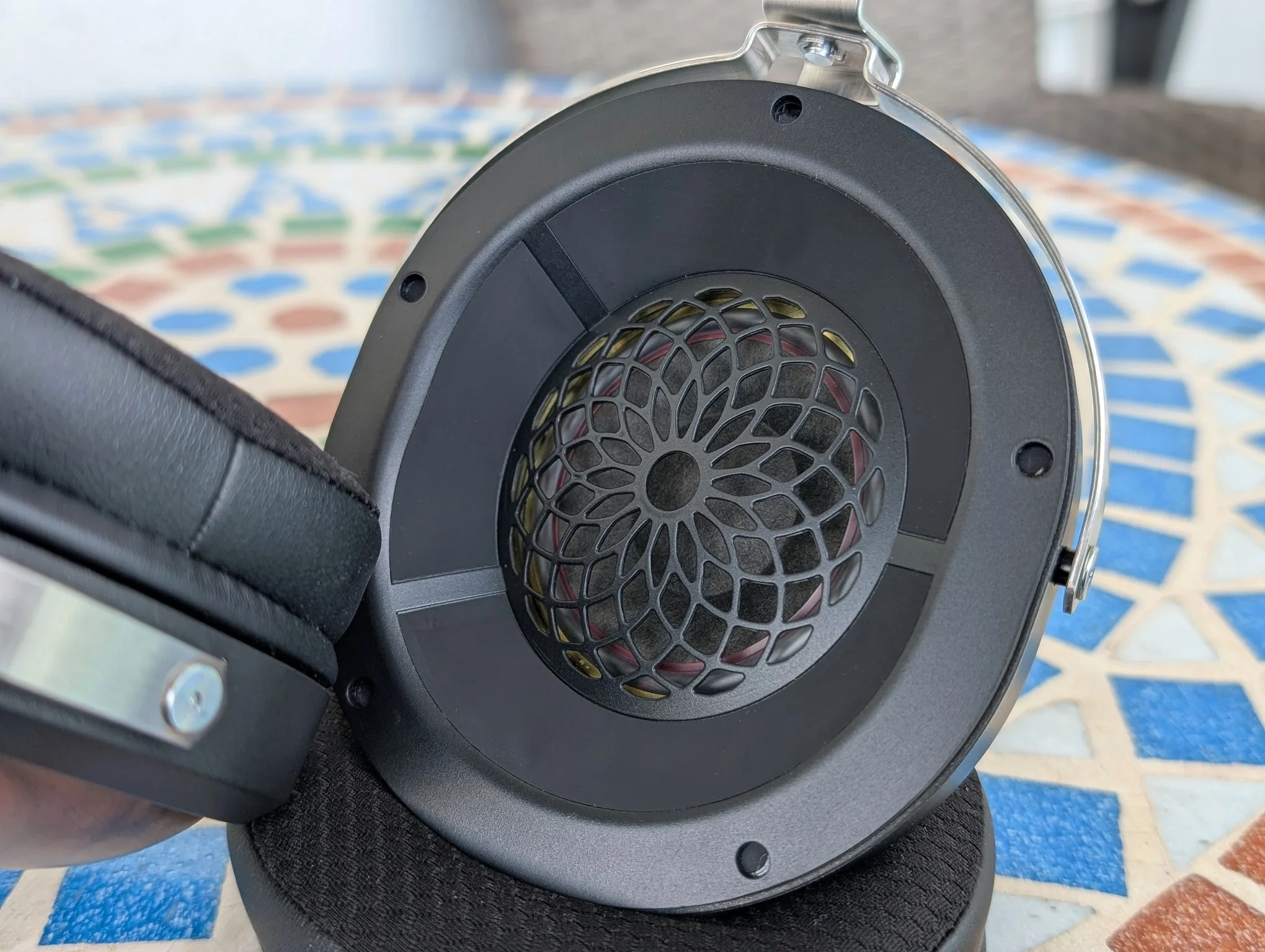
When evaluating sound detail, the clarity could be said to subtly decrease towards the higher frequencies, but the initial energy of the reproduction is immediate and exciting. I don't actually find myself pondering during listening whether the reproduction is detailed on a micro-level or not, but rather I enjoy the dynamic nature of the overall sound. Furthermore, considering its closed design, the FT1”s soundstage is pleasant, and it doesn't feel too cramped at all, but rather scales successfully with the audio content. Best of all, the robust bass does not cause the resonant ”cupped' feeling typical of many closed-back models. I believe the airy treble plays a role here, as it lightens the overall sound and enhances the sense of openness.
When I reflect my experience against the affordable retail price, frankly, finding any fault with the FT1 doesn't feel necessary. It is an excellent example of how a good closed-back headphone is implemented. For one reason or another, FiiO's success has garnered more interest than that of many other manufacturers. The FT1 actually feels stylistically quite comparable to the significantly more expensive Focal Azurys, because in both, the robust bass combines with an otherwise easy-going and generally balanced sound. If the funds are not sufficient for the Focal model, when buying the FT1, in my opinion, you don't miss out on much, unless some might even prefer it.
What else would I recommend for under 200 euros
When the price ceiling for closed-back headphones is set at 200 euros, the retailers' selection, besides the FT1, mainly consists of older studio headphones. They might serve demanding professional use, but they rarely offer wooden cups or a modern and enjoyable sound quality like FiiO's.
Of the more successful alternatives Beyerdynamic DT 770 Pro feels, despite its age and bright treble, still like a decent headphone, but the newer DT 770 Pro XI wouldn't recommend as unreservedly, even though the detachable cable brings usability roughly on par with the FT1. AKG K361 and K371 also sound really good, but the construction of the pair is regrettably poor. On my head, K361 sits so loosely that it doesn't want to reproduce bass at all. The FT1 might lose out in size and mobility, but with it, you don't have to worry about fit in the same way.
The ADAM Audio H200, praised by many, is still untested by me, but based on my experiences, I would still dare to claim that no FiiO competitor achieves significantly better in this exact price range. If the price range were raised to between 200–400 euros, then alternatives would include, among others, Audeze Maxwell's (active in principle) and Sony MDR-M1 – with a small reservation, also Beyerdynamic DT 700 Pro X and Sennheiser HD 620S. Meze Audio's new 99 Classics V2 also doesn't seem like a bad headphone, and ultimately, the discounted Focal Azurys wouldn't cost vastly more either. However, FiiO has profiled the FT1 as more affordable than most of its competitors without the cheapness hardly showing, feeling, or being heard in the user experience. Rather, more expensive headphones have a need to prove themselves alongside it.
Summary
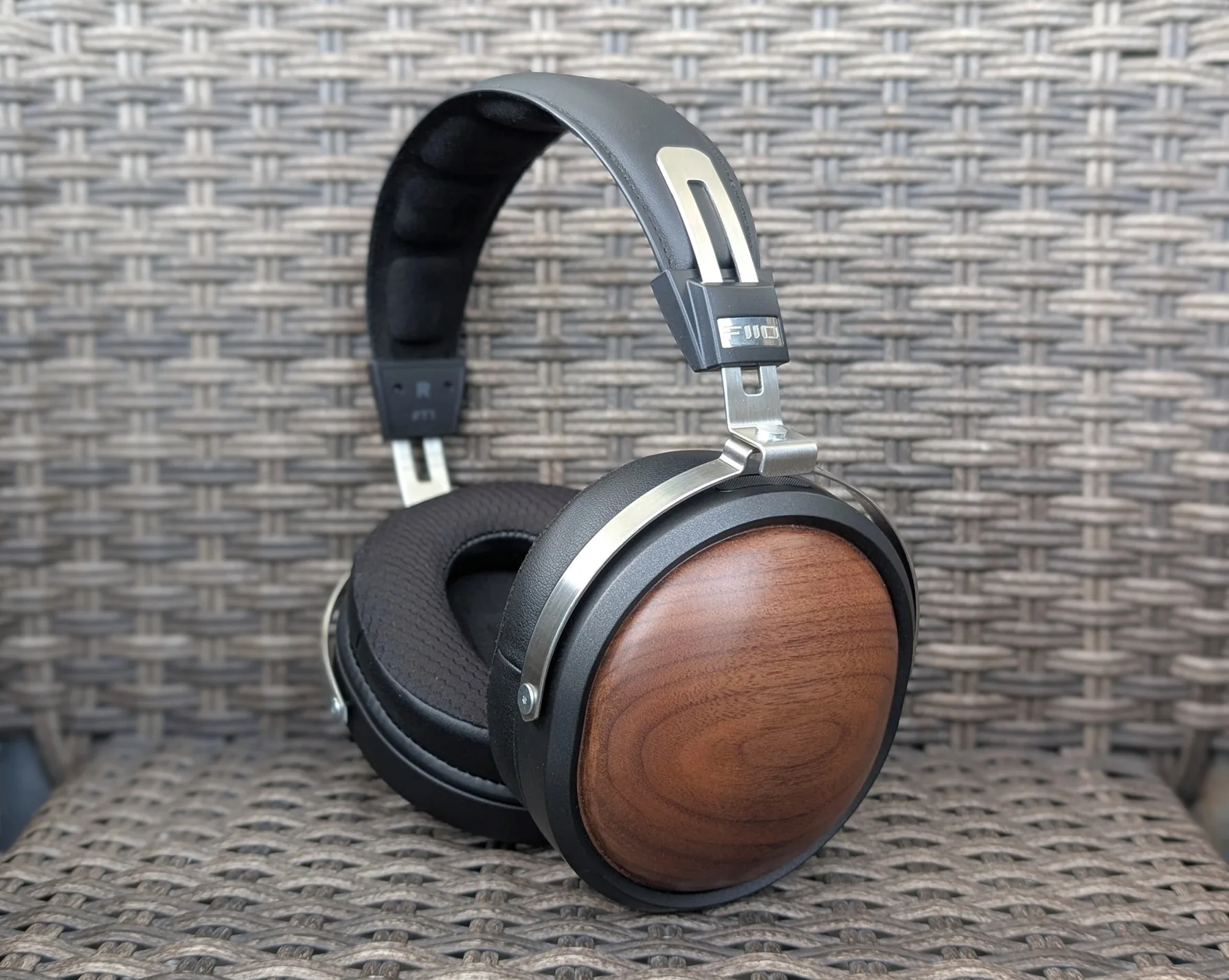
FiiO's FT1 headphones are exceptionally straightforwardly good and easily recommendable, and ultimately I have little to add to the numerous other positive reviews that have been presented about the product. It is a structurally functional and, in a good sense, ordinary headphone, to which the wooden cups add a touch of luxury. Thus, even those shopping with a smaller headphone budget can feel like they are acquiring something special.
No major challenges should arise in terms of comfort either, unless the FT1's headband feels a bit hard to some. For me, FiiO's headphones are extremely comfortable even when worn for longer periods. I do, however, deduct a few points (if I were even giving any) for the microphonic cables, but at the same time, I like that two of them are included in the package. The sturdy case also feels like a nice bonus in this affordable price range.
Above all, with good sound quality, I dare to claim that closed headphones do not significantly improve in higher price ranges compared to the FT1. This is because FiiO's headphones lack significant weaknesses. The treble in all closed models can be uneven in places, so with good luck, the FT1 might hit the mark better than a more expensive competitor. In this case, the need for closed headphones would, in my opinion, already be largely resolved, allowing the enthusiast to focus on open-back headphone models in the future. Even then, the FT1 would offer better sound isolation and, with high probability, more entertaining bass.
In FiiO's headphone selection, the most affordable model series are surprisingly the most successful, but that is ultimately only a good thing for consumers. The FT1, as the manufacturer's first headphone model, reaches Kuulokenurkka's wall of fame and would currently be my top recommendation in its price range. I also grant several special mentions, specifically considering its affordable price. FiiO's strategy is likely to sell a lot of its headphones, as another manufacturer might ask significantly more for a similar product.
Pros and cons:
+ Easily likable and balanced sound
+ Robust bass does not overshadow the midrange
+ The soundstage is quite open for a closed model
+ Good fit and comfort
+ Wooden cups in this price range
+ Comprehensive features
+ Doesn't require a powerful amplifier
+ Affordable price
– Treble could be smoother
– Headband could benefit from thicker padding
– Sharp edges of metal parts
– Fabric-covered cables and earpads are microphonic
 EN
EN  FI
FI