Author: Sword of Damocles
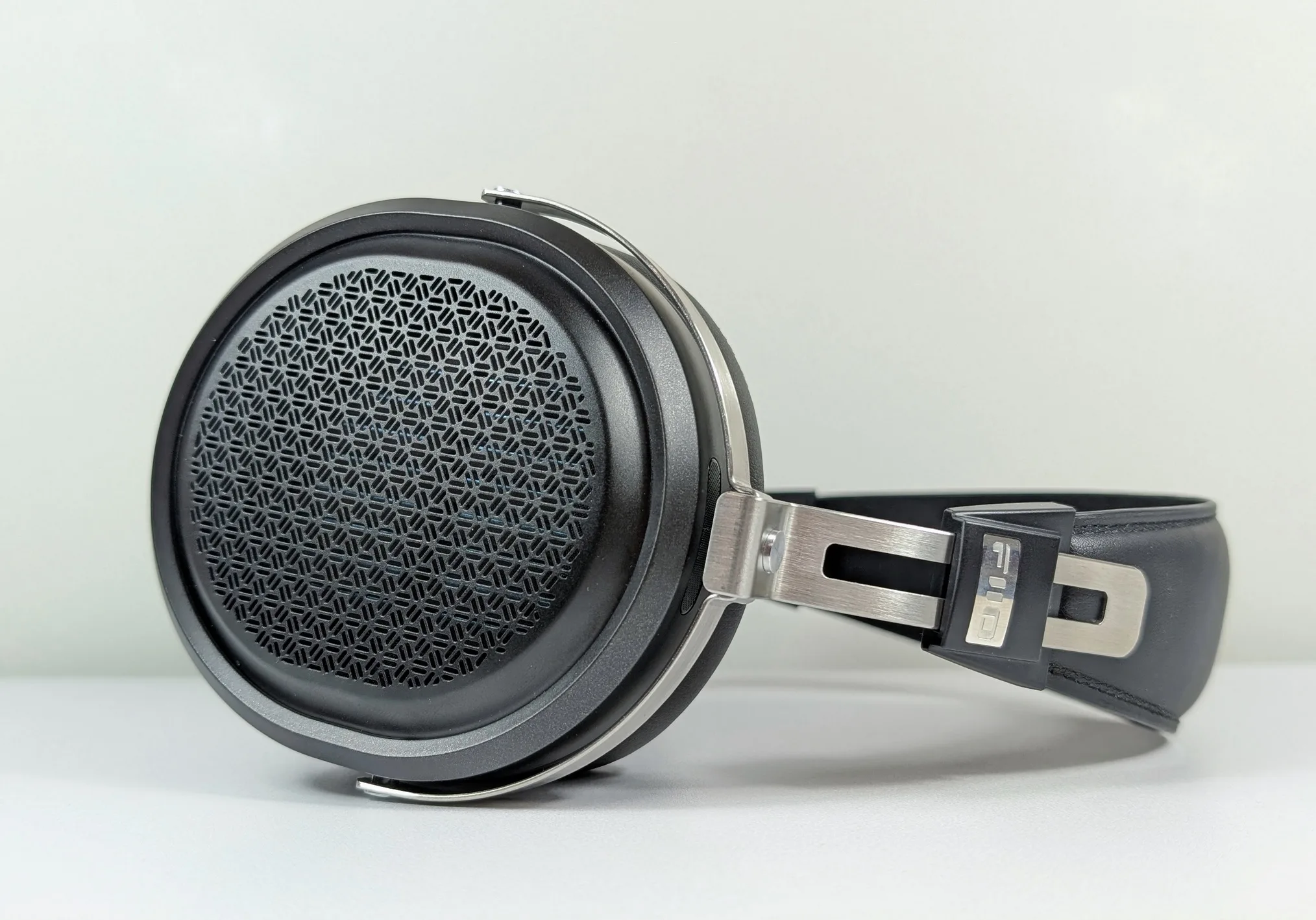
Table of Contents:
Information:
- Release year: 2024
- Country of Origin: China
- Price: ~200 € (220 € when purchased from the EU area)
- Type: open, over-ear
- Planar drivers 95×86 mm (Sapphire + Aluminum dual-coating, diaphragm thickness 1 μm)
- Impedance: 20 Ohm
- Sensitivity: 95 dB/mW
- Weight: 374 g (without cable)
- Connector type: 2 x 3.5 mm
- 2 cables: Both 1.5 m long / plugs 4.4 mm and 3.5 mm
- Accessories: Carrying case, 6.35 millimeter adapter
Review sample: Self-purchased product
FiiO is one of the versatile players in Chinese audio, or ”CHIFI,” with its comprehensive product range, which includes various headphones as well as many devices with excellent price-performance ratios. However, it has only been manufacturing over-ear headphones for a couple of years, which many Kuulokenurkka readers may have already noticed FT3and FT5through our reviews written about -models.
FiiO plans to release a more expensive FT7 planar headphone model in the near future, but before that, it managed to bring the FT1 series to the market, which includes two very different headphones: the closed dynamic headphone FT1 with wooden cups and the open planar headphone FT1 Pro. The former costs about 150 euros, while the Pro model requires paying 50 euros more, or about 200 euros. Both have already been received as market disruptors due to their good sound quality and affordable price.
The FT1 Pro that ended up on my review desk (link to the product page) has unfortunately also been found to be somewhat faulty, as it cannot reproduce sub-bass cleanly; instead, resonances and extraneous noises start to come from either the drivers or the cup structure. I admit directly that I cannot recommend purchasing the FT1 Pro for now, unless FiiO manages to fix the problem in the future. On the other hand, if the headphones are not intended for listening to ”bass music,” they offer truly excellent sound. For this reason, the FT1 Pro still deserves to be reviewed, in my opinion. Let's see what consumers could get if everything worked as intended.
Packaging and accessories
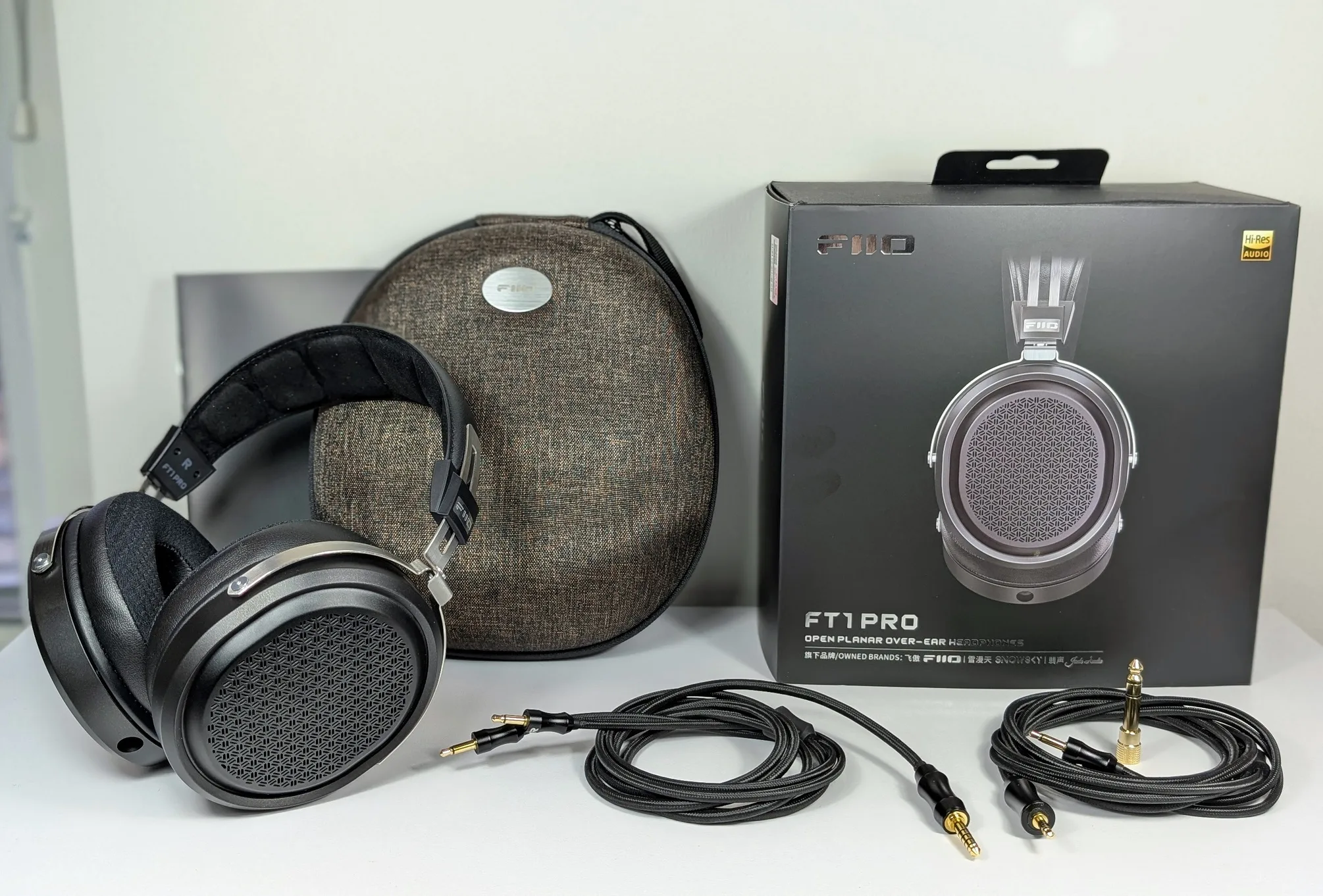
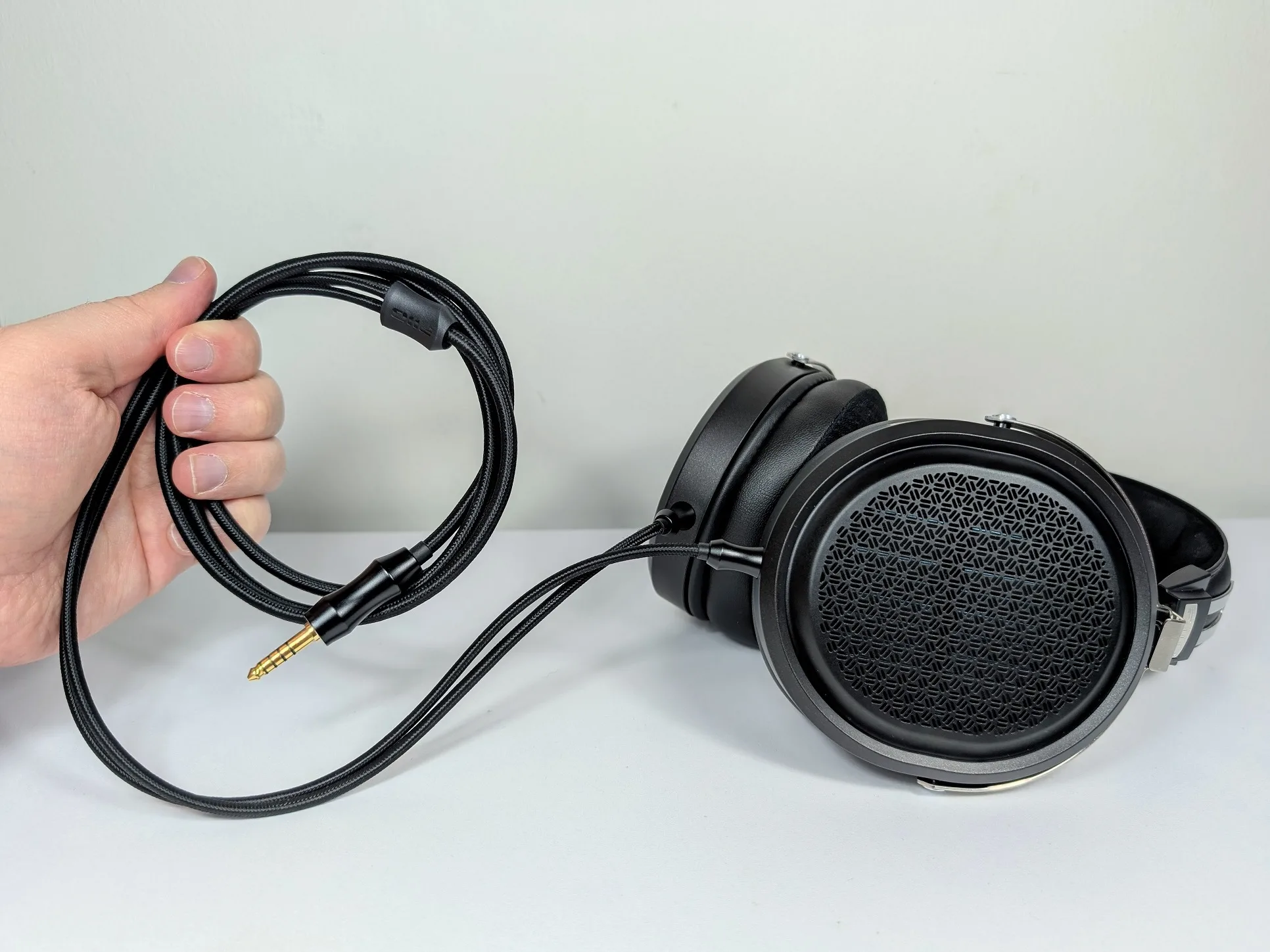
FiiO has become known for a more comprehensive level of equipment than usual, which is pleasingly realized with the FT1 Pro as well. The buyer receives a usable carrying case and two basic good cables, the first of which is unbalanced (3.5 mm connector / with 6.35 mm adapter) and the second balanced (4.4 mm connector). These attach to the headphone cups with two modern 3.5 millimeter connectors, so the market's offering of replacement cables would also be wide.
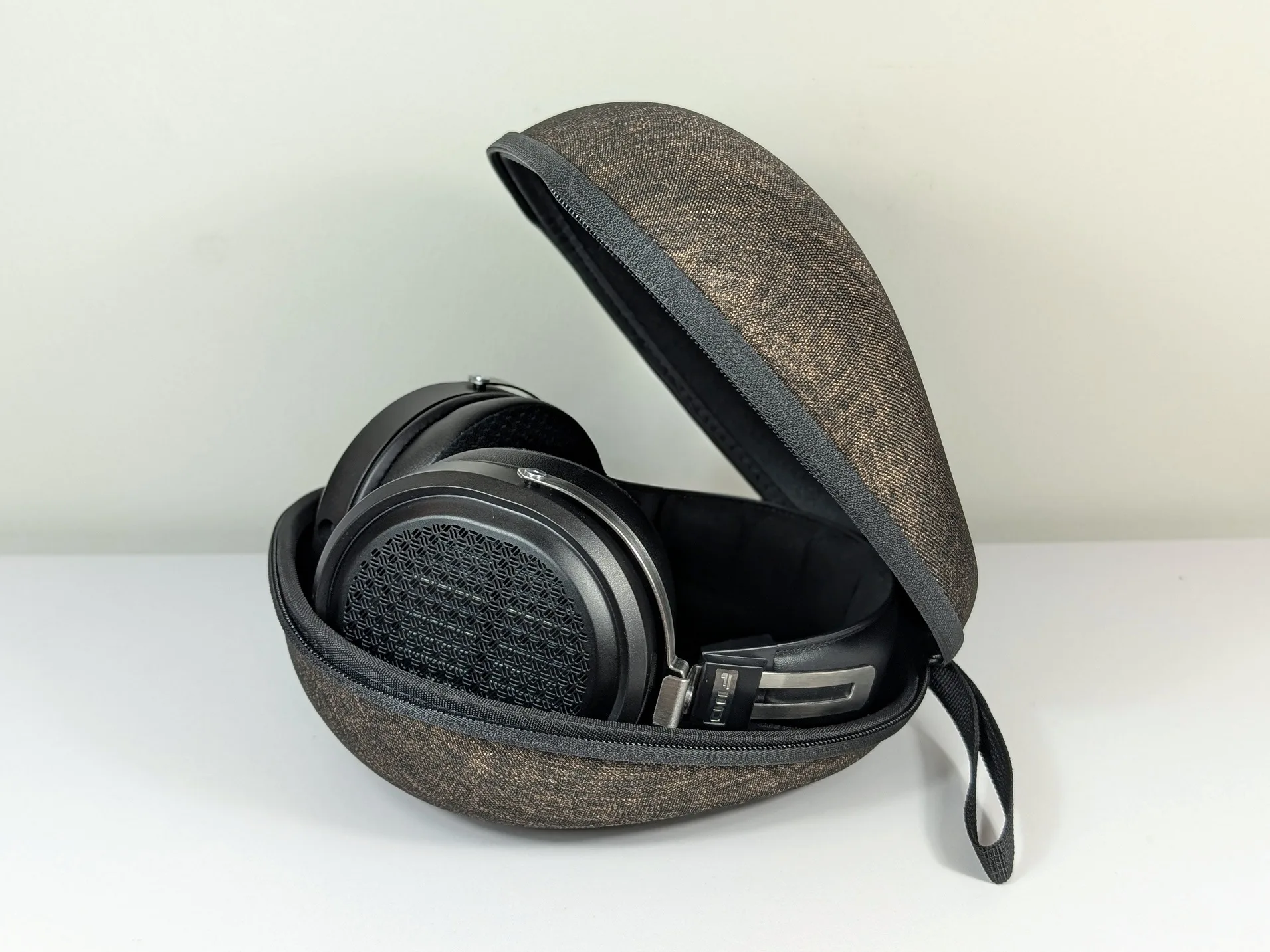
The fabric sleeving of the FT1 Pro's cables is coarse, so they might be slightly microphonic when rubbing against clothes. However, the 1.5-meter length is just right for my needs, so I don't have to untangle knots, especially since the slightly stiffer-than-usual material keeps the cable straight. I wouldn't see any real need to change the cables, so considering the carrying case, the FT1 Pro buyer practically gets everything they need.
Build and comfort
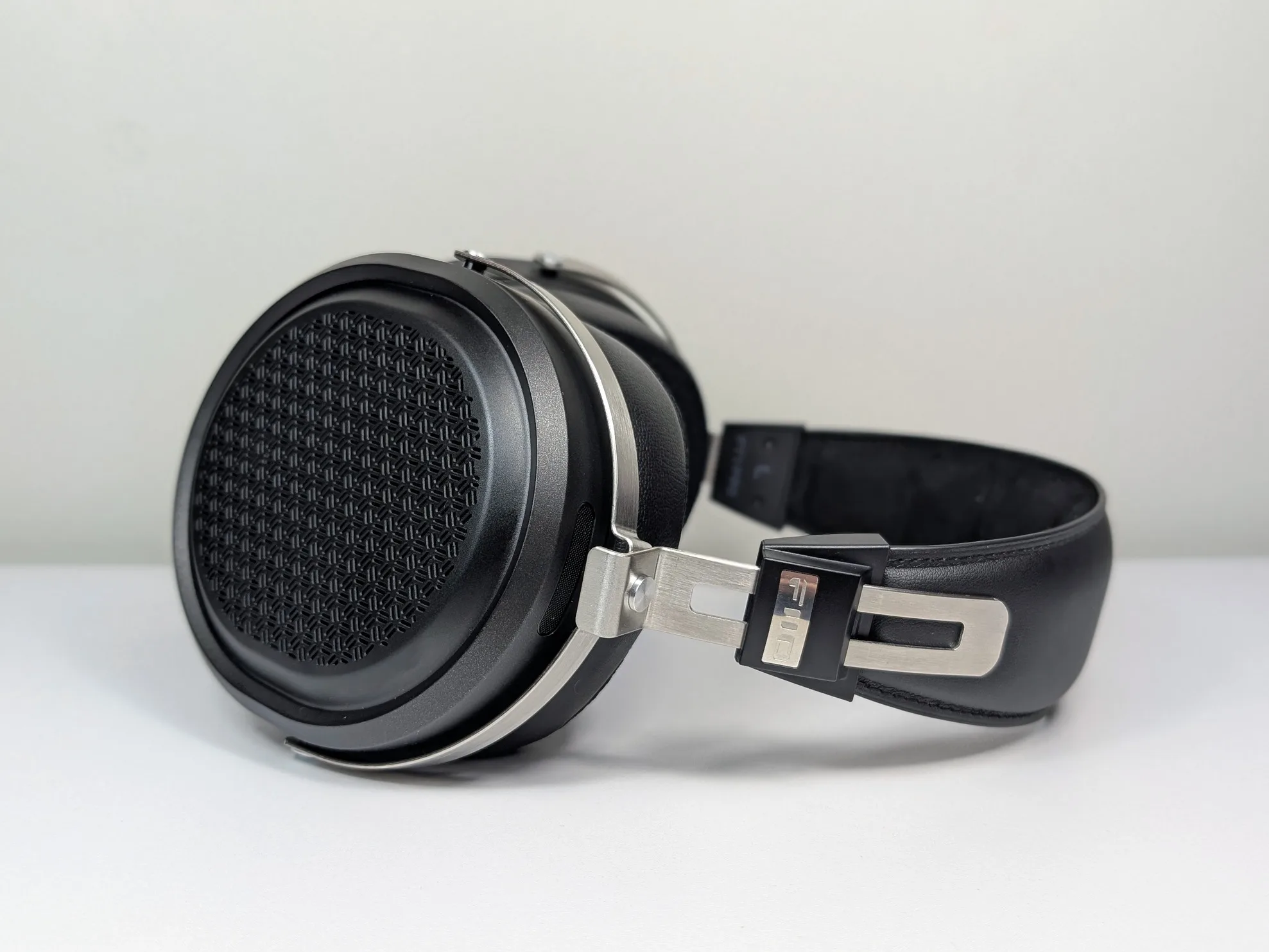
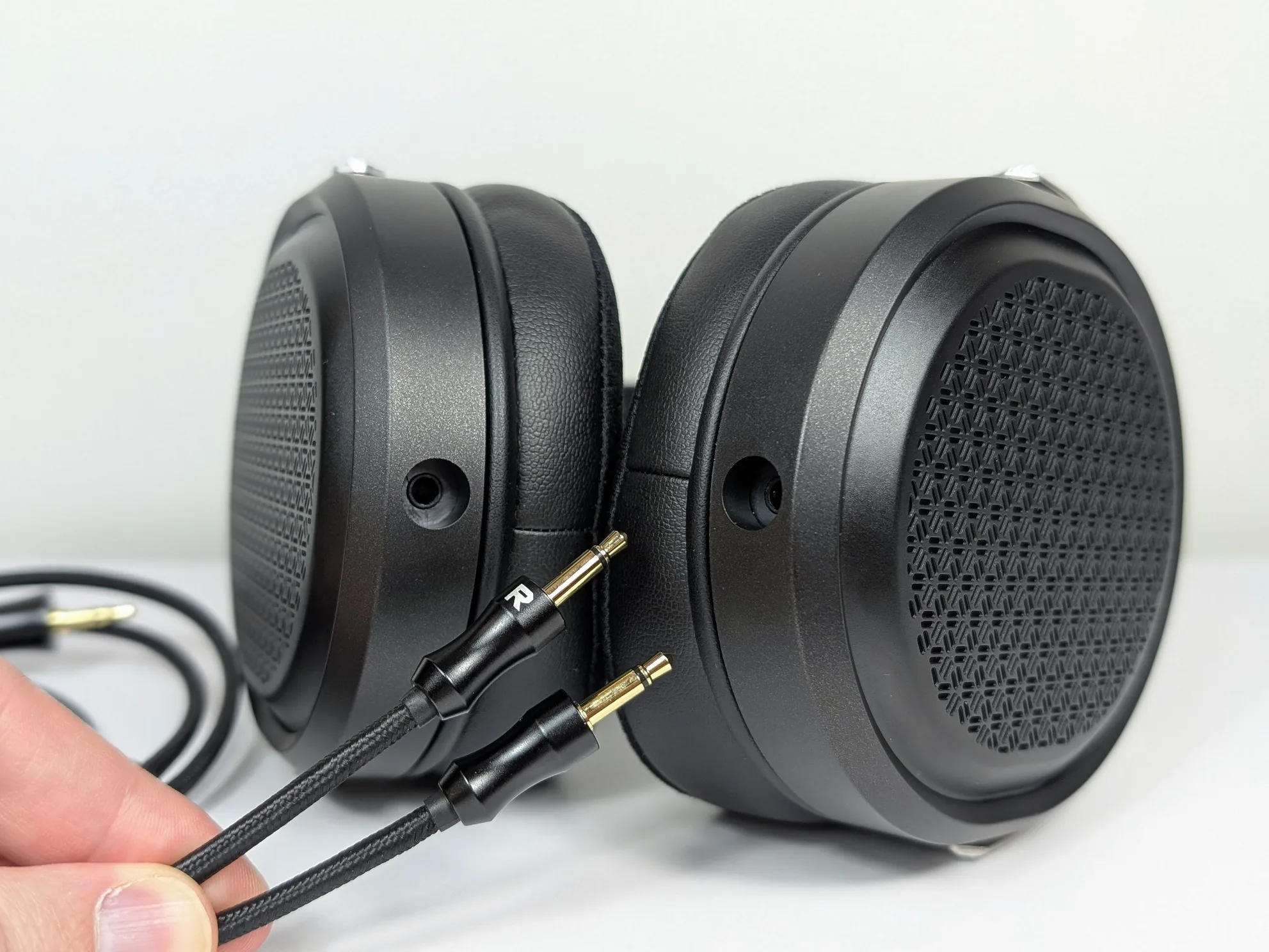
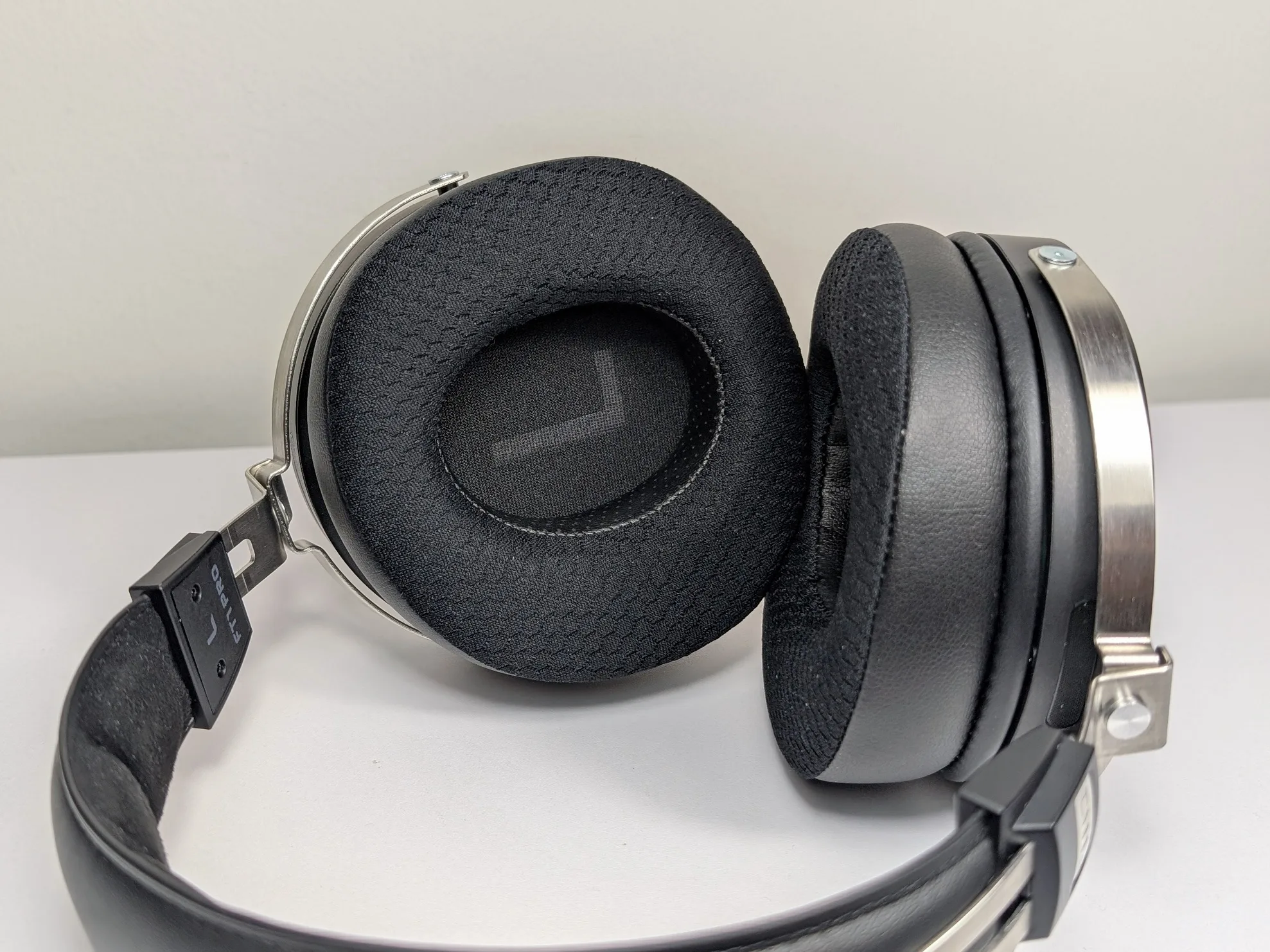
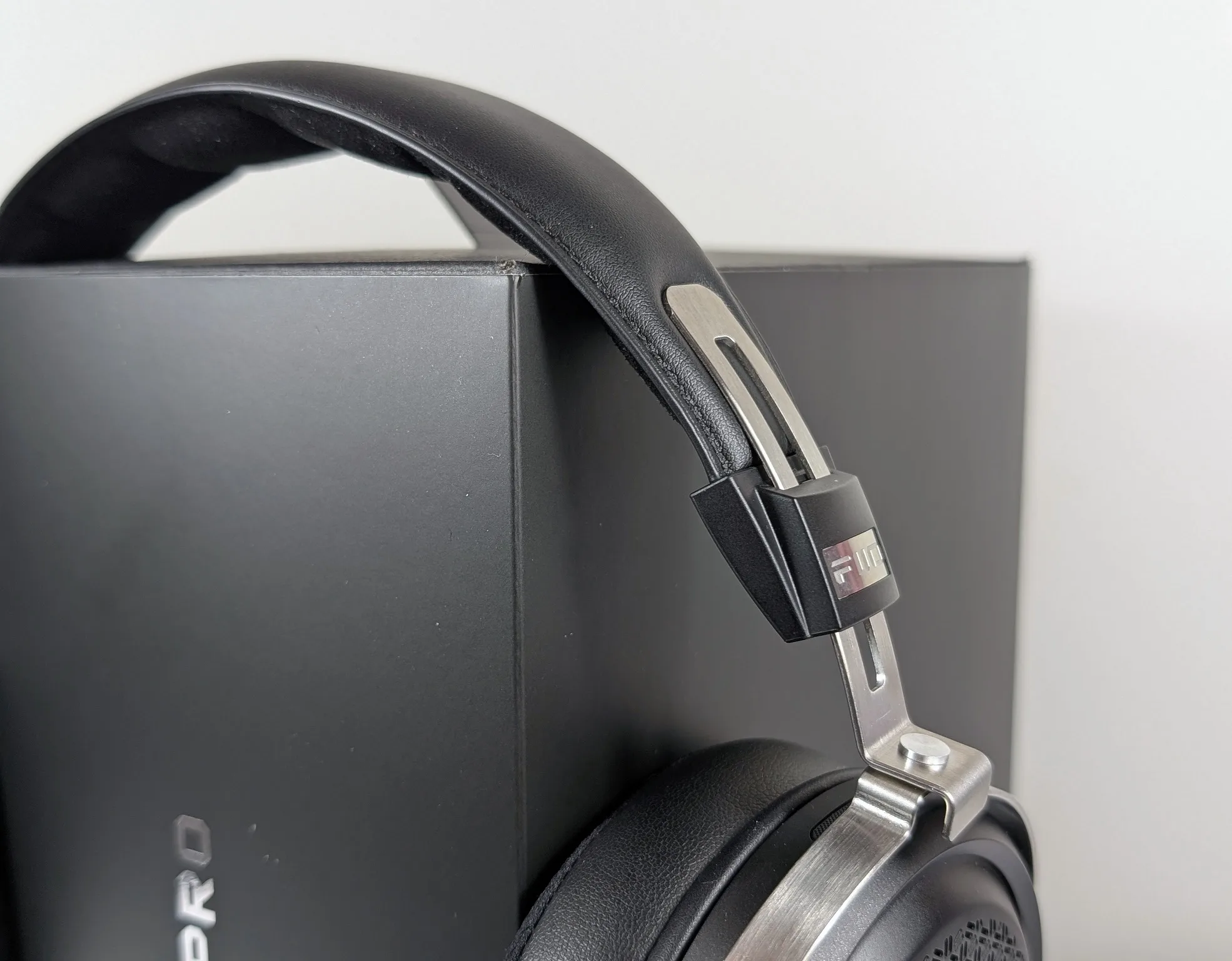
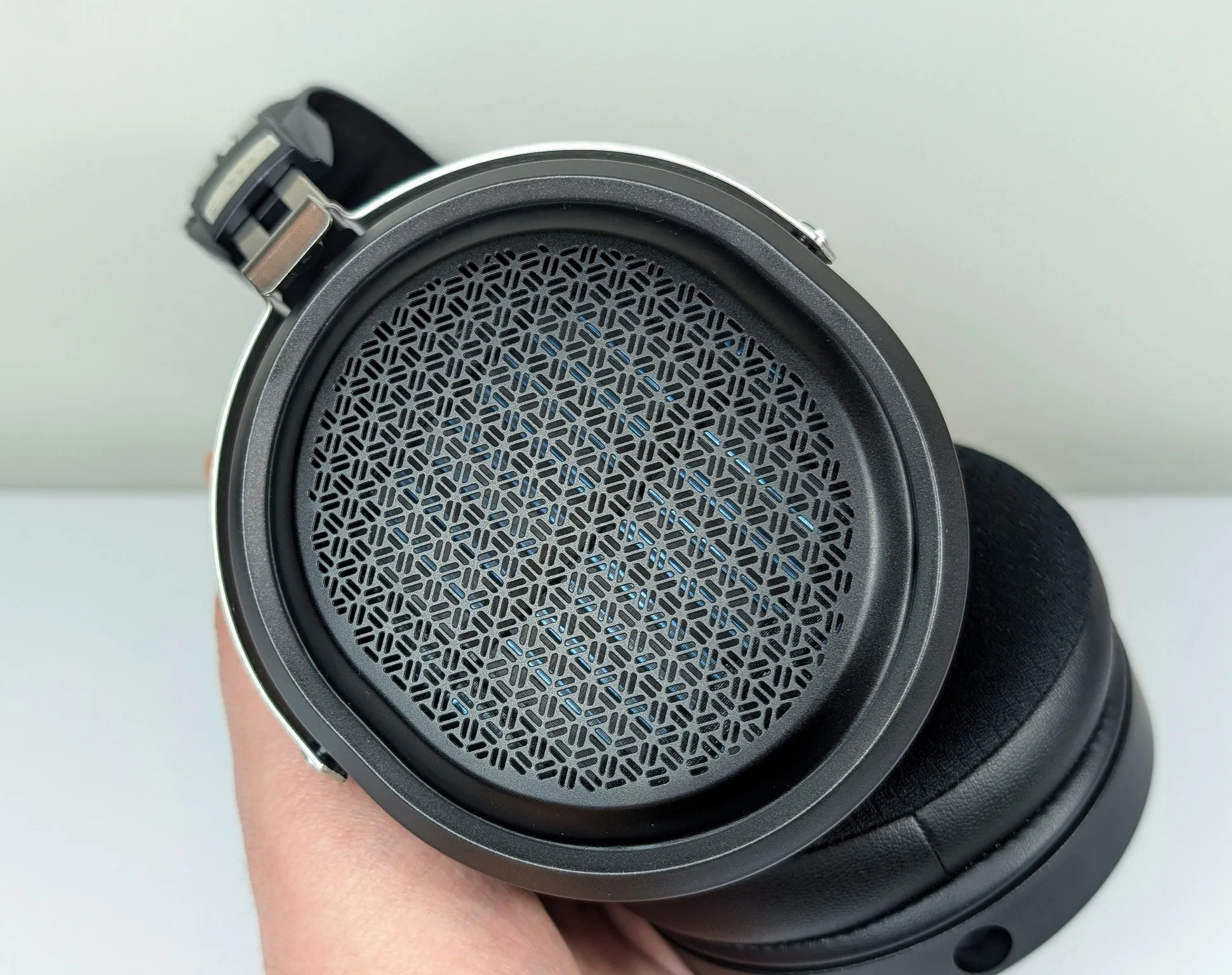
The structure, borrowed as is from the basic FT1 model and partly mimicked from older Hifiman headphones, feels good enough for the FT1 Pro's price, but also leaves some room for improvement. Starting with the good points, the general design and adjustment possibilities are successful, and the headphones don't look bad either, despite the metal parts of the headband not being painted. The FT1 Pro also clamps my head just right, meaning rather gently than tightly. Springs installed in the cups also ensure a snug fit below the ears. The plush hybrid-style ear pads also feel good thanks to their high-quality memory foam, and my ears fit inside them easily (opening size 60 x 45 x 25–30 mm).
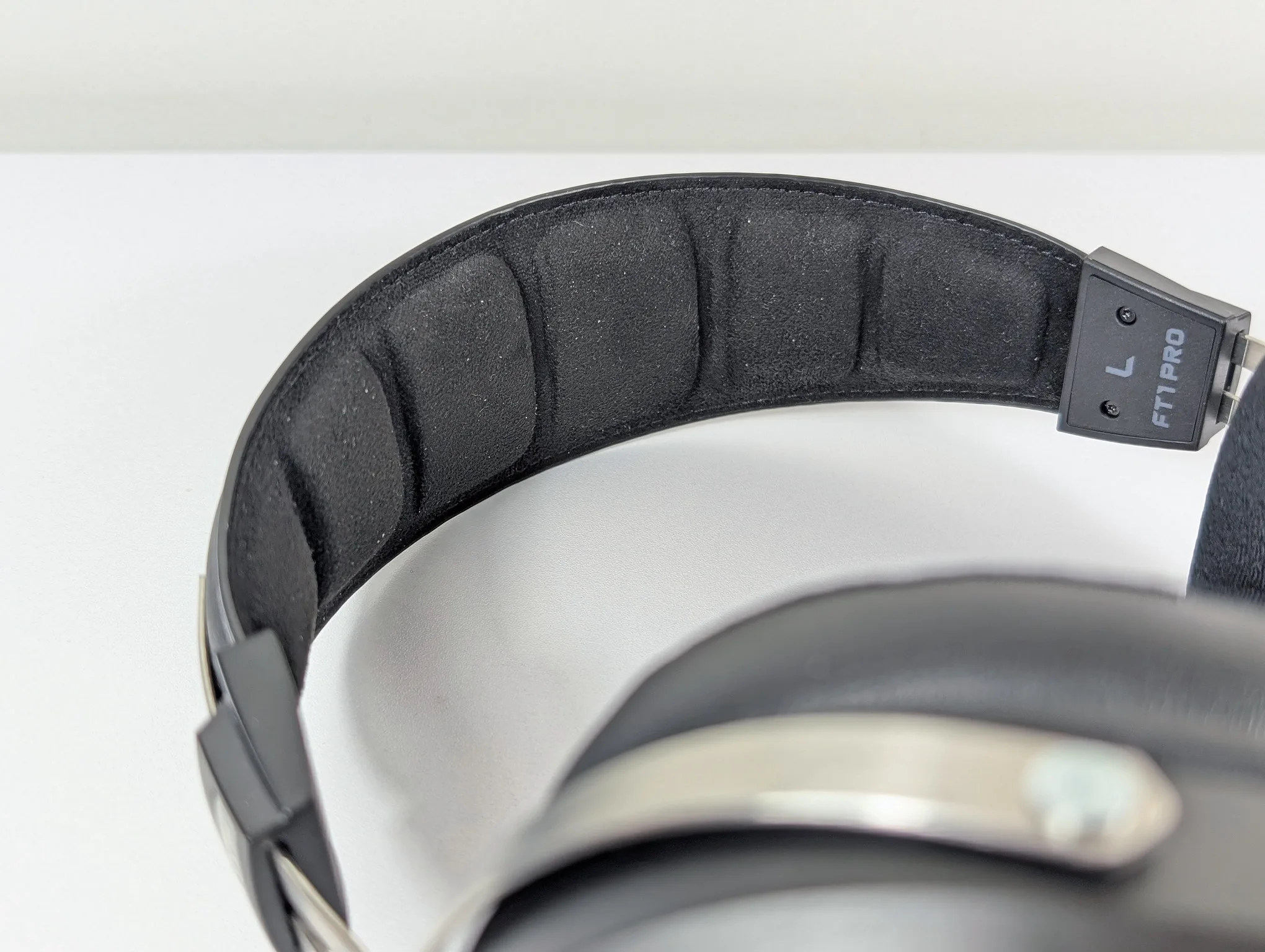
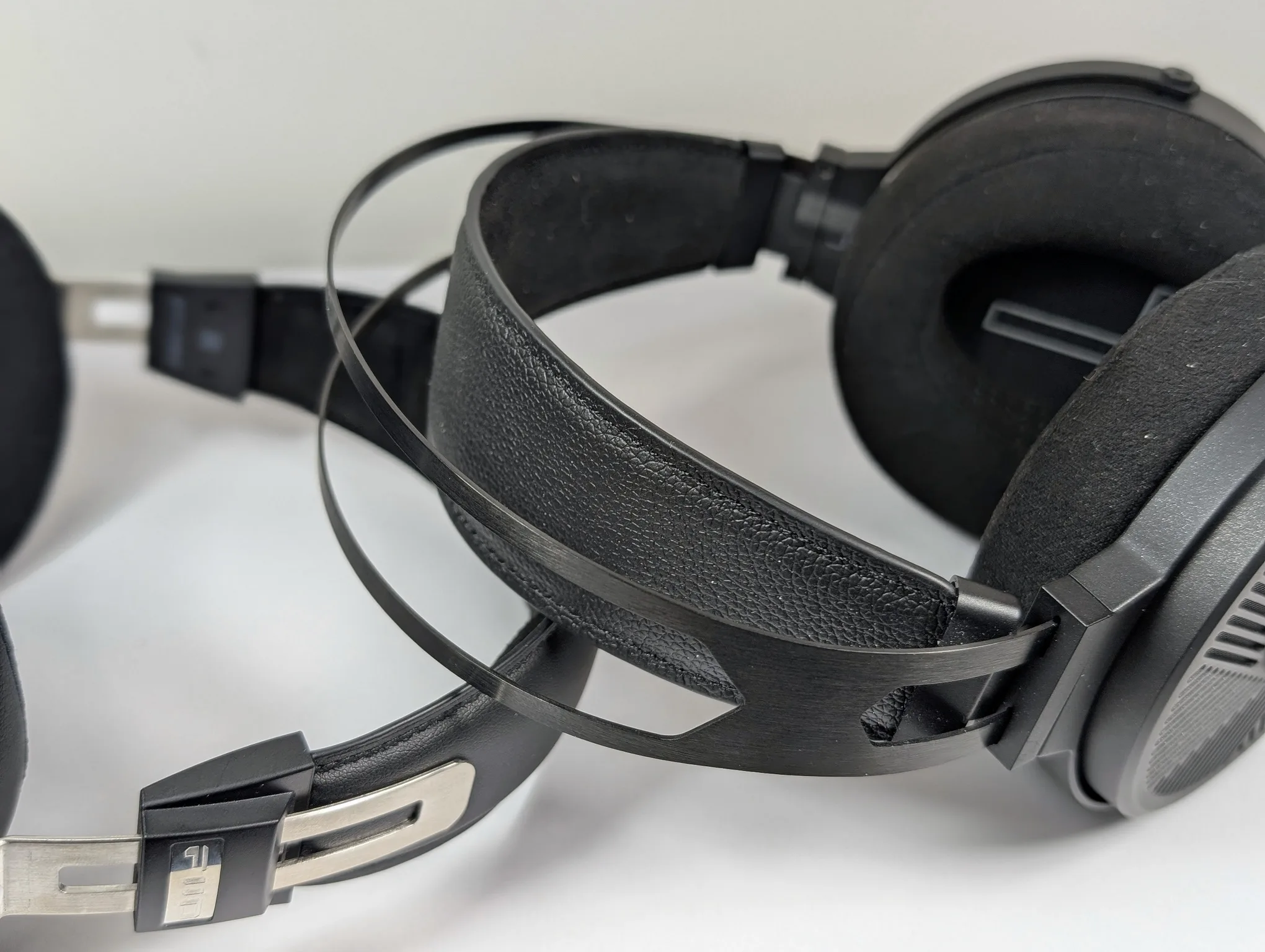
FiiO, however, has failed in padding the headband, as the small and flat padding nubs are not sufficient to distribute the headphones' 374-gram weight comfortably on the top of the head. I constantly feel a slight pressure, especially when the band hugs the head tightly. Many headphone owners have had to craft additional padding for it, and the situation is not far off for me either. Another peculiarity related to the band is that the somewhat sharp metal edges of the height adjustment extension parts bite into the faux leather material so strongly that I wouldn't be surprised if it wears out quickly. At least, the headphones should not be adjusted while wearing them, because then the metal parts practically push directly against the faux leather.
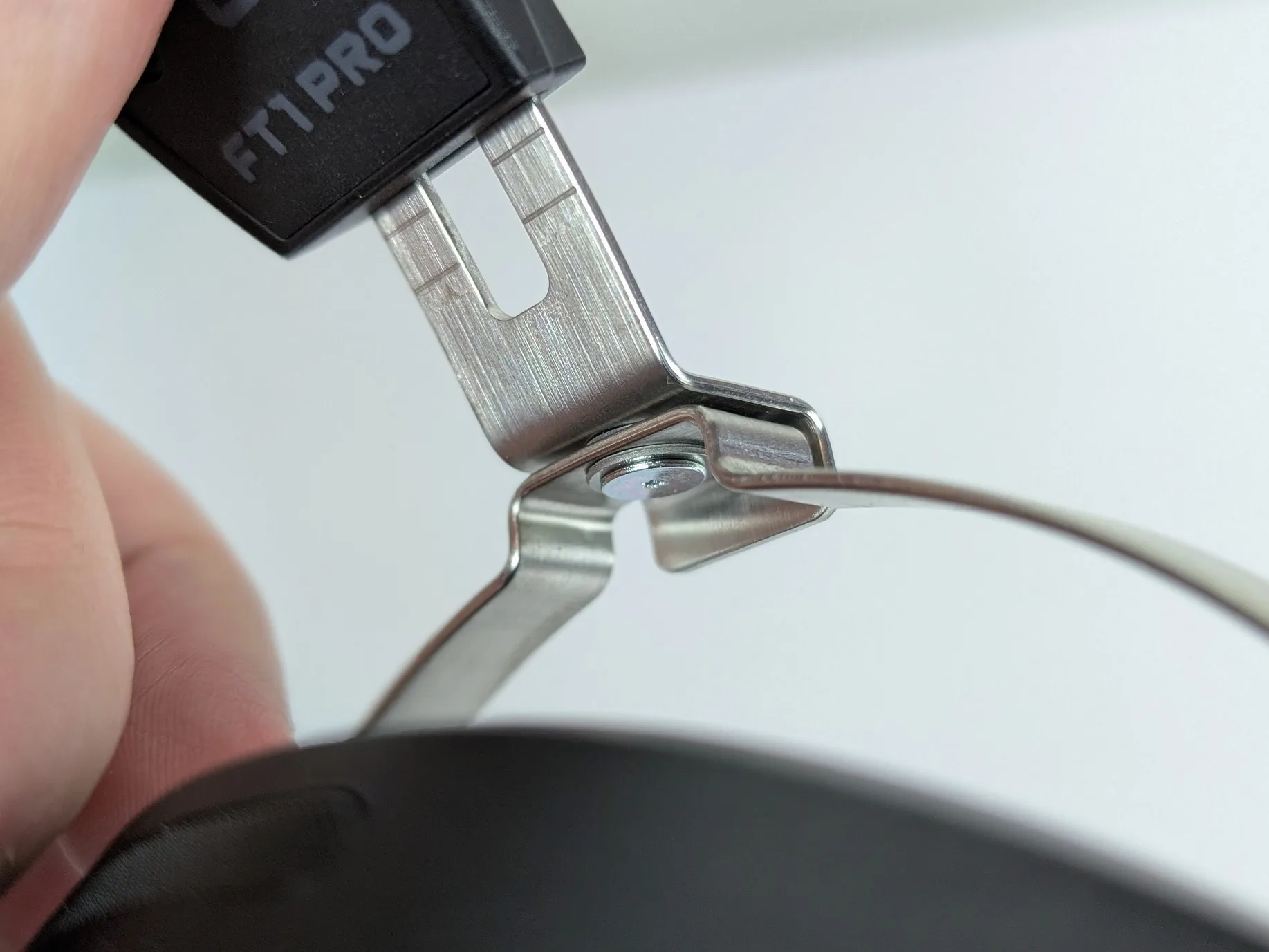
In addition to the minor lack of finish on the headphones, the manufacturer has also made one larger design flaw, which also affects the closed FT1 model. The weakest point of the structure are the small screws that hold the cup yokes and the headband together. Because the screws are subjected to continuous stress during use, they have been found to break easily. Some headphones have even arrived already broken after transport. Even if the structure were to remain intact, the screws will gradually loosen anyway, requiring them to be tightened. The procedure requires a special screwdriver with a star-shaped head, and the cups may also need to be removed from their yokes first. Fortunately, FiiO reacted to the problem by replacing the screws in the latest production batches with more durable and tightly staying bolts. My own headphones are from before the fix, but apparently, spare parts for self-repair of the problem could be requested from FiiO.
FiiO's headphones are therefore not particularly comfortable due to their hard headband, and the first production batches may not remain intact without repair. This situation somewhat increases my understanding towards those who are wary of inexpensive Chinese products, or in this case, headphones. Although well-known manufacturers like FiiO usually get things right, small errors sometimes occur. The FT1 Pro is by no means a structurally failed product, but its affordable price includes compromises. As a more serious weakness, I consider the sound quality quirks, which we will move on to next.
Sound quality
Our frequency response measurements have been made with a clone IEC-60318-4 coupler and KB501X pinnae. The Harman target curve from 2018 is used as a reference point and generalization of the headphone response that would sound good to most people. For more information on the measurements and their accuracy, see Headphone Measurements-page. The FT1 Pro's frequency response is also comparable with other measured headphones Squiglink .
Impedance measurements and amplification requirements:
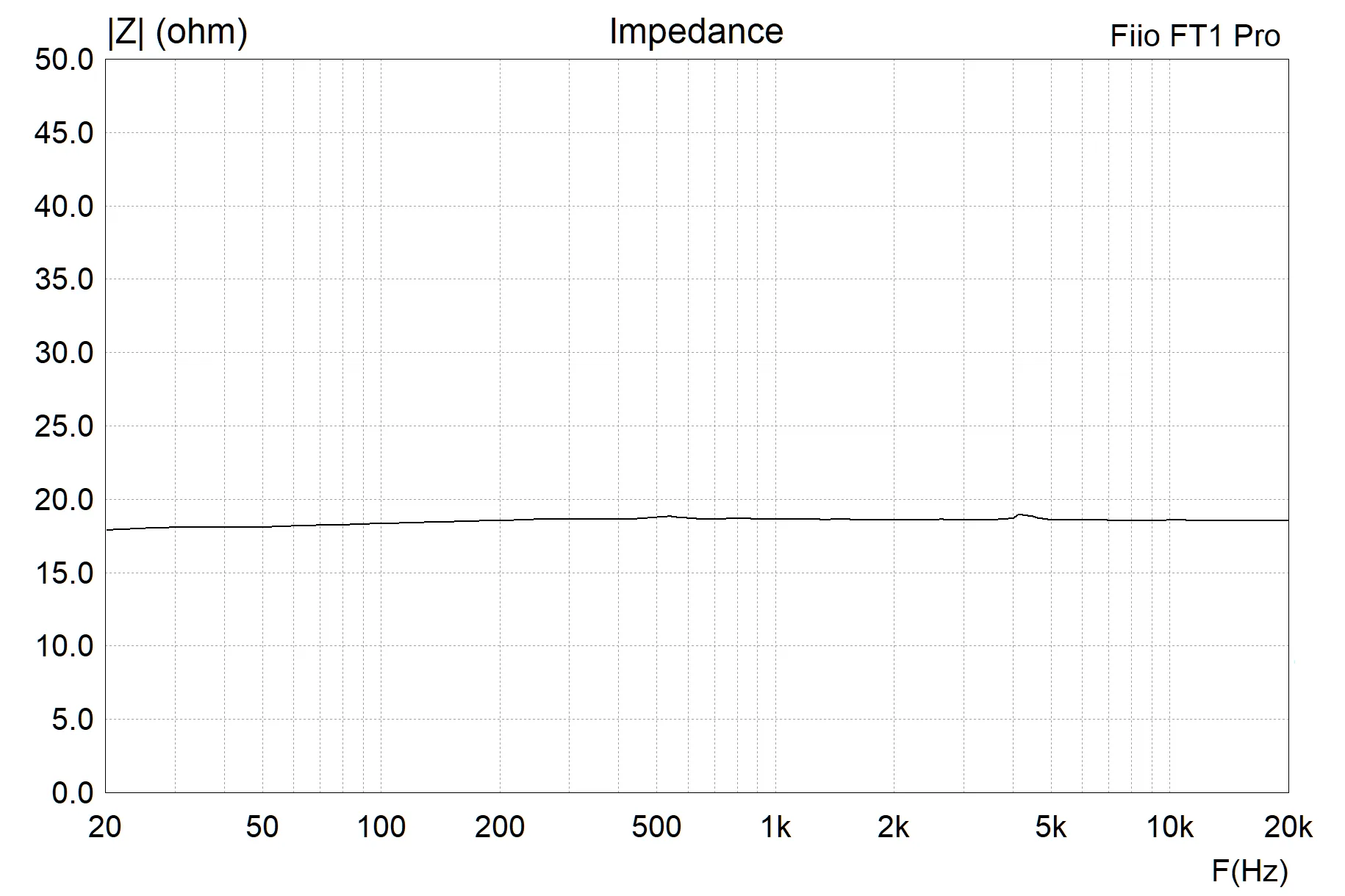
The FT1 Pro's impedance curve, like most planar headphones, is linear, meaning the amplifier's output impedance has no effect on the resulting frequency response. FiiO itself states the nominal impedance of its headphones as 20 ohms, but based on my own measurements, it is even slightly lower at 18.5 ohms. The headphones therefore require good current delivery capability from the amplifier. Considering the slightly lower than usual sensitivity (95 dB/mW), amplifying the FT1 Pro purely can prove challenging for some small mobile devices and other dongle-type amplifiers. However, it is not a difficult-to-amplify product, as long as the amplifier is designed to work with a 10–20 ohm load.
As a compact battery-powered device Qudelix 5K plays the FT1 Pro easily, for example, but that's not a big surprise to me, as the headphones also work surprisingly well when plugged directly into the Macbook Air's (M1) headphone jack, at least when using the Tidal streaming service. Only when increasing the volume more, the result is no longer as clean and balanced as with more powerful amplifiers.
Frequency response:
Let's start with the problematic bass
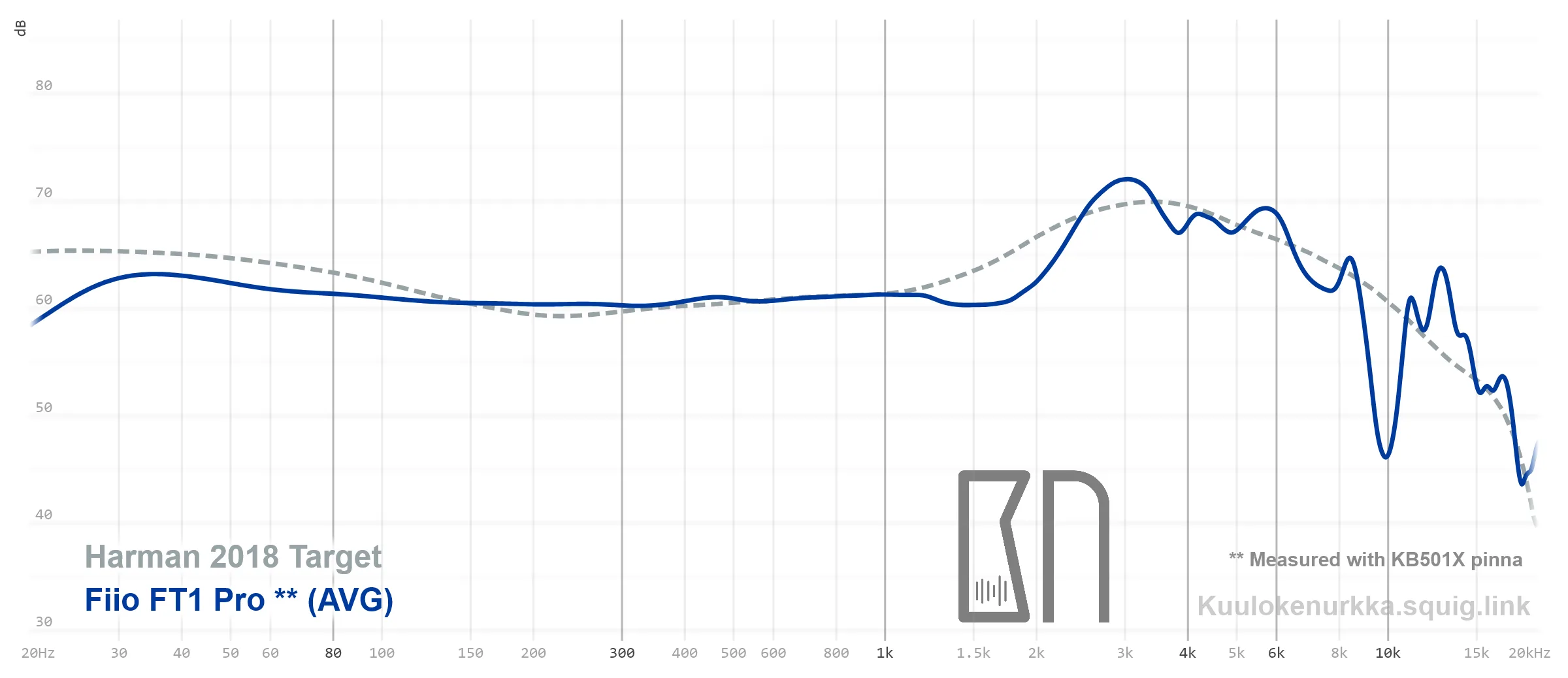
From the measured frequency response, it can be seen that the FT1 Pro's sub-bass rises slightly between 30–40 hertz and then drops towards 20 hertz. FiiO has achieved this by adding a controlled ”leak” between the driver and the pads, which amplifies frequencies near the driver's resonant frequency. The solution works excellently, producing an excitingly punchy and robust sound compared to Hifiman's similar planar headphone models. The FT1 Pro is, overall, one of the few affordable open-back planar headphones where the body of instruments is reproduced with satisfying weight. Usually, this is only achieved with dynamic headphone models, whose sub-bass, however, often reproduces weaker and upper bass more bloated than the FT1 Pro. Thanks to its linearity, the bass of FiiO's headphones remains clear, but in truth, the robustness slightly precedes quality. However, I don't mind this; in my opinion, the situation is excellent by open-back headphone standards, except that…
When listening to music primarily containing sub-bass or, for example, movie soundtracks, such as a certain part of Hans Zimmer's ”Why So Serious” track, the drivers or some structural materials begin to resonate more or less due to the bass's power. Side noises are also audible outside the headphones, and this happens even at quite moderate volume levels in situations where the drivers reproduce only sub-bass, with no higher frequencies present – some tracks have such sections at least momentarily. Most often, however, the music listened to is distributed over a wider frequency range, in which case the FT1 Pro's bass sounds normal, and the problem likely goes unnoticed.
The side noises seem to be concentrated between 20–60 hertz, but already with an 80 hertz test tone, I hear a slight rattling from the drivers. The funniest thing, however, is how the FT1 Pro resembles a flying helicopter with a 20–40 hertz test tone. However, the distortion values of the drivers do not explain the problem, nor do the side noises disappear by equalizing the bass level downwards. On the other hand, increasing the volume does not significantly amplify the side noises during music listening. Despite the observed extent of the problem, some headphones also appear to function normally, so instead of a design flaw, something might be wrong in the manufacturing process or quality control.
Whatever the ultimate cause, FiiO should fix this issue so that I would dare to recommend buying the FT1 Pro. For principled reasons, for 200 euros, one should already get perfectly decent headphones that don't break down just by reproducing sub-bass. On the other hand, with my own musical taste, the bass side noises remain unnoticed most of the time, so I also wouldn't want to exaggerate the severity of the problem. Everyone can surely make their own decisions based on the available information.
The part of the sound that works, truly works
Otherwise, the FT1 Pro sounds really good, being like Hifiman Sundara with a slightly calmer treble and a fuller sound signature. On the other hand, the tuning of the upper midrange between 1–3 kilohertz rather resembles Hifiman's Edition XS model, so the FT1 Pro sounds slightly larger and more spacious than the Sundara. Generally speaking, it's a neutral and clear reproduction, where the vocalist is positioned slightly further away than usual in the overall sound due to the late-rising ear-gain. Other instruments also reproduce a bit softer due to the relaxed 1.5–2 kilohertz range Sennheiser HD 600compared to headphones like the [missing model name], but the energetic 3 kilohertz region maintains the clarity of the sound. The presentation sounds spacious and allows the listener to focus on the overall sound quite evenly without any single instrument intimately pushing to the foreground.
In other words, the FT1 Pro is not the sharpest or most present in its sound, which could be considered a small drawback depending on taste, compared to Harman-style headphones. However, the robust bass and unaccentuated upper treble (10 kHz +) prevent the presentation from being too thin or bright, so I find the result pleasant and even quite atypical for planar headphones. The closest stylistic equivalent to the FT1 Pro in my headphone collection would actually be the equally balanced, but slightly warmer in the lower midrange Aune Audio AR5000, which, however, does not reproduce sub-bass as robustly or treble as freshly. FiiO's headphones are therefore actually better at the extremes of the frequency band, and without their bass problem, they would compete equally with other headphone models I've tested costing 200–400 euros.
FiiO has managed to tune the FT1 Pro's treble to be natural and suitable for my taste, as frequencies above 10 kilohertz do not rise sharply like Hifiman's, but remain close to the level according to Harman's target curve. Despite its clarity, the reproduction is not necessarily the airiest or freshest, but it also doesn't produce unnatural hisses or crackles. In the lower treble, around 6 kilohertz, a slight splashiness is noticeable, but fortunately, it does not cause sibilance or any other major alarms. It should be noted, of course, that people always perceive high frequencies quite differently, so for some, the FT1 Pro may not be as effortless to listen to as it is for me.
One notable peculiarity is that something strange happens in the drivers between 3.8–4.1 kilohertz, as the left side reproduces a narrow frequency range attenuated and the right side more normally, with the channel imbalance being as much as 7 decibels at its peak. A similar difference is visible in the frequency response measurements of some others as well. Although I usually don't notice this during listening, it is further proof that the FT1 Pro is not quite top-notch. In terms of sound quality, the biggest challenges would therefore seem to be related to the quality of the drivers and/or their structural design, because otherwise the tuning would be spot on. Brighter treble or more energetic mid-frequencies would certainly increase the precision of the reproduction, but the headphones sound so good for their 200 euro price that I wouldn't significantly change the balance one way or another. If only FiiO could still fix the biggest problems, because without them, the FT1 Pro would have the potential to be very competitive.
Changes in sound attainable with amplifiers
The tuning of the FT1 Pro is safe in the sense that there is no significant unevenness or excessive brightness in the treble, for example, that would need fine-tuning with device choices. Affordable devices, such as Qudelix 5K or Topping DX1 are also sufficient in terms of sound quality in the sense that I don't feel any aspect significantly deteriorates compared to my more expensive equipment. In truth, however, the FT1 Pro's sound with both feels a bit cramped in terms of soundstage compared to my more powerful devices.
The Topping Centaurus & Ferrum Audio OOR combination I use as a kind of primary setup is naturally completely oversized for 200 euro headphones, but the listening experience at least feels better than the headphones' price level. The sound signature is the most natural of the setups I've tried, and the soundstage is the most spacious, even though, for example, the vocalist sounds the most present.
I also tried the FT1 Pro with Cayin iHA-6 amplifier via a balanced connection, noting the sound to be slightly thinner and more energetic compared to the Ferrum Audio OOR. This is largely because the OOR somewhat smooths out the upper frequencies of most headphones, whereas the iHA-6, specifically through its balanced connector, has a certain raw-feeling energy, even though the amplifier's sound is by no means aggressive. For lovers of this kind of presentation, the FT1 Pro might indeed sound more fun with the iHA-6 than with the OOR, which offers a more refined sound. I like owning both amplifiers precisely because they offer quite different sounds relative to each other.
Comparison: Fiio FT1 Pro vs. FT5
Prices: 200 € vs. 500 €
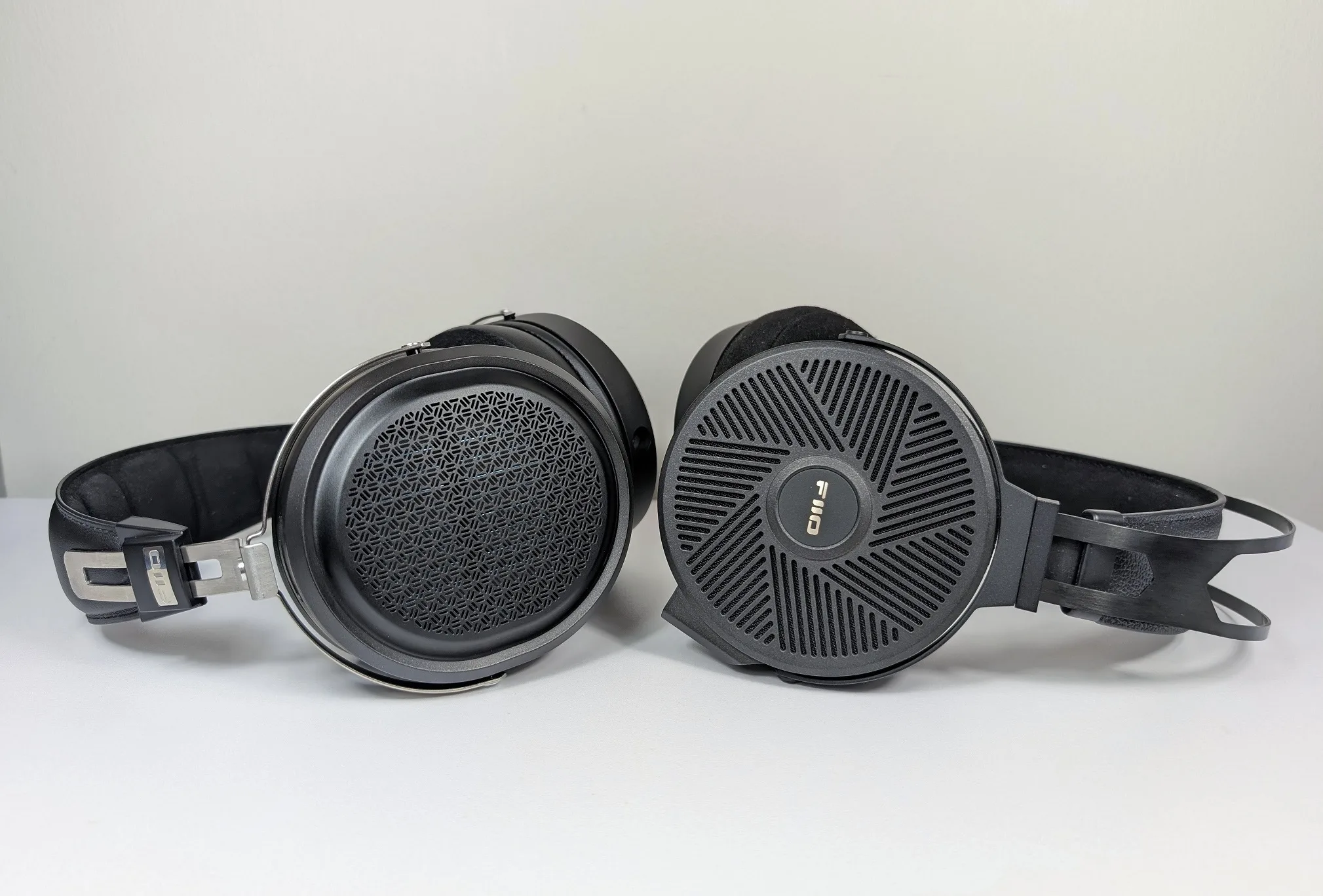
Although there would be several comparables for the FT1 Pro in its own price range, I couldn't really think of anything more to say about it. Without its problems, the headphones would be at least as good in sound quality as their 200–400 euro competitors. Therefore, for a more detailed comparison, only the FT1 Pro's big brother, the FT5, which costs 500 euros, was chosen this time. FiiO has made the duo very different in terms of both construction and tuning.
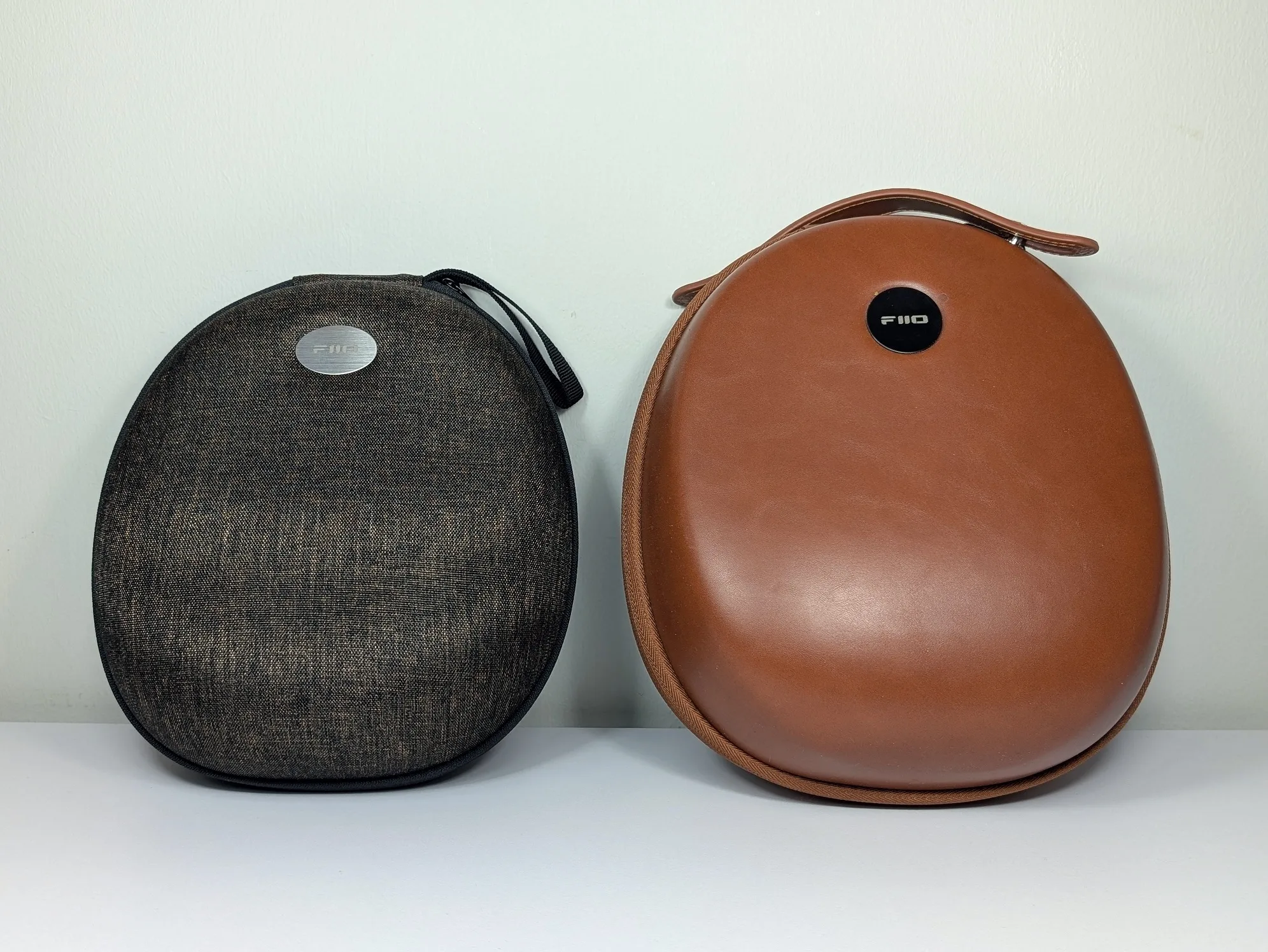
For an additional 300 euros, the FT5 buyer gets a higher quality cable with a replaceable connector (4.4 mm / 3.5 mm), a fancier (matter of taste) carrying case, a 4-pin XLR adapter, and a second pair of ear pads. The construction of the headphones is also clearly higher quality and more successful from a comfort perspective compared to the FT1 Pro. The budget model weighs 80 grams less (374 vs. 456 g), but this is actually irrelevant due to the uncomfortable headband. One of the advantages of the FT1 Pro, however, is a simpler method of attaching the ear pads, which allows them to be changed more easily to different types. The selection of replacement ear pads for the FT5 is more limited due to the plastic clip attachment, so it's good that a second pair of pads is already included.
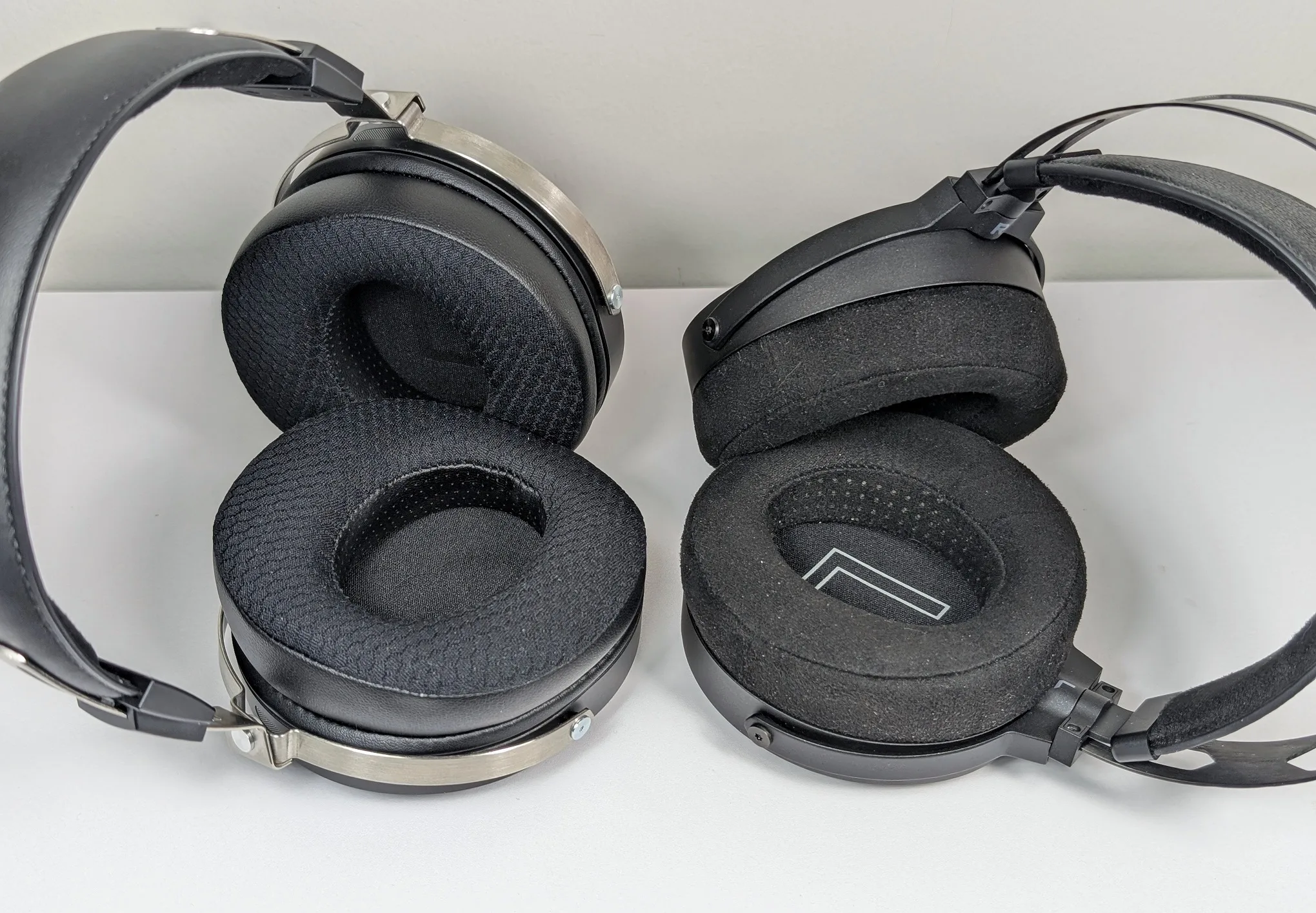
In terms of amplification, the FT5's sensitivity (96 dB/mW) and impedance (36 ohm) are slightly higher, so it is potentially better suited of the two for listening with some low-power devices. This is because mobile devices are often optimized for a load of about 30 ohms, whereas the 18.5 ohm FT1 Pro already starts to place more demands on the power supply capability of the amplifier section. However, if the device in use is modern and its name mentions a headphone amplifier, both headphones should play easily loudly, and in fact, at almost similar volume levels.
Frequency responses:
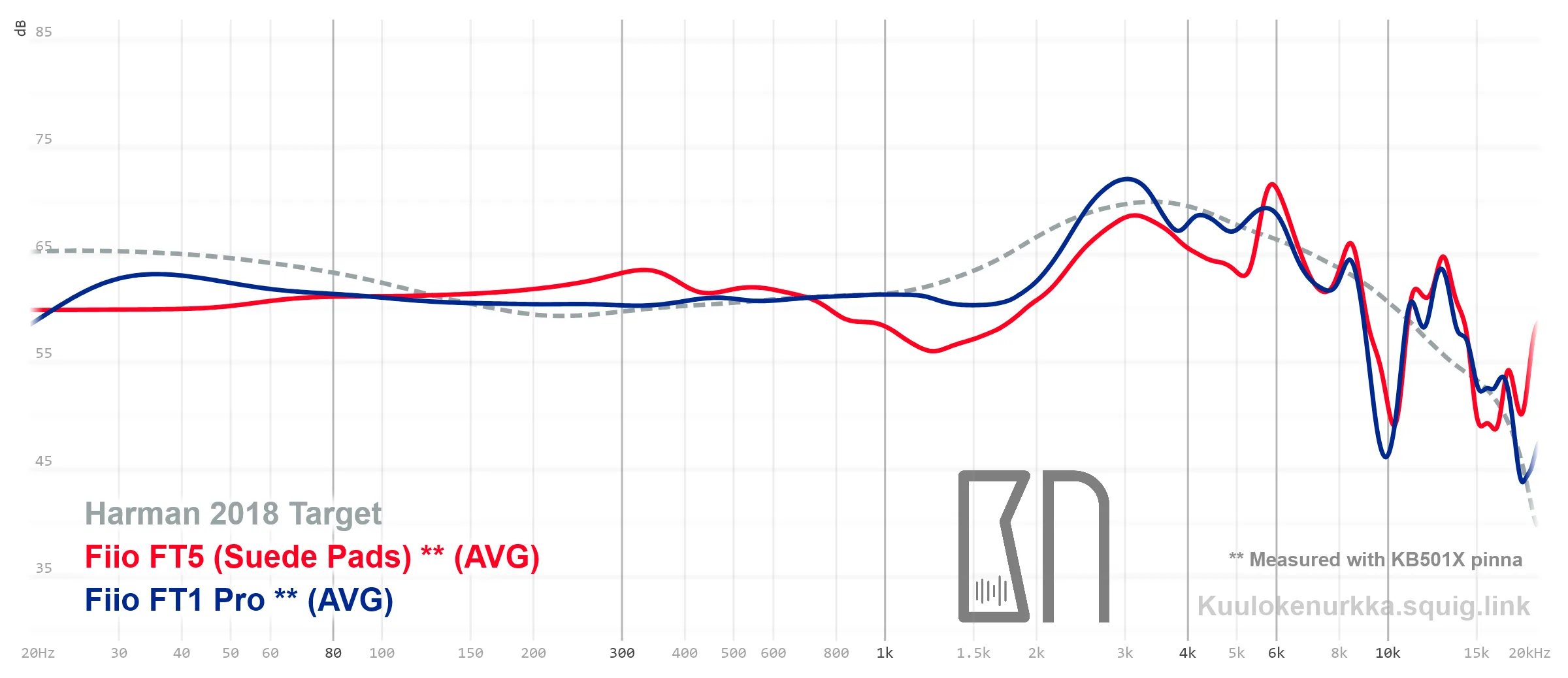
FiiO's headphone lineup is confusing, as the FT1 Pro's sound is tuned to be clearly more balanced than the FT5. If someone is looking for a single versatile headphone, the FT5 might be assumed to be the better of the FiiO duo due to its higher price. However, in my opinion, it is quite the opposite; it suits those who know they want a colored sound. The majority, on the other hand, would most likely perceive the FT1 Pro's presentation as more normal and correct. On the other hand, tuning like the FT5's has cost, for example, 3000 euros in past years. Meze Audio Empyrean form, so the 500 euro price can likewise be interpreted as competitive.
The FT5 sounds richly robust in its low frequencies and quite soft and distant in its upper-mid frequencies between 0.8–3 kilohertz. The treble also jumps straight up by 5 decibels at 6 kilohertz, which adds a splashy nuance to the sound, even though the high frequencies otherwise reproduce calmly in style, similar to the FT1 Pro. It would be easy for me to dismiss the FT5 due to its colored sound, but it actually sounds quite pleasant to me in less critical listening, when I just want to relax instead of analyzing music. However, the energy level of the reproduction ultimately remains so lacking in places that switching to the FT1 Pro immediately reminds me of someone removing a curtain between the music and my ears. The difference is significant, for example, in the clarity of vocal performances, although the FT1 Pro might initially sound even slightly aggressive compared to the FT5's relaxedness.
Based on my observations, the FT1 Pro's bass kicks tighter, instruments reproduce more clearly and detailedly, and the treble is smoother. Additionally, the soundstage opens up around me, more spacious and layered. If the headphones' sub-bass didn't have extraneous noises and the build quality were higher, the FT1 Pro could very well be priced higher than the FT5. Its frequency response is so much more balanced and natural that it's quite difficult to defend the FT5 in terms of sound quality other than by stating that it generally works correctly, and that its fuller and more relaxed sound is slightly better suited for situations where music is listened to for longer periods at a time or as if in the background while focusing on other things. On the other hand, many headphones are even more colored than the FT5, so it's ultimately easy to get used to its presentation.
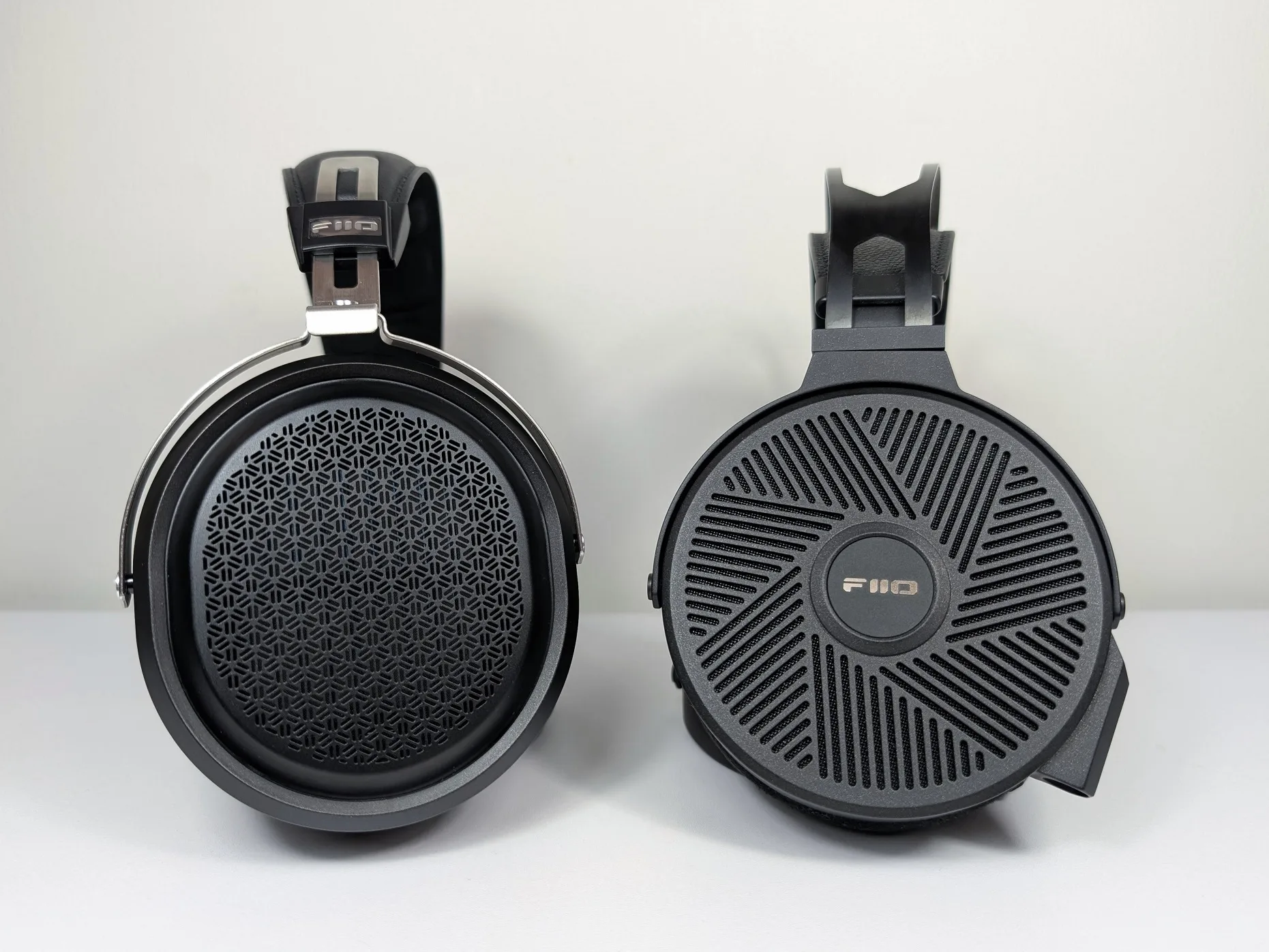
Finally, I argue that if FiiO could embed the tuning of its cheaper model into the FT5's structure, it would have a highly competitive product in its lineup against the market's top names. Currently, both models would still require improvement in various areas to rise to top-tier status in my books, even though both are a refreshing change compared to, for example, numerous Hifiman models.
Summary
By current standards, the FT1 Pro is an affordable headphone that feels somewhat uncomfortable during use, yet happens to sound excellent, if not to say, clearly better than its price range. However, competition is tough, so I fear that due to the extraneous noises in the sub-bass, FiiO's headphones might remain a shooting star until the manufacturer fixes them and restores their reputation. As great as the FT1 Pro is, I personally couldn't recommend buying it for now due to its teething problems. On the other hand, structural breakage issues have apparently already been fixed, so if the bass can also be made to sound clean, I would immediately add the headphones to Kuulokenurkka's wall of fame.
Although the FT1 Pro doesn't really offer anything new, its more robust low frequencies and more moderate amount of treble distinguish it positively from many Hifiman headphone models, which often rank at the top of their price range in terms of sound quality. Finally, FiiO must be commended for striving to make better and more affordable headphones than its competitors at a time when other manufacturers are pricing their products higher than before.
Pros and cons:
+ Balanced and clear sound
+ Natural amount of treble
+ Solid and punchy bass reproduction
+ Good fit
+ Comprehensive features
+ Moderate price
– Sub-bass does not reproduce cleanly, but suffers from extraneous noises
– Hard headband reduces wearing comfort
– Metal parts rub against the headband's faux leather
– Headband screws may loosen or even break (applies mainly to the first production batches)
 EN
EN  FI
FI
Hi.
Fiio has indeed gotten rid of those teething problems and promises free product support for faulty models which, according to them, are rare. Here is a link to their statement on their pages: https://fiio.com/newsinfo/1002816.html
It would be a fun addition to the review to test the functionality of that product support.
If a 3D printer is available, printable comfort straps can be found for it. The printer just popped one out and it works well.
You unfortunately missed out on the highly praised and reviewed Fiio FT1
Hey! With the FT7 model, I could probably test product support, because its height adjustment is quite loose and could benefit from changing the headband. To my knowledge, the manufacturer has sent spare parts around the world quite generously.
The FT1 has indeed not yet been reviewed, but we'll test it when we have time. 👍