Author: Sword of Damocles
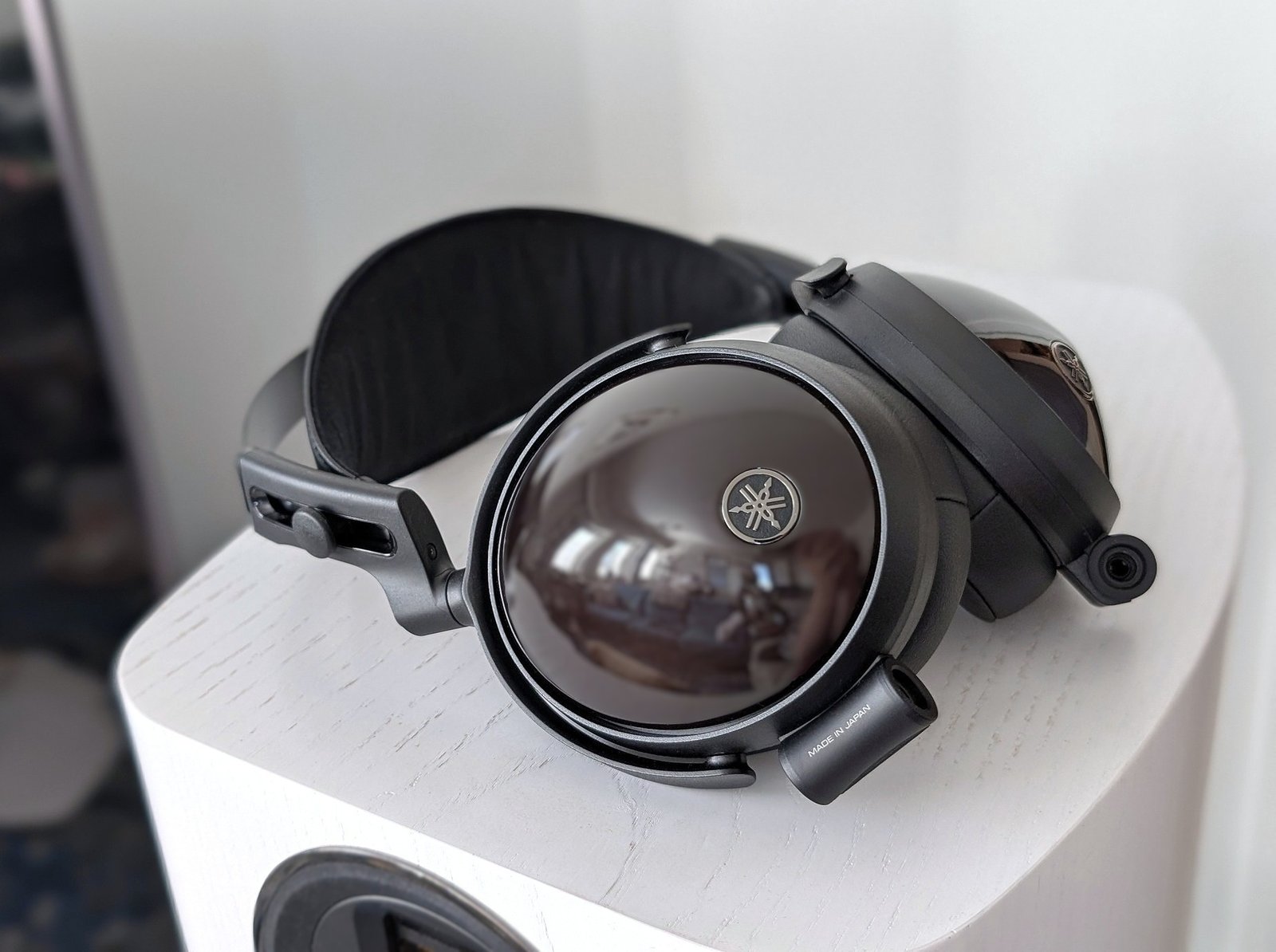
Table of Contents:
Information:
- Released: 2025
- Country of manufacture: Japan
- Price: 1899 €
- Available in Finland: Yes
- Type: Closed, over-ear
- 50 mm dynamic drivers (three-layer ARMODYNAMIC diaphragms: a mix of paper, resin, and ZYLON fibers)
- Impedance: 34 Ohm
- Sensitivity: 94 dB/mW
- Weight: 330 g
- Connection type: 2x 3,5 mm
- Cable: Length 2 m | Connector 3.5 mm (+ 6.35 mm)
- Accessories: Large carrying case and cleaning cloth
- Warranty: 2 years
Review unit: Loaned by the manufacturer
Yamaha is a top expert in many different product categories, whose influence is strongly visible, for example, in what kind of music we listen to, and how we listen to it. Not many companies come to mind that manufacture 1) the instruments with which music is played 2) the tools with which it is recorded in the studio and 3) the listening equipment with which it is finally reproduced, for example, at home. On the other hand, despite speakers and versatile electronics, serious hi-fi headphones were missing from Yamaha's selection for several decades, until the revival operation was started with the 5700 euro YH-5000SE in 2023.
In Kuulokenurkka, we also reviewed this specialty, and looking back, I can't say I was entirely convinced. At the same time, I hoped that Yamaha would release more passive over-ear headphones, which it did at the end of 2025. The YH-5000SE was joined by the half-price YH-4000, and this duo was accompanied by the 1900-euro YH-C3000, which is a closed-back headphone model with dynamic drivers. At the 2025 Helsinki Hifi Show I had time to note that the YH-C3000 was interesting, and even the longer test period now definitely didn't leave me speechless.
I received the headphones on loan directly from Yamaha, who, I hear, appreciates honest feedback and is not afraid of constructive criticism. I greatly appreciate the manufacturer along with my thanks. Next, let's find out what Yamaha's vision for a closed high-end hi-fi headphone sounds like.
Packaging and accessories
The YH-C3000 arrives securely packed with a large case as additional protection, which internally resembles more of a display box than a traditional transport case. Even so, carrying the headphones with it would be possible, for example, by the handle.
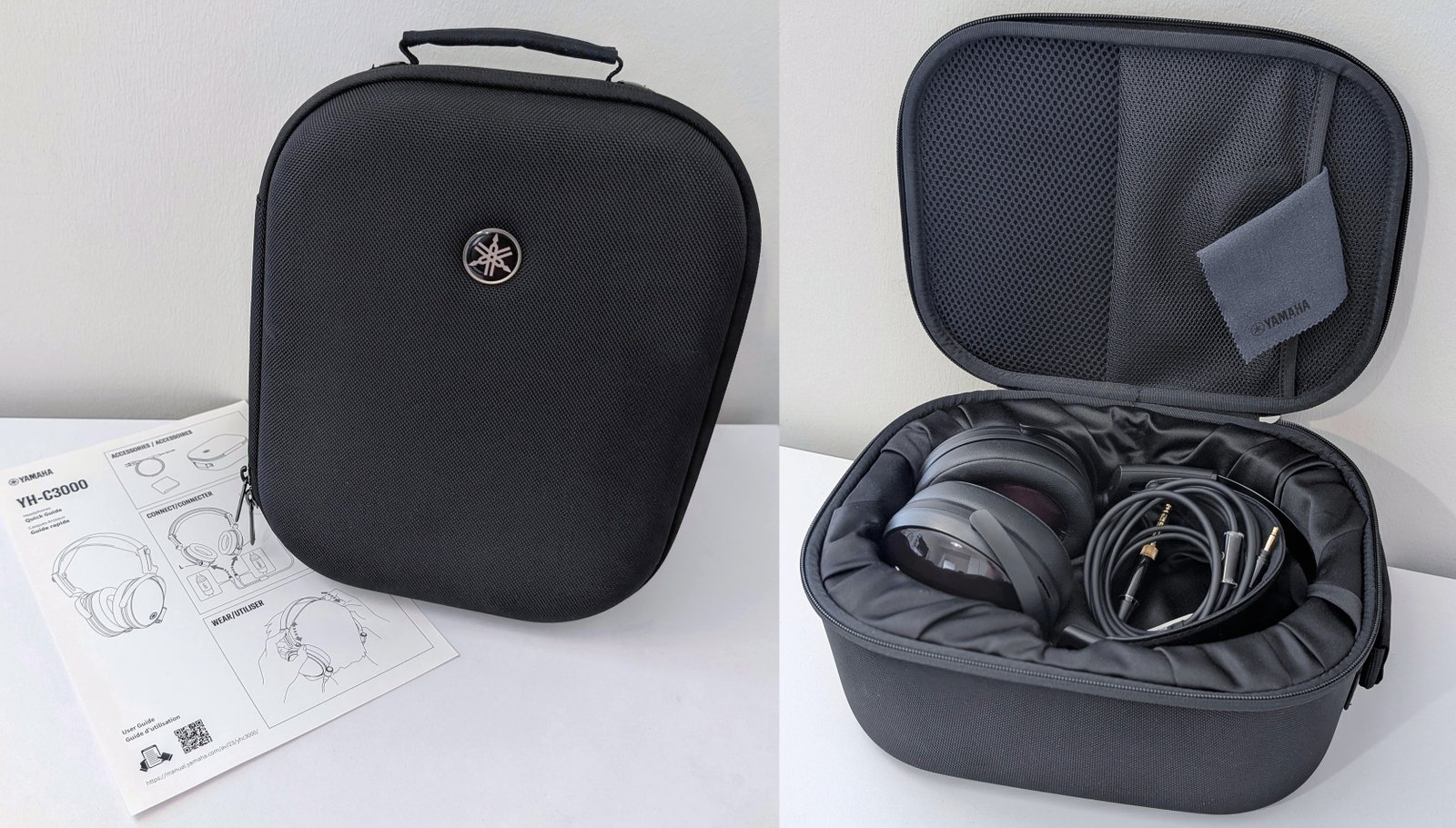
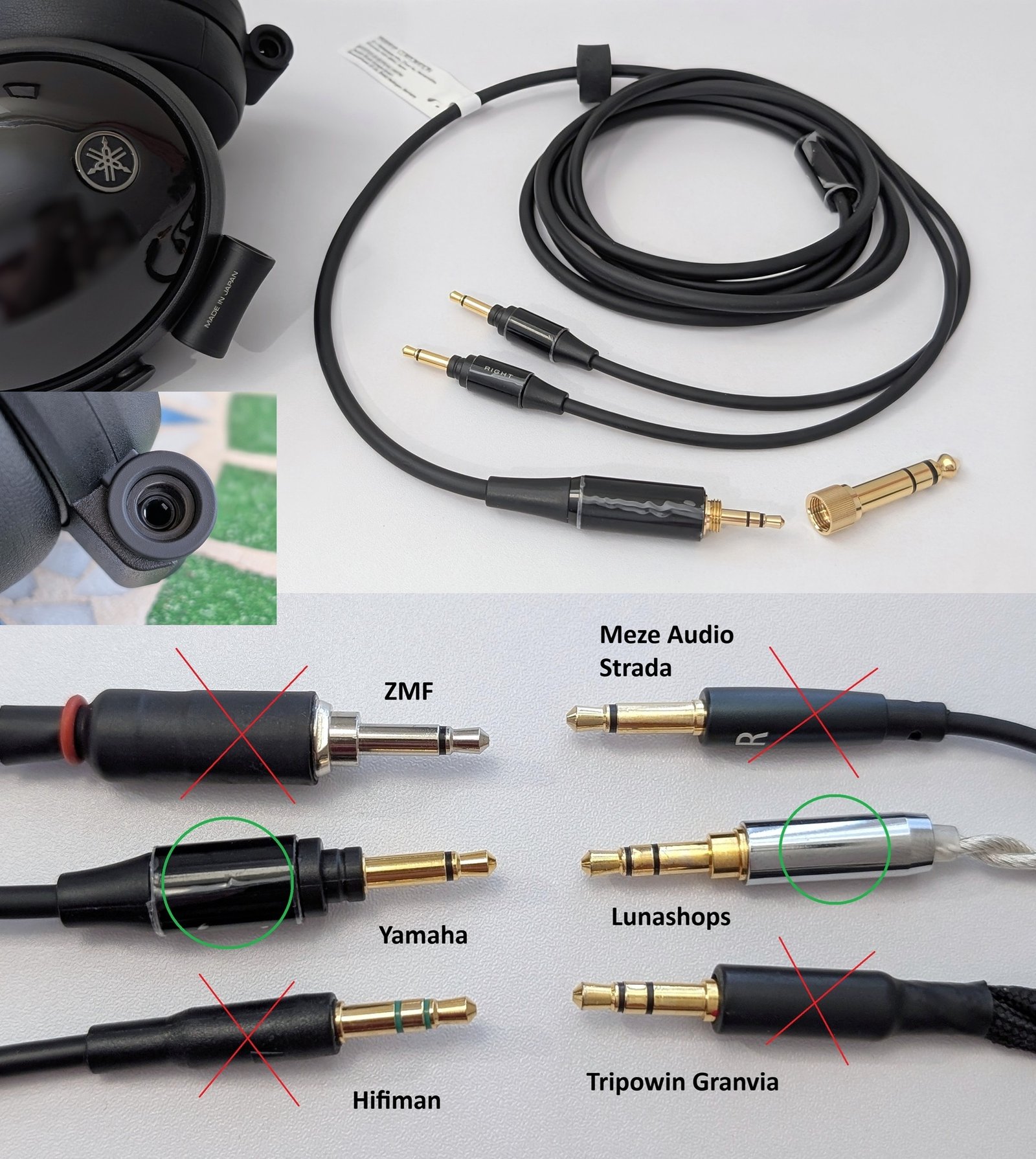
The inclusion of a cleaning cloth in the package shows foresight from the manufacturer, as the YH-C3000's glossy lacquered wooden cups indeed require care befitting their value. Otherwise, the equipment includes a two-meter cable with a 3.5-millimeter connector, which, with a screw-on adapter, converts to 6.35 millimeters. Aesthetically, the ordinary cable would suit everyday studio headphones, but I consider its flexibility an excellent virtue. The rubber sheath also prevents extra rustling and friction noises that typically occur in closed-back headphones when the cable rubs against clothing during use. Precisely for this reason, I don't quite understand the tendency of many other manufacturers to favor fabric-covered cables.
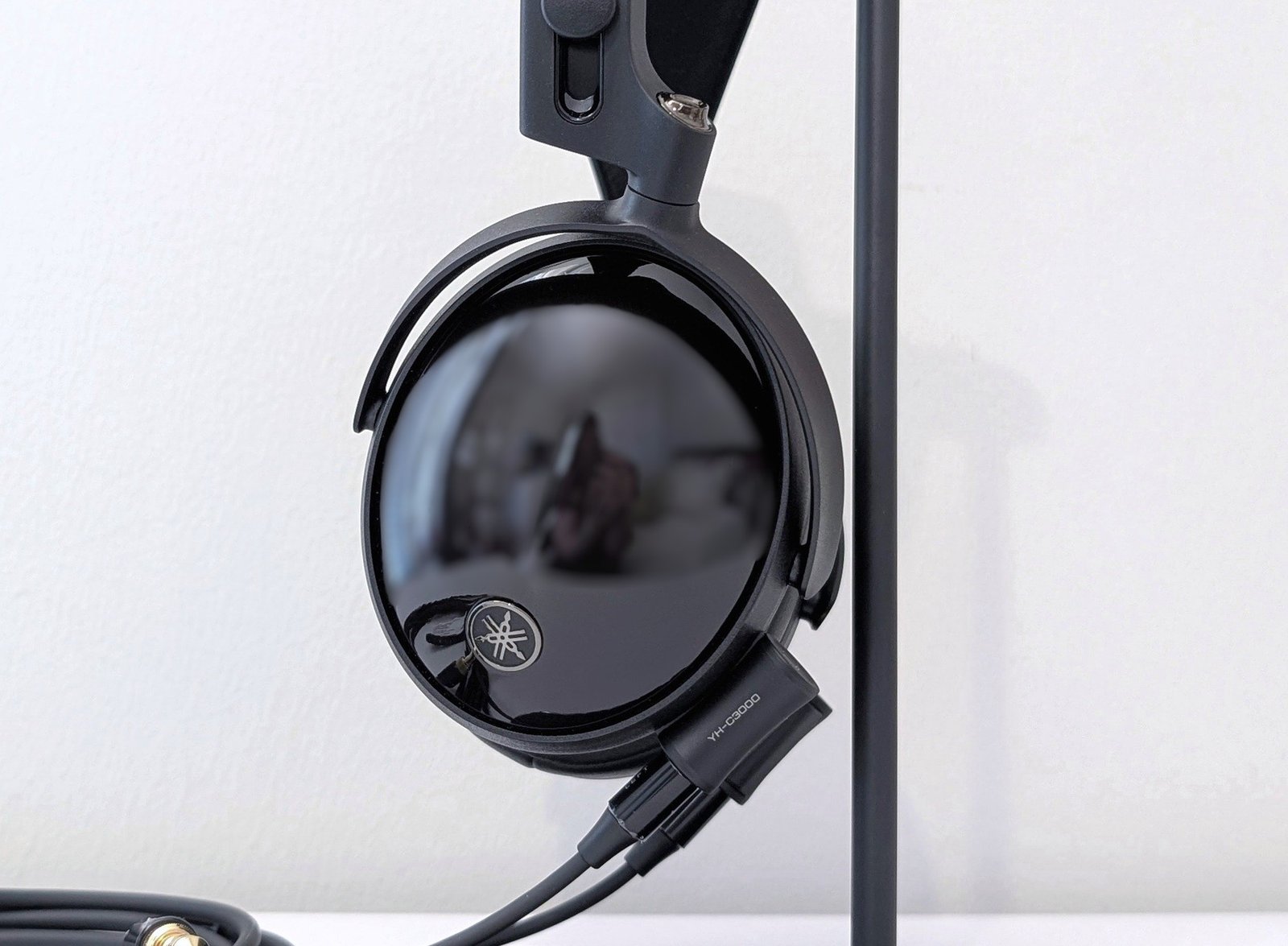
I consider the protruding connector housings on the back edge of the headphone cups a stylish detail, but they prove problematic if someone dreams of using cables other than those manufactured by Yamaha with the YH-C3000. The female connectors, recessed deeper into the groove than usual, practically require the slimmest possible 3.5-millimeter connectors to reach the bottom. This is unfortunate, as, in principle, the same cables could be used with the YH-C3000 as with headphones from FiiO, Focal, and Hifiman, for example. In an optimal situation, Yamaha could have already included a balanced cable option in the equipment, so that one wouldn't have to hunt for it separately. Indeed, out of the five cables I tried, only one worked.
Build and comfort
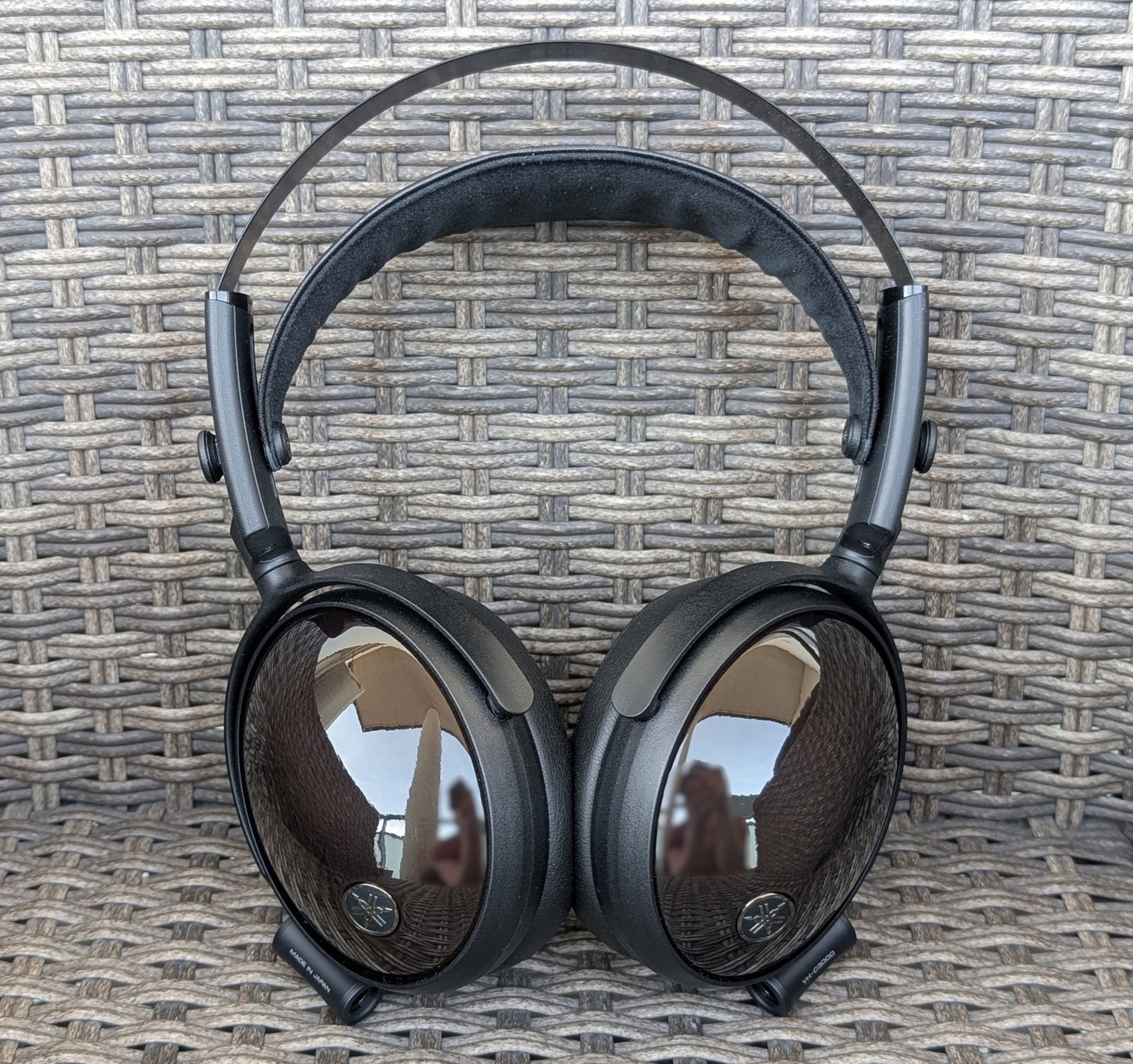
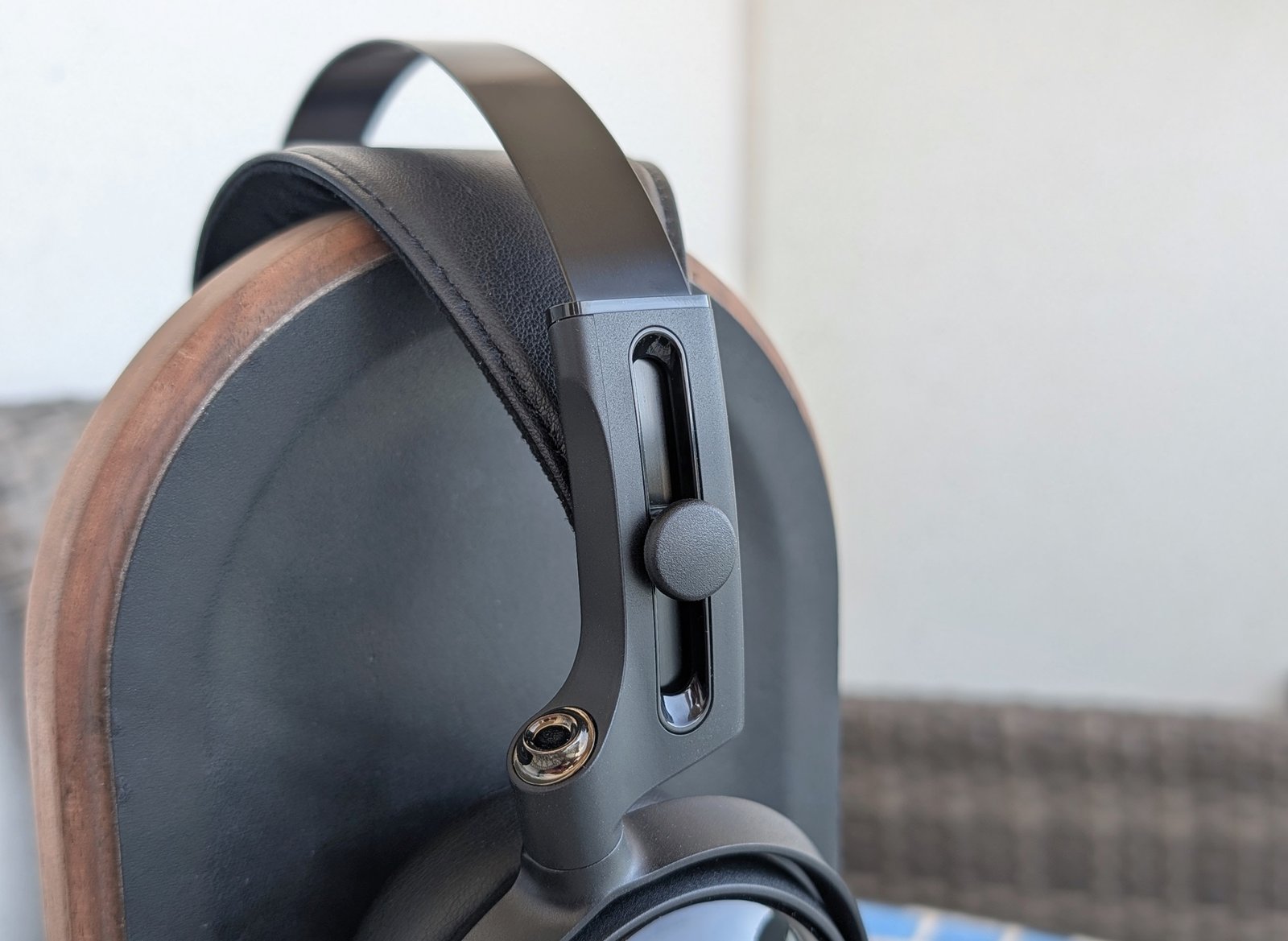
When listing the best features of the YH-C3000, comfort of use comes to mind first. The headphones are based on the same ergonomically well-designed structure as the YH-5000SE and the newer YH-4000: the materials used are magnesium (yoke parts), ABS plastic (cup body and headband shells), German beech wood (outer edge of the cups), and steel (arch). Manufacturing takes place by hand in Japan at the same factory where Yamaha's musical instruments are also made. However, the manufacturer has never before used wooden cups in its headphones, so the YH-C3000 required learning new skills.
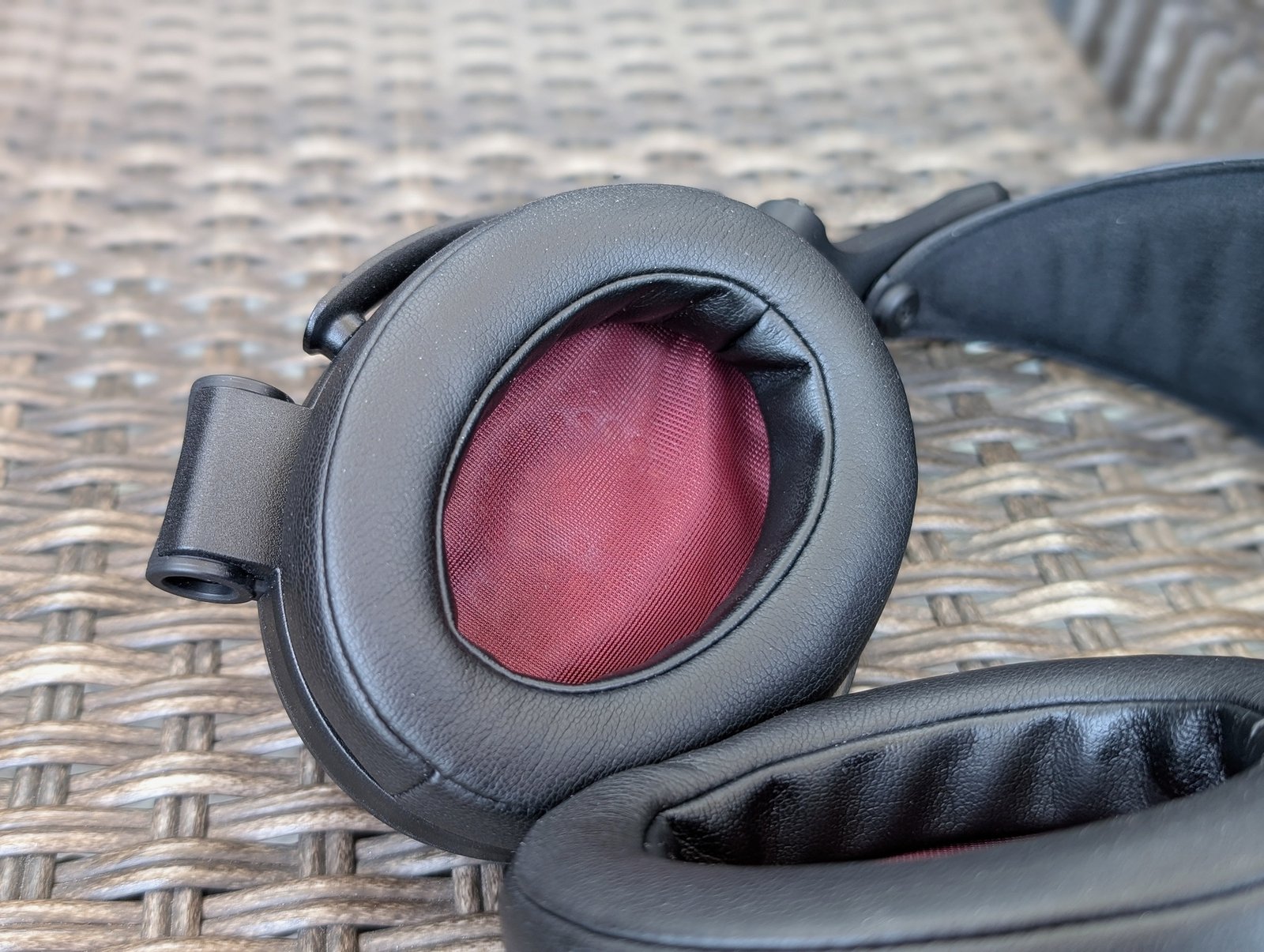
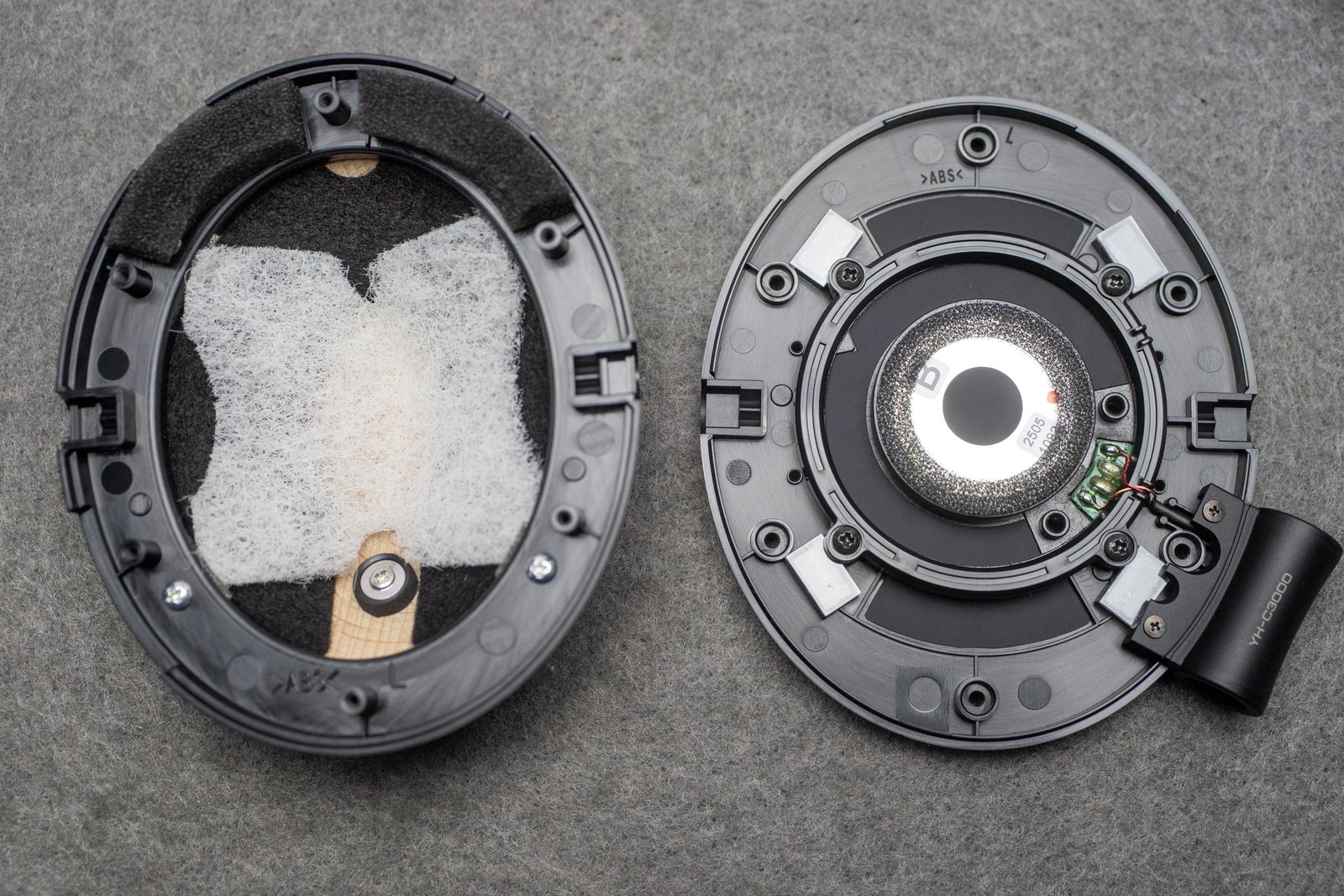
The headphones' light weight of 330 grams is practically forgotten during use, and the headband is not only wide but also extra soft on the underside. The steel arch also produces a pleasant linear clamping force on the ears, which are surrounded by marshmallow-like artificial leather pads (opening 65 x 45 x 20 mm). I also like Yamaha's stepless height adjustment, as it retains my chosen setting more firmly than many other headphones. The overall execution borders on perfection, especially since the headphones feel sturdy and are easy to maintain. Yamaha demonstrates engineering skill even in how cleverly the structure can be disassembled into three parts by opening the screws around the driver: the headband is pressed between two cup halves.
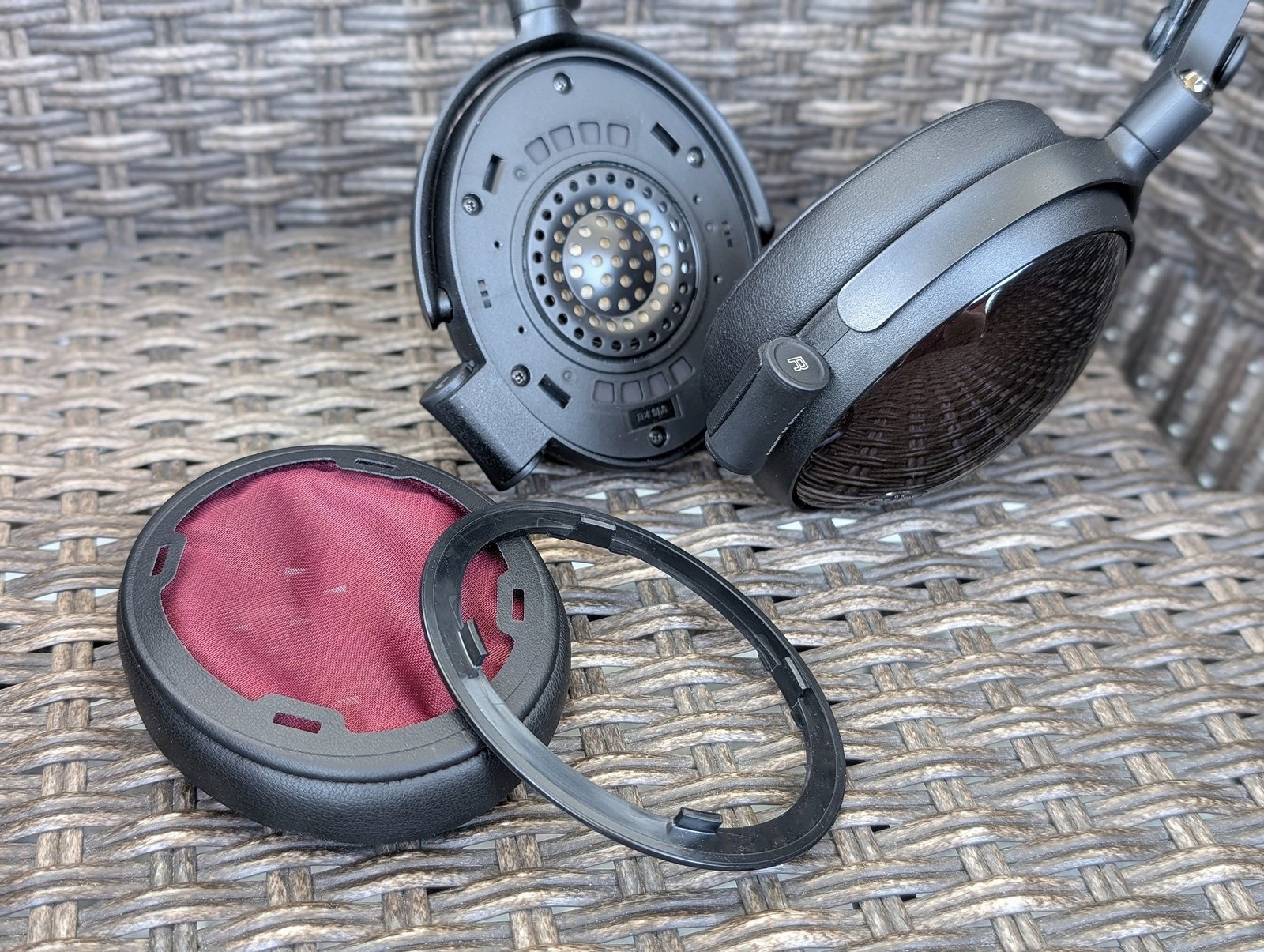
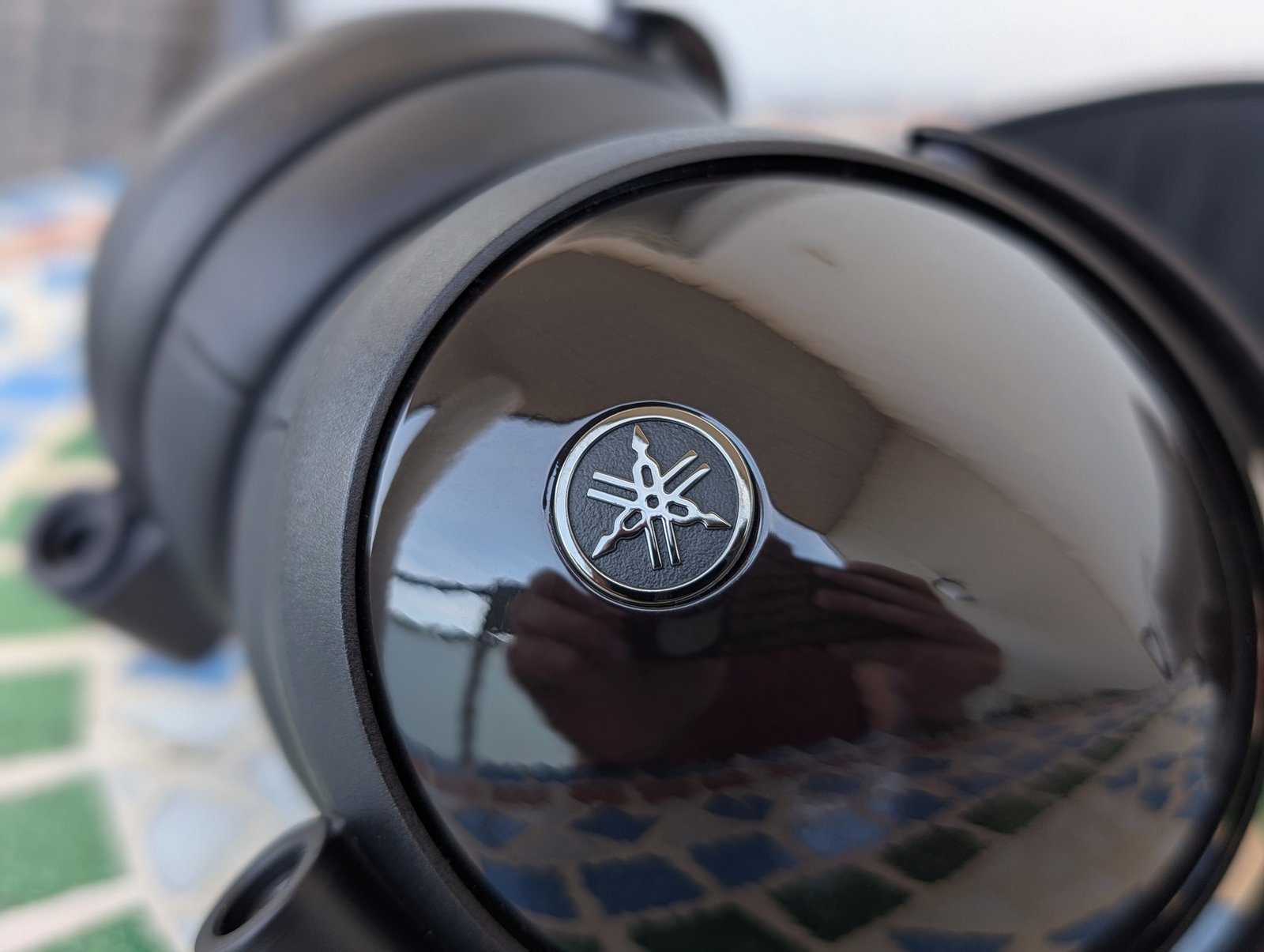
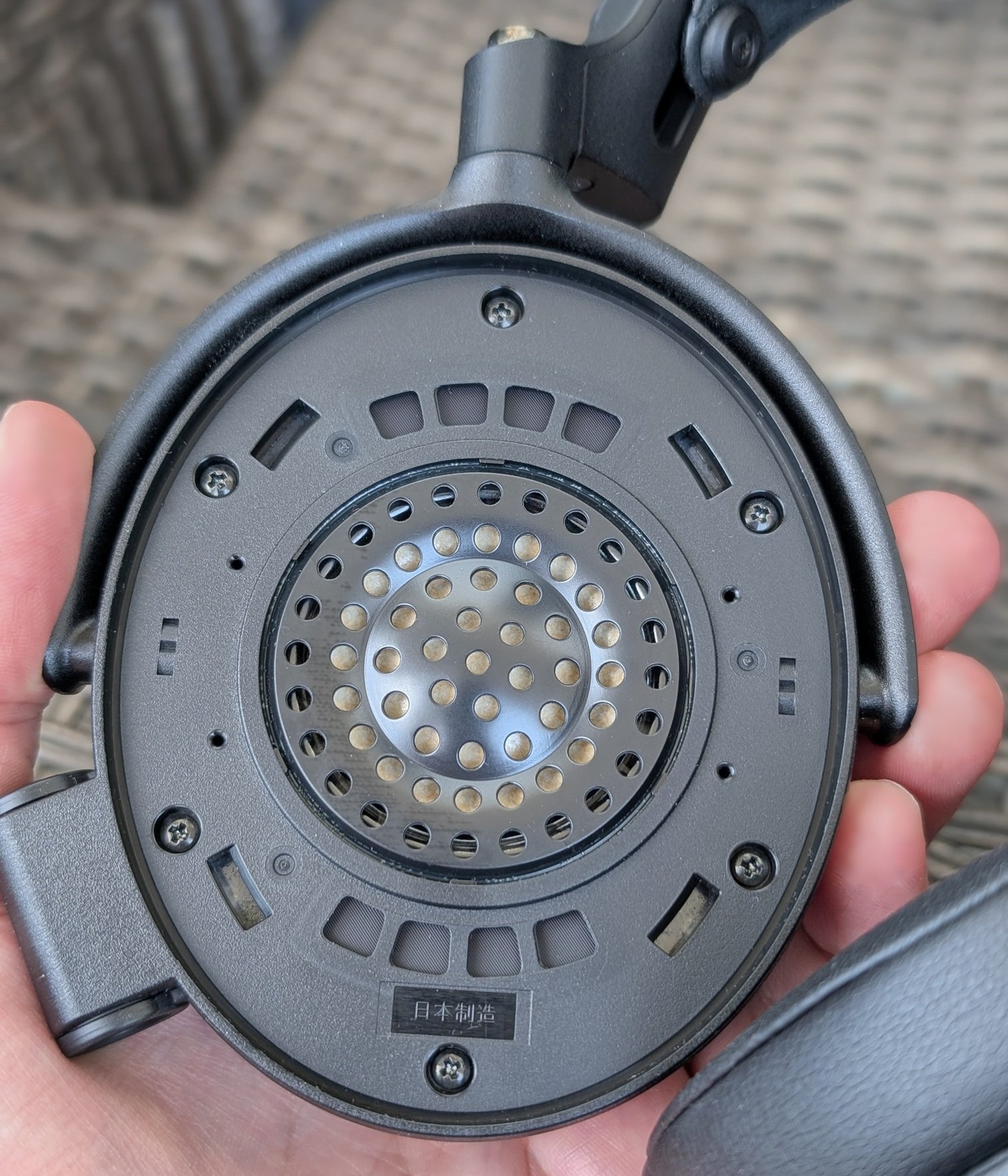
In appearance, the YH-C3000 is uniformly all-black, although the brown hue of the wooden cups shines through slightly in certain lighting from the glossy and easily fingerprint-collecting surface finish. I'll let everyone form their own opinion on whether the wood should look or feel more like wood, or if it's also pleasing to the eye when lacquered this way. The shape of the cups, in any case, is interesting (not clearly visible in the pictures), because the center rises quite sharply vertically, like the bottom of a wooden boat. This certainly affects the acoustics in some way through how sound waves behave behind the drivers. A couple of small bass ports have been ”punched” into the upper edge of the cups, but despite them, the YH-C3000 keeps unwanted noise quite well at bay. Ambient noise is attenuated quite acceptably, and the listened music hardly leaks outwards at normal volumes.
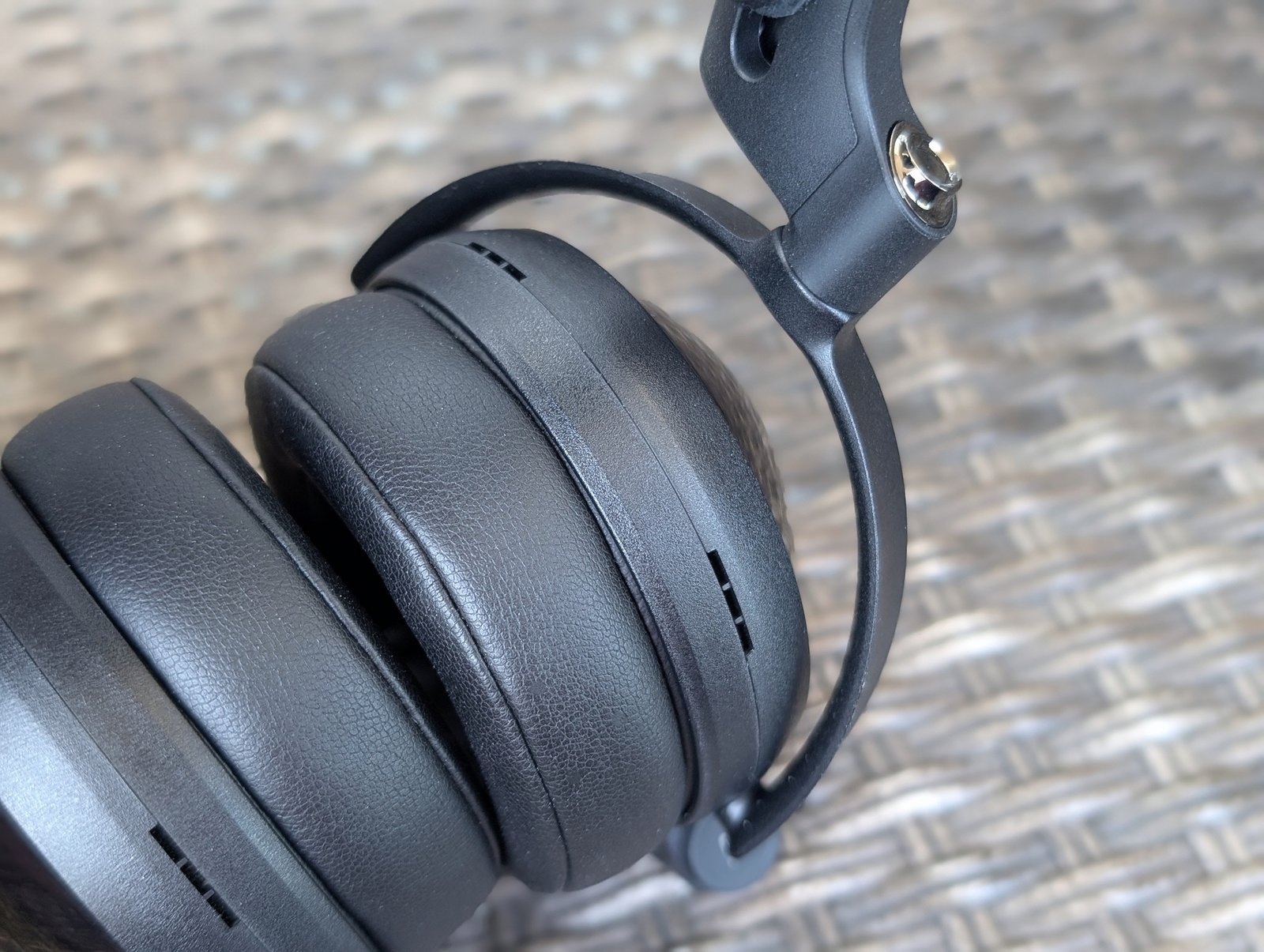
Overall, the YH-C3000 feels like a premium product that equally emphasizes lightness, ergonomics, and durability. Perhaps someone might wish for the cups to rotate at least 90 degrees in one direction, but even a more limited rotation radius has not bothered me. My only complaints concern the depth of the headphone connectors and the previously unmentioned smell that transfers from the artificial leather pads to my ears and hair. Even after a couple of weeks of use, I still detect a nuance reminiscent of melted plastic, so perhaps Yamaha could reconsider what chemicals it uses to treat its pads. At this price point, it would generally be nice to see genuine leather instead of artificial leather.
Sound quality
ARMODYNAMIC drivers
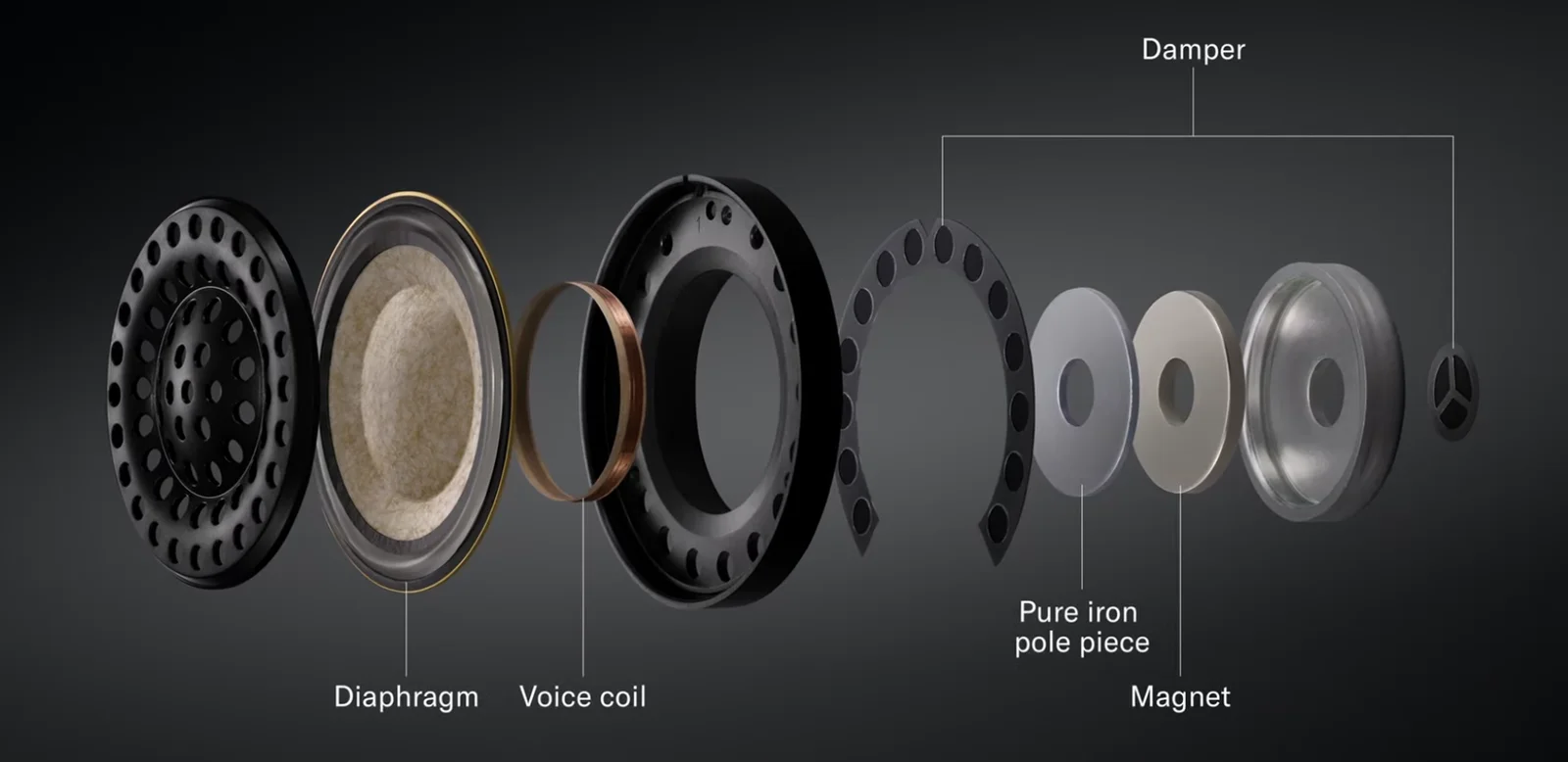
A company the size of Yamaha has sufficient resources and development enthusiasm, so the YH-C3000's dynamic drivers are, as expected, their own design and borrow materials from the manufacturer's flagship loudspeakers. Named after the Italian word 'armonia' (harmony), the ARMODYNAMIC drivers feature 50-millimeter diaphragms constructed from three layers and three different materials. The strong outer edges of the diaphragm are a combination of ZYLON-PBO fibers, paper, and resin, while the middle layer is soft, consisting of foamed paper and resin.
Behind the driver, in addition to a magnet, an iron disc has been added, while the patented central vent resembles the letter Y in shape. The engineering team has had to work diligently and persistently, as Yamaha mentions the development time for the drivers as over 10 years – no wonder new headphone models haven't been seen for a while. Regarding sound quality, the manufacturer states that it aimed for rich and robust reproduction, as well as the most open and lively soundstage possible.
Impedance measurements and amping requirements
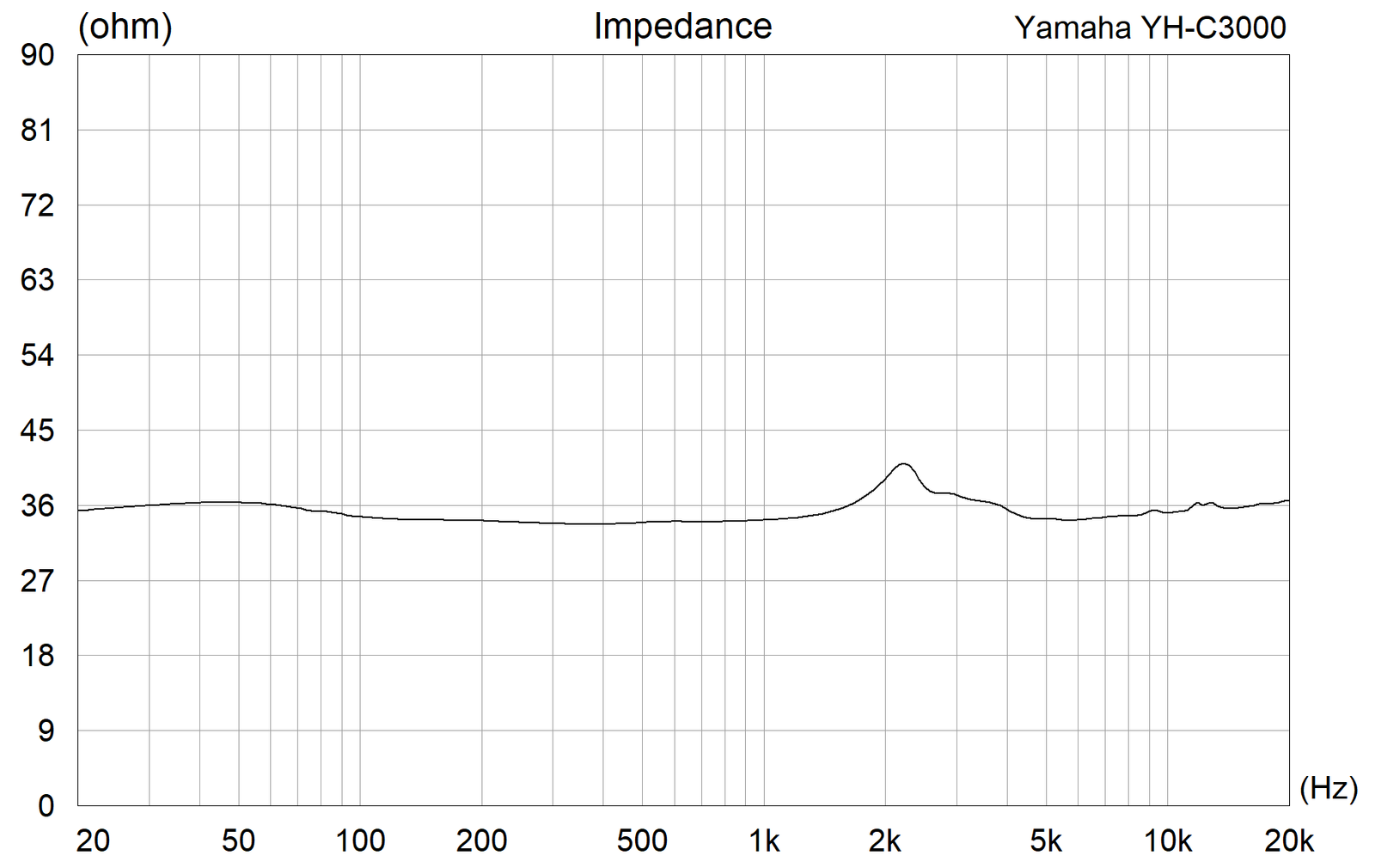
My impedance measurements do not reveal anything particularly surprising; instead, the YH-C3000 adheres very precisely to Yamaha's stated nominal impedance of 34 ohms. Only around 2 kilohertz does it jump slightly higher, but this mainly indicates some kind of structural characteristic, rather than challenges for device selection. Listening should therefore be relatively safe even with older devices (no significant frequency response changes), especially since the sensitivity of the dynamic drivers remains slightly lower than usual for its type, measuring 94 dB/mW (less background noise). A counterpart from the planar headphone world, from the perspective of these magnitudes, would be the Hifiman Sundara.
Due to their distinctive tuning, Yamaha's headphones are somewhat picky about device pairings, as with ”incorrect” equipment, my experience suffers compared to more suitable electronics. I recommend aiming for an amplifier that is as controlled as possible in the bass and rather relaxed than neutral in the treble. However, it is still difficult to form an exact power requirement from this, because the issue is not about volume, even if I were using some mobile-sized dongle, such as Qudelix 5K. Synergy issues can sometimes be challenging.
Headphone Measurements
The headphone frequency response measurements were performed with equipment compliant with the IEC711 standard and KB501X model silicone ears. The graphs use the Harman target curve (2018 version), optimized for this equipment, as a reference. This curve is a generalization, based on scientific research, of what kind of frequency response would sound good to most people and correspond to balanced loudspeakers in a well-acoustically treated room.
The Harman research was conducted with silicone ears that ”hear” sound slightly differently than the ear types sold today. For this reason, the target curve used by Kuulokenurkka is based on the diffuse field response according to the KB501X ears” own HRTF transfer function, to which, however, the core findings of the Harman research have been adapted using filters. In practice, the result still corresponds to the ideal frequency balance indicated by the Harman research, but as the equipment used by Kuulokenurkka would ”hear" it based on its characteristic acoustics. Thus, it is possible to make more precise observations of the headphones' frequency response between 2–20 kilohertz than when using the pure Harman 2018 curve as a reference.
More information about the measurement equipment can be found on the Headphone Measurementspage. The YH-C3000's frequency response can also be compared with other measured headphones on Squiglink .
Frequency response:
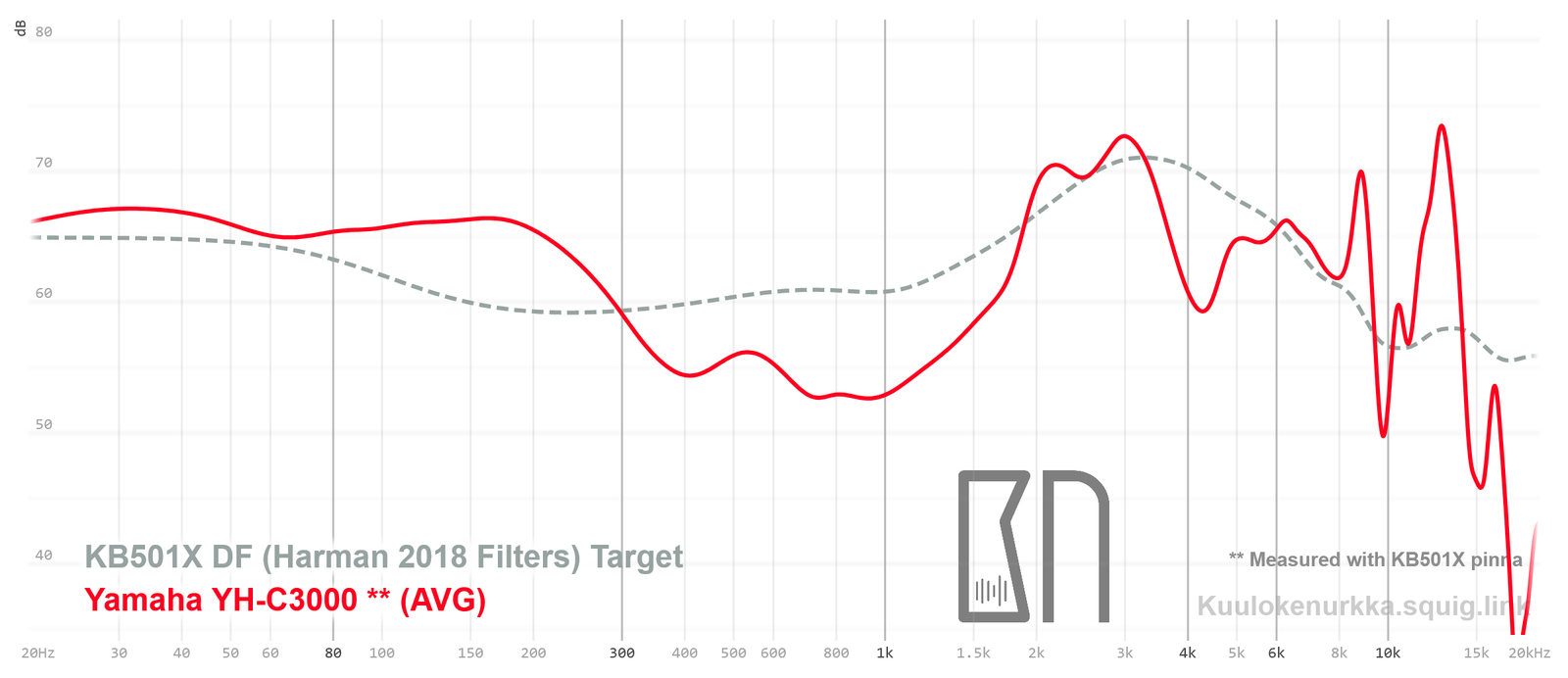
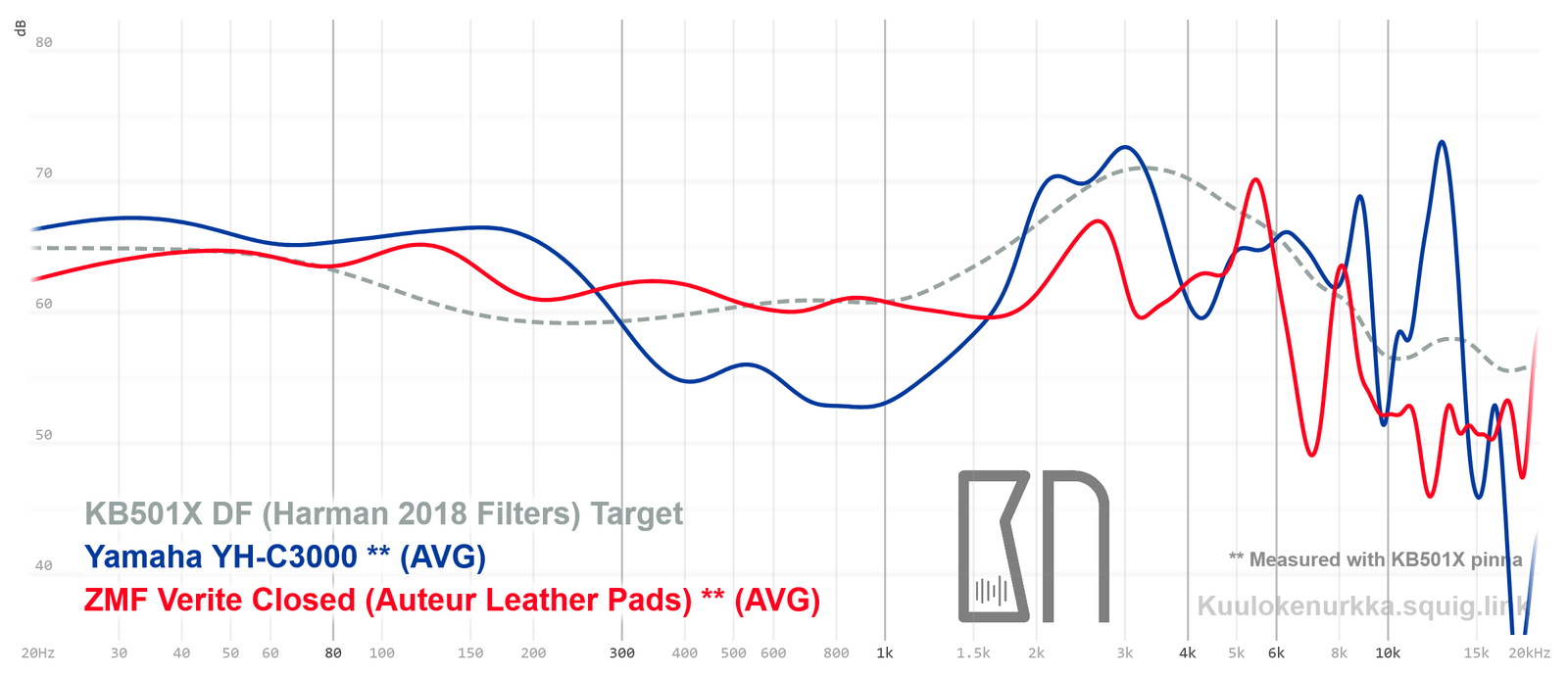
I recommend taking a deep breath at this point, as Yamaha has opted for such a peculiar tuning, emphasizing three frequency ranges in a W-shape, that hardly anyone could tell what the YH-C3000 sounds like overall based solely on its frequency response. Many who swear by measurement results might perhaps steer clear of these headphones, but please wait a moment for my own observations.
It is already clear, however, that any kind of neutrality and faithfulness to the source material can largely be thrown out the window with the YH-C3000. The sound strongly emphasizes bass from 300 hertz downwards, the upper midrange around 2–3 kilohertz, and the highest treble from 8 kilohertz upwards. The W-shaped tuning I mentioned is realized with most of the midrange (400–1500 Hz) and presence region (4–6 kHz) reproducing faintly. Especially around 1 kilohertz, the deficiency is downright massive. In the treble, we also see very steep boosts, which are not measurement errors either, although their frequency location may vary from user to user.
What exactly was Yamaha thinking, and can there be some kind of idea in such a colored sound?
Sound observations
Tested mainly with Topping Centaurus & Cayin iHA-6 (balanced) combination, with which the bass is most controlled and sibilance least noticeable. Neutral amplifiers, such as JDS Labs Element IV, produced a slightly brighter and less harmonious result.
Right from the start, I must reveal that I like the YH-C3000, even though it sounds very different and considerably more colored than, say, Dan Clark Audio E3, which I still consider one of the best closed-back headphones. I wouldn't recommend Yamaha's new product as a balanced all-rounder; instead, it deliberately presents music in its own interesting way. Few manufacturers would dare to release such headphones nowadays, so as a headphone tester, I'm glad Yamaha has done so.
After most other headphones, the YH-C3000 sounds completely wrong in a way, but it still manages to excite. My first attention is drawn to the unusually deep soundstage and massive bass impact. The high frequencies also reproduce vividly, and the overall vibe feels dynamic. When listening to midrange-heavy music, however, the sound remains veiled, and the timbre simultaneously unnatural. Sibilance can also sometimes almost startle.
After getting used to them, however, the colorations no longer feel like outright flaws, but rather deliberate choices by which the manufacturer has achieved its sound quality goals. It's like Yamaha's ”ZMF moment”: objectively assessed as flawed, the sound actually works surprisingly well and cohesively subjectively. With a suitable amplifier, such as the Cayin iHA-6, the result is significantly better than I would dare to expect based on the measurement graphs. This shows me that the era of headphones that deviate from the norm is not over.
Soundstage: In my opinion, the most important thing about the YH-C3000 is its captivatingly deep and even grand-feeling soundstage – if others experience it the same way I do. The presentation does not resemble traditional headphones, but rather feels as if there is some kind of soundstage-shaping, live-gig-imitating, spatial effect. The headphones, as it were, transport studio recordings to a large performance stage and reproduce them there with captivating power.
This has been achieved by attenuating the midrange and presence region, causing most of the information contained in the music to sound quieter, or subjectively experienced as further away. At the same time, however, the YH-C3000 reproduces the upper midrange with emphasis, which keeps the distant-sounding audio sufficiently clear and credible. At least I don't find the reproduction disturbingly subdued, so the illusion usually works. Robust bass and bright treble, for their part, scale the music to feel larger and more powerful. At its best, the experience is tremendously fun. As an interesting feature, the headphones” frequency variations artificially create more space and layering in compressed music, so somewhat perversely, ”bad” music can even sound better on the YH-C3000 than ”good" music.
When comparing this presentation style to the balanced Dan Clark Audio E3, the YH-C3000 does not sound as spacious or realistic in its positional cues. The E3 brings out the soundstage and sound separation embedded in recordings more correctly, whereas Yamaha's headphone soundstage trickery is entirely its own thing. On the other hand, when compared consecutively, the E3's presence initially feels even a bit odd alongside the YH-C3000's certain kind of relaxed and un-headphone-like quality. The E3 is truly excellent, but I also find myself relating to the YH-C3000's entertaining atmosphere and sense of space, even if it comes at the expense of natural reproduction. Since not all music, as expected, sounds good with such a peculiar tuning, the YH-C3000 guides you to listen to precisely the songs that suit it best. Usually, these are encountered largely by chance.
Bass: If someone likes powerful, nightclub-like bass, the YH-C3000 is sure to impress. With the bass shelf starting at 300 Hz, the bass sounds thick and large, reminiscent of a subwoofer. Usually, such an obvious upper-bass emphasis would lead to a much muddier result, but surprisingly, in Yamaha's headphones, the bass remains quite well controlled. I don't detect any significant looseness or muddiness, unless I'm somehow turning into a latent ”basshead” who enjoys radiating rumble and buzz. All kinds of bass music, in any case, sounds extremely fun on the YH-C3000, and I also don't mind the juicy, kicking rhythm section in heavy music. Yamaha's mention of rich reproduction presumably refers precisely to the massive bass. Closed-back headphones are often more entertaining than open-back models, as is the case here.
Midrange: As a downside of the interestingly tuned soundstage, the midrange colorations are significant by 2026 standards, so the presentation is almost without exception somewhat unnatural. With the YH-C3000, one must get used to the fact that part of the sound is reproduced veiled, while the upper midrange emerges quite aggressively. Treble peaks, in turn, easily add sibilance to vocal performances. At worst, a singer's mere breaths might grate on the ear.
Critically evaluated, even FiiO FT1 under 200 € would be a clearly more balanced and natural all-around headphone, if someone primarily desires such. Still, often the YH-C3000 makes a greater impression on me. Like the ZMF Verite Closed, I immerse myself in listening to Yamaha's headphones for a long time, and I wouldn't want to stop. Both headphone models have the ability to present familiar songs in a new way and, above all, entertainingly. On the other hand, the latter observation is hardly entirely universal, as the line between a successfully colored headphone and one that draws too much attention to flaws is likely fundamentally blurry.
Treble: The highest frequencies in the YH-C3000 would most need fine-tuning with the basic assumption that the presentation otherwise wants to be kept unchanged. The treble shows a couple of strong peaks in measurements, which occasionally manifest as sibilance and other excessive harshness and splashiness. Still, by ear, I would dare to claim the result to be acceptably smooth, considering other frequency areas. However, it must be remembered that a huge amount of bass always balances the situation. If musical information is concentrated between 4–6 kilohertz, which the YH-C3000 reproduces calmly, the treble may even sound surprisingly soft. In this case, I find the airiness to be a very pleasant feature. One must get used to the variation when the frequency response saws so strongly in different directions.
With the treble peaks, it is at least certain that all kinds of effect sounds pop out conspicuously in the overall presentation. This adds detail and liveliness to the presentation, which is, in turn, missing from the subdued midrange. If Yamaha could still smooth out the worst unevenness and sibilance, the result would feel more refined, and not as raw as it currently is. Lively treble certainly has its charm, but it would be very difficult for me to predict how different features suit each listener's personal hearing and preferences.

Due to the obvious problems with the frequency response, the YH-C3000 probably shouldn't sound this good and entertaining to me, but for some reason, it does. I can't really explain it other than by stating that the colorations form a functional whole. The sound plays at such different volumes across various frequencies that I can perceive multiple layers in the reproduction, as if the sound were alive, and not just a recording. At least after a couple of weeks of diligent listening, this still makes an impression and makes me forgive many weaknesses. The YH-C3000 primarily offers variety to my other headphones. This time, I understand Yamaha's engineers clearly better than with the YH-5000SE.
Comparisons
Due to the unique nature of the YH-C3000, I don't find a more serious comparison to other headphones particularly meaningful. My own Dan Clark Audio E3 is clearly a better and more balanced headphone by objective measures, but on the other hand, Yamaha offers ZMF Verite Closedkind out-of-the-ordinary listening experience. Both have a really robust bass and conjure more space into the soundstage in their own style. When emphasizing clarity and meticulousness of reproduction, the YH-C3000 performs better than the ZMF model in my opinion, while a warm and organically toned midrange is the virtue of the closed Verite. If, on the other hand, recordings are to be reproduced more faithfully, the DCA E3 does so with impressive accuracy in a lively style.
Ultimately, for Yamaha, it is probably more beneficial to stand out from the crowd and sound different than to get lost in the mass or try to be better by the same metrics as headphone models like the E3, for example.
Since different people prefer headphones with different sound qualities anyway, the YH-C3000's clearest strength compared to competitors is comfort of use. Yamaha's headphones are light and reasonably sized, and they do not have the same weaknesses as the E3 and Verite Closed I mentioned. The E3's headband is relatively hard, and the clamping force around the ears eventually starts to numb slightly, while the comfortable use of the YH-C3000 would continue for a long time. The Verite Closed, on the other hand, is a really large and heavy headphone, although my own Monkeypod pair exceptionally weighs only 450 grams instead of the more typical 500–600 grams.
Among other competitors in the same price range, the Meze Audio LIRIC 2 comes close to Yamaha's headphones in terms of comfort, although some may have to adjust its cups, implemented with strong springs, on their ears for a while to ensure proper bass reproduction. Ultimately, the YH-C3000's separate head cushion feels slightly softer in the long run, based on how I have experienced STRADA, which has a similar structure to the LIRIC 2. The YH-C3000's interesting sound is easy to enjoy because it feels gentle on the ears. It's also nice when a snug fit is found immediately, and you don't have to rub the cups into different positions searching for lost bass.
Summary
The Yamaha YH-C3000 turned out to be a positive surprise for me, so I accumulated more listening hours than usual during the test period. Whenever I think my preferences have locked onto the most balanced headphones possible, such an oddity comes along that excites me with its distinctiveness. It is a perplexing headphone in the sense that it often sounds wrong, yet still wonderful and easily enjoyable. Yamaha's vision, therefore, yields results this time, which I wasn't entirely sure about with the YH-5000SE.
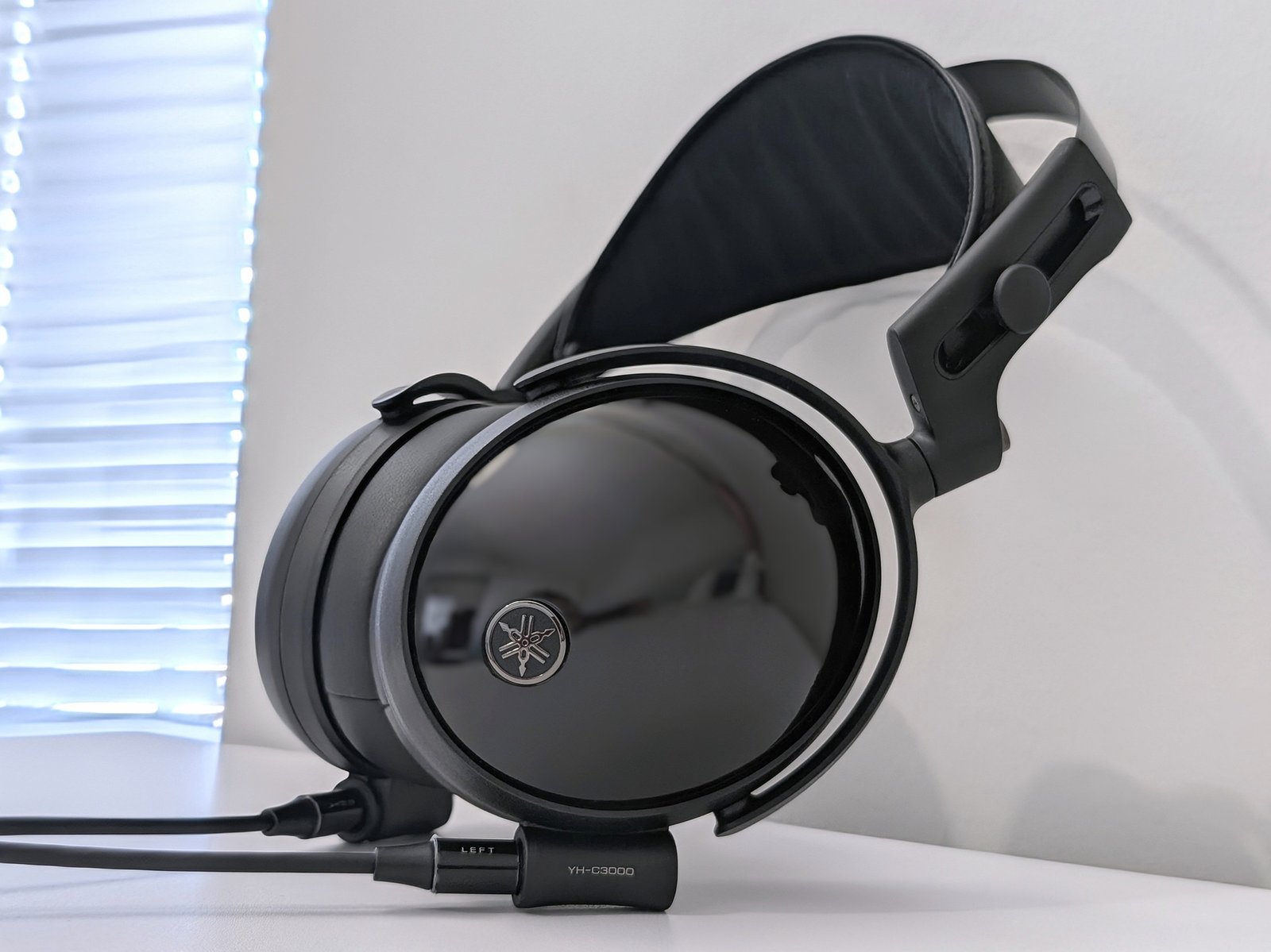
Although the quality of the listening experience varies from song to song – as is typical with such colored headphones – most of the time I have appreciated the YH-C3000's unique sound and interesting soundstage. It also doesn't hurt that the headphones are light and exceptionally comfortable on the head. Sometimes the sound would benefit from equalization to sound more normal, but recommending corrections for a 1900 euro product would feel quite foolish – in my opinion, the YH-C3000 should be enjoyed as is during those moments when its distinctive character can shine. At such times, new kinds of experiences are offered.
Ultimately, Yamaha deserves praise for its courage and a certain kind of madness. Many manufacturers make quite similar headphones time and again, so it's refreshing to see such a large player trying something new. In a way, this is precisely the kind of forging one's own path for which Japanese manufacturers are often known in headphone circles. I cannot directly recommend the YH-C3000 as a go-to headphone for every audiophile, nor do I advise rushing to buy it blindly, but I definitely recommend testing the headphone model with your own ears. The YH-C3000 genuinely feels like a headphone I could own to bring variety to my other headphone models. Perhaps it could do the same for others.
I would also like to thank Yamaha for lending the headphones and grant them Kuulokenurkka's special mentions for both comfort of use and build quality and design.
Pros and cons:
+ Deep and grand-feeling soundstage
+ Pleasantly powerful and dynamic bass
+ Excellent comfort
+ Skillful mechanical design
+ Cohesive appearance
+/- Differs quite significantly in sound from what is currently considered good
– Sibilance caused by treble emphasis
– Unnatural midrange and timbre
– Deeply recessed headphone connectors prevent most replacement cables from working
– Earpads smell unpleasant, at least in the test headphones
– Quite high price
 EN
EN  FI
FI