Author: Sword of Damocles
Table of Contents:
Information:
- Release year: 2024
- Designed in Germany, elements manufactured in Ireland, and headphones assembled in China
- Price: 349 €
- Type: Closed, over-ear
- 42 mm dynamic drivers
- Impedance: 150 Ohm
- Sensitivity: 110 dB/1V |102 dB/mW
- Weight: 322 g (without cable)
- Connector type: Lockable 2.5 mm
- Cable: Length 1.8 m / plug 3.5 mm + 6.35 mm adapter
- Accessories: Protective pouch
Review sample: Self-purchased product
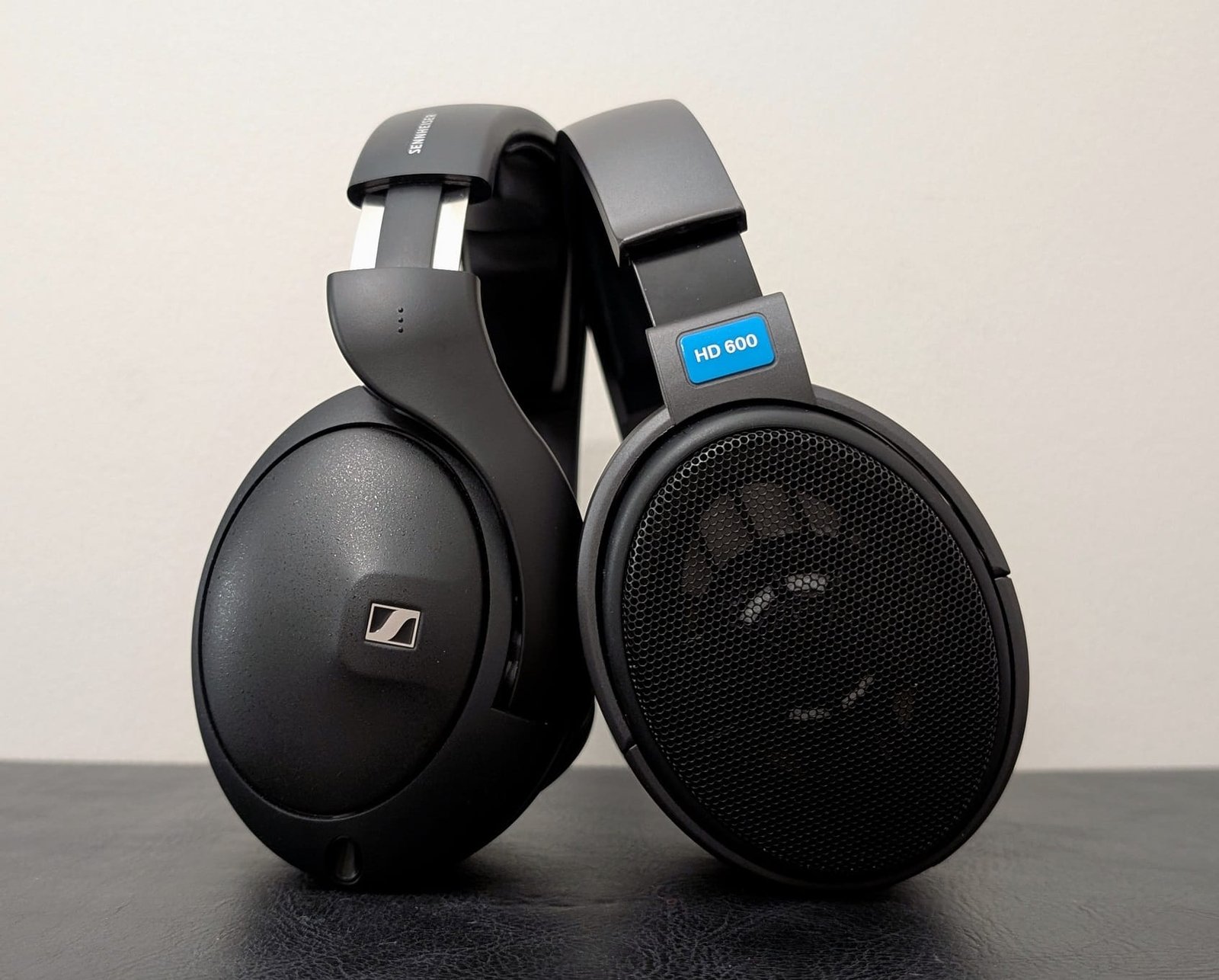
In May 2024, Sennheiser released a closed-back headphone model for its legendary HD 600 series – the product was named HD 620S (product page) and priced at 350 euros. However, the keen-eyed immediately noticed that the HD 620S bears little resemblance to other headphones in its series, but rather is based on the design of the more affordable HD 500 series. While the naming can be seen as a marketing solution and the structural choices as minimizing manufacturing costs, Sennheiser itself believes its new model is worthy of the HD 600 series name. The manufacturer also reveals that designing similar headphones, for example, HD 600-model, would not have been technically possible, whereas a structure similar to the HD 560S, slightly modified, was better suited for the purpose.
In any case, Sennheiser has not released new closed-back headphone models (except noise-cancelling headphones) for a while, so many have surely hoped for HD 600-series level sound implemented in this way. Few probably even remember the HD 630VB, which was the previous and, to my knowledge, the only closed-back headphone model released for the HD 600 series in 2016. Let's find out how the HD 620S meets the expectations placed upon it.
Packaging and accessories

No more effort has been put into the headphones' packaging or accessories than necessary: the cardboard box is simple, and it only comes with a 1.8-meter rubber cable and a fabric pouch. However, both serve their purpose, and I have no major complaints about the cable's usability this time, as it is optimally long for basic use and pleasantly flexible. For example, when wearing a hoodie, the cable does rub against the edge of the hood due to the headphone connector pointing straight downwards.
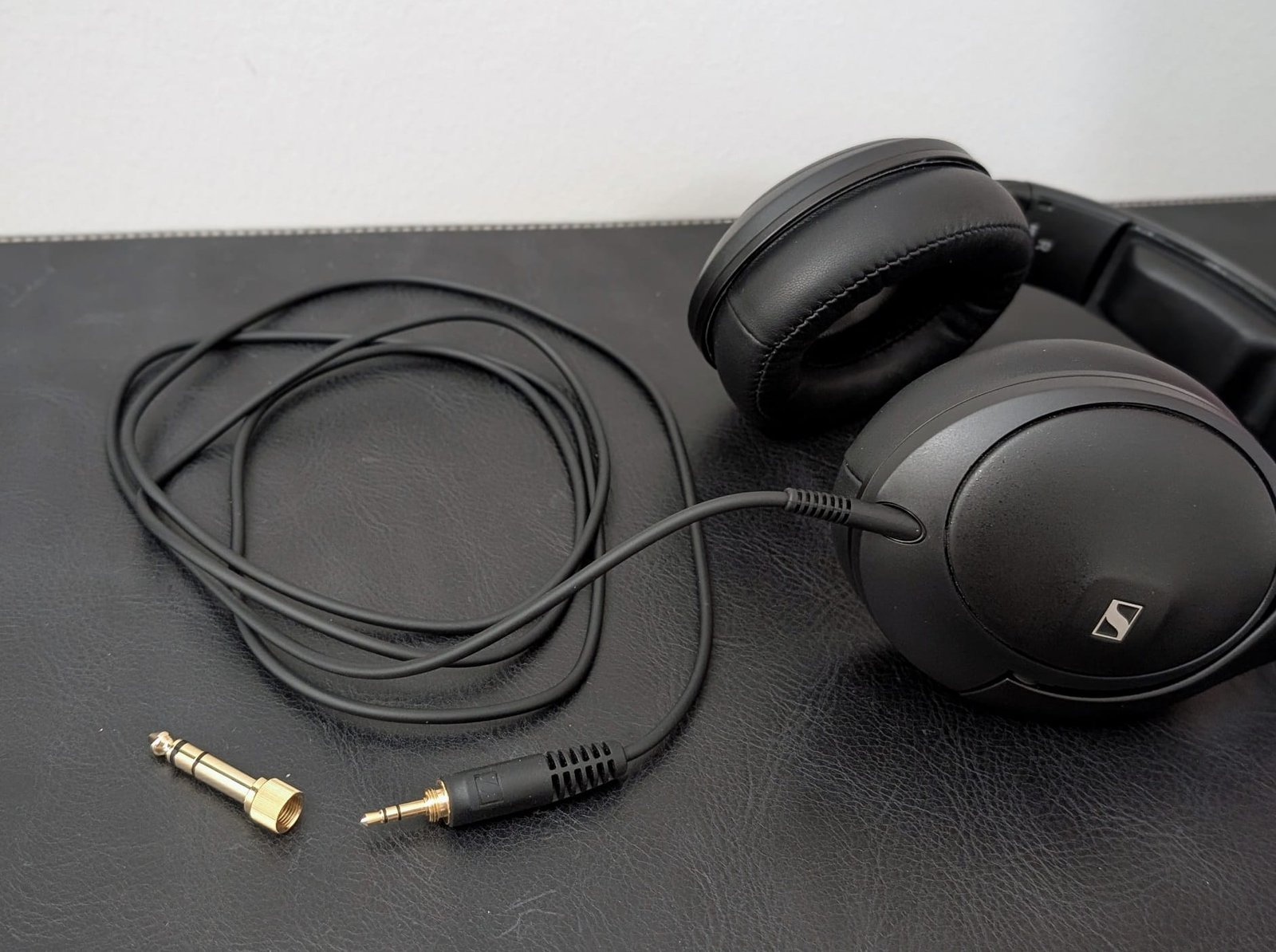
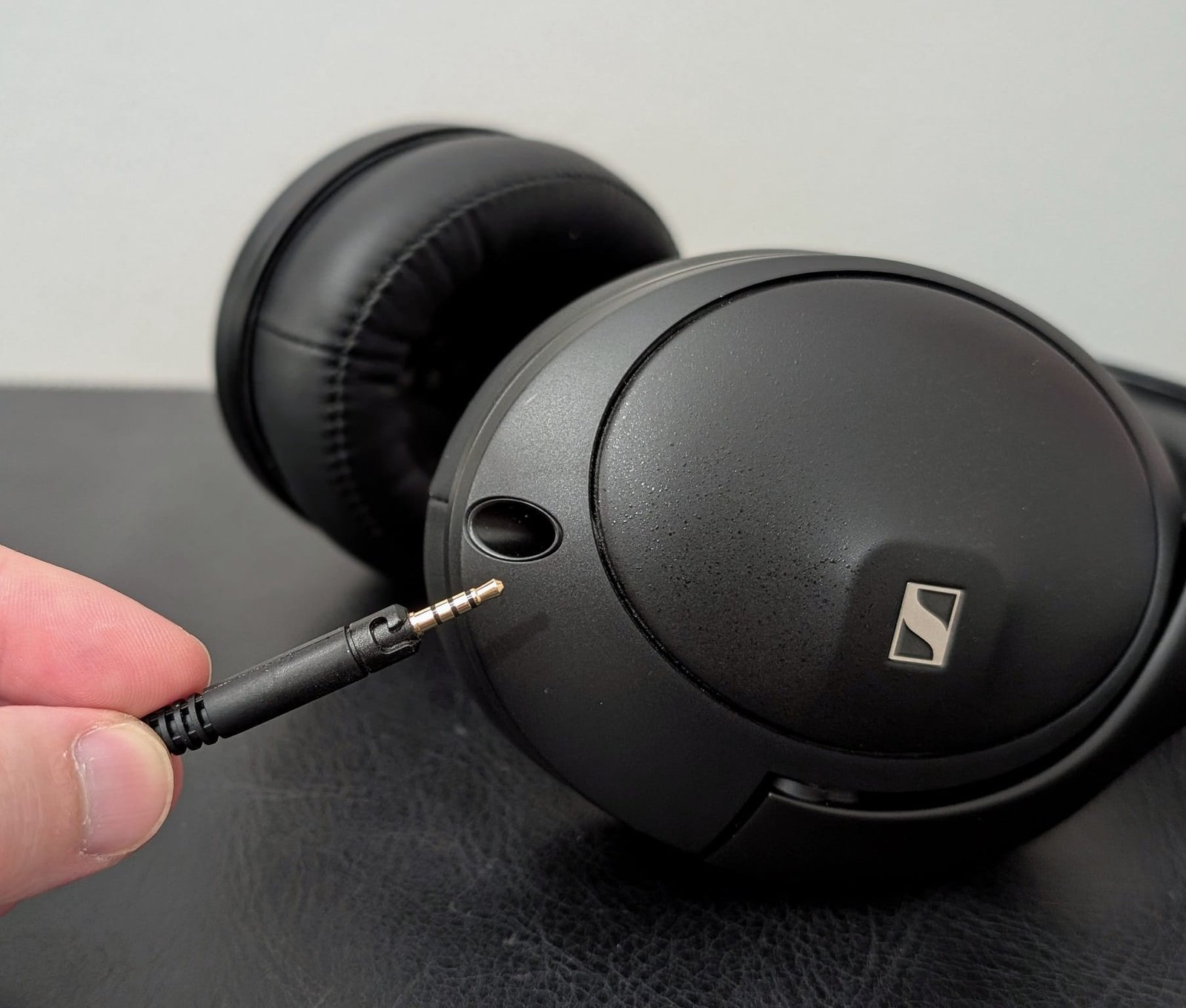
The cable attaches to the left cup with a locking 2.5-millimeter connector, while the end that attaches to the amplifier has a 3.5-millimeter connector and, if needed, a 6.35-millimeter adapter. From Sennheiser, a cable with a 4.4-millimeter connector can also be purchased for an additional cost of about 70 euros, meaning the HD 620S can also be listened to in a balanced configuration, unlike, for example, the Focal Azurys and Beyerdynamic DT 700 Pro X. If 70 euros for this possibility sounds too much, balanced cables could be bought from China for as little as about 20 euros.
Build and comfort
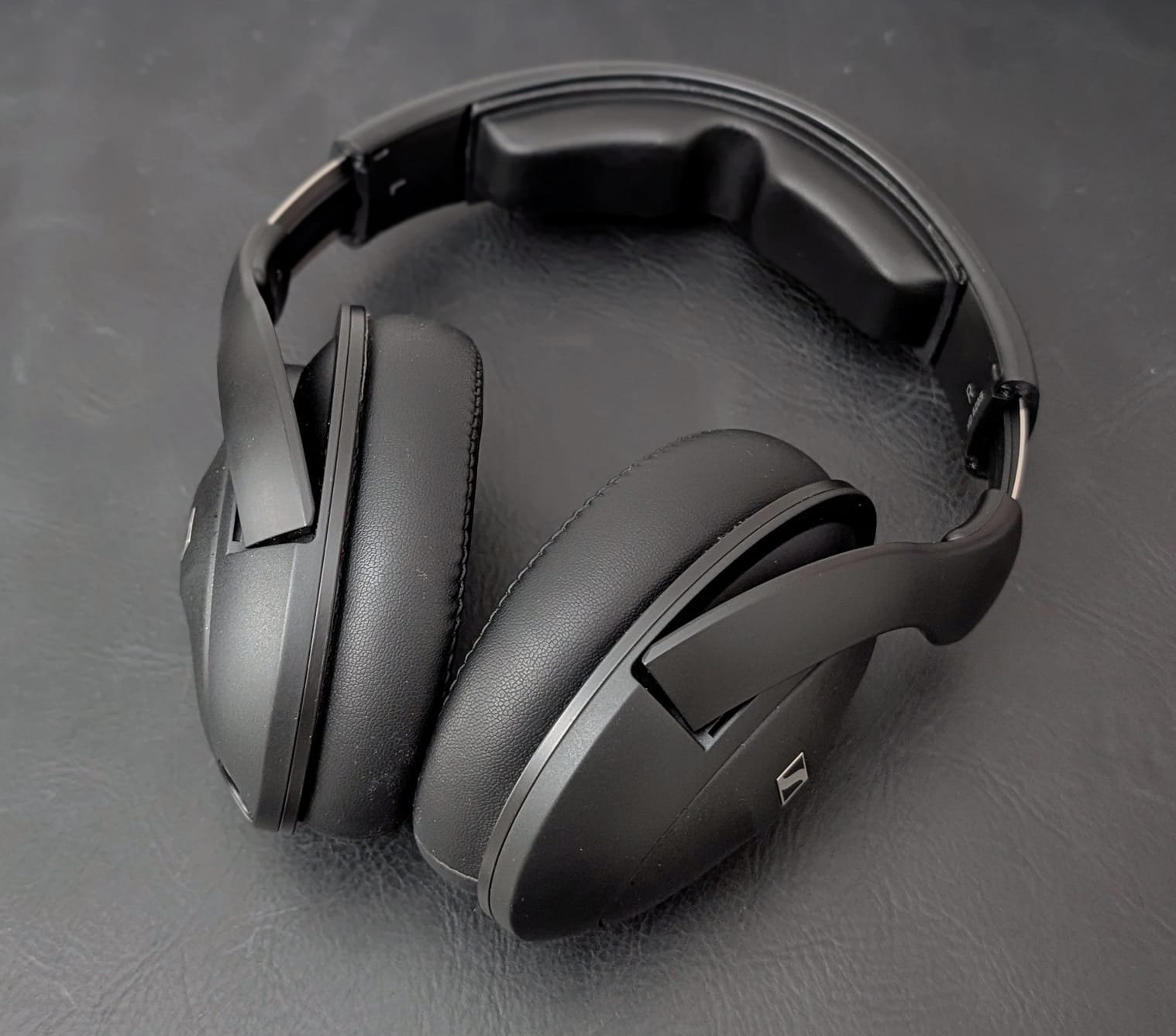
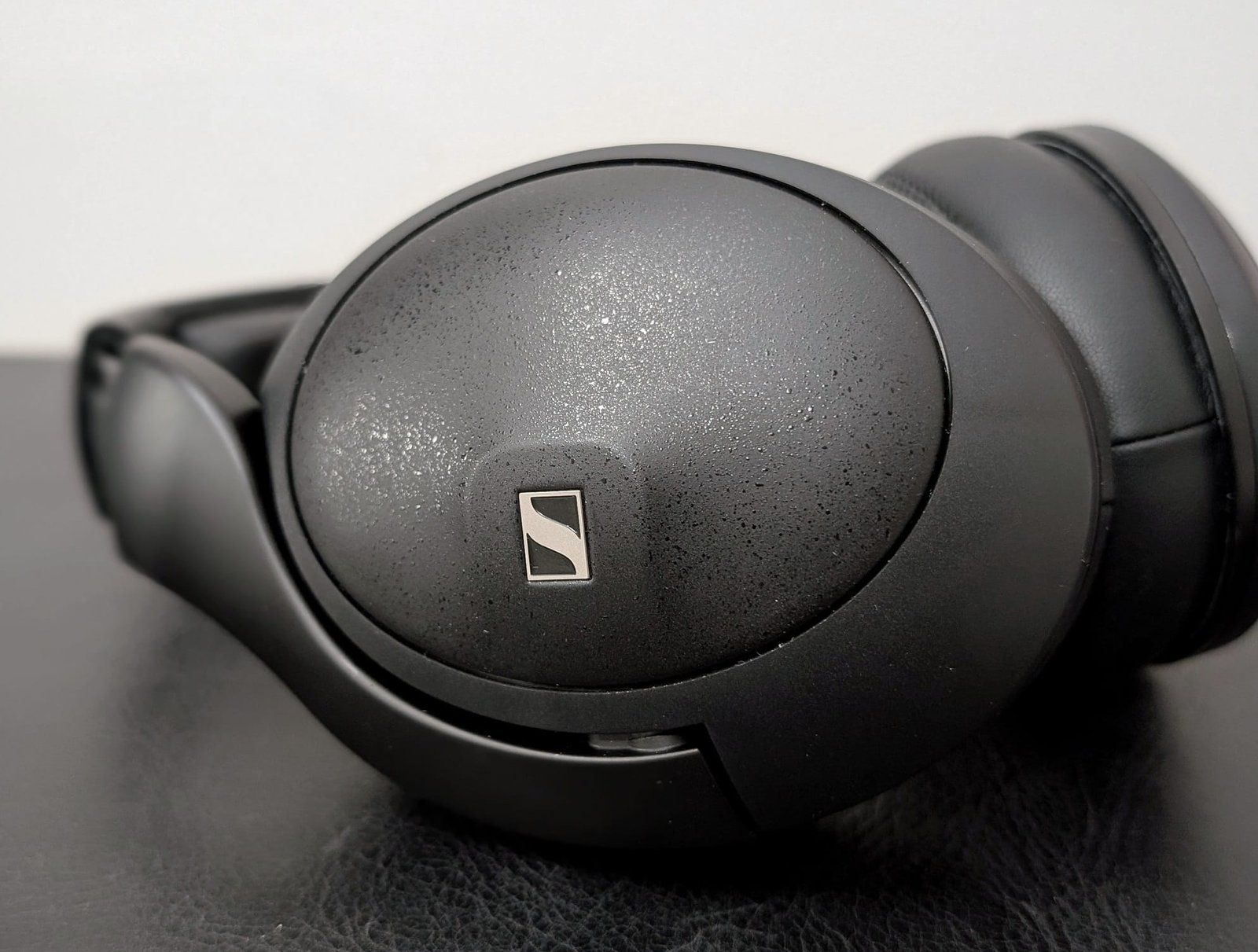
The HD 620S could very well be called a closed HD 560S, as both are based on a similar structure familiar from the HD 500 series. As one change, however, Sennheiser has decided to reinforce the HD 620S by adding metal to the extension parts of its headband. A closed design requires a tight fit and often a stronger-than-usual clamping force to function, so the structure of the open HD 500 series as such would probably have been too flimsy. As a minor surprise, the sides of the HD 620S cups are metal (the surface is slightly rough due to the splash pattern), but otherwise, the tactile feel is plastic, and the overall impression, despite its sturdiness, is quite cheap. On the other hand, the design and related materials have been proven sufficiently durable over time, and the headphones also look subtly stylish.
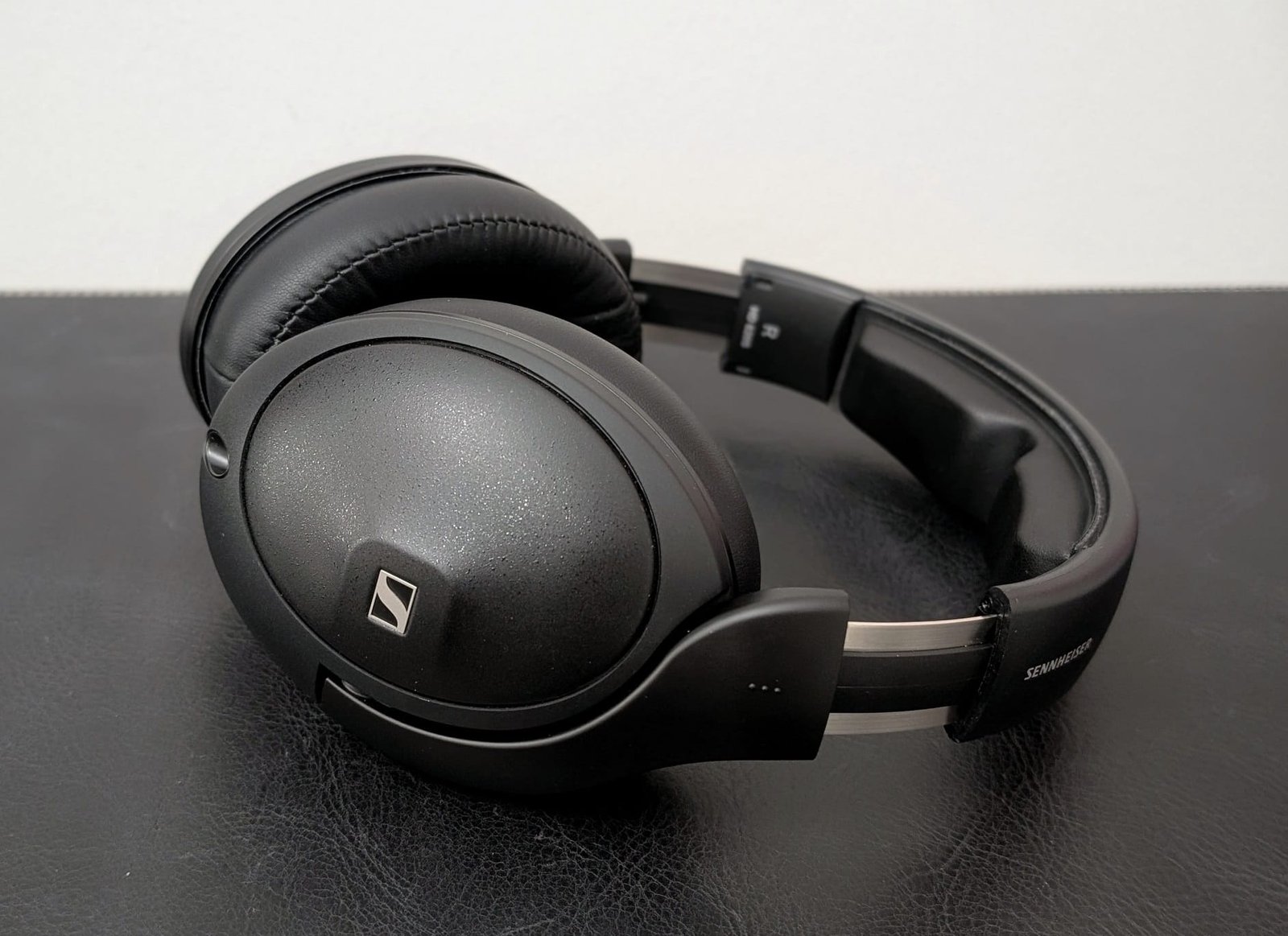
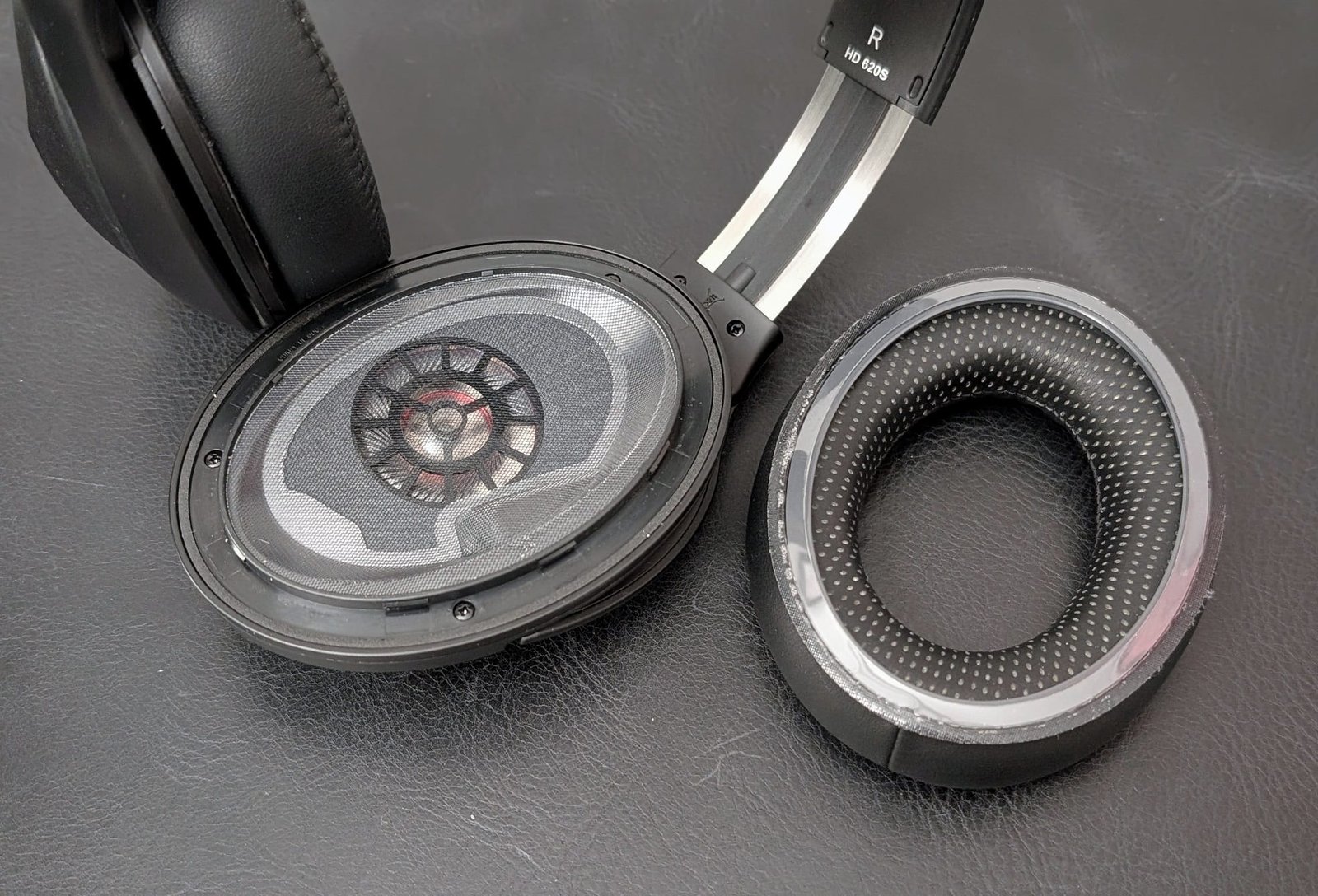
The padding parts are covered with artificial leather, and the foam is thicker than in the manufacturer's open headphone models. The headband padding attaches simply with an adhesive surface and looks somewhat unfinished at its edges. The same roughness is actually visible on the sides of the ear pads as well. Otherwise, I like the ear pads because they are unusually spacious inside (H 65 x W 45 x D 25–30 mm). The head pad also works well without causing any pressure sensation on my scalp due to its central notch. Despite the limited range of motion of the cups and the strong clamping force of the headband, the HD 620S feels quite comfortable for me after a short period of getting used to it and blends evenly onto my head for longer periods. The headphones also weigh a moderate 322 grams (measured on my own scale), which is only slightly more than the likewise light Focal Azurys, but certainly about 100 grams more than, for example, Sony's featherlight MDR-M1.
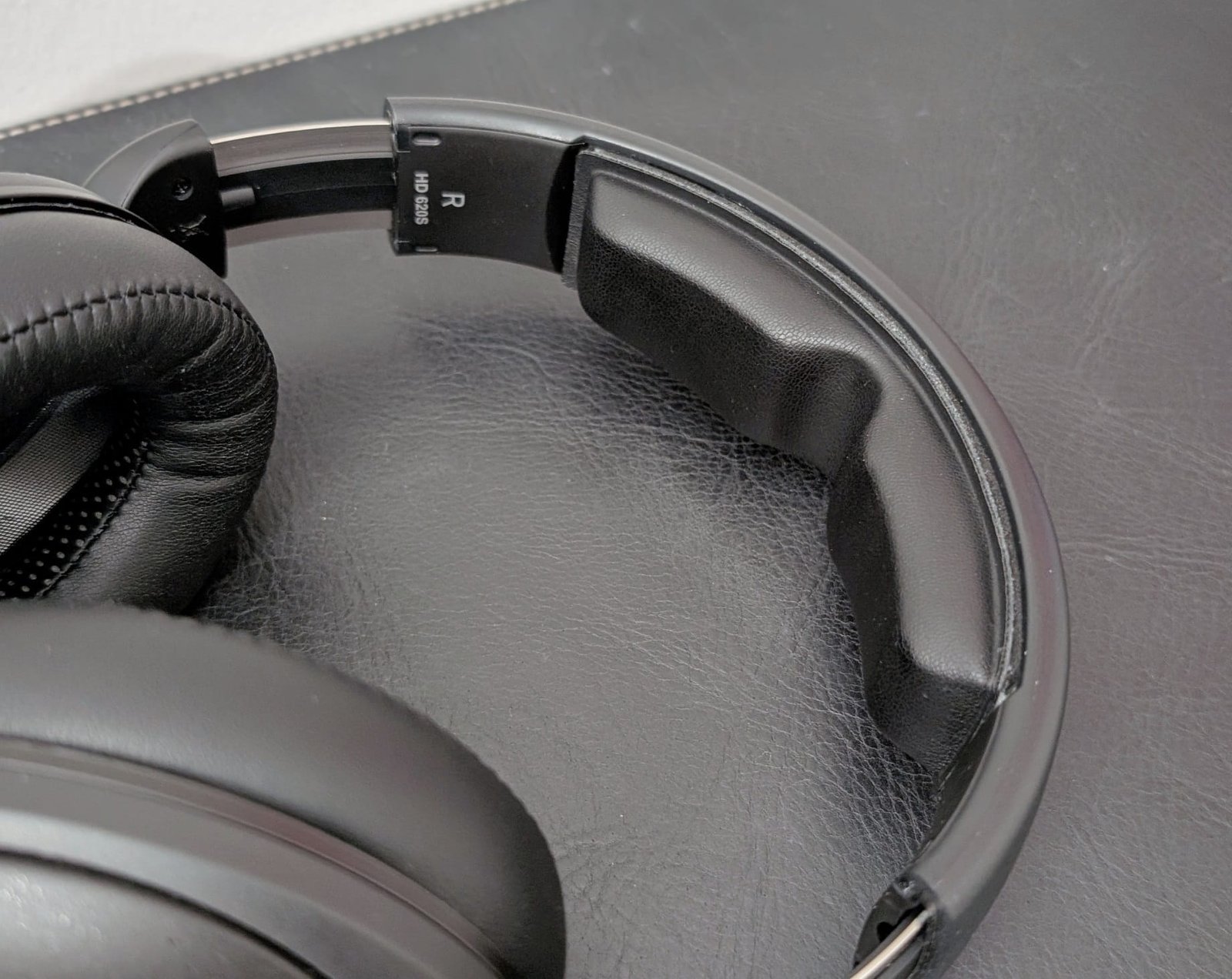
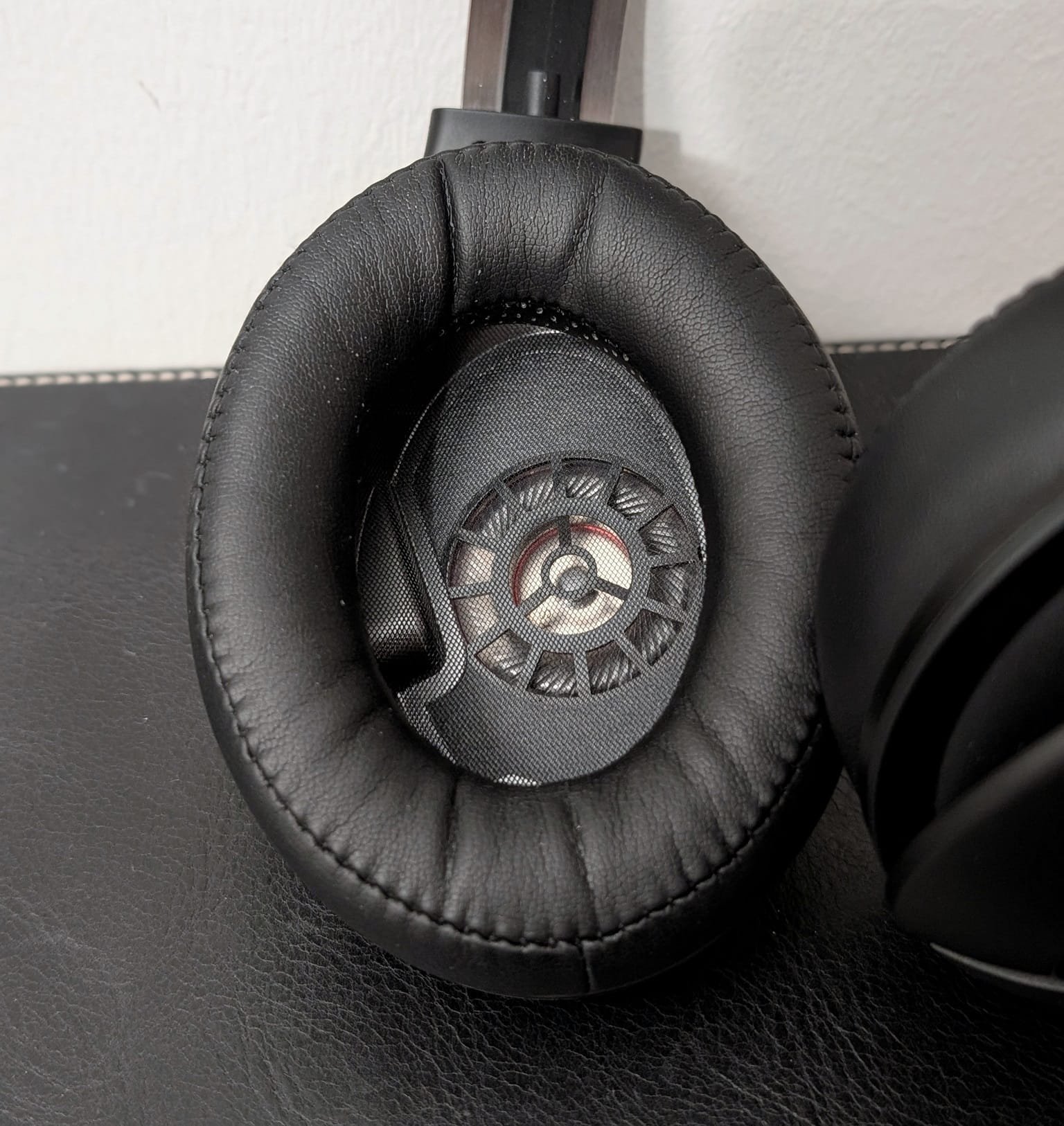
Not everyone has found the fit of the HD 620S to be equally good, as it still suffers from the weaknesses of the HD 500 series. The headband structure is designed to be so narrow and limited in its range of motion that the cups may not tilt and sit correctly against the head. Too much pressure is easily created above the ears, while a gap may remain below the ears. Unless the situation is resolved by raising the height of the headband (which makes the band's shape more horseshoe-like), the headphones may even be unusable for some – at least the HD 620S will not reproduce bass properly unless the pads sit tightly and evenly around the ears. Such design weaknesses can really only be discovered by trying the headphones yourself.
If and when the HD 620S fits tightly on the head, it effectively isolates external sounds and also keeps the listened music excellently contained. I myself have used the headphones a lot for gaming because they completely dampen the hum and hiss generated by my computer's fans. Not all closed headphones, such as the Audeze Maxwell designed for gaming, are equally capable of this. If someone wants to immerse themselves in their own bubble with closed headphones, the HD 620S is a good option for that, even if it doesn't include noise-canceling functionality. However, I would not recommend the product for mobile use, because the structure does not fold up for transport in any way, nor do you want to rest the headphones on your neck due to inadequate ergonomics. In the future, Sennheiser may have to return to the drawing board, because in my opinion, the HD 500 series structure gives too much of a handicap compared to competitors.
Sound quality
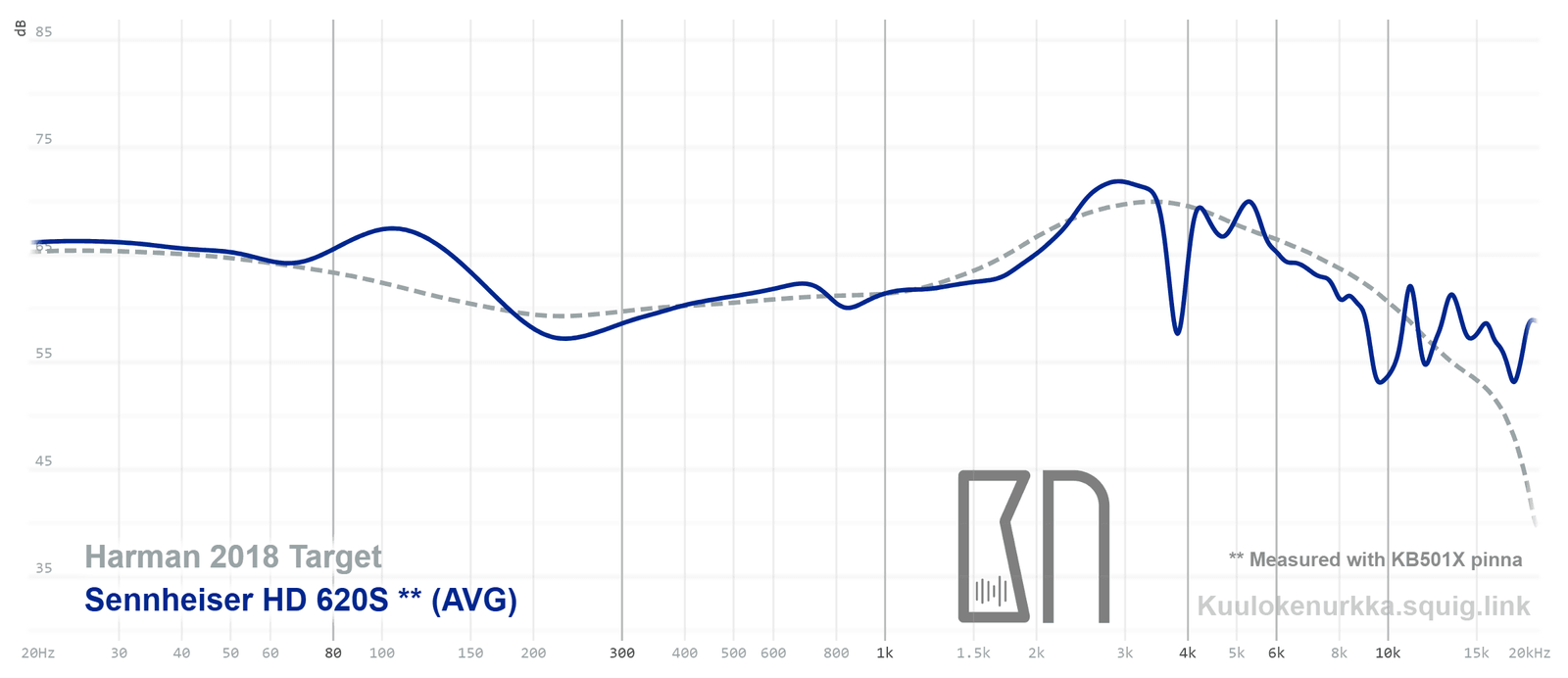
Our frequency response measurements have been made with a clone IEC-60318-4 coupler and KB501X pinnae. The Harman target curve from 2018 is used as a reference point and generalization of the headphone response that would sound good to most people. For more information on the measurements and their accuracy, see Headphone Measurements-page. The frequency response of the HD 620S is also comparable with other measured headphones. Squiglink .
Impedance curve and amplification requirement:
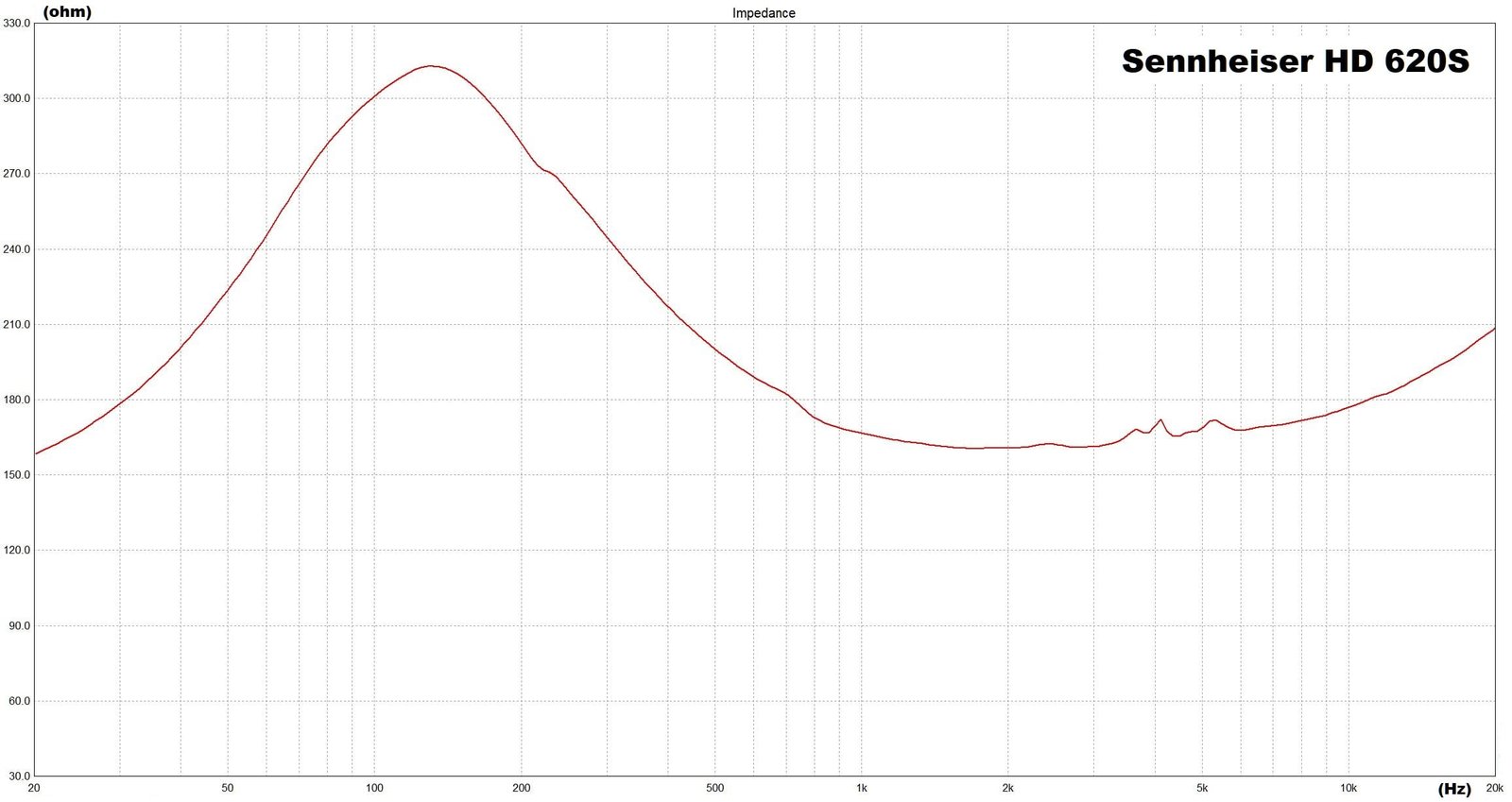
Sennheiser markets the HD 620S as 150-ohm headphones, but like many other dynamic models, its impedance curve is actually quite uneven. Around 150 hertz, based on my own measurements, it rises to over 300 ohms, while between 1–10 kilohertz, it remains reasonably close to the stated 150 ohms. Thanks to its consistently high impedance, the headphones could, however, be listened to without worry with an amplifier having a high output impedance, without the frequency response changing in one direction or another. Only with an output impedance of over 100 ohms does the bass strengthen by a couple of decibels because the 50–250 hertz range becomes amplified more than other frequencies.
Most will still use a low-impedance transistor amplifier or, for example, a mobile device with a headphone jack, which does not need to be particularly powerful in terms of amplification due to the HD 620S's relatively high sensitivity (102 dB/mW). For example, headphone jacks on laptops and mobile devices should play the headphones loud enough, but for home use, I would in any case recommend some kind of basic good dedicated amplifier.
I have primarily evaluated the sound quality of the headphones with a neutral VMV D1SE DAC and low-output impedance transistor amplifiers (e.g., Ferrum Audio OOR, Qudelix 5K, and Topping DX1), but I will explain a bit later how different devices affect the sound of the headphones.
Frequency response:
Frequency response compared to the HD 600 model:
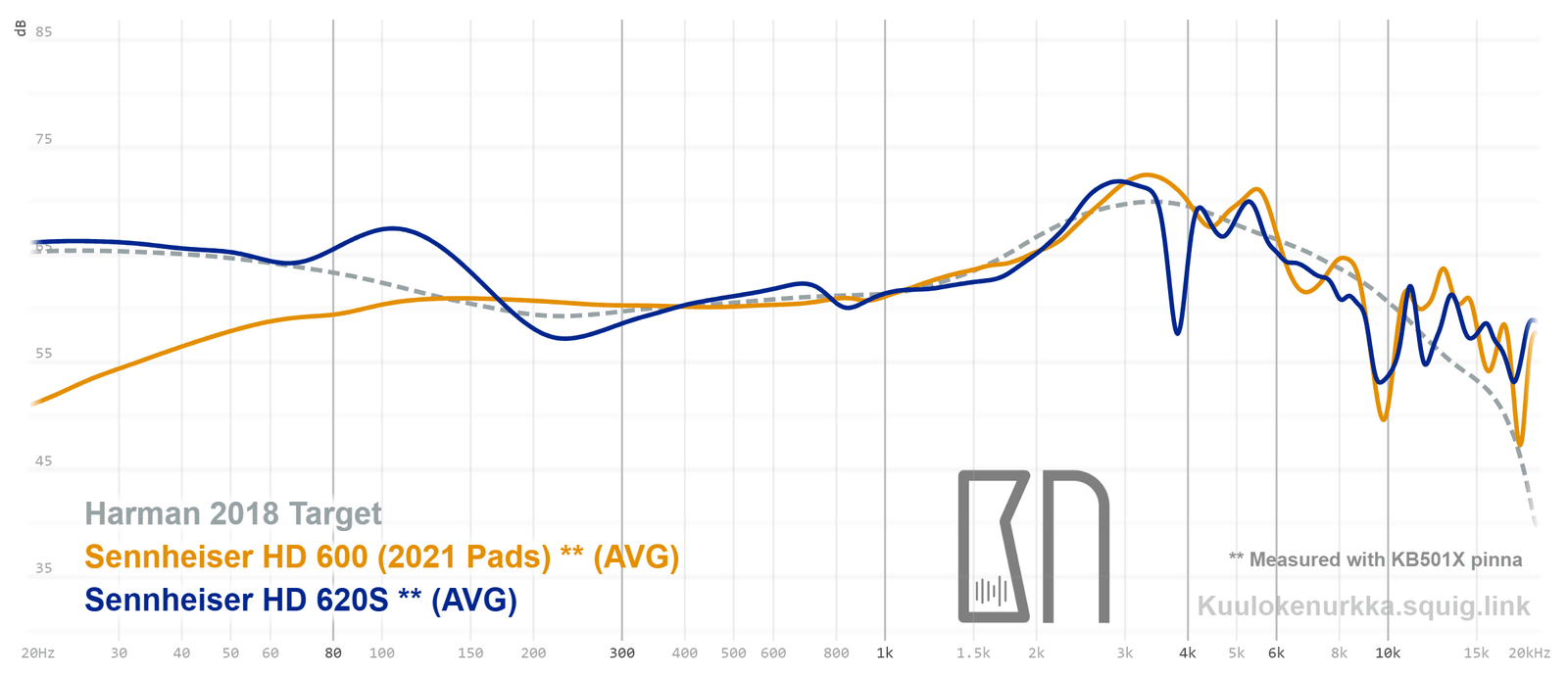
The HD 620S sounds like a relatively balanced headphone, as its frequency response, which follows the shape of Harman's target curve, suggests. Among its greatest strengths, I would list its successful mid-frequencies in terms of overall energy level, as well as a soundstage that is more spacious and airy than many other closed-back models. The bass is also, as desired, clearly more prominent than in the open-back HD 600 series. For most of the time, the HD 620S's reproduction is easily digestible, and it doesn't sound particularly colored compared to, for example, what I consider a neutral HD 600-model. In other words, no frequency range is overly emphasized in the overall sound, so Sennheiser can be seen to have succeeded in the design and naming of its closed-back headphone model.
When examined more critically, however, the HD 620S's tuning also reveals unevenness and peculiarities that somewhat disturb my listening experience. Firstly, the headphones' bass reproduction is emphasized between 100–150 hertz, which means that the sub-bass takes a back seat and the low-frequency reproduction, in general, becomes thumpy and soft. The sound does have body, but hardly any punch or tightness. Fortunately, no significant muddiness occurs, so for acoustic music, for example, the warm mid-bass brings a very pleasant nuance. For listening to sub-bass-heavy music, I would not buy Sennheiser's headphones – at least not without equalization. Variable fit also causes its own problems, as the headphones reproduce bass better on measurement devices than on human ears.
The HD 600 series is known for its linear and naturally perceived mid-frequencies. Although the HD 620S generally comes close to this, its tuning is more uneven. I don't particularly easily detect the 200–300 hertz dip typical of closed-back headphones, the forward-projecting 500–800 hertz range, and the phase cancellation occurring at 4 kilohertz due to structural reasons as individual features, but sometimes small unevenness still accumulates to a noticeable level. Fortunately, the HD 620S still sounds quite normal, and its sound also has a touch of pleasant warmth compared to Harman-style headphones. Furthermore, the upper mid-frequencies are reproduced around 2 kilohertz in a suitably subdued manner for my taste, so the presentation doesn't feel too aggressive despite its clarity, making the headphones easy to listen to. The soundstage is also spacious in style, so the HD 620S sounds less closed-in and cramped than many of its competitors. If we forget excessive criticality, I believe many would be satisfied with the end result.
The biggest disturbing factors I observed are ultimately in the upper frequencies, which are more uneven than my measured frequency response would suggest. The HD 620S is a peculiar case in that its treble, in terms of overall quantity, sounds appropriate most of the time, but still occasionally somewhat hissy and distracting. Especially music produced with the left hand and bright in style sounds even more mediocre. This is due, in my case, to individual treble peaks located at 5.3 and 7 kilohertz. Depending on the artist and song listened to, these may not be noticed, or they add an unnatural nuance to the sound. I find the most irritating moments to be when the HD 620S reproduces breathing sounds in singing and speech with emphasis and sibilant 's' sounds. Unusual sizzling also sometimes forms on drum cymbals, which I can get rid of by equalizing a couple of treble boosts. Otherwise, the headphones' treble is emphasized above 10 kilohertz, being light and airy in style. This likely contributes to the formation of a spacious soundstage.
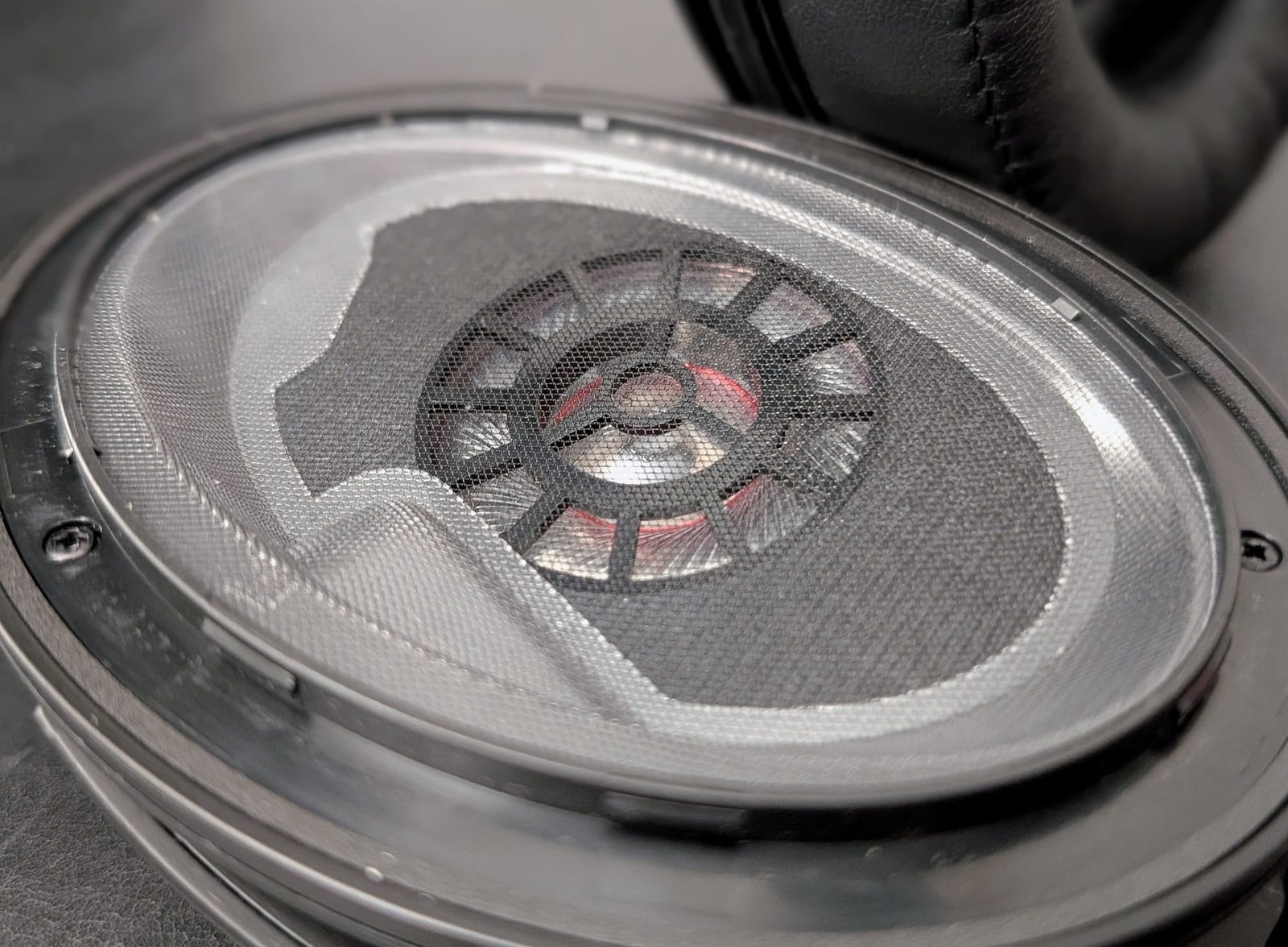
Interestingly, no foam material installed in front of the driver has been used to adjust the HD 620S's upper frequencies, so Sennheiser must be given credit for achieving such accurate tuning through other means. Usually, in closed-back headphones, the driver remains hidden under some kind of foam or felt layer, whereas the HD 620S's drivers are fully exposed and thus exceptionally free-breathing. On the other hand, the slight unevenness of the tuning is still regrettable, and ultimately, I wouldn't call the headphones particularly impressive otherwise. I find the dynamics rather tame, and the sound separation isn't very precise for one reason or another. The situation is by no means bad by closed-back headphone standards, but the expression ”quite good” feels like a slight disappointment in Sennheiser's case.
At the same price, one can now get such excellent open-back headphones that, in my opinion, the HD 620S should be slightly better or cost less for me to be enthusiastic about it. However, in recent years, Sennheiser has initially priced its new headphone models on the high side until the market and sales ultimately determine a more suitable price. For now, I consider the HD 620S a fairly good headphone, but I can't really rave about it. The situation is thus very similar to that of many other closed-back headphones.
Amplifier's effect on sound
I naturally tested the HD 620S with several different amplifiers, which included the 2000-euro Ferrum Audio OOR, the 1600-euro Cayin HA-3A-tube amplifier, offering higher output impedance Cayin iHA-6 as well as from the more affordable end Qudelix 5K and Topping DX1.
The biggest "aha!" moment was how a tube amplifier and a 120-ohm output impedance via the iHA-6 smooth out the headphones' upper frequencies to such an extent that I no longer feel the need to equalize a couple of treble peaks. At the same time, the lower frequencies feel a bit heavier, so the changes are actually in line with my wishes, and after them, the headphones' sound draws me in better. Both Cayin amplifiers interestingly also do good for the soundstage and its layering. I'm actually quite excited that the HD 620S scales even better with suitable amplification, similar to its open-back siblings HD 600 and HD 650. However, not many people shopping for 350-euro headphones presumably own a good tube amplifier, so recommending one for the HD 620S feels a bit questionable to me.
My most expensive amplifier, the Ferrum Audio OOR, sounds more conventional in the sense that when using it, the headphones' sound is sharper and more defined, but in terms of treble, it's more sparkling and hissy. With more affordable devices, the frequency response irregularities become even more apparent, but with the Qudelix 5K, I was able to equalize them properly. The HD 620S doesn't require much amplification power or extensive equalization, so a device like the Qudelix is easily sufficient for it. Directly from the Macbook Air's (M1 version) headphone jack, the treble sounded quite annoying, which suggests that acquiring some kind of better amplifier wouldn't be a bad idea.
Comparisons to other headphones
In this context, I'm using the Beyerdynamic DT 700 Pro X and Focal Azurys as comparisons, but I'll return to the HD 620S when reviewing the Sony MDR-M1 and Audeze Maxwell. After that, I will have gained a fairly comprehensive overview of new closed-back headphones, with the highly praised Fiio FT1 still awaiting its turn.
HD 620S vs. Beyerdynamic DT 700 Pro X
Prices: 350 € vs. 250 €
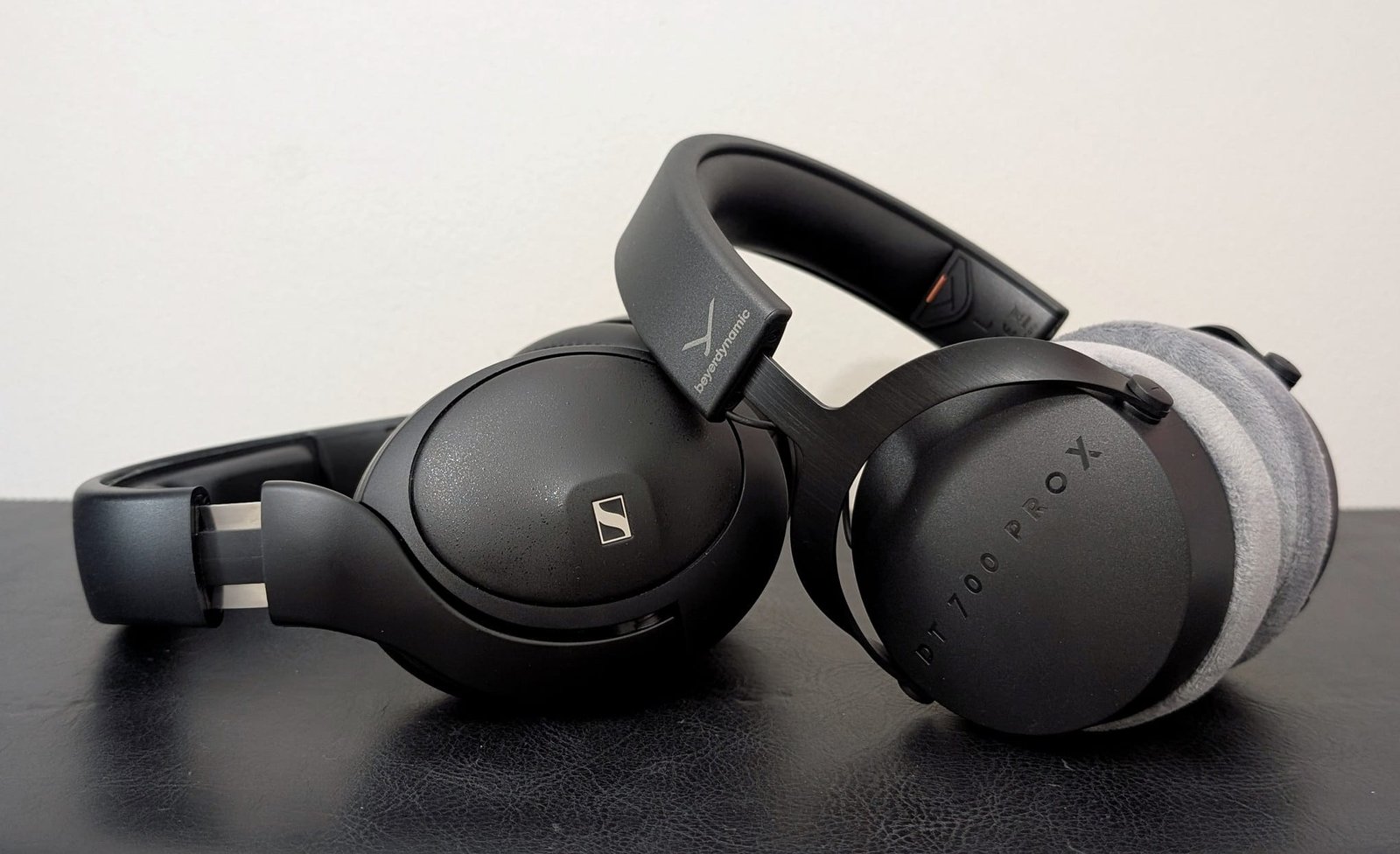
Beyerdynamic sells its DT 700 Pro X headphones for about 250 euros, which differ from the more affordable DT 770 Pro models primarily in their better Stellar.45 drivers and more modern construction. Both the DT 700 Pro X and HD 620S are simple in design and, in a way, tool-like everyday headphones. The DT 700 Pro X weighs about 30 grams more (354 g vs. 322 g) and feels sturdier and of higher quality of the two. Both share strong clamping force and good passive sound isolation.
In terms of long-term wearing comfort, I don't notice a big difference, but Beyerdynamic's headband presses more firmly against the top of my head because the padding is thinner and doesn't have a recess in the middle like the HD 620S. On the other hand, the basic construction of the DT 700 Pro X doesn't have similar ergonomic weaknesses as the Sennheiser model, so the headphones are easier to get to sit evenly and are likely suitable for a larger group of people. The DT 700 Pro X's soft velour earpads also feel more comfortable on the surface, while the HD 620S's artificial leather earpads are slightly larger and more spacious. So, both have their own advantages.
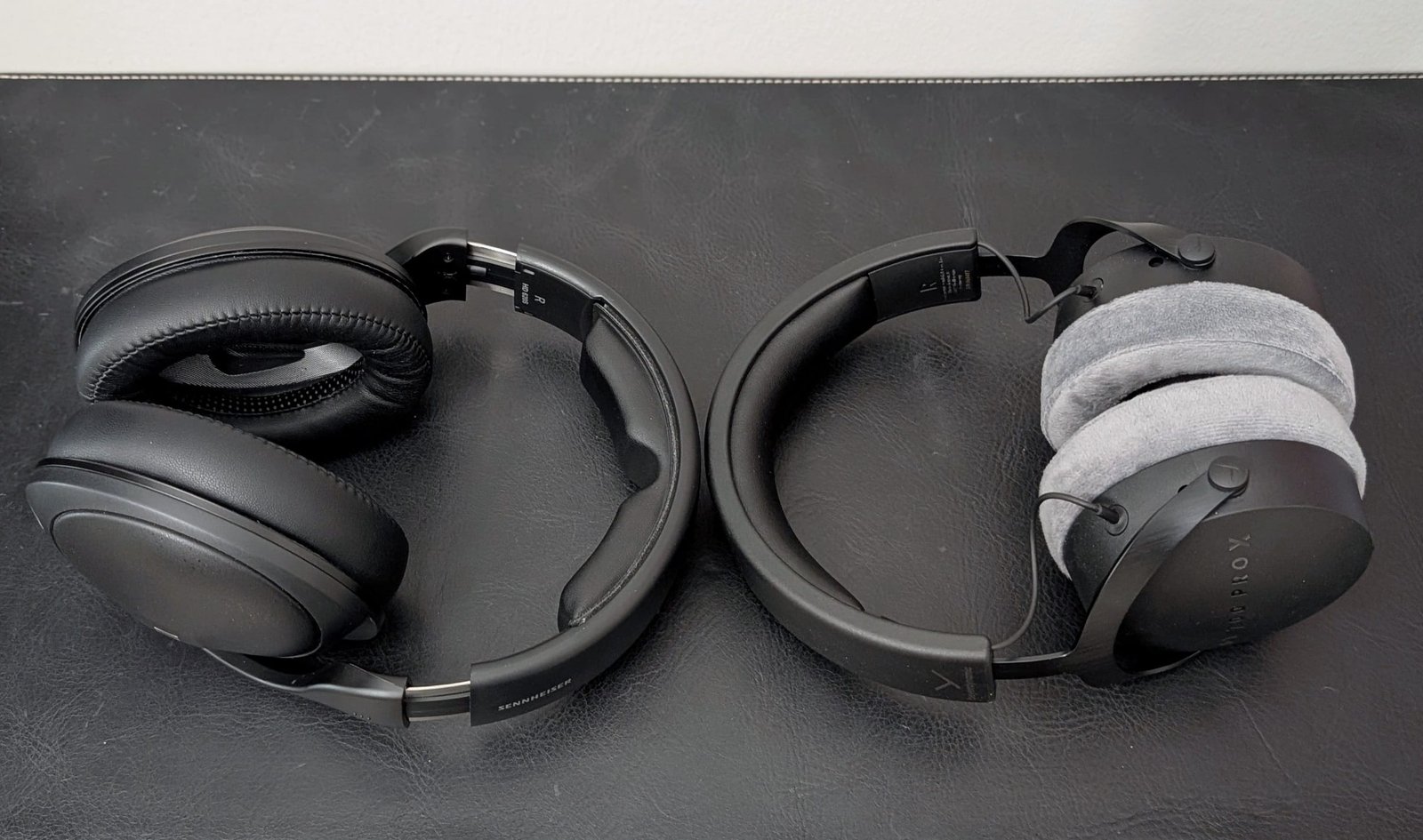
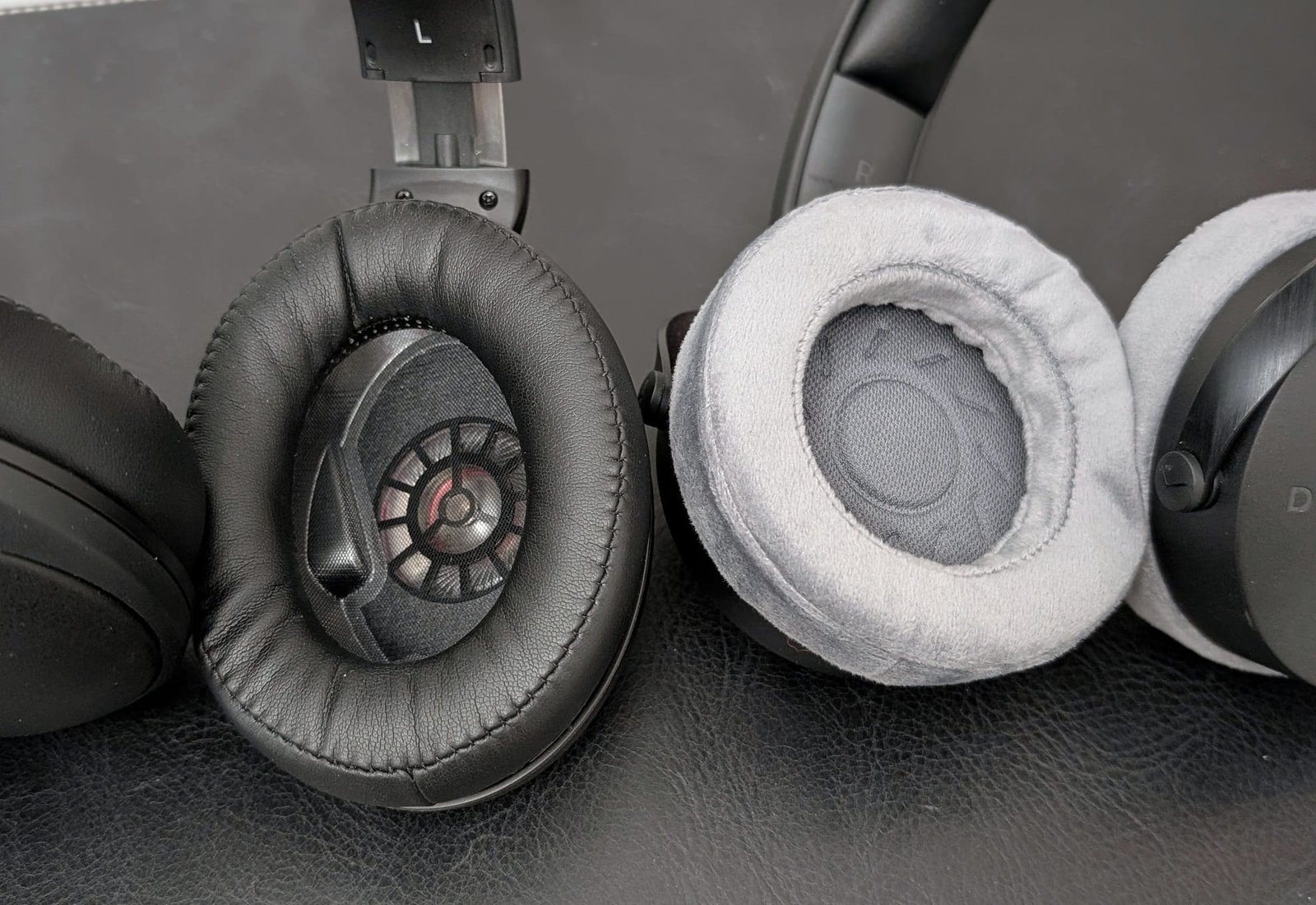
One practical difference is that the DT 700 Pro X requires less amplification power, making it even easier to drive with low-power mobile devices. The HD 620S, on the other hand, would be clearly better suited as a companion for tube amplifiers and could be driven balanced, unlike the DT 700 Pro X.
Frequency responses:
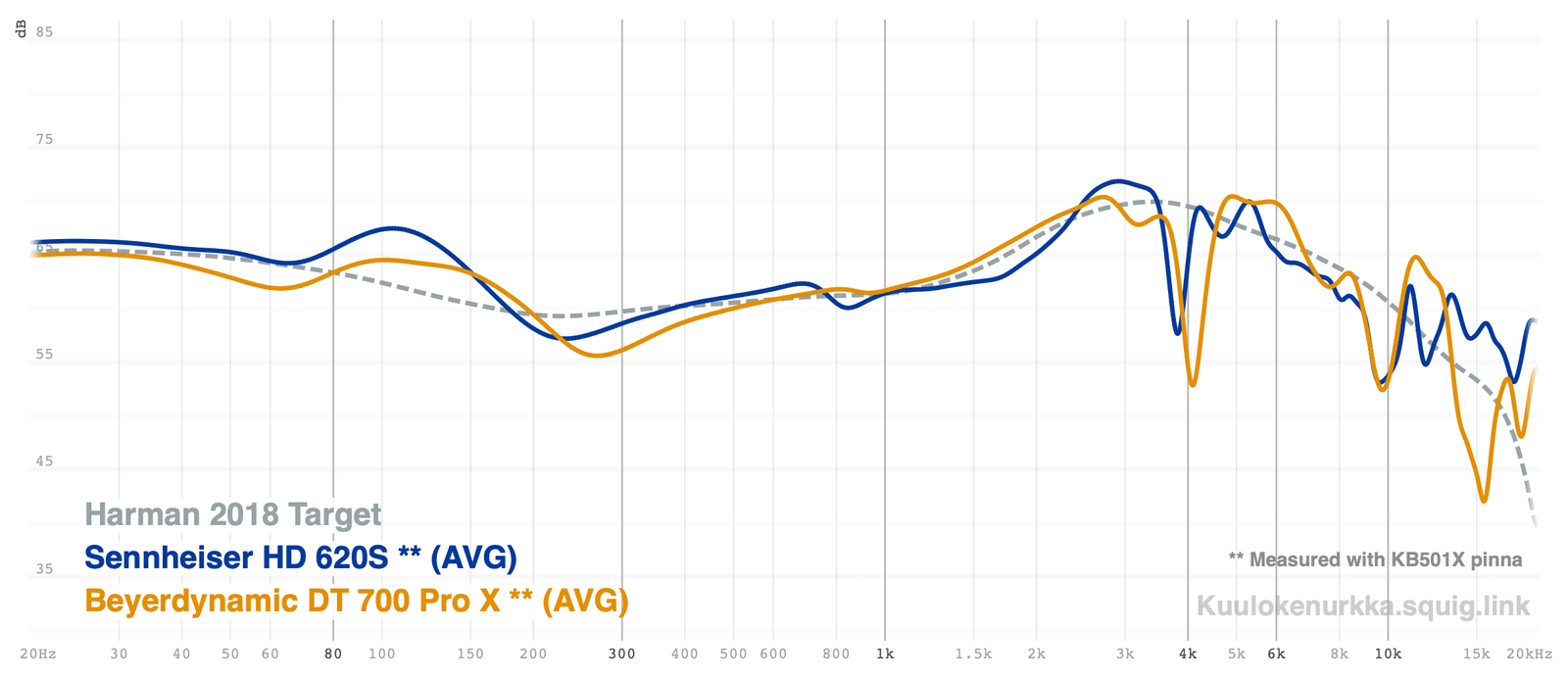
Regarding sound quality, I'll admit right away that I prefer Sennheiser headphones. In my opinion, the DT 700 Pro X is a good all-around headphone, but next to the HD 620S, it sounds more colored and offers hardly any advantages.
With the DT 700 Pro X, the bass reproduces more powerfully, but also more hollowly than with the HD 620S, contrary to measurement results. The same hollowness is also noticeable in the lower midrange of the Beyerdynamic model, so I attribute this characteristic to the dip formed between 250–400 hertz. In the HD 620S, the corresponding dip is smaller and thus less noticeable. However, since the Sennheiser model's bass reproduction is quite light and soft in style, some might still prefer the DT 700 Pro X's punchier reproduction.
Beyerdynamic headphones bring the vocalist and speech closer for examination, which can be explained by the more linearly reproduced 2-kilohertz region. This focused presentation is, in a way, a strength of the headphones, but due to the faintly reproduced 4-kilohertz region, the sound is still somewhat lifeless and unclear in style. There's a certain darkness and stuffiness in the midrange, even though the sound doesn't deviate much from neutral. The thick front damping of the drivers may well exacerbate this weakness. The HD 620S, on the other hand, sounds fresher, so I perceive its energy level as more natural and, as it were, more joyful. It also presents the soundstage as more open and spacious, whereas the DT 700 Pro X, with its slight confinement, feels like a more traditional closed-back headphone.
Regarding the treble, both headphones have their weaknesses. In the HD 620S, these are focused on a couple of peaks that add hiss to the sound and slightly amplify sibilance. The DT 700 Pro X's treble is not as airy, but it still regularly sounds brighter of the two, bringing certain parts of the treble more powerfully and sharply to the forefront. The V-shaped presentation also interferes with focusing on the midrange, even though the incomplete rendering of the upper midrange is relatively successfully compensated by the treble's energy. In the Sennheiser model, the amount of treble is more appropriate relative to other frequency ranges, so despite a small unevenness, I consider it a safer purchase.
The tuning of the HD 620S is also more balanced, whereas the DT 700 Pro X presents different frequency ranges more separately from each other. As a result, the Beyerdynamic model seems like a product intended for sound analysis. The HD 620S, on the other hand, offers a more natural and slightly more memorable listening experience. It also costs 100 euros more, and it is not primarily designed for studio/professional use, unlike Beyerdynamic's headphones.
HD 620S vs. Focal Azurys
Prices: 350 € vs. 550 €
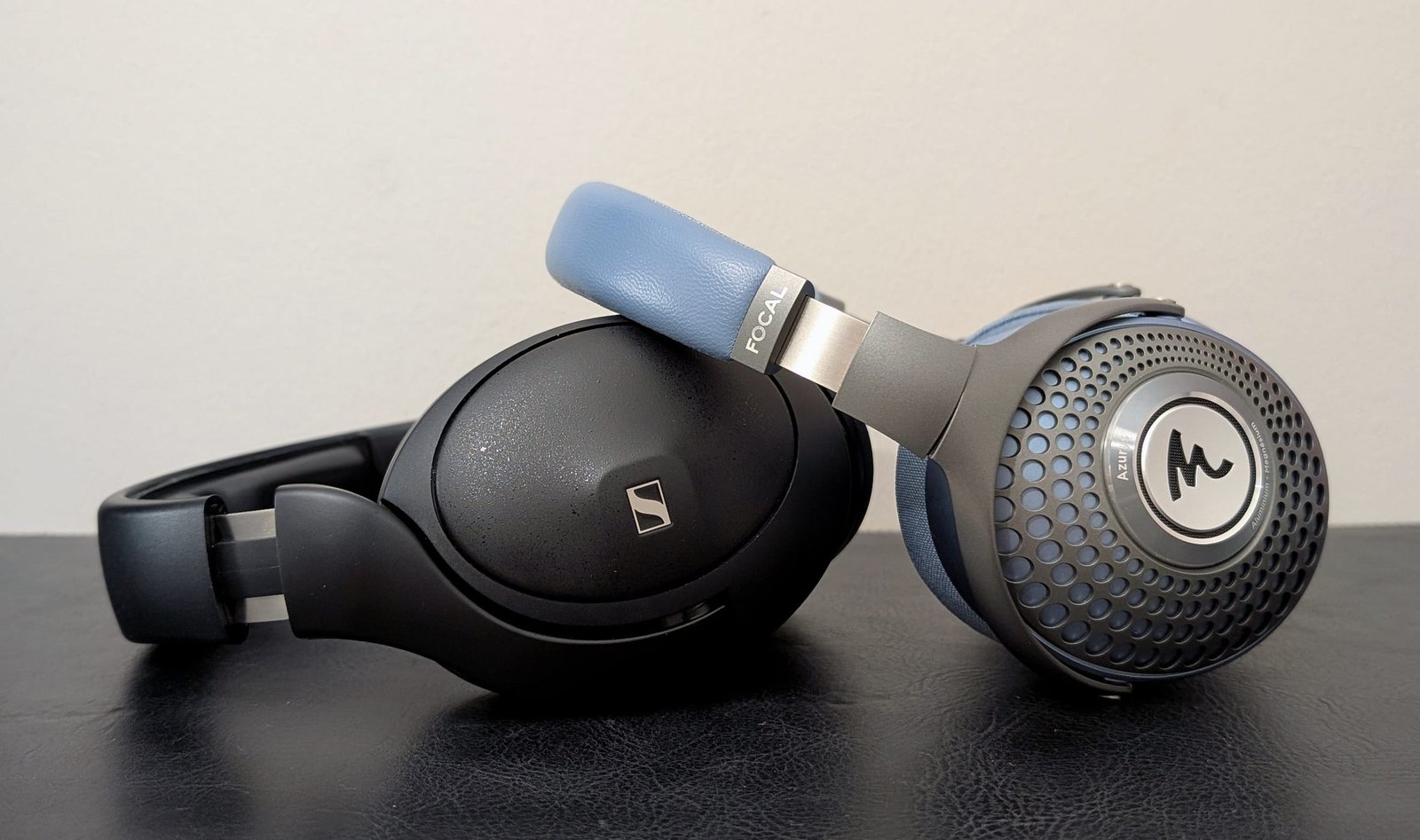
The HD 620S costs a bit more than many of its competitors, whereas the one I placed on Kuulokenurkka's wall of fame Focal Azurys is 200 euros more expensive. Part of this is explained by a better-designed structure that allows the cups to swivel horizontally. The Azurys is also slimmer in size, but it is still better shaped to fit a human head. The total weight is also slightly lighter (306 g vs. 322 g), even though the headband is made of more valuable and durable magnesium instead of the HD 620S's plastic.
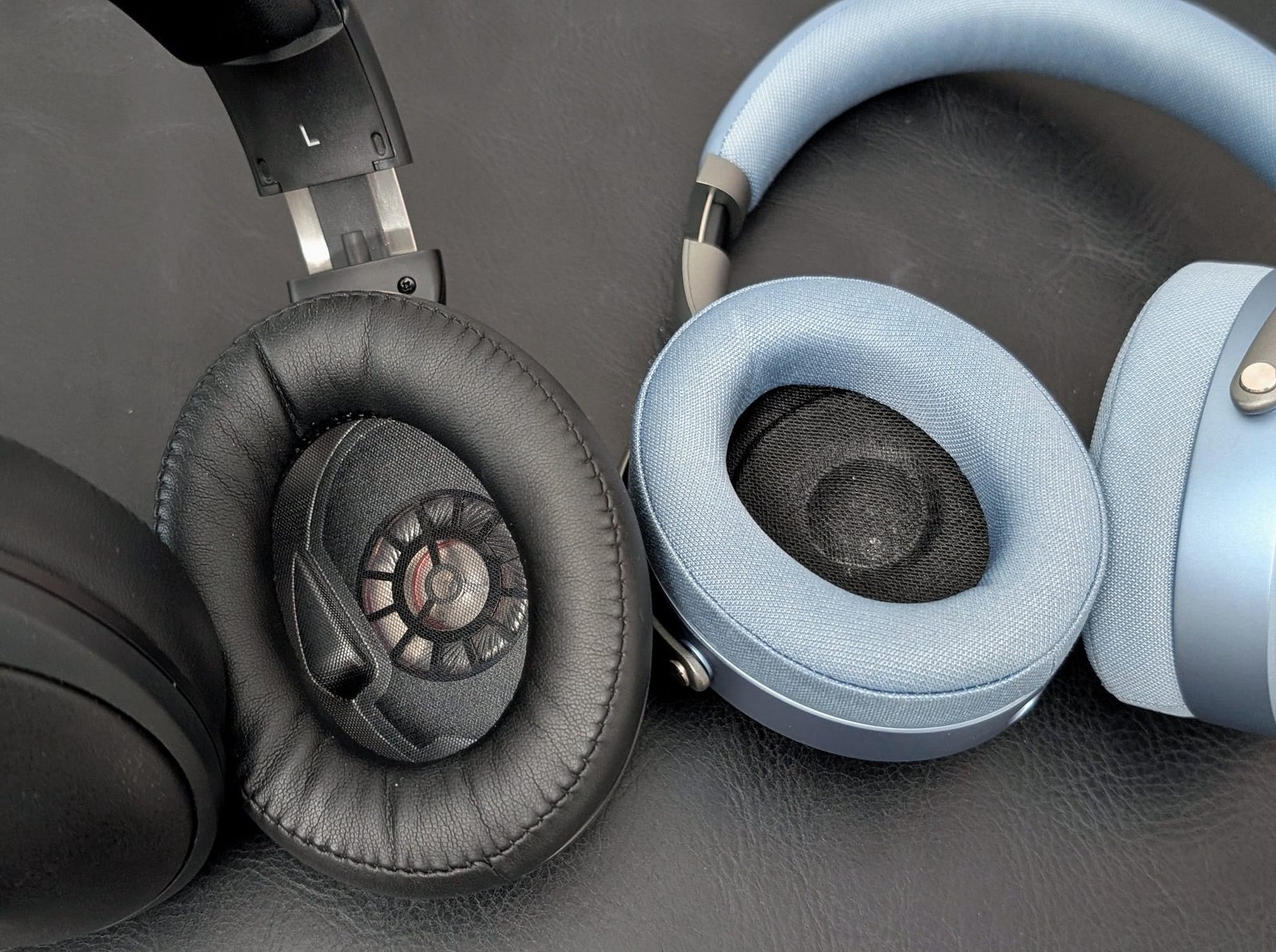
The Azurys is a comfortable and unobtrusive headphone for me, especially as it clamps less tightly on my head than the Sennheiser model. On the other hand, I am not disappointed with the wearing comfort of the HD 620S either. The advantage of the Sennheiser is its more spacious ear pads, which, with their artificial leather surface, dampen ambient noise more effectively than the Azurys' fabric pads. It is somewhat ironic that the Focal model would still be better suited for mobile use and portability among the two, thanks to its clever storage case. However, the light blue color of the headphones might divide opinions somewhat, so I'm not sure if everyone wants to appear in public with the Azurys on their head.
From an amplification perspective, the Focal model is an easier case for small dongle devices and amplifiers built into mobile devices, because the headphones' impedance stays below 30 ohms, instead of the HD 620S's 150–300 ohms. Interestingly, the Sennheiser model is still slightly more sensitive, so it can easily play just as loud, provided that the amplifier in use can generally provide enough power for high impedance readings. It is also worth noting that the HD 620S could be listened to in a balanced configuration, unlike the Azurys – if this matters to some.
Frequency responses:
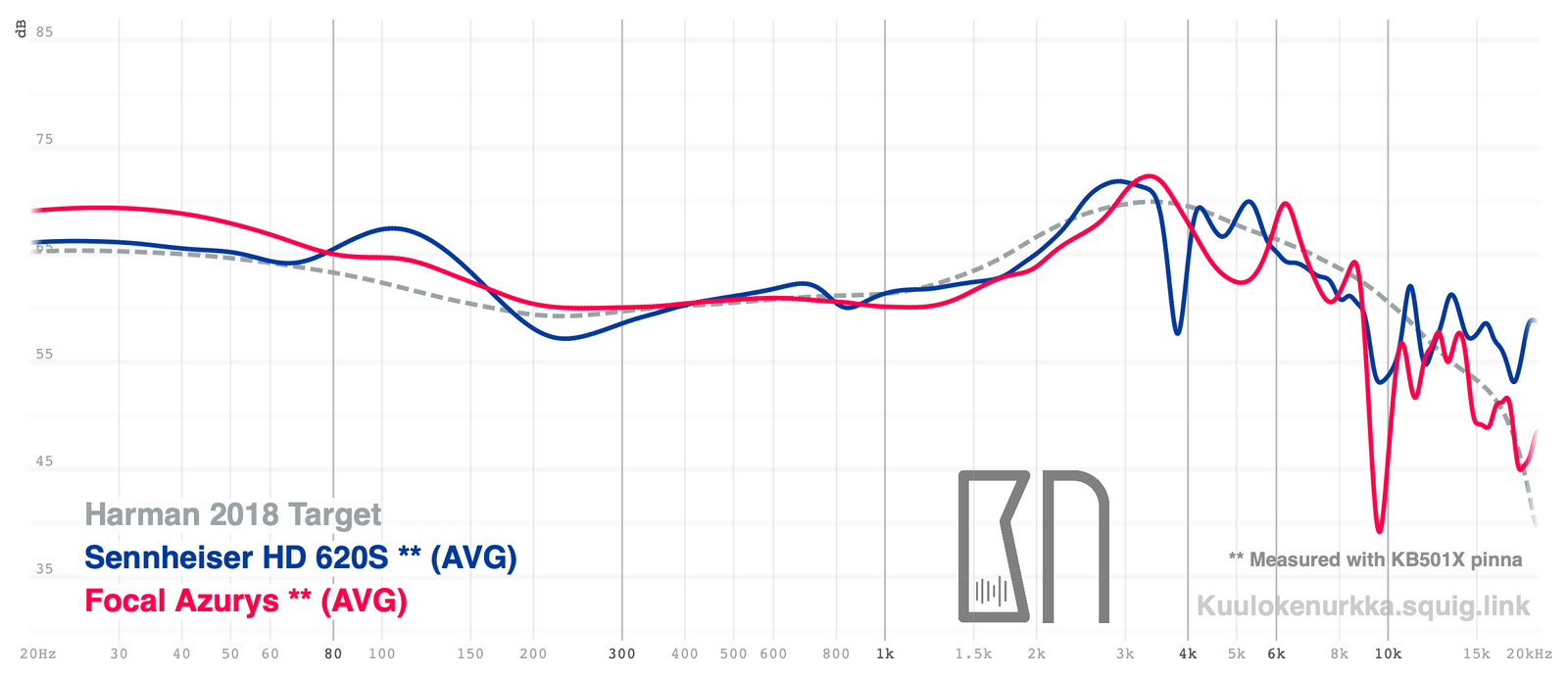
When evaluating bass reproduction, there's no question which of the headphones pleases and excites me more. The Azurys reproduces bass in a fun, powerful, and punchy way without particularly disturbing the clarity of other frequency ranges. For some, there might even be too much bass, but I find it very difficult to see why someone would prefer the looser and softer low frequencies of the HD 620S. With closed-back headphones, it's worth remembering that fit ultimately determines the bass level. If either of the models fits poorly on the head, the other model will automatically reproduce bass more robustly.
The clearest advantages of the Sennheiser model compared to the Azurys are a more spacious soundstage and a slightly more natural overall tone in the mid-frequencies. This is a result of both the tuning of the upper mid-frequencies and the airiness of the treble. In the HD 620S, the most energetic point of the so-called ear-gain region (the frequencies the human ear naturally amplifies the most) is suitably located around 2.8 kilohertz, whereas in the Azurys, it is at 3.5 kilohertz. The difference might seem insignificant on paper, but I perceive the HD 620S as slightly more natural, while the Azurys' sound has a touch of unusual roughness. As a result, for example, acoustic instruments and skilled vocalists sound a bit more authentic with the HD 620S, while the Azurys has a more robust and slightly coarser sound. However, since the Focal model's lower mid-frequencies lack the unevenness of the HD 620S, someone could justifiably call the Azurys' mid-frequencies more natural as well.
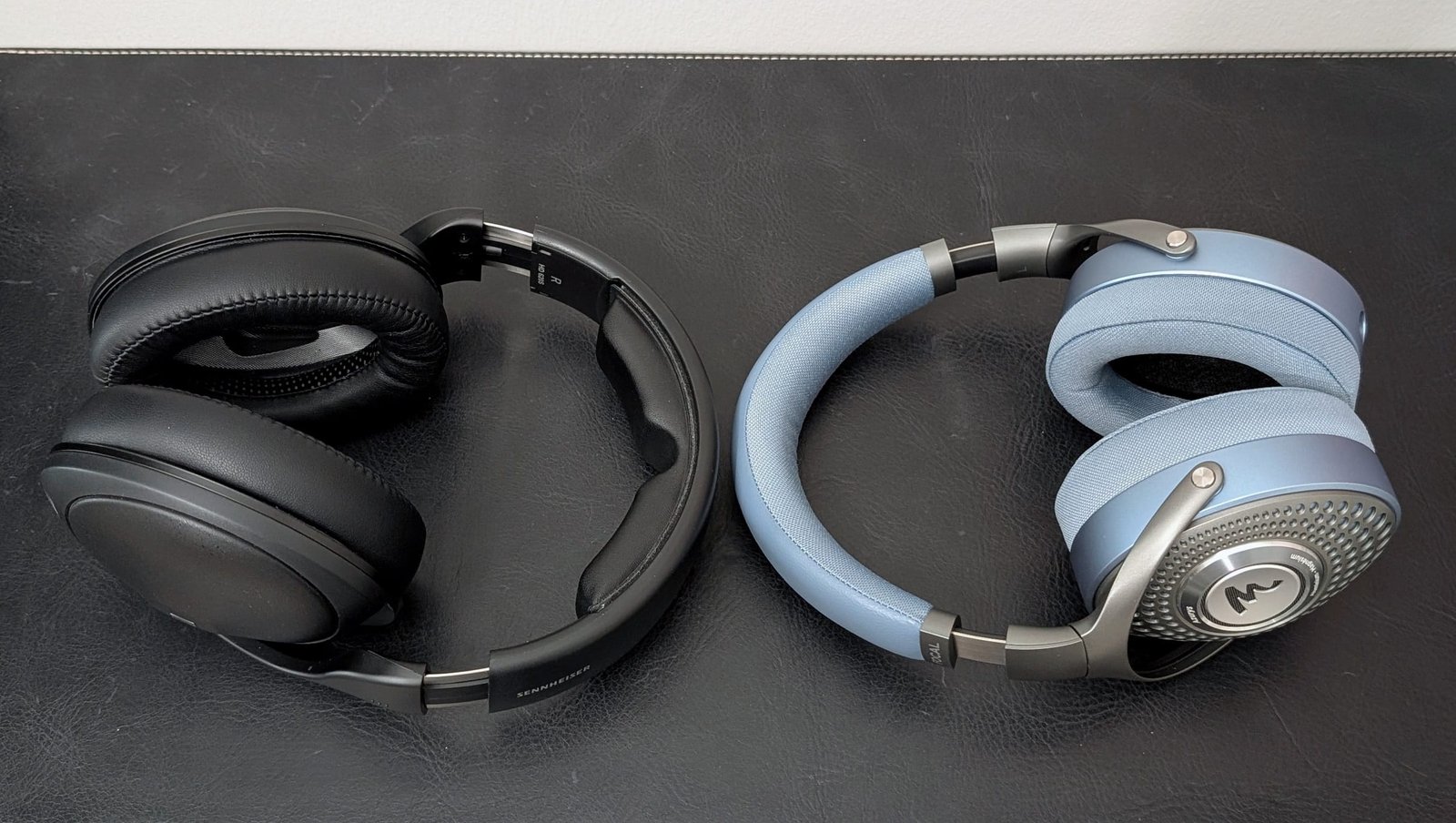
In terms of treble, the HD 620S is airier, so those who prefer a fresher presentation might favor it, as long as occasional hissing and sibilance don't bother them. The Azurys sounds pleasantly unfatiguing, but next to the Sennheiser model, it even seems a bit subdued and dark. Superiority in this regard is likely a matter of taste. The Azurys has a fuller overall sound, while I perceive the HD 620S as more spacious and lighter. Both excel in slightly different situations, but I ultimately prefer the Azurys of the two when I specifically need closed-back headphones. Focal has succeeded better in avoiding the challenges brought by the closed-back design, so the headphones' tuning is more even, and I don't detect any disturbing treble peaks. The Azurys' bass reproduction is also powerfully fun, as I expected, whereas the HD 620S brings out the downsides of the closed-back design. Considering the price difference between the headphone models, the Sennheiser model is still not a bad performance at all, especially if someone prioritizes a more spacious and fresher presentation and doesn't crave powerful bass.
Summary
The Sennheiser HD 620S proved to be a very natural and successful headphone in terms of sound, but like many other closed-back models, it suffers from occasional unevenness in its frequency response. I don't believe everyone will notice this, but in more critical listening, one should be prepared for certain sounds to be slightly over- and underrepresented more often than usual. What bothers me most are the soft bass reproduction and a couple of noticeable treble peaks. Apart from those, however, I can't find much to complain about; especially with my Cayin HA-3A tube amplifier, I achieve a listening experience in a closed-back format that does justice to the HD 600 series, which is a perfectly valid selling point.
One of the absolute strengths of the HD 620S is its good sound isolation, so in that respect, the closed-back design offers exactly what is most commonly sought after. The fit and wearing comfort are also good for me, although the situation is not equally good for everyone. The structure borrowed from the HD 500 series is sufficient, but its ergonomics are already starting to feel a bit outdated.
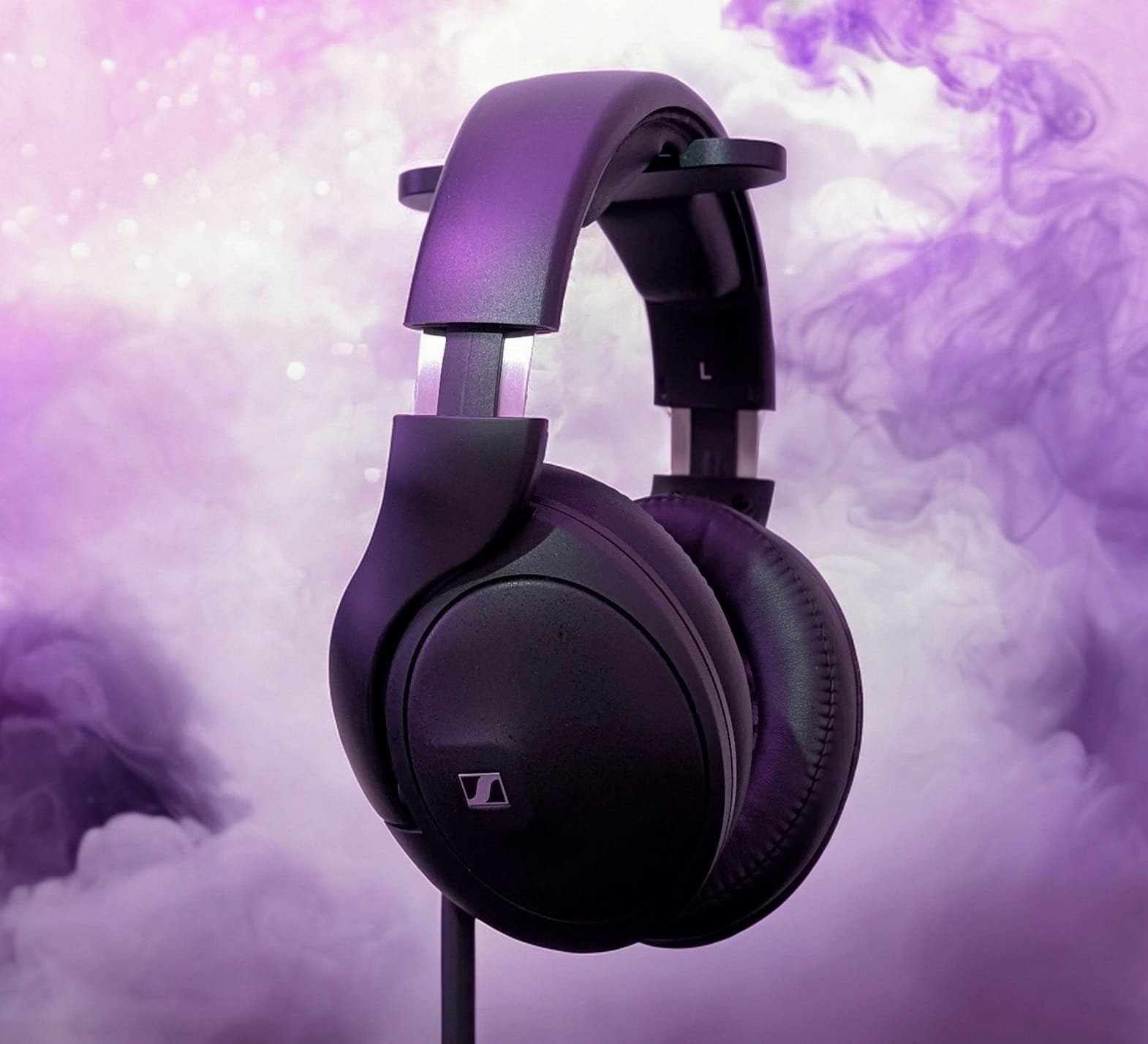
The HD 620S ultimately feels like a headphone that would be easy to suggest as a viable option in its price range, but difficult to elevate above its competitors. That's why the HD 620S doesn't quite make it onto Kuulokenurkka's wall of fame, even though I consider it a good headphone. I'm even a bit surprised that I'm not more enthusiastic about the product. Perhaps I expected an even more refined end result from Sennheiser? However, the problem would be solved if the headphones were sold for about 250 euros instead of 350 euros, in which case they would no longer be more expensive than most of their competitors.
Pros and cons:
+ Relatively natural and balanced sound
+ Wider and airier soundstage than usual for closed-back headphones
+ Improves with suitable amplification
+ Excellent passive sound isolation
+ Comfortable for longer periods when fitted well
+ Does not require much amplification power
+ Could also be played balanced, unlike many competitors
+ Replaceable earpads
– Frequency response irregularities
– Soft bass reproduction
– Treble is sometimes sibilant and unnatural due to a couple of peaks
– Downward-pointing cable hits the shoulder depending on clothing
– Fit can be poor for some due to poor design of the structure
– Sparse accessories
– RRP slightly on the high side
 EN
EN  FI
FI