Author: Sword of Damocles
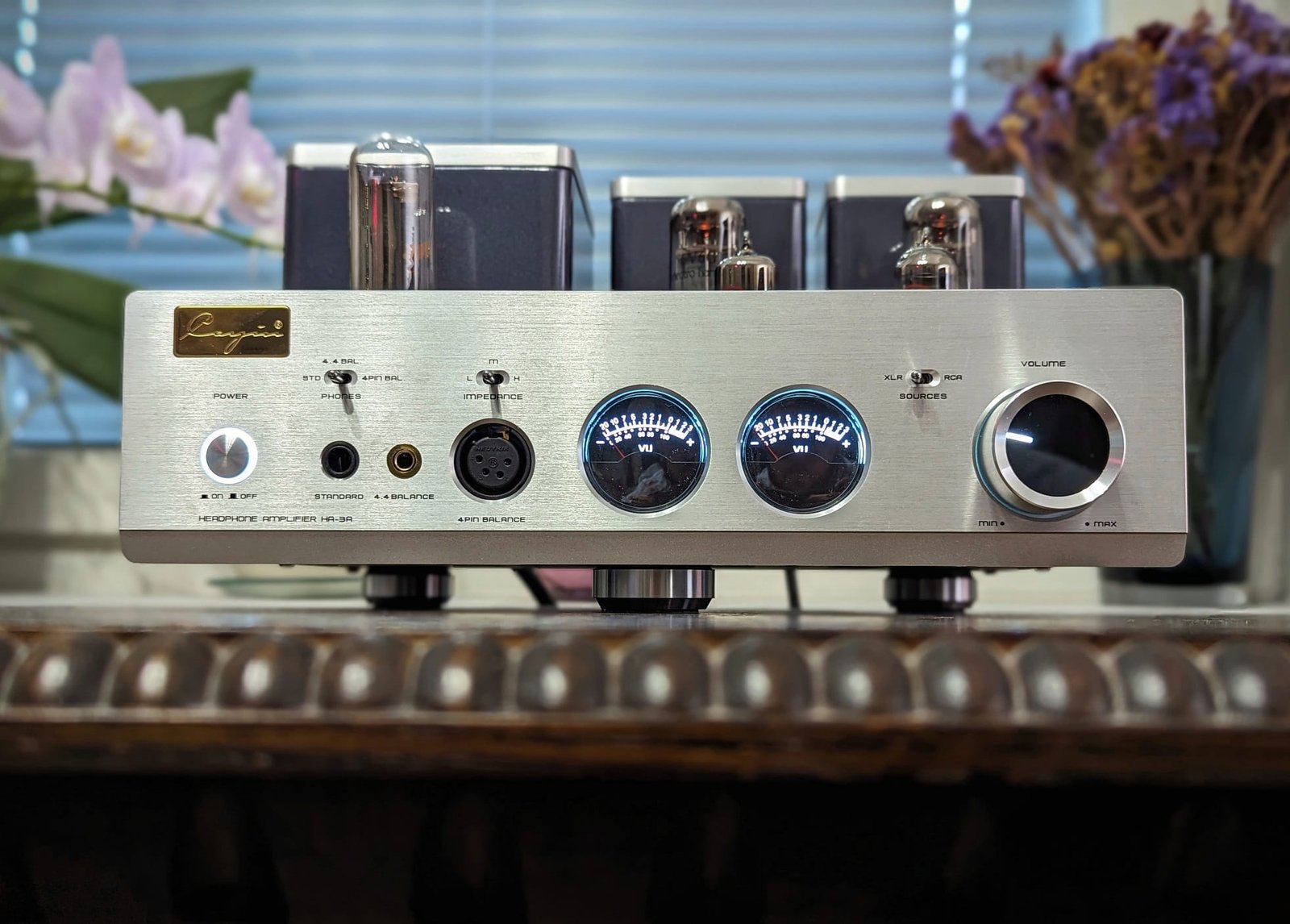
Table of Contents:
Information:
- Release year: 2022
- Country of Origin: China
- Price: 1600 USD (In Europe 1600–2300 €)
- Type: Tube headphone amplifier with output transformer
- Input connectors: XLR and RCA
- Headphone connector: 6.35 mm, 4.4 mm and 4-pin-XLR (the latter two balanced)
- Tubes: 1 x RCA 25AX4GT (rectifier), 2 x JJ 12AU7 (driver) and 2 x Electro Harmonix 6V6GT (power)
- 3 output impedance settings for different headphones: L = 8–64 ohm, M = 65–250 ohm and H = 251–600 ohm
- Output power (6.35 mm): 0.4 W (L), 0.6 W (M) and 0.7 W (H)
- Output power (4-pin-XLR): 0.6 W (L), 0.75 W (M) and 0.85 W (H)
- Output power (4.4 mm): 0.23 W (L), 0.35 W (M) and 0.4 W (H)
- Weight: 12 kg
- Dimensions (W x D x H): 30.6 x 26 x 17 cm
- Power consumption: 80 W
Review sample: Self-purchased product
A few months ago, in the headphone corner, we got acquainted with a high-quality and versatile Cayin iHA-6 -transistor amplifier. I mentioned in my article at the time that the Chinese manufacturer had just turned 30, and that I would soon write about another amplifier it sells. This device is a tube headphone amplifier called HA-3A (price in Europe at its most affordable around 1600 €), which I acquired some time ago from an Ebay auction as a kind of impulse purchase. Since I liked the iHA-6, I became interested in finding out what Cayin's tube amplifier would sound like, especially with ZMF headphones. Cayin is known for the high quality of its devices, so let's move on without further ado to examine what the manufacturer has achieved this time.
External structure & functions
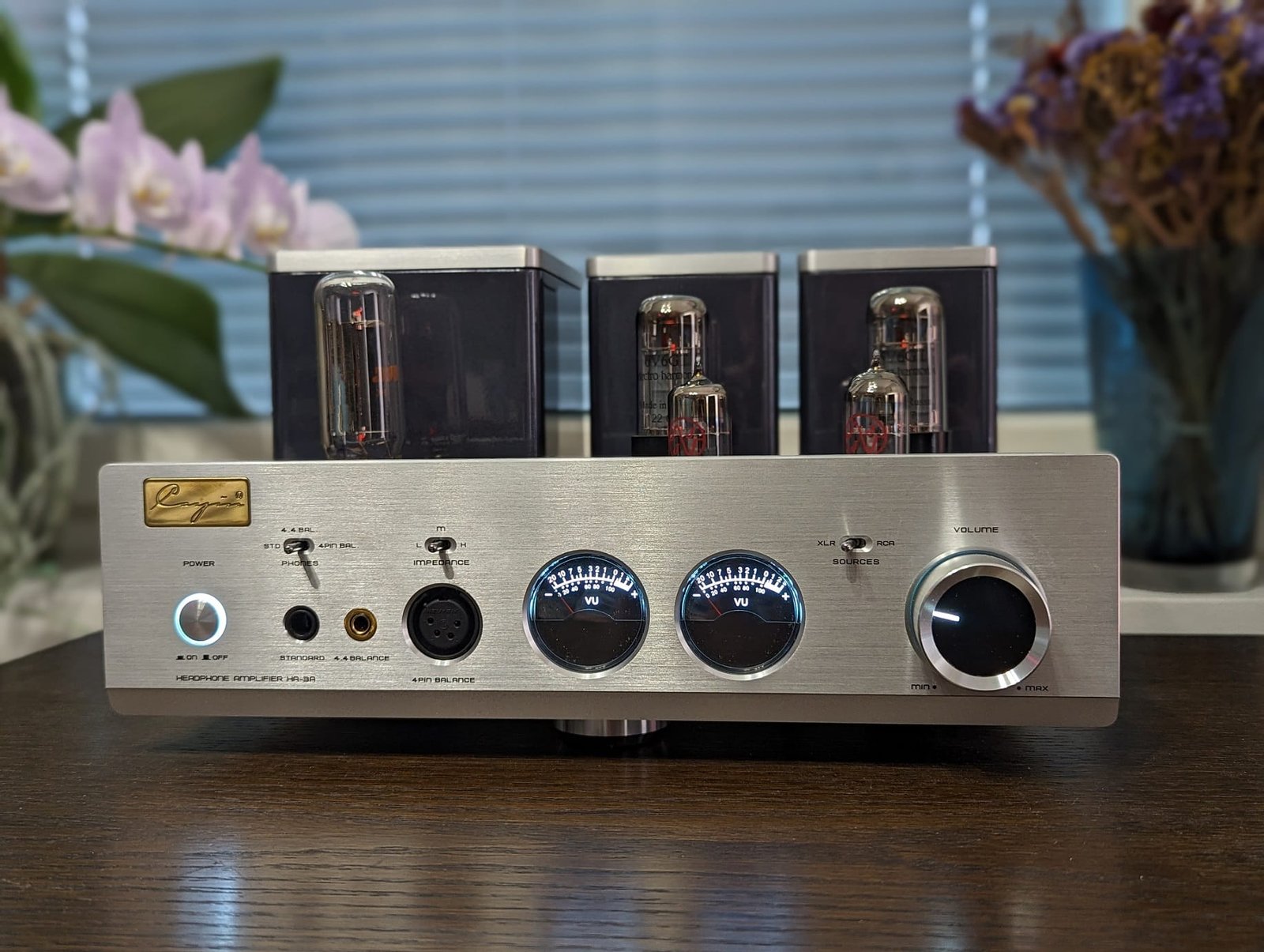
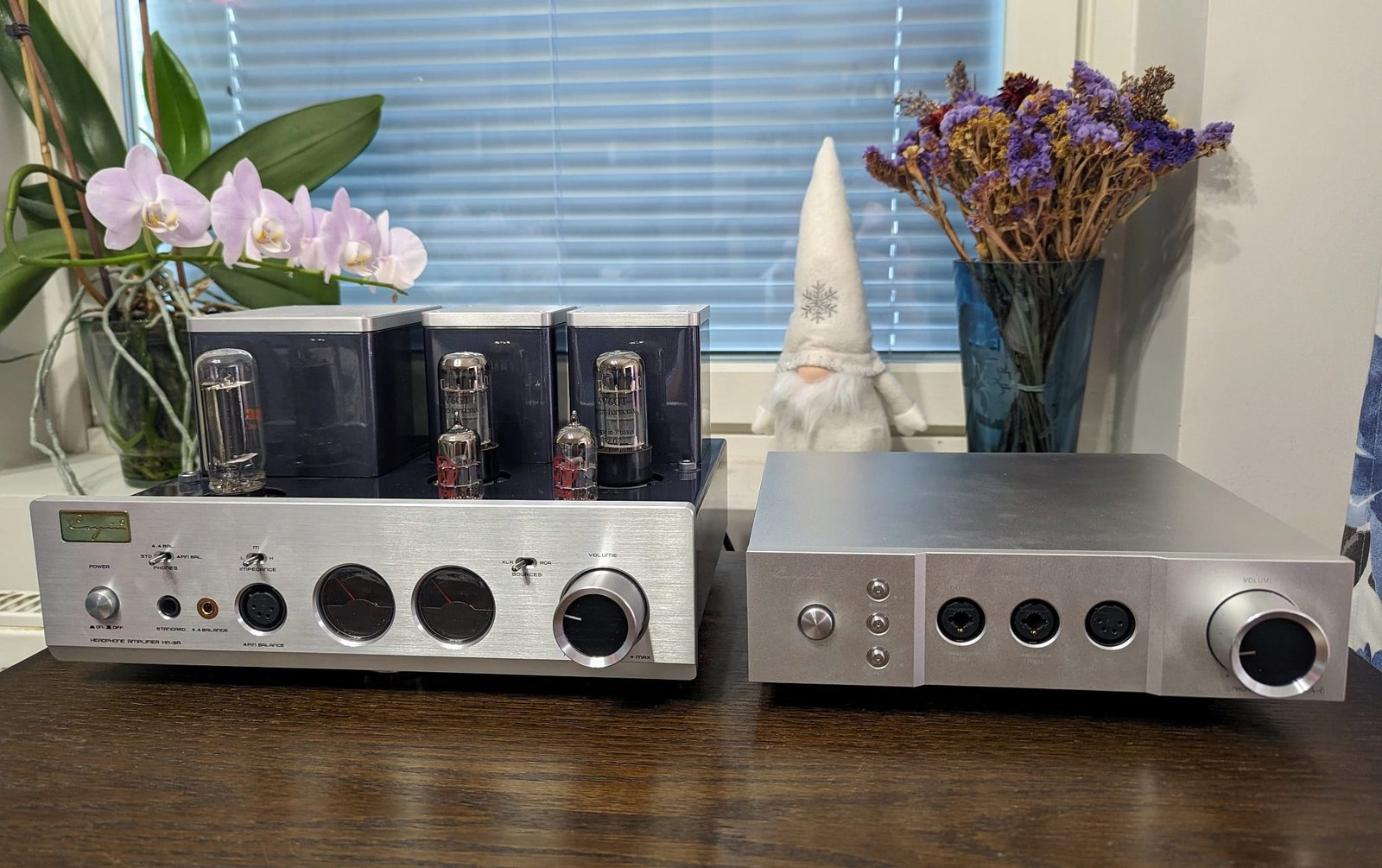
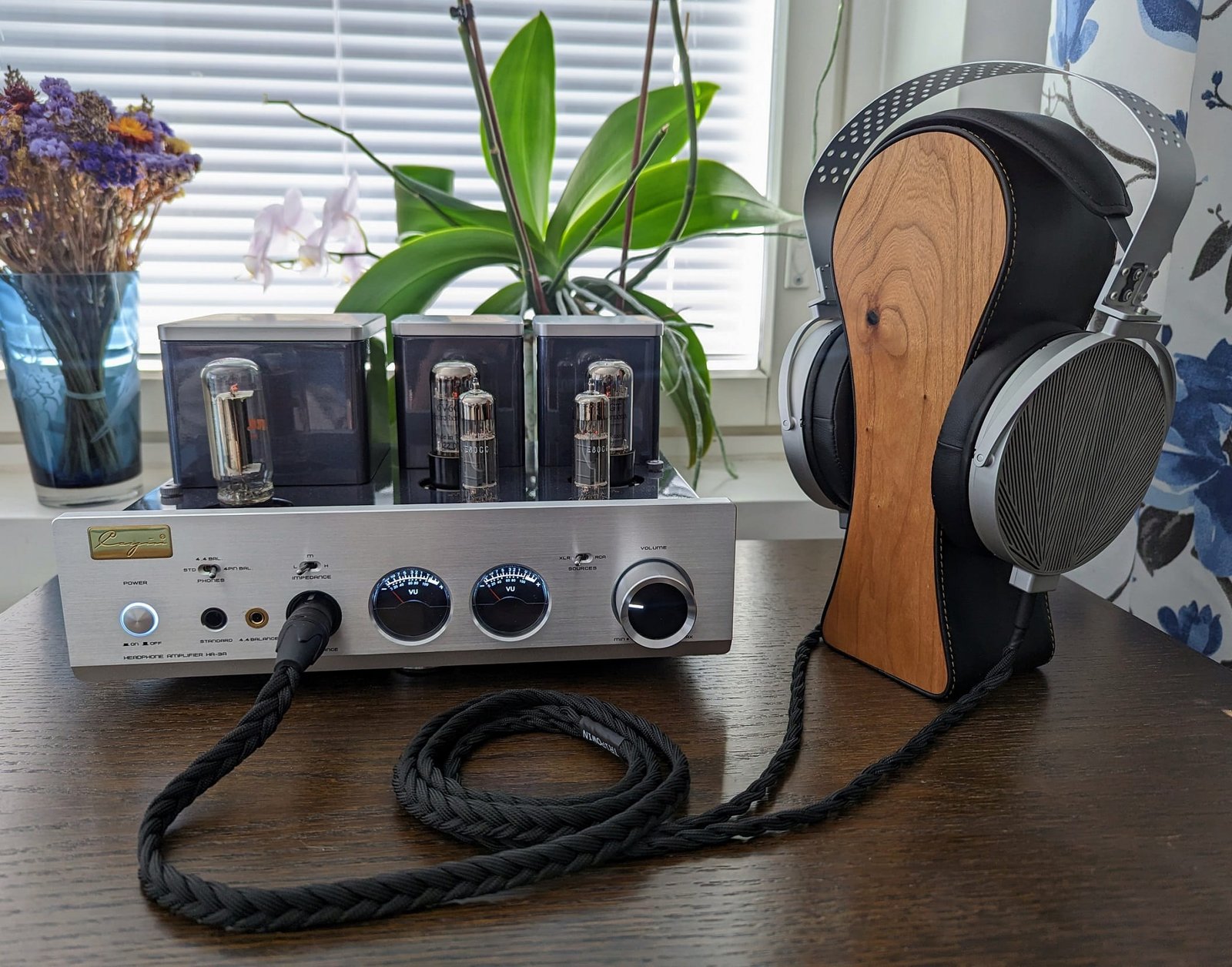
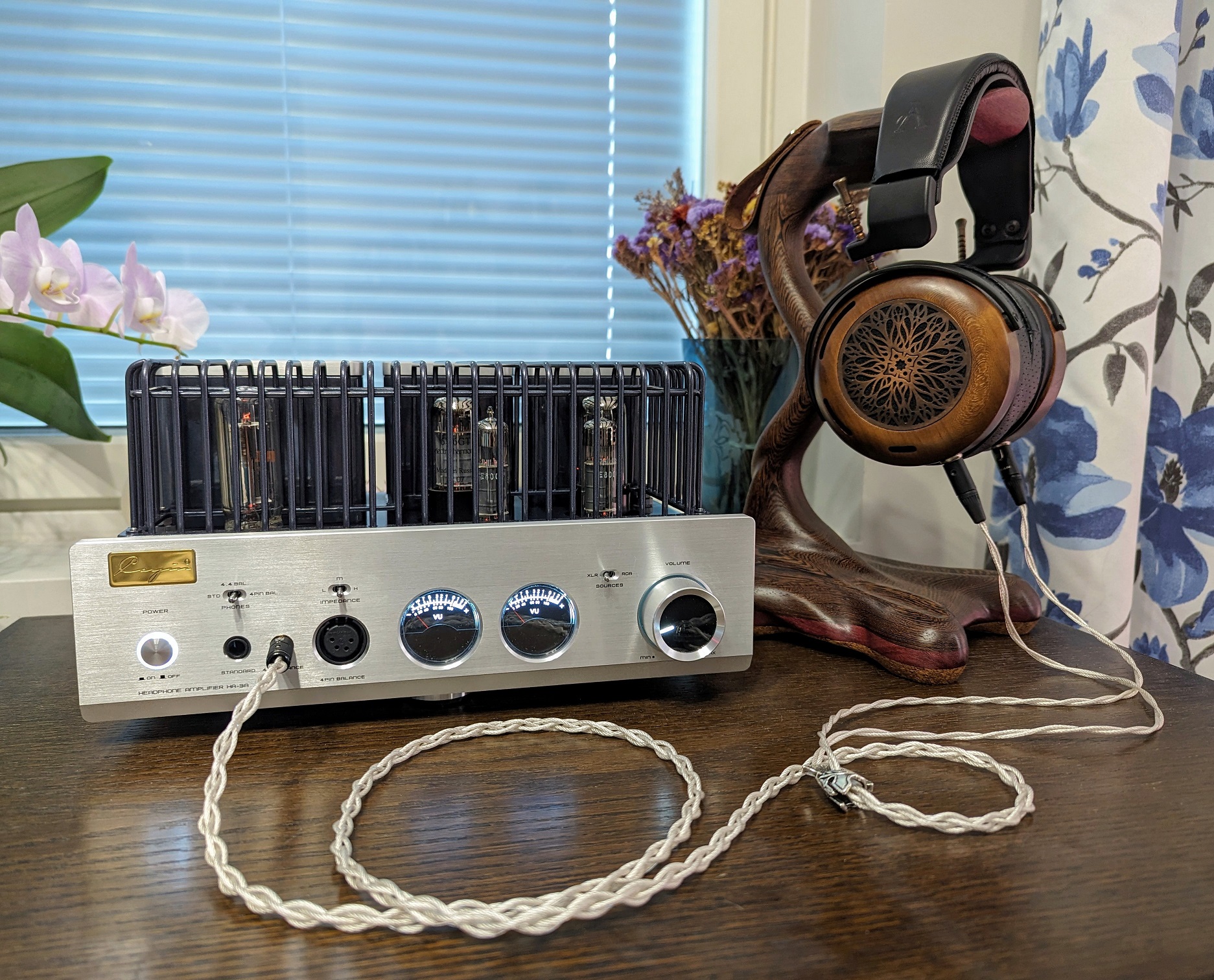
For a relatively affordable tube device (prices can rise very high), the HA-3A feels truly high-quality and well-finished. The overall impression of quality, in my opinion, reaches at least Feliks Audio Euforia level, if not even above it. The HA-3A's multi-layered glossy paint finish looks impressive and the fit of all parts is first-class. In the silver device version I acquired, the basic frame is blue-grey in color, whereas the black version would be, as its name suggests, completely black, in which case it would collect more fingerprints. In my opinion, the appearance is stylish and modern, but this could, on the other hand, deter some DIY-minded enthusiasts who prefer more exotic-looking tube devices. Such would be, for example, the one I previously reviewed Tor Audio Roger and its balanced sister model.
One of the HA-3A's strengths is its usable size, as the device's base area roughly corresponds to an A4 sheet of paper. Compared to many significantly larger tube amplifiers, the HA-3A would fit quite easily, for example, on a desk. On the other hand, with its heavy transformers and thick metal casings, the amplifier weighs a hefty 12 kilograms, so it is still not a lightweight.
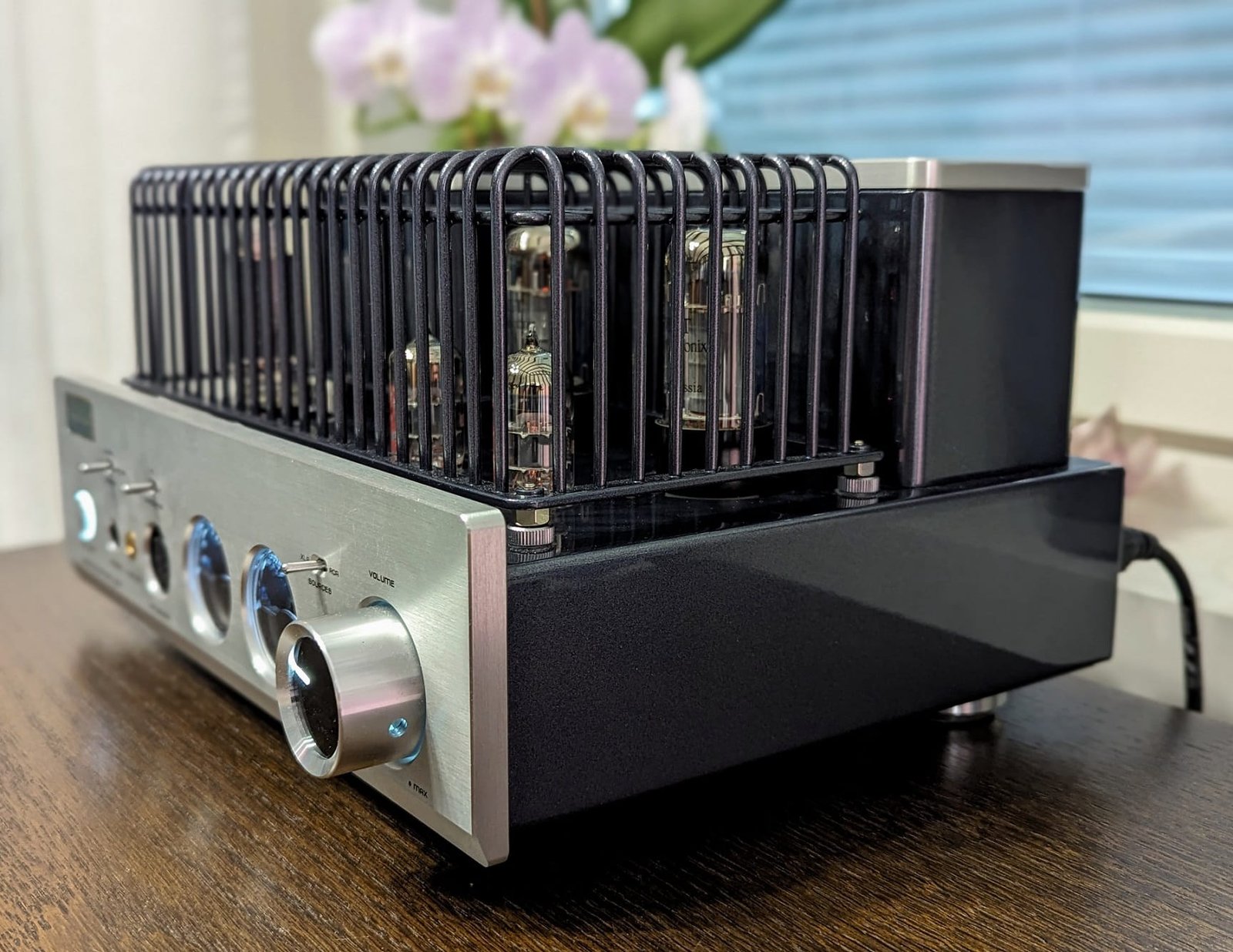
The device comes with an easily removable metal cage to protect the tubes and reduce microphonics. However, I have mainly used the amplifier without the cage, because I like to keep the tubes fully visible. If larger rear-row tubes are installed in the amplifier, using the cage may no longer be possible.
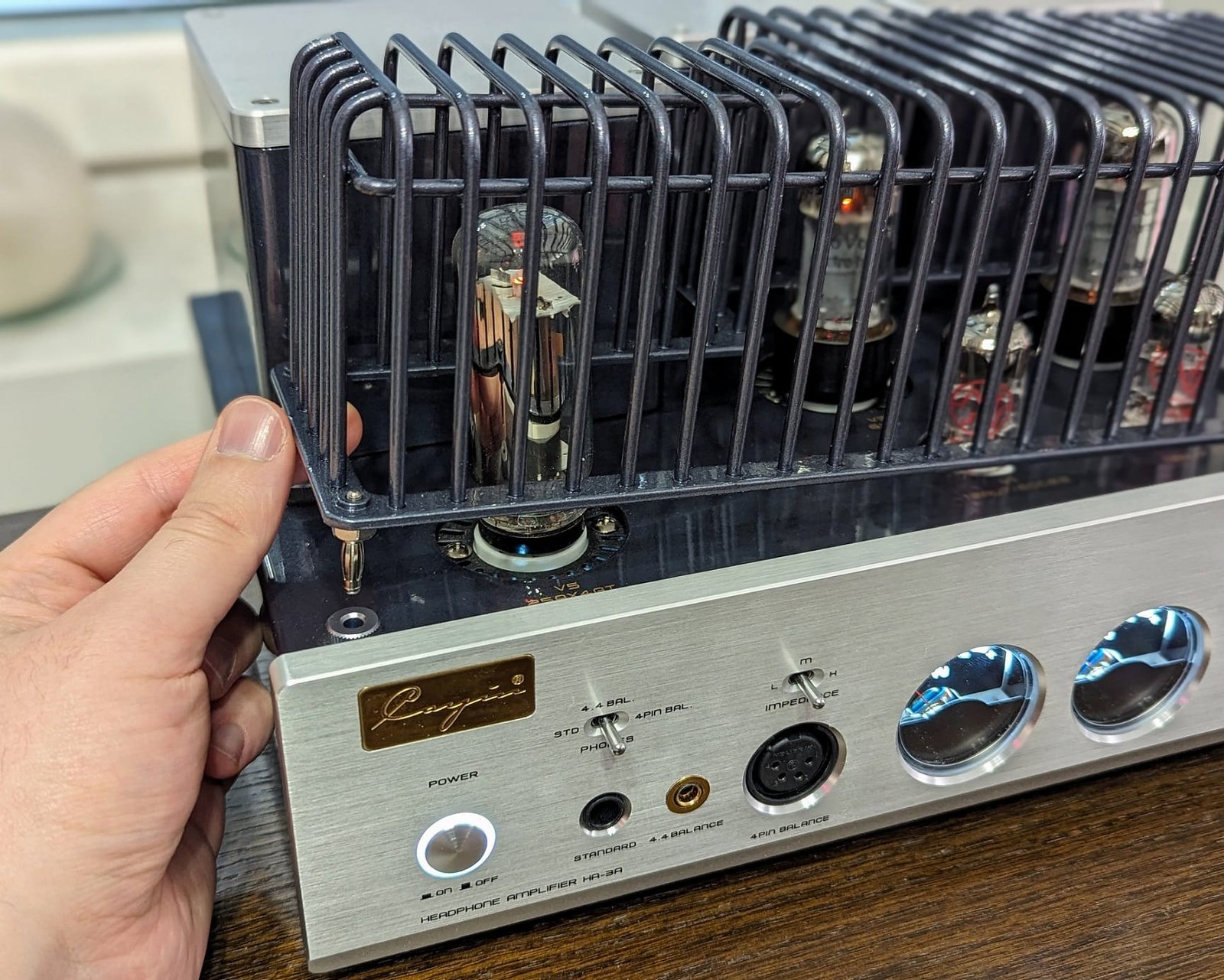
In the amplifier, attention is first drawn to the five tubes and large transformer boxes, but there is also much else to see. Two VU meters are placed in the center of the front panel, with white backlighting, as well as around the power button and on the volume control indicator. Some would certainly wish for the VU meters' lighting to be orange, but white also works well, especially in the silver device version.
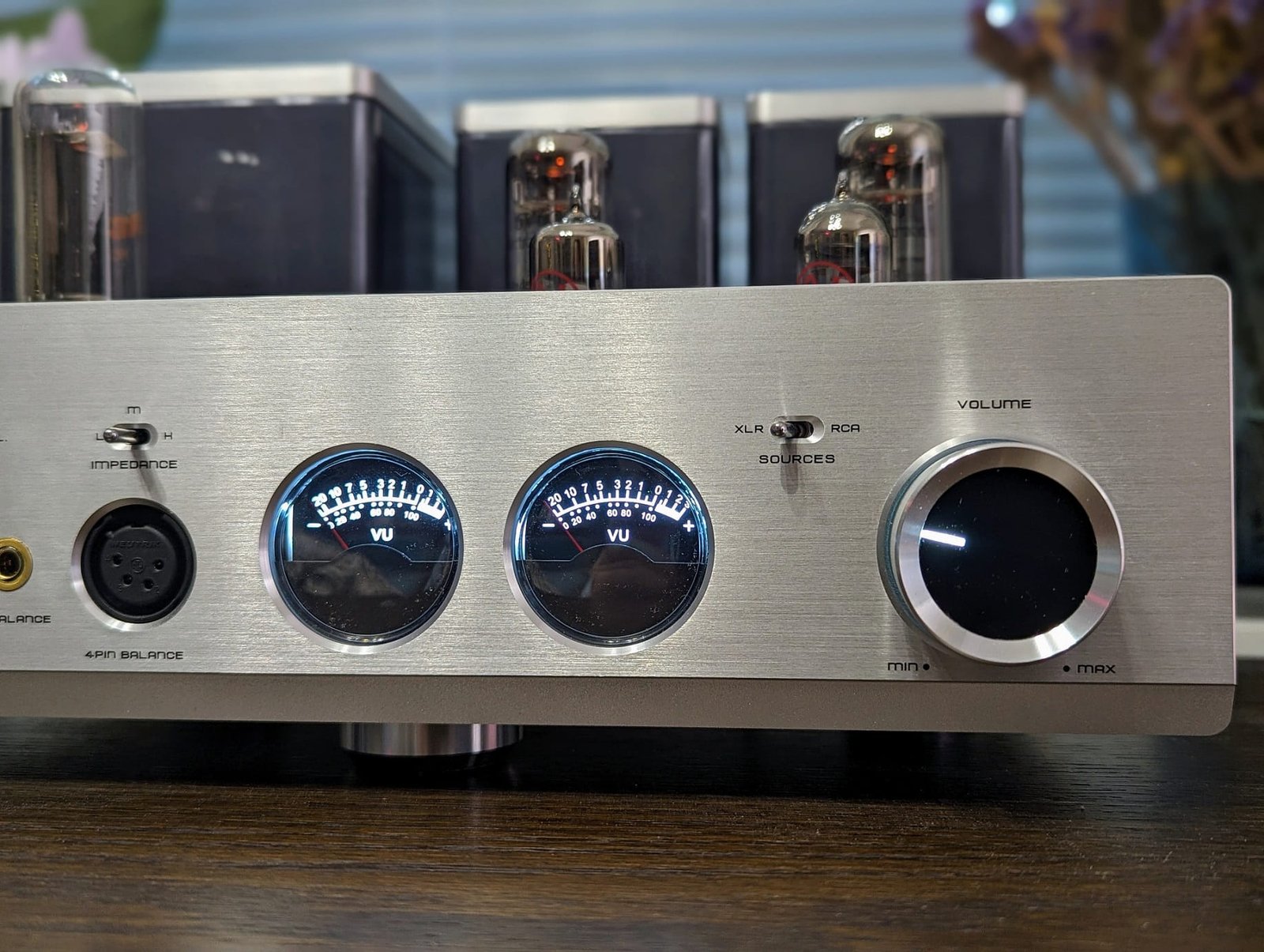
The HA-3A has no less than three headphone jacks, the active one of which can be selected using the switch located above. In addition to the traditional 6.35 millimeter connector, the manufacturer has included a balanced 4-pin XLR connector, which offers more output power for headphones that are more difficult to drive. The other balanced connector, the 4.4 millimeter connector, on the other hand, is quite a specialty, as its output power is the lowest. The connector is primarily aimed at sensitive headphones, such as in-ear models, where too much background noise might otherwise occur. The volume adjustment range can also be brought to a more usable level if necessary.
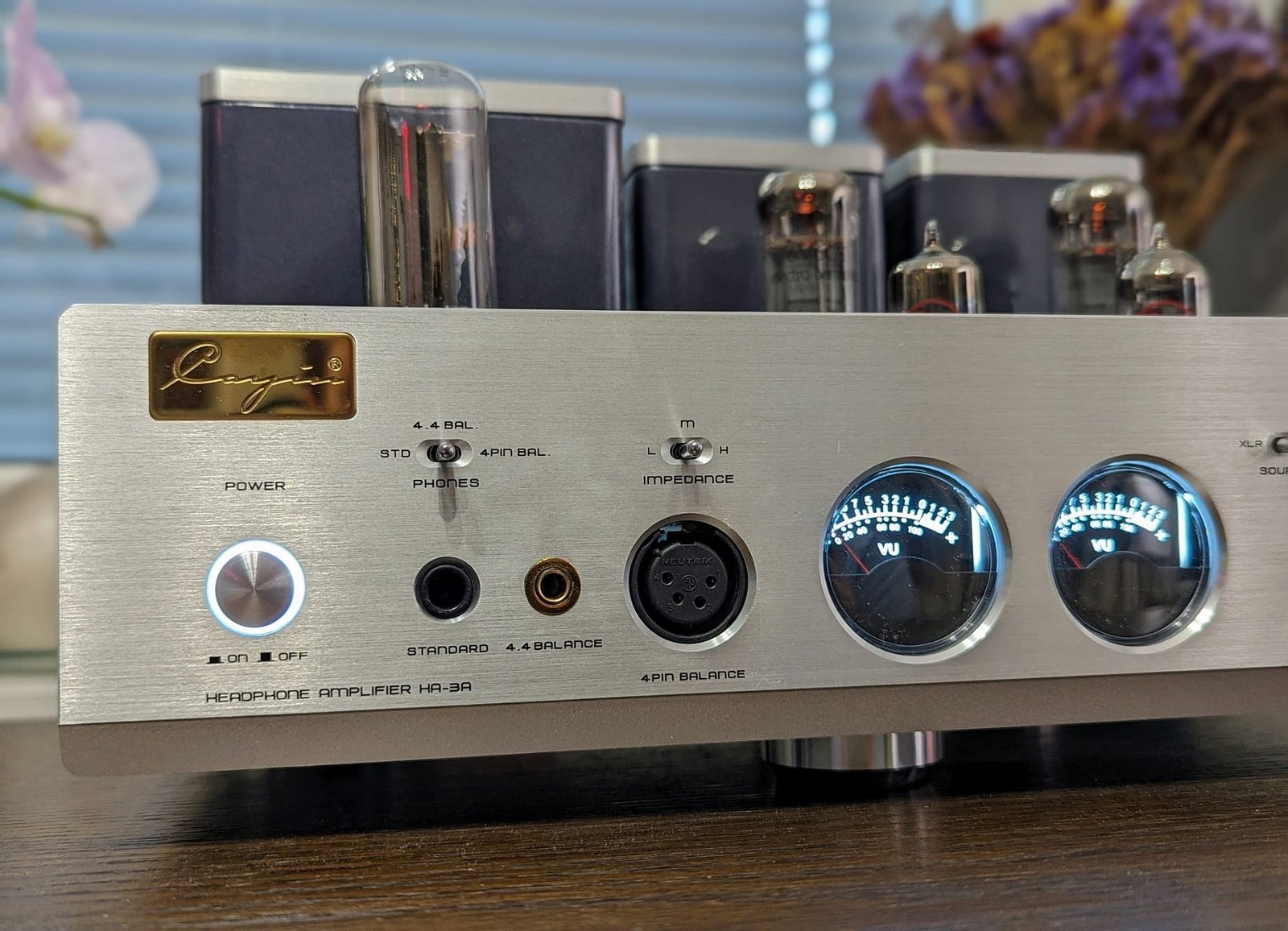
The output power of each headphone connector is further affected by the selected output impedance setting, which can be changed with a separate switch. Cayin does not specify the exact output impedance, but the Low setting is presumably close to zero, as it is said to be suitable for low-impedance (8–64 ohm) headphone models. The Medium setting would be suitable for 65–250 ohm headphones, and the High setting for anything above that. Interestingly, the HA-3A's output power is highest with the High setting.
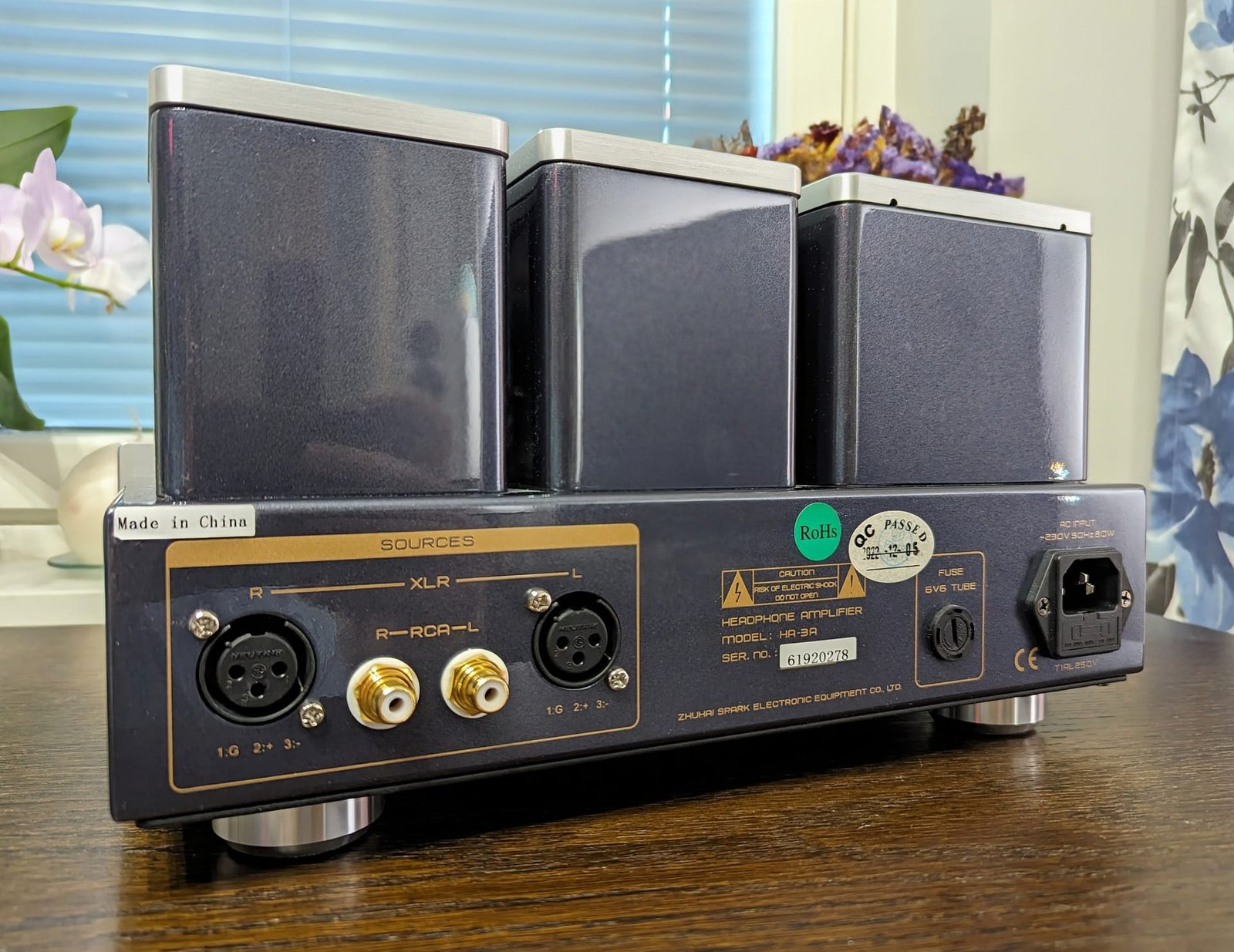
The third switch on the front edge of the device changes the audio input connection between RCA and XLR connectors. These connectors, along with the power connector, are practically the only things found at the back of the amplifier. The HA-3A does not include output connectors, so it unfortunately cannot be used as a preamplifier; it is purely a headphone amplifier.
Pipes and operating principle
Next, I will go through the operating principle of the HA-3A, as far as my understanding allows. Cayin's website fortunately, there is a fairly clear description of the amplifier's implementation, and the manufacturer has also mentioned it several times on discussion forums. Two different versions of the HA-3A have been sold so far, as three of the original five tubes have had to be replaced with slightly different ones due to availability challenges. The rectifier tube type changed completely, while the power tubes are only of a different brand compared to the originals. The changes should not affect sound quality, but it is worth noting that the device I am reviewing is a newer model, which is being sold at the time of writing this article.
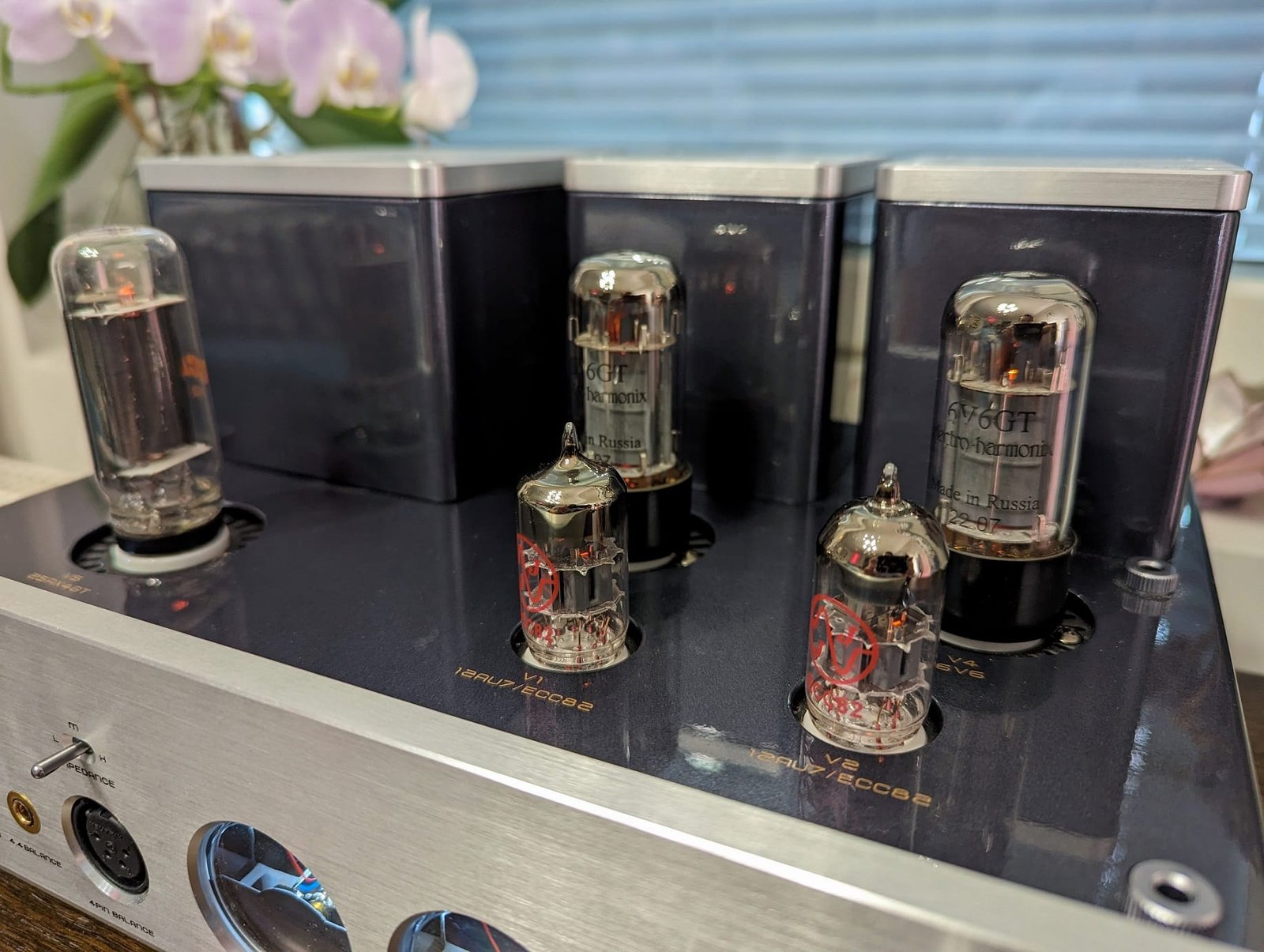
The task of the RCA 25AX4GT rectifier tube chosen for the amplifier is to convert the alternating current from the wall socket into direct current, so replacing this tube should have relatively little impact on the final sound quality. Audio signal amplification in the HA-3A is done in two stages. First, two 12AU7/ECC82 driver tubes (manufactured by JJ Electronic) handle the voltage amplification of the incoming audio signal. After this, two 6V6 power tubes (Electro Harmonix 6V6GT) are utilized for amplification, followed by two output transformers developed by Cayin itself, which provide both balanced and unbalanced signals to the headphones. The HA-3A is not a balanced amplifier in the traditional sense, but the manufacturer uses the term ”Balanced driven” for the implementation because using two output transformers has its own advantages. All wiring inside the device is handcrafted point-to-point to ensure the shortest possible signal path.
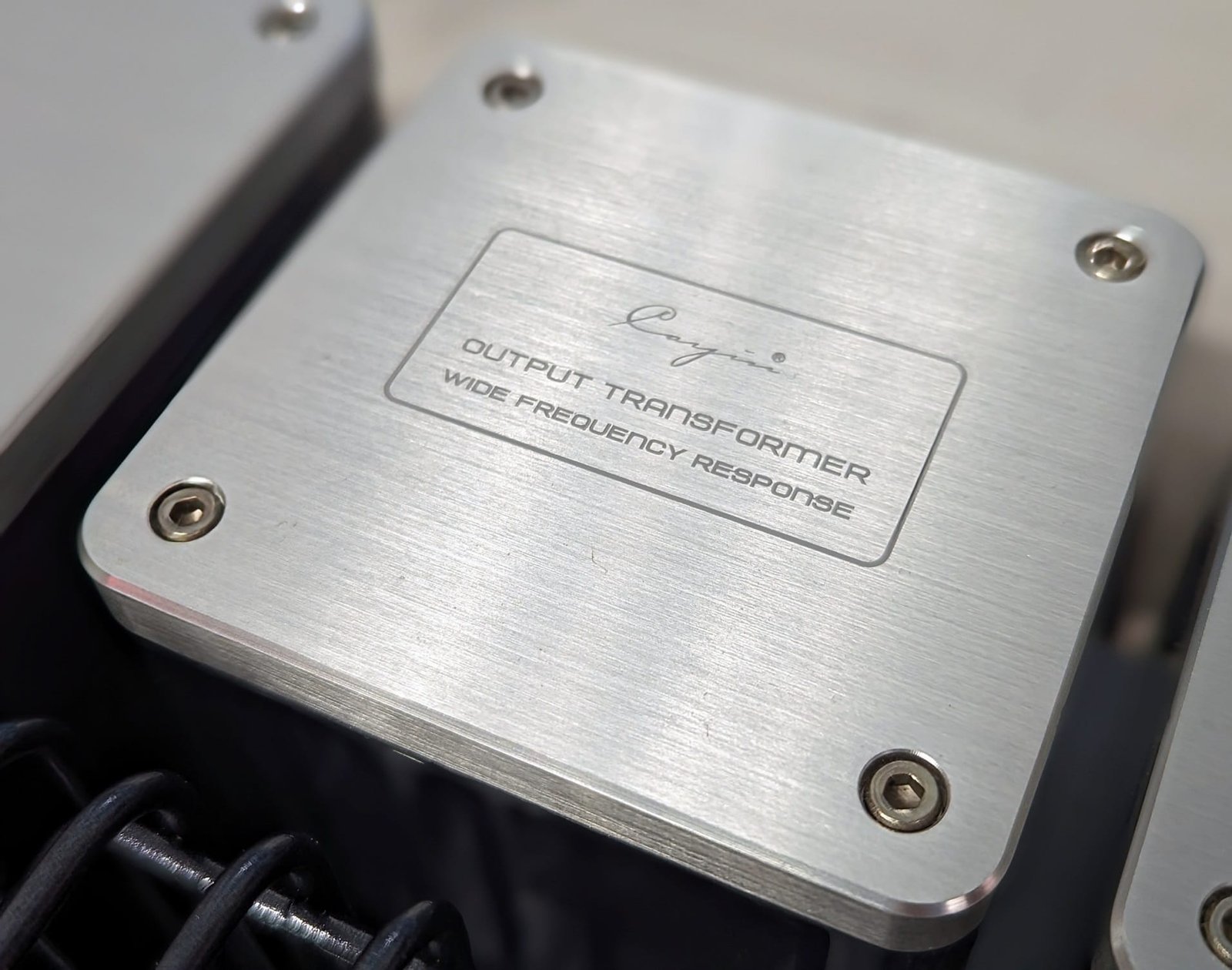
The tube pairs in the HA-3A are ”matched,” meaning the two tubes are as identical as possible to each other, allowing them to function optimally together. According to the manufacturer, however, the amplifier should also operate normally with unmatched tubes thanks to the auto bias feature. The information available about this feature is somewhat contradictory, but I trust the manufacturer's word, and I have not observed anything special in the HA-3A's operation or sound quality, even though not all tube pairs I have tried have been matched. On the other hand, I have only used tubes in relatively good condition, so the situation might change if one of the two tubes were significantly more worn.
Notes on usage
Tube amplifiers can often have various small quirks compared to more reliable solid-state devices, but fortunately, the use of the Cayin HA-3A does not involve anything particularly unusual. When the device is powered on, there is a 60-second startup phase during which audio playback is not possible. This ensures safe operation, and connecting headphones does not result in any popping or other extraneous noises. Although listening is possible immediately after the startup phase, the sound quality improves slightly further as the tubes warm up. I personally usually wait about 15 minutes before starting use, and the rest of the potential sound quality improvement occurs during the first few listened tracks.
Typically for tube amplifiers, a small clang/thump can be heard through the headphones from the HA-3A's tubes if the amplifier's chassis is tapped during use. In my case, this appears to be a characteristic of Electro Harmonix brand power tubes, as replacing them would almost completely eliminate microphonics. On the other hand, installing a separate metal frame also removes most of the ”problem.” Even the default situation is not particularly bothersome, as there is no need to tap the device during use. Thanks to its high weight and sturdy feet, the amplifier also does not wobble on the table by itself.
Another characteristic often present in tube devices is background noise, which is also somewhat audible from the HA-3A if sensitive headphones are used with the highest impedance settings or connected to the 4-pin XLR output. However, by using the more moderate 4.4 mm output, it is possible to almost completely eliminate the noise with most over-ear headphones, so Cayin has clearly recognized the necessity of this connector. Nevertheless, the amplifier is not particularly suitable for sensitive in-ear headphones, as a constant hiss is audible in the background.
I usually listen to ZMF's dynamic headphone models from the 4.4 mm connector, because despite their 300-ohm impedance, the manufacturer's headphones are quite sensitive, and I like to use the HA-3A's high impedance settings with them, which increase output power and consequently also noise. I can keep the noise away with the 4.4 mm connector, whereas through the 6.35 mm connector, it would already be more clearly audible. I have mainly used the highest output XLR connector with planar headphones, as no noise whatsoever has been heard from them.
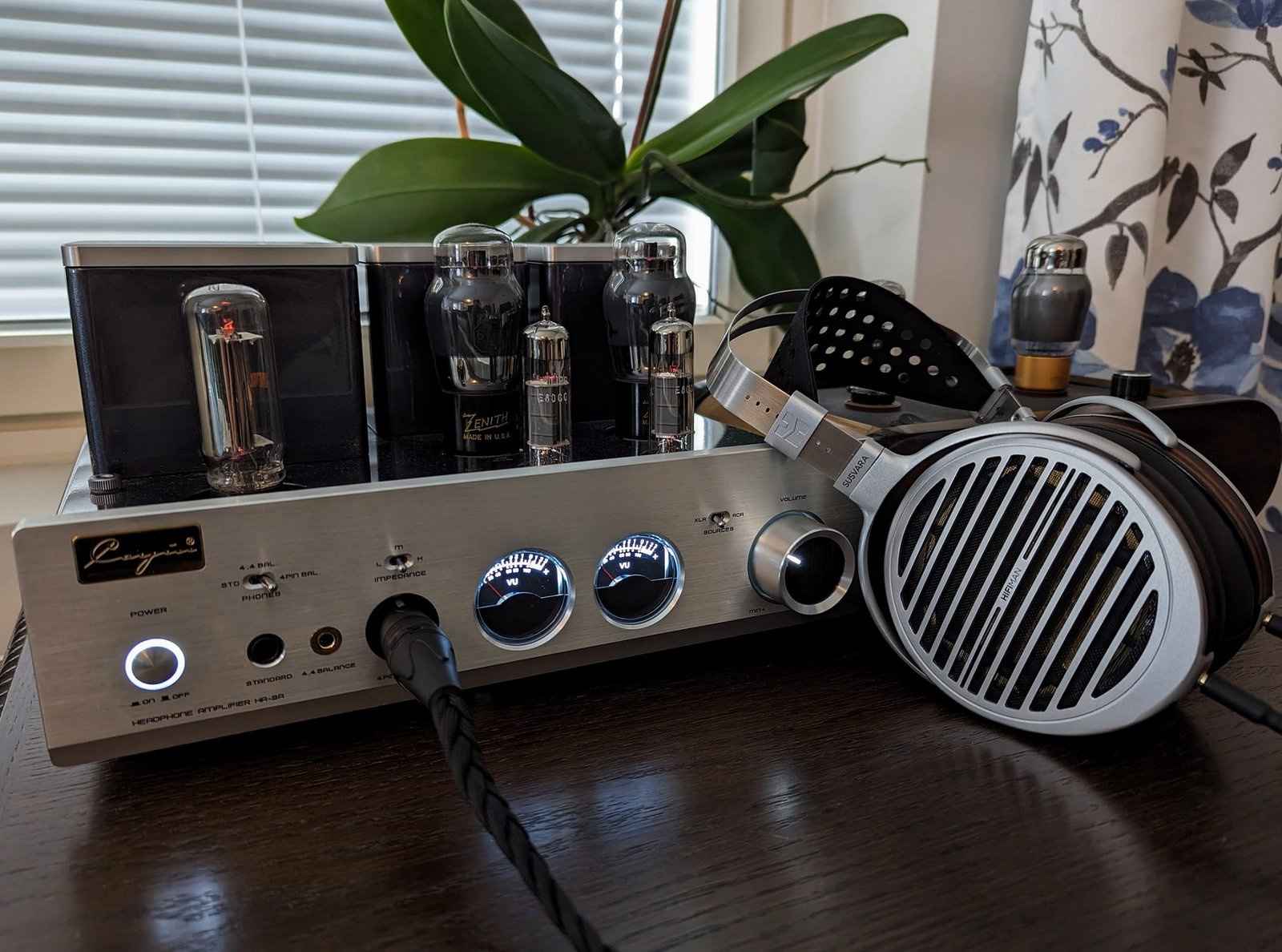
Speaking of output power, it varies between 230-850 milliwatts depending on the headphone connector and impedance setting. Thus, the HA-3A cannot be considered a particularly powerful amplifier for its price, but on the other hand, I have been able to listen to even Hifiman Susvara and HE-6 with it sufficiently well from a volume perspective. However, with these more demanding planar headphones, the sound remains soft and the bass reproduction quite tame, so the amplifier's limits are clearly met. If the use of the HA-3A is limited to more conventional headphones, there is no real need for higher power figures. According to Cayin, the amplifier is not designed to offer maximum power figures, but above all, high-quality sound. A good listening experience will certainly not be hindered by the volume control's operation, as the control is sturdy and extremely smooth in its movement. The manufacturer's more affordable iHA-6 amplifier does not have a potentiometer of the same quality.
Sound quality
Noteworthy in sound quality evaluation
I have been using the HA-3A in my living room with an iFi Zen Stream network player as the audio source and a colorless S.M.S.L VMV D1SE as the D/A converter, whose remote control allows me to easily adjust headphone volume from the sofa. I stream music in FLAC quality from the Tidal streaming service, controlling playback with my phone. This listening chain has also been my primary way of evaluating the HA-3A as an amplifier.
This time, I will not consider different D/A converters, because in my opinion, changing the amplifier's tubes generally achieves greater sound quality changes than changing the DAC. The manufacturer's own iHA-6 solid-state amplifier has served as a kind of reference amplifier on the living room table. I will begin evaluating the sound quality with the manufacturer's chosen modern tubes and then describe how the result changes with older tubes. My experiences are, as usual, entirely subjective, so I cannot guarantee the same listening experience for everyone.
Headphones I tested with the amplifier:
- Sennheiser HD 600
- Sennheiser HD 660 S2
- Focal Utopia (2017)
- Meze Audio 109 Pro
- Moondrop Venus
- Hifiman Sundara Silver
- Hifiman HE-6
- Hifiman Susvara
- Modhouse T60rp Argon
- ZMF Atrium
- ZMF Auteur Classic
- ZMF Eikon
- ZMF Caldera
- ZMF Verite Closed
Smooth sound with stock tubes
Cayin has designed the HA-3A to sound pleasantly smooth and balanced. My listening sessions easily stretch to several hours, as the amplifier successfully directs my attention to the music itself, instead of making me think about the equipment I'm using and the headphones on my ears. In my opinion, this is one of the strengths of tube amplifiers compared to drier and tighter-sounding solid-state devices.
Compared to most solid-state amplifiers, the HA-3A reproduces sound a bit fuller and more relaxed, but for a tube amplifier, it is still quite neutral. The tube sound is not, so to speak, particularly strong compared to, for example, the Tor Audio Roger I reviewed earlier, and there are no obvious colorations in the sound in one direction or another. This makes the HA-3A a sophisticated-sounding and truly versatile amplifier. It is effortless to listen to, and at the same time, it doesn't really give any ground to similarly priced solid-state amplifiers in any area. The sound is transparent and the separation is clear. This is also supported by the fact that the bass reproduction is not too lush and warm; instead, the HA-3A controls powerful-bass headphones, such as the ZMF Verite Closed, with appropriate tightness.
The biggest difference between the HA-3A and a solid-state amplifier like the iHA-6 lies in the presence and realism of the reproduction. The soundstage produced by the HA-3A is more believable, and it reproduces the vocalist in a more lively manner. The presentation with tubes is slightly warmer and calmer, but not actually softer. The iHA-6 does separate sounds somewhat more sharply and precisely when using a balanced headphone jack, but with it, the mid-frequencies are reproduced a bit more distant and less engaging. Conversely, through unbalanced connectors, the sound gains more fullness and emotion, similar to the HA-3A, but the iHA-6 is then the softer of the two. The HA-3A thus offers, in a way, the best aspects of both connections of the iHA-6.
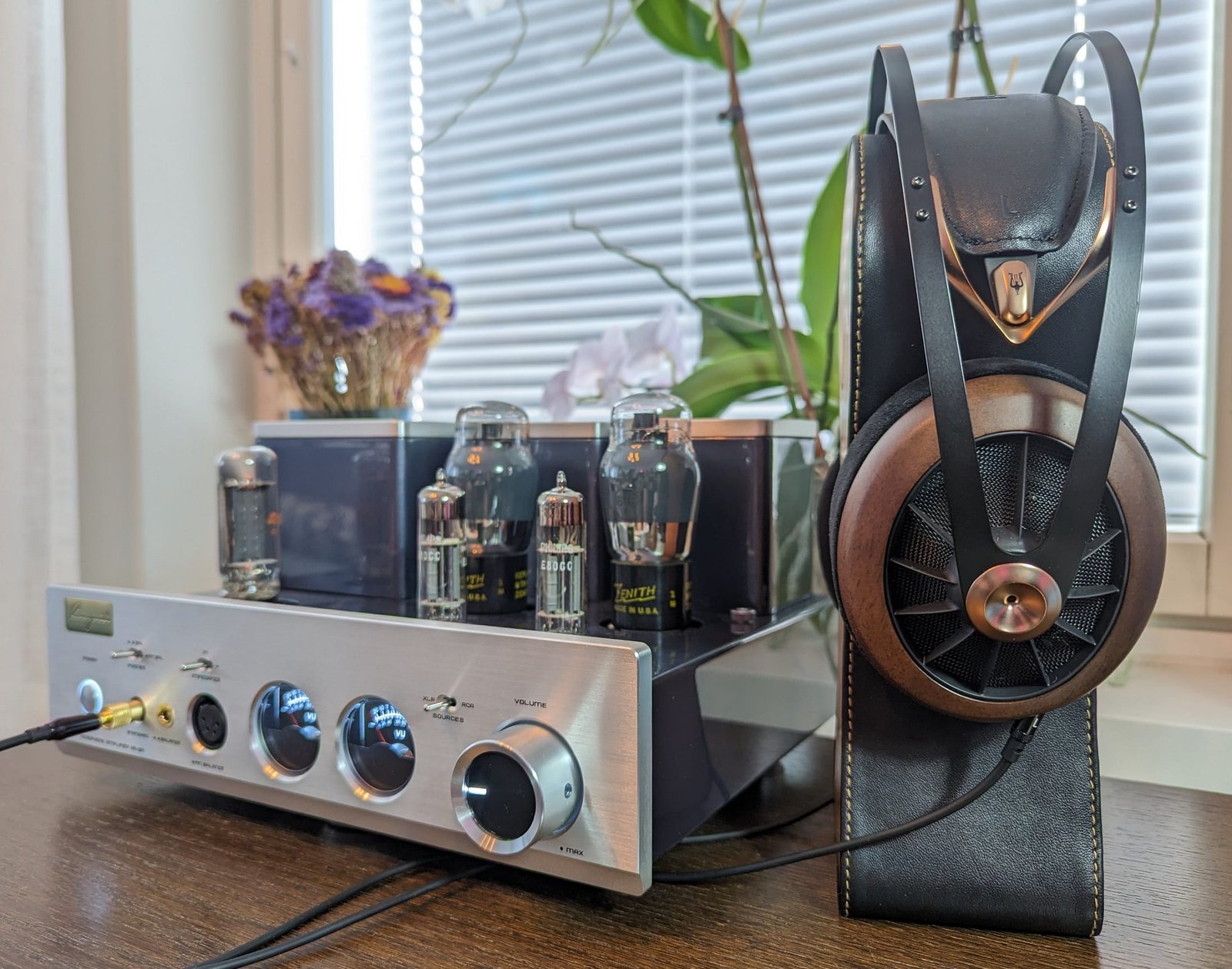
Everything I mentioned above seems to apply at least to high-impedance dynamic headphones, such as the Sennheiser HD 600, HD 660 S2, and ZMF Verite Closed, Atrium, and Auteur Classic. I have also found that the upper frequencies of the Meze Audio 109 Pro are reproduced more balanced and less fatiguing with the HA-3A than usual. With planar headphones, the result varies more depending on how they behave with the tube amplifier's more limited current delivery. I found the Hifiman Susvara and HE-6 to sound somewhat soft and light in bass with the HA-3A. The Modhouse T60RP Argon, on the other hand, sounds sharper than usual, and Hifiman's Sundara Silver is also not as high-quality in its treble as with the solid-state amplifiers I tested. The Moondrop Venus, however, sounds just right as a kind of exception. The easier-to-drive ZMF Caldera also sounds balanced and lively with the HA-3A, which suggests that Audeze's easy-to-drive planar headphones might also work well with the amplifier.
The effect of impedance setting on sound
The sound of the HA-3A can be fine-tuned using the impedance setting. At the lowest setting, the device tightly controls the headphone drivers, sounding as precise and transparent as possible. Higher settings could be said to relax the reproduction and add emotion to the sound, as the presentation becomes fuller and more present, especially when using dynamic headphones. In addition, the soundstage opens up slightly. However, a direct comparison between settings is difficult to make, as the amplifier's output power and thus the volume increase when raising the impedance setting. In longer use, I have found the HA-3A to be more like solid-state amplifiers at its lowest impedance setting, while higher settings make it sound more like a tube amplifier.
I find 300-ohm headphones most pleasant to use with medium and high settings. The medium setting also suits the 80-ohm Focal Utopia well, making the sound just warm and weighty enough for my taste. Listened to this way, the original Utopia somewhat resembles the Utopia released in 2022, where similar fullness has been sought by calming the treble. With Focal headphones, it's worth noting that their uneven impedance curve combined with increasing the amplifier's output impedance increases the amount of mid-bass in the frequency response. For example, Utopia and Clear are thus more modifiable than usual with the HA-3A's impedance settings. If, on the other hand, the impedance curve of the headphone model in use is flat, higher impedance settings do not make the sound particularly warm or bass-heavy. Even then, a richer and warmer sound can, of course, be pursued by changing tubes.
Replacing pipes
I haven't really criticized the HA-3A for anything yet, but when listening to it with stock tubes, I have a feeling that the device could sound even better. It is a bit restrained for a tube amplifier, so some might even call the listening experience quite ordinary. The soundstage never opens up particularly wide either; instead, the package feels a little tight, as if the amplifier's eagerness were somewhat limited. I can't really fault the high-quality result, but the HA-3A left me curious about what new sound quality dimensions could be achieved by changing the tubes.
The 25AX4GT rectifier tube type is not available in Europe at a very reasonable price, so I have settled for the RCA-branded tube supplied by the manufacturer, which should be more than adequate. The selection of small 12AU7 tubes and 6V6 tubes, however, is better, so I have tried a few different options in the HA-3A. Rarer tube models cost a fortune, but for example, Ebay also offers quite reasonably priced tubes.
Driver tubes: Philips E80CC
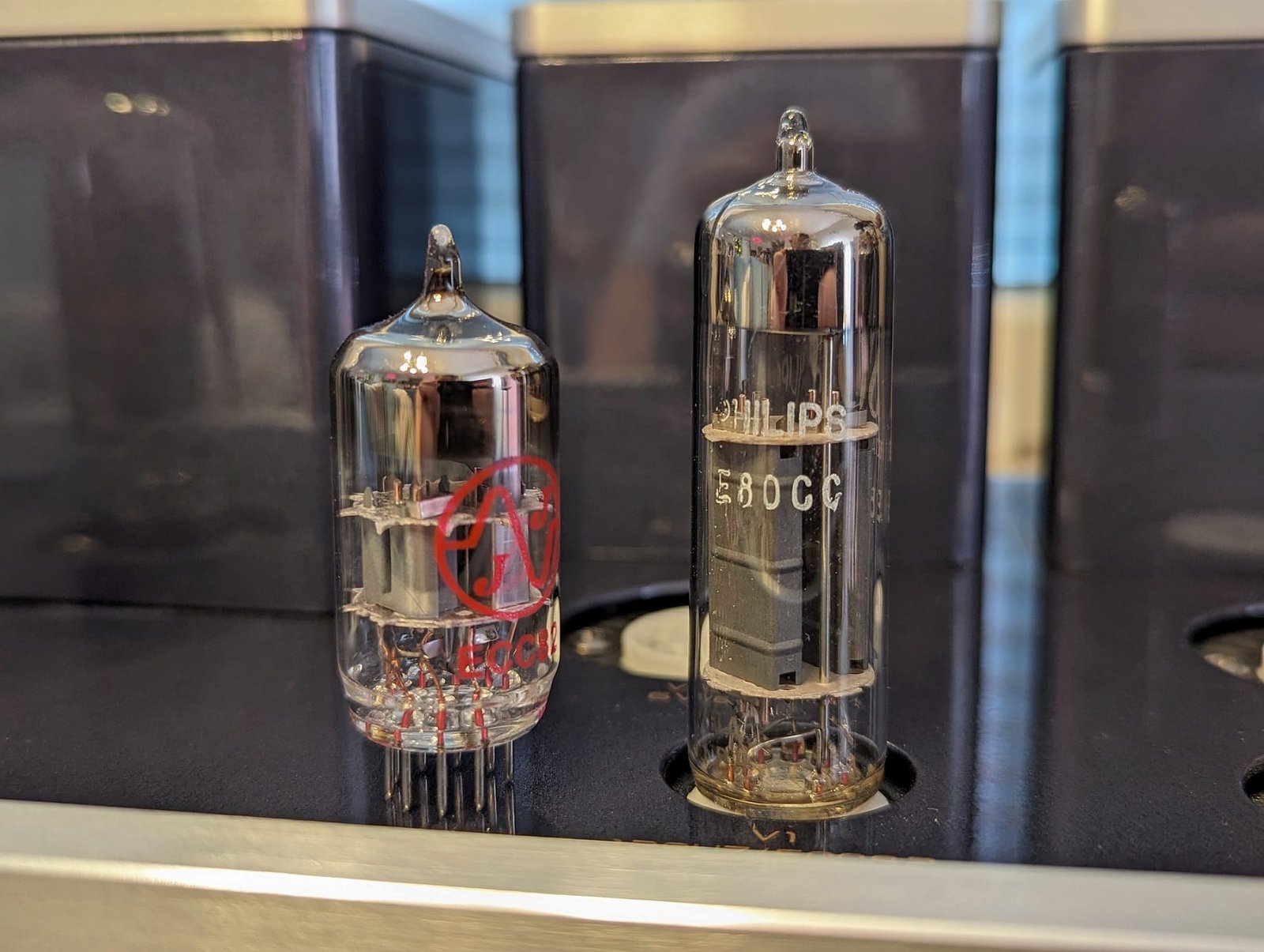
For driver tubes, I have somewhat exceptionally replaced them with Philips E80CC NOS tubes, which Cayin has confirmed to work in the HA-3A in place of the smaller 12AU7 tubes, despite their different specifications. Philips tubes are said to be among the best in their class, and the domestic Uraltone happened to sell them at a relatively affordable price of 45 euros per piece. The E80CC tube type is an interesting option also in the sense that it increases the HA-3A's gain level and probably also its output power. The amplifier would at least seem to be even better suited for planar headphones, but as a negative side effect, background noise increases when using more sensitive dynamic headphones. For example, E80CC tubes are not recommended for in-ear headphones.
If the HA-3A sounds a bit subdued by default, Philips tubes add power and energy to the reproduction. As one clear difference compared to the standard JJ 12AU7 tubes, instrument details are reproduced more sharply with Philips tubes, and sounds have more empty space around them. The soundstage also becomes more spacious and layered, and no longer feels restricted. The reproduction is fun, lively, and immersive, next to which the standard tubes sound a bit soft – they are, of course, significantly cheaper in price and their availability is also better. As one interesting change, the treble no longer feels sharp or piercing with some planar headphones; instead, with Philips tubes, it becomes completely smooth without the sound actually becoming darker compared to the standard tubes. The bass doesn't really emphasize more than before, but it still kicks more explosively. For example, the ZMF Eikon transforms into a veritable bass cannon with Philips tubes.
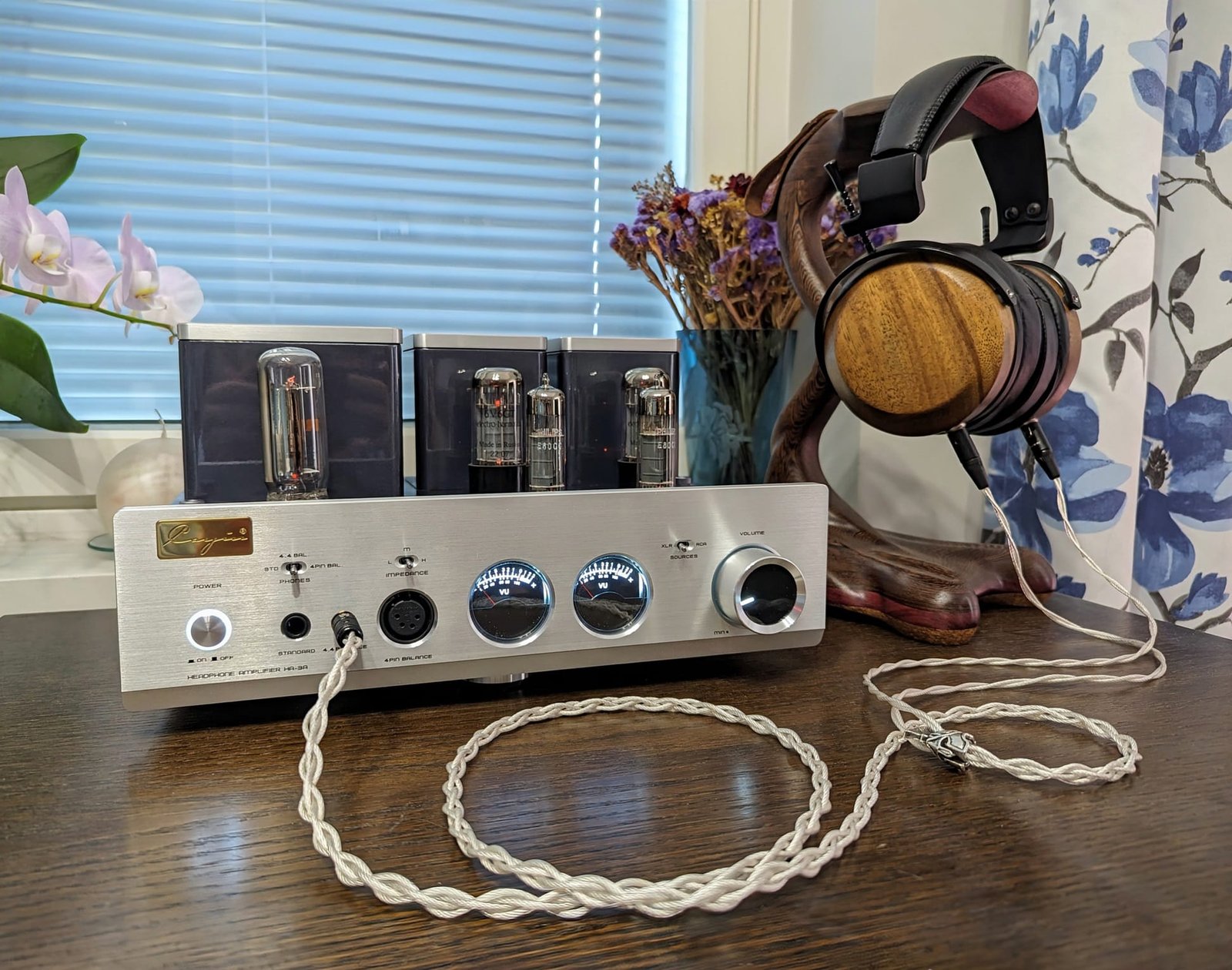
In my opinion, Philips tubes are a comprehensive improvement in sound quality and make an excellent amplifier even better. The tubes also provide a good basis for experimenting with different 6V6 power tubes. On the other hand, all the headphones I've tested have sounded so good with the Philips & Electro Harmonix combination that there might not even be a need to change the 6V6 tubes. However, that has also been tried.
Power tubes: Reflektor 6n6c (1972) and Zenith 6V6GT (1941)
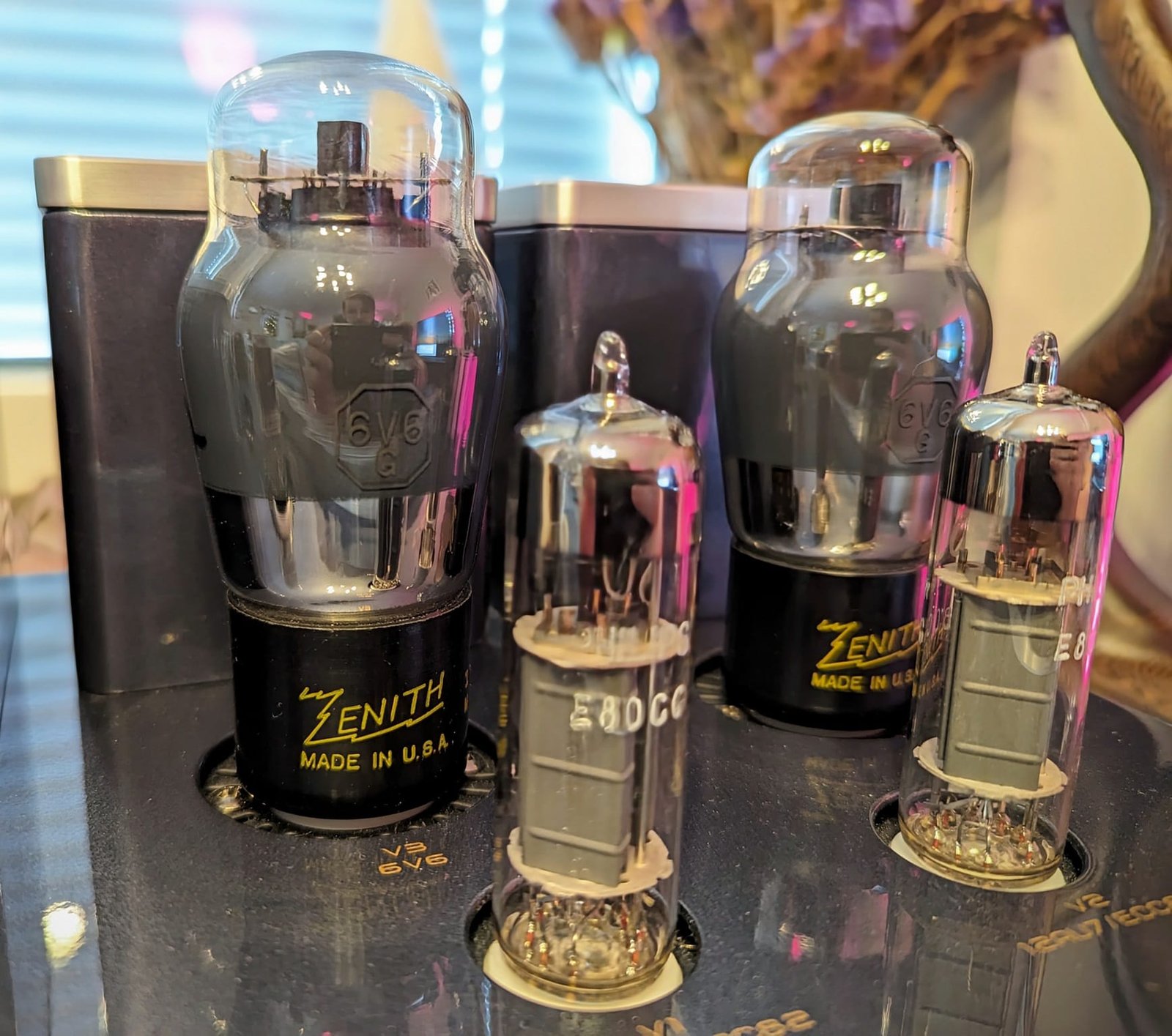
Regarding 6V6 tubes, in addition to the standard tubes, I have so far tried Soviet Reflektor tubes and Zenith tubes manufactured in the 1940s, which are taller than usual. The latter, at a combined price of about 100 euros, were not a very rational purchase; rather, I found them good-looking and wanted to know what ”ancient” 1940s tubes sound like. The sound with Zenith tubes is even airier, but unfortunately also somewhat muddy unless the tubes are warmed up carefully. When listening to planar headphones, the bass reproduction generally remains lighter than usual, so Zenith tubes might be somewhat outdated by today's standards. However, for casual listening or consuming lighter music, there is nothing seriously wrong with the result; the reproduction is natural and spacious. The presentation is also generally more ”tubey” compared to Electro Harmonix tubes, if that means anything to some.
If a fuller and warmer tube sound is desired from the HA-3A, the presentation can be steered in that direction with Reflektor tubes. These are sold at a price of 10–20 euros per piece with NOS status, so experimenting doesn't cost much. I bought a pair of tubes via Ebay from a Ukrainian seller. One surprising feature of the Reflektors has been that poking the amplifier no longer results in any tube ringing or other extraneous noises. However, I don't know if I'm just lucky, as Soviet tubes can apparently have quite significant quality variation.
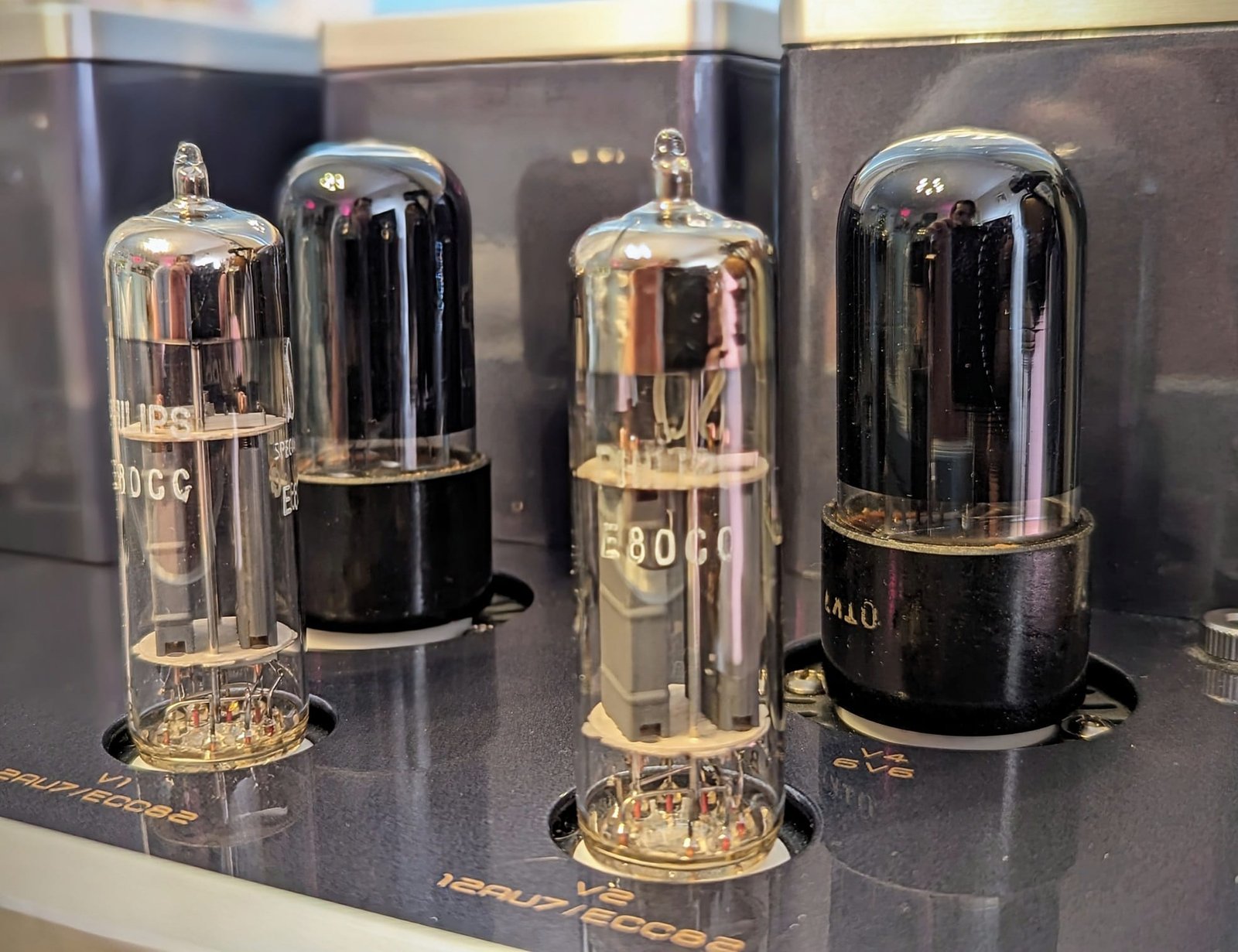
In any case, Reflektors, especially with Philips E80CC tubes, offer a tonally pleasing sound that, with suitable headphones, is downright addictive. The reproduction is warm, intimate, and relaxed, yet at the same time surprisingly engaging and interesting. For example, electric guitar distortion is reproduced with a fun fullness and crispness, while the bass guitar rumbles more heavily than before. The Philips & Reflektor combination is, in my opinion, particularly enjoyable for rock music.
A full and somewhat dark sound may not be suitable for more critical listening or optimal for already warm headphones, such as the ZMF Atrium, but for example, the Sennheiser HD 600 sounds really good and natural with the amplifier's highest impedance setting. I have probably never heard the soundstage of headphones as deep and believable or the separation of sounds as precise, so the headphones could easily be mistaken for being more expensive than they are.
With this tube combination, I prefer the HD 600 over the Hifiman Sundara Silver, which I would place ahead of the Sennheisers if both are listened to with a solid-state amplifier. On the other hand, the Sundara also sounds quite good with the Philips & Reflektor combination, as the headphones' brighter treble is reproduced suitably darker and softer. However, the sense of space does not reach the level of credibility of the HD 600. 300-ohm dynamic headphones, like the Sennheisers, clearly have some magical synergy with tube amplifiers at their best. Of the planar headphones I tried, the ZMF Caldera also works excellently with Reflektor tubes, as the added warmth suits the headphones well, and the fuller low frequencies do not degrade the overall clarity of the sound. Among the other headphones I tried for this review, the Verite Closed has outrageously fun low frequencies, but perhaps already too colored for many tastes. However, I would never say no to such an entertaining listening experience.
By acquiring more different tubes, I could certainly write about the HA-3A almost like a diary, which is probably an indication of the general versatility of tube amplifiers. However, one must be careful when buying tubes, as significant sums of money can quickly be spent on them, and not all of them automatically improve the sound, even if a slightly different result can always feel new and exciting at first. Tubes are also quite slow to change, so comparing them is difficult unless the sound quality differences happen to be obvious. I myself have sometimes had to conclude that the HA-3A still sounds excellent even with its standard tubes. I therefore see changing tubes, with such a good amplifier, as an extension of the hobby in a certain way. Sound quality improvements and suitable synergies with certain headphone models are achievable, but it is wise to keep one's feet on the ground regarding the matter. I can recommend experimenting with different tubes in the HA-3A, but it would not be entirely necessary, especially if one wants the device to sound quite neutral, like solid-state amplifiers.
Summary
I have owned the HA-3A for about 9 months now, finding it an excellent tube amplifier, especially with Sennheiser and ZMF headphones. The device does not offer maximum output power or the most exotic tube variants, but above all, ease of use and refined sound in high-quality casings. It has a fairly high price tag, but when using the HA-3A, I feel I get good value for money. The smoothness of the sound and a certain analog authenticity are clear virtues compared to most solid-state amplifiers. On the other hand, the refined result achieved with standard tubes is not particularly ”tubey” or exciting. If this starts to bother you, I can recommend acquiring some basic good NOS tubes. For example, the Philips E80CCs I tried bring new life to the amplifier. Tubes, of course, always have their price, but an additional investment of about 100 euros goes a long way.
Because the chosen tubes significantly affect sound quality, the HA-3A is not very easy to compare to competing amplifiers, especially since I haven't heard them in the 1000–2000 euro price range. Generally, there are many good options on the market from which consumers can choose a device they like based on appearance, features, and the types of tubes used. Each different tube implementation seems to have a certain characteristic sound, which enthusiasts more experienced than myself can surely utilize as a criterion for amplifier selection. For beginner headphone enthusiasts, I would still recommend acquiring a solid-state amplifier, but tube amplifiers have their own magic, both in the pleasant tone of the sound and the user experience. With the Cayin HA-3A and my favorite headphones, listening to music feels like a special moment in the midst of everyday life.
Pros and cons:
+ Smooth and all-around high-quality sound
+ Sound can be adjusted versatilely by changing tubes
+ 3 different headphone connectors and impedance settings
+ Clean appearance and relatively compact size
+ High-quality potentiometer
+ Sufficient output power for most use cases
– Standard tubes do not offer the most exciting tube sound
– Not necessarily an optimal choice for all planar headphones
– Possible slight background noise when using sensitive over-ear headphones
– Quite strong background noise when using sensitive in-ear headphones
– 12AU7 tube sockets are very tight when new, making tube removal difficult
 EN
EN  FI
FI