Author: Sword of Damocles
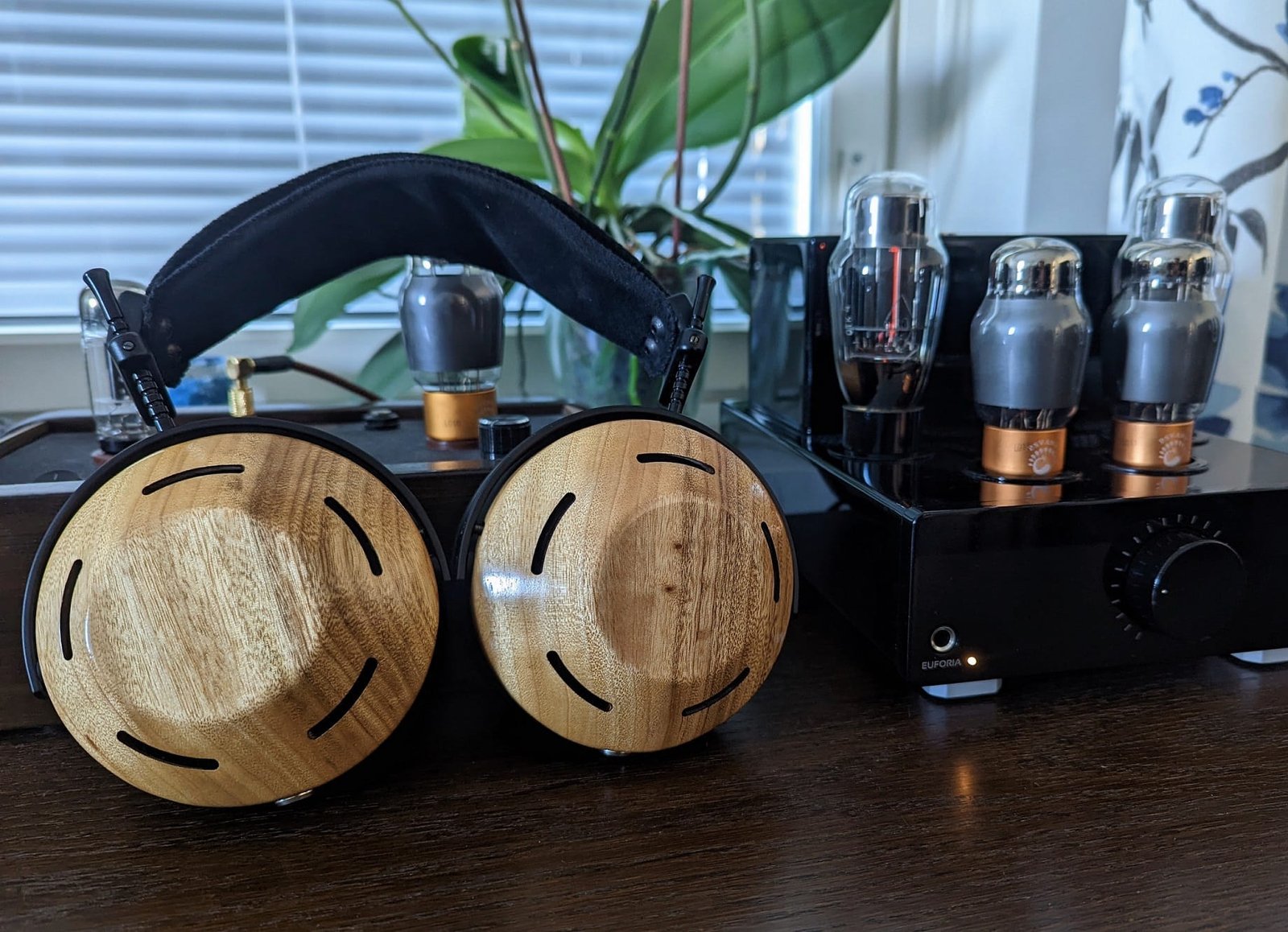
Table of Contents:
Information:
- Country of origin: USA
- Release year: 2016
- Price: at its cheapest around 1600 euros (regular production ceased in 2022)
- Structure: closed, over-ear
- Dynamic biocellulose driver (same as in the Auteur model)
- Impedance: 300 ohm
- Sensitivity: 97 dB/mW
- Weight: at its lightest 470 g (with camphor wood and aluminum structure 491 g)
- Connector type: 2 x 4-pin-mini-XLR
- Included: Seahorse case, optional ear pads, 165 cm long cable with optional connector and cable pouch
- Warranty: lifetime driver warranty and 2-year warranty for external parts
Review sample: Self-purchased product
So far, I have written reviews of most of ZMF's self-developed headphone models, but in addition to the new Auteur Classic model and Caldera, the Eikon (price new around 1600 euros), released in 2016, has still been missing from the list. Eikon (linkki valmistajan info-sivulle) may look externally familiar to many, because its wooden cups are similar to those of the slightly more affordable Atticus-model. However, these two closed-back headphone models have different tuning and different drivers, because the Eikon contains the same biocellulose drivers found in the open-back Auteurista.
Zach Mehrbach of ZMF himself has said that at the time of its release, the Eikon was the headphone he had always wanted to make. However, while testing different drivers, he found that the driver chosen for the Atticus produced such a unique and fun sound that both models eventually saw the light of day. Interestingly, the Atticus is still sold, while the regular production of the Eikon was discontinued in 2022 largely because the batch of drivers ordered at the time was almost entirely used up. This is also one of the main reasons why a new Classic version of the Auteur model was released, using a slightly different biocellulose driver. I appreciate that the manufacturer openly discusses its operations and the background of its choices.
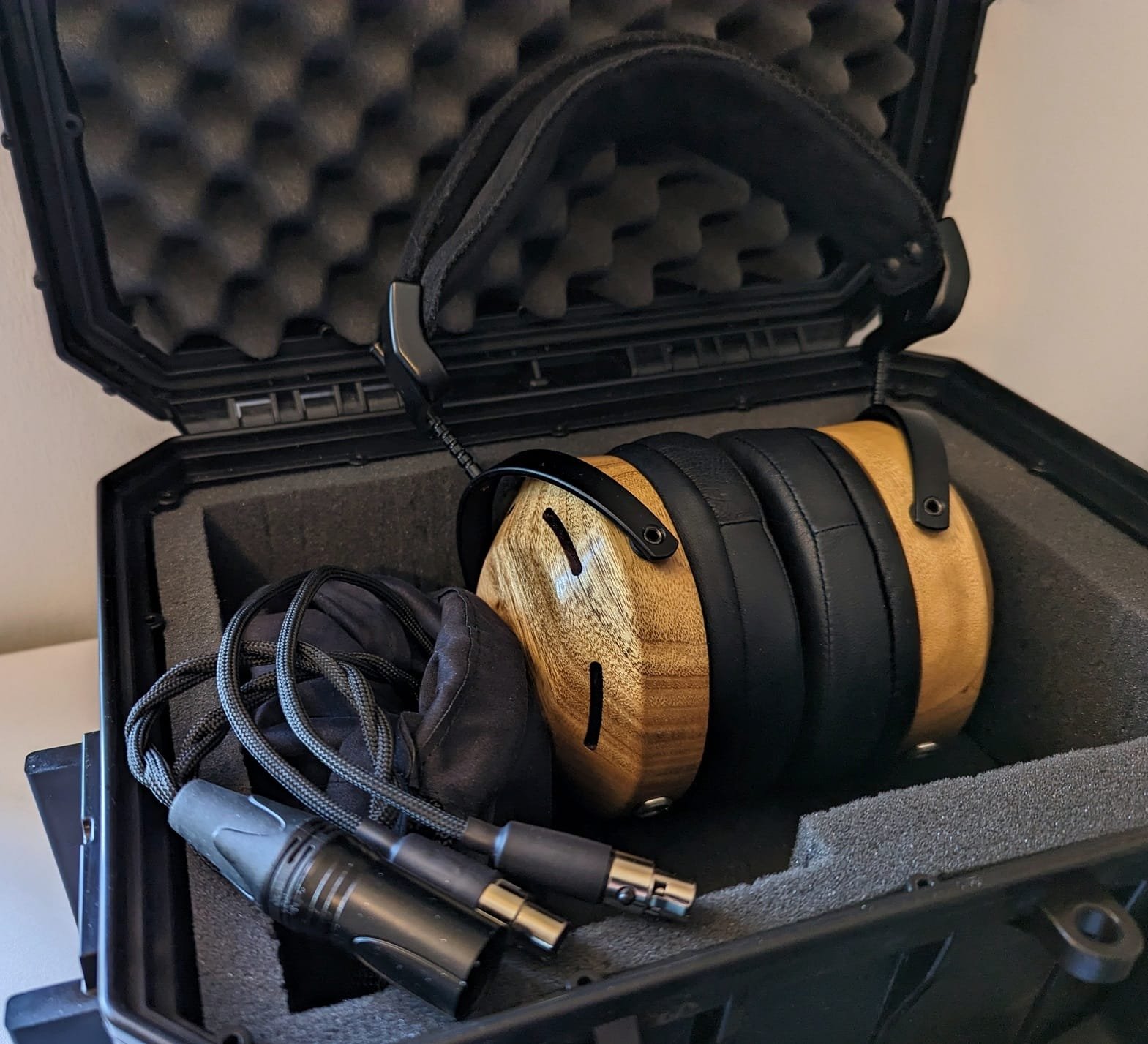
The Eikon is delivered in a sturdy plastic case with accessories typical of the manufacturer. These will surely be familiar to anyone who has read my previous ZMF reviews.
Structure and comfort
The Eikon's sturdy aluminum headband structure is similar to that of the manufacturer's other headphone models. The headphones I bought used were manufactured in 2021, so they still have the older model headband without thicker padding nubs. However, this does not make the headphones any less comfortable, because the original owner had chosen a thicker and softer faux suede pad (suede) for the headband instead of the leather part.
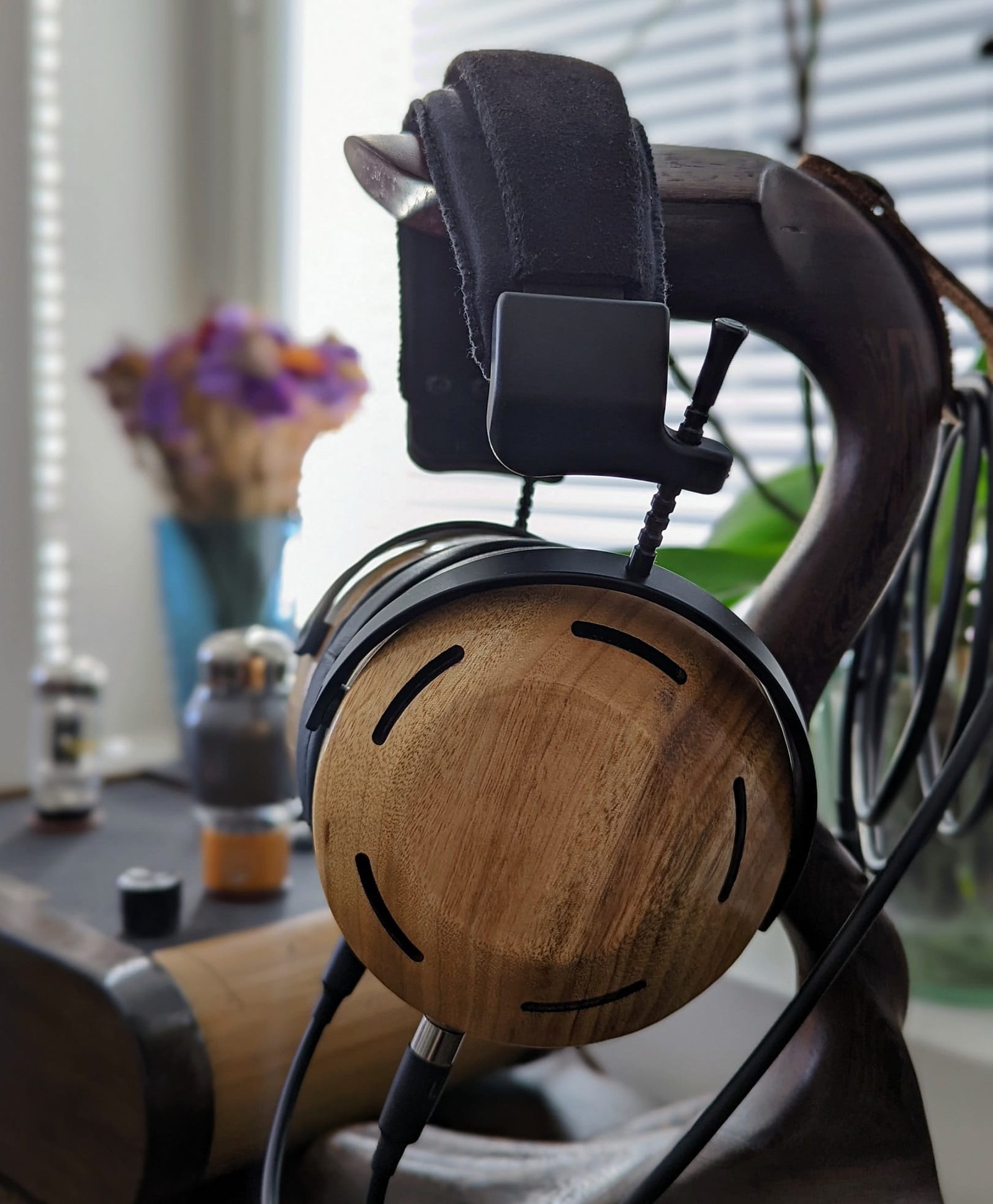
Due to their large size and cups extending far to the sides of the head, using the Eikon is quite a unique experience, but in terms of fit, the wearing comfort is excellent. If necessary, for example, the clamping force could be adjusted by manually bending the metal part of the headband.
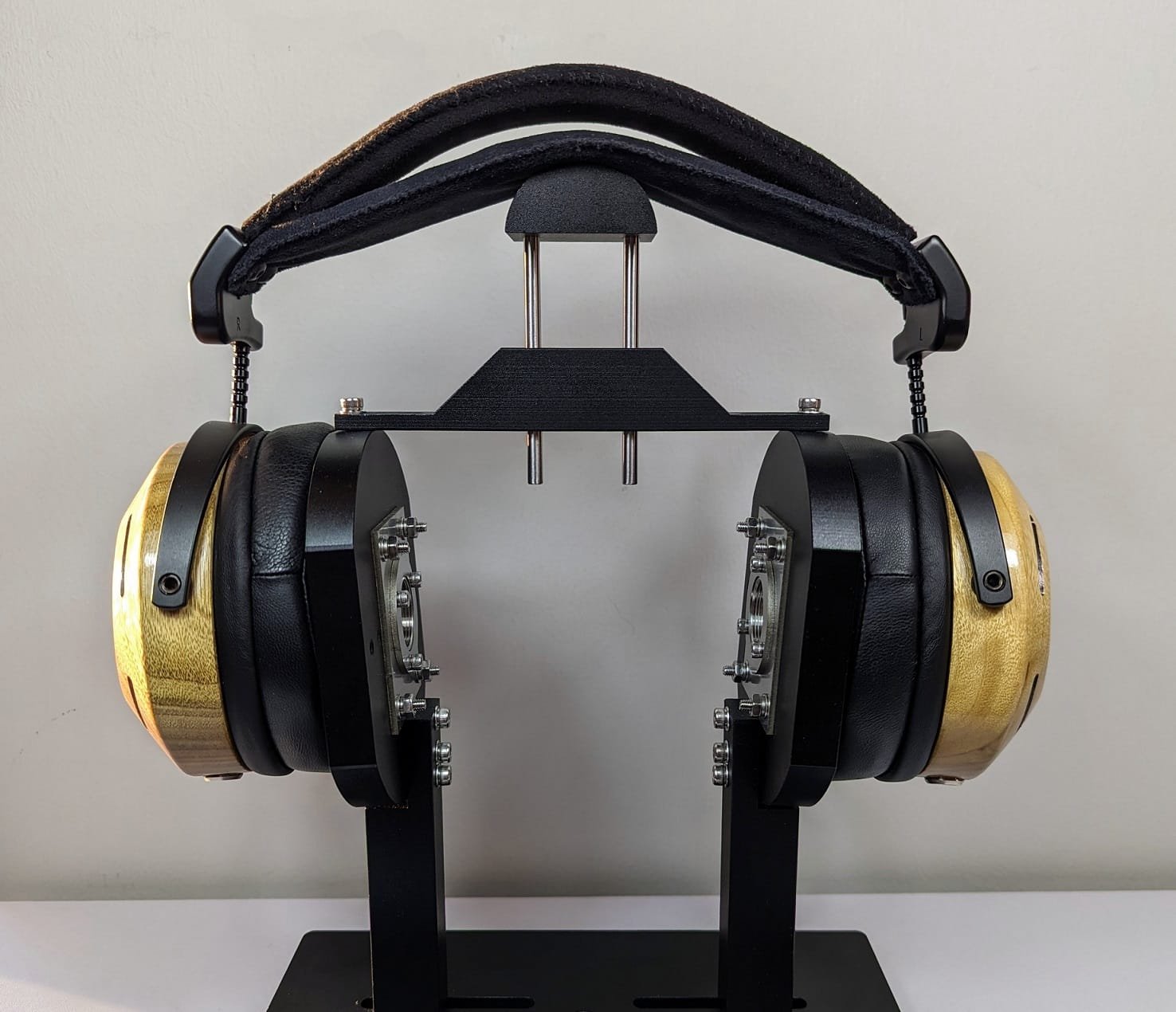
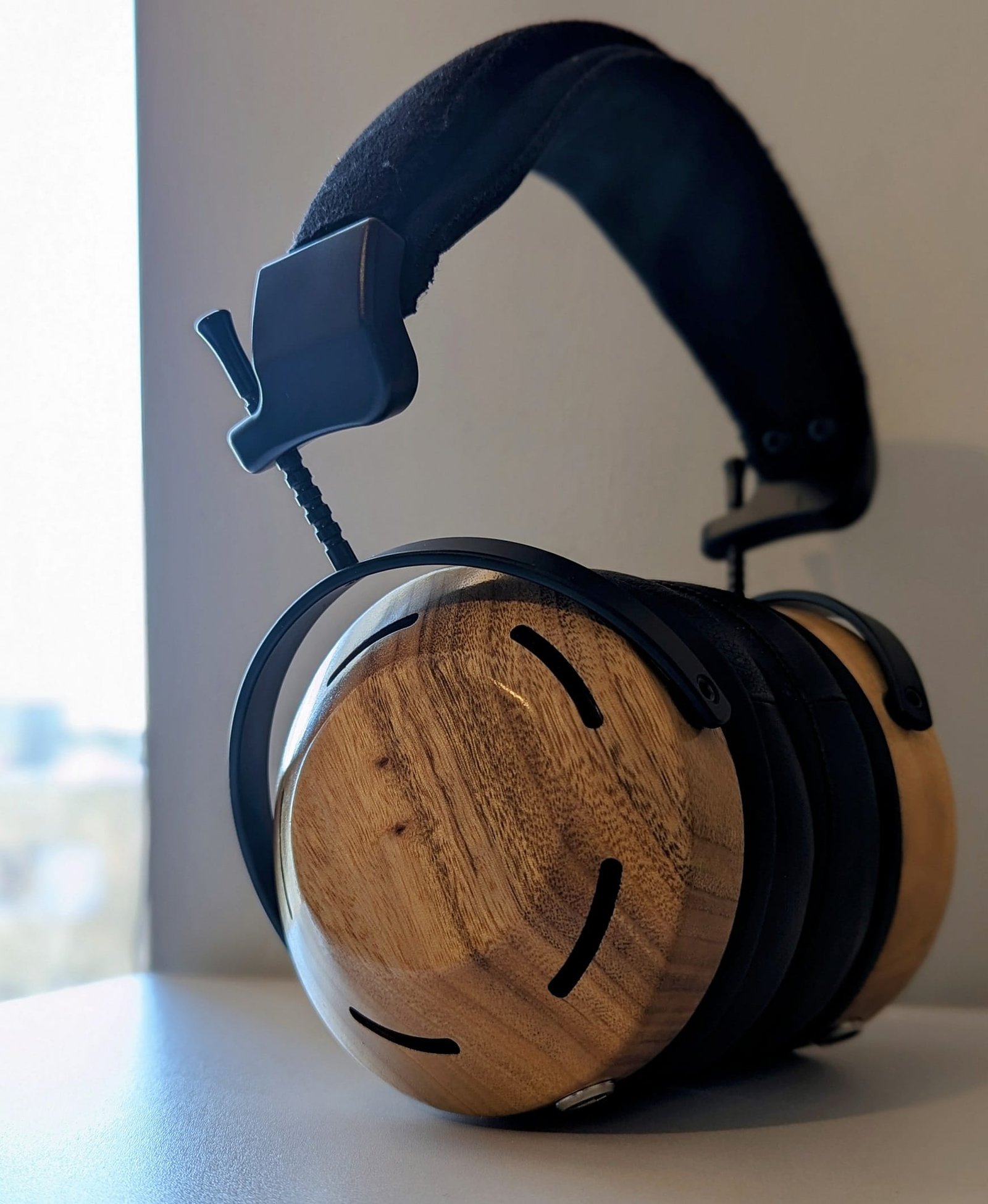
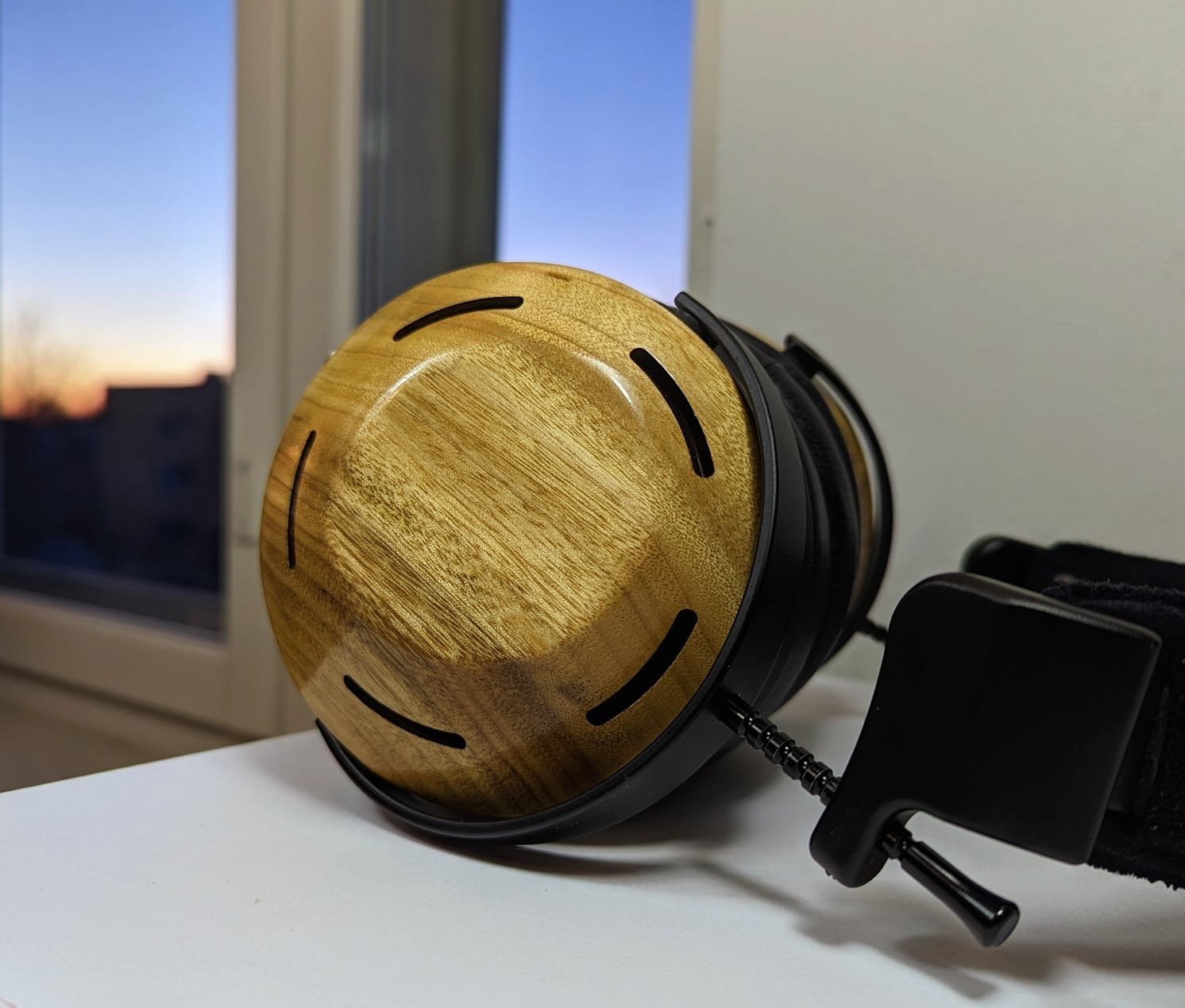
My own headphones are made of light, beautifully finished camphor wood, which is quite light. Despite the large wooden cups, the Eikon is one of the lightest ZMF models I've tested, weighing ”only” 491 grams, while many other models weigh 600 grams. Although a weight of almost 500 grams still sounds substantial, I believe the headphones will feel comfortable to most people due to their excellent fit. For example, Audeze's closed-back LCD series headphones weigh 150–200 grams more.
The Eikon has a closed design, but it doesn't isolate ambient noise as much as, for example, the manufacturer's Verite Closed -model, which has fewer air vents in its cups. The openings in the Eikon's cups are sealed with a rubber-like material, which still allows some sound to pass through in both directions. I would still call the headphones more closed than semi-open, if this classification matters to some.
Earpads:
The Eikon model uses earpads of the same name, made of lambskin, by default. For a slightly more neutral reproduction, equivalent synthetic suede earpads can be swapped in, but generally, other pad models are less recommended.
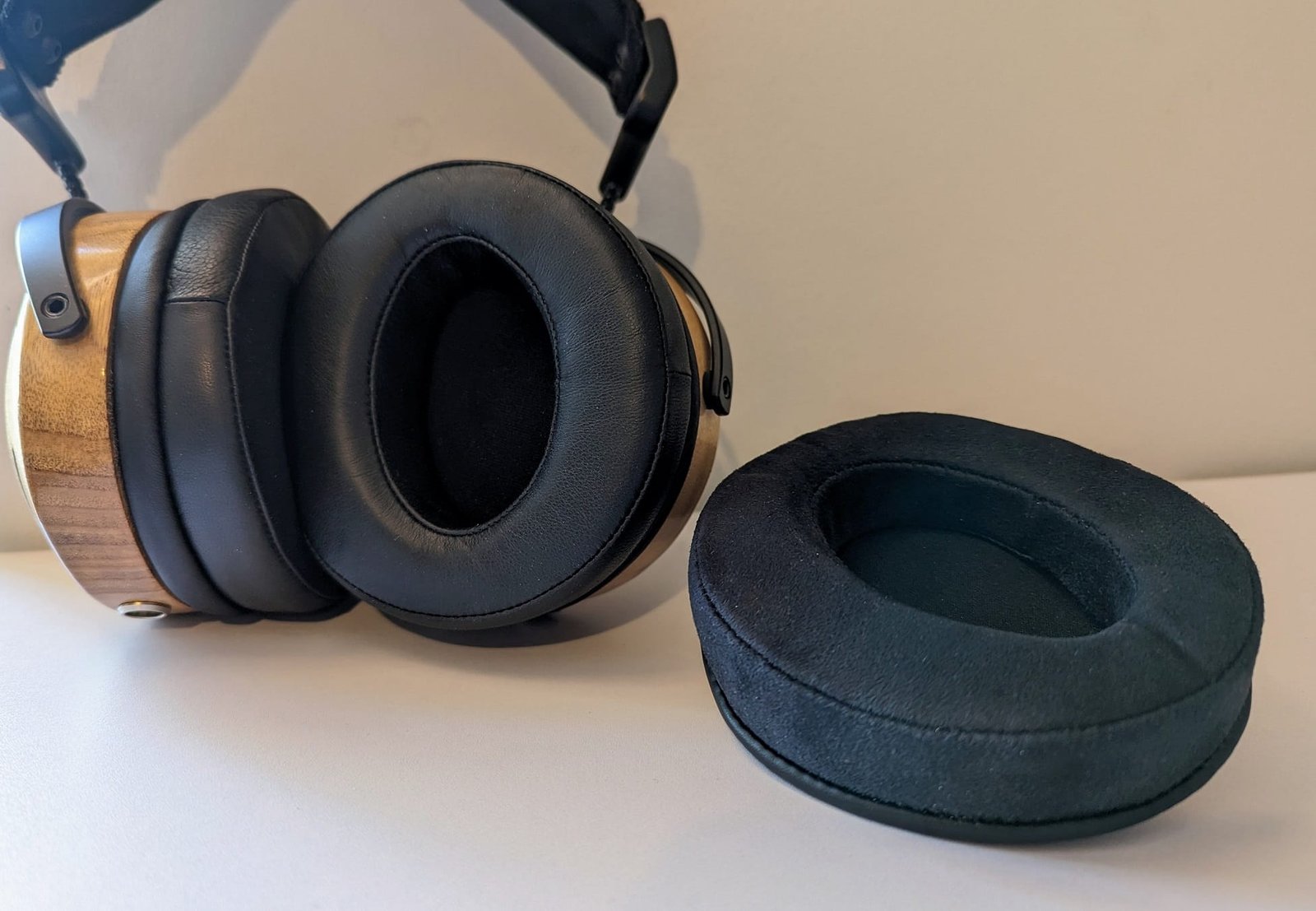
The Eikon pads are quite angled in shape, as their rear part is thicker than the front. This pad model has a relatively narrow ear opening by ZMF standards, but the height and depth are sufficient even for large ears. In terms of the pads, the wearing comfort of the headphones is excellent. Sound-quality wise, I can't decide whether I prefer the leather or suede version of the pads, so I will discuss both later.
Cable:
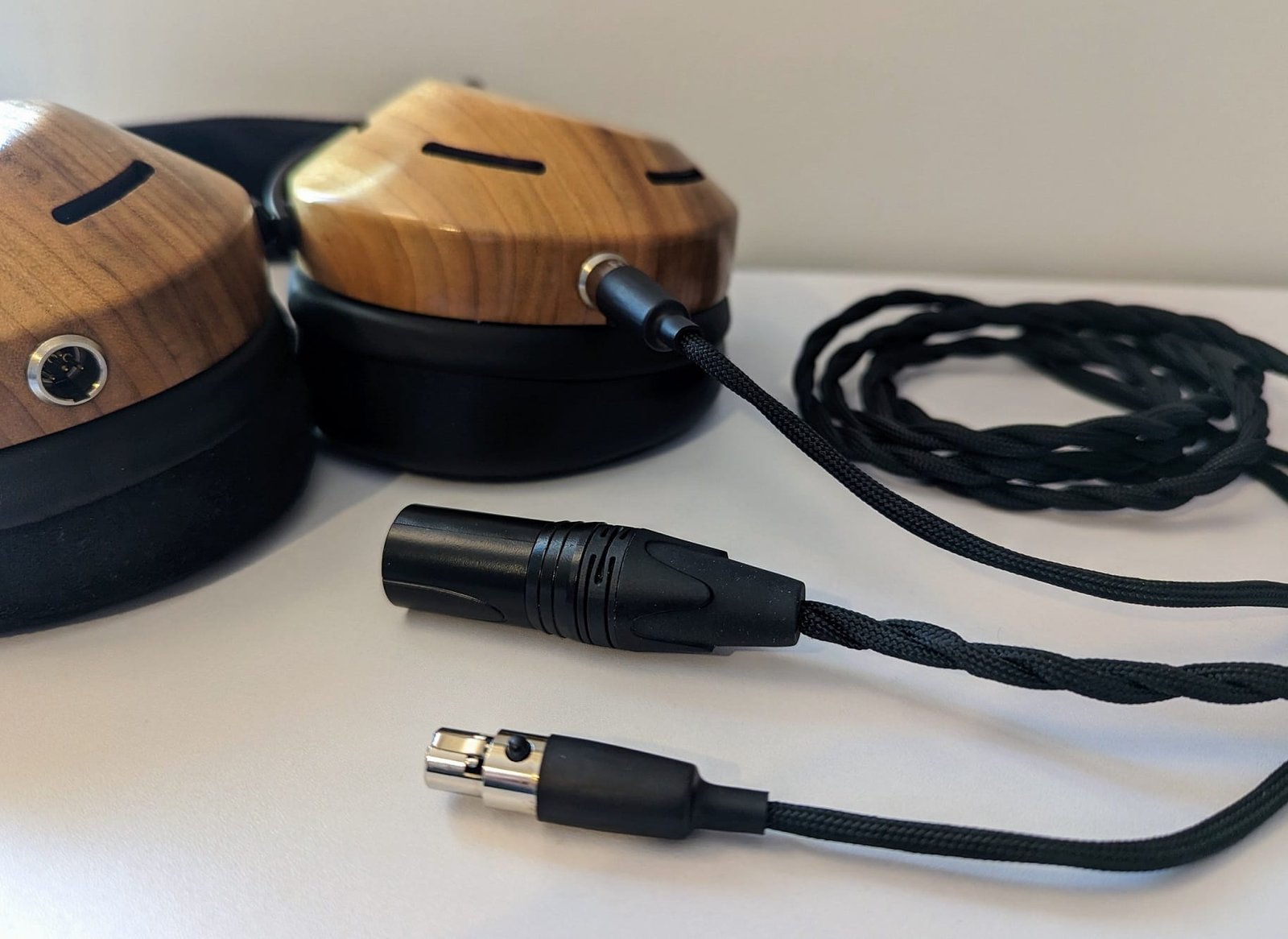
The headphones come with a similar cable, about 165 cm long, as with other ZMF models. The cable attaches to the headphones with two 4-pin mini-XLR connectors, and the connector that attaches to the amplifier can be selected at the time of purchase. Since the Eikon is no longer listed in the ZMF store, I cannot check if a second cable was also included by default with the headphones.
Sound quality
The amplifier has a great impact on the Eikon's sound
Evaluating these headphones has been somewhat arduous because their sound changes exceptionally much depending on the amplifier used. In my opinion, this is both a good and a bad thing. With a suitable amplifier, the Eikon is one of my favorite headphones from ZMF's selection, whereas with other types of equipment, I find it somewhat bland and cold-sounding.
When listened to with a modern, neutral-sounding transistor amplifier with near-zero output impedance, I don't find anything particularly special about the Eikon for its 1600 euro price compared to many more affordable headphones. The sound is tight in style and partly restrained in energy, even though I generally consider the tuning quite neutral and natural. The Eikon strongly feels as if something is holding it back.
The situation changes immediately when the headphones are listened to with a tube amplifier or a transistor amplifier with higher output impedance. The presentation style relaxes into a truly natural and pleasant sound, and the soundstage becomes admirably spacious and layered, considering the closed design. Individual sounds and instruments play significantly more detached from each other compared to ”basic amplifiers.” Even if there wouldn't normally be a big difference between different types of amplifiers, with the Eikon, the differences are almost impossible to miss. I cannot recommend acquiring these headphones unless they are intended to be listened to with, for example, a tube amplifier.
A few suitable amplifiers:
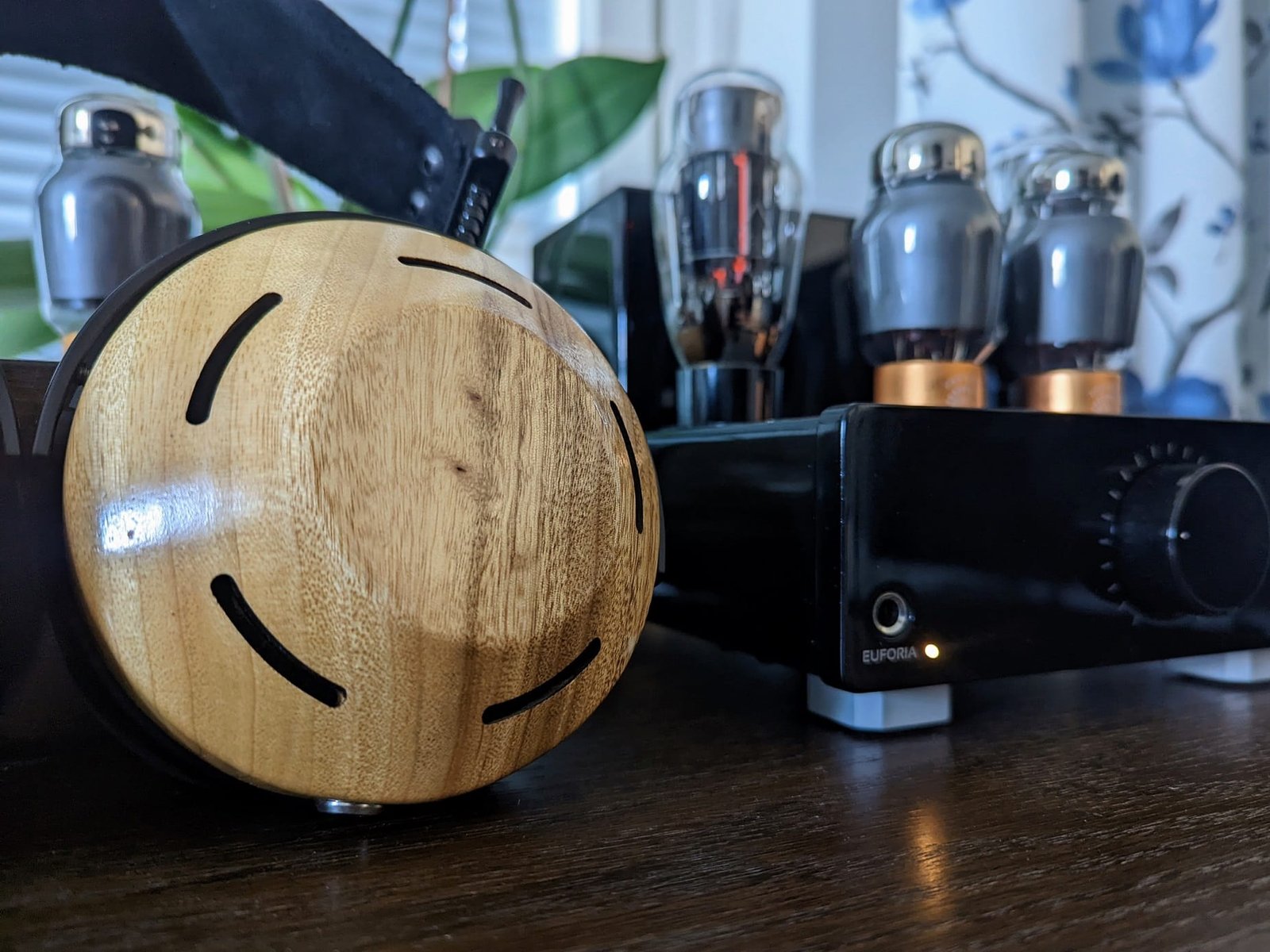
From my own amplifier selection, I have found the Cayin IHA-6 (10 and 120 ohm connectors), Garage1217 Project Polaris (35 ohm connector), and Tor Audio Roger tube amplifier to be suitable for headphones. The Feliks Audio Euforia 20th Anniversary OTL tube amplifier, which was on loan for review, also sounded excellent with the Eikon. With all these devices, the best features of ZMF headphones, such as powerful bass reproduction, natural mid-frequencies, and an interesting soundstage, become apparent. Something in the tuning, driver selection, and wooden construction of ZMF headphones makes the sound truly organic and inviting, which is not encountered in a similar way in products from any other manufacturer.
Other notes on sound quality evaluation:
- DAC: Schiit Audio Bifrost 2
- Headphone amplifiers: Cayin IHA-6, Tor Audio Roger, Feliks Audio Euforia 20th Anniversary, Garage1217 Project Polaris and many others
- Earpads: Eikon Lambskin and Eikon Suede
- Cable: Viking Weave Cables Raido
Headphone frequency response measurements have been performed with IEC711-standard compliant equipment as raw measurements (more information Headphone Measurements-page). The graphs use the Harman target curve (2018 version), based on scientific research, as a reference, which is a generalization of what kind of frequency response sound would be considered good by most people.
When interpreting frequency response graphs, it should be noted that the Harman target curve is heavily rounded, while the headphone frequency response is treated as precisely as possible. Therefore, instead of individual peaks and dips, attention should be paid more to the general shape of the frequency response compared to the target curve.
Although measurements provide useful information about the sound of headphones, the measured frequency response should be approached with the understanding that it likely contains errors related to the measurement situation. The result varies slightly between, for example, measurement instances, different measurers, and different measurement devices. Furthermore, the frequency response measured on the ears of a measurement device does not necessarily perfectly convey how the headphones sound on a human head. The final result is also significantly influenced by each person's individual ear anatomy and hearing, which can vary greatly between people.
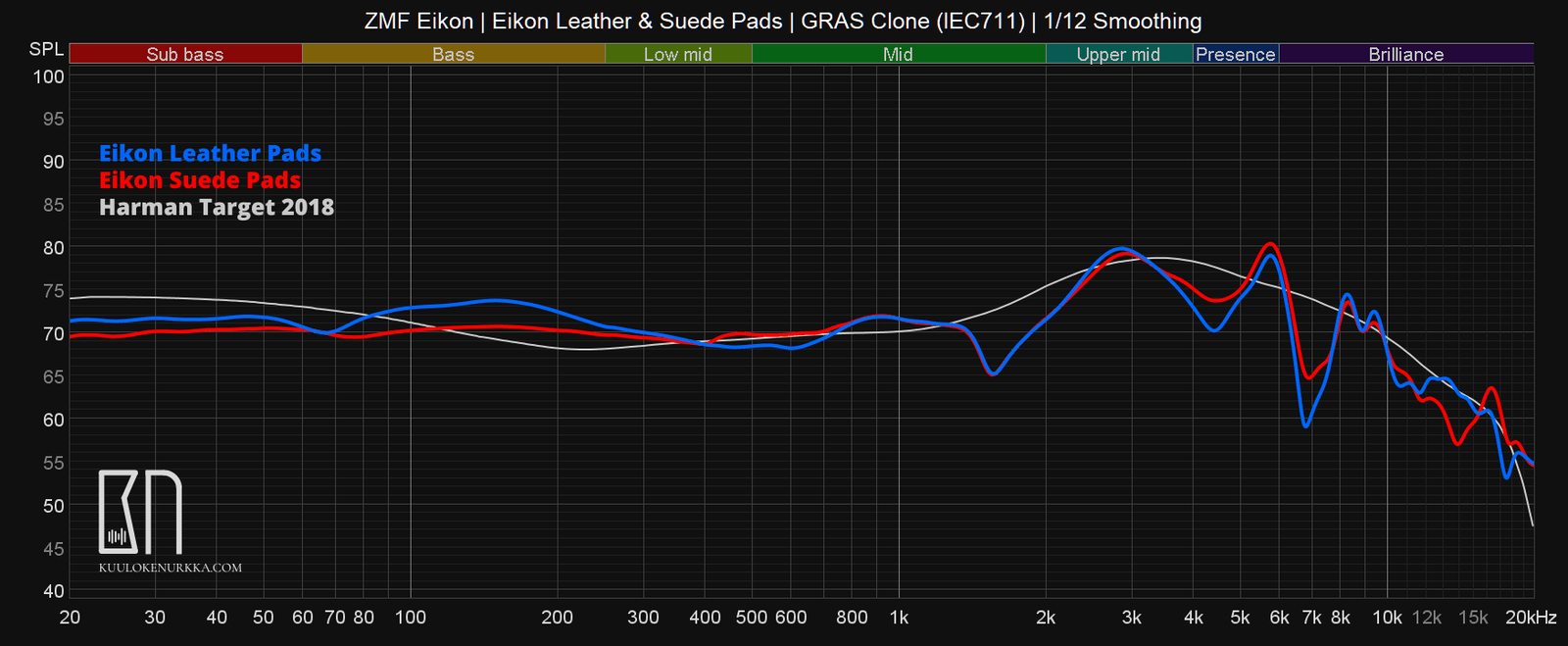
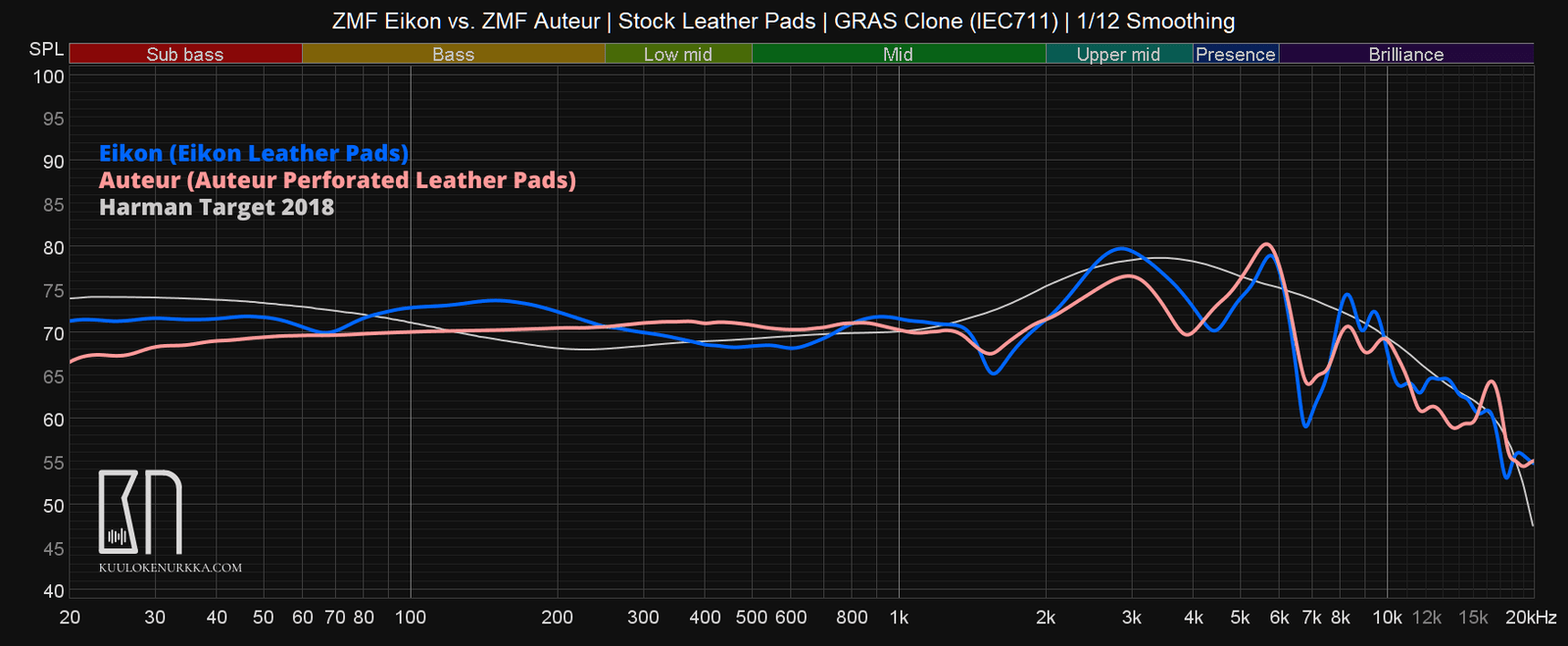
Eikon's frequency response with leather and suede earpads:
You can compare the frequency response of these headphones with other headphones on Kuulokenurkka's new comparison site
In the sound, familiar features from several different headphones
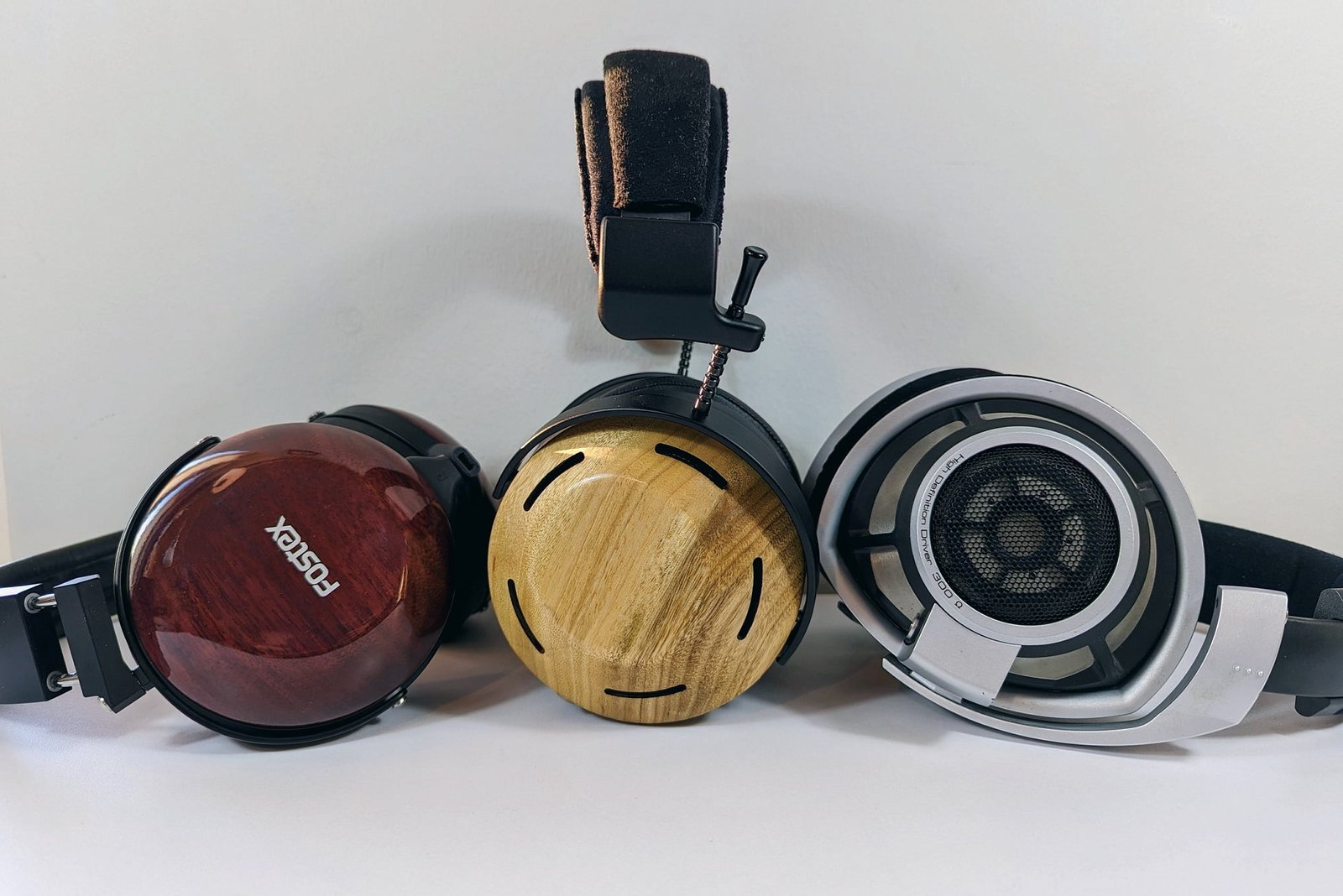
I perceive the Eikon as a kind of homage to well-known headphones that preceded its time, as its sound combines Fostex's Biodyna models (e.g. TR-X00 PH) style powerful bass, a more spacious rendition of Sennheiser HD600-like natural mid-frequencies, and Sennheiser HD800-reminiscent snappy and in a way raw treble. These features have been fitted into an atmospherically interesting whole. The Eikon's biocellulose driver has a pleasant richness, and the sound is also quite precise in its separation, because the reverberation formed by the wooden cups is not as strong as in ZMF's Atticus model.
The Eikon's presentation also surprisingly resembles ZMF's balanced and natural Auteur model, with the difference that the closed design makes the frequency response more uneven. The Auteur is more neutral in sound, while the Eikon is, in my opinion, more fun because its bass and upper mid-frequencies have more energy. Furthermore, the Eikon's treble is among the brightest in ZMF's headphone lineup, although no major overshoots occur.
In my opinion, the headphones are best suited for listening to slightly calmer music played with proper instruments and for enjoying great vocal performances, and somewhat surprisingly, bass music also sounds fun thanks to the effortlessly reproduced sub-bass. Various rock and metal genres have a pleasant rawness and punchiness, but a few dips in the frequency response eat away some of the edge of, for example, electric guitars. There is clear variation in the functionality of the end result with leather pads, which I consider one of the Eikon's biggest weaknesses.
The presentation style can vary from a credibly spacious and layered sound to a somewhat stark and vague reproduction. This, in my view, is largely due to the unevenness of the frequency response, which does not always align with the music being listened to. On the positive side, however, it is also possible to make the Eikon sound more balanced, albeit less interesting, with suede pads (red line in the frequency response graph). The two pad models offer excellent variation to each other.
Bass:
The Eikon's bass reproduction is quite traditional for a closed dynamic headphone in the sense that the reproduction is bolstered by a robust mid-bass emphasis. The bass is quite hefty and bloated in style, and it rhythmically paces the reproduction in a fun way. However, the headphones do not offer particularly hard-hitting bass; instead, despite its power, the reproduction is quite rounded and soft.
I perceive this style as natural for acoustic instruments, so in that respect, the Eikon somewhat resembles the Atticus model. However, the Eikon has fewer upper bass frequencies, and more energetic mid-frequencies prevent the reproduction from ever being too thick – the bass and mid-frequencies remain sufficiently separate from each other. Additionally, the sub-bass is more prominent than in the Atticus, so electronic music sounds excellent with the Eikon. The lowest frequencies have a similar effortlessness to many Fostex headphones, although for comparison, for example, Denon AH-D9200 and Focal Radiance hit tighter and more explosively than the Eikon.
I like the Eikon's bass reproduction most with amplifiers whose output impedance is between 10–35 ohms. This generally seems to shift the lower frequencies just far enough back in the soundstage compared to low-impedance amplifiers, where the bass is somewhat hard and too forward-booming in style. I usually do not perceive such a significant stylistic difference in headphone bass reproduction with different amplifiers, so the Eikon is a peculiar acquaintance.
If Eikon's bass reproduction feels excessive with leather pads, it's possible to make it truly linear by switching to suede pads. In this case, the mid-bass emphasis is almost completely removed, making the headphones' sub-bass even clearer. Bass music still sounds good, albeit less full. Objectively, the bass is of better quality when it remains more tightly controlled.
Mid-frequencies:
The mid-frequencies are both the headphones' absolute strength and partly also a weakness. At its best, the Eikon sounds truly natural, with clear, lively, and spacious sound. The reproduction has a certain relaxed and full-bodied approach, yet the presentation style is thinner and more energetic than most other ZMF headphones. For this reason, I find the Eikon quite neutral and easy to adopt compared to, for example, the Atticus and the closed Verite model. One of the Eikon's best aspects is the naturally spacious vocal performances, which easily give me goosebumps, something I rarely encounter in headphone listening. I don't perceive any sibilance in the sound, so listening to all kinds of speech is also pleasant.
In my opinion, the headphones' mid-frequencies sound smoother than they appear in my frequency response measurements. However, unevenness sometimes manifests as certain "empty spots" in the sound, which muddle the soundstage. Sounds heard far and near do not always form an optimal whole; instead, it feels to me that some of the sound remains distant and congested. If the upper bass frequencies happen to be overemphasized at the same time, the result is regrettably flat and dull. Fortunately, this doesn't happen often, but the Eikon is still not a particularly even performer with its leather pads.
The importance of mid-frequencies in music is so great that individual deviations in the frequency response are inevitably audible in one way or another. In the case of the Eikon, the situation is partly remedied by suede pads, which offer a more linear frequency response, but for example, an unusual dip remains between 1.5–2.5 kHz, which is sometimes audible. Interestingly, suede pads make the sound slightly fuller than leather pads, as more energy is added between 400–800 Hz. Leather pads are still at their best for a more interesting listening experience, while suede pads help avoid the headphones' weakest moments.
Treble:
Many have described the Eikon's lower treble as punchy and rough-sounding, which I can easily agree with – ZMF itself describes the treble as ”impactful.” However, I personally don't find this characteristic irritating or heavy to listen to; instead, I particularly enjoy the energetic-sounding drumstick hits. The Eikon's treble liveliness resembles that of the Sennheiser HD800 model (frequency responses are quite similar between 2–6 kHz), even though the ZMF model's sound is not as bright or especially as airy.
For some tastes, there would probably be more airiness, as the highest treble frequencies are reproduced by the Eikon typically quite moderately and relaxed, characteristic of ZMF. In my opinion, the headphones are not truly bright, as the overtones do not hiss or sparkle unnaturally, nor is there any harshness in the reproduction.
The certain rawness and unpolished nature of the lower treble are, in my opinion, pleasant features in the headphones' otherwise relaxed sound. However, due to clear unevenness, someone else might quite justifiably find the slight splashiness irritating. In any case, the Eikon is a risky purchase due to its upper frequencies for people whose hearing tends to further emphasize already emphasized frequencies. Fortunately, for me, the presentation style works well, as I haven't found the 6 kHz emphasis problematic in other ZMF headphones either.
Suede pads further increase treble energy, but because the upper frequencies are simultaneously smoother than before, the result is objectively of higher quality. Reproduction with suede pads is also airier partly because the lighter bass reproduction shifts the frequency balance towards the upper frequencies.
Soundstage, resolution, and dynamics:
For a closed-back headphone, the Eikon generally sounds spacious and open, which is certainly due to the large wooden cups and the reverberation they create. I often perceive the sound as being slightly outside my head, from where it approaches with force. However, due to the uneven frequency response, the soundstage varies between songs, so sometimes music can also sound intimate or, on the downside, quite vague.
The separation of sounds and the precision of the soundstage are quite decent, especially when listening to calmer music. Considering the closed-back design, the reproduction, at its best, has surprisingly clear articulation and even realism, which I expect from good headphones. On the other hand, the soundstage is only like this with a high output impedance amplifier, such as the Cayin IHA-6, because in my experience, an amplifier that controls the driver more tightly pushes the sound more glaringly as a single mass towards the listener.
In terms of dynamics, the Eikon sounds somewhat leisurely and rounded compared to, for example, Focal headphones. The slowness of the biocellulose driver delays each sound slightly longer than usual, which, in my opinion, nicely supports the headphones” natural and ”cat-like" presentation style. The Eikon creates a pleasant atmosphere in music that feels organic and in some ways old-fashioned and analog. For example, a good singer accompanied by acoustic instruments is a very good and heartwarming experience when listened to with the Eikon.
In more complex music, however, the tightness of sounds and the precision of tempo changes do not make a greater impression; instead, both separation and soundstage accuracy are weaker. This is not as dramatic as some have described, but for faster-paced music, for example, the Focal Radiance feels like a more capable and detailed headphone. Although the Eikon is still good, for its 1600 euro price tag, one would be justified in expecting better by current standards. In 2016, on the other hand, the situation would have been quite good.
The Eikon performs slightly better with suede pads, but with them, the reproduction is more restless and muddier in the background, as with leather pads, individual sounds pop out more sharply and powerfully from the whole. ZMF always designs and tunes its headphones for leather pads, which is also clearly audible with the Eikon. With leather pads, the sound has a captivating quality that suede pads, which sound better and more balanced in terms of frequency response, cannot fully offer.
Among Eikon ZMF's closed models
The Eikon is the most normal and neutral in tuning among ZMF's closed models (at least before the upcoming Atrium Closed model), so listening to it requires little getting used to. The Atticus and Verite Closed models have their own personal and colored style, which is why I prefer the Eikon for general use. The Eikon has indeed become one of my favorite closed-back headphones purely based on the fact that I end up using it the most.
I still own two other closed models from the manufacturer, so a small comparison is in order in this article. I have written my own reviews of the headphones in the past, which still hold quite true, even though my experience with various headphones has since grown, and I can now also measure accurate frequency responses.
Review: Atticus
Review: Verite Closed
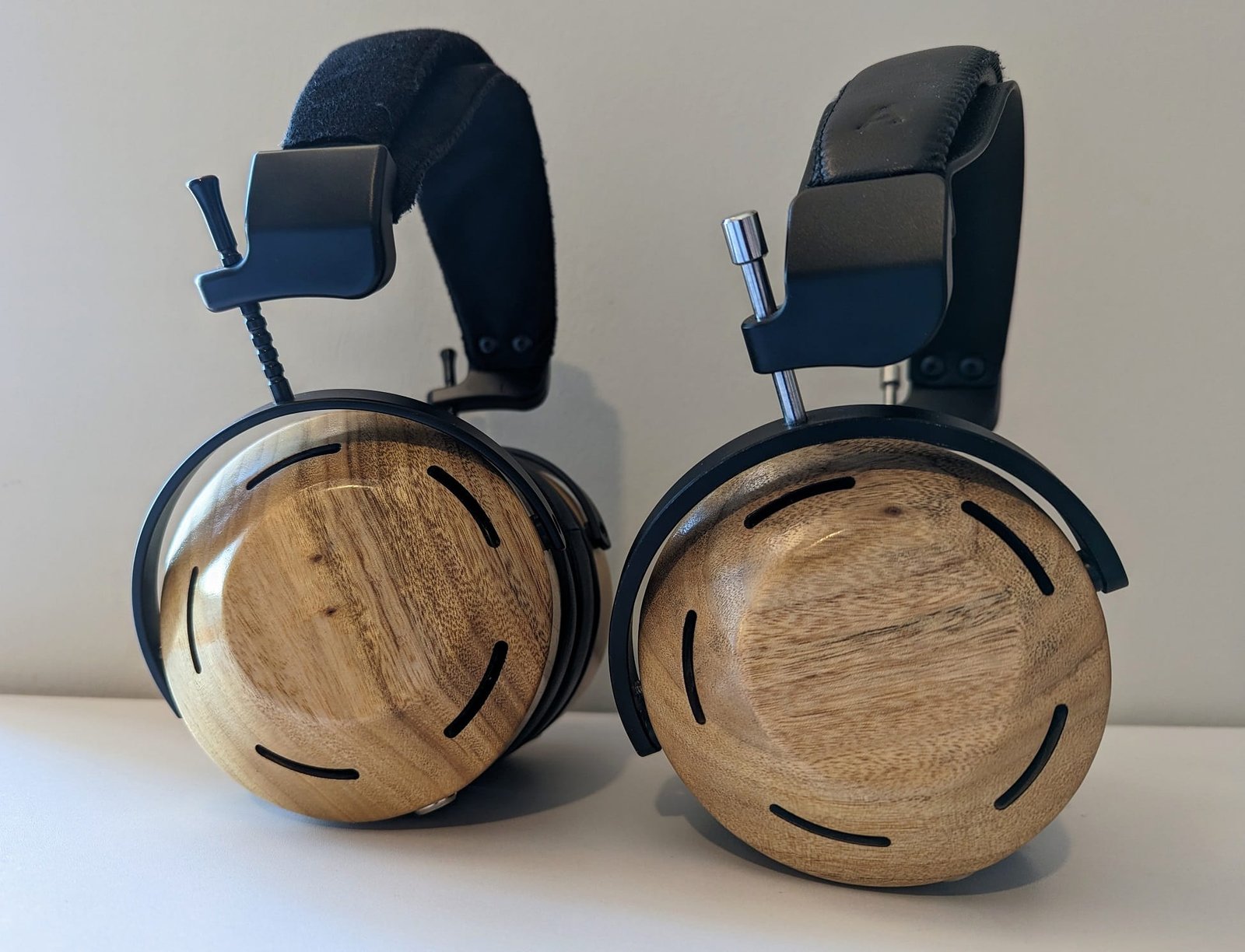
Eikon vs. Atticus
Prices: 1600 € vs. 1250 €
Frequency responses:
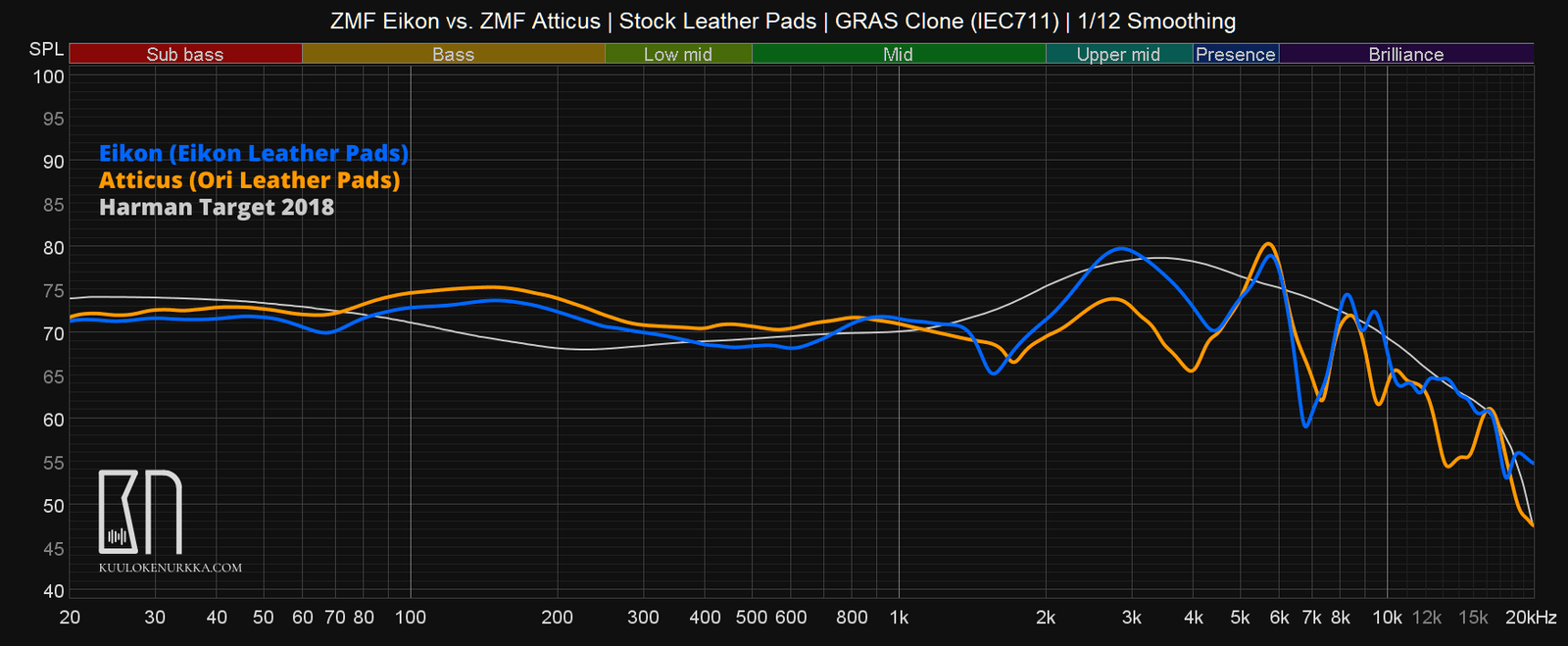
The Atticus is an unpolished rock headphone with a capital R, so it always gets my feet tapping in a way that other ZMF headphones cannot in similar music. A hefty bass, rich and edgy mid-frequencies, and a brightly ringing treble are an extremely exciting combination. The headphones' soundstage also feels even more spacious than the Eikon's, which is likely a result of the upper mid-frequencies being far recessed in the overall presentation. This makes the Atticus's emphasized mid-bass even more dominant, and it also explains why a couple of treble peaks appear quite sparkly, if not even slightly harsh to the ear in places.
The Atticus is a fun and original combination of aggressiveness and calmness, but in a more traditional sense, it has very few objective virtues. The bass is clearly boomy, the mid-frequencies are simultaneously aggressive and recessed, and the treble is uneven. The separation of sounds is also vague considering the 1250 euro price. The Eikon, on the other hand, sounds more refined and mature. Its upper mid-frequencies have a more conventional and present amount of energy, and the treble is smoother. Bass reproduction also remains clearer and more controlled. Since the soundstage accuracy and resolution are also significantly better compared to the Atticus, the Eikon is the better choice of the two for those seeking more versatile and detailed headphones. However, it doesn't always excite me as much as the Atticus, which has its own charm.
When I listen to the Atticus, I can't think of anything as fun and relaxing – the headphones prevent me from thinking about boring things. Additionally, slightly aggressive but relaxed vocal performances sound enchanting in their own way, even if the Atticus doesn't reproduce the human voice as naturally as the Eikon. The duo complements each other well, so owning both headphones simultaneously doesn't feel redundant. In my opinion, ZMF did the right thing by releasing both models in 2016. I wouldn't necessarily buy either of them new at full price anymore today, but in the used headphone market, they are interesting options for people who want something different for their headphone collection.
PS The Atticus is closer to the Eikon in terms of frequency response when Eikon's suede pads are swapped onto it.
Eikon vs. Verite Closed
Prices: 1600 € vs. 2800 €
Frequency responses:
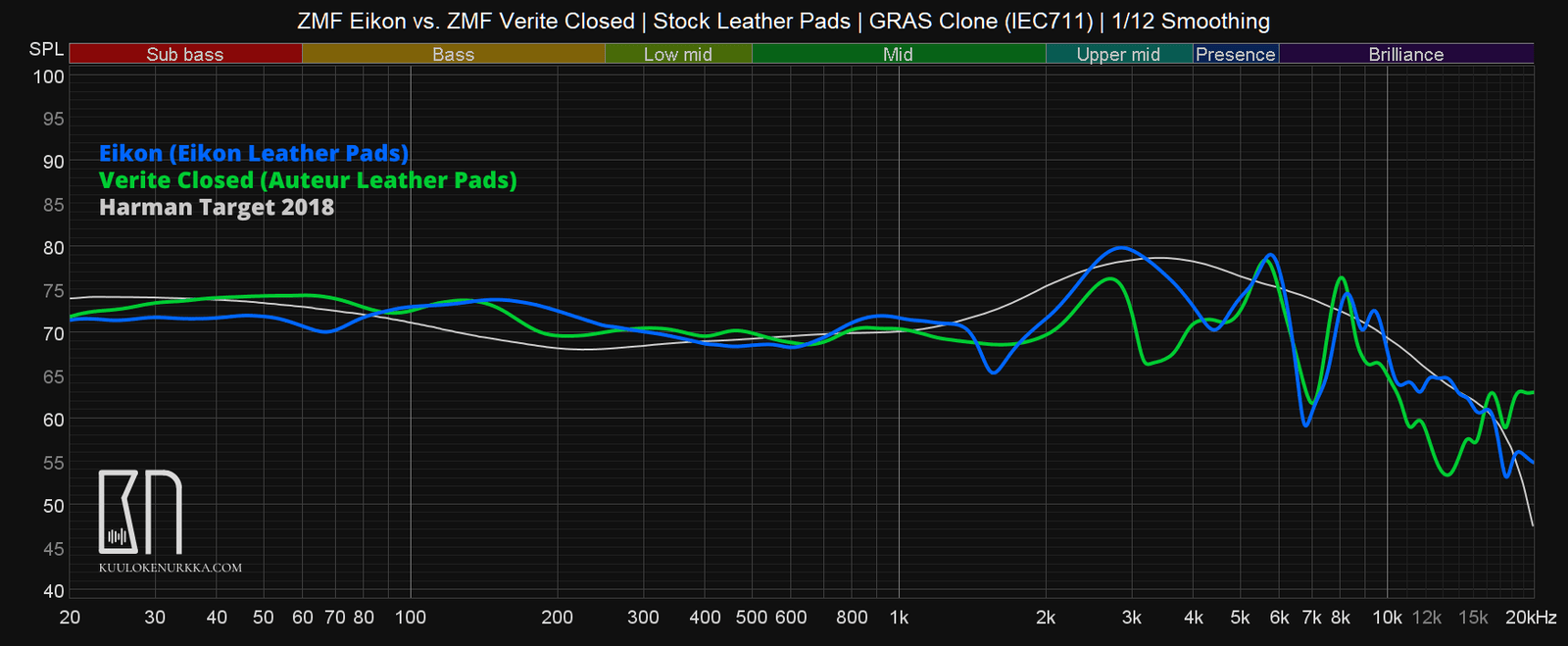
The Eikon has the same strengths against the closed Verite model as when compared to the Atticus: the sound is more present in terms of energy level and generally more neutral due to the more prominent upper mid-frequencies. The Eikon is a brighter, thinner, and airier headphone than the Verite. Its sound has more edge in terms of frequency response, which suits rock music well, among other genres.
With its stock pads, the Verite sounds darker and significantly calmer in its mid-frequencies next to the Eikon, but at the same time, also captivatingly more spacious. A characteristic feature of both Verite headphones is a rather large dip between 3–5 kHz, which relaxes the sound and partly its detail. However, in my opinion, the headphones do not sound too congested because the frequency response rises appropriately between 2–3 kHz and in the presence region between 5–6 kHz. There is always a sense of relaxation in the reproduction, but at the same time, it keeps me firmly engaged.
When listening to the Verite, the sound comes at you with fierce power, almost making you hold onto your seat. The bass reproduction is in a completely different league in terms of impact compared to the Eikon, which I can say about dynamics more generally. The Verite separates individual sounds more distinctly and keeps the reproduction clearer and tighter when listening to fast-paced music. Furthermore, the Verite's soundstage has more depth in every direction, and the sound spreads interestingly over a wider area around the head. However, I count it as an advantage for the Eikon that its airier treble makes the headphones sound more open and fresh than the Verite. The more present mid-frequency tuning is also more approachable, whereas the Verite requires a moment of getting used to with each listening session before it starts to sound good.
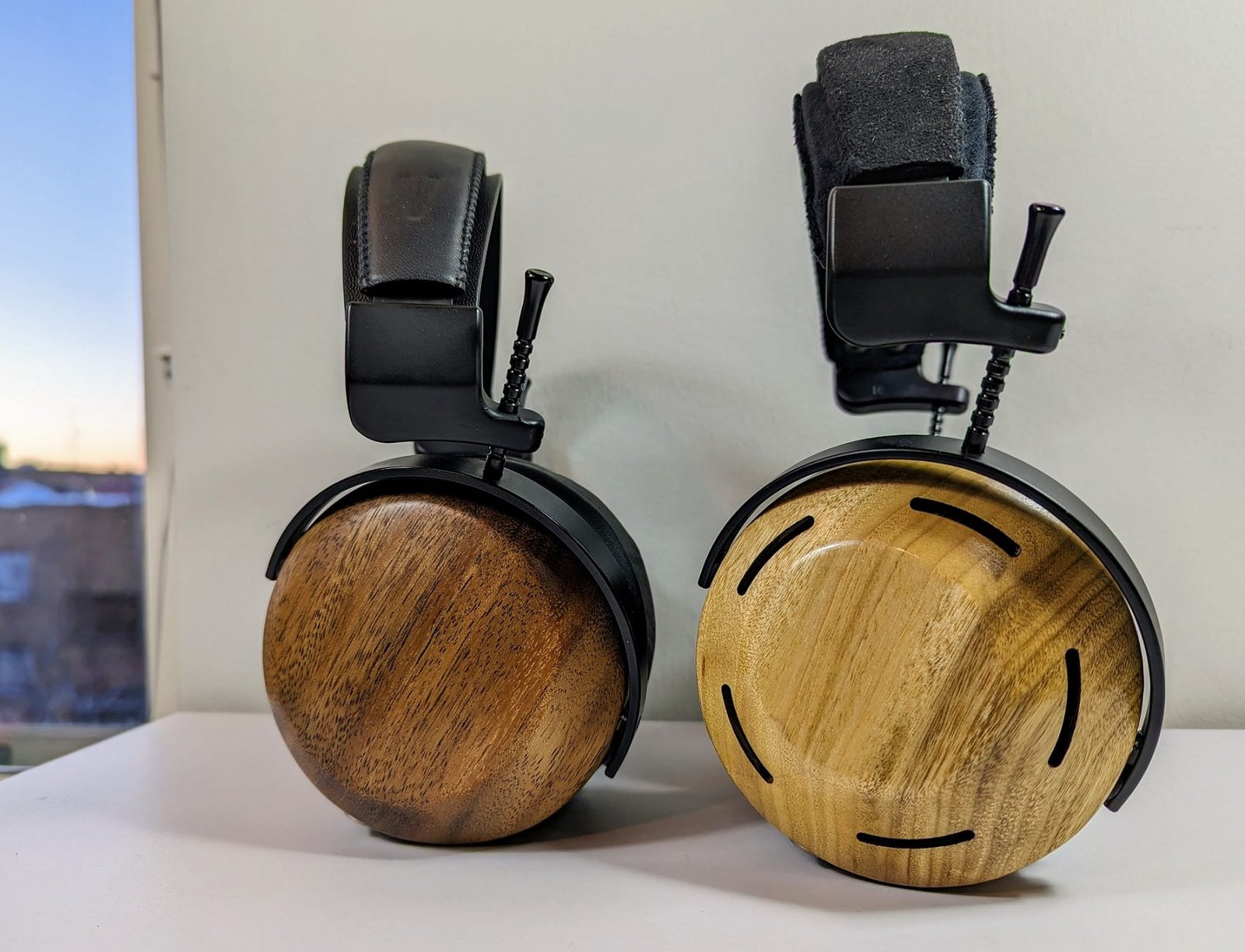
Generally speaking, Eikon could even be said to be a better headphone based on its more neutral-sounding frequency response when objectively evaluated, but on the other hand, each ZMF model is intended to have its own strengths that other models do not offer. Verite's higher price is clearly evident in the clarity and precision of the sound – each individual sound is easier to hear and distinguish from other sounds. Eikon sounds more neutral and present, while Verite is technically more capable, and in my opinion, also more interesting to listen to due to its heavier and more 3D-style sound. For a general-purpose headphone, some kind of intermediate form between the two would probably be the optimal option, so it will be interesting to see how the soon-to-be-released Atrium Closed has been tuned, and what kind of clear sound it will offer.
I like Eikon most with high output impedance devices, whereas for the Verite Closed, with its soft and somewhat resonant wooden cups, I think an amplifier that more tightly controls the reproduction is better suited. For example, the Cayin IHA-6 sounds excellent from its balanced connector, which has an output impedance close to zero. For Eikon, on the other hand, the same amplifier's 10-ohm unbalanced connector is suitable, which clearly widens the soundstage compared to the balanced connector.
Sometimes I wish headphone hobbyism were simpler, because owning or buying the optimal amplifier is partly a matter of luck. Fortunately, however, there are also headphones with which device choices don't really matter. More original headphones like ZMF require a bit more dedication, but on the other hand, they also reward with a sound that clearly differs from all their competitors.
Comparison to other manufacturers' headphones
I currently do not have any other closed-back headphones costing over 1000 euros, so a direct comparison to models from other manufacturers is unfortunately not possible. However, I previously listened to the Eikon I had with me at the Joensuu High End fair for some time consecutively with the 1300 euro Focal Radiance.
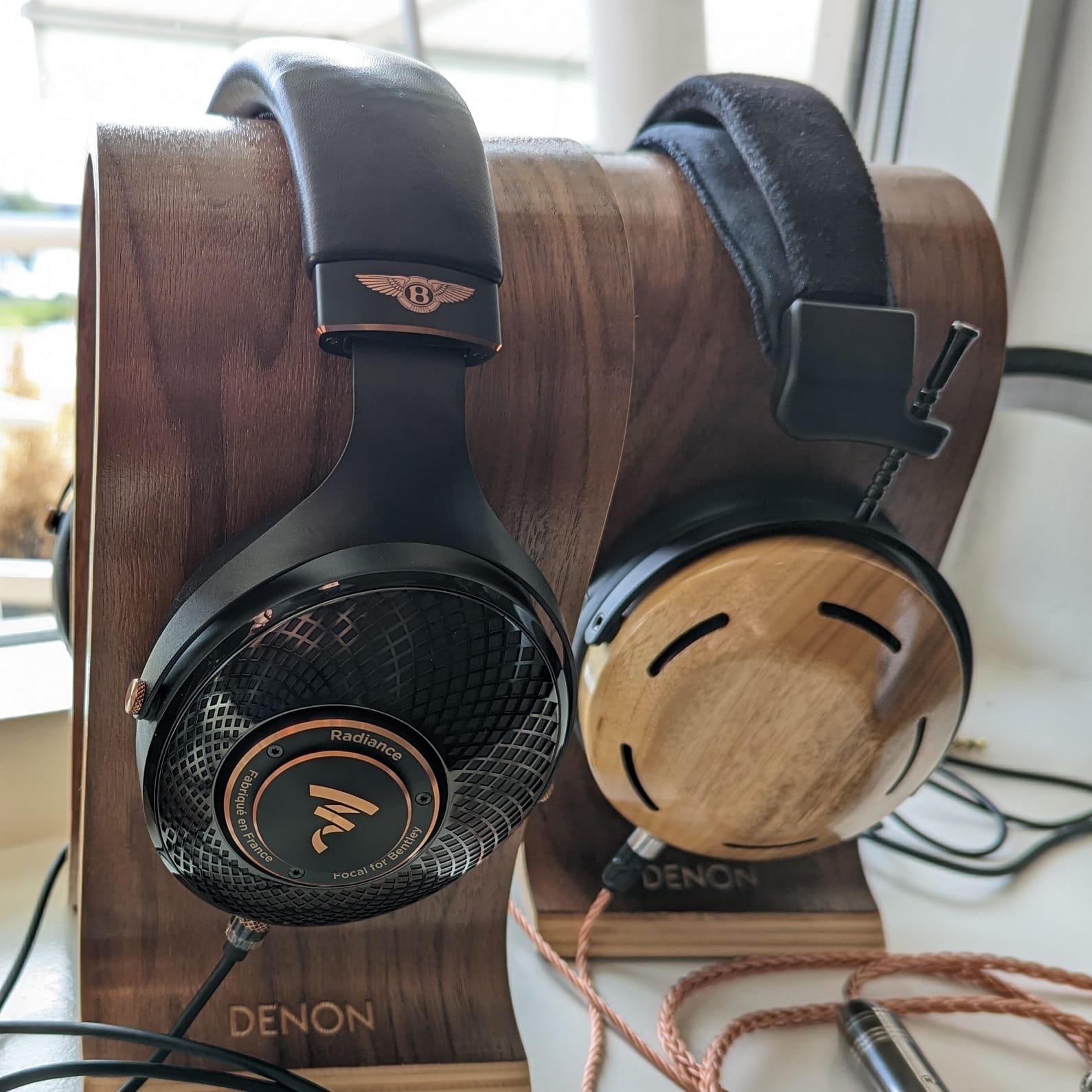
The Radiance is tighter, more resolving, and clearer sounding than the Eikon. However, its soundstage is narrower, and the reproduction is not as natural or immersive in style as when listening to the Eikon. The situation might, on the other hand, change if the Radiance were listened to with an amplifier suitable for it. For this reason, I would ultimately see it as a slightly more sensible headphone of the two, especially since it costs less than the Eikon. Both headphones have been sold used for under 1000 euros, but the Eikon is considerably harder to find now that its production has been discontinued.
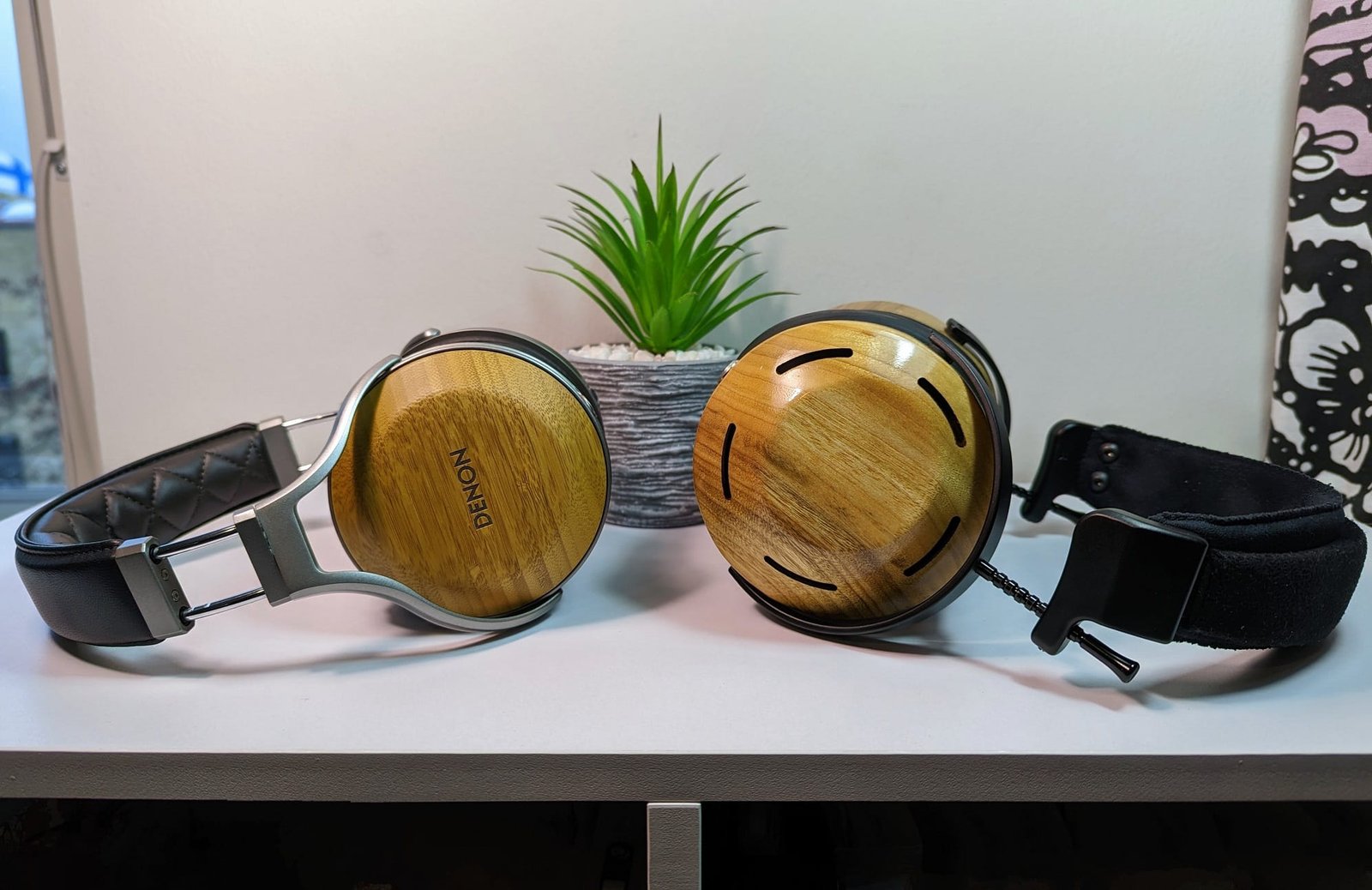
I previously compared the Eikon to the Japanese Denon AH-D9200 headphones. However, these two headphone models are so different that, in retrospect, the comparison was not the most sensible. I personally did not like the sound of the D9200, so partly for that reason, I found the Eikon to be a much more pleasant headphone of the two. If, despite everything, you are interested in that comparison, it can be found in the Denon model's review latter part.
Summary
The ZMF Eikon fits well into the manufacturer's headphone selection, being unique enough in sound compared to other models. Among closed-back models, it sounds normal and neutral enough that it wouldn't greatly startle those unfamiliar with ZMF headphones. Despite its original price of 1600 euros, I still consider the Eikon, broadly speaking, an expensive headphone for what it offers. On the other hand, I don't know of other headphones with a similar sound, so the price-to-quality ratio is ultimately difficult to measure. A large part of the price is also explained by high-quality craftsmanship and small production volume. I personally enjoy the Eikon's natural sound, which is easy and sufficiently interesting to listen to.
There are probably relatively few people who pay around 1500 euros for closed-back headphones, so all headphone models belonging to this product category are, in a way, a niche for a small group of enthusiasts. For a similar price, you can get excellent open-back headphones, whereas for closed-back headphones that come close to them, you have to pay over 2000 euros. The Eikon challenges open-back models costing at most 600–1000 euros in resolution and soundstage realism. For example, with a good OTL tube amplifier, such as the Feliks Audio Euforia, I do find it competitive in the over 1000 euro price range. I would therefore see the Eikon, bought used for around 1000 euros, as a very good option for those looking for closed-back headphones of its style. No other headphone model sounds exactly similar, so I believe that the Eikon could even become many people's favorite headphones.
Pros and cons:
+ Fairly neutral and easily adoptable tuning with robust bass reproduction
+ Mid-frequencies, and especially the human voice, are reproduced naturally
+ Undamped sub-bass reproduction is suitable for bass music
+ The treble has a fun energy and is still easy to listen to
+ The soundstage is spacious and more accurate than average, considering the closed design.
+ Comfort is good despite the high weight and size.
+ High-quality construction and craftsmanship.
+ The sound can be modified by changing the ear pads.
+ 300 ohm impedance offers options for device choices.
+ Lifetime driver warranty for the first owner.
– The frequency response has unevenness, which means the end result is not always good.
– Lower treble frequencies may reproduce too harshly for some tastes.
– Resolution weakens as the music becomes faster and more complex.
– Does not sound particularly good with modern transistor amplifiers, so it may require acquiring a more specialized amplifier.
– The headphones look amusingly wide on the head and are generally large and heavy.
– The original price of 1600 euros is high.
 EN
EN  FI
FI