Author: Sword of Damocles
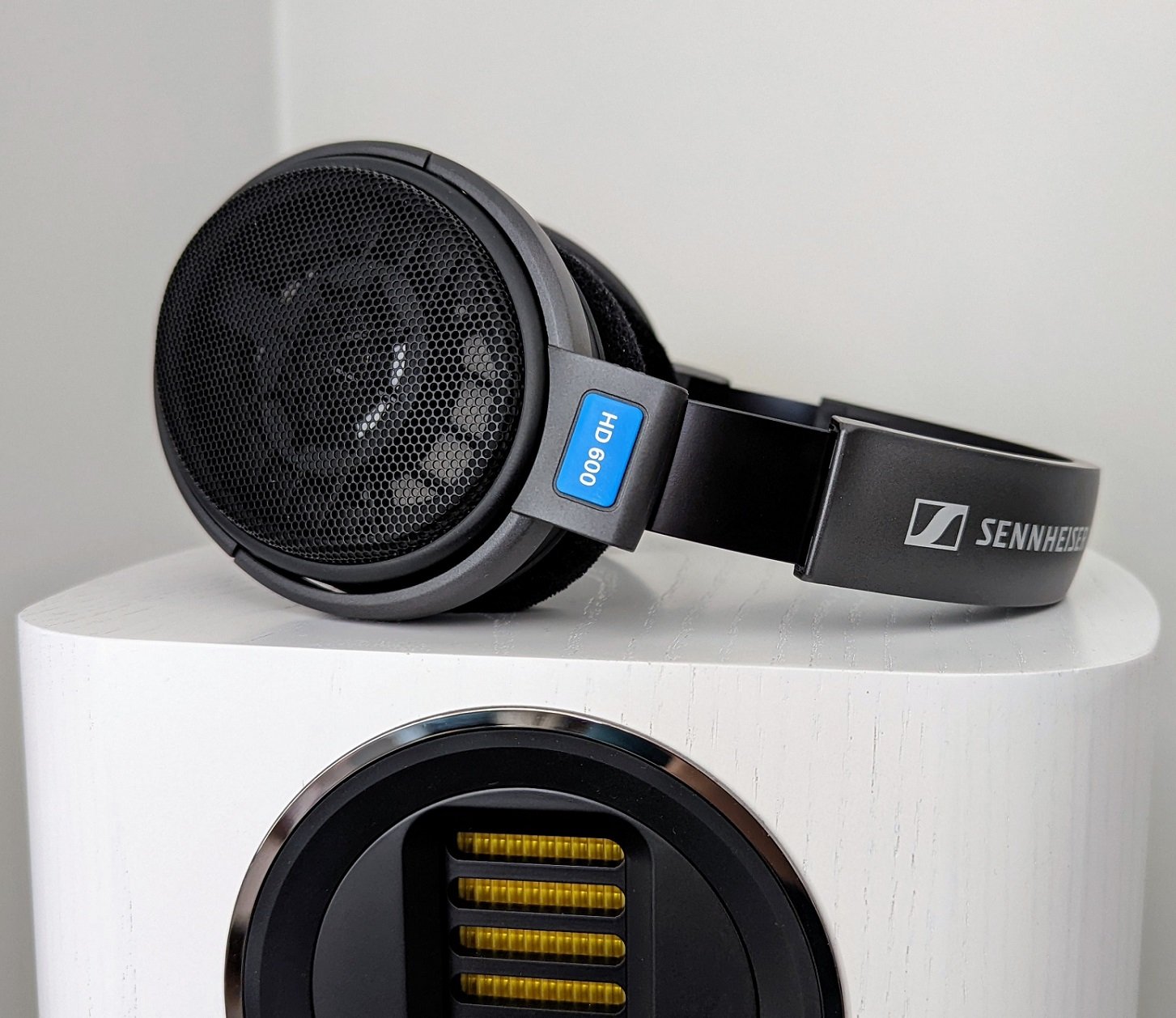
Table of Contents:
Information:
- Release year: 1997
- Price: 299 €
- Type: open, over-ear
- Dynamic driver: 40 mm
- Impedance: 300 ohm
- Sensitivity: 100 dB/mW
- Weight: 260 g
- Connector type: Sennheiser 2-pin
- Cable: 3-meter long cable with a 3.5 mm connector and a 6.35 mm adapter
- Warranty: 2 years
Review sample: Self-purchased product
Short history
The Sennheiser HD 600, released in 1997 (link to manufacturer's pages) is one of the oldest headphones still on sale. The headphones replaced the HD 580 model, released in 1993. Alongside the HD 600 itself, the slightly warmer and more relaxed-sounding HD 650 was released in 2003. Although the HD 650 model was considered a kind of upgrade to its predecessor, both headphones have their own advantages. They also have their own fans.
Both headphones in the HD 600 series (I don't include the HD 660S model in the original HD 600 series) are known for their natural sound and excellent mid-range frequencies. The HD 600 has not risen to classic headphone status for no reason, as in the late 1990s, it largely sounded like headphones are expected to sound today, 25 years later. The headphones' designer, Axel Grell, is himself one of the biggest celebrities in the headphone world, even though he now participates in slightly more unusual projects, such as Heavys headphones' design.
The original HD 600 is remembered for its distinctive marble pattern, but a more subdued dark grey version of the headphones was released in 2019. In 2021, Sennheiser also changed the ear pads of the headphones to slightly different ones, apparently when changing subcontractors. The sound is said to have undergone changes of no more than 1 decibel, while the durability of the pads should be slightly better. I have the new version of the headphones and the new pads for testing.
The HD 600 currently costs about 300 euros in Finland, with the HD 650 model costing about 50 euros more. Since 2016, the latter has also been available as a collaboration between Sennheiser and the Drop website, released as the HD 6XX model, which is sold in the United States for $240. I bought my own HD 600 headphones quite affordably from Verkkokauppa.com's outlet section, where customer returns are sold for up to half price. It's worth checking the site regularly, as product prices drop every couple of days if they don't sell in the meantime. All outlet products I've bought have been like new in condition, and they also come with normal return policies and an almost full warranty.
Structure and comfort
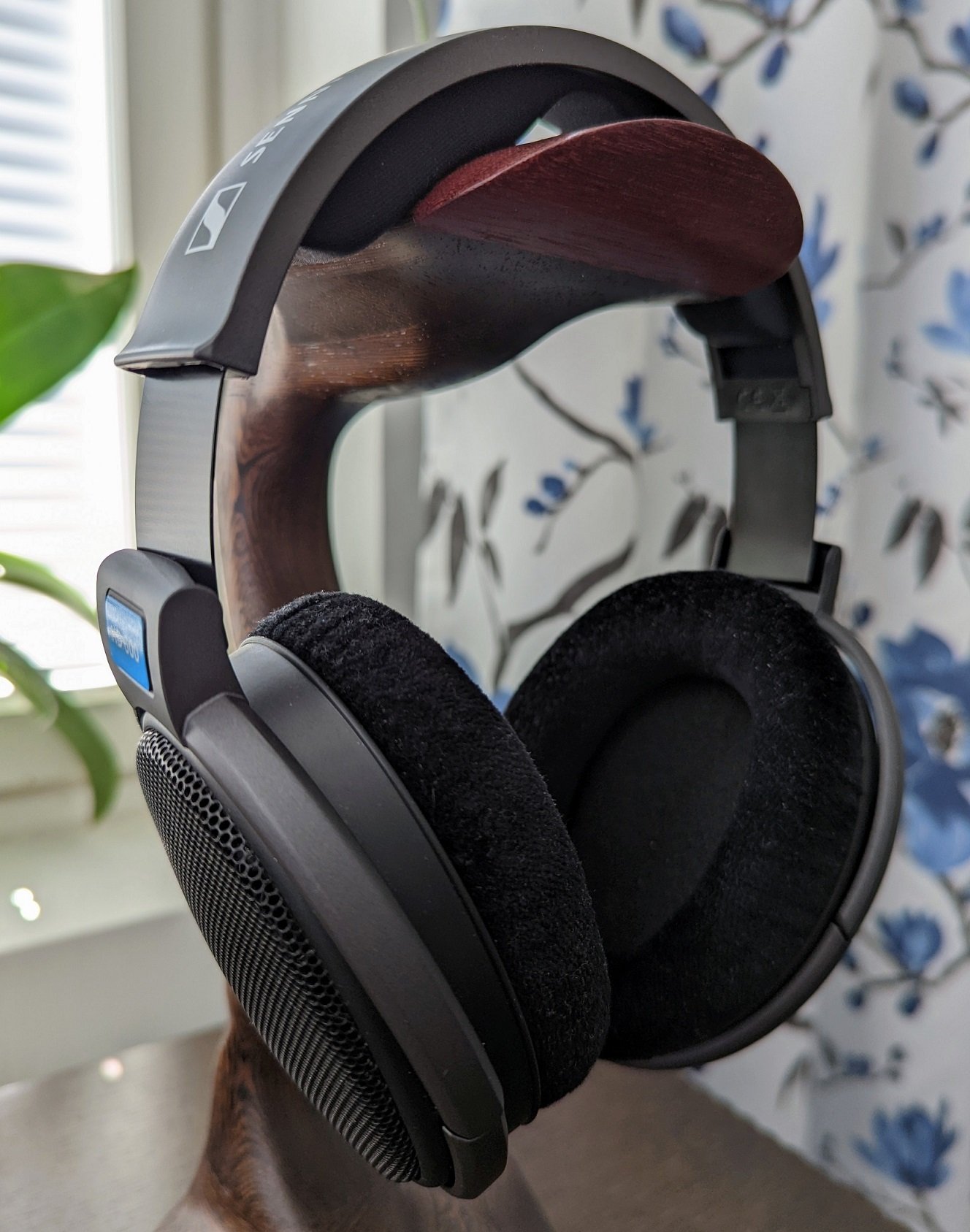
The HD 600 is externally a subdued-looking plastic headphone, yet it feels sturdy and high-quality. The headphones are known for their durability, and in addition, weighing 260 grams, they are also very light. The cup structure, with its metal grilles, is completely open, so ambient sounds pass through as if there were no headphones on at all. One of the best aspects of these headphones, in my opinion, is their ease of handling and carefree nature – this is, in a way, a forgotten feature in many headphones. Thanks to its shape, the HD 600 is easy to grip, and it's quick to put on from the edge of a table or place back on the table. Due to this, the headphones are excellently suited for everyday use.
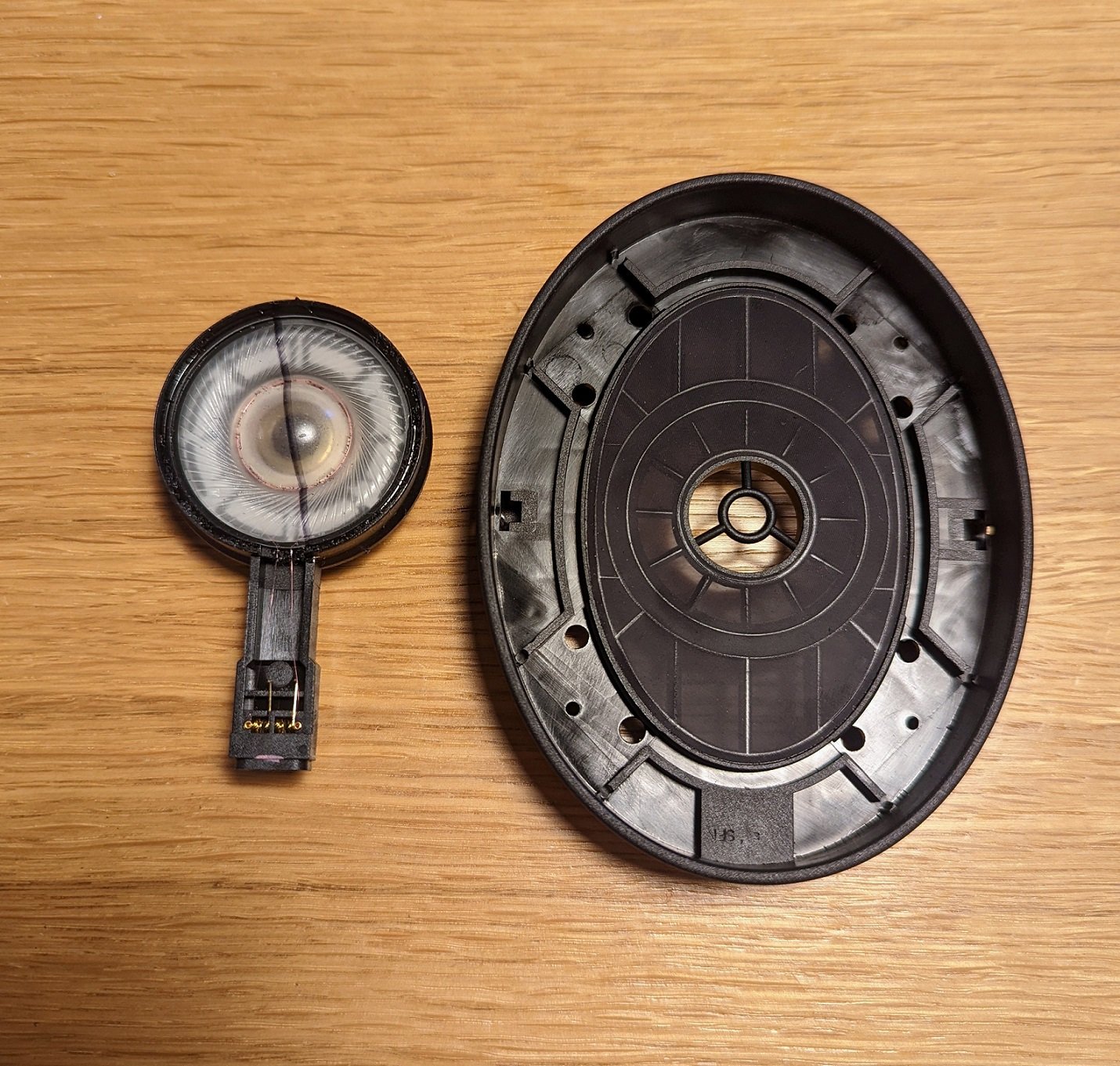
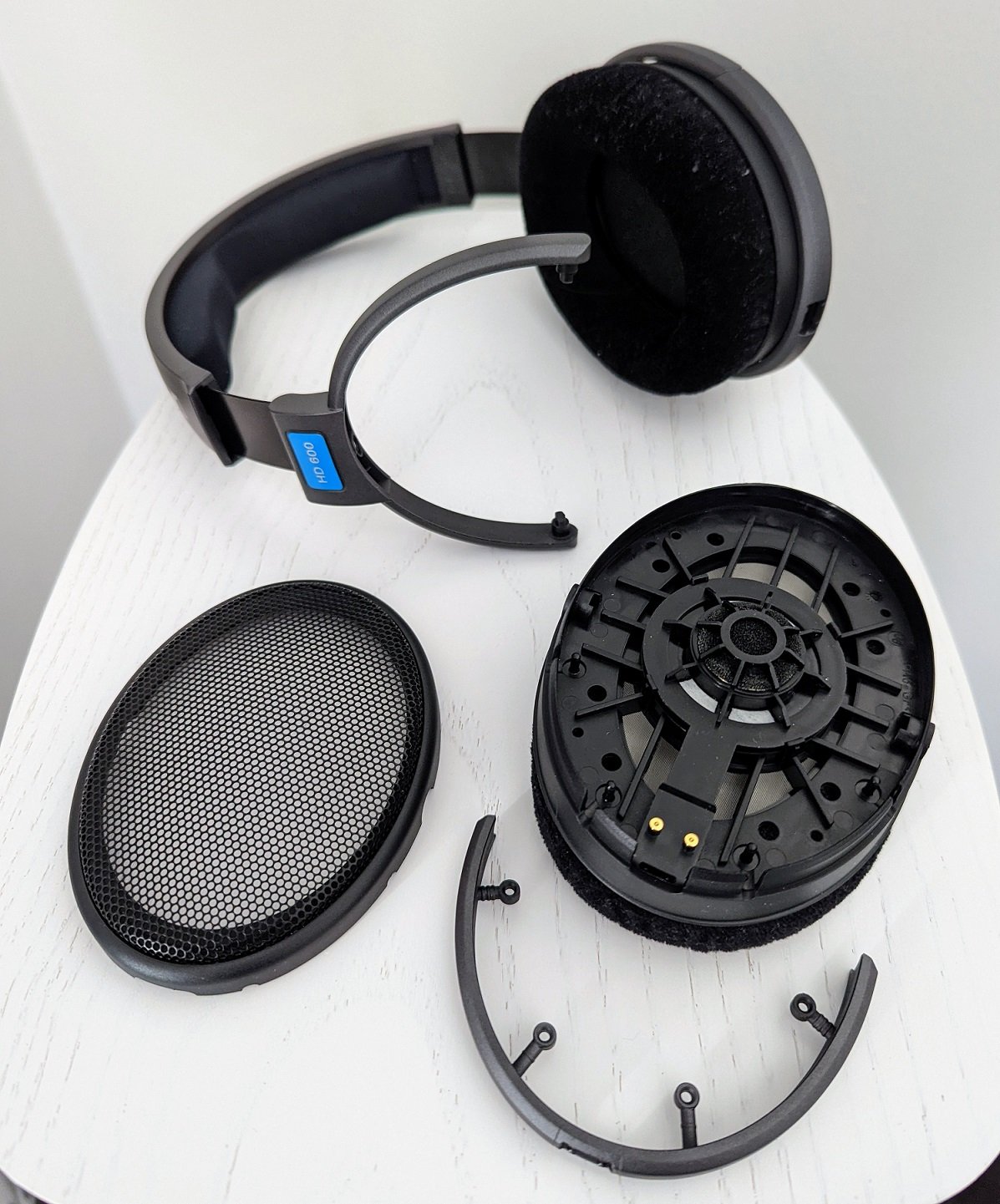
The headphones fit well on the head because their cups rotate sufficiently in both vertical and horizontal directions within the headband structure. The wearing height is adjusted by pulling the cups outwards incrementally from inside the headband. This structure is made of metal, so it can withstand even somewhat rougher treatment. Like the more expensive HD 800 model, the HD 600 can be disassembled into parts without special tools – in fact, it can be done with bare hands, except for the driver.
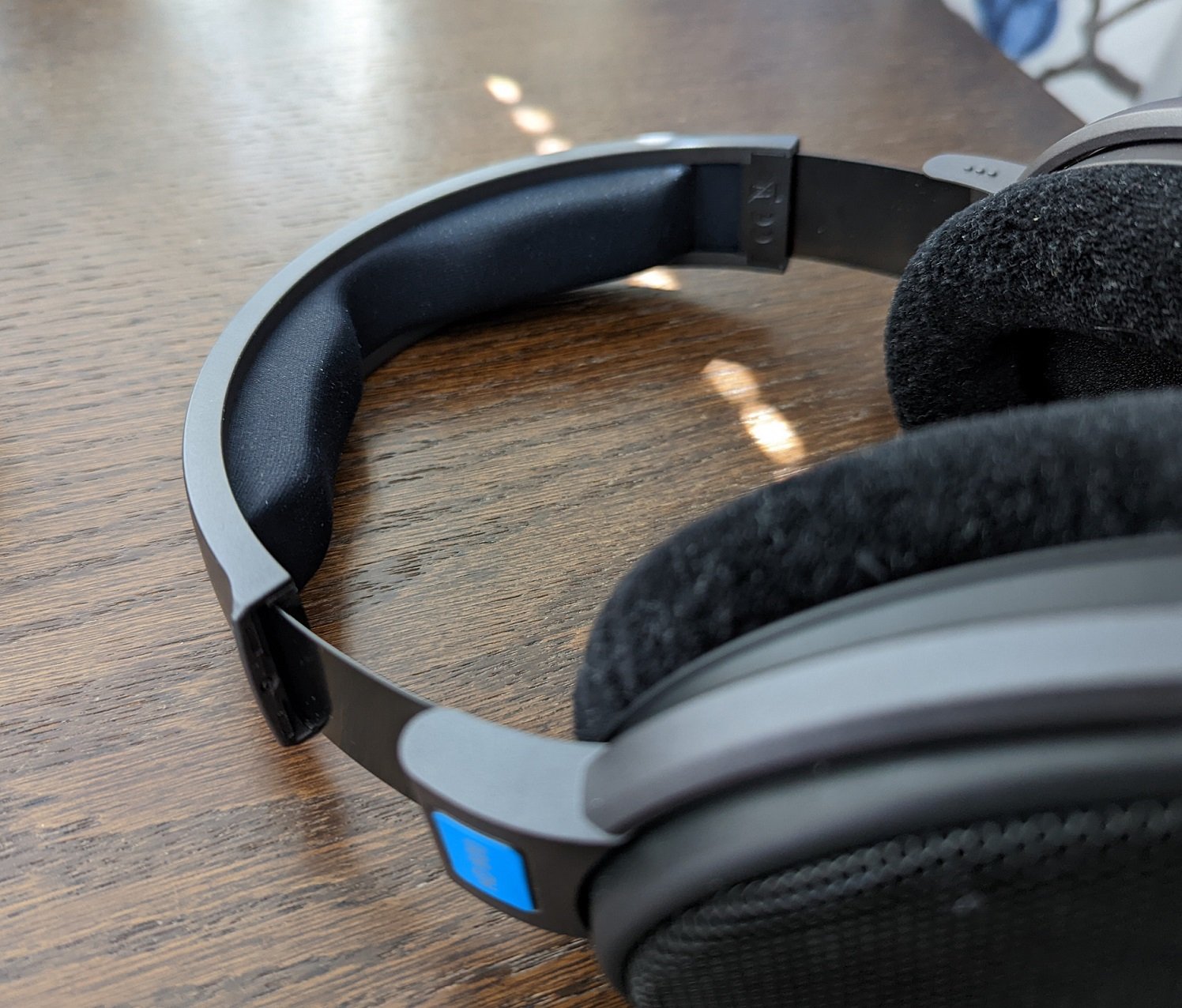
The HD 600's headband has a comfortably thick padding with a hollow in the middle, ensuring that no pressure is felt on the highest point of the head. Instead, during the first few weeks of use, the headphones press surprisingly strongly around the ears. However, the clamping force weakens slightly with use, so it's worth enduring the situation. If necessary, the metal parts of the headband can also be bent outwards to alleviate the situation. Once the headphones are 'broken in,' they become very comfortable thanks to their lightness.
Earpads:
For me, the only problematic aspect of the HD 600's comfort is the new ear pads, which have a narrower ear opening than before. My ears constantly touch the edges of the pads slightly, which is somewhat bothersome. However, one gets used to this with longer use. The pads are made of a pleasant-feeling velour material, so in that regard, they are comfortable. The height of the ear opening is also large enough compared to, for example, Hifiman Sundara's round pads.
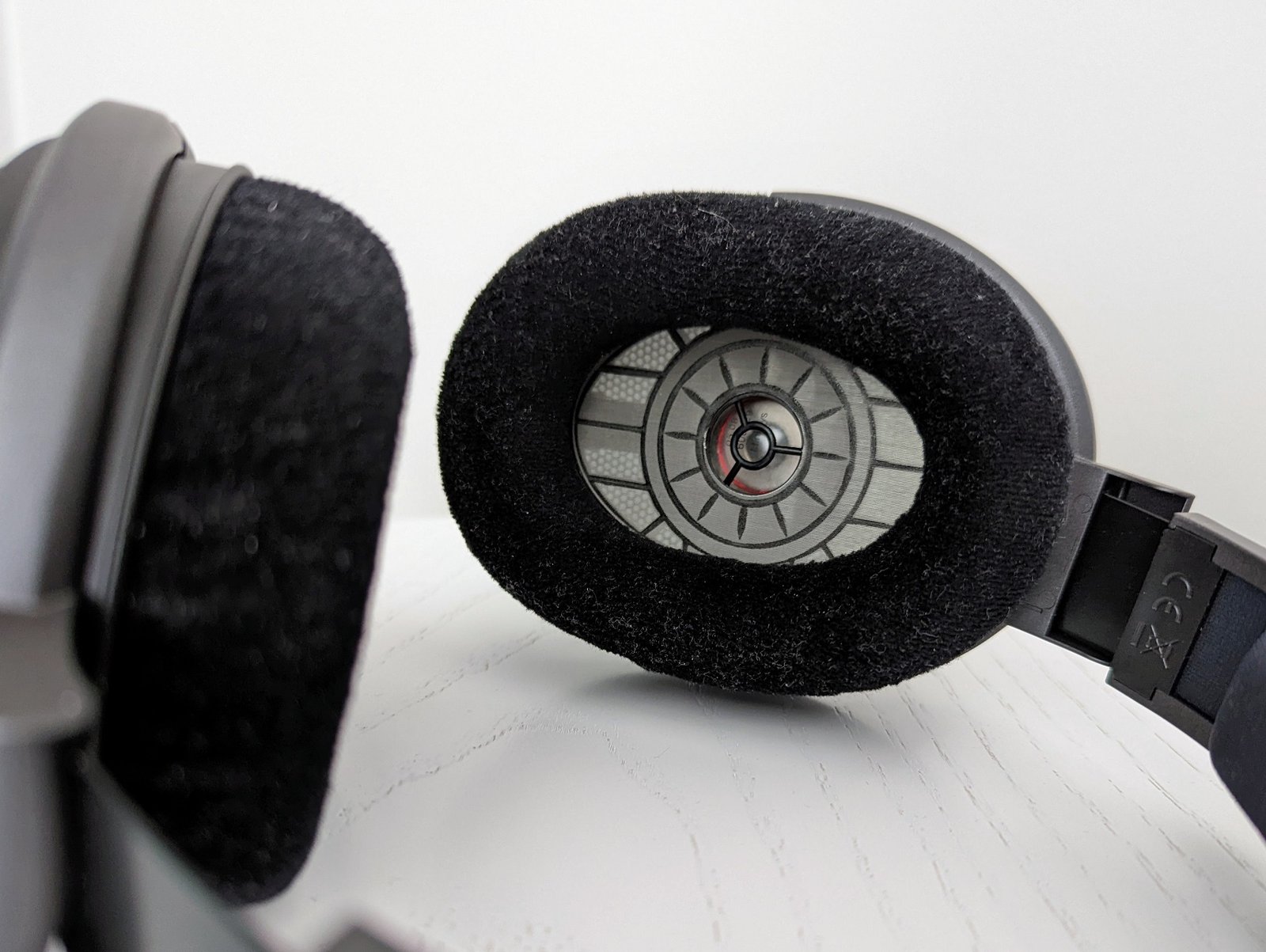
Sennheiser states that they have improved the durability of the redesigned pads in 2021, which remains to be seen. A weakness of all the manufacturer's velour pads has been their relatively quick flattening. According to some, the HD 600 series pads start to flatten after just a few weeks of use, after which changes occur in the headphones' frequency response. Therefore, the pads should be replaced quite often if the sound of the headphones is to be maintained.
Sennheiser's replacement pads are quite expensive, costing around 40 euros. However, nowadays this doesn't seem to matter, as replacement pads have not been available since March 2022. All pads from other manufacturers intended for the HD 600 series unfortunately change the sound for the worse, so the situation is somewhat bleak until Sennheiser makes its own pads available again.
Connectors and cable:
The HD 600 series headphones have a 2-pin connector, which, to my knowledge, is not used with similar wiring in any other manufacturer's headphones – Fostex uses the same connector with the pins reversed. Sennheiser's unusual choice of connector is saved by the fact that it has been used for 30 years. Various cables are readily available if the manufacturer's own cables are not to your liking. A detachable cable was generally a somewhat rarer feature in the 1990s, so I welcome it with pleasure.
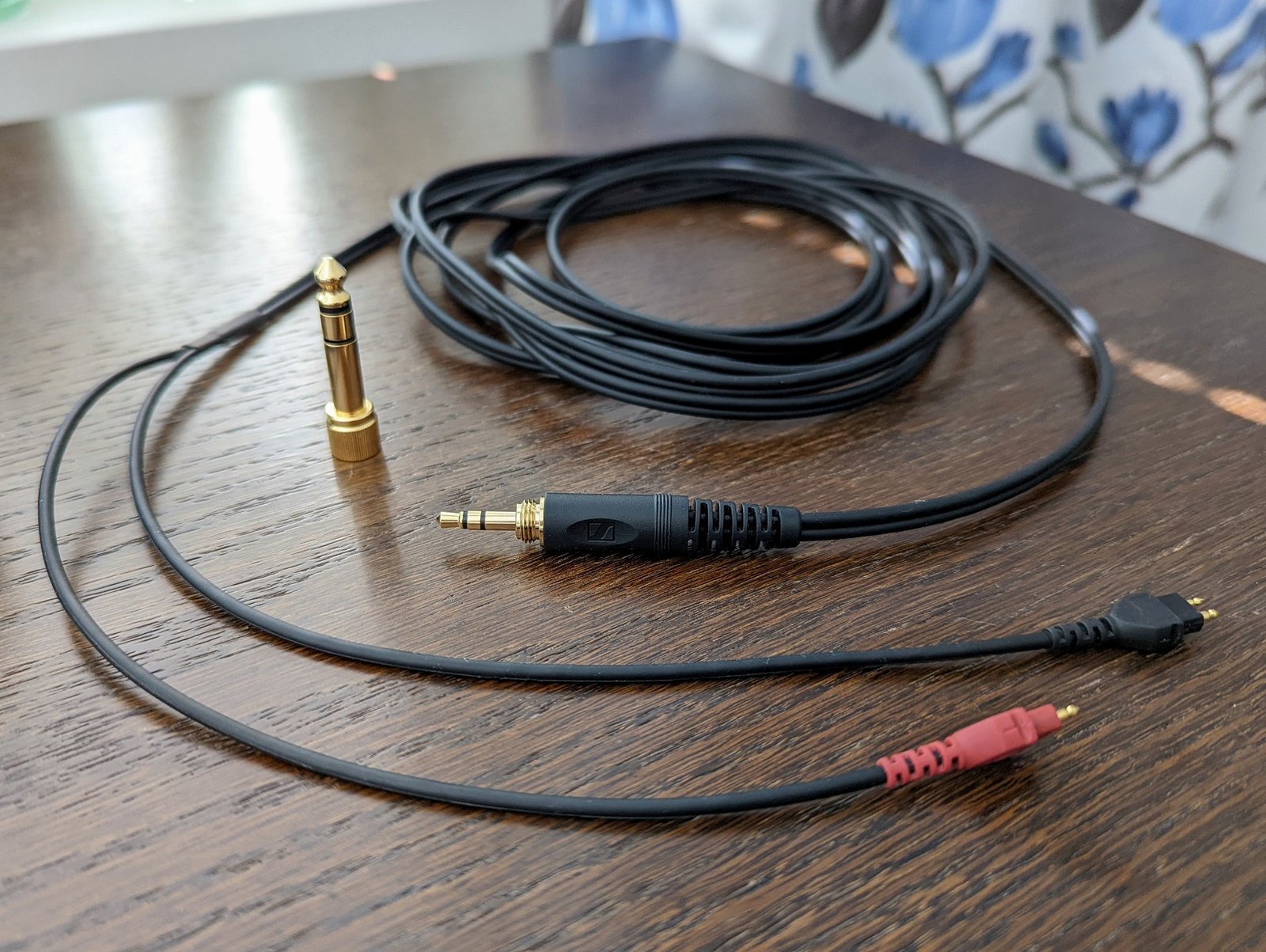
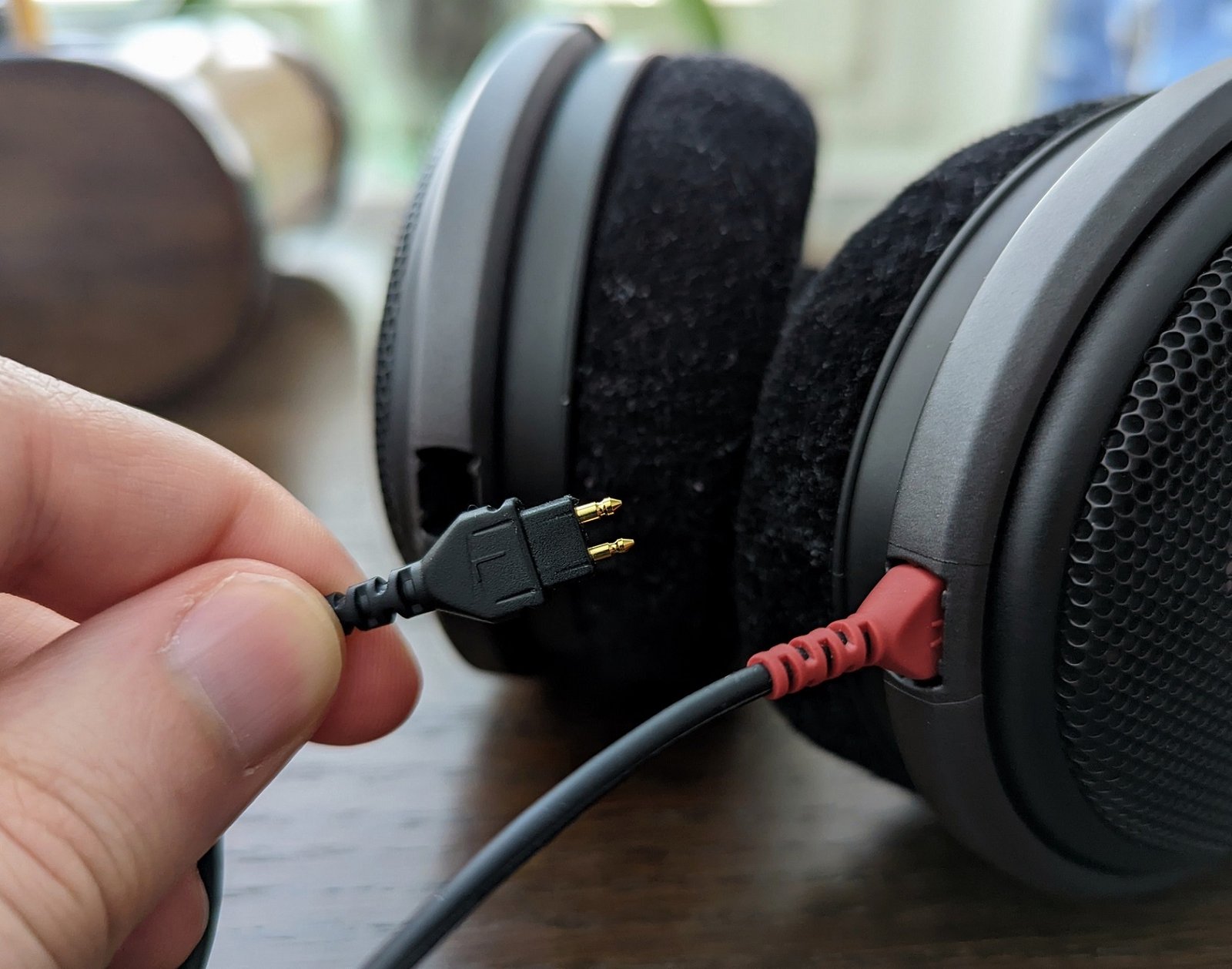
The cable that now comes with the HD 600 is only okay in terms of usability, as it is a full 3 meters long and easily gets tangled due to its sticky rubber surface. Furthermore, the splitter for the parts branching to the cups is too high, causing the cable to uncomfortably hit the neck and jaw when moving the head. The strangest thing about the cable, however, are the short connectors that sink so deep inside the cups that they cannot be removed except by pulling on the cable itself. Although this has been accounted for with strain relief, this method of removal goes against all principles. Why can't the connector be a few millimeters longer?
Sound quality
Notes on sound quality evaluation:
- DAC: Schiit Audio Bifrost 2 (link to review)
- Headphone amplifier: Burson Audio Soloist 3 X Performance (link to review)
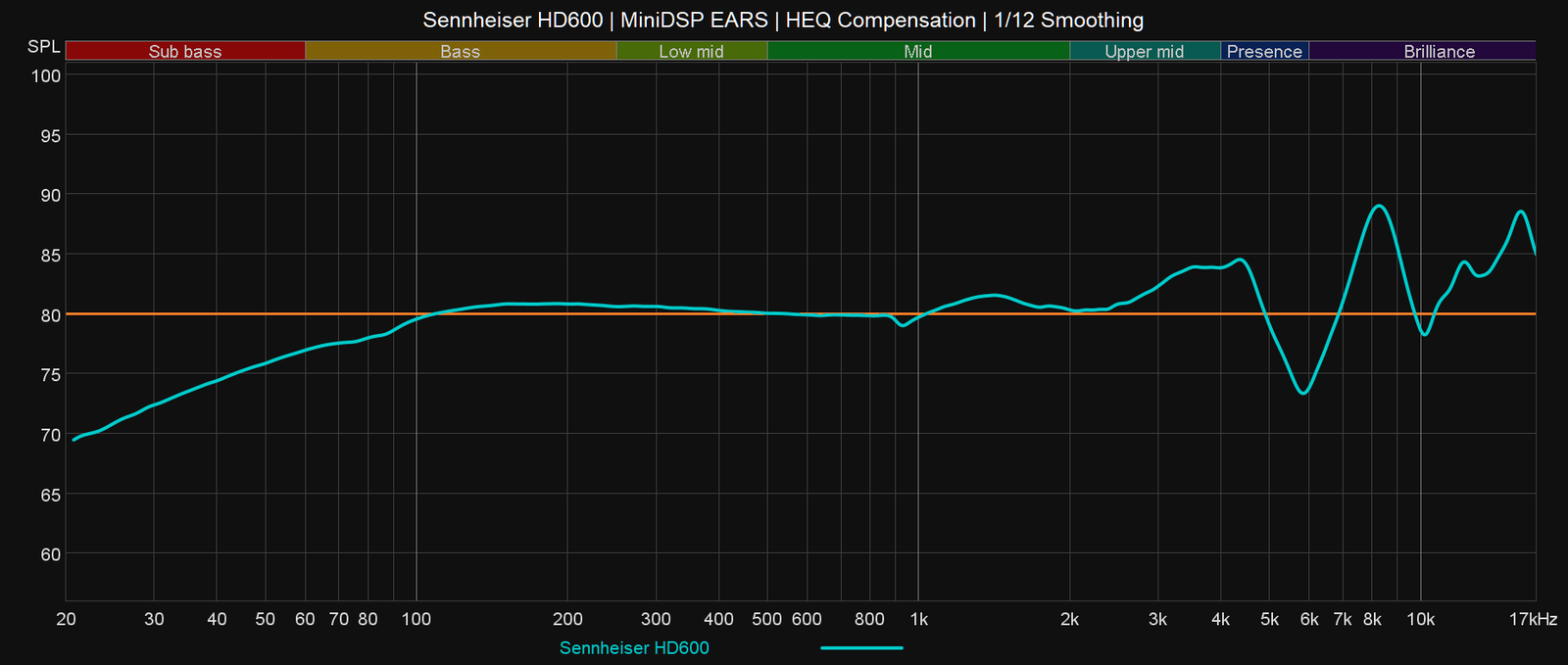
Headphone frequency response measurements were performed with the MiniDSP EARS device, about the use of which it is possible to read more in a separate article.
Frequency response:
A normal-sounding classic
From the first seconds, the HD 600 sounds normal and natural – this is still a rare strength in affordable headphones today. The HD 600 presents the most important part of music, the mid-frequencies, very faithfully to recordings, while at the same time being pleasantly slightly warm-sounding. The headphones' frequency response is very even and balanced, with the exception of the lowest bass frequencies. The original release date of the headphones begins to show its age most negatively in the bass reproduction.
In my opinion, the HD 600 is one of the best headphones for mixed everyday use. When listening to them, you can trust that everything sounds, so to speak, "right." For example, listening to speech while watching videos is really pleasant because the speaker sounds like a real person. The sound presentation is also so effortless and unobtrusive that you can, for example, work while listening to the headphones. Since the HD 600 also feels comfortable on the head, you can easily listen to them for several hours straight without noticing.
In my opinion, the Sennheiser HD 600 and HD 650 models have no challenger in terms of natural reproduction in the sub-1000 euro price range. Of the two, especially the clearer and airier-sounding HD 600 is a kind of reference for neutral sound. More critically evaluated, however, many modern headphones have surpassed it, especially in bass intensity. The headphones also have a rather narrow-sounding and imprecise soundstage, and the separation of individual sounds is not the clearest either. However, these are relatively minor issues, as the headphones are competitively priced.
Bass:
Bass reproduction is clearly the HD 600's biggest weakness. The headphones have a pleasant amount of upper bass frequencies, but due to the faintly audible sub-bass, all bass-heavy music sounds light and, in a way, empty. This kind of bass reproduction was normal in the 1990s, but nowadays more is expected from versatile headphones.
Unlike newer headphones, the HD 600's bass reproduction cannot be fully corrected with equalization, as the distortion values of the bass frequencies are already high. The bass also sounds qualitatively unusually soft, which is certainly influenced by the age of the driver used in the headphones. However, as long as music with less sub-bass is listened to with these headphones, the bass reproduction rarely evokes strong negative feelings in me. The bass is reproduced neutrally and quite forgettably.
Mid-frequencies:
The HD 600's extremely balanced and pleasant mid-frequencies, on the other hand, are the area for which the headphones are widely known. Instruments sound authentic and vocals come intimately close to the listener – although not everyone likes this presentation style. For comparison, the HD 650 model sounds somewhat congested to me due to its darker sound, so I was pleasantly surprised by how much clearer the HD 600 sounds. From a frequency response perspective, I have nothing negative to say about its mid-frequency reproduction.
The mid-frequencies largely conform to Harman's target curve, which is also evident from the frequency response mimicking the MiniDSP EARS device's HEQ compensation. No other headphone model I've tested measures as a straight line between 300–4000 Hz with the device, which is not a direct guarantee of good sound quality, considering that the target curve is just a rough generalization. For example, AKG's K371, which aims for a similar frequency response, sounded very unnatural to me, as if no one had listened to the headphones during their design phase. Compared to that, the HD 600's sound is extremely natural and effortless.
Treble:
In my opinion, the amount of treble in these headphones is just right. I like that the high frequencies sound a bit airier than in the HD 650 model, without being significantly heavier to listen to. The HD 600's treble first brings to mind properly implemented neutrality, as high notes are reproduced naturally in style. The quality or resolution of these frequencies doesn't compare to, for example, the Hifiman Sundara, but there's no major fault in a more relaxed style either. The Sundara often sounds more analytical, whereas the HD 600 only emphasizes high frequencies too much if the listened track is bright-sounding.
Audio description:
One weakness of the HD 600 can be considered its small and rather imprecise soundstage. The sound almost entirely stays inside the listener's head with these headphones, which can bother some. However, the presentation is simultaneously open and airy, so the headphones don't sound too claustrophobic to me.
The bigger problem with the soundstage is that sound is heard punctually only directly in the center and directly to the side at the level of my ears. The presentation is, in a way, completely pre-digested, and nothing interesting happens in the soundstage. On the other hand, the headphones are effortless to listen to because everything is so easily presented.
Part of the headphones' small soundstage is due to the strongly present mid-frequency tuning. The intimate reproduction style is, in my opinion, both a strength and a weakness of the HD 600, depending on who you ask. I personally don't find it too distracting, but I would wish for sounds to be localized a bit more precisely in the soundstage. For example, the Hifiman Sundara is a significant improvement in terms of soundstage accuracy and depth.
Technicalities:
The HD 600 is not technically top-tier in its price range, largely due to numerous Hifiman planar headphones that reproduce sound more clearly and separate details more distinctly. For example, compared to the Sundara, the HD 600 sounds aged and conventional. However, in my opinion, these headphones are still an improvement compared to many dynamic headphones under 200 euros, so the current 300 euro price feels quite justified considering the overall package.
Although the headphones cannot break down music into smaller parts like the Sundara, they are detailed thanks to their excellent frequency response – nothing intentionally included in recordings goes unheard. The HD 600 is proof that even more affordable headphones can be detailed, even if the driver's speed and resolution are not on par with more expensive headphones. The Sundara, about 50 euros more expensive, still offers a significantly better taste of what technically good headphones sound like.
Confirmation
Sennheiser's HD 600 and HD 650 are specified as 300-ohm headphones, but their impedance rises to up to 500 ohms at bass frequencies. For this reason, it is definitely advisable to use an amplifier with these headphones that can supply them with enough voltage. Low-power mobile devices may not be capable of this if a relatively high volume is desired. Bass reproduction and dynamics may also be weaker, although this can be difficult to notice at more moderate volumes.
The impedance variation also explains why the HD 600's sound changes significantly with tube amplifiers. The result is truly different, for example, between the Burson Audio Soloist 3XP transistor amplifier and the Tor Audio Roger tube amplifier. With the former, the headphones are neutral in style but pleasant reference headphones, whereas with tubes, the sound becomes really fun. Reproduction (especially bass) becomes thicker and the soundstage more interesting. The Tor Audio Roger effectively compensates for the headphones' weaknesses, but the reproduction can no longer be called neutral. Based on this, tube amplifiers offer interesting options for fine-tuning the sound.
I found the headphones to sound good even with the small Qudelix 5K Bluetooth DAC/amplifier combo device, which has a built-in crossfeed function. When I set this setting to 25/50, the sound in the HD 600 shifts just right from inside the head to diagonally forward in front of the eyes. This fills in the empty spaces in the soundstage, so I no longer pay as much attention to its smallness. The Qudelix also includes an equalizer, so when using it, I add a little sub-bass to the headphones. In my opinion, this is all the HD 600 needs to sound more modern.
Many approach the HD 600/HD 650 model by considering that the purchase price of the headphones is affordable, but their full potential is only realized with better equipment, the cost of which should be included in the total price. Despite their affordable price, the headphones highlight equipment changes well, so listening to them with a significantly more expensive listening chain is not ridiculous, especially if you already own the equipment. However, a beginner headphone enthusiast should not invest excessively in equipment solely for the HD 600, because at that point, acquiring a more modern headphone model would be a more sensible option.
Comparison to other models
Sennheiser HD 600 vs. HD 650
Prices: 300 € vs. 350 € (HD 6XX available slightly cheaper)
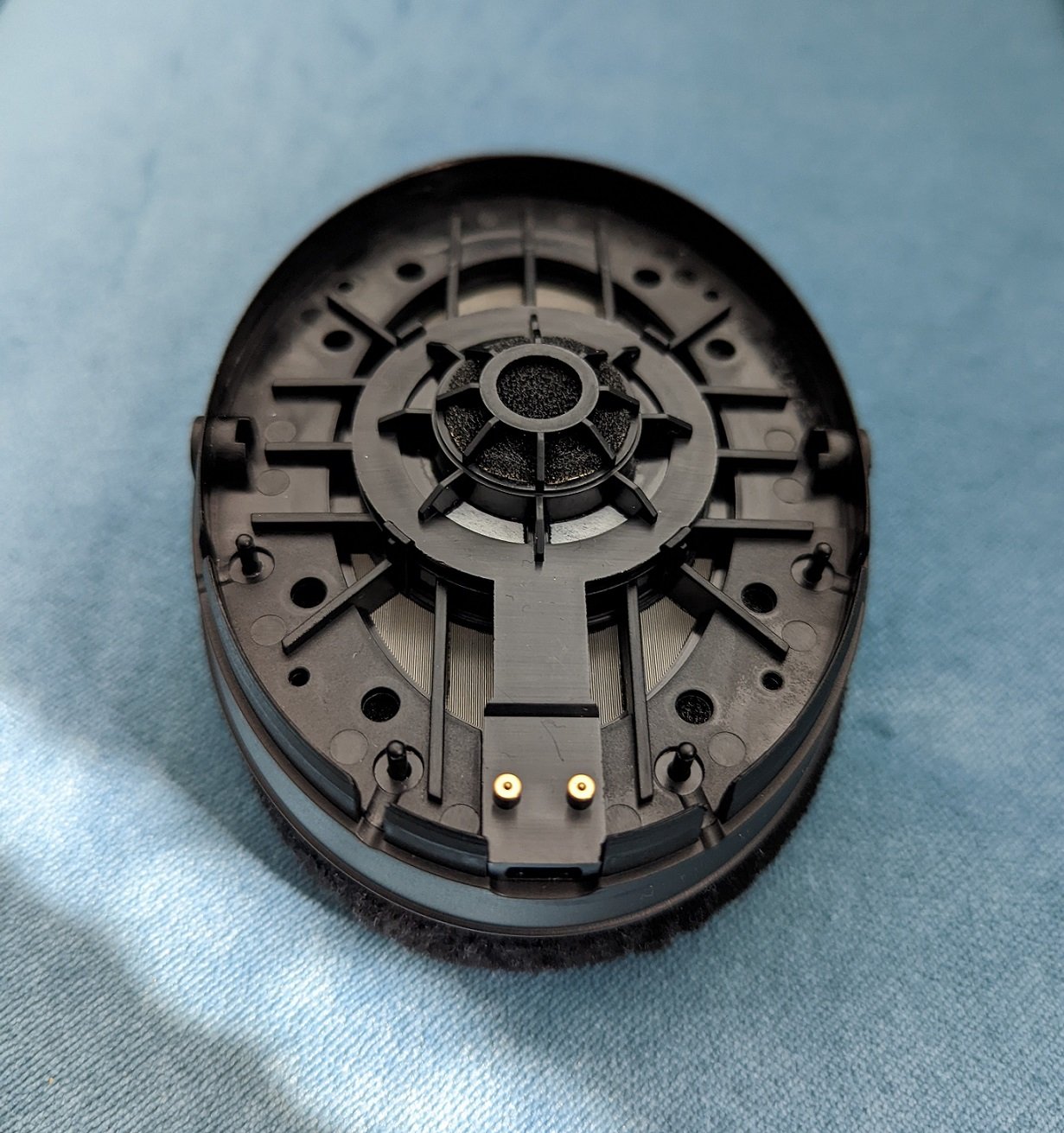
The HD 600 and HD 650 (or HD 6XX) are identical in external structure, and there isn't a big difference in their sound either. The HD 650 has slightly more bass and less treble because Sennheiser has added more airflow-restricting foam behind its driver. This makes the headphones sound warmer but more veiled than the HD 600.
In my opinion, the HD 600 sounds better of the two because it is clearer, airier, and more neutral-sounding. The HD 650's fuller mid-bass and more relaxed treble are in principle better suited for listening to heavier music, but the reproduction sounds quite congested in even slightly faster-paced music. The HD 600's added clarity also makes its soundstage less claustrophobic, even though both headphones sound small. I still understand the popularity of the HD 650, as its sound has a pleasant warmth somewhat similar to ZMF headphones.
Sennheiser HD 600 vs. HD 580 Precision
Prices: 300 € vs. 50–400 € (price of used headphones varies according to demand)
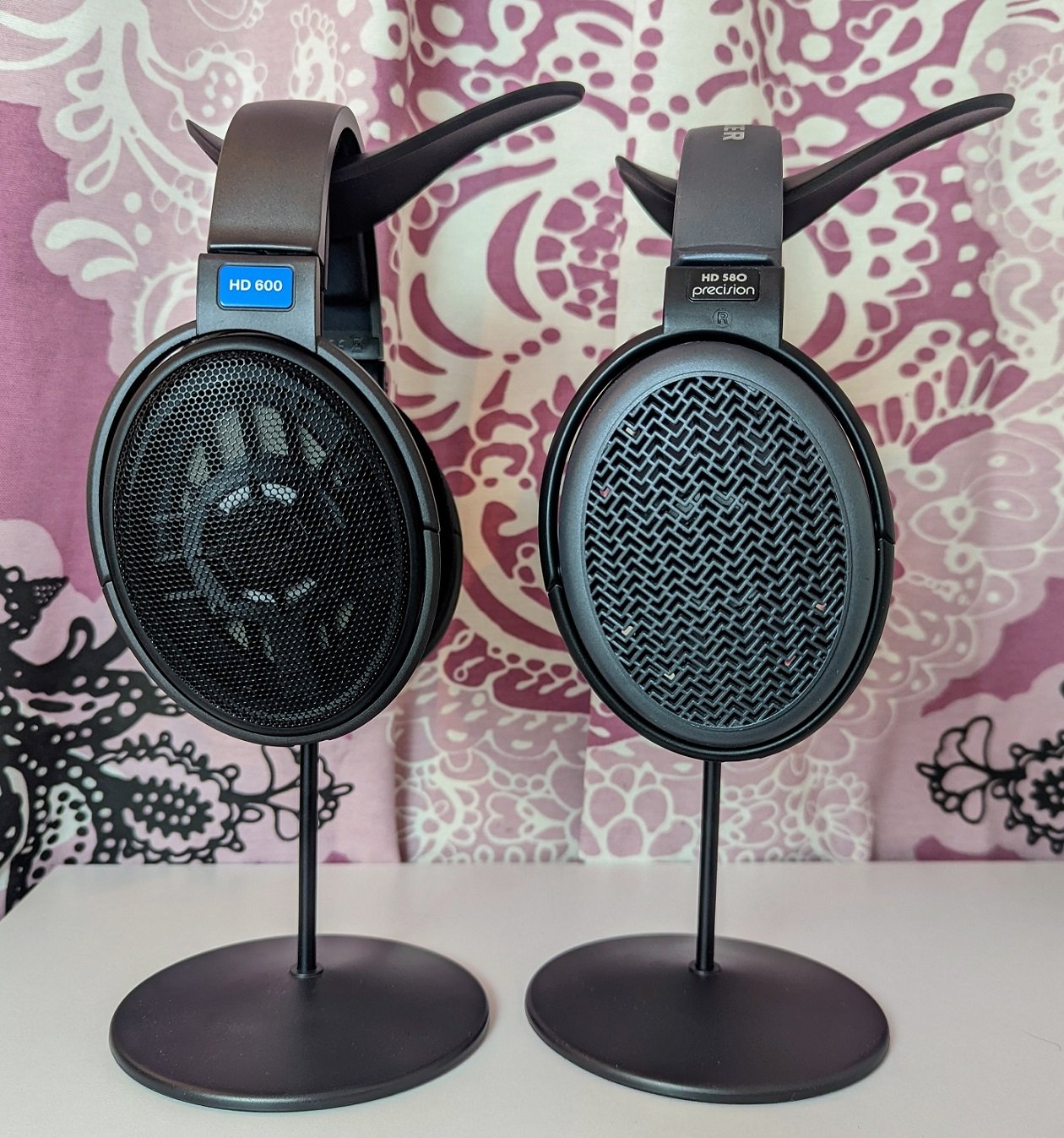
The HD 580 Precision, released in 1993, is the predecessor of the HD 600, released in 1997, although the HD 580 Jubilee (Drop website's HD 58X Jubilee got its name from this), which is closer to the HD 600 model in both appearance and sound. The HD 580 Precision is almost identical in structure to the HD 600, but its earcups feature interestingly patterned plastic grilles instead of metal ones. The headphones are also made of cheaper-feeling plastic, so they don't feel as high-quality a product as the HD 600. However, in terms of functionality and comfort, the headphone models are similar.
I own the so-called third version of the HD 580, manufactured around 1995–96, where the fabric around the driver is made of black synthetic fiber. The raised nameplate on the headband also differs from older production batches.
According to headphone enthusiasts, different versions of the HD 580 sound slightly different from each other, so the prices of rarer ones on the used market are quite high – sometimes even more is paid for them than for a new HD 600. This is also partly due to the fact that the HD 580, due to its age, is seen as a kind of vintage product, associated with nostalgic images. Many think old headphones sound better than new ones, but I won't comment on that with my limited experience.
Frequency responses with the same pads: HD 600 (turquoise) and HD 580 (orange)

The headphones are almost identical in their overall sound, so the HD 600 can be seen as a minor fine-tuning in terms of frequency response compared to the older HD 580 Precision model. When compared consecutively, the HD 580 mainly sounds slightly brighter and sharper, which can also be concluded from my MiniDSP EARS measurements. The mid-frequencies and bass reproduction in both headphones are very similar.
The additional brightness of the HD 580 makes it sound slightly fresher and with a larger soundstage, but the treble quality is a downgrade compared to the HD 600 model – the sound is rougher. The HD 600 also sounds more precise because its sound is less hazy. Small improvements have been achieved in every aspect compared to the previous model, so the HD 580 is only better if its brighter sound is more pleasing. However, some other version of the HD 580 might sound different, and the used pads also affect the final result.
An affordably purchased HD 580 is an excellent alternative to the HD 600 series headphones, as it fundamentally offers a very similar listening experience. However, it's not worth paying several hundred euros for headphones unless it's for a hobby. What's fascinating about the HD 580, in my opinion, is how good it sounds for a headphone model that is almost 30 years old.
Sennheiser HD 600 vs. Hifiman Sundara (2020)
Prices: 300 € vs. 350 €
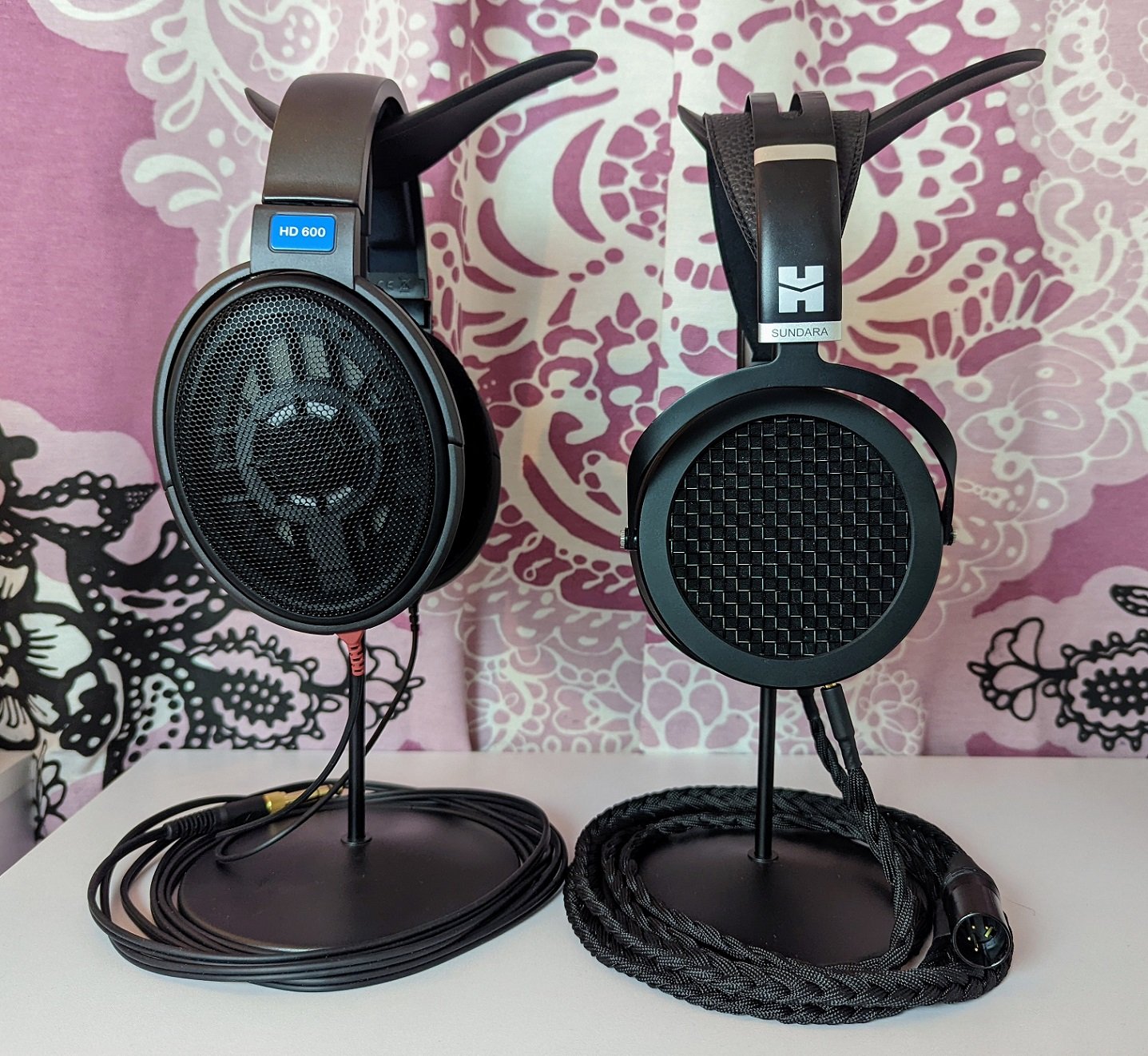
We have previously stated in Kuulokenurkka that the Hifiman Sundara (link to a comprehensive review) is a kind of 2020s version of Sennheiser's HD 600 series. The Sundara costs roughly the same nowadays and has a very balanced and accurate frequency response. The headphones also address almost all the weaknesses of the HD 600 model in bass reproduction, soundstage, and resolution. However, the two sound different enough that they can even be seen as complementing each other in situations where one's sound is not pleasing.
Before a more detailed evaluation of the sound quality, I will mention about the external appearance of the headphones that despite its plastic construction, the HD 600 feels like a more quality-made product. The attachment of different parts and tolerances are tighter, whereas the Sundara creaks and rattles when moved. However, the metal construction of the Sundara otherwise feels sturdier and more confidence-inspiring.
Comfort in both headphones is good, provided the listener's ears fit inside the ear pads. The HD 600 has slightly too narrow pads and the Sundara has slightly too shallow pads. The Sennheiser model clamps the head more firmly, so wearing the Sundara might be a bit more relaxed for many. Also, the wider headband of the Sundara feels more pleasant against the head than the narrow padded part of the HD 600. However, the Sennheiser headphones weigh 100 grams less, so their presence is easier to forget during longer listening sessions.
Frequency responses: HD 600 (turquoise) and Sundara (violet)

Compared to the HD 600, the Sundara is an improvement in everything else except the naturalness of reproduction. The Sundara reproduces sub-bass significantly better, and there is also more power and tightness in the upper bass frequencies. The mid-frequencies in the Sundara, in turn, are even clearer and more engaging, so the headphones activate the listener more than the HD 600.
The Sundara's presentation is also more spacious because the mid-frequencies are reproduced thinner and less 'in your face' between 1–3 kHz. In this regard, however, the HD 600, when listened to consecutively, sounds more pleasant and lively to me, while the Sundara remains somewhat emotionless. Nevertheless, one gets used to the Sundara's presentation quite quickly, after which the matter bothers less.
The biggest single difference between the two is in treble reproduction, as the Sundara reproduces high frequencies very distinctively and strikingly. The headphones immediately impress by showing what the HD 600 lacks in detail. The Sundara also sounds more technical and distinctive in other frequency ranges, making it significantly easier to perceive smaller details than with the HD 600. The Sundara also has a wider and more precise soundstage, making it overall more reminiscent of high-end headphones. All this is available for an additional 50 euros, so the Sundara objectively offers more value for money.
The advantage of the HD 600, on the other hand, is a warmer and more pleasant sound that more closely resembles the real world. Despite its excellence, the Sundara often leaves me cold, because music is reproduced with a cool and analytical tone due to thinner mid-frequencies and more emphasized treble. I'm sure this doesn't bother many others, but I personally can't fully immerse myself in the listening experience. For this reason, I don't believe the Sundara will ever become a classic like the HD 600.
Regarding different music genres, the Sundara is nevertheless a more versatile headphone, as even modern music with more bass sounds good with it. High-quality music also gets more out of the Sundara. The HD 600, on the other hand, is at its best with music from its own era and, for example, slightly older rock music.
Concluding remarks:
Both headphone models ultimately offer what the other lacks. The Sundara is an excellent taste of what headphones in higher price ranges sound like technically. Because of this, it is, in my opinion, a more sensible choice for most than the older HD 600. However, the Sennheisers sound more pleasant to me, so it's easier to find use for them, even though I already own significantly better headphones. The Sundara, on the other hand, easily becomes redundant when acquiring better headphones due to its slight soullessness.
Summary
The HD 600 is still today a reference headphone for proper mid-frequencies. Bass reproduction and detail separation, on the other hand, have fallen furthest behind more modern headphone models, and the soundstage cannot be praised as exceptional either. The overall package is still quite strong considering its 300 euro selling price.
The headphones don't make a big impression by modern standards when listening, but they are pleasant and effortless to listen to. Because of this, they are excellent headphones for the right use case – if the strengths of the HD 600 suit one's preferences, there might not even be a need for better headphones. The HD 600 is also an interesting purchase for tube amplifier owners due to its high impedance. Many newer low-impedance headphones are less suitable for similar use.
For me, the HD 600 is used as a kind of all-rounder, easy to grab from the desk and put on in any situation. The headphones are light on the head, and I know they are also durable, even if I don't always store them correctly. I could even be quite satisfied with the HD 600 model if necessary (especially with a tube amplifier), if all my better headphones were taken away from me. For example, the Hifiman Sundara would be a better headphone by many metrics, but I happen to prefer the HD 600's more natural presentation – many others might make the choice the other way around. Instead of following the opinion of a single reviewer, it's always advisable to form your own opinion about headphones.
Pros and cons:
+ Pleasantly implemented neutral frequency response (suitable as a reference headphone)
+ Balanced and natural mid-frequencies
+ One of the best headphones for lovers of intimate vocal performances
+ Appropriately proportioned treble reproduction
+ Excellent for relaxed listening
+ Lightness, usability, and comfort of use
+ Durability despite plastic construction
+ Can be easily disassembled for maintenance and spare part installation
+ Reasonable price and good availability
+/- Reacts well to hardware changes thanks to 300 ohm impedance, but the need for a good headphone amplifier increases acquisition costs compared to headphones that can be listened to directly with mobile devices
– Weak and old-fashioned bass reproduction
– Narrow and imprecise soundstage
– Resolution does not compare to similarly priced planar headphones
– Earpads wear out quickly
– The headphones press strongly on the head, which can be disturbing for some
– The included cable is unnecessarily long and the connector is difficult to remove from the headphones
– Availability of spare parts has deteriorated (basically almost non-existent) during 2022
 EN
EN  FI
FI
The spare parts situation seems bad after the sale of Sennheiser's headphone business, but last week parts did arrive from Thomann again. My own headphones are 23 years old, so for durability and spare parts policy so far 10+. I'm already factoring into the budget that if I buy new headphones now, they won't even last five years.
Sennheiser HD 600, HD 580 Precision and HD 580 Jubilee use exactly the same Sennheiser headphone driver part number 091570.
Is the Sennheiser HD 660s and HD 58x Jubilee driver also a common 150ohm version for these two models?
The drivers of the HD 660S and HD 58X have the same diameter and impedance, as well as a diaphragm made of plastic material. They are also manufactured in the same factory. However, according to the manufacturer, it is not the same driver, but small differences can be found, for example, in the frame structure and damping.
Direct quote from Sennheiser: ”Though the HD 660 S and the HD 58X Jubilee are both dynamic driver designs made from our specially developed plastic, the same impedance ratings, and constructed in the same Ireland factory, they do not share a driver, and are in fact differently produced designs.”