Author: Sword of Damocles
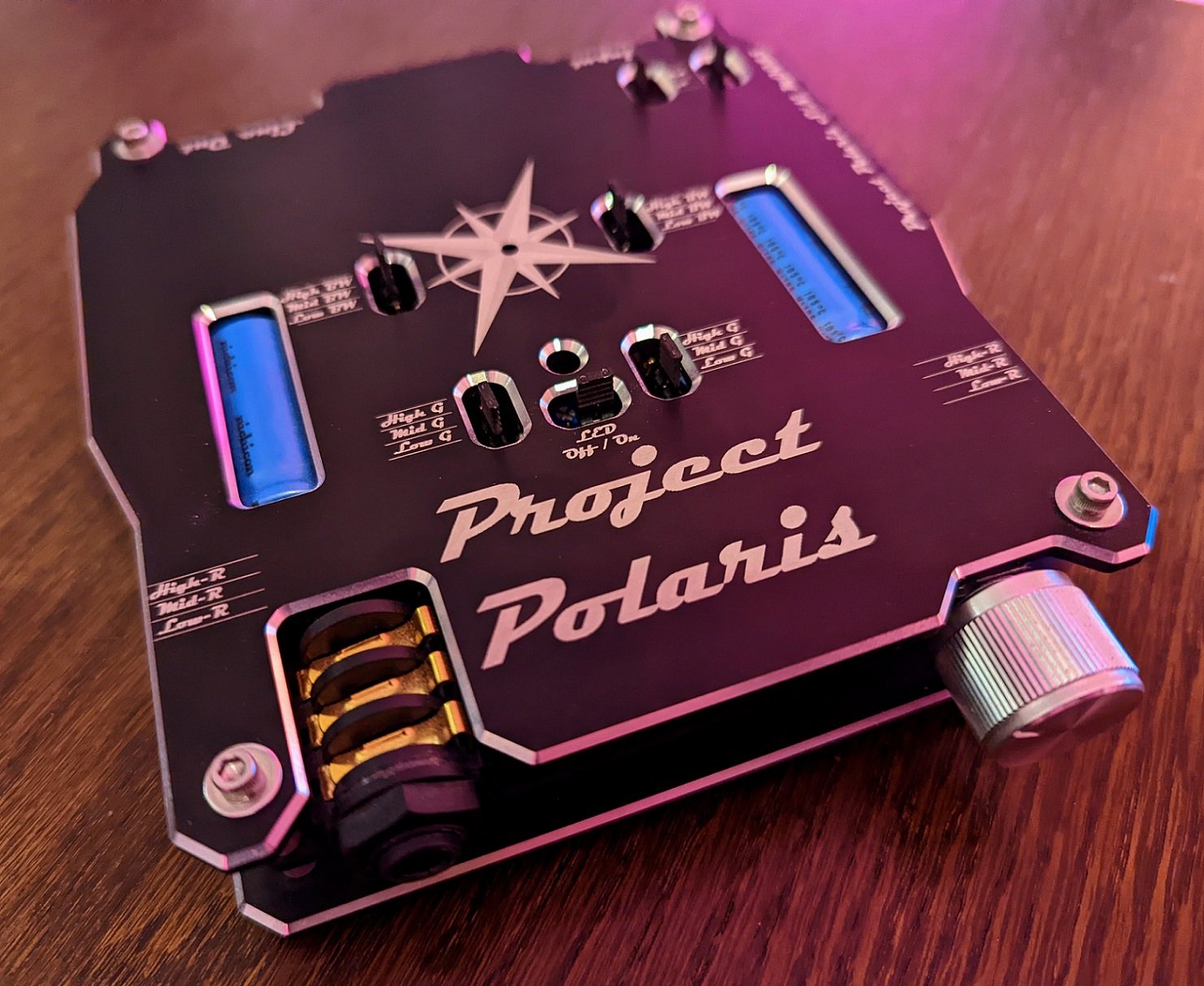
Table of Contents:
Project Polaris is a DIY Audio Heaven website-running Dutchman Frans's (known on several audio forums by the nickname Solderdude) designed solid state headphone amplifier, which is designed to sound like a tube amplifier. Project Polaris and other amplifiers designed by Solderdude can be purchased from the store run by Jeremy (who lives in Arizona) in the USA, Garage1217online store. Jeremy assembles ready-made amplifiers, but all amplifiers can also be purchased slightly cheaper as a self-assembly component kit (DIY kit, which includes components, a PCB, and an open enclosure).
Project Polaris costs approximately 250 USD when assembled with transparent acrylic enclosures and approximately 300 USD with significantly nicer aluminum enclosures. I bought my amplifier at the end of 2017, so I have had about four years to listen to it. Because the amplifier has several interesting and unique features, I believe it definitely deserves its own review in Kuulokenurkka. This is the first device review I've written, so for that reason, I want to start with a less serious amplifier.
Information:
- Price (DIY kit / assembled amplifier): With acrylic enclosures 220 / 255 USD, with aluminum enclosures 260 / 295 USD
- Solid state output stage and JFET input stage
- Power consumption: 0.03 A continuous, 0.25 A peak
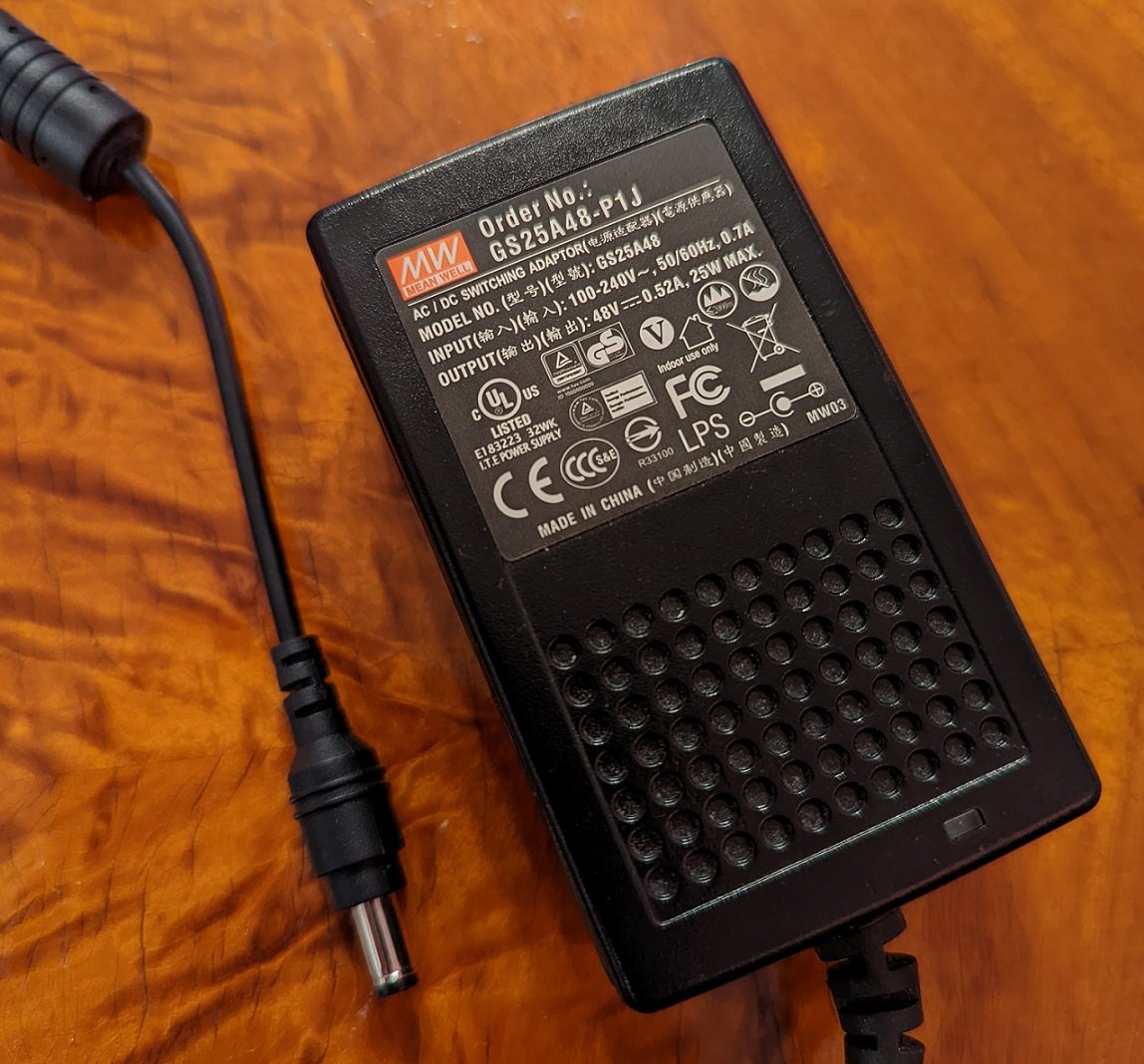
- Power supply: 48 VDC
- Gain settings: 12.5x / 7.5x / 4.5x without attenuation module (half less when module is active)
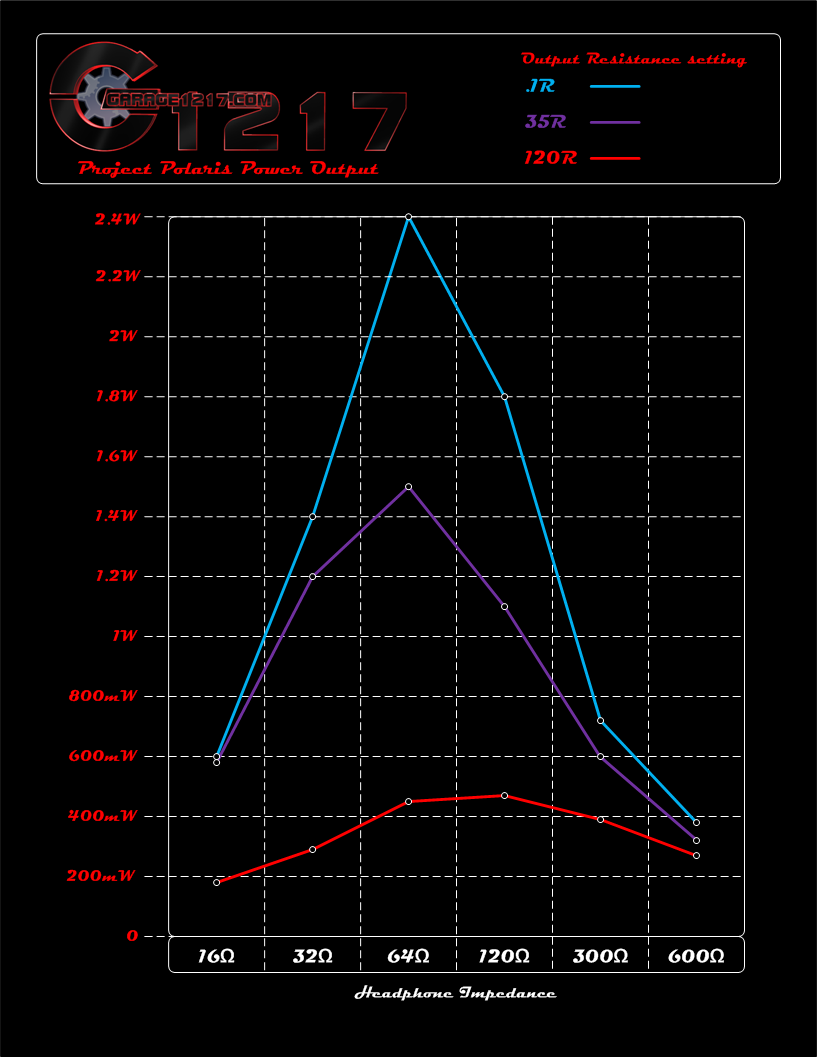
- Maximum output power: 2.4 W (64 ohm)
- Maximum output voltage: 16 Vrms at 300 ohms
- Maximum RCA connector output voltage (pre-amp feature): 2.9 V
- Output impedance: selectable 0.1, 35 or 120 ohms
- Dynamic range: 108 dB
- Noise level: -109 dB
- Crosstalk: -98 dB (conservative estimate)
- THD: > 0.045%
- Suitable headphone impedance: 16–600 ohms
- Three bandwidth settings, which can be used to cut treble reproduction if necessary
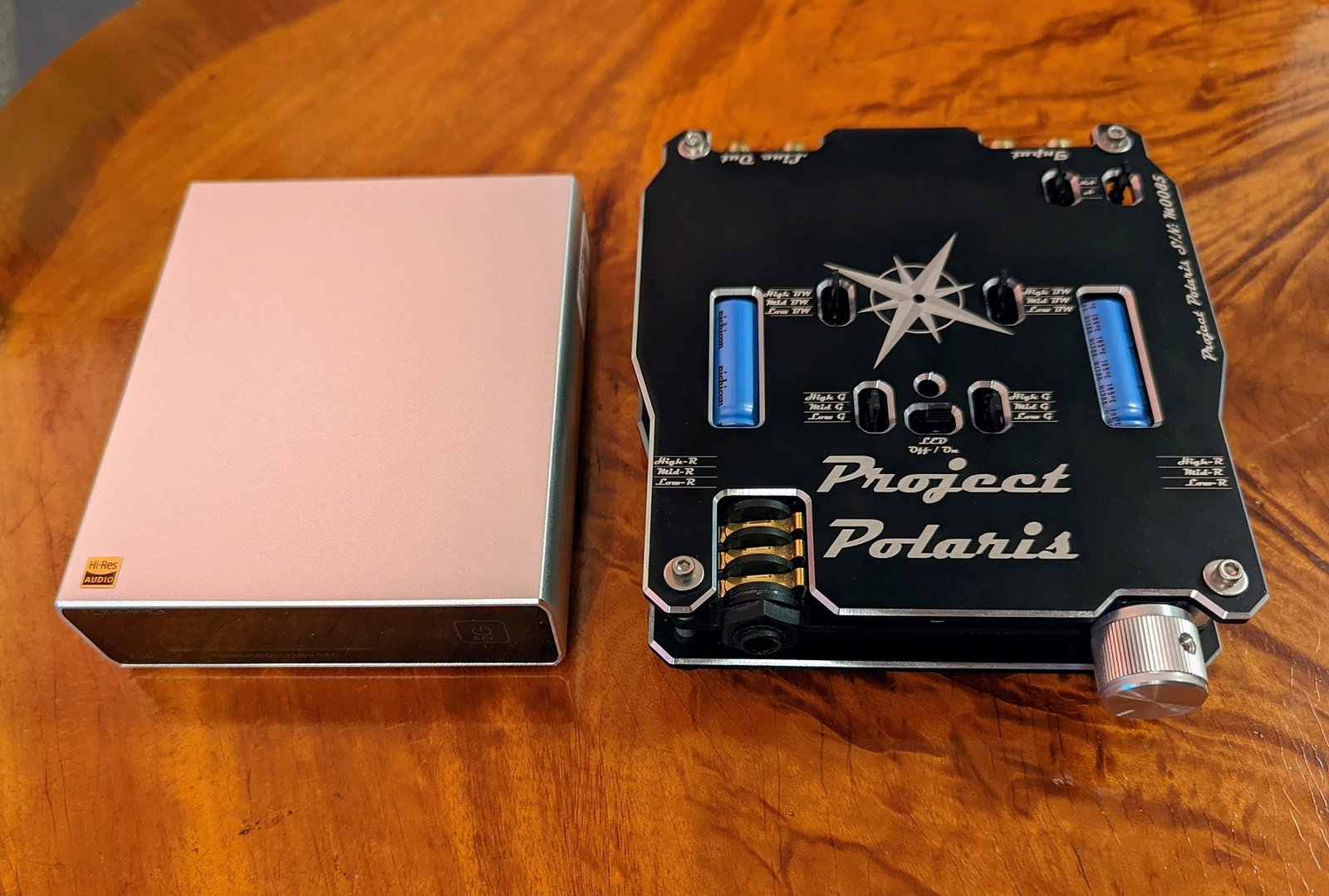
- External dimensions (L x W x H): 15.5 x 12.5 x 4 cm
- Weight: with aluminum casing approximately 450 grams
- Warranty: 5 years
Review sample: Self-purchased product
Structure and connections
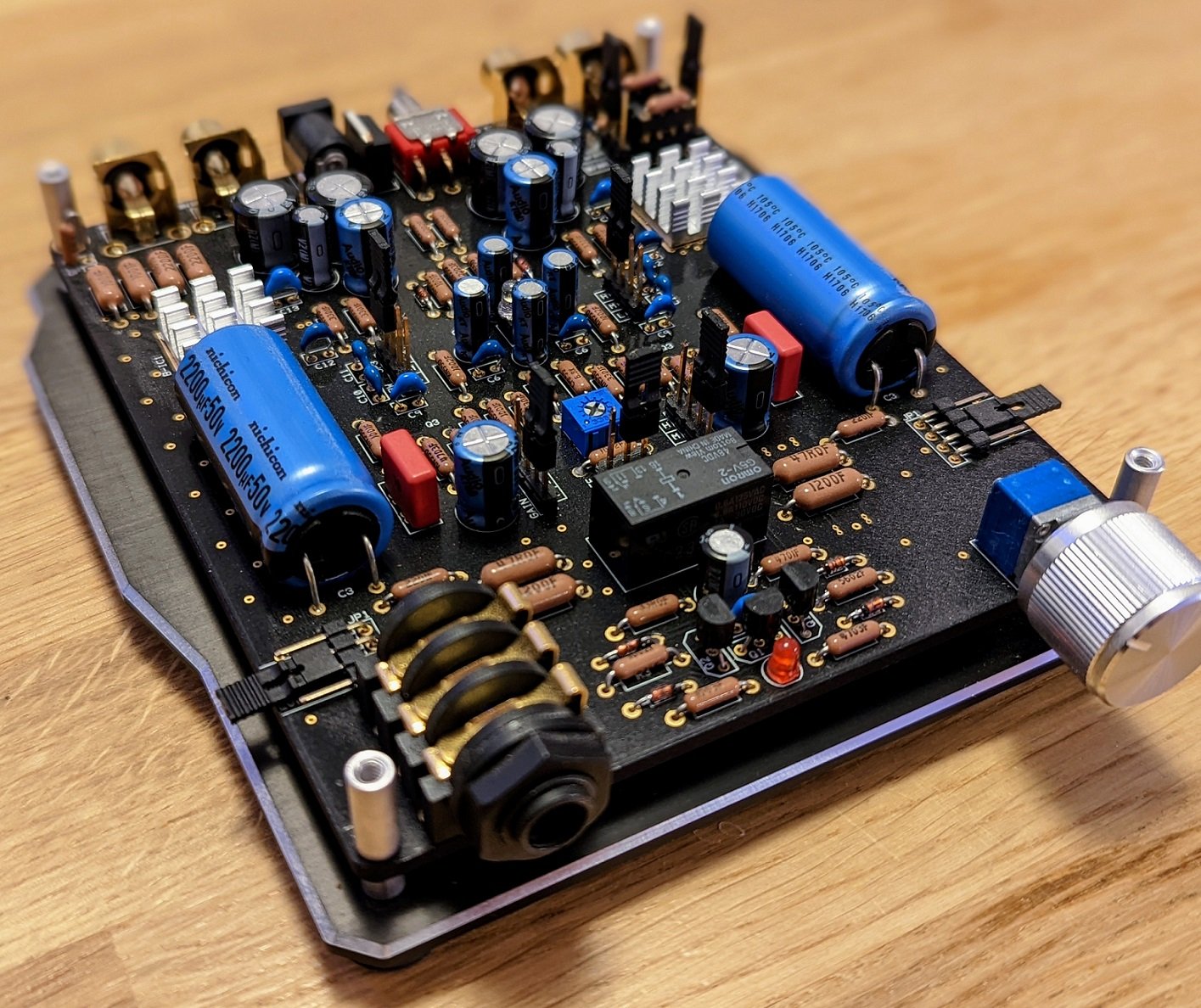
Project Polaris is a compact device. The amplifier's structure is semi-open, as the circuit board sits between two aluminum plates (or acrylic plates), and the side edges remain open. Jumpers protrude vertically from the openings visible on the top plate, and by changing their position, different amplifier settings can be adjusted separately for both channels. Due to the jumpers, no other device can or should be placed on top of the amplifier. Due to its light weight, the amplifier slides easily on the table when attaching and detaching headphones, so the device must always be held with one hand.
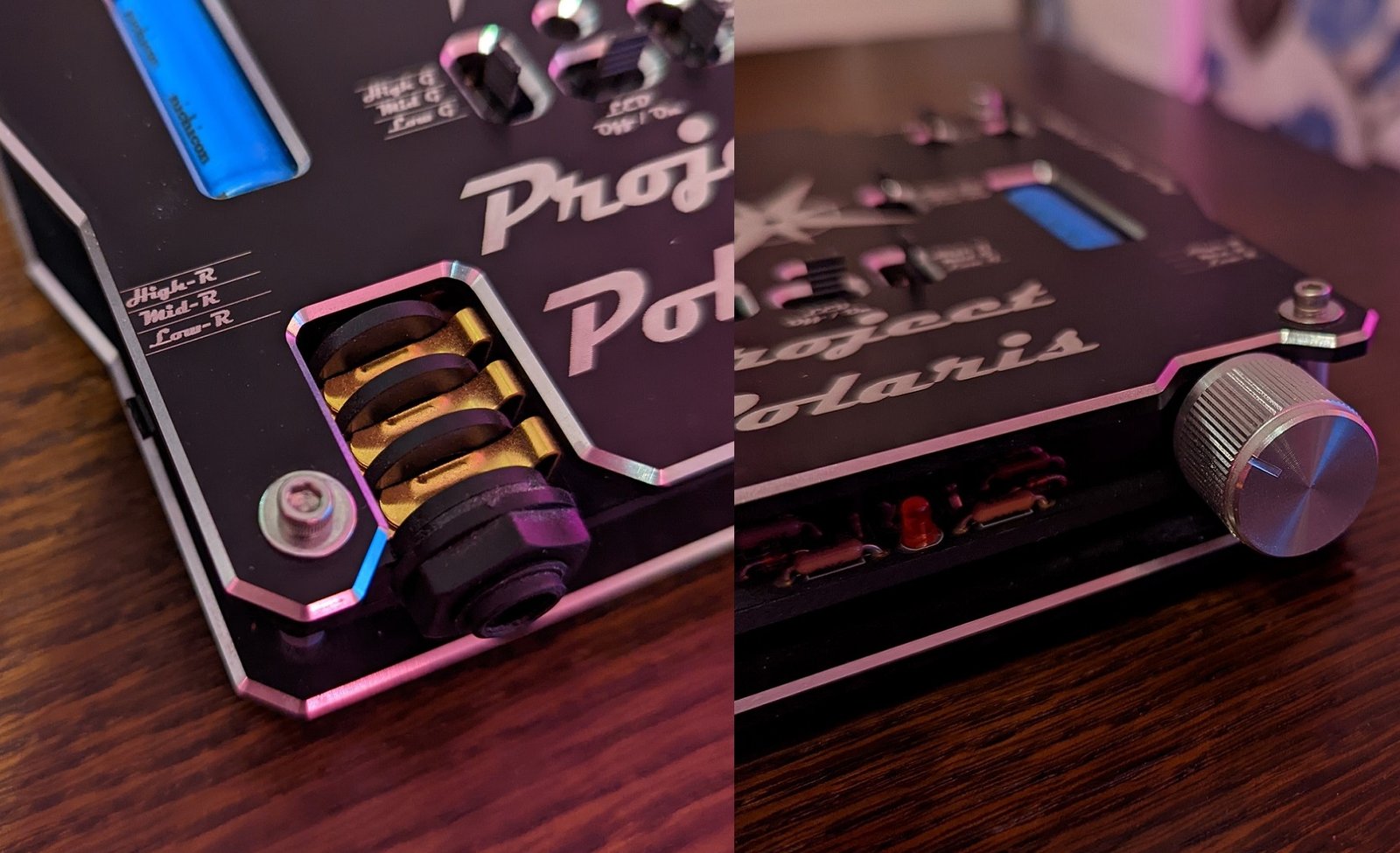
Headphones connect to the amplifier's left front edge with a 6.35 mm connector. On the right front edge, there is a rotary volume control made of aluminum – the feel of the control is quite loose, but it rotates smoothly. Unfortunately, the channel balance is quite poor until the knob points to at least nine o'clock. This would not be a major problem if the device did not have so much gain, especially with the 0.1 ohm resistance setting, that even slightly more sensitive headphones with 32–64 ohm impedance play too loudly immediately when a steady sound starts to come from the amplifier.
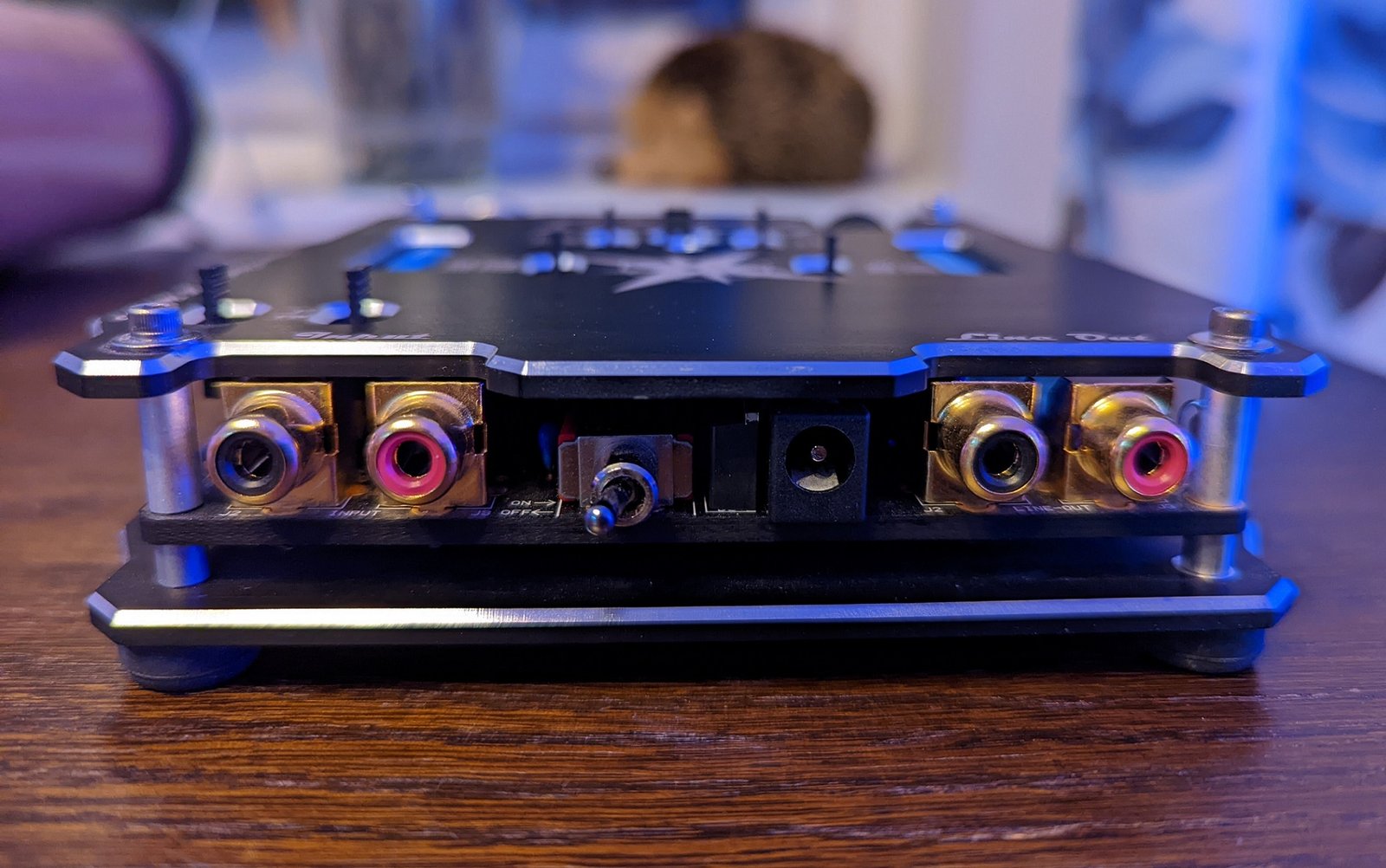
Project Polaris's clickable power switch is located somewhat awkwardly at the back of the amplifier, but thanks to the amplifier's small size, it is easily reachable on a desk. Next to the power switch, there is a hole for the power cable. Since the amplifier can also be used as a preamplifier, two pairs of RCA connectors are found at the back – input connectors for the DAC and output connectors for acting as a preamplifier. I have actually never used the device as a preamplifier.
Features
Attenuation module:
Viewed from the front, the attenuation module is located on the right rear edge of the amplifier, which can halve the amplifier's gain settings – thanks to the module, the amplifier has 6 different gain settings instead of three. The module is designed to be activated especially for more sensitive headphones, which would otherwise not have enough volume adjustment range when listening quietly due to the amplifier's abundant gain. Since Project Polaris is not a very quiet device, especially with easier-to-drive headphones, activating the module also significantly reduces the amount of background noise.
Bandwidth setting:
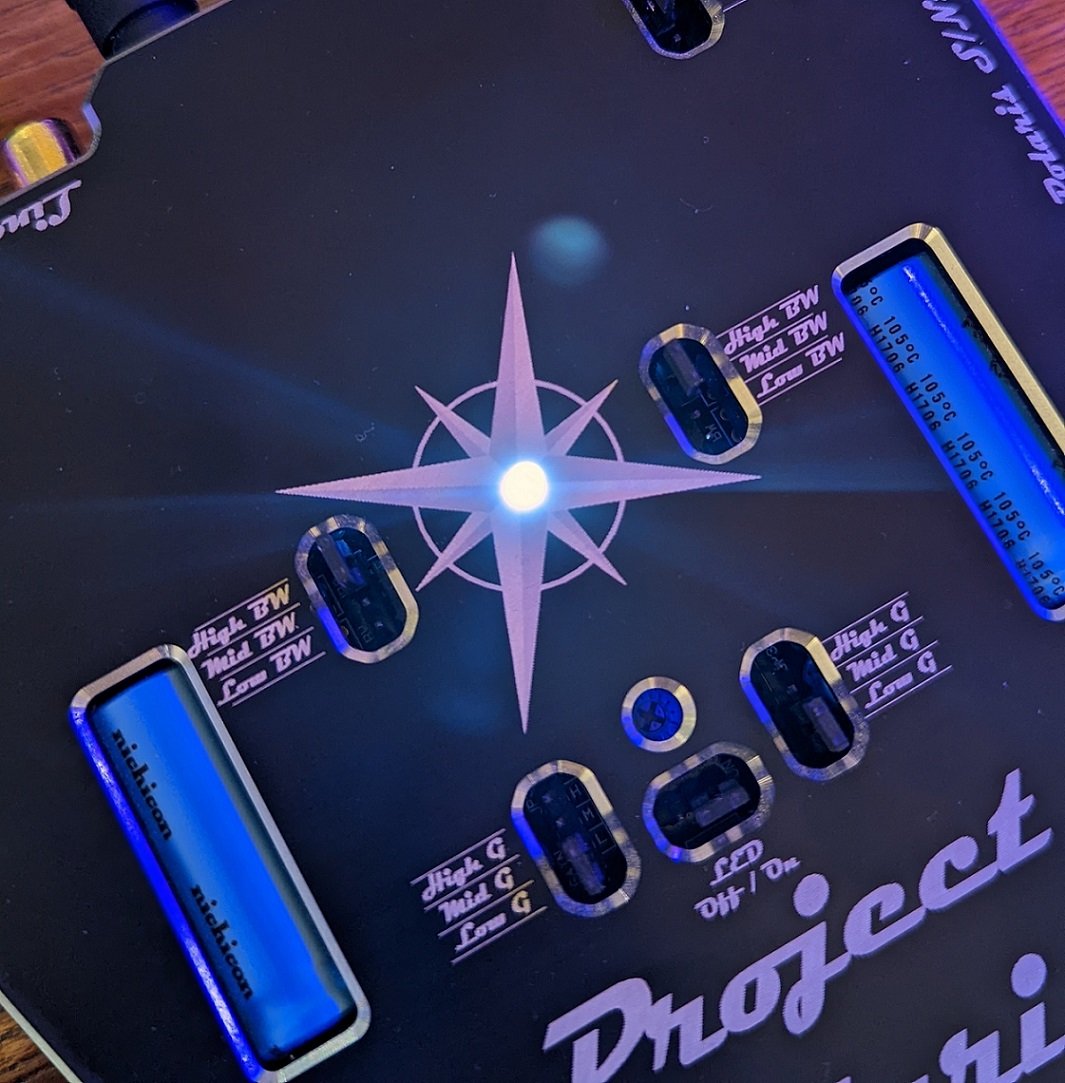
In the middle of the device, there are three bandwidth settings that can be used to cut the amount of high frequencies, especially above 10 kHz, if necessary. The middle setting is sometimes useful with bright headphones, but generally, I have let the amplifier reproduce treble normally without touching the setting. Garage1217 allows the subscriber to choose between aggressive and moderate bandwidth settings, so those who want smaller treble cuts can choose the latter. For me, the setting makes the following changes to the frequency response as shown in the picture:

Gain options:
In the middle of the amplifier, there are also jumpers that can be used to select between high, mid, and low gain settings. The attenuation module I mentioned earlier halves their effect, so there are six options to choose from. In reality, the amplifier plays music so loudly even on low gain that I haven't had any need for other gain settings. I would guess that with Hifiman HE6 headphones, one might have to use them.
Output impedance:
Project Polaris's most interesting and useful feature is the ability to change the output impedance. There are three settings to choose from: high, mid, and low, which can be changed using horizontally placed jumpers on the front edge of the device. The settings have a significant effect on the sound depending on the impedance of the headphones being listened to and the type of driver. The effect is greatest for low-impedance dynamic headphones, as their frequency response changes sensitively when the amplifier's impedance is high. Planar headphones, on the other hand, are largely immune to amplifier impedance, as far as I know, although their sound also changes somewhat with Polaris's different settings because the settings likely have slightly different distortion values.
The amplifier's lowest output impedance setting, 0.1 ohms, sounds the most normal, as it does not change the headphones” frequency response but controls the drivers as tightly as possible. With this setting, the amplifier sounds quite like a ”normal" solid-state amplifier at normal listening volumes.
I would call the middle 35-ohm setting a kind of "magic button" for 300-ohm dynamic headphones from a listening pleasure perspective. As a general rule of thumb, the amplifier's impedance should be a maximum of 1/8 of the headphones' impedance, so 35 ohms is an optimal setting for 300-ohm headphones without being too much. Moving from 0.1 ohm resistance to 35 ohm resistance reduces the amplifier's damping factor (what is that in Finnish?) i.e., control over the headphone drivers. This makes the bass reproduction particularly pleasantly full and the headphones' sound generally softer, more natural, and more relaxed (tube amplifier-like).
With high-impedance headphones, direct changes to the frequency response are relatively small, but the reproduction changes significantly in style as the damping factor decreases. With low-impedance headphones, on the other hand, the 35-ohm setting can be used as a kind of bass boost, as the frequency response gets a several-decibel emphasis below 100 Hz. At the same time, the setting also changes the headphones' response in other frequency areas, so the effects are somewhat unpredictable before more detailed testing. Objectively speaking, the setting should not be used, but the amplifier is designed precisely for this kind of fun.
Interestingly, the middle 35-ohm setting and the highest 120-ohm setting also make the reproduction of planar headphones slightly softer and in a way, tube amplifier-like. However, the highest 120-ohm resistance setting significantly reduces the amplifier's output power, so it cannot be used properly with planars. In fact, this setting is not very usable with dynamic headphones either, as the reproduction becomes really thick and echoey – with some headphones, such as the neutrally tuned ZMF Auteur, this setting is sometimes fun and most tube amplifier-like in style.
Sound quality
Project Polaris was not designed to compete in measurement results with dozens of Chinese solid-state amplifiers, but rather it was intended to stand out from the crowd with its sound imitating tube amplifiers. This design goal has been achieved with a JFET input stage, which produces especially second-order harmonic distortion in the sound, which is also present in tube amplifiers and is often subjectively considered pleasant.
The amplifier's sound is pleasantly soft with all resistance settings and in a way wet and oily – listening does not cause any listening fatigue. The device differs significantly in sound from ordinary solid-state amplifiers, such as the Topping L30 or SMSL SP200. Even the Class A RebelAmp sounds considerably drier and sharper compared to Project Polaris.
As strange as it sounds, Project Polaris, in my opinion, adds a bit of everything to the sound: bass, mid-range, and treble. The low frequencies sound fuller and more powerful compared to the amplifiers mentioned above. Polaris's 0.1 ohm resistance setting makes the bass controlled and the hits tight. The 35 ohm setting, on the other hand, softens the hits, making them larger and wider at the same time. The bass also gets a kind of afterglow, which sounds really fun. The largest 120 ohm setting is already too much for many headphones, as the bass is emphasized so much that it covers other frequencies.
By adding mid-range frequencies, I mean that the amplifier makes them truly lively and natural compared to typical solid-state amplifiers. Especially vocal performances gain a tremendous amount of emotion – I haven't gotten as many goosebumps with any other amplifier as with Project Polaris. For example, the mid-range frequencies of ZMF, Audeze, and the Sennheiser HD600 series get the final emotional touch from the amplifier. I previously owned an SMSL SP200 THX amplifier, which sounded ridiculously lifeless and flat compared to Polaris. Switching to Polaris immediately made it feel like the music came alive.
With Project Polaris, the mid-range frequencies evoke more emotion partly because the soundstage remains small and intimate with almost all headphones when listening. The reproduction style is somewhat "in-your-face," which helps in evoking emotions. However, a small soundstage can still be considered a weakness of the amplifier, especially with headphones that would sound larger with other amplifiers. For headphones with a smaller soundstage, such as the Sennheiser HD6XX and ZMF Aeolus, the amplifier's soundstage is just right. Although the amplifier otherwise sounds somewhat like a tube amplifier, tube devices with suitable tubes still have their advantages in creating a larger soundstage and reproducing spatial details.
Regarding the treble, two observations come to mind about the amplifier: the treble sounds soft, but its quantity is slightly higher than in other amplifiers I've mentioned previously. For example, drum cymbals are heard more powerfully and airily, and they draw more attention than usual. However, the treble is reproduced softly enough that it doesn't cause listening fatigue. If necessary, the amount could be reduced by changing the bandwidth setting, and this was an effective solution with Dan Clark Audio Aeon 2 Closed headphones, which emphasize treble a bit too much. Different resistance settings also affect the style of treble reproduction, as with the lowest 0.1 ohm setting, I believe the treble is quantitatively most prominent and sharper in style than, for example, with the 35 ohm setting.
The amplifier colors the sound so much that it's not even worth critically evaluating it for detail. All the details of the music are present, but because distortion is intentionally added to the reproduction and the amplifier's sound is soft, smaller details recede into the background of the music's larger elements and become, in a way, a side issue when listening to music. The amplifier is designed purely for enjoying listening, not for analyzing music. Polaris maintains its own sound profile with very different DACs, so it would be very difficult to distinguish between DACs. For this reason, in my experience, the choice of DAC also doesn't have a huge impact when using the amplifier.
Although Project Polaris has a lot of distortion according to measurements, it is of a type that is pleasing to the human ear, and you can't really distinguish it when listening to music – at least I can't, because the amplifier is not broken or distorting due to failed design in any way. Since the world doesn't sound harsh, sharp, or cold through our ears, I think it's desirable in its own way that headphones and devices also resemble real life in their sound. I believe that the popularity of tube amplifiers is at least partly based on this, even if, objectively evaluated and based on science, they are not the most optimal way to reproduce sound. I find myself immersing much deeper into listening to music when the sound resembles everyday life in style, and thanks to this, the existence of headphones or listening devices is not perceived as clearly when listening.
Other critical considerations
Despite the pleasant sound, the amplifier has a few annoying characteristics. I already mentioned the high amount of gain earlier, but I'll bring it up again. All headphones with a sensitivity close to or above 100 dB / mW, regardless of impedance, play very loudly with the amplifier immediately upon turning the volume knob, even when low gain is selected on the amplifier. This leaves little room for adjusting the volume, and quiet listening is not properly possible because the amplifier's channel balance is poor at the beginning of the control's range of motion. This could be compensated by halving the gain with an attenuation module, but unfortunately, that simultaneously changes the amplifier's sound and dynamics for the worse.
With more sensitive headphones that fall within the amplifier's most efficient impedance ratings (32–64 ohms) (especially headphones with dynamic drivers), clearly audible background noise is also heard from the amplifier due to the high gain. This is a particular problem with the most powerful 0.1 ohm output resistance. The noise is attenuated by using the 35 ohm resistance setting or an attenuation module, but these are not necessarily the most optimal settings in terms of sound quality. The use of in-ear headphones with the amplifier is not recommended without a separately sold adapter cable that corrects the background noise (top product on the page).
The third annoying feature for me is some kind of grounding issue with the device, unless it is connected to a DAC that is plugged into a PC's USB port or a grounded power outlet. If Project Polaris is connected to mains power without the audio input connectors plugged in, touching the device causes an electrical tingling sensation. The same also happens if a phone is connected to the device's RCA connectors. In this case, when headphones are connected, there is a continuous ground loop-type hum, and vibrations caused by touching the device are transferred directly to the headphones as crackling. Turning the volume knob also causes hissing and crackling. Fortunately, the problem completely disappears as long as the DAC connected to the amplifier is plugged into a grounded power outlet or a computer via a USB connector.
Summary
Despite these few annoying features, Project Polaris is one of my favorite amplifiers in terms of sound quality. Although I have heard better solid-state amplifiers (e.g., the €500 RebelAmp), none of them offer the same listening pleasure as Project Polaris. The amplifier admirably stands out from the crowd, and in addition to its soft and pleasant sound, it also offers comprehensive settings for customizing sound quality for different headphones. Especially by experimenting with resistance settings, one can learn new things about how headphones work and the effect of the amplifier's output impedance on reproduction and, in some cases, also on frequency response. For me, owning the amplifier has been above all educational, and if I knew how to solder better, I would definitely have bought it as a DIY kit.
In my opinion, the amplifier is an excellent purchase for a headphone enthusiast who has considered acquiring an affordable tube amplifier but has started to hesitate due to potential issues associated with tube amplifier use, such as tube wear and the constant hunt for ”better” tubes. With Project Polaris, there's no need to worry about this; its use is easy. At the same time, it offers an opportunity to explore what kind of sound is available outside of perfectly measuring and somewhat soulless amplifiers. I would imagine that someone who likes Polaris's sound might very well later acquire a better, proper tube amplifier that would bring improvements, especially to Polaris's somewhat small soundstage.

In my opinion, the amplifier is best suited for high-impedance headphones with dynamic drivers, as many settings yield the most benefit with them. For example, Sennheiser HD6XX headphones are almost perfectly suited for the amplifier if one hopes to achieve a more natural and slightly more interesting reproduction from them – Polaris, in fact, excellently reinforces the headphones' bass reproduction. Various ZMF models also sound good with the amplifier, but with the Verite model, the smallness of the soundstage and the softness of details start to be a bit distracting. With the amplifier's 35 ohm setting, my previously owned Audeze LCD-2 Classic reproduced vocals so goosebump-inducingly that I could have kept the headphones just for that particular characteristic.
Otherwise, I wouldn't necessarily recommend the amplifier for planar headphones, unless the goal is to achieve a softer reproduction. Although the amplifier is perfectly capable of driving planars in terms of its output power, I believe they benefit from a sharper and faster amplifier, because often their advantage compared to similarly priced dynamic headphones is a clearer reproduction of details. Project Polaris makes more technical planars a bit too soft and ”easy” to listen to, so a large part of the technical performance and financial investment is thus wasted.
Finally, I want to mention that it has not been my intention to disparage better-measuring amplifiers, nor does Project Polaris need to replace them. No one has to buy an amplifier that doesn't suit their preferences or worldview – similarly, the sale of amplifiers like Polaris, which are objectively worse, is not forbidden either. I feel that a more open attitude towards the subjective dimensions of audio reproduction could bring new dimensions to many people's listening hobby. Many may not even know what they are missing out on. Devices like Project Polaris, which color the sound with distortion, are honest in the sense that the changes they produce are real, and the matter is not based on slogans, imaginations, and placebo effects.
PlusPros and cons:
+ Tube amplifier-like, soft, natural and lively sound
+ Emotionally evocative vocal performances
+ Fun, slightly emphasized bass reproduction, especially with the 35 ohm resistance setting
+ Soft, non-fatiguing treble reproduction
+ Sufficient power for almost any headphones
+ Plenty of features and settings to customize the sound
+ Great appearance, especially with aluminum casings
+ Made using only genuine quality components
+ Affordable price considering the features
– Intimate soundstage, with reservations
– Channel imbalance, which largely only becomes a problem with sensitive headphones
– Clearly audible background noise with more sensitive headphones
– The grounding requirement via DAC that I mentioned
– Due to the open structure, some dust accumulates inside the device
– Due to its light weight, it slides easily on the table, so the device must be held when attaching and detaching headphones
 EN
EN  FI
FI