Author: Roderick
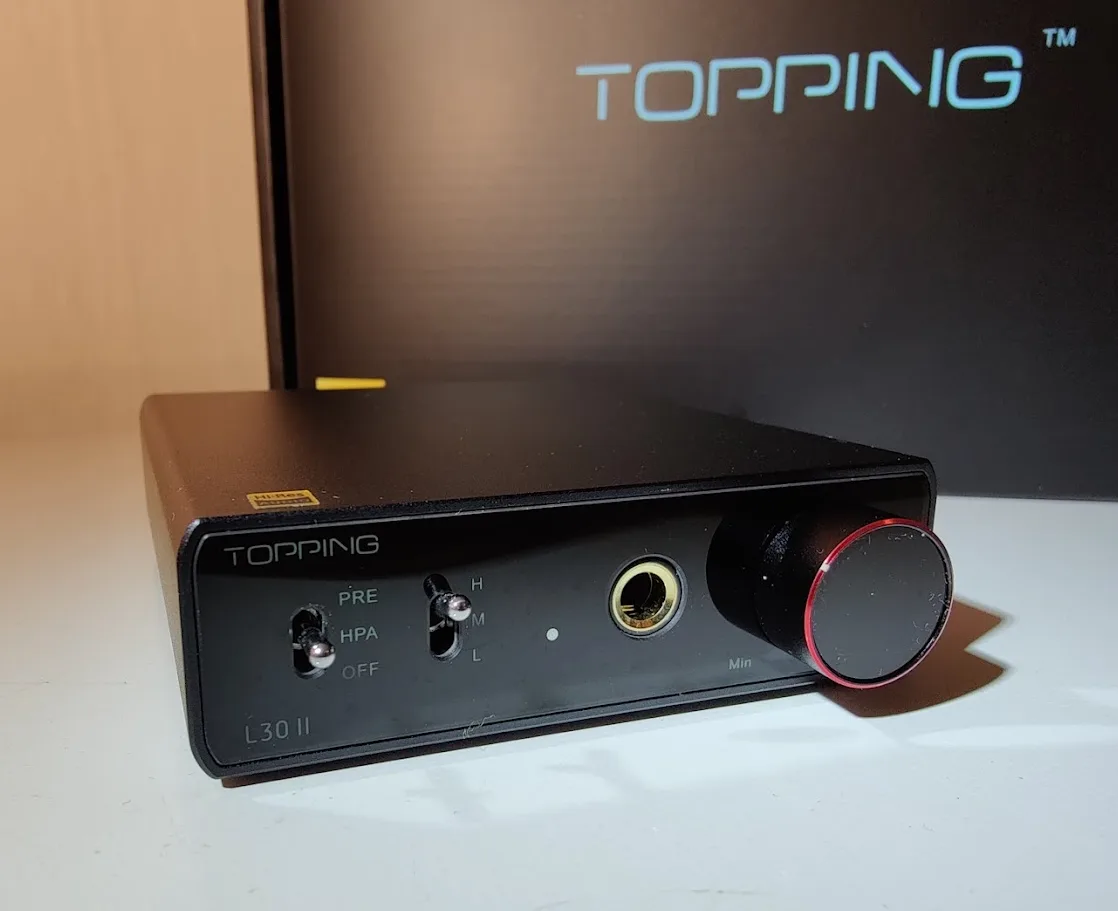
Table of Contents:
Information:
- Release year: 2022
- Country of Origin: China
- Price: 149 €
- Type: Transistor headphone amplifier and preamplifier based on Topping's developed NFCA (Nested Feedback Composite Amplifier) module
- Connections: RCA connectors for both input and output
- Headphone connectors: 1 x 6.35 mm
- Gain levels: low/medium/high
- Output impedance: 0.1 ohms
- THD+N (32 ohm): < 0.00006% @ 500 mW / < 0.1% @ 2700 mW
- Dimensions (W x D x H): 100 x 135 x 32 mm
- Weight: 360 g
- Accessories: 6.35 mm adapter for 3.5 mm headphone cables
- Warranty: 1 year (2 years statutory when purchased from EU)
Stated output power:
- 3.5 W @ 16 ohm
- 0.56 W @ 300 ohm
Review sample: Self-purchased product
World's best headphone amplifier?
SINAD (Ifgnal to Noise And Distortion) describes the device's signal-to-noise and distortion ratio. It can be used to tell how much of the signal is desired sound and how much noise and distortion is present. Although device performance can be measured in several other ways, ranking devices based on SINAD, popularized by the Audio Science Review (ASR) website, is quite popular nowadays. I brought up SINAD in this review precisely because the 150-euro Topping L30 II (link to the manufacturer's product page) performed well in ASR's tests really well. Based on SINAD, the device could actually be called the world's best headphone amplifier, and as far as I know, the situation has not changed since then.
In my experience, however, SINAD alone does not tell nearly enough about the sound quality of devices. Sometimes devices with a good SINAD result sound quite poor, while devices that measure ”badly” may sound excellent.
With the Topping L30 II, I was more concerned about whether the device would function correctly than about noise and distortion. The amplifier's predecessor, the L30, deservedly gained a bad reputation because it had a tendency to randomly break down, simultaneously damaging the headphones connected to it. Topping released a corrected version of the amplifier, but faulty devices may still be circulating in the used product market. The newer L30 II, which is clearly more powerful than its predecessor, naturally offers better value for money. In addition, the gain settings should be more versatile in terms of usability, and there are a host of other technical improvements that have enhanced the device's measurable performance. Reportedly, the L30 II has also not blown up people's headphones, so everything seems to be in order this time.
Features and device use
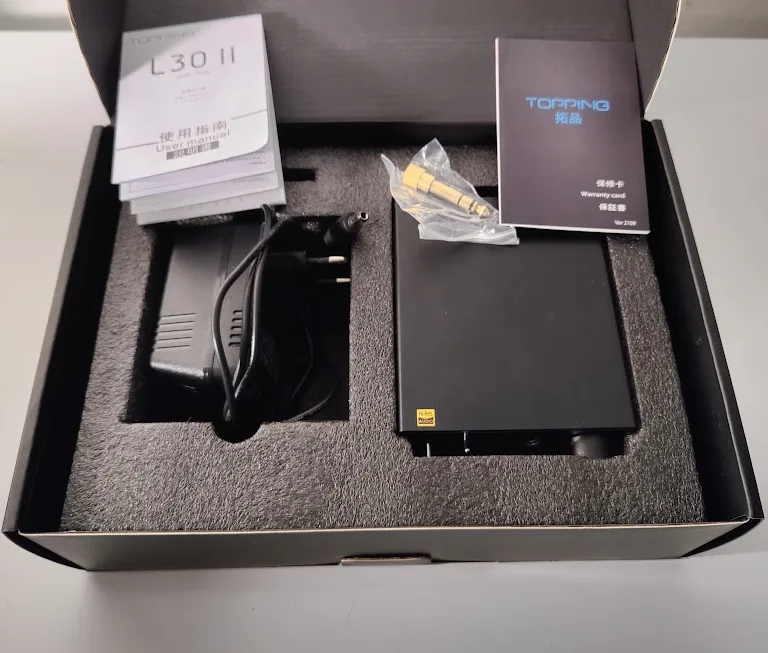
The Topping L30 II is a slender device in design. It is available in several different colors. I personally ordered the amplifier in black, thinking that its neutral appearance would make it easier to sell later if needed. In retrospect, however, I have somewhat regretted not choosing, for example, a blue or red version. I already have enough boring black boxes, and the L30 II unfortunately falls into the same category. However, the colorful rim of the volume control enlivens the device's appearance at least a little. In terms of materials, the amplifier feels high-quality: the casing is made of metal and the front panel of glossy plastic, which looks good for a while until it gets smudged with fingerprints. In my opinion, a completely metal casing would have been a better solution.
The device's front panel is clear – using a headphone amplifier generally couldn't be much simpler. The three-position switch on the left edge functions as a power switch and function selector. In HPA mode, the device can be used as a headphone amplifier, while the PRE mode is for the preamplifier function. The similar switch located in the middle adjusts the gain level. In my opinion, the amplifier could have had four gain options, because the difference between the current three gain levels is quite large (manufacturer-stated gain levels: -14 dB / 0 dB and 16.5 dB).
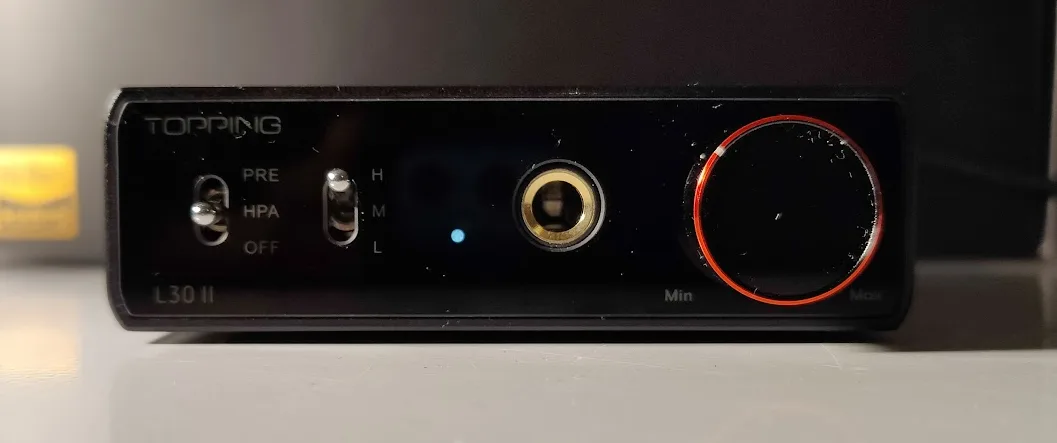
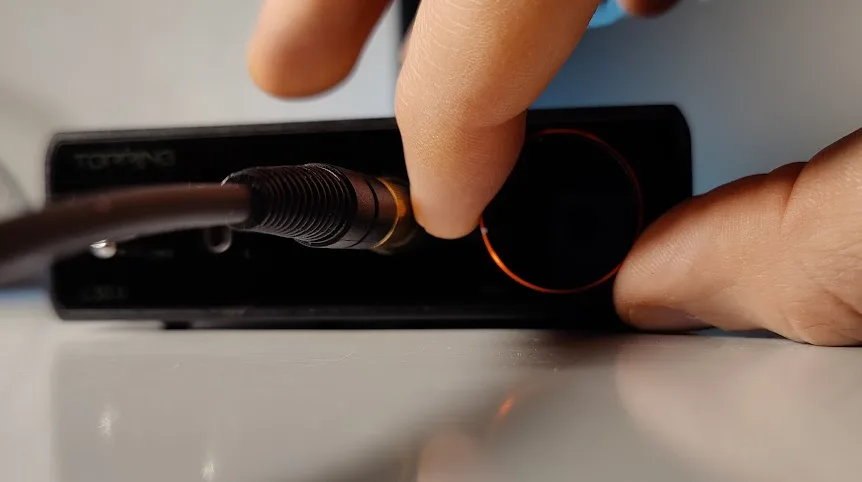
The volume control rotates steadily, but it is placed a little too close to the headphone jack. I have to position my fingers carefully to get a comfortable grip on the control. When the L30 II is on the table, my thumb doesn't fit below the control, forcing me to fiddle with it from an unnatural position, holding it by the top edge. It is easier to adjust the volume when the device is higher off the table surface, for example, stacked on top of a DAC. The placement of the control is certainly a minor concern, but I have recently tested a large number of more functionally implemented headphone amplifiers, so it's hard not to notice the issue. In addition to its usability, the potentiometer also gets a small minus for channel imbalance at the lowest volumes. The amplifier also does not completely silence at zero volume.
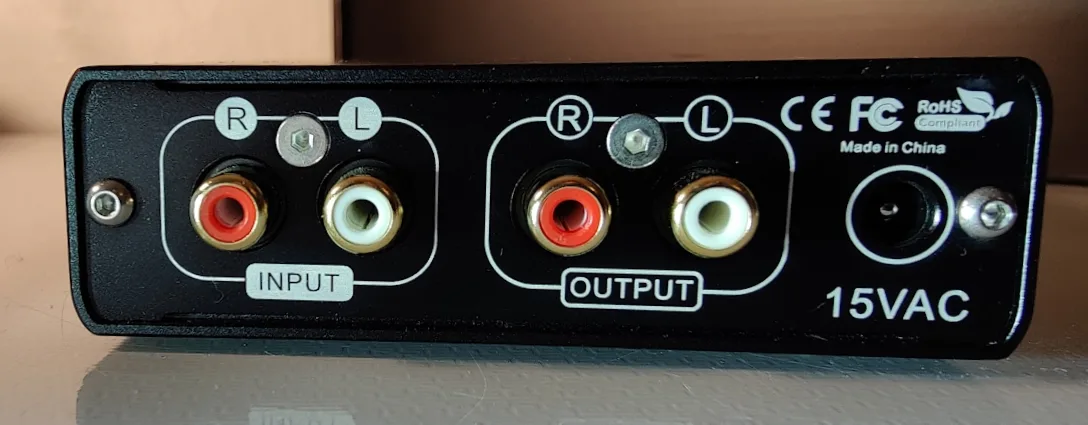
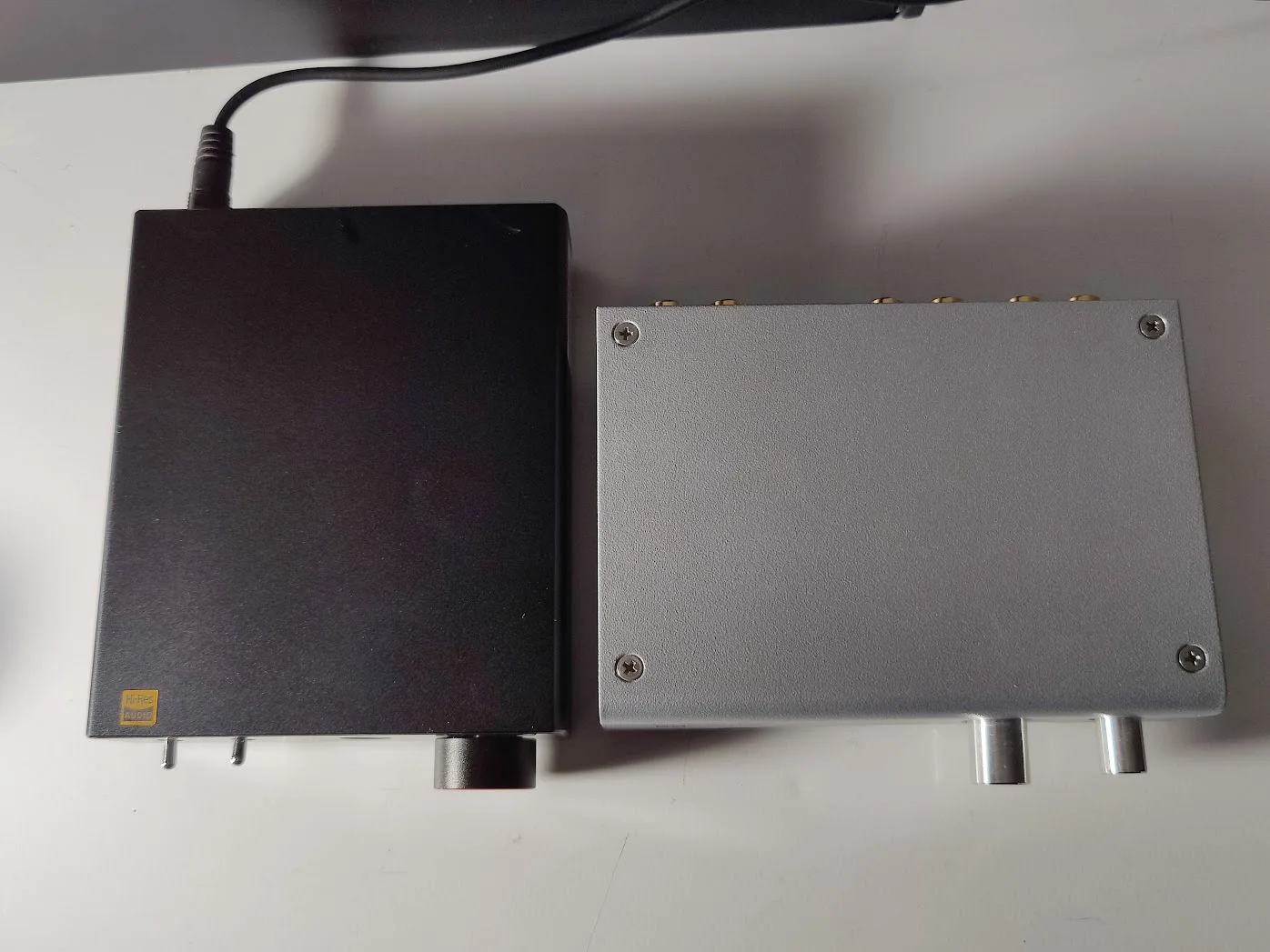
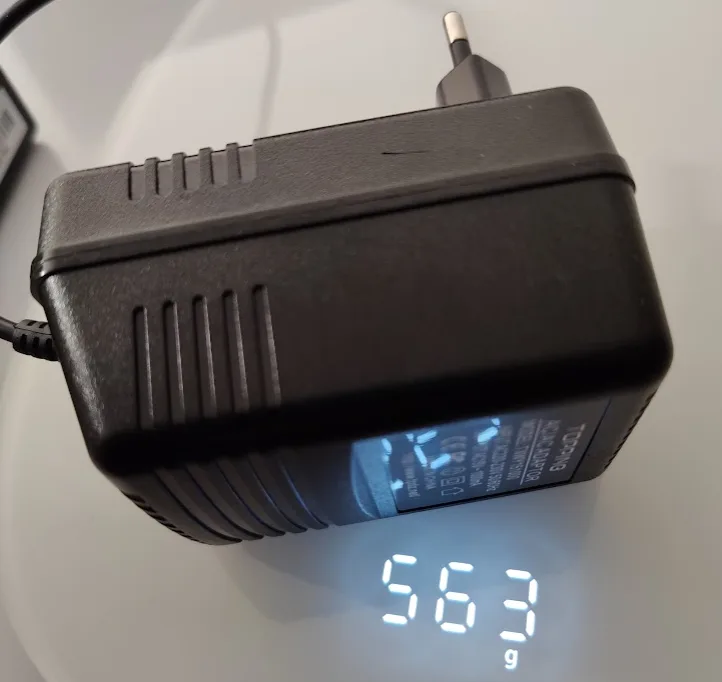
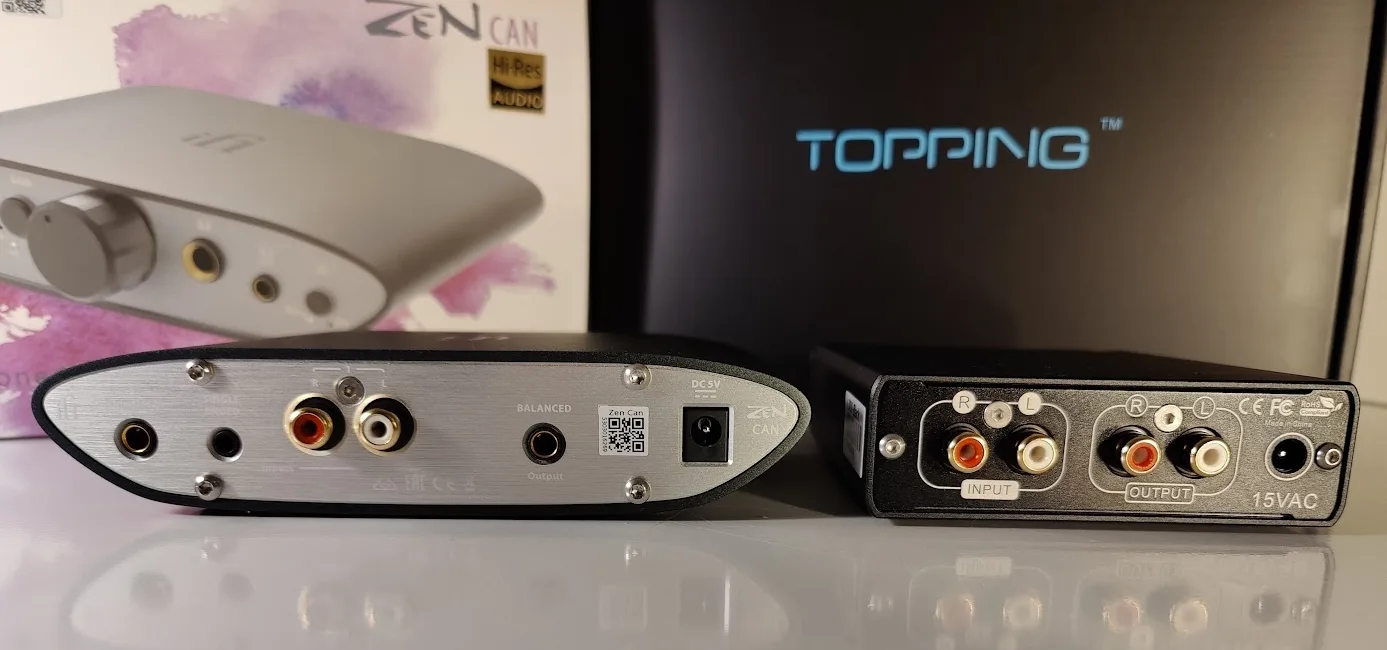
On the back of the amplifier, you'll find RCA inputs and outputs – meaning the device does not have balanced connections. The power supply is located outside the casing, which is quite understandable given the device's small size. However, the external power supply cable is regrettably short, as at about 1.1 meters, it barely reaches a floor-level power outlet from a table. An extension cord may therefore be necessary. Using one is also justified because it's difficult to keep the device's bulky and heavy power supply plugged into a wall socket.
Although the L30 II is a fairly simple device, there are surprisingly many minor points to note. Let's next explore whether Topping has invested more in the amplifier's sound quality.
Sound quality
To be honest, the Topping L30 II doesn't really sound like anything to me. This is both a good and a bad thing. The amplifier reproduces the sound of headphones as they typically sound on average. If the soundstage of the headphones is small, the L30 II won't make it sound larger. If, on the other hand, the headphones would benefit from more impactful dynamics, the amplifier won't help. The same applies to the positive characteristics of headphones; for example, if they are uncolored and resolving in their sound, the L30 II generally does not limit their performance. Technically speaking, the amplifier's only task is to amplify the signal, and it's not supposed to color the sound. In this, the L30 II succeeds well. The issue can arise when the goal is to find an amplifier for certain headphones that would make them sound their best.
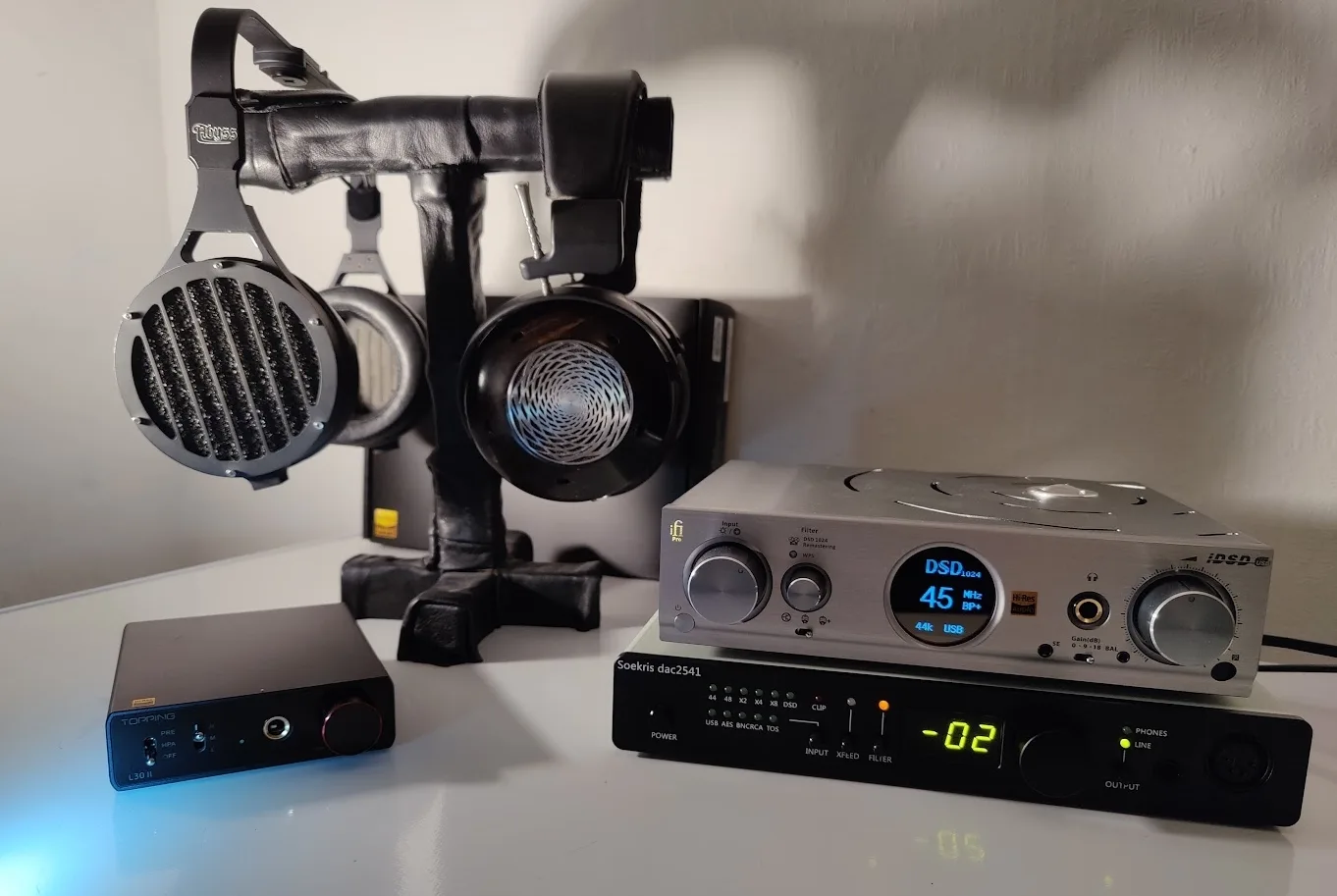
I tested the amplifier with several headphones: Sash Tres, Focal Clear (OG), Hifiman Edition XS, Sennheiser HD6XX, Abyss AB-1266 Phi, Hifiman HE6 V2, Audeze LCD 2.1 and ZMF Verite Open. The L30 II is actually quite well suited for comparing different headphones. The power is sufficient for both insensitive planar headphones and high-impedance headphones. Even the power-hungry Hifiman HE6 V2 performed reasonably well. Similarly, sensitive in-ear headphones also worked well by lowering the device's gain level.
Unfortunately, however, the amplifier did not sound remarkably good with any of the headphones I tested. It is a kind of sonic zero point, where nothing negative usually happens to the headphones' sound, but nothing ever exceeds expectations either. In a 150-euro amplifier, I consider this to be mainly a positive thing. The Topping L30 II is a safe choice for those who are unsure what kind of sound they prefer. There is nothing inherently wrong with the sound, and there is enough power.
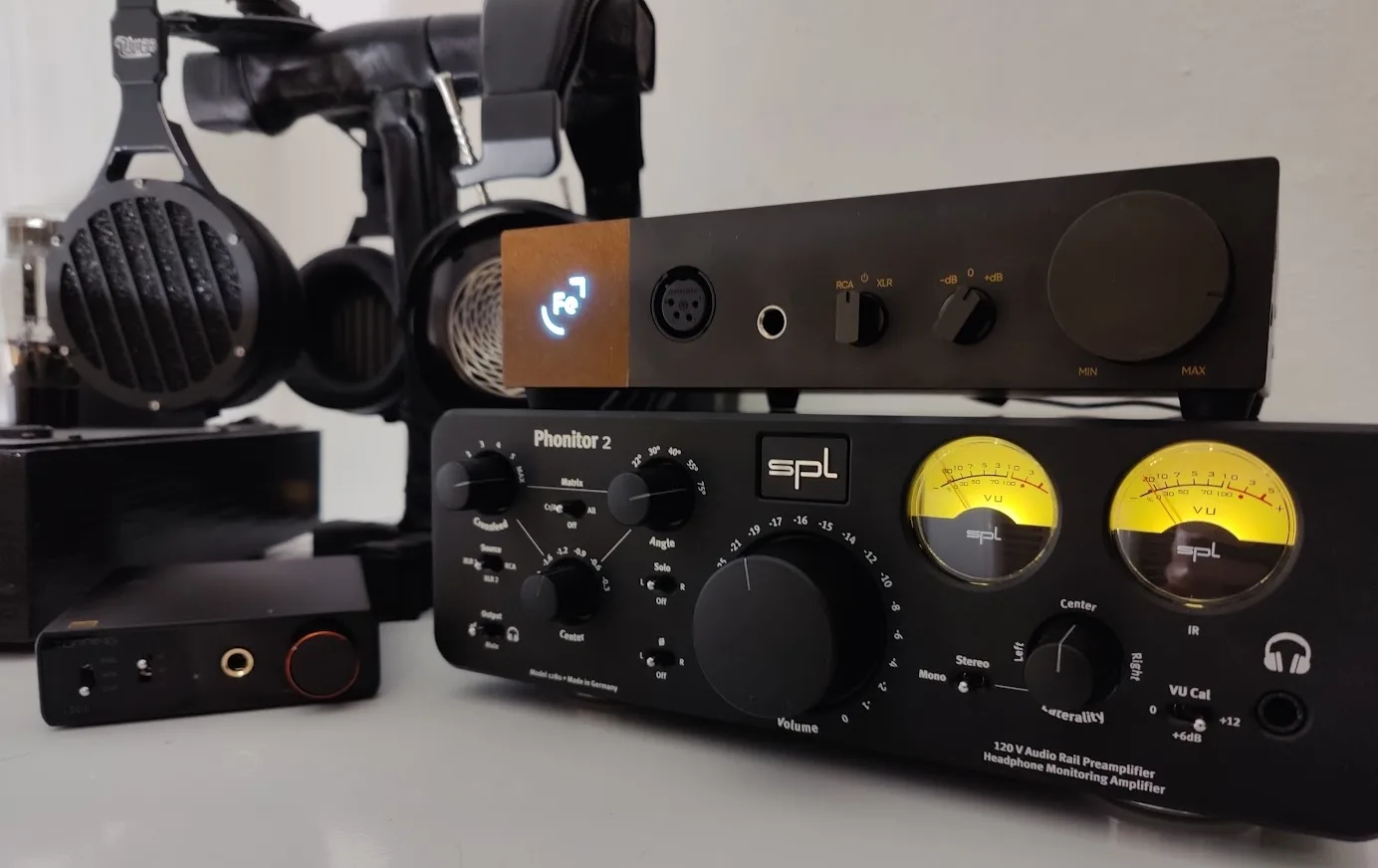
Does this mean the device is sonically transparent? – In my opinion, not entirely, as the L30 II cannot seamlessly integrate into a better equipment setup. When I used the Schiit Yggdrasil, Soekris DAC2541, and iFi Pro IDSD as D/A converters, none of these expensive devices sounded better than more affordable D/A converters. The differences between DACs are, of course, very small at most, but with a sonically transparent amplifier, for example, the Schiit Yggdrasil and Soncoz SGD1 do sound different. With the L30 II, the differences disappear, completely wasting the potential of a better DAC. For 150 euros, you can get an amplifier that is the world's best in terms of SINAD results, but unfortunately, you still have to pay more for the best sounding devices.
Topping L30 II vs. iFi Zen CAN
Prices: 150 € vs. 200 €
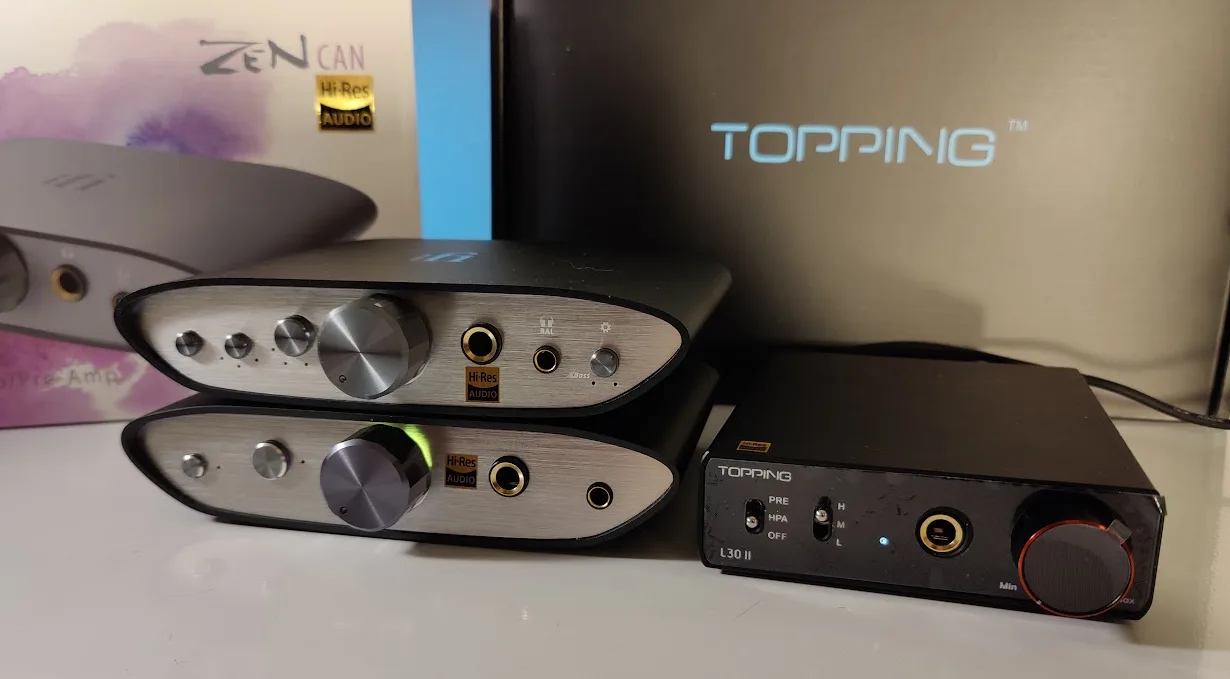
Topping L30 II and iFi's Zen CAN differ quite a lot in terms of connections and features in addition to their appearance, so let's briefly go through the most essential differences between the devices first.
- The Zen CAN has a balanced architecture. In addition to a 6.35 mm headphone jack, the amplifier has a balanced 4.4 mm headphone jack and an input connection. There is also a rather rare 3.5 mm input, which allows the Zen CAN to be connected to, for example, a laptop's headphone output with a standard headphone cable. The L30 II only has a 6.35 mm headphone jack and RCA inputs.
- The Zen CAN is more versatile in terms of features. Both amplifiers have adjustable gain levels, but iFi's device also includes XBass and 3D functions.
- Both devices can be used as preamplifiers. The L30 II can be connected to other devices with a standard RCA connection, while the Zen CAN's rarer 4.4 mm output is compatible with only a few devices.
- The L30 II is clearly more powerful with headphones that have low impedance.
Comparison of sound quality:
Somewhat surprisingly, the L30 II and Zen CAN sound quite similar Zen DAC's when listened through. When the test headphones were Focal Clear and Edition XS, I was unable to detect any difference between the amplifiers in terms of soundstage size, resolution, or the darkness of the playback background. The only difference I could identify was the Zen CAN sounding slightly more open and effortless, but even that was only apparent momentarily when switching directly from the L30 II to the iFi device. After a minute of listening, the differences were already forgotten.
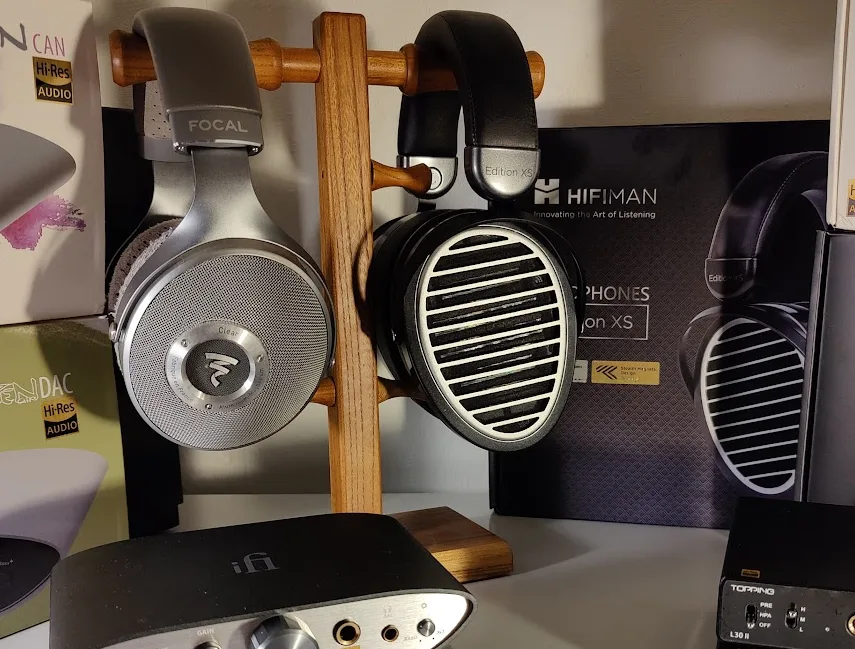
Due to the scarcity of differences, I decided to mix things up. The Zen DAC was swapped for an S.M.S.L M400 DAC, and the headphones for the Abyss AB-1266 Phi model. Differences immediately began to emerge. The L30 II sounds less grainy with the Abyss, and the headphones' bass reproduction remains better controlled than with the Zen CAN. The center of the soundstage plays slightly further away with the iFi, while the Topping creates more space for the listener's front sides.
In this comparison, the L30 II clearly came out on top, as the Zen CAN clearly seemed to run out of power, even though there was enough volume. However, this does not give a complete picture of the device's performance, as I could not listen to the Abyss headphones in a balanced configuration. While the Zen CAN could certainly do better, it does not make the L30 II's performance any worse. Since the AB-1266 Phi is one of the most difficult headphones to amplify, such a good performance from Topping's 150-euro amplifier is worthy of a hat tip.
Since I had to test the Abyss headphones with the Zen CAN unbalanced, I decided to also try the devices with the Sennheiser HD6XX. At this point, more differences were found. The L30 II performs well in the sense that it can point out the shortcomings in the Sennheiser headphones” soundstage and slightly veiled reproduction. These are known weaknesses of the HD600 series, so an uncolored amplifier should probably reproduce the sound faithfully without ”improving" it. On the other hand, an amplifier should also be able to get the best possible sound out of the headphones.
In this regard, the Zen CAN blows the pot, as it makes the HD6XX sound airier and less veiled, in addition to enlarging the soundstage. After the Zen CAN, listening to the headphones with the L30 II feels almost unpleasant. With ZMF Verite (also 300-ohm headphones), the Topping amplifier doesn't sound quite as bad, but I've heard better. The headphones' soundstage remains small, and the mid-range sounds a bit harsh and overly aggressive. The L30 II's problems in the mid-range are partly due to me unconsciously trying to compensate for the device's inadequate dynamics with higher volume.
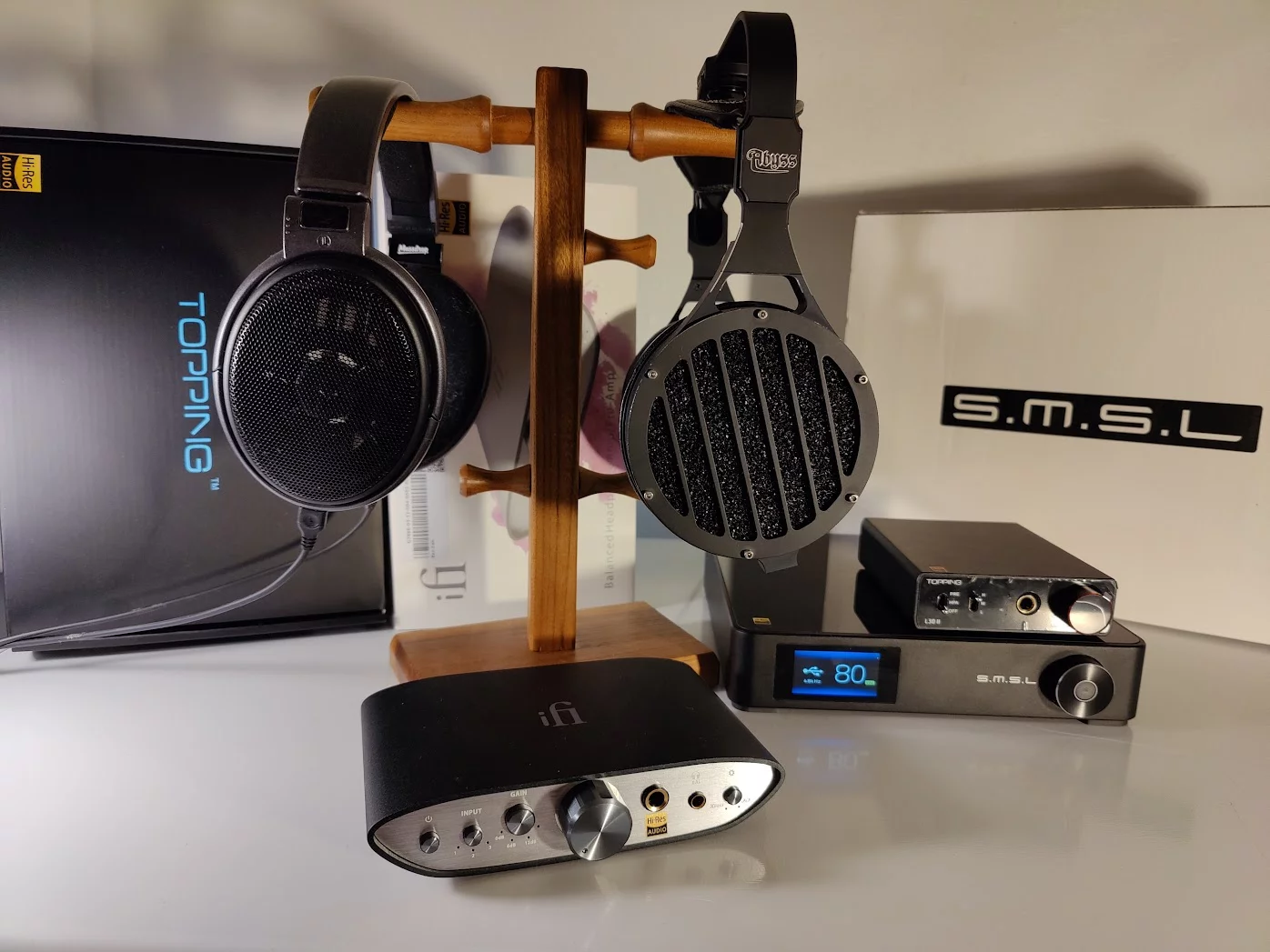
It was interesting to compare two very popular headphone amplifiers. Both are, in my opinion, excellent devices for their price, and easy to recommend to others. If the more versatile features of the Zen CAN are not needed, the slightly more affordable L30 II is a smart choice. Having only tested a few different headphones, I cannot, of course, make broader generalizations, but based on the Focal Clear and Hifiman Edition XS, it seems that both amplifiers work equally well with relatively easy-to-drive headphones.
The L30 II also worked well with planar headphones that require more power. Probably, iFi's device also reproduces most planars well, but buying a balanced cable costs a bit extra. The Topping amplifier's poor performance with the Sennheiser HD6XX and ZMF Verite raised questions about the device's performance with high-impedance headphones. Although it might have just been poor synergy, when looking for an amplifier for example Sennheiser HD800, I would play it safe by choosing iFi's Zen CAN instead.

Summary
Despite its minor flaws, the Topping L30 II was a positive surprise for me. I was prejudiced and feared that an amplifier ”perfect” in its measurements would sound lifeless or unnatural. My prejudices were reinforced by my rather negative experiences with other well-measuring amplifiers, such as the S.M.S.L SP200 and Monolith THX 887. However, the L30 II hardly sounds like anything, which can be seen as both a strength and a weakness of the amplifier.
Considering its affordable price and small size, it is surprisingly powerful. What makes the L30 II worth its price is precisely its efficiency for difficult-to-drive planar headphones. Unfortunately, the amplifier was not as well suited for the high-impedance dynamic headphones I tried. However, a lack of power was not the issue even with them, so perhaps it all came down to my own preferences.
The L30 II is easy to recommend as a first good headphone amplifier for a beginner enthusiast. It would also be suitable for a more experienced enthusiast as an affordable and powerful amplifier for planar headphones. However, if there is no great need for power, other equally good-sounding and more versatile devices are available for 150–200 euros. Another amplifier might also be a better option than the L30 II if someone values a certain style of sound (for example, a large soundstage, strong dynamics, or bright/dark sound). Due to its neutral presentation, the L30 II does not compensate for the shortcomings of other equipment or highlight its strengths.
Pros and cons:
+ Neutral sound
+ Unparalleled power figures in its price range
+ Also functions as a preamplifier
+ Negligible background noise even with in-ear headphones
+ Excellent measurement results (in Audio Science Review's tests)
+ Ease of use despite the volume control being in a cramped spot
+ Affordable price
+/- Uncolored sound is both a good and a bad thing: the amplifier did not show particularly effective synergy with any of my other test devices, so none of my headphones sounded their best possible way
+/- The device is powerful, but if there is no need for a powerful amplifier, more versatile and equally good-sounding alternatives are sold in the same price range
– Mediocre sound quality with high-impedance headphones
– The power cable is too short and the power supply is really heavy (tends to fall out of the socket)
– Channel imbalance at low volumes. The amplifier also does not completely silence at zero volume
 EN
EN  FI
FI
Great that you bother to write these reviews. @Atamon
L30 II passed me by when Hifilato just couldn't deliver the Red ones, and it was Summer/Autumn came, and I took other Z:cans.