Author: Sword of Damocles
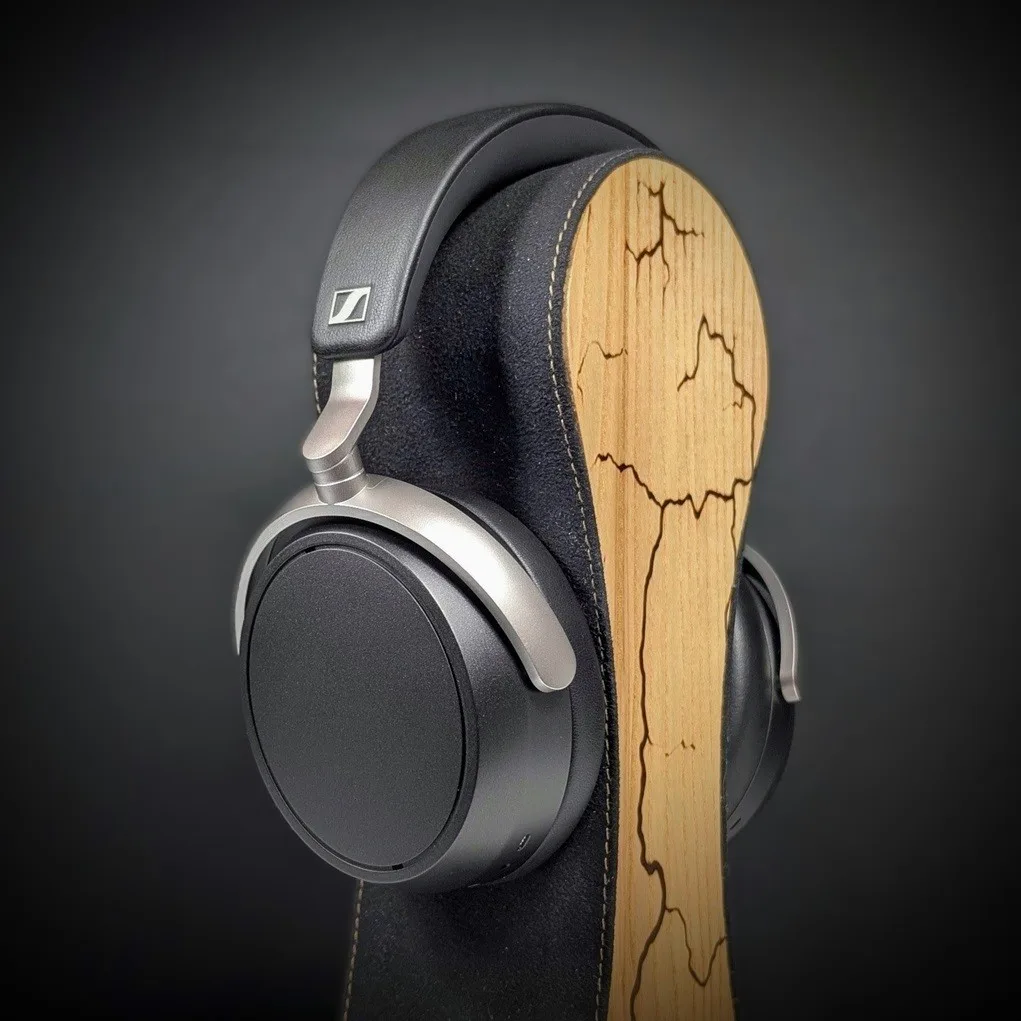
Table of Contents:
Information:
- Released: 2025
- Country of origin: Germany (engineering), Ireland (driver manufacturing) & China (assembly)
- Price: 499 €
- Type: Closed, over-ear
- Dynamic 42 mm drivers
- Audio connections: Bluetooth 5.2, USB-C and 2.5 mm
- Bluetooth codecs: AptX Adaptive, AptX HD, AptX, AAC and SBC
- Charging port: USB-C
- Battery life (ANC ON): 60 h
- Battery life (Hi-Res audio mode): 45 h
- Charging time: 2 h (Fast charging support: 10 minutes provides 7 hours of playback)
- Noise cancelling function: On / Off / Transparency mode
- Features: Multipoint, voice assistant support (Google Assistant/Siri/Alexa), and a companion mobile app featuring a parametric equalizer and Crossfeed functionality
- Weight: 311 g
- Accessories: Carrying case, BTD 700 Bluetooth transmitter, USB-C cable, 3.5 mm headphone cable, and flight adapter
Review sample: Self-purchased product
Sennheiser released the HDB 630 noise-canceling headphones last October. Despite their familiar look, they are not positioned as a successor to the Momentum 4; instead, they serve as wireless headphones tailored for audiophiles devoted to high-end sound quality. The model name—nodding to the manufacturer’s legendary HD 600 series—along with a €500 price tag sets high expectations right out of the gate, but the appeal runs deeper on a concrete level as well. Unlike many other noise-canceling headphones, Sennheiser has tuned the HDB 630 to a relatively neutral sound profile and added a parametric equalizer and a crossfeed function to its revamped companion app. Buyers also receive a dedicated BTD 700 Bluetooth transmitter with support for the aptX Adaptive codec. All of this quickly turned the HDB 630 into a heavily hyped product that, according to many reviewers, outperforms virtually all of its competitors.
Here in Finland, many have been eager to know whether Kuulokenurkka will be reviewing the HDB 630 as well—those who have been asking can now take this as a firm yes. Let's find out what elements of these headphones truly live up to the hype and where there is still room for improvement given the €500 price point. We won't forget to include a comparison with a few other noise-canceling headphones I hold in high regard, as well as the Audeze Maxwell.
Product packaging and accessories
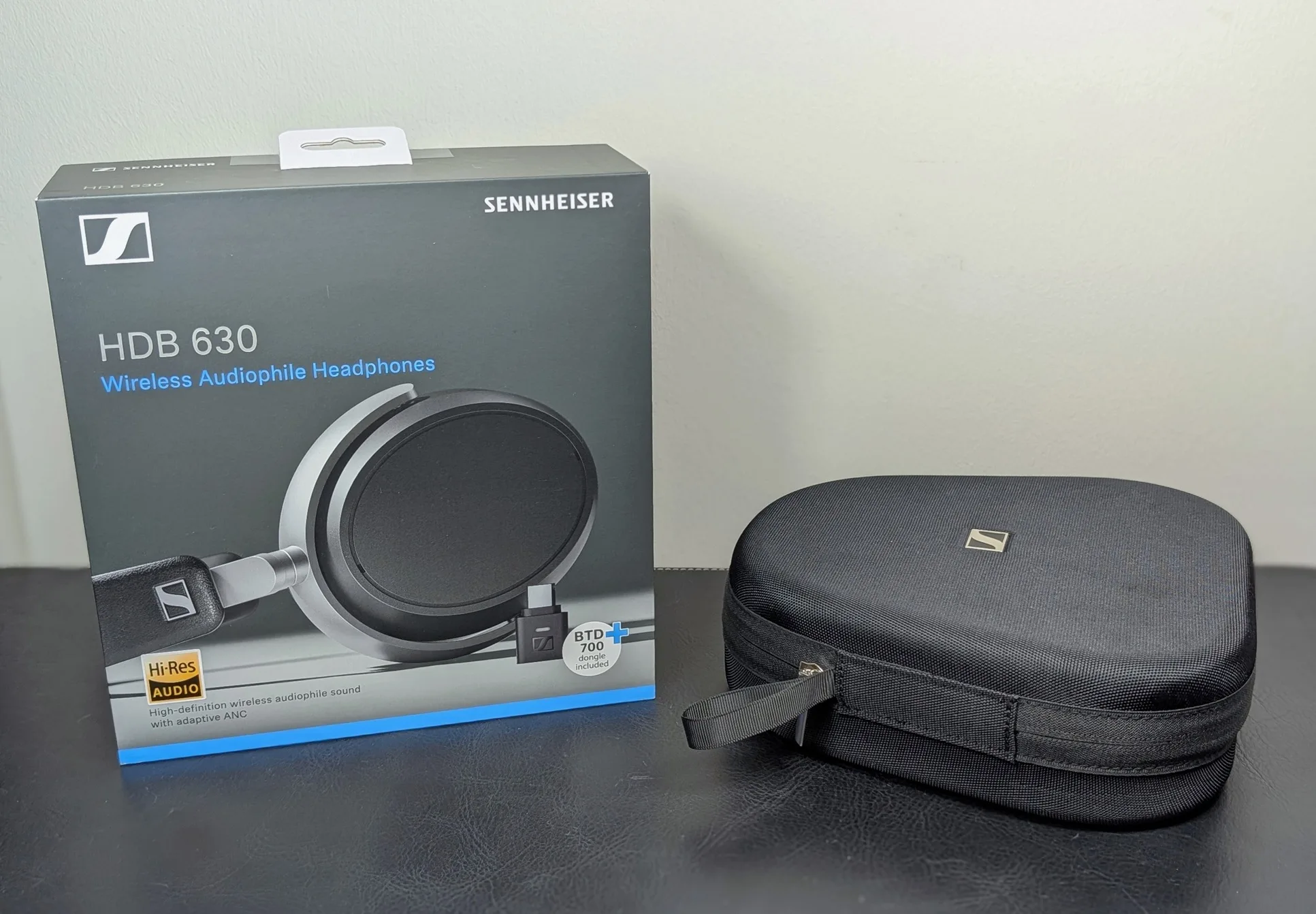
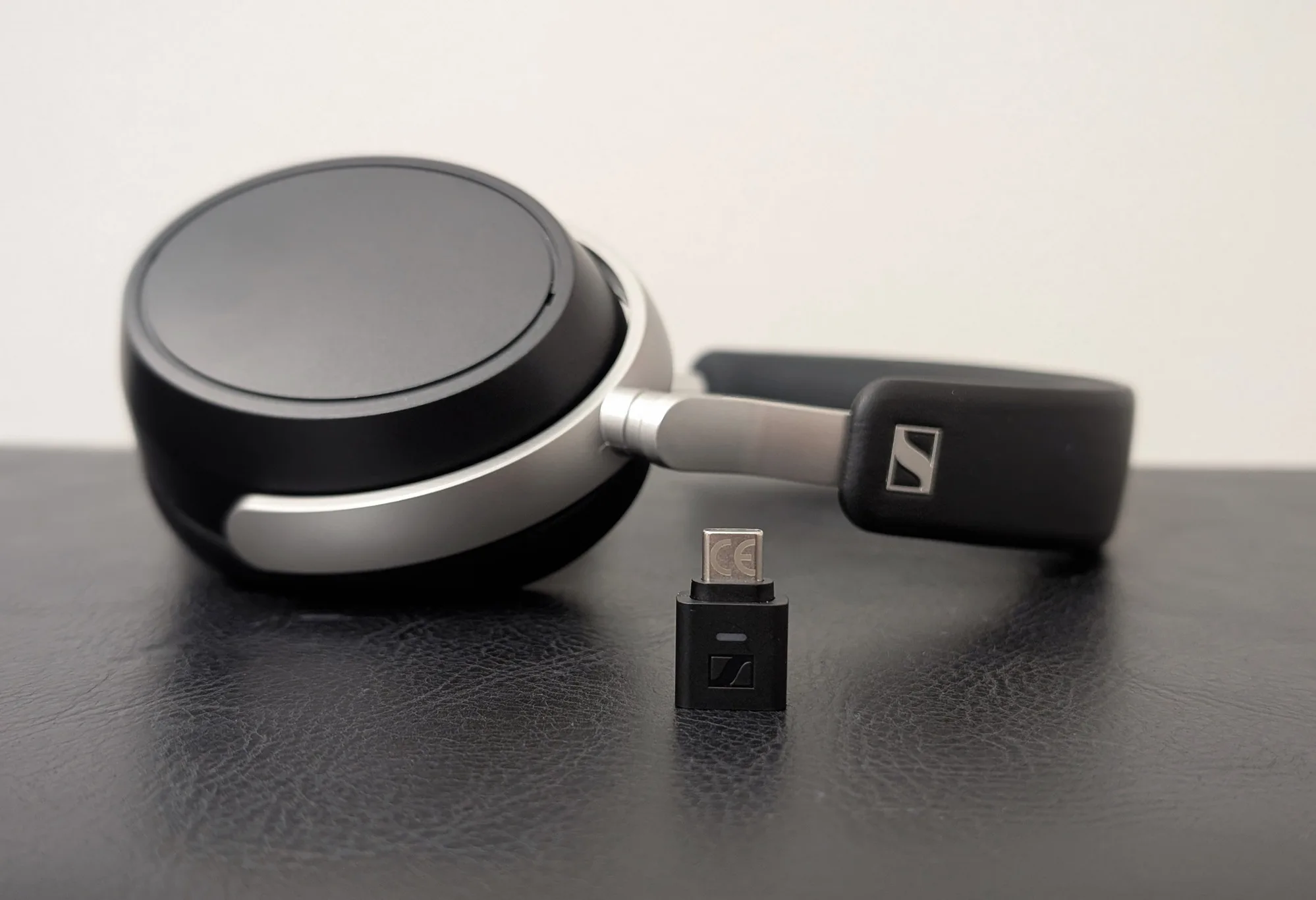
The genes of the three-year-old Momentum 4 are immediately apparent in the HDB 630, as the accessory suite—aside from the BTD 700 transmitter—is entirely familiar. This time around, however, the exterior of the sturdy case features a more synthetic material instead of fabric, and the interior layout includes slightly different attachment points for accessories. For instance, the compact BTD 700 slips neatly into its own small pocket, where it is meant to stay secure. I do find it a bit disappointing, though, that Sennheiser didn't integrate a dedicated storage slot for the transmitter directly into the headphone structure, unlike the AKG N9 Hybrid .
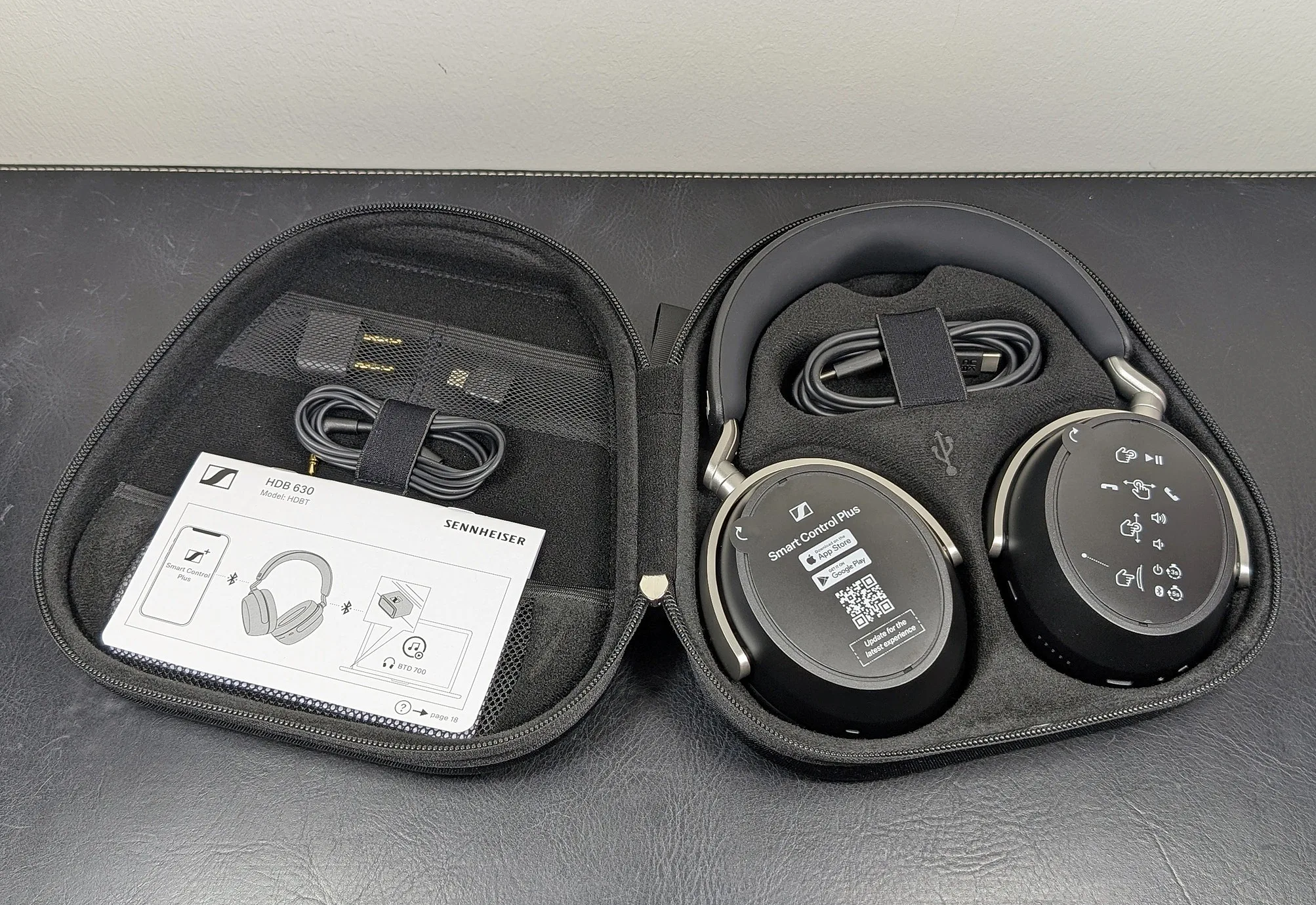
As for the cables, the HDB 630 comes with a 1.2-meter USB-C cable and an analog headphone cable of the same length, which connects to the audio source via a 3.5 mm plug and to the headphones using a smaller 2.5 mm connector. This analog cable turned out to be a flimsy, wispy thin wire, whereas the rubberized USB cable feels rather stiff considering that Sennheiser expects most of its target audience to use it for lossless listening. Perhaps the manufacturer could have left out the included flight adapter and used those few extra euros to improve the overall quality of its cables instead.
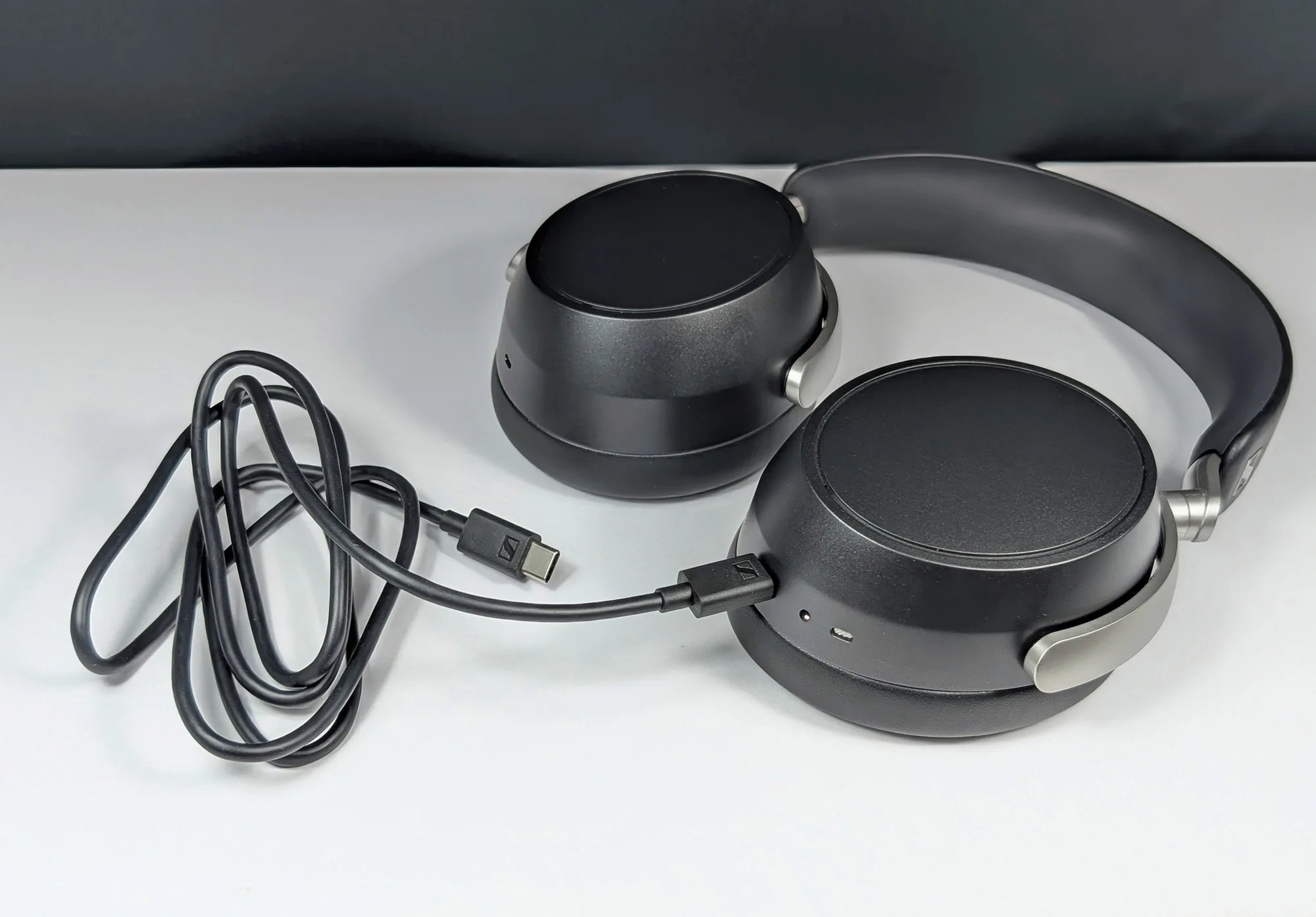
Sennheiser's case is about a centimeter thicker than those of many competing products, so the HDB 630 doesn't feel quite as natural a travel companion as, say, the Sony WH-1000XM6 and Bose QuietComfort Ultra, which feature foldable designs. On the other hand, unlike the Sony and Bose models, the Sennheiser headphones automatically power down when placed inside their case. Conversely, the power also turns back on when lifting the headphones out, making day-to-day operation smoother as long as the case is used as your regular storage solution.
Build and comfort
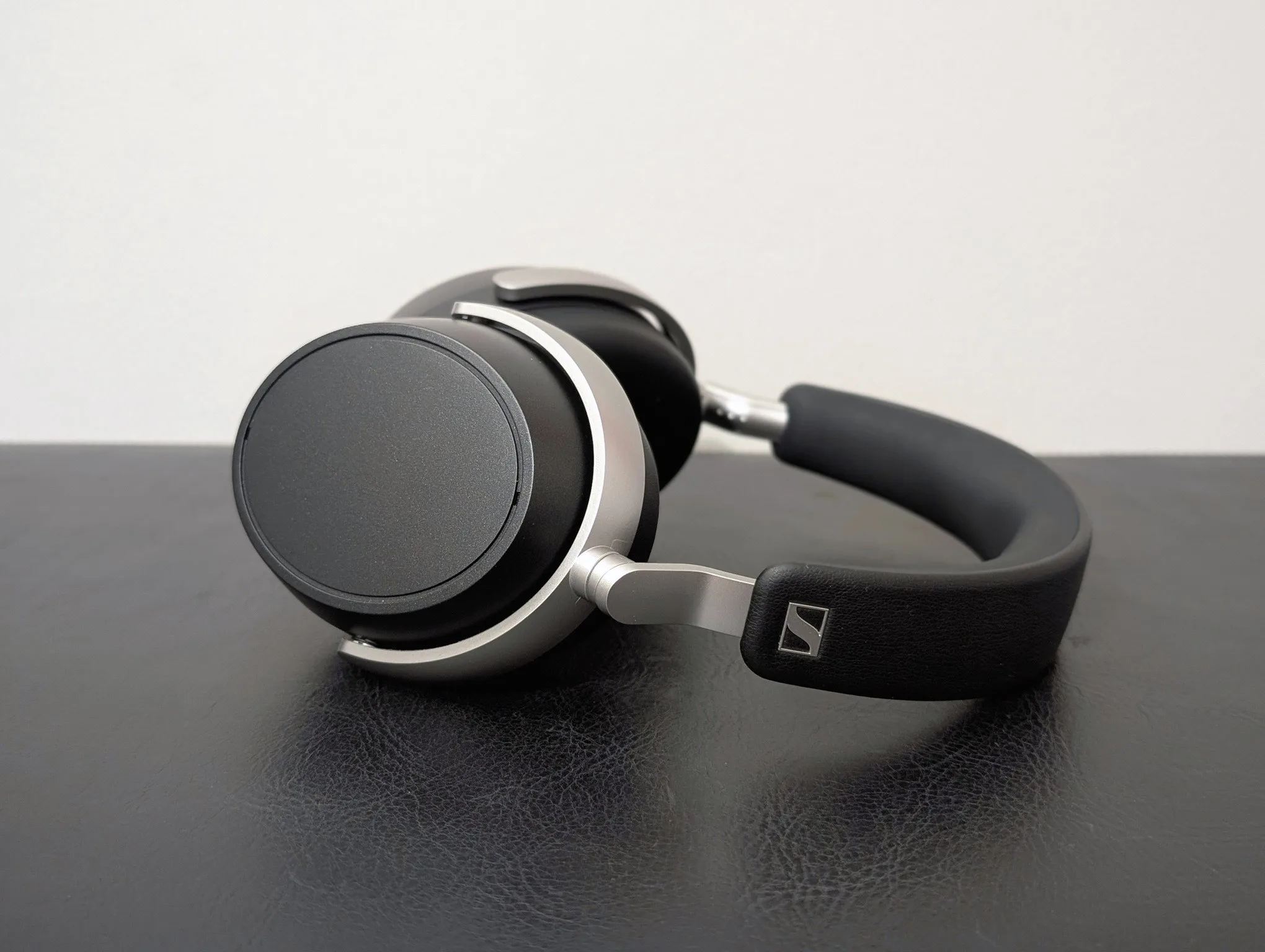
The Momentum 4 Wireless looks rather dull in black, so I had hoped for some kind of visual refresh with the HDB 630. There isn't inherently anything wrong with the look, but there isn't anything particularly interesting about it either. The silver yoke sections liven up the overall package just a bit, but they are standard plastic like the rest of the construction (I once mistakenly thought the Momentum 4 featured metal).
While the thickness of the parts imparts a tactile sense of durability, many have quite rightly criticized the HDB 630 for feeling cheap. The same construction feels appropriate enough in the 200–250 euro Momentum 4, but at 500 euros, it should be able to offer a touch of premium flair, akin to Bowers & Wilkins headphones like the PX7 S3. The perceived quality of the HDB 630 isn't helped by the creaking noise that occurs when pressing the connection points between the earcups and the yokes. Not everyone minds these sorts of things, however, since they largely go unnoticed once you have the headphones on your head.
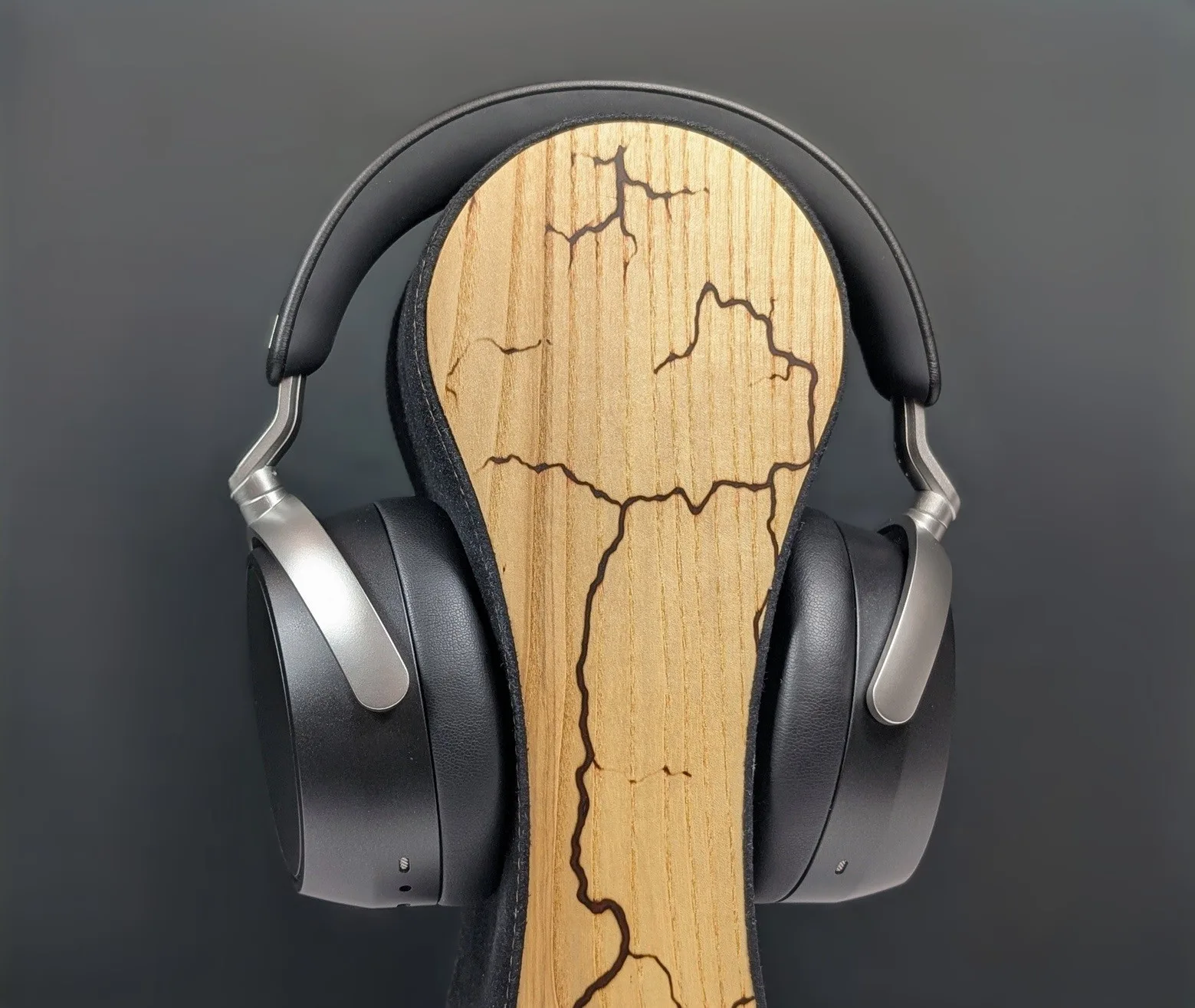
Externally, the HDB 630 differs from the Momentum 4 in its headband's decorative material (smooth synthetic leather vs. rough fabric), the shape of its ear cushions, and its slightly thicker earcups. The acoustic chamber behind the drivers is now larger than before, making the HDB 630 look quite chunky for a pair of noise-canceling headphones. Fortunately, the weight stays at a moderate 311 grams, meaning the Focal Bathys , for instance, weighs 40 grams more. On the other hand, competitors like the Sony WH-1000XM6, Bose QuietComfort Ultra and AKG N9 Hybrid weigh less and, in my view, offer a more premium-feeling build.
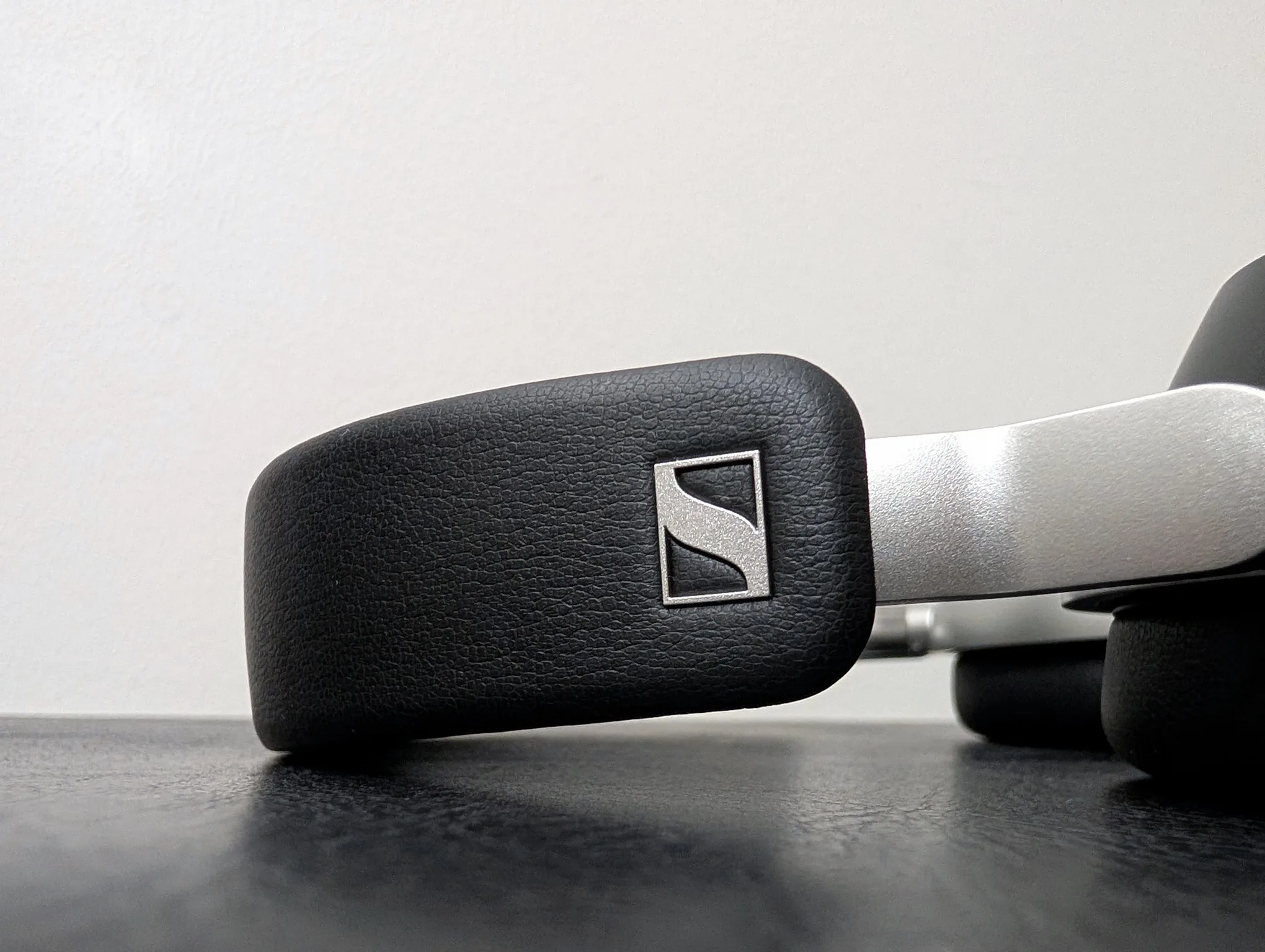
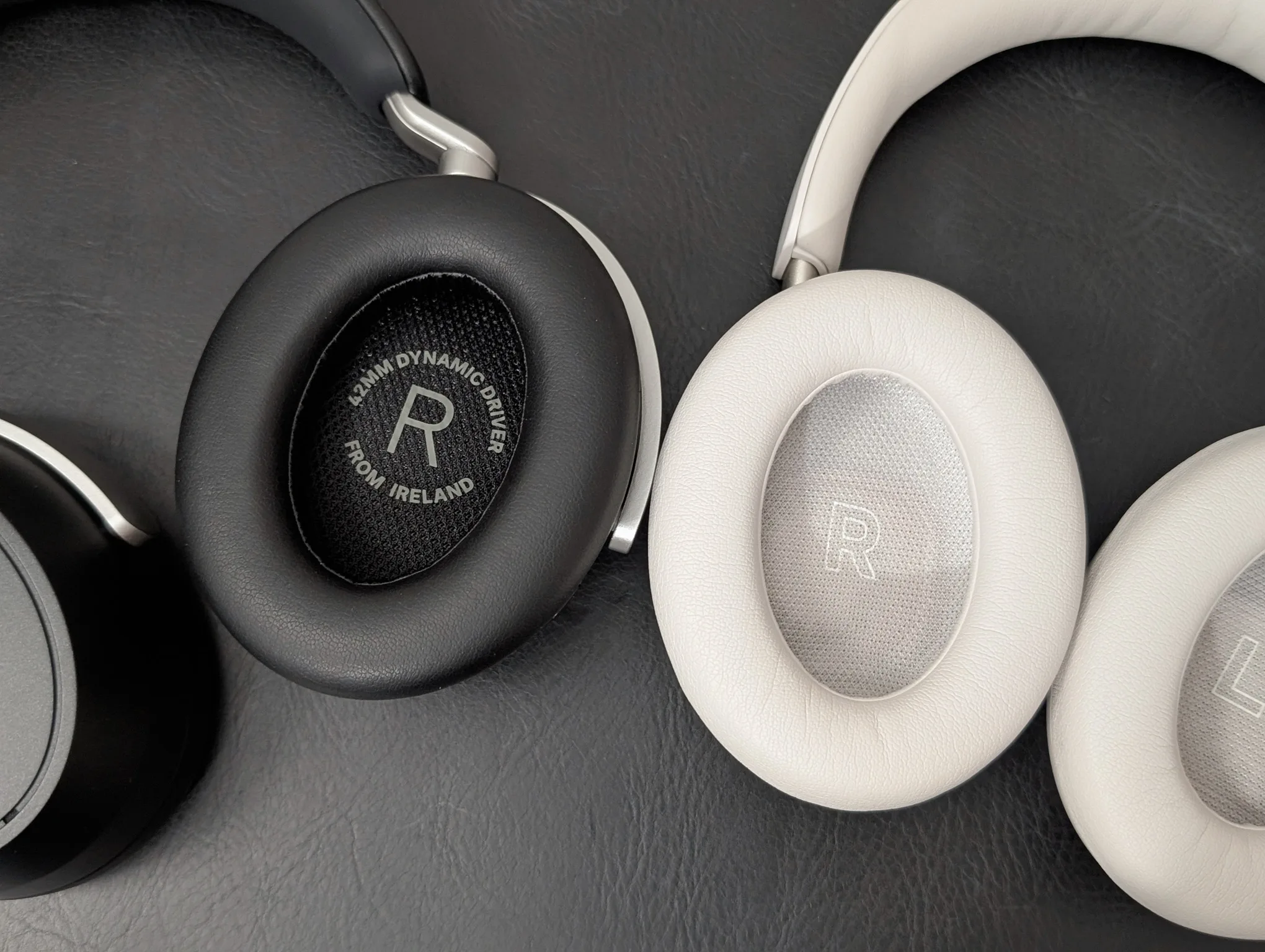
The new synthetic leather ear cushions probably serve a primarily acoustic purpose, but at the same time, they wrap around the ears slightly more snugly than the Momentum 4. On the other hand, the ear cavity (5.6 x 3.8 x 1.9–2.5 cm) still feels quite cramped by modern standards, so my ears constantly brush against the edges of the pads. This has been one of the primary complaints from consumers, and I wouldn't call the HDB 630 particularly unobtrusive either.
However, I get along fine with the headband, which some have described as hard, and the clamping force is quite appropriate, perhaps even a bit lighter than on the Momentum 4. Still, something about the yoke design feels slightly off in my case, as the earcups easily swivel toward the back of my ears, creating the highest pressure there. For instance, opening my mouth breaks the seal of the cushions and the effectiveness of the noise cancellation more easily than usual on the front side of my ears.
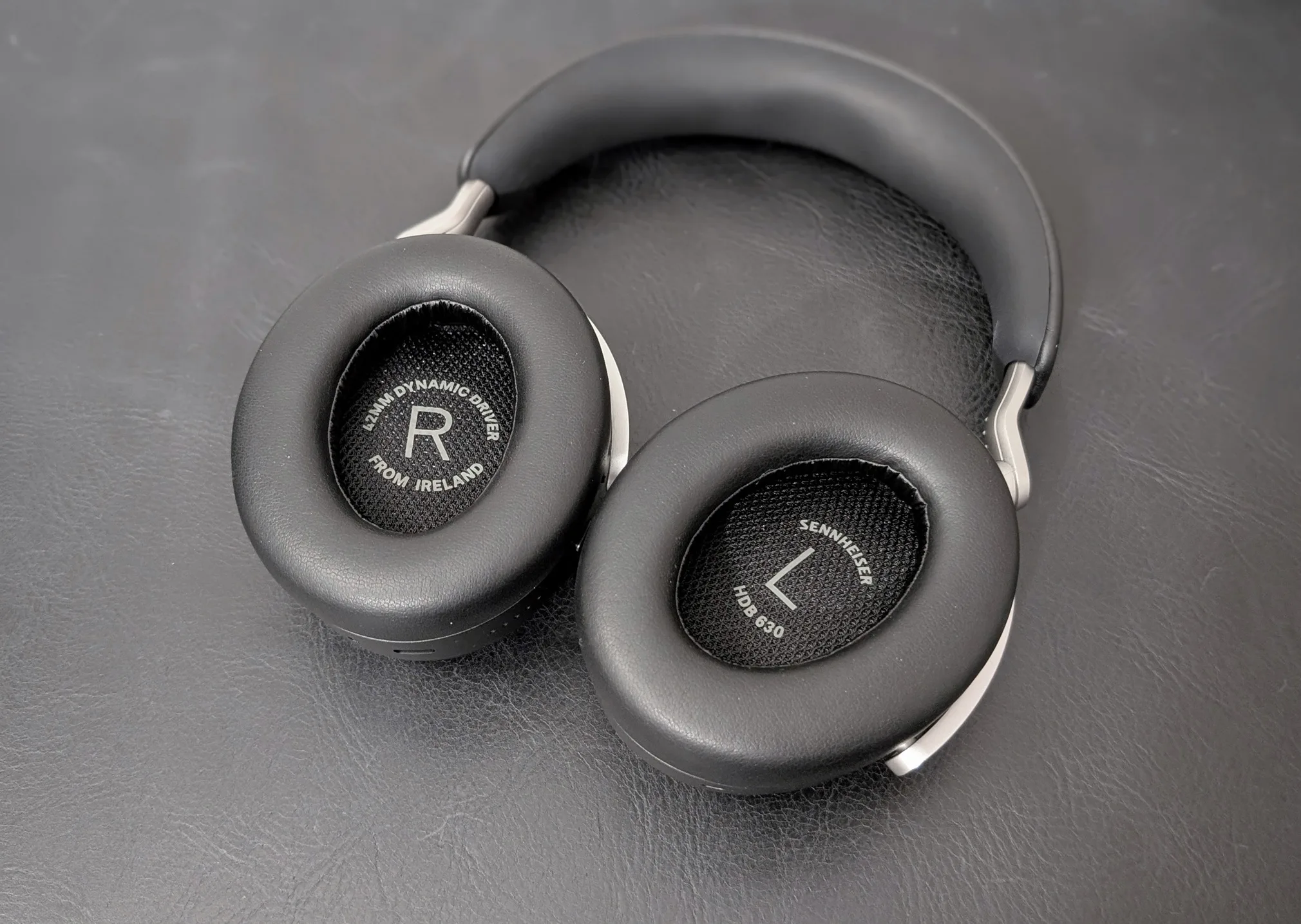
Using the HDB 630 isn't particularly comfortable for me, though it remains quite bearable. I can easily keep the headphones on my head for 2–3 hours, so I wouldn't be overly concerned about the wearing comfort. Ultimately, the greater disappointment is the generic chassis, borrowed from the Momentum 4 which was designed to be a cheaper headphone. There is nothing wrong with recycling parts, but the mismatch between pricing and quality inevitably stirs up negative feelings, as happens here. The situation is further worsened by the annoying touch controls on the right earcup.
Touch functions
Touch gestures and functions familiar to Momentum 4 owners—such as adjusting the ratio of noise cancellation to transparency mode using a two-finger pinch—will likely be a positive addition. For everyone else, however, it may come as a surprise how sluggishly commands register and how easily the touch area is accidentally brushed while adjusting the headphones on your head. The exact same issue plagued the Momentum 4, but with the HDB 630's thicker earcups, it is nearly impossible to pick up the headphones without pausing or resuming playback at the same time. I found it virtually mandatory to disable the touch controls via the app to keep from actively resenting the HDB 630. Of course, this means having to use the audio source to control the headphones, since there are no other physical buttons available aside from the power button.
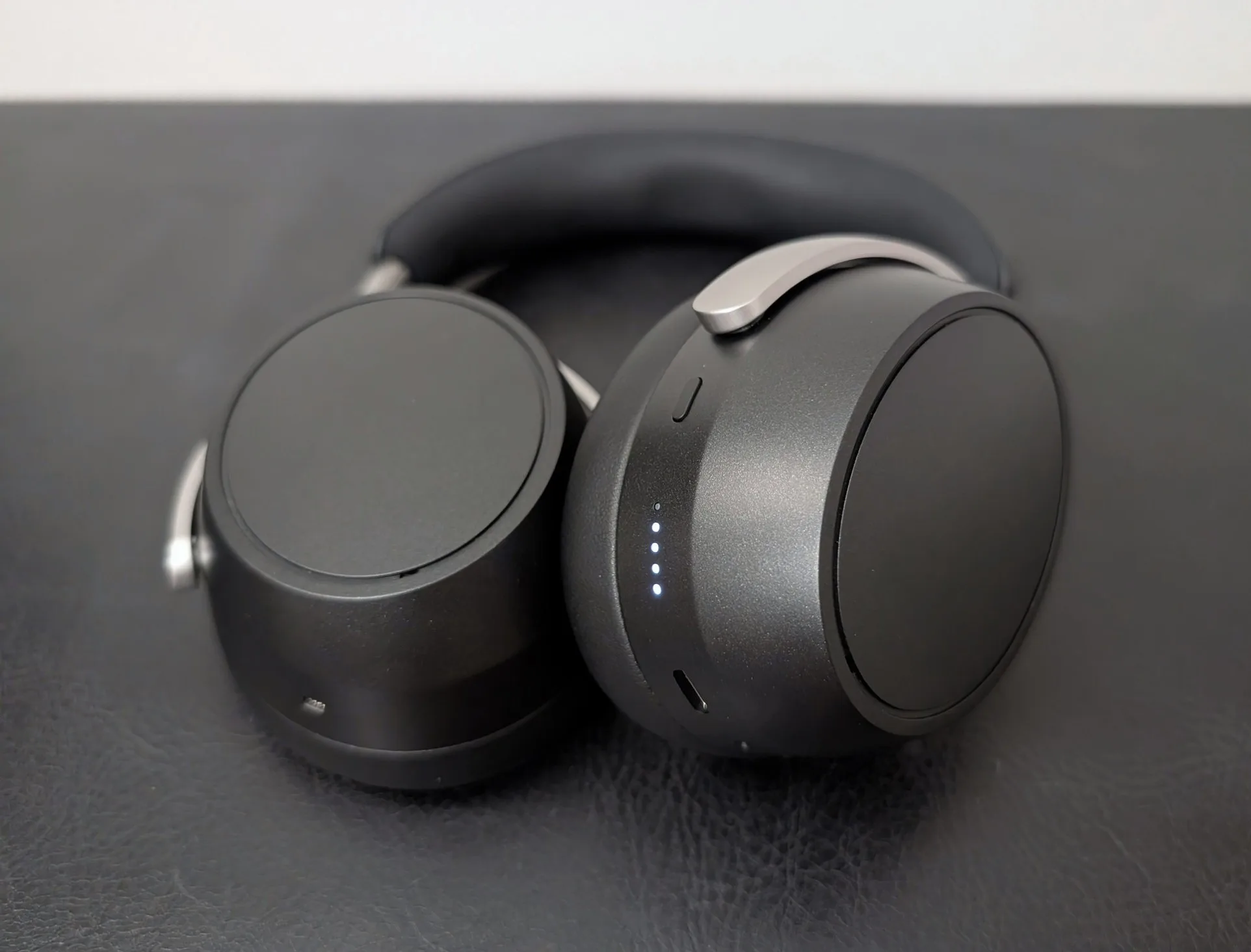
In addition to the frustrating touch controls, the HDB 630's wear detection sensor reacts rather slowly, leaving the user experience falling far short of, for example, the Sony WH-1000XM series headphones equipped with similar features. For some reason, Sennheiser relies entirely on the technology of the Momentum 4 and has not made any noticeable product development in this area over the past three years.
Bluetooth technology and battery life
The Bluetooth implementation largely mirrors the Momentum 4, as the Bluetooth version is a slightly dated 5.2 and codec support is identical, with Google Fast Pair still not offered unlike with competitors. This time, however, thanks to the separate BTD 700 transmitter, even more users will be able to utilize the AptX Adaptive codec with the HDB 630, as it would work even on Apple devices. Some will certainly still have to resort to the USB Audio Player Pro app in the Android world, but I'd recommend purchasing it anyway if you care about maximum Android sound quality. In Windows and Apple environments, the Sennheiser Dongle Control app can be installed for the BTD 700, allowing the Bluetooth mode and codecs to be managed. On the other hand, using the separate transmitter is not mandatory; the HDB 630 also works without it, for example when connected directly to a mobile phone.
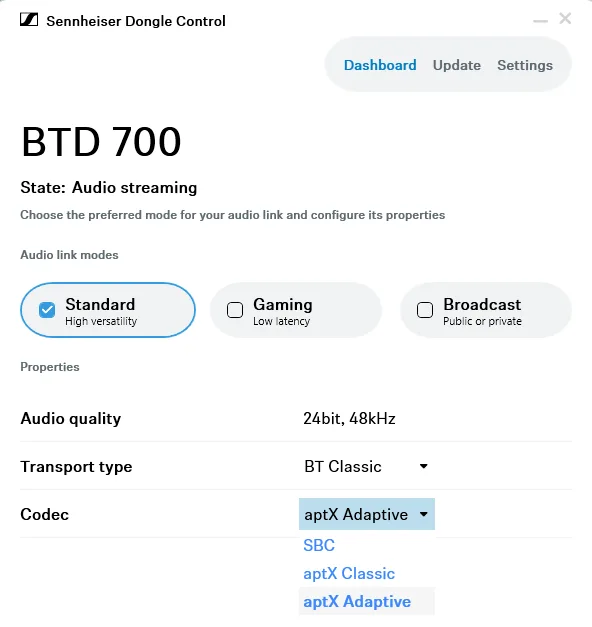
Even though AptX Adaptive does not differ significantly in bitrate from the older AptX HD, a low-latency mode is alternatively available via the BTD 700, which is well-suited for gaming, for example. At least in more casual gaming, I am not bothered by the remaining 30-millisecond latency. This mode is accessed by pressing the BTD 700 button three times, which turns the transmitter's light green and, as far as I know, drops the maximum allowed sample rate of the audio signal slightly. The connection has been stable in all situations and using the separate transmitter has been easy. Multipoint also works well when the headphones are simultaneously connected to the BTD 700 and some more traditional Bluetooth audio source, such as a mobile phone.
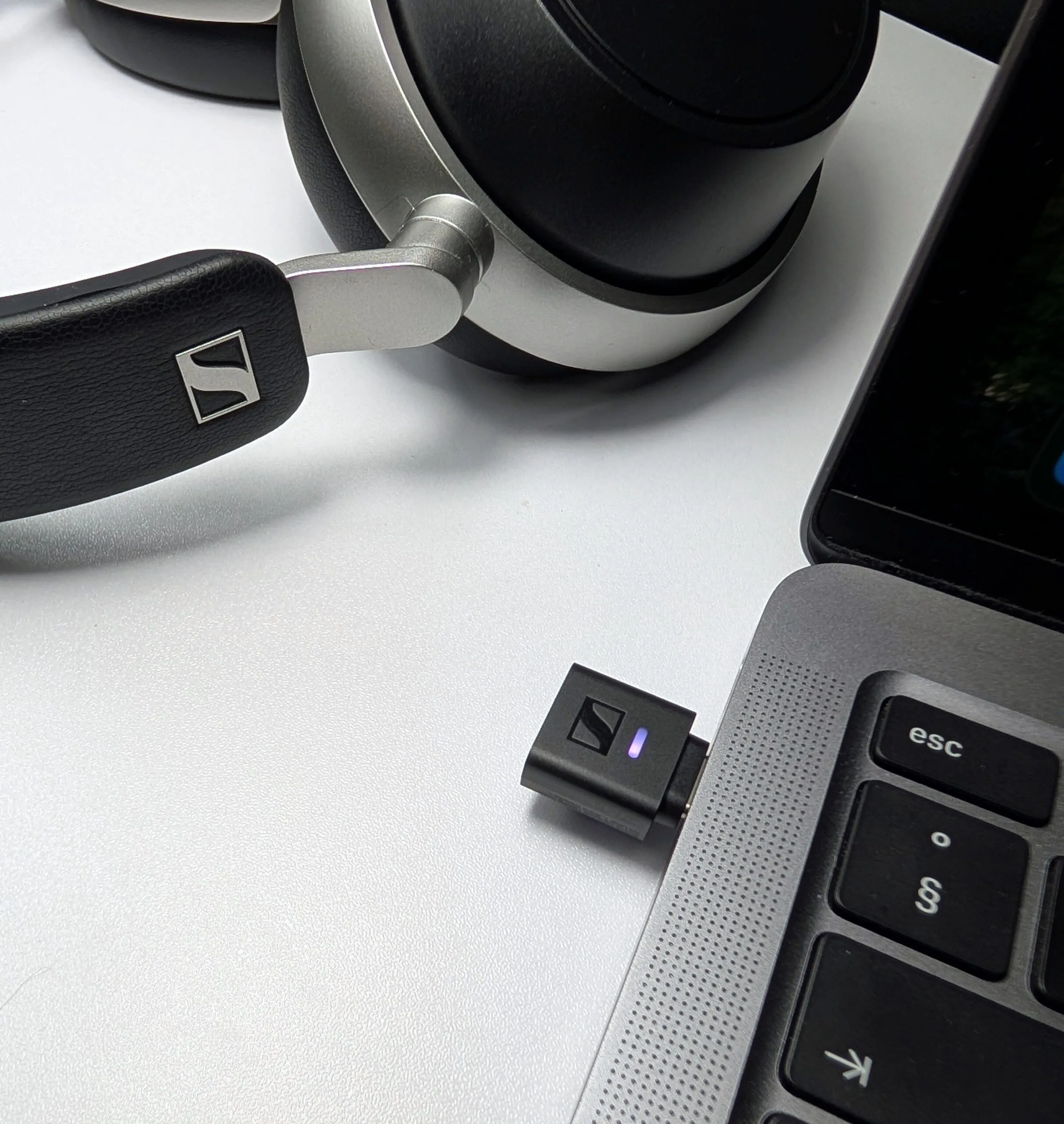
Sennheiser has thus succeeded in making the Bluetooth user experience exceptionally smooth, which is one of the HDB 630's biggest strengths compared to competitors' products. Alternatively, the BTD 700 can of course also be purchased separately for 50 euros, meaning owners of the Momentum 4—which also supports the AptX Adaptive codec—could gain access to the same benefits, if they were to think to do so, which I greatly doubt. Let's give Sennheiser credit for including the transmitter right in the HDB 630's package. Instead, I find it slightly strange why headphones designed with sound quality as the priority do not support the lossless AptX Lossless codec, which could be used precisely with the BTD 700. Fortunately, lossless listening is still possible if needed via a USB cable.
Like the Momentum 4, one of the HDB 630's strengths is also its long battery life, as the 60 hours achieved with active noise cancellation enabled still reaches the upper echelon of the market, although when maximizing audio signal quality, it in reality falls slightly more modestly to 45 hours. In any case, a short 10-minute charge achieves already 7 more hours of usage time, so running out of battery will likely be a rare phenomenon. Charging is also possible during use. Unlike the Momentum 4, however, the HDB 630 no longer functions as a passive headphone with the power turned off. Sennheiser presumably wants to avoid situations where people would be disappointed by the new model's sound due to the lack of DSP corrections. As a negative side, the breaking of the battery or electronics does render the headphones completely unusable, but I ultimately consider it more important that such a product functions in an optimal way while working than that it could still be used after partial failure.
I noticed a peculiar issue related to USB usage, as Sennheiser has configured the USB connection such that the headphones always charge themselves when connected to a mobile phone. Since this cannot be changed through the settings, and there is no USB-DAC mode like the one on Focal Bathys headphones, the phone's battery drains quickly. Such usage should therefore be avoided at least for now, and USB listening left to computer connections.
Mobile application and additional features
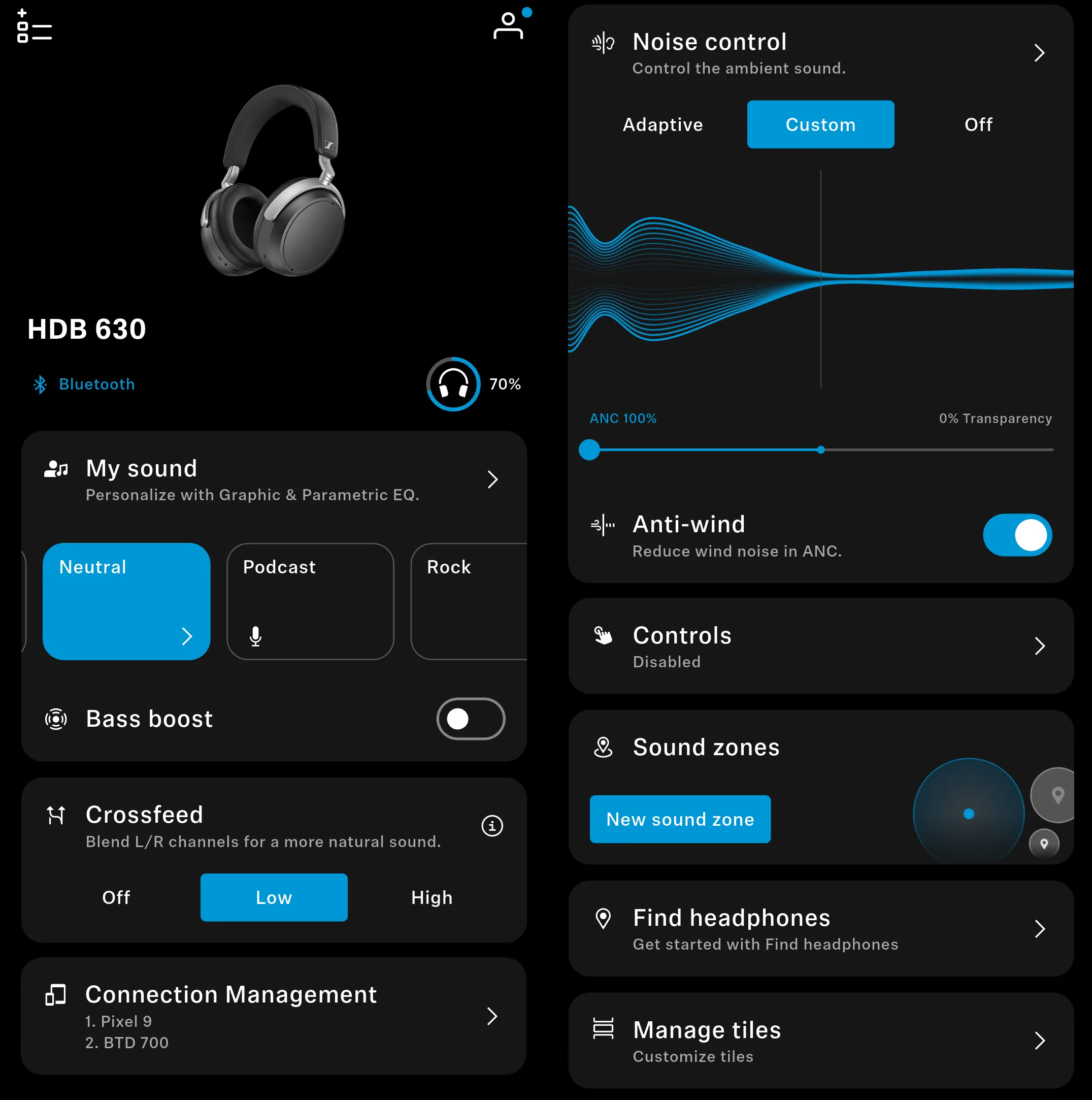
Developed for the needs of the HDB 630, the SmartControlPlus app includes new features such as a crossfeed function and a parametric equalizer. I also don't remember the older app containing an info view representing the signal path, which is quite a nice addition for audiophiles who are passionate about listening. Other features, meanwhile, are already familiar from the Momentum 4, meaning the user can tweak a few settings, adjust the active noise cancellation, and configure listening modes for different environments. In addition to the parametric equalizer, the app still includes a simpler graphic equalizer as well, and pre-defined sound profiles haven't been forgotten either, so the customization options are comprehensive.
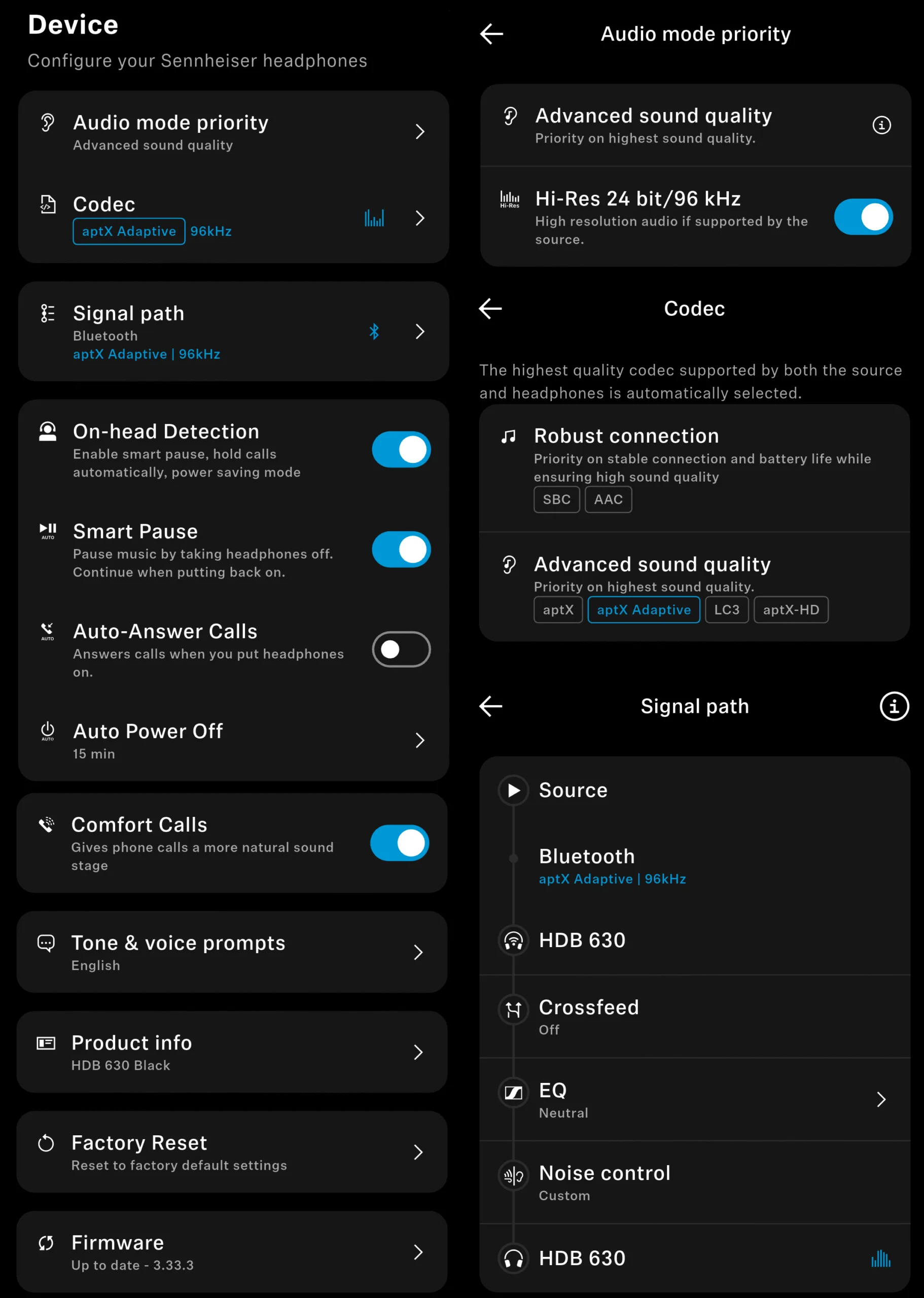
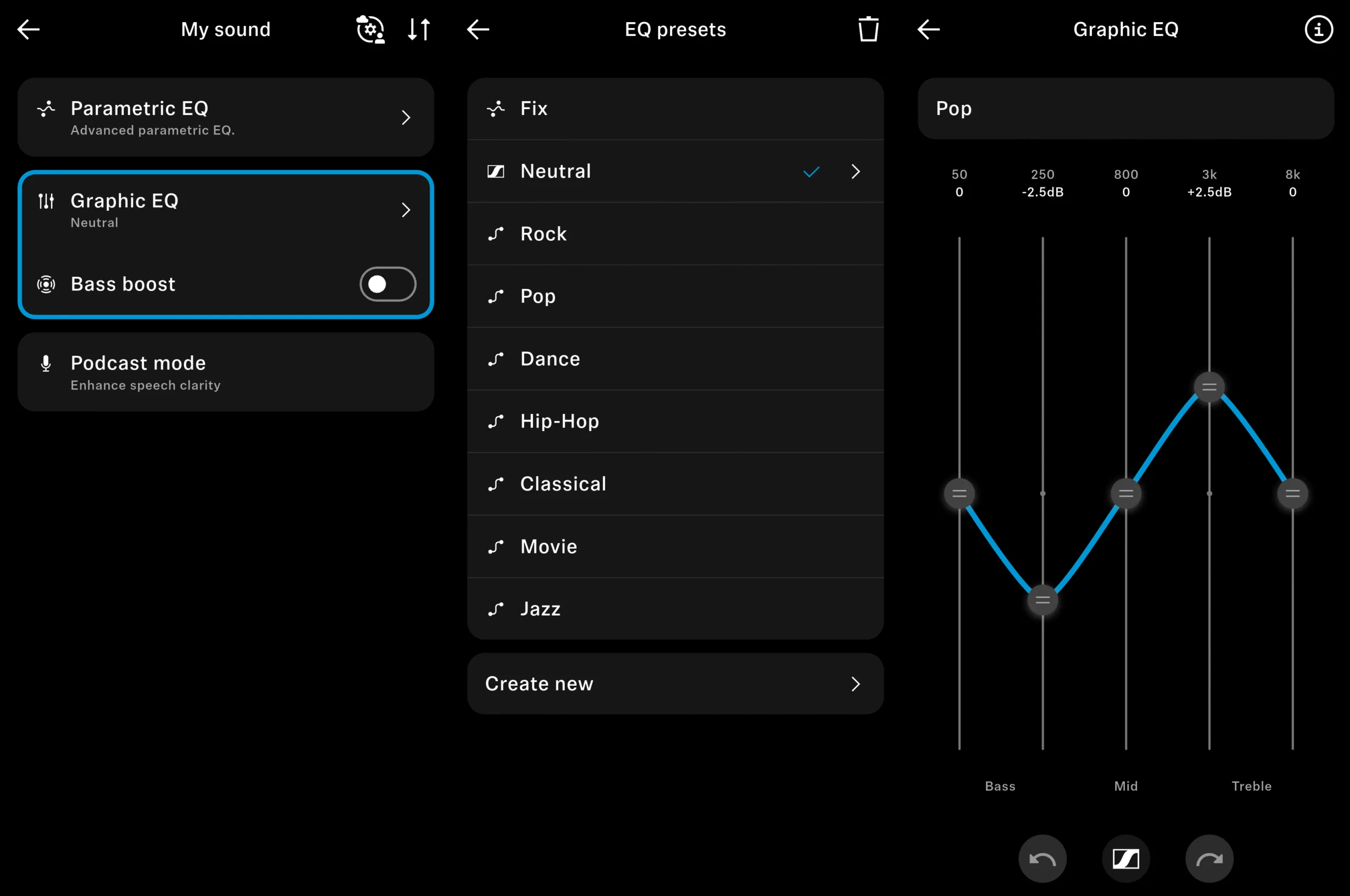
Sennheiser's parametric equalizer is one of the best on the market, as it allows five completely customizable filters that can be Peak, Low Shelf, or High Shelf types. The frequency and Q value are likewise fully freely selectable, but the adjustment strength is capped at a maximum of six decibels up or down. This makes quite a bit of sense to prevent the headphone amplifier from running out of headroom.
As a nice bonus, the app allows A-B comparison of two different equalizations or comparing the currently defined changes to the default settings. In a comparison situation, you just need to keep your finger on the button, and the volume is also leveled between the two options, giving you a complete picture of the differences. Features like this are not something we are used to seeing in noise-canceling headphones, even though the parametric equalizer itself is not a new invention. For example, the Nothing Headphone (1)app includes an even more comprehensive 10-band equalizer, although it is not quite as freely configurable as Sennheiser's 5-band counterpart.
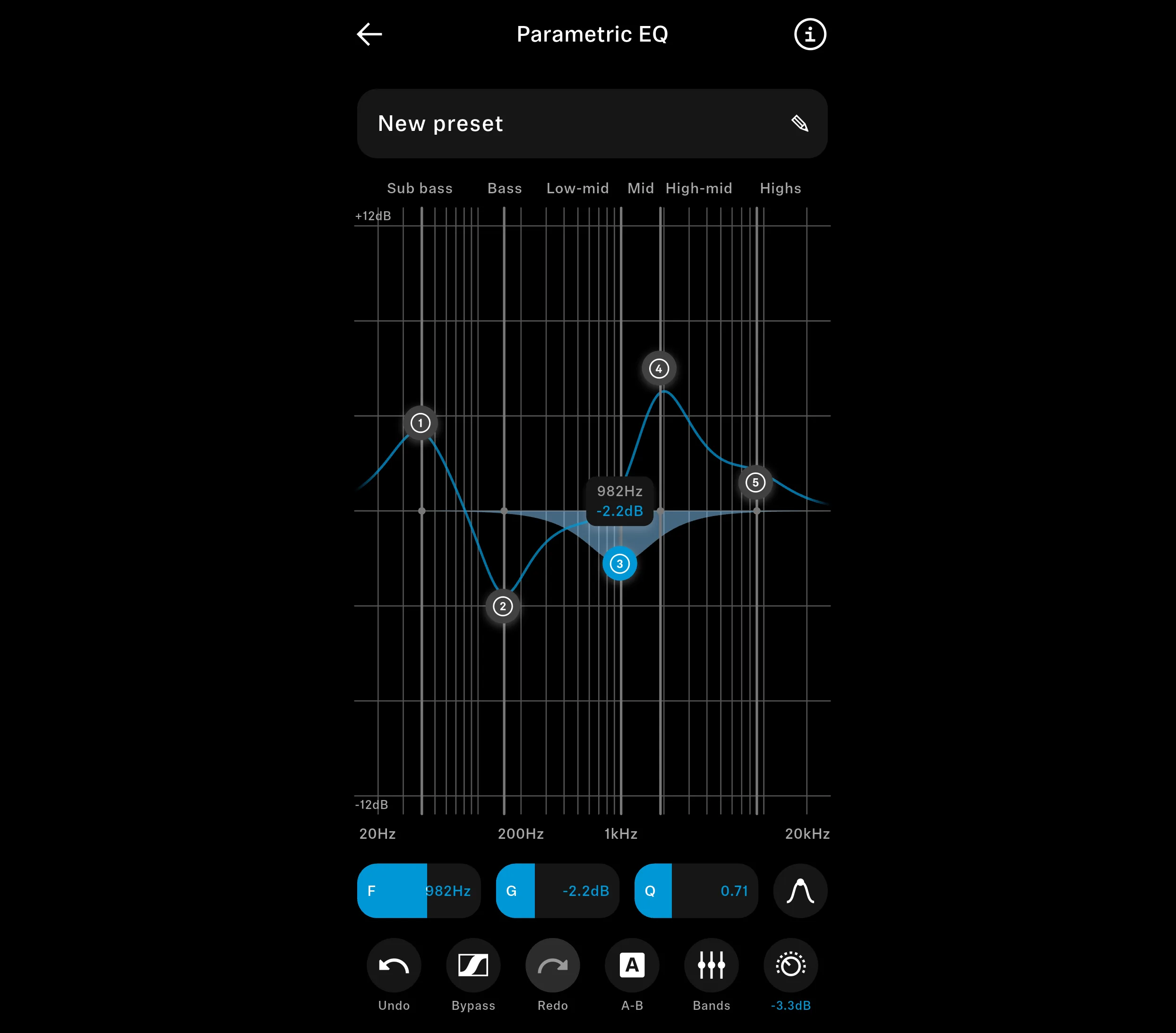
The crossfeed function blends the left and right channels together with the goal of creating a more speaker-like soundstage. The end result is precisely that, but to my taste, only the Low setting is usable without the sound starting to distort too much. For example, when listening to older music produced exclusively for speakers, the crossfeed function lets you handily get rid of sounds mixed entirely to the left or right side, which otherwise would be quite annoying to listen to on headphones. In the long run, I see this feature as more useful than many half-heartedly implemented spatial audio effects that mostly muddy the soundstage and distort the audio. Sennheiser is still staying out of that game for now.
Active Noise Cancellation
According to the manufacturer, the HDB 630's active noise cancellation largely corresponds to the Momentum 4, which, based on measurements I've seen, holds true. Someone might ask why Sennheiser hasn't developed its noise cancellation further in three years. On the other hand, the new type of ear cushions would appear to make the fit tighter than before, so the HDB 630 may well attenuate noise slightly better than the Momentum 4—at least if the ear cups sit evenly on the ears.
The HDB 630's active noise cancellation earns plus points for its non-existent background hiss. Because of it, the impression of high-quality sound is not ruined right at the start, but rather the electronics stay as if hidden. The efficiency of the noise cancellation, on the other hand, falls quite far from Sony's and Bose's headphones, but is nevertheless good average by today's standards. For example, the Valco VMK25 familiar to us offers a very similar user experience with small tonal differences. Also, the higher-end Focal Bathys MG matches the HDB 630 in noise cancellation power based on my tests so closely that potential differences do not have a greater practical significance. In some situations, differences are difficult to notice, but as a small victory, I noted that Sennheiser's headphones attenuate simulated airplane noise the best of this trio.
The transparency mode I would likewise classify as fairly conventional, since the environment does not sound the clearest and most natural, but neither disturbingly distorted. Through the app or gestures, the effectiveness of the noise cancellation could be adjusted, although I myself focused on evaluating it at full power. Probably the adaptive mode might, however, be the easiest option if I wanted the noise cancellation to lighten automatically in a quieter usage environment. For outdoor use, wind protection can be activated for the noise cancellation, which I found to reduce disturbance sounds and crackling caused by air flow really effectively. With this setting turned off, crackling and popping certainly abound.
Microphone sound quality
I feel like I'm repeating myself at this point, but the final feature remaining at the level of the Momentum 4 in the HDB 630 is microphone sound quality, which I would describe as quite good in a quiet usage environment. Amidst noise and wind, the headphones do not try to filter out disturbances as strongly as competing products' more advanced offerings, which has both advantages and disadvantages. On the positive side, the speaker's voice does not get clipped during noise suppression, but on the other hand, the listener also hears unwanted sounds a bit louder than usual. Perhaps the situation could even be called realistic.
Sennheiser recently released the BAM microphonefor their passive HD 500 series headphones, which attaches to a 2.5-millimeter connector in line with the headphone cable. However, this microphone is reportedly not compatible with the HDB 630 because its 2.5-millimeter connector is the wrong type due to the lack of a locking mechanism. Even though many might not necessarily feel the need for a better microphone, the compatibility issue between products released around the same time is puzzling. Why on earth couldn't Sennheiser use standard 3.5-millimeter connectors?
Headphone sound quality
Following minor updates and numerous features inherited from the Momentum 4, we finally arrive at sound quality, which is ultimately what you are primarily paying for with the HDB 630. Buyers should note that the headphones only operate with the power turned on, meaning they can be listened to not only via a Bluetooth connection but also using the included headphone cable. Listening via a USB cable is also possible thanks to the built-in DAC. Used this way, the audio signal is lossless, provided the audio source settings are configured correctly. Among competitors, Sony, for example, does not offer a USB listening feature, so Sennheiser has an advantage here. The same applies to the Bose QuietComfort Ultra, though not to its newly released version, which once again features USB support.
From the perspective of the HDB 630's sound quality and frequency response, activating the active noise cancellation during listening produces the most linear result in the lower frequencies, whereas without noise cancellation, the upper bass frequencies are reproduced with a slight boost. The difference between these two usage modes still remains smaller than in many other headphone models. The noise cancellation strength setting also does not appear to alter the sound, and no differences in frequency response arise between wireless and wired listening. Using the HDB 630 is thus straightforward, and everyone should be able to get the best possible sound quality out of it without having to overthink the matter.
Measurements
Our frequency response measurements have been made with a clone IEC-60318-4 coupler and KB501X pinnae. The Harman target curve from 2018 is used as a reference point and generalization of the headphone response that would sound good to most people. For more information on the measurements and their accuracy, see Headphone Measurements. The HDB 630's frequency response is also comparable with other measured headphone models on Squiglink .
Frequency response (ANC ON & OFF):
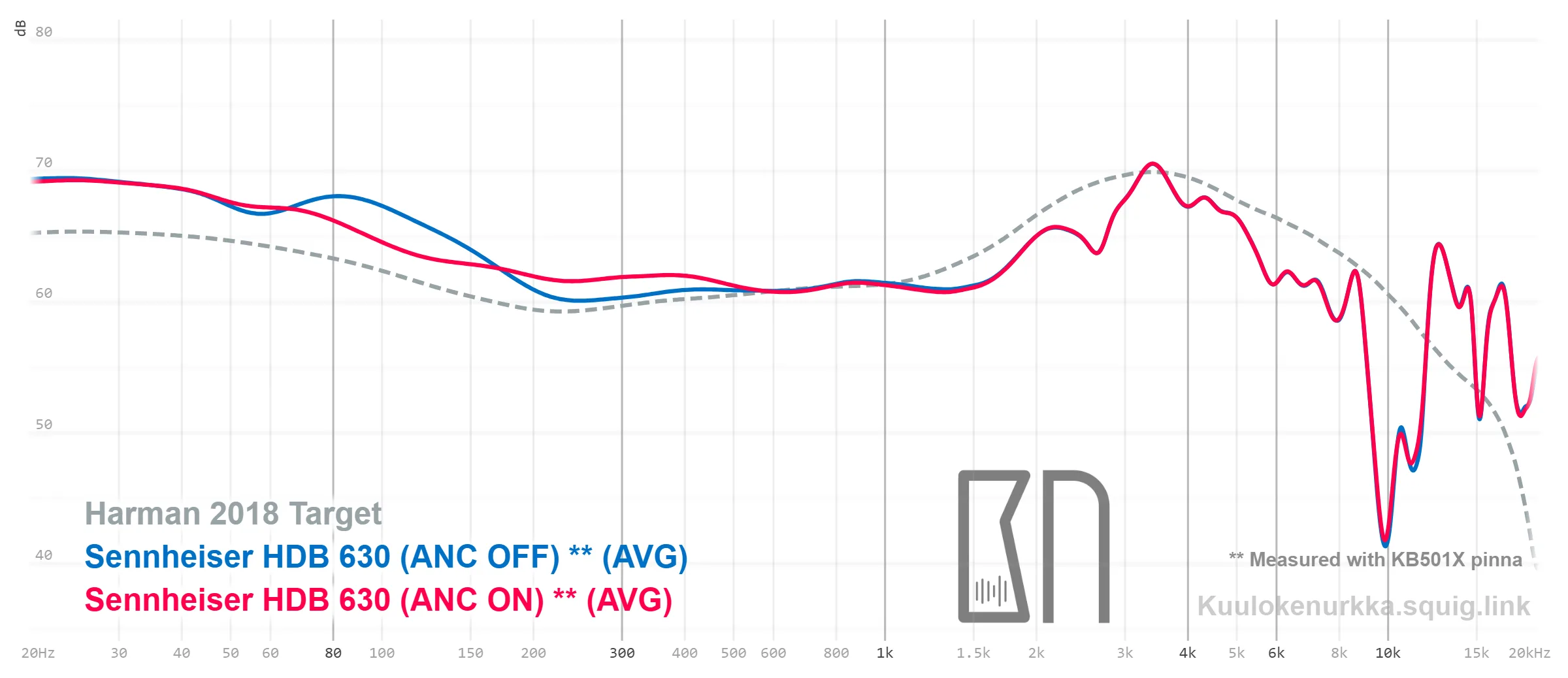
Active noise cancellation always affects a pair of headphones' frequency response to some degree, so manufacturers typically optimize the final sound on the assumption that the feature will be kept turned on. This also holds true for the HDB 630, as its 70 to 150 hertz range is reproduced with more prominence when noise cancellation is off—something that, objectively evaluated, offers no benefit assuming the shape of the Harman curve is considered the desired outcome.
In any case, Sennheiser has tuned its headphones to be more balanced than many other noise-canceling headphones, because the amount of mid and high frequencies is just right for neutral reproduction, and even the bass does not sound overly exaggerated. Granted, the tuning could still be called consumer-oriented due to the lower frequencies aiming for fullness, but in a product targeted for listening in environments noisier than usual, I consider this solution quite sensible. The amount of bass can easily be adjusted in different directions if needed using the manufacturer's good equalizer.
A slight unevenness in the upper frequency ranges appears to be somewhat measurement-rig and user-dependent, meaning the locations of the bumps and dips likely vary slightly. However, as quite an obvious trait, the treble above 10 kilohertz rises rather strongly, which may potentially bother some listeners. Even so, overall the headphones are tuned very sensibly toward natural reproduction, which is what many of Sennheiser's other HD 500 and HD 600 series headphones also aim for.
HDB 630 vs. Momentum 4 Wireless:
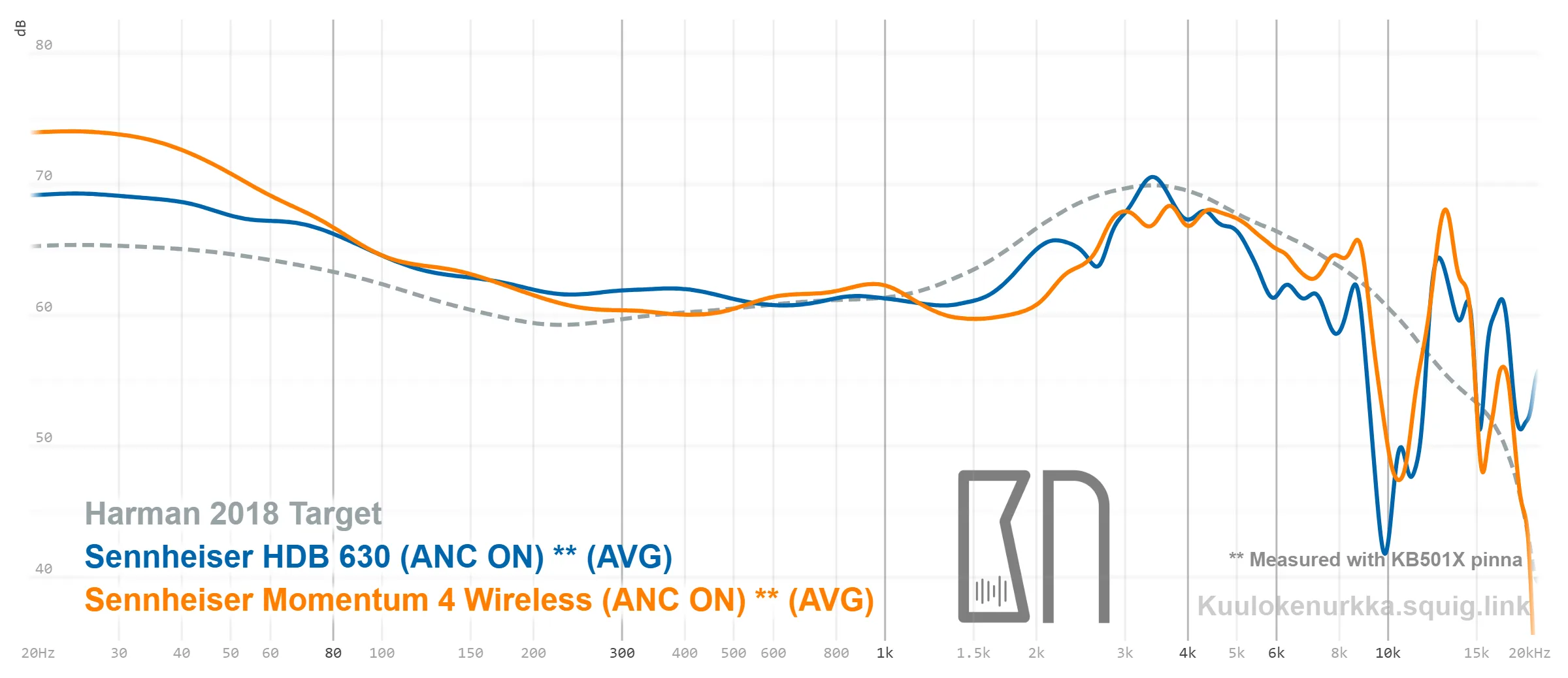
Both the HDB 630 and Momentum 4 measure slightly differently across various rigs, but generally speaking, the new model can be said to offer a flatter and more present midrange, along with less bass and treble. The frequency response is thus straighter and the sound perhaps less exciting, but on the other hand, closer to how the music itself would sound when presented completely neutrally. The Momentum 4 influences the end result noticeably more, which is not desirable for sound quality, especially for people who listen to music attentively, if you ask someone like myself. The HDB 630 is indeed made precisely for critical tastes, whereas the Momentum 4's punchier bass and brighter upper frequencies might get your dancing shoes tapping faster during more casual listening.
My moderate equalization:
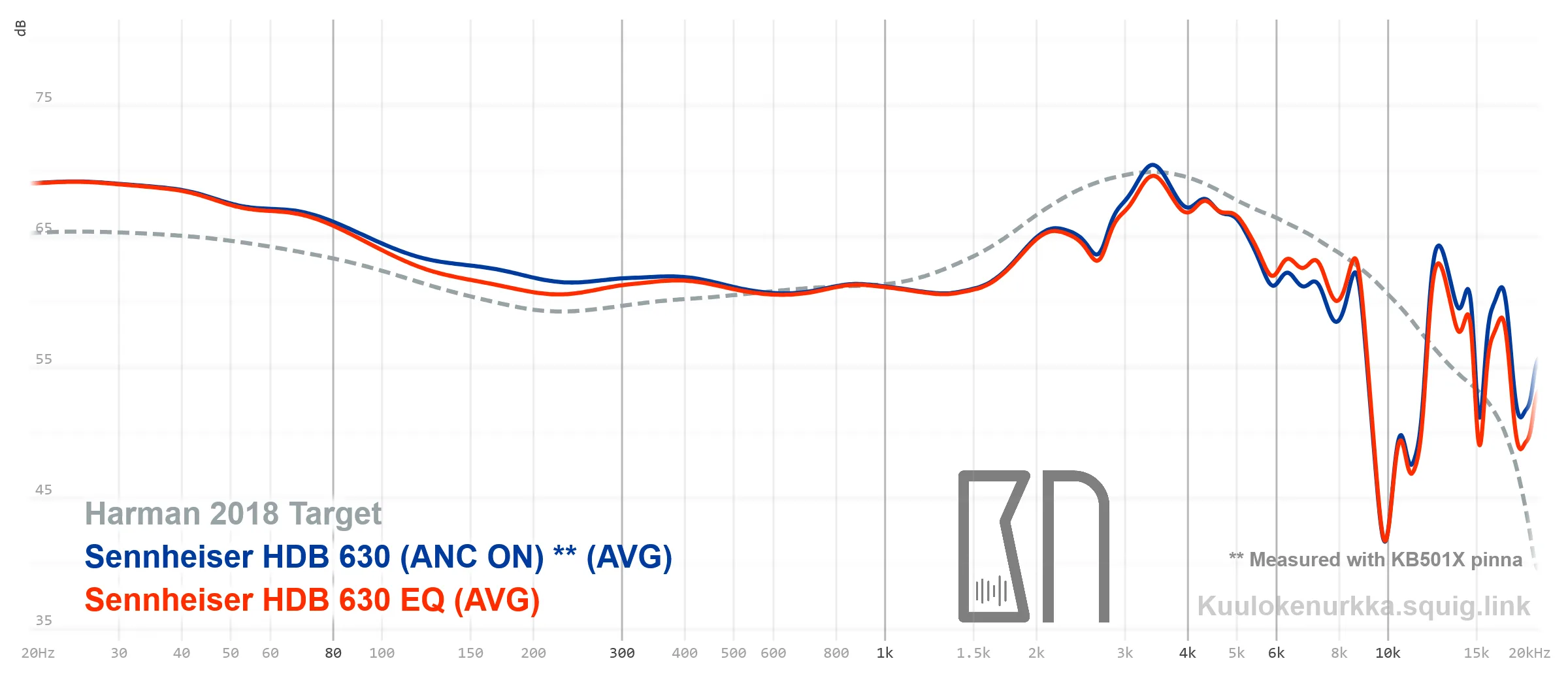
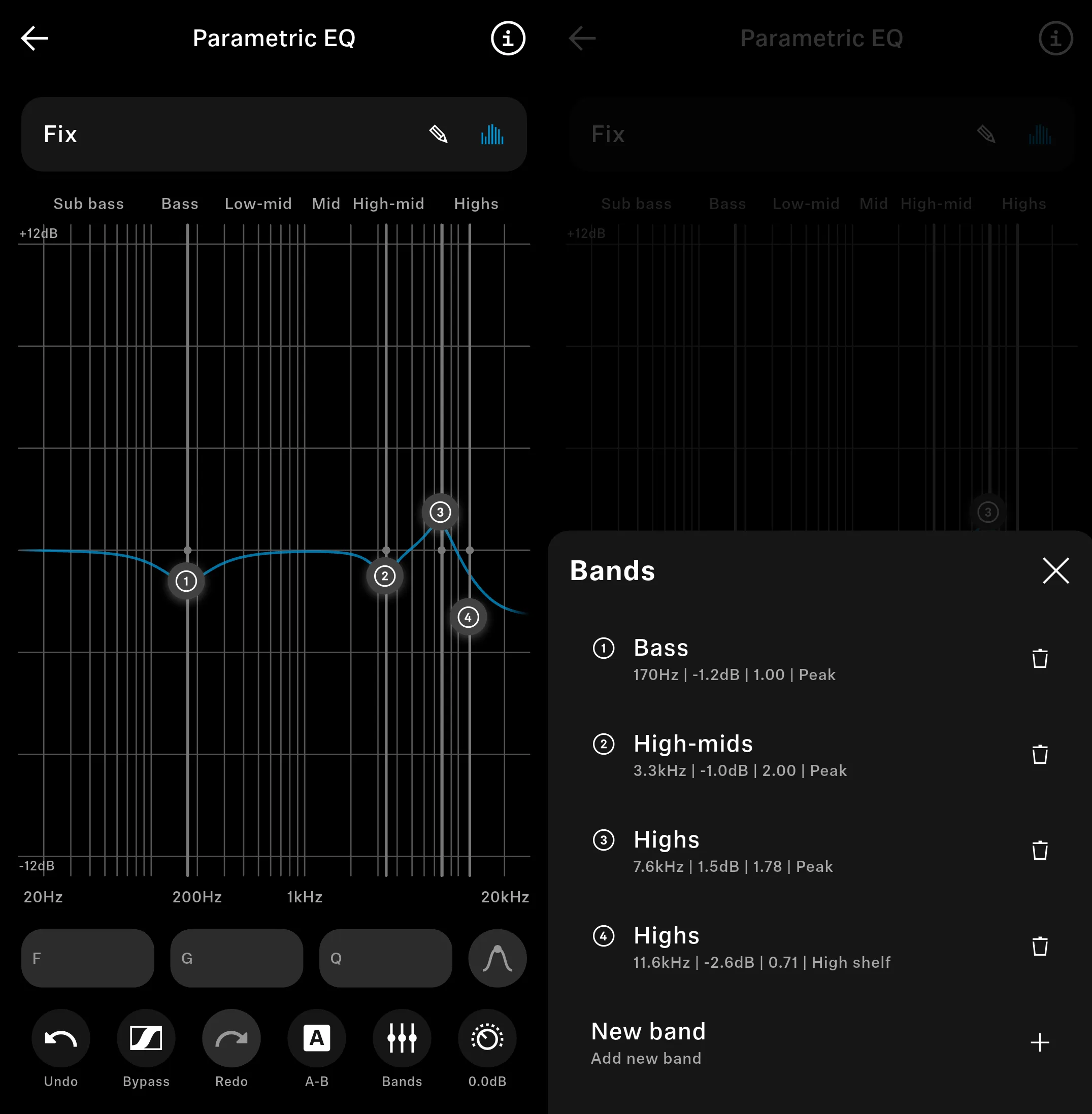
Since Sennheiser offers an excellent equalizer for the HDB 630, I have utilized it to fine-tune the sound. I might as well mention right here the settings with which I achieved a result more pleasing than the default settings. In the end, however, I did not set out to drastically alter the groundwork done by Sennheiser.
Sound observations
The HDB 630 could actually be described quite briefly, because fundamentally it sounds like a natural-sounding headphone that nonetheless features a solid bass. In my view, only a few would find much to complain about in the presentation out of the box, as long as the goal isn't to achieve clinical neutrality or the bass and treble overdose typical of Bowers & Wilkins' newest headphone models. On the contrary, the HDB 630 is a rather calm and even slightly soft-sounding headphone—at least to my ears. Listening to it makes it easy to make out both vocalists and instruments, and everything generally sounds normal in a good way. On the other hand, a certain clarity and micro-detail are missing, so instead of energy and maximum detail retrieval, a relaxed listening experience takes center stage.
Based on my frequency response measurements, one might assume the bass is somewhat elevated, but ultimately I don't feel it stands out too much compared to headphone models following the Harman target curve. The bass also barely bleeds into the midrange, even though I did notice a small EQ tweak further clarifies the reproduction. Out of the box, densely produced music (e.g., certain modern rock genres) can occasionally sound a bit soft, whereas lighter music sounds truly great this way. Furthermore, all kinds of electronic bass music and bass-driven pop kick pleasingly hard thanks to the powerful sub-bass. Many other noise-canceling headphones place much more emphasis on the upper bass frequencies, resulting in a presentation that feels somewhat muddy and lacking the physicality of the HDB 630. Despite its somewhat serious audiophile nature, it is indeed an excellent bass headphone that could be given even more punch via EQ or Bass Boost if needed. I found that lossless USB listening makes the bass slightly tighter and more controlled compared to a Bluetooth connection.
I find that the midrange faithfully brings out the most important features of the music I listen to, though the area around 3.5 kilohertz sounds slightly aggressive to me, so I like to calm it down with an equalizer. However, this mostly just makes the reproduction even more natural rather than making the out-of-the-box sound annoying in any way. Otherwise, my experience is good as is, so I wouldn't stare too closely at the HDB 630's measurement results, especially since they vary between different sites right around 1–3 kilohertz. Personally, I would place the headphones somewhere between clear and relaxed sound—meaning the reproduction isn't too tame, but it doesn't feel forced or energetic either. Songs familiar to me largely sound the way I am used to on other passive headphones I consider good. For example, Sennheiser's own HD 620S doesn't sound quite as pleasant in the midrange to me as the HDB 630.
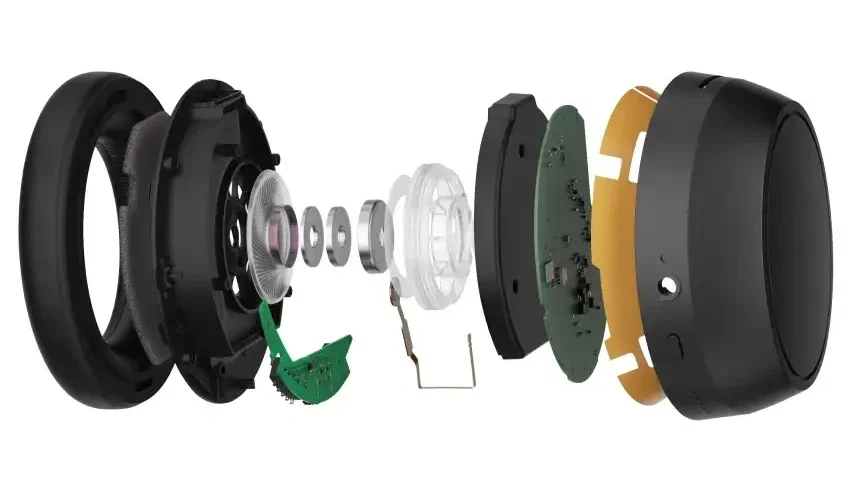
When it comes to the treble, however, the HDB 630 isn't entirely successful, as based on my habits I would prefer the sound to be a bit brighter and "crispier," yet on the other hand, I find the upper half above 10 kilohertz occasionally distracting. For example, drum cymbals exhibit extra harshness and sibilance, which is also typical of, say, Hifiman's open-back planar headphones or, to some extent, the Audeze Maxwell's. In the HDB 630, this accentuated airiness doesn't really add detail or a sense of openness to the reproduction, so I have corrected the situation with a High Shelf type filter while slightly boosting the 6–8 kilohertz range. After that, I no longer sense anything exceptional in the upper frequencies; instead, all the various frequencies are appropriately represented despite a slight softness. Utilizing a USB connection makes the treble even slightly clearer and more separated, but I consider the widening of the soundstage to be a greater benefit compared to a Bluetooth connection.
With out-of-the-box settings, I would call the spatial impression rather cramped and enclosed, especially over a Bluetooth connection, but my EQ adjustments seem to ease the situation a bit. At least after making relatively minor tweaks, I no longer pay as much attention to the cramped soundstage. I therefore recommend that headphone owners at least try fine-tuning the sound. Many have described the headphones, with good reason, as a blank canvas that can be colored to one's liking. The foundation is relatively uncolored and the tools are professional-grade.
Having heard many good headphones, I wouldn't necessarily go out of my way to hype up the HDB 630's sound quality, but I still consider it a truly successful wireless headphone. The biggest advantage compared to competitors is the balanced sound with default settings, meaning that instead of correcting obvious flaws, the headphone user can focus on fine-tuning the end result to better suit their own taste. For comparison, Valco has dared to make the VMK25even more neutral, whereas the HDB 630 feels to me like a functional middle ground between neutral and consumer-type headphones. Thus, it shouldn't scare away those accustomed to natural midrange frequencies or powerful bass, even without touching the equalizer.
However, let's gain a bit more perspective on the situation through a few comparisons.
Comparison: Sennheiser HDB 630 vs. Bose QuietComfort Ultra
Prices 500 € vs. 350 € (discounted down to 300 € at best)
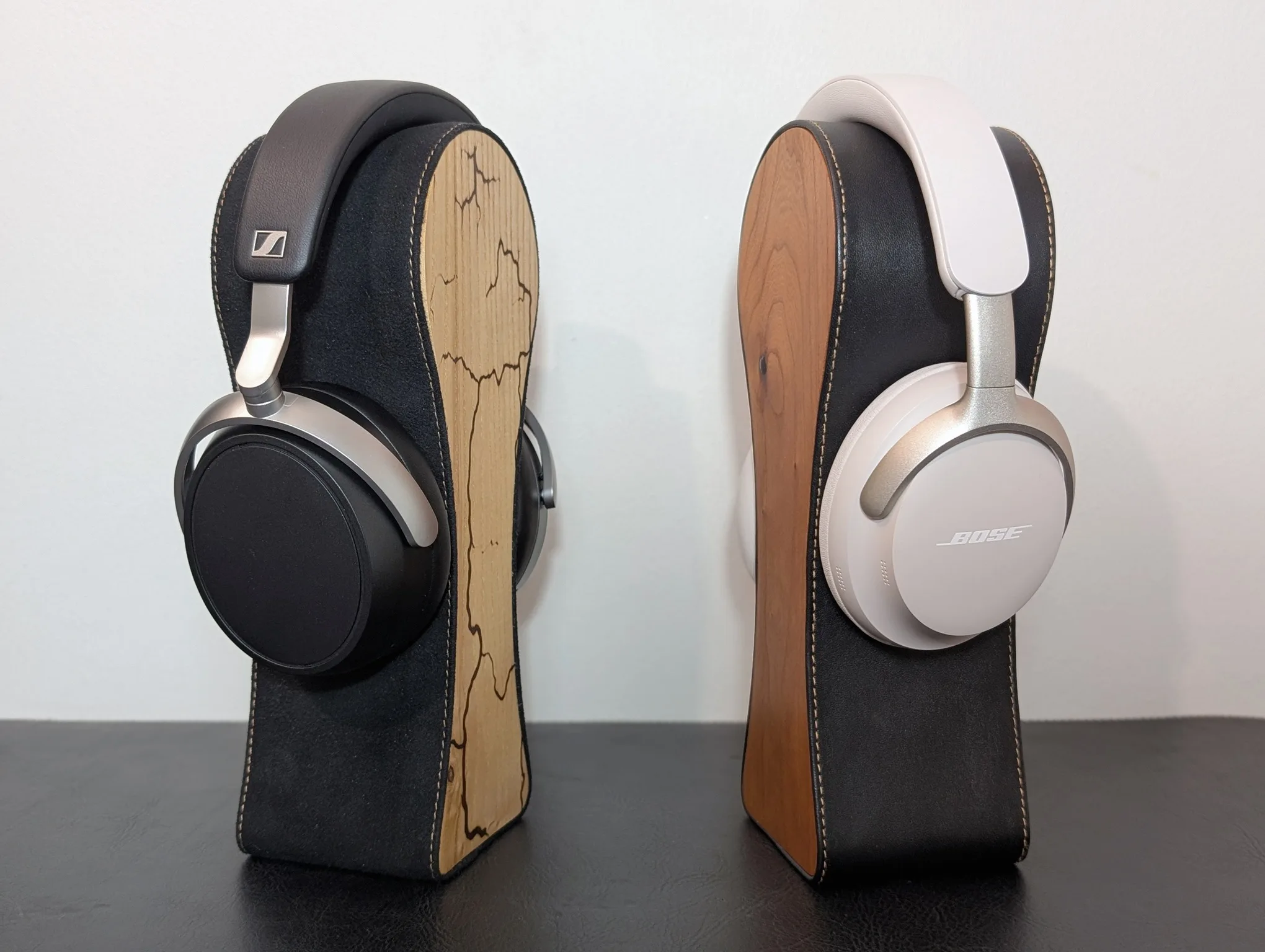
Bose and its QuietComfort Ultra headphones are one of Sennheiser's toughest competitors, especially in the realm of active noise cancellation. Nowadays, Bose sells the 2nd Gen version of these headphones for 400–500 euros, while the original QuietComfort Ultra can be bought for 300–350 euros. Personally, I grew fond of the headphones' comfort, effective noise cancellation, and sound quality potential
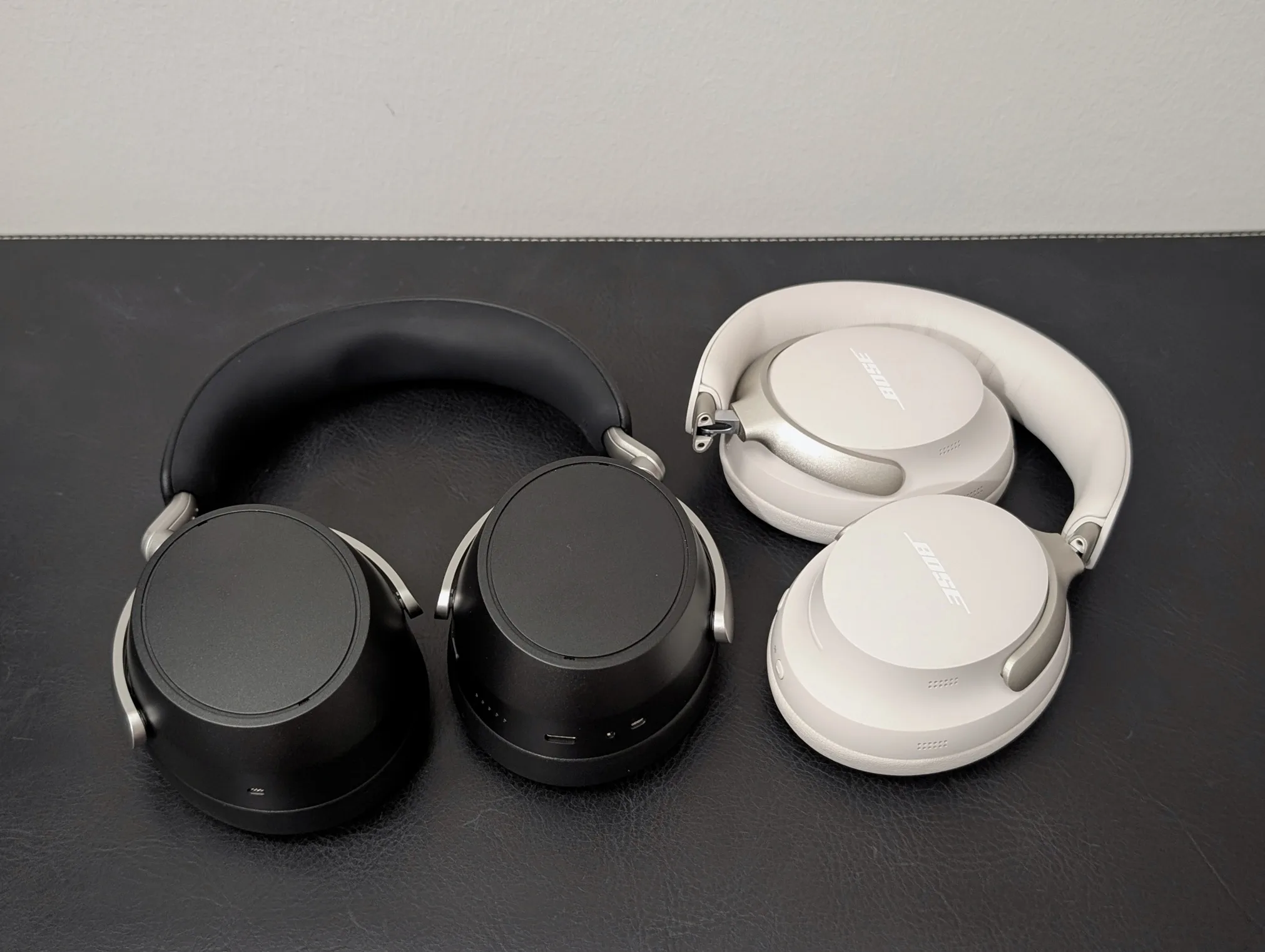
Right at the start of the comparison, it must be mentioned that the Sennheiser HDB 630 does not feel as unobtrusive and comfortable on my head as the QuietComfort Ultra. Bose's foldable, more compact, and lighter build is also smarter for mobile use, and thanks to the metallic headband, the overall perceived quality level also rises higher than that of the Sennheiser model. On the other hand, the HDB 630 doesn't lag too far behind in these areas in the end. Regarding the effectiveness of active noise cancellation, however, there is no ambiguity whatsoever between the pair, as the QuietComfort performs significantly better, albeit with stronger background hiss.
The Bose headphones are interesting in that they support the aptX Lossless codec, which Sennheiser has not adopted in its own headphones. At their cheapest, a QuietComfort Ultra bought for 300 euros and a BTD 700 transmitter bought separately for 50 euros would offer lossless wireless sound for around 350 euros—something the newer, sound quality-first HDB 630 cannot manage at 500 euros. On its own, this doesn't automatically decide sound quality, but the difference forces one to question Sennheiser's expertise. Fortunately, the HDB 630 compensates for this with USB listening capabilities. It also features a better equalizer and offers roughly twice the battery life compared to the QuietComfort Ultra. With minor reservations, the HDB 630 is also slightly smoother to operate using touch controls, as Bose's buttons are small and poor in tactile feel.
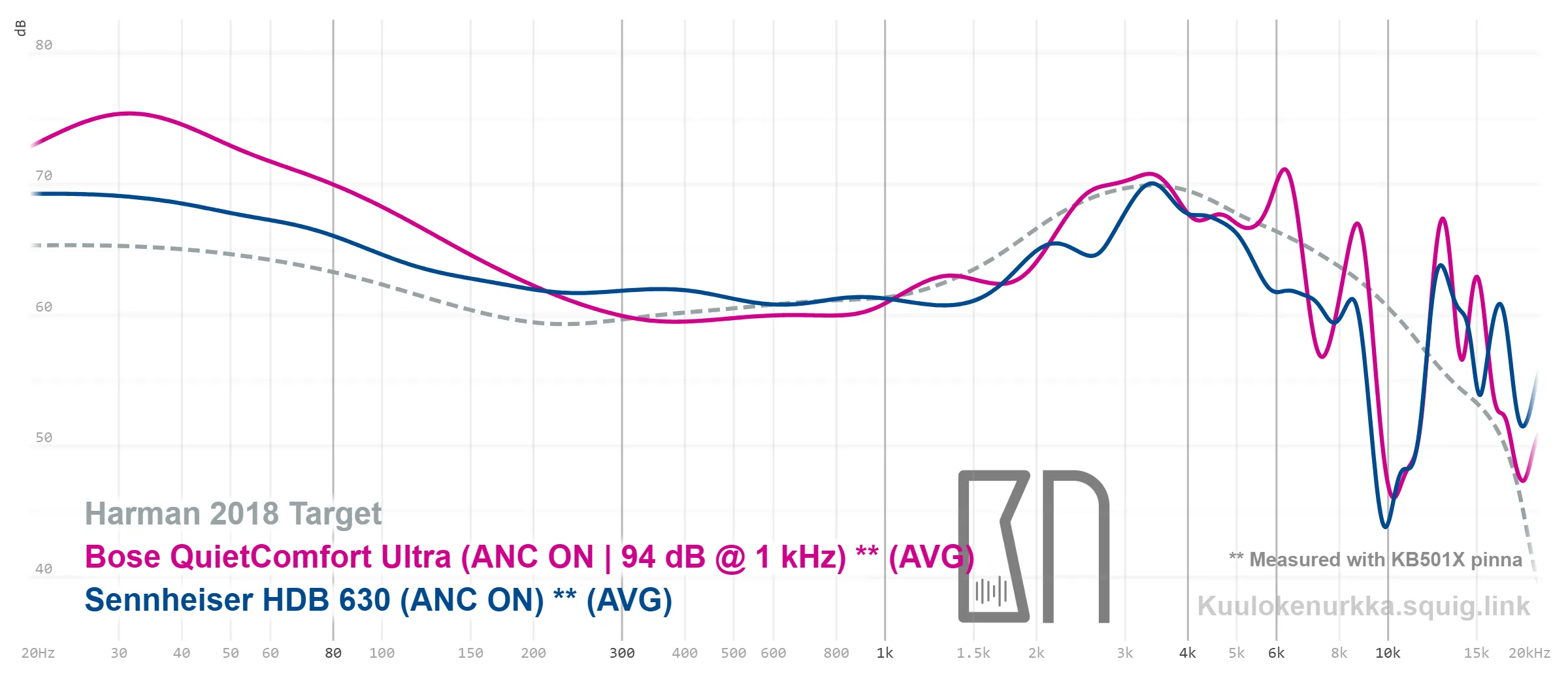
Regarding sound quality, there is no reason to forget that the BTD 700 transmitter is included right in the HDB 630's package, meaning the consumer gets everything they need right out of the box. I don't believe Bose's target audience, on the other hand, knows particularly deeply about Bluetooth codecs, so the benefits of a separate transmitter might not be realized. Consequently, one is very likely left unpurchased, meaning listening will probably happen via the AAC or SBC codec instead of the HDB 630's better aptX options. On the other hand, Bose's headphones are smarter in that they measure the acoustic impedance of the user's ears and optimize the sound based on that. In addition, the headphones also adjust bass and treble levels dynamically during listening. Therefore, the following frequency response measurements of the QuietComfort Ultra should not be taken too literally, because in all likelihood the response is slightly different for each person's ears.
Frequency responses with default settings:
Frequency responses after EQ corrections:
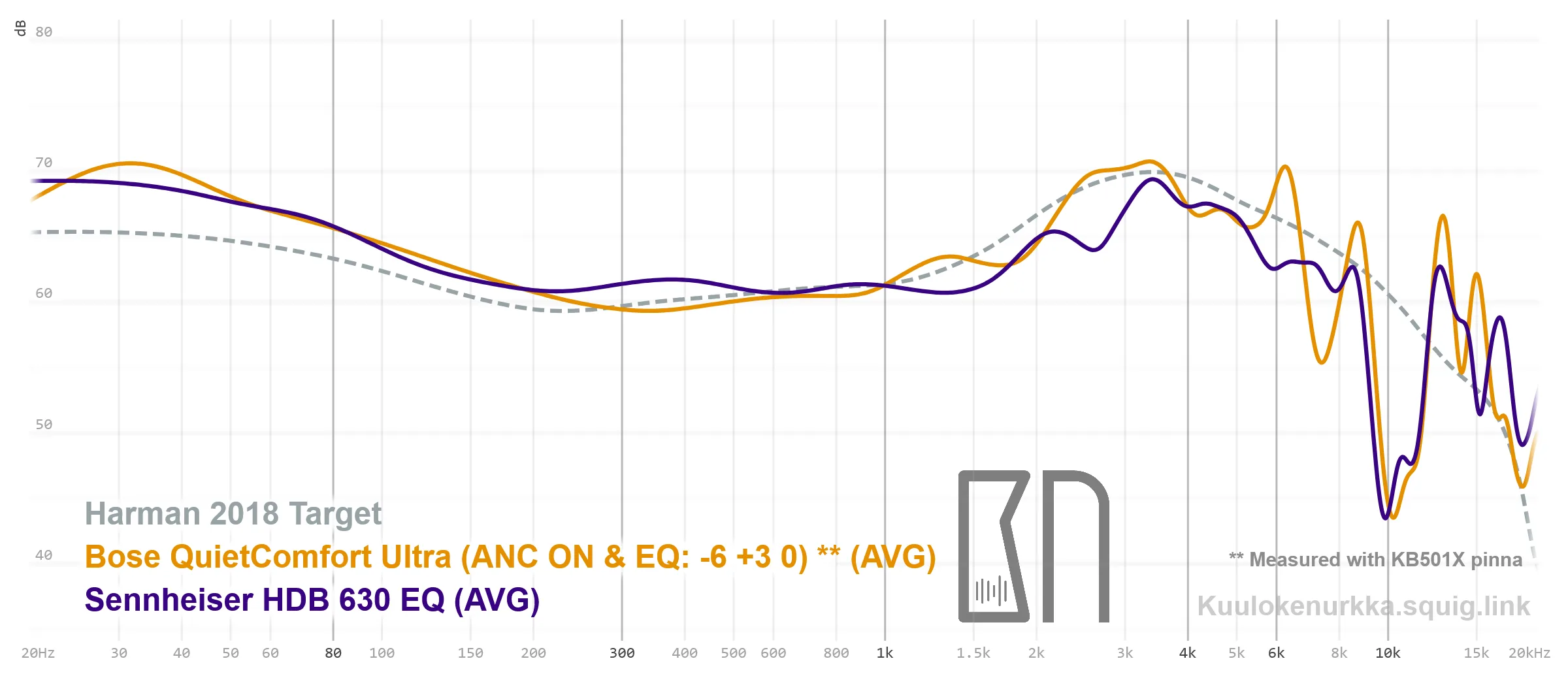
To my mind, the default settings don't need more than a single sentence, because the QuietComfort Ultra's bass is far too exaggerated for the sound to be clear or proper in any other way. If someone doesn't plan to install the Bose mobile app and do something about the situation, they should definitely buy the more balanced and better-sounding HDB 630 of the pair.
However, with a simple EQ adjustment, the Bose headphones can be made similar to the Sennheiser model in their lower frequencies. In that case, depending on taste, the QuietComfort Ultra's more energetic mid frequencies might be experienced as an improvement compared to the more relaxed HDB 630. In any case, the sound of both headphones varies from user to user, so the differences may well be smaller or even larger compared to my own experiences and measurement results. Personally, I don't perceive the QuietComfort Ultra's upper frequencies as particularly uneven, but the HDB 630 nevertheless sounds slightly more polished, albeit softer at the same time. The Bose model's sound is fresher and more upbeat in style. On the other hand, thanks to its more versatile equalizer, the Sennheiser headphones can be more straightforwardly tailored to exact personal taste, whereas with the QuietComfort Ultra, limits are quickly reached without some third-party app.
One significant difference between the pair for me is the soundstage, especially in Bluetooth listening, as I find the QuietComfort Ultra's sound deeper and more spacious in separation. I haven't been able to make the HDB 630's soundstage feel quite as immersive, and its dynamics also feel slightly flat. I wouldn't really expect this kind of difference, but I notice the QuietComfort Ultra excites me more. Especially when listening to it with the aptX Lossless codec, the difference between quiet and loud sounds is larger and more realistic. If I have to settle for the SBC or AAC codec instead, the HDB 630 sounds quite obviously more controlled and clearer.
In my opinion, the intended use case determines which of the two is better, as both are able to offer certain improvements over the other. The Sennheiser headphones are easier thanks to their ready-to-go default settings, but they can also be adjusted more versatilely. At its best, the QuietComfort Ultra might still make an even greater impression in capable hands, especially with its soundstage. My ultimate conclusion is that the HDB 630 should cost less than it currently does for the overall package to match the QuietComfort Ultra. I still feel the price-to-quality ratio of the Bose headphones is better at the moment.
Comparison: Sennheiser HDB 630 vs. AKG N9 Hybrid
Prices: 500 € vs. 400 € (around 200 € at best)
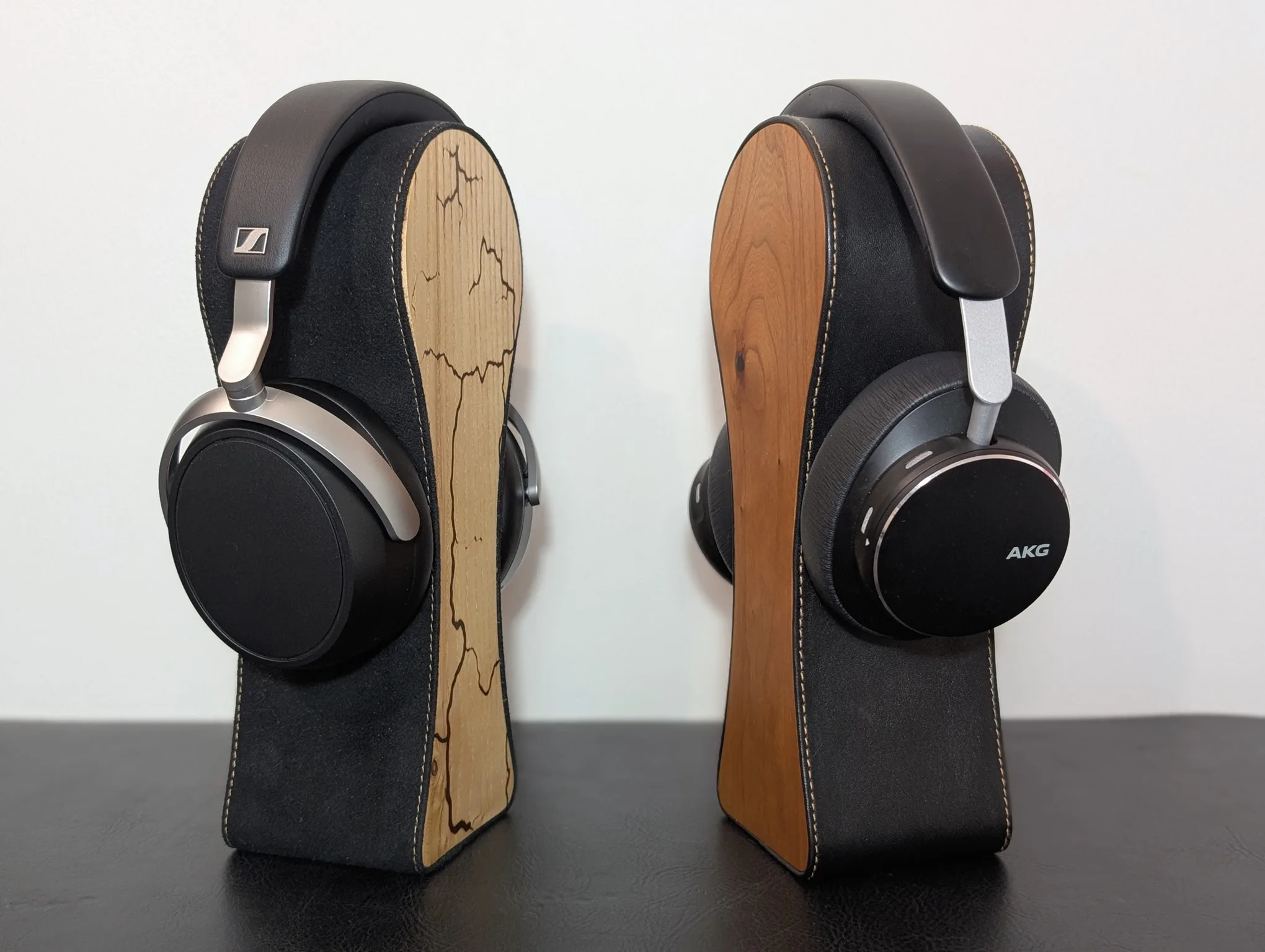
Another noise-canceling headphone that I've found to be good and nowadays clearly cheaper than the HDB 630 comes from AKG, which is owned by Samsung. Its N9 Hybrid can be used flexibly like the HDB 630 thanks to a network-based USB transmitter. At the same time, tuned by Harman International, the sound outclasses the efforts of many misguided competitors in terms of correctness. The question is whether Sennheiser can offer any kind of significant improvements for twice the price.
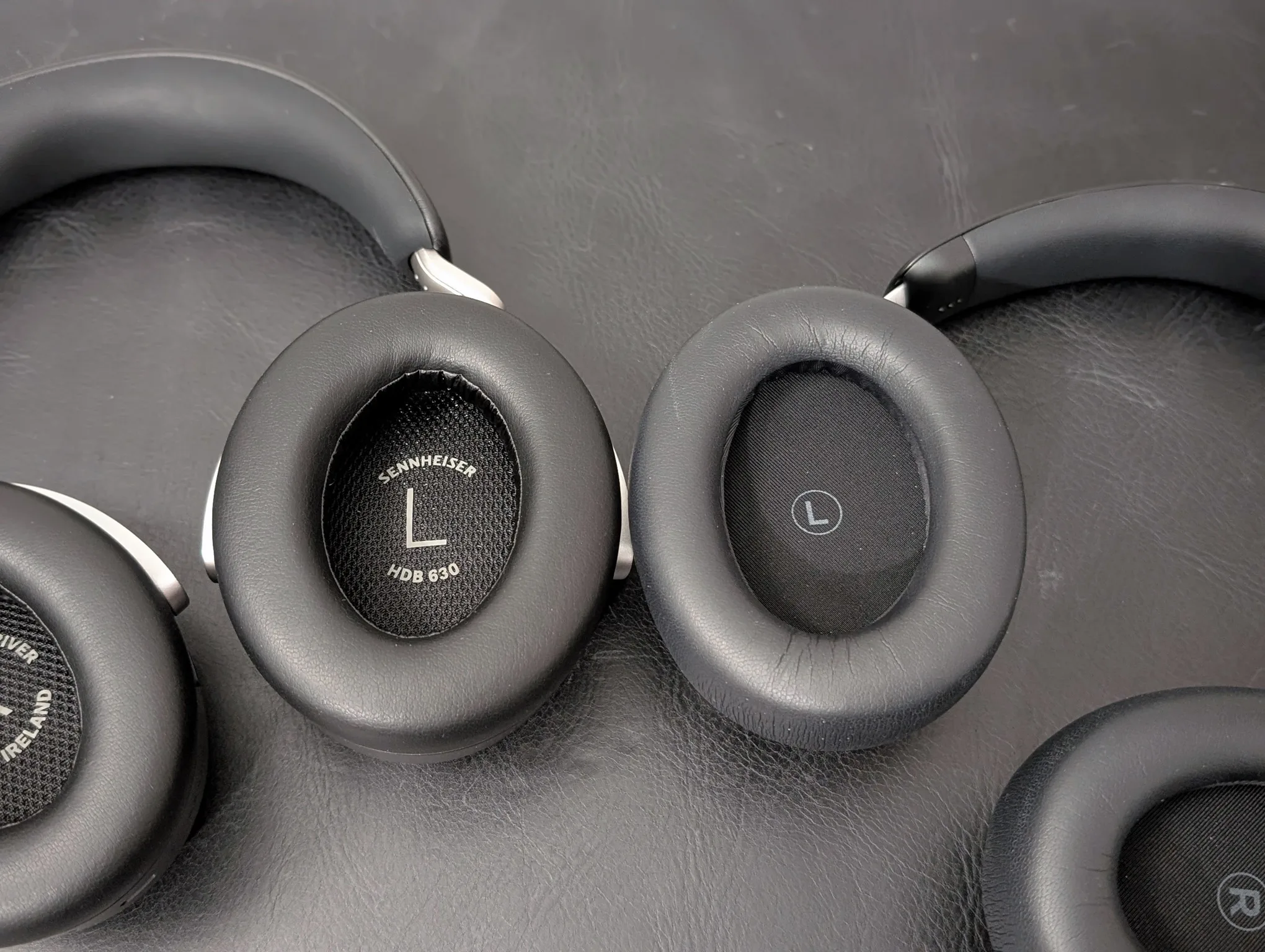
First of all, the N9 Hybrid feels slightly higher quality thanks to its metal parts, but in terms of comfort, the situation is even. The majority will probably find AKG's more spacious ear pads slightly more comfortable, while Sennheiser's more thickly padded headband might suit others better. I've actually seen two kinds of reviews for both, but personally, I would slightly prefer using the N9 Hybrid. This feeling might also be reinforced by the headphones' better usability, as proper buttons are provided instead of Sennheiser's touch controls. In terms of battery life, however, the pair hardly differs from each other, and there is no significant difference in accessories either.
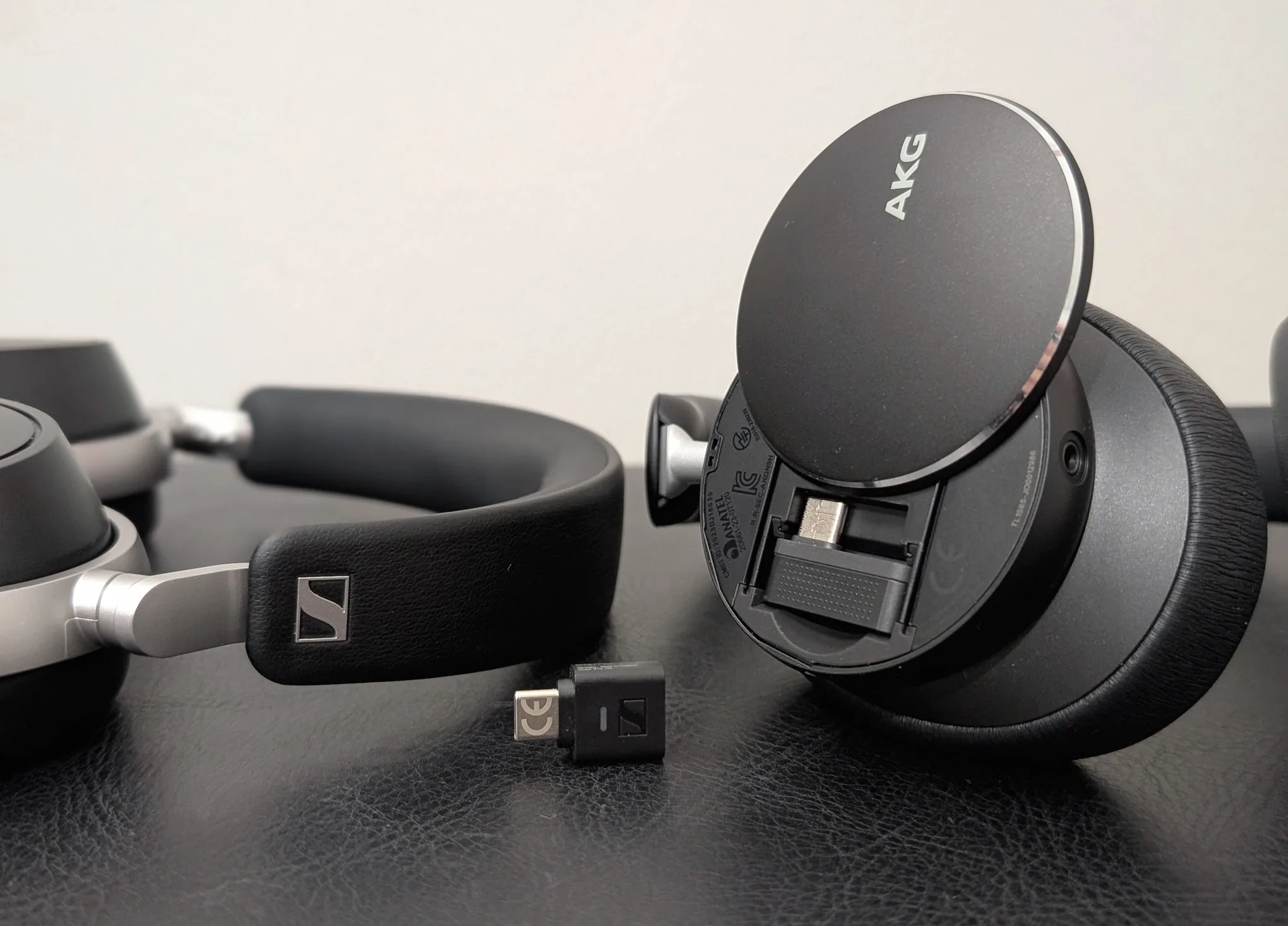
The latency of both headphones can be dropped to a low level in wireless listening by using the included USB transmitters, making the pair suitable for gaming, for example. Regarding Bluetooth connections, Sennheiser relies on the aptX Adaptive codec, while AKG offers LDAC support. All kinds of extra features can be found more abundantly in AKG's app, including microphone controls. The N9 Hybrid is indeed designed also for meeting use, which means your own voice is reproduced more clearly through it than with the HDB 630. The active noise cancellation feature, on the other hand, works slightly more straightforwardly in the Sennheiser headphones without AKG's quirks, but in terms of cancellation efficiency, the pair does not differ significantly from each other, and neither produces any hiss. As for the equalizers, it also ends in a tie, as the HDB 630's parametric EQ is more versatile, but the N9 Hybrid's 10-band EQ ultimately achieves equally good results.
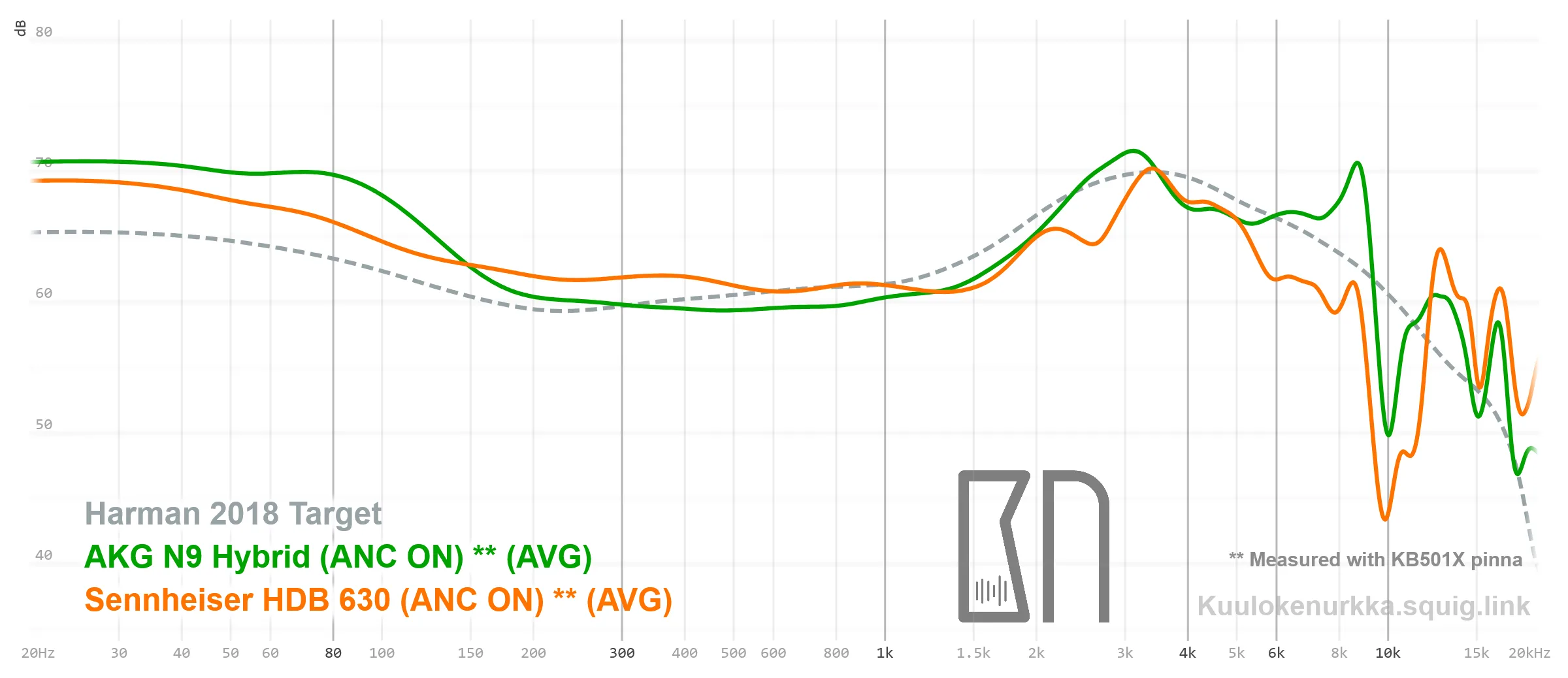
Frequency responses with default settings:
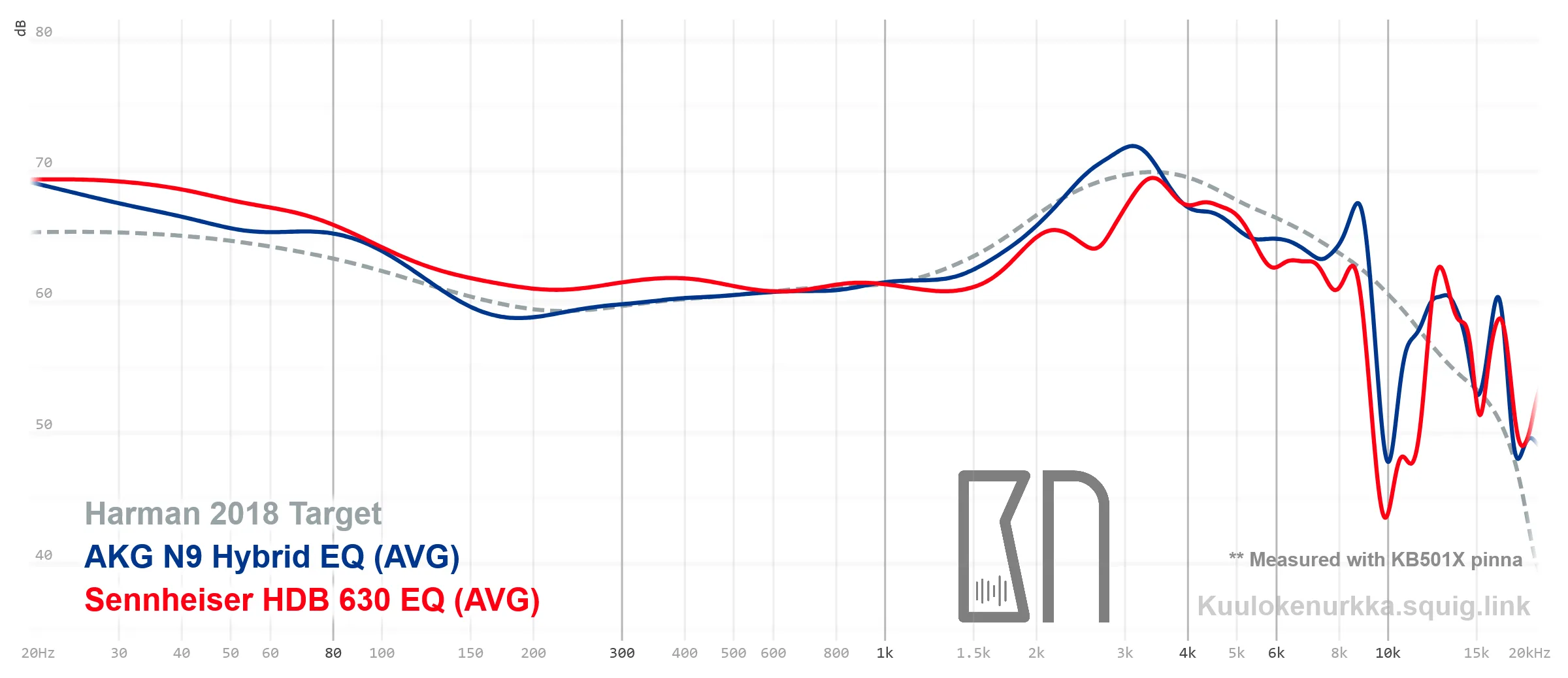
Frequency responses after EQ corrections:
With its default settings, the N9 Hybrid is tuned to be more consumer-friendly, meaning its bass and treble are emphasized more than in the HDB 630. On the other hand, the upper mid-range is also reproduced energetically, so despite its fun-oriented presentation, the N9 Hybrid sounds even slightly clearer than the HDB 630 with its defaults. The Sennheiser headphones are more balanced, but at the same time warmer and softer in sound. I end up in a bit of a 50:50 situation when assessing superiority, but ultimately the N9 Hybrid's treble boost around 8 kilohertz feels like a flaw that requires more correction than any characteristic of the HDB 630. The AKG model reproduces sibilance amplified, and to be precise, to my taste its bass also thumps a bit too much and the mid-range remains unnecessarily thin in style. Critically evaluated, the Sennheiser model therefore sounds a bit better at this point.
However, thanks to the comprehensive equalizer, I have managed to adjust the N9 Hybrid to closely match the Harman target curve, leaving minor weaknesses as a distant memory. Because the possibilities are nearly endless, comparing EQ'ed headphones to each other is always somewhat silly. Taking the most straightforward route still leads to a situation where the pair sounds pretty much equally good. The HDB 630's sound is slightly warmer and the tone of the mid-range is more pleasing to me. The N9 Hybrid, in turn, reproduces treble brighter and with more detail, and perhaps precisely for that reason, spatial cues more realistically. Thus, the sound plays more openly in the surrounding space, whereas the HDB 630's soundstage is not quite as impressive unless its treble were to be modified further.
For Sennheiser, it is problematic that its HDB 630 costs twice as much as the N9 Hybrid, yet I cannot call it genuinely better except when looking at sound quality with default settings. In this respect, someone looking for the easiest possible headphones might get some value for the extra price. Otherwise, AKG simply offers more. A couple of years ago, 500 euros for the HDB 630 would have felt more appropriate, but in the current market situation, it should offer something more than just a good factory tuning to justify its higher price point compared to competitors.
Comparison: Sennheiser HDB 630 vs. Focal Bathys MG
Prices: €500 vs. €1200 (€930 at best)
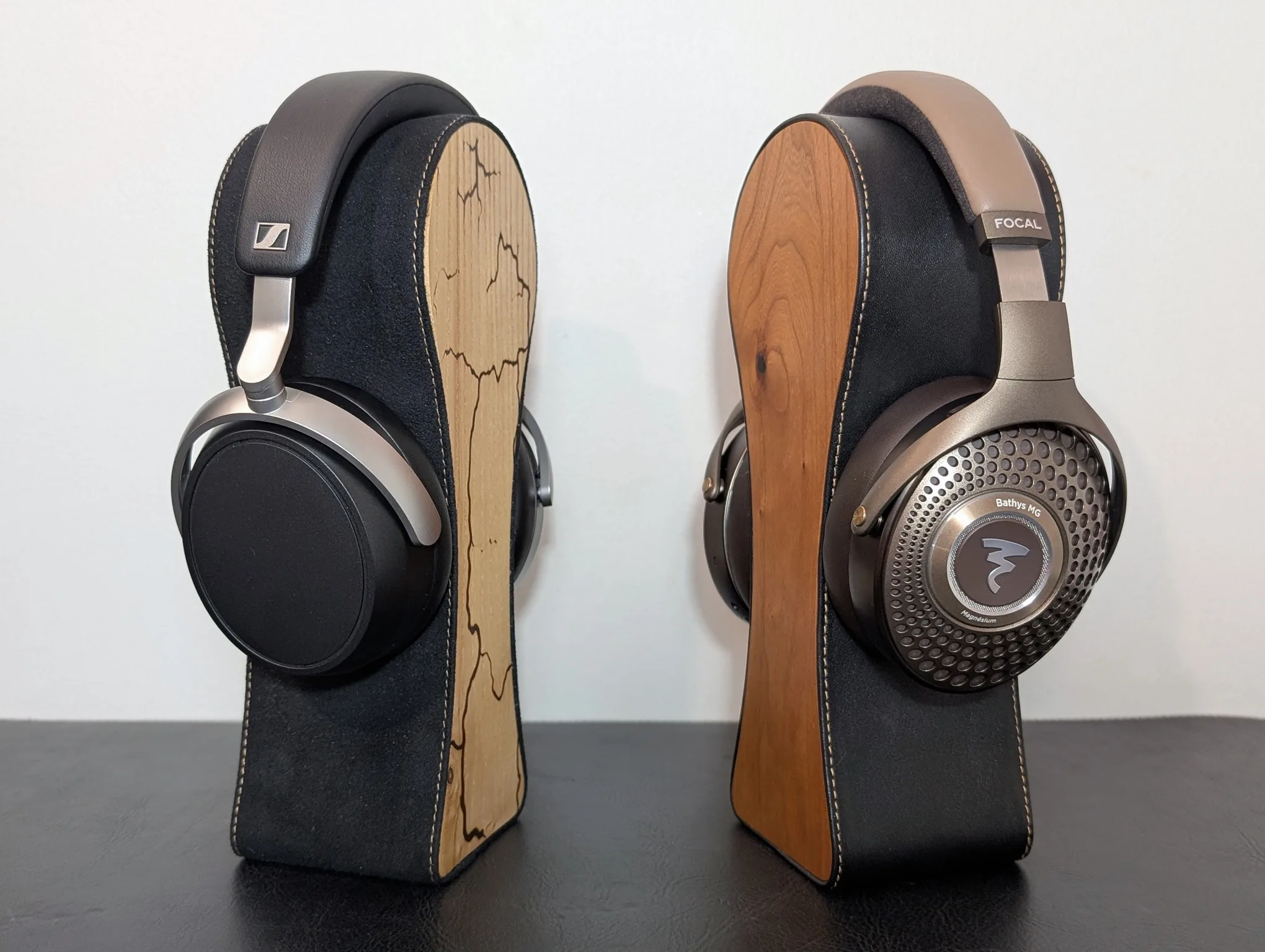
Let's pit the Sennheiser headphones against even tougher sound quality competition by comparing them to the €1200 Focal Bathys MG. Although I'm not a fan of Focal's greedy pricing, I've nevertheless considered the Bathys MG one of the best noise-canceling headphones I've heard so far, as long as the warm default settings are switched to the slightly more balanced Dynamic sound mode. On the other hand, the HDB 630—which also offers a balanced sound—costs a massive €700 less, making it entirely possible for it to expose the Focal model as completely overpriced. At least that's what I was hoping for in advance, since it's always nice to get good headphones for less.
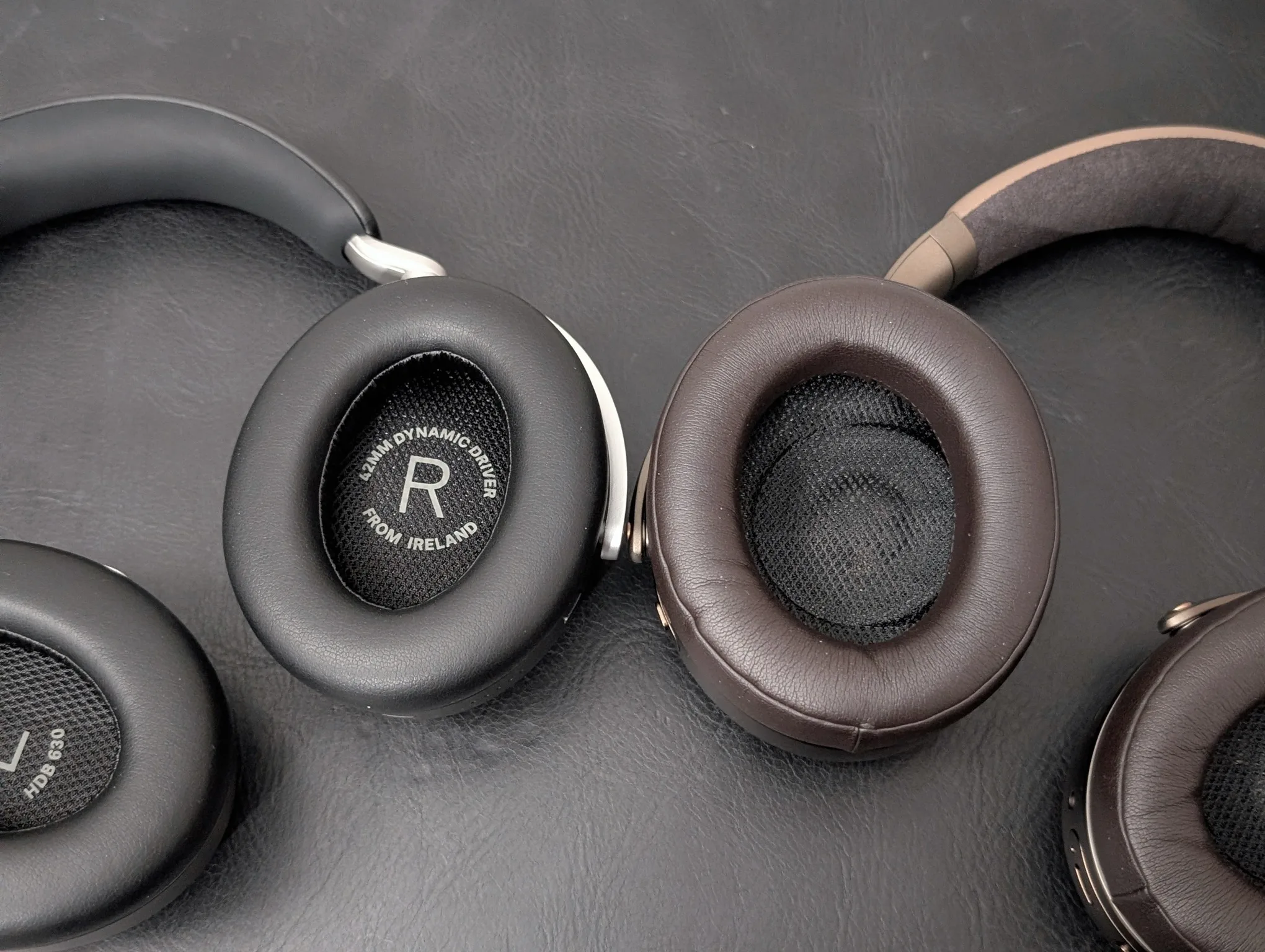
Structurally, the Bathys MG feels sturdier and, thanks to its metal parts, clearly more premium. The appearance also generates more interest, although those who prefer more minimalist headphones would probably appreciate the HDB 630's more subdued style. In terms of comfort, I find it difficult to see anyone favoring the HDB 630, because the Focal model's ear pads are significantly more spacious and the headband is at least equally soft. The Bathys MG doesn't weigh much more either, although 40 grams could still be a deciding difference for some. With this build, Focal is at any rate able to charge over €1000 for the Bathys MG, whereas for Sennheiser, that wouldn't be possible with the HDB 630's plastic construction without the company seeming to have lost its mind.
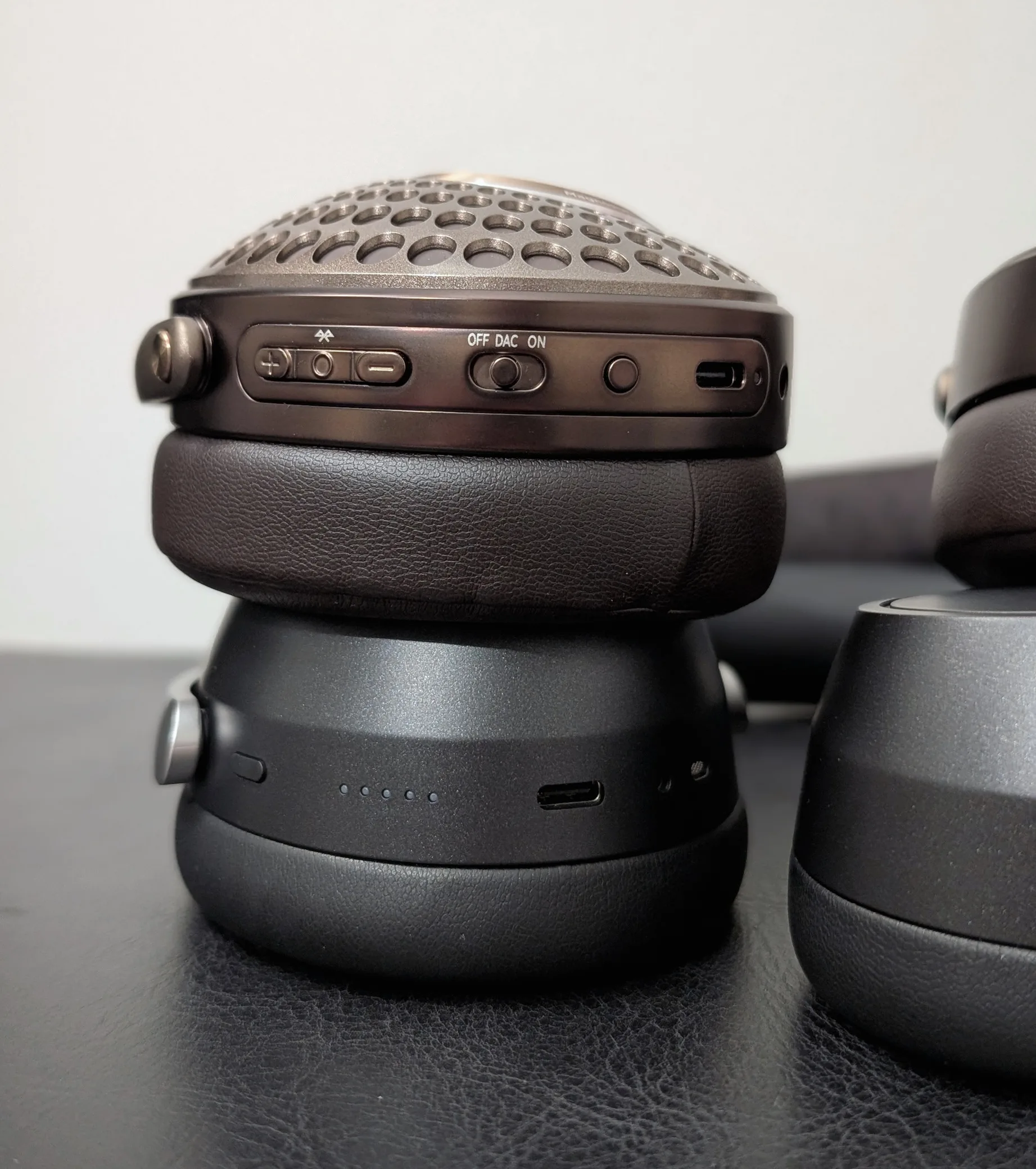
When it comes to active noise cancellation, the situation is very even and tilts only slightly in favor of the HDB 630. In terms of battery life, the Sennheiser model beats the Focal with a clearer margin in wireless use (45–60 vs. 30 hours), although in USB DAC mode the Bathys MG reaches 42 hours. Both headphones support the aptX Adaptive codec, but only the HDB 630 comes with a USB transmitter that enables it. Still quite rare mobile devices natively support this codec today, so most are "forced" to listen to the Bathys MG using the aptX Classic or AAC codec. On the other hand, the Focal model operates more smartly in USB listening because it can be set to a USB DAC mode where the headphones do not charge themselves through the audio source in the same way as the HDB 630. The Sennheiser model is thus better suited for wireless use, while the Bathys MG has the advantage in wired use when aiming for maximum sound quality. However, if you want to tweak the headphones, Sennheiser's app and equalizer are more versatile.
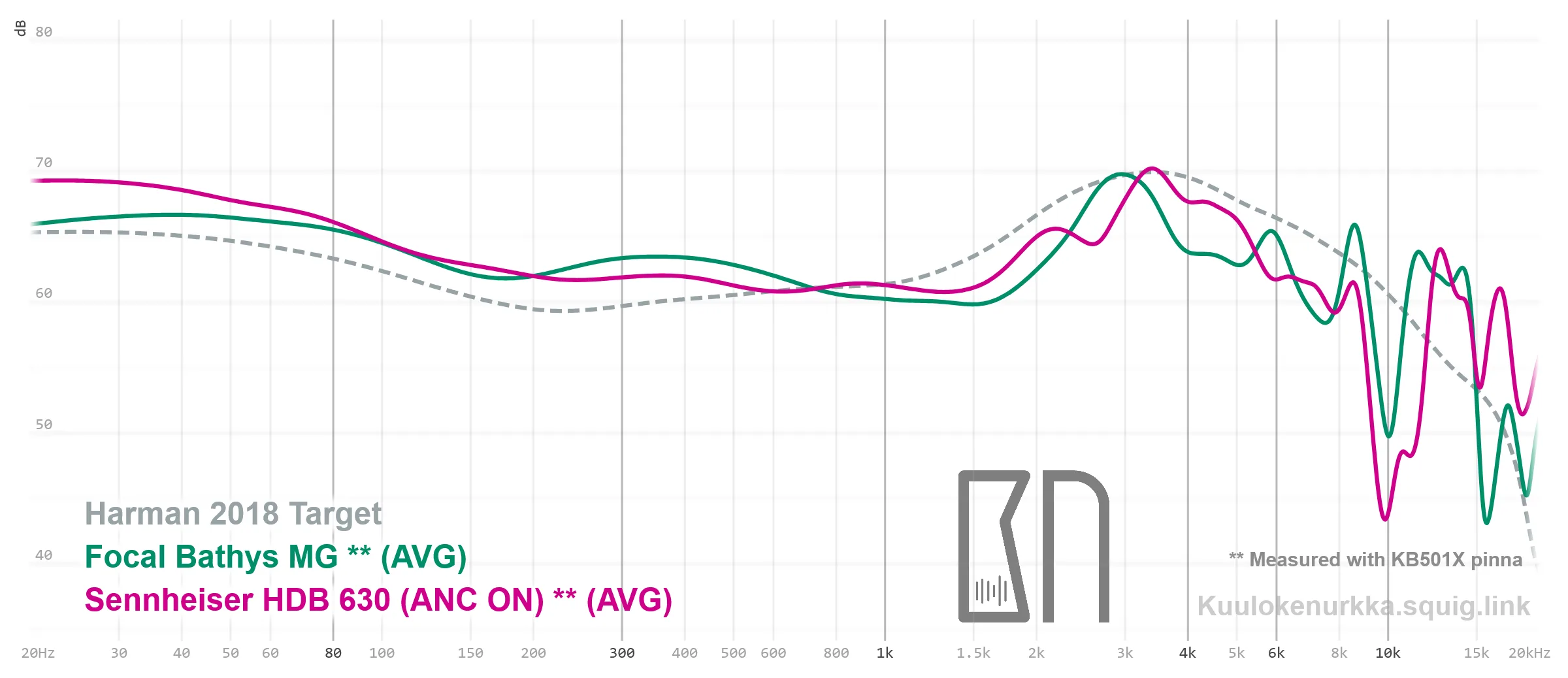
Frequency responses with default settings:
Frequency responses after EQ corrections:
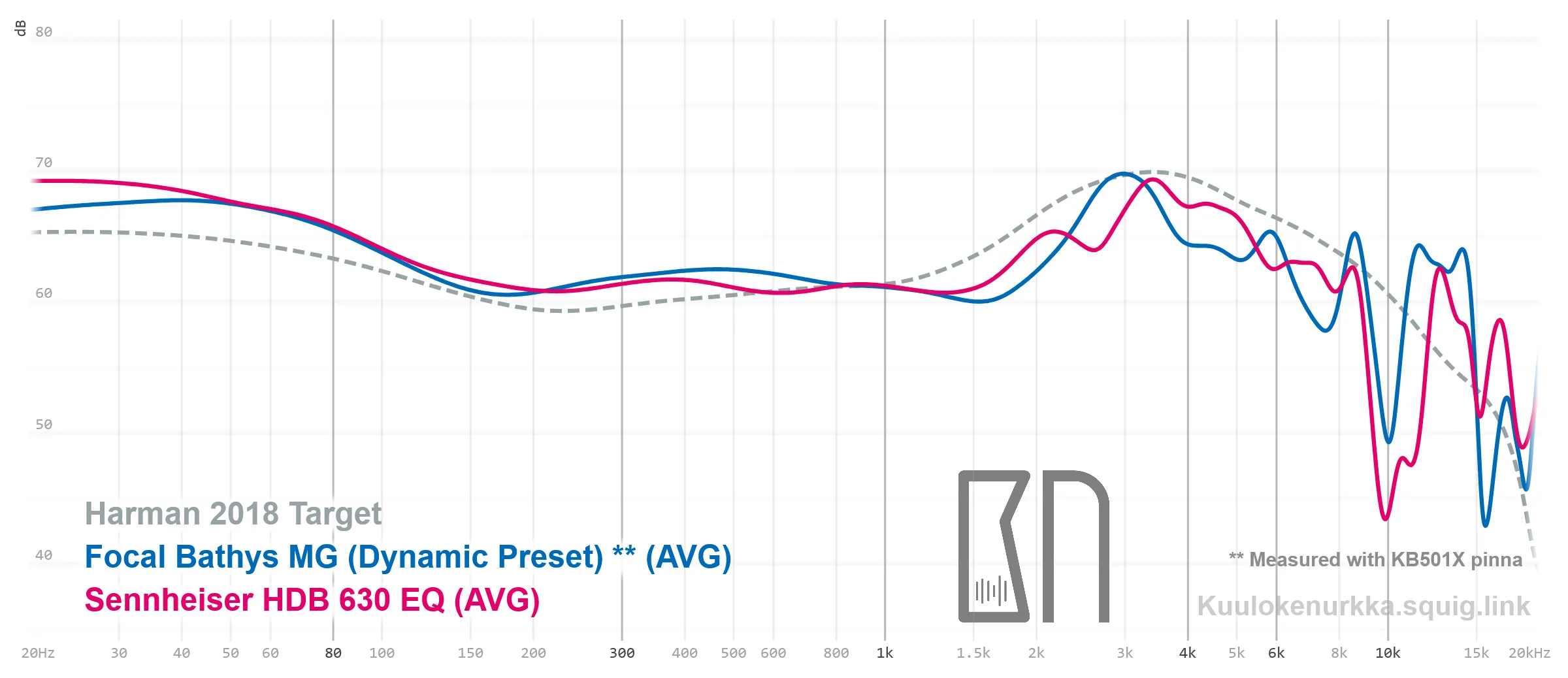
The Focal Bathys MG offers two distinct presentations depending on whether you listen with default settings or in Dynamic sound mode. By default, the headphones reproduce the 200–600 hertz range with an exaggerated thickness, making the sound heavy and slightly muffled, yet fun, powerful, and physical in feel. In Dynamic sound mode, the headphones become similar to the HDB 630—meaning the lower frequencies retain their warmth without drawing too much attention to themselves. Thus, the balance is better in my opinion, though I have also taken the MIMI hearing test and set the intensity of the resulting personalized EQ to 15 percent. In my case, this livens up the upper frequencies.
Considering the default settings, the HDB 630 therefore offers a suitably lighter and more balanced listening experience in my view, whereas the Bathys MG's strengths come out best in Dynamic sound mode. Even then, the headphones are naturally slightly calmer and darker in energy level compared to the Sennheiser model, especially in the presence region (4–6 kHz), but the reproduction is lively and dynamic, as is typical for Focal. Listened to on its own, the HDB 630 sounds excellent with my equalizations, but when I switch the Bathys MG onto my ears, I don't really want to go back. I had to ponder the reasons for this for a while, but the situation ultimately became clear.
The Bathys MG gets me more excited about music because it pumps more power into every instrument by reproducing the starts of sounds more explosively. Alongside such lively and precise reproduction, the HDB 630 feels quite soft in dynamics, if not even a little veiled. The Bathys MG's bass is more physical, and the upper frequencies have a certain looseness and edge that I feel the HDB 630 lacks.
The Bathys MG's soundstage also forms more layering and depth, as the vocalist is more precisely defined in their own spot and other instruments stand out from each other more easily. The HDB 630, on the other hand, reproduces sound as a more uniform plane, which I find less interesting. With the Bathys MG, I notice more details related to the soundstage here and there, whereas listening to the HDB 630, I feel I am getting "just" a very balanced reproduction of the same song without any extras. Thanks to all of this, the Focal model draws me in more powerfully, especially since the headphones feel more comfortable on my head than the HDB 630.
However, the Sennheiser model retains the advantage of a slightly more natural frequency balance, as it sounds somewhat brighter and more cheerful after the slightly darker Bathys MG. Especially in the mid-range, the Focal model's sound lacks the same effortless and smooth quality, remaining slightly harder in style instead. For example, vocal performances are reproduced somewhat more reservedly on the Bathys MG. I would call the HDB 630 the more neutral of the two, which can be an important trait for its target audience. Focal strives to make an impression with its headphones by slightly coloring the sound. This works on me because I want headphones costing over €1000 to offer something memorable rather than just neutral sound. The Bathys's slight idiosyncrasy therefore does not stop me from enjoying its strengths.
In any case, both headphones represent the absolute pinnacle of noise-canceling headphones in terms of sound quality. It is easy for me to call the €700 cheaper HDB 630 the more sensible choice, but on the other hand, the extra investment in the Focal headphones is not entirely wasted. I do not know, however, how much monetary value can be assigned to such fairly subjective and partly hard-to-visualize differences. Sennheiser has tuned the sound to an exceptionally balanced level, but the HDB 630 still has a way to go to be as memorable and impactful a headphone as the Bathys MG. Finally, I cannot help but mention that for the price of the Focal headphones, you could buy the HDB 630 plus an open-back passive headphone model costing €700, which would maximize overall utility. Because of this, noise-canceling headphones priced over €1000 remain a rather difficult product category to recommend.
Comparison: Sennheiser HDB 630 vs. Audeze Maxwell
Prices: €500 vs. €400 (often on sale for €300)
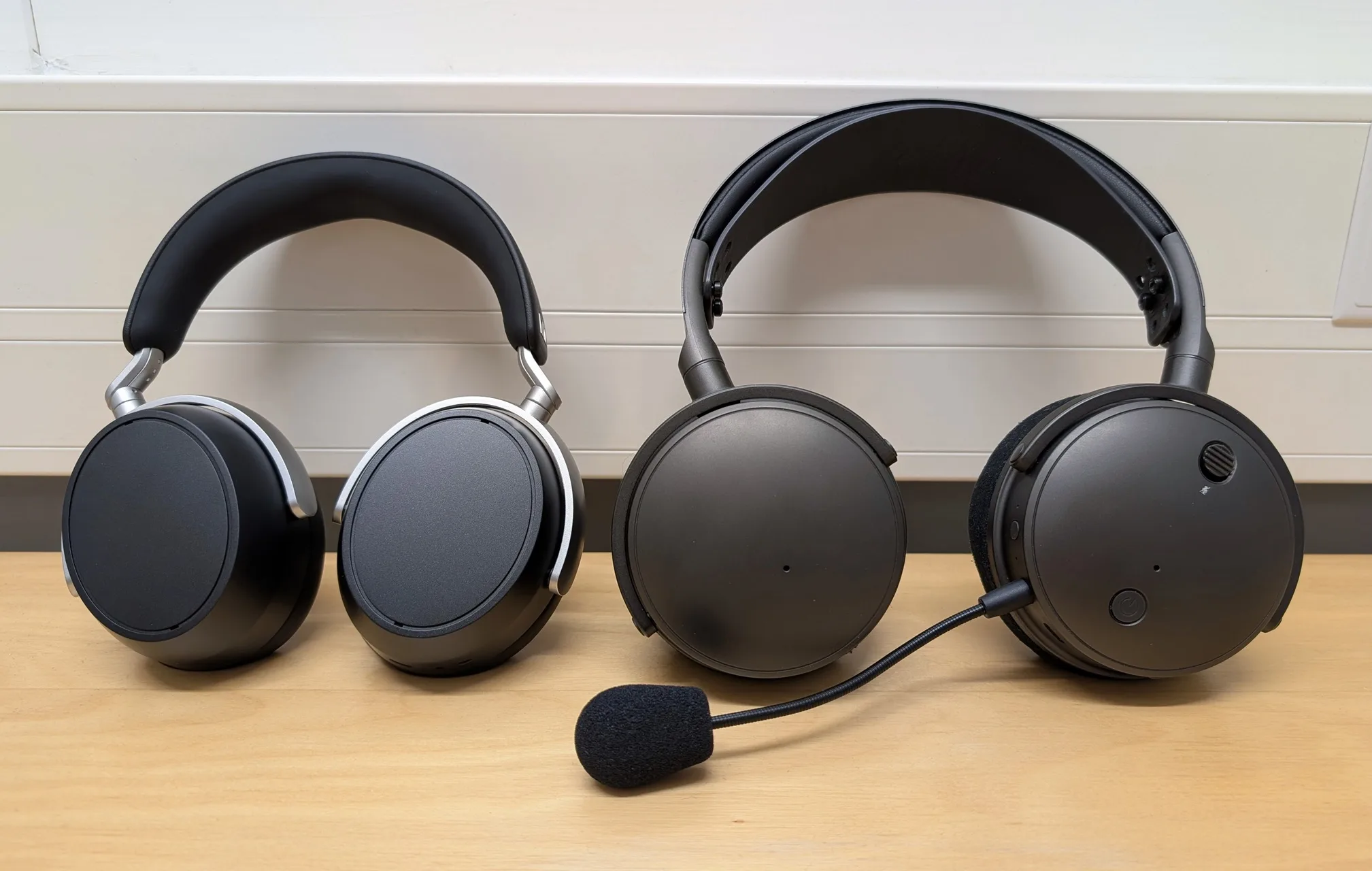
Audeze Maxwell's is primarily designed as a gaming headset and lacks active noise cancellation, yet I have still gone ahead and called it the best wireless headphone in the €400 price bracket. To a large extent, this still holds true because the sound quality is top-notch right out of the box—something most ANC headphones at the same price point have failed to achieve. Now, however, the HDB 630 steps into the picture with its active noise cancellation and lighter build.
At half a kilo, the Maxwell weighs a full 180 grams more than the HDB 630, but that extra weight packs in higher-quality materials and significantly larger ear pads. Since heavy weight doesn't really bother me, I find the Maxwell more comfortable for home use. With it on, I also sit at work for hours on end, whereas the HDB 630's cramped pads would start to annoy me more in a similar situation. However, the pair are aimed at different use cases, so the Sennheiser model's smaller size and active noise cancellation show their advantages when carrying the headphones from place to place or moving around in public transport, for example.
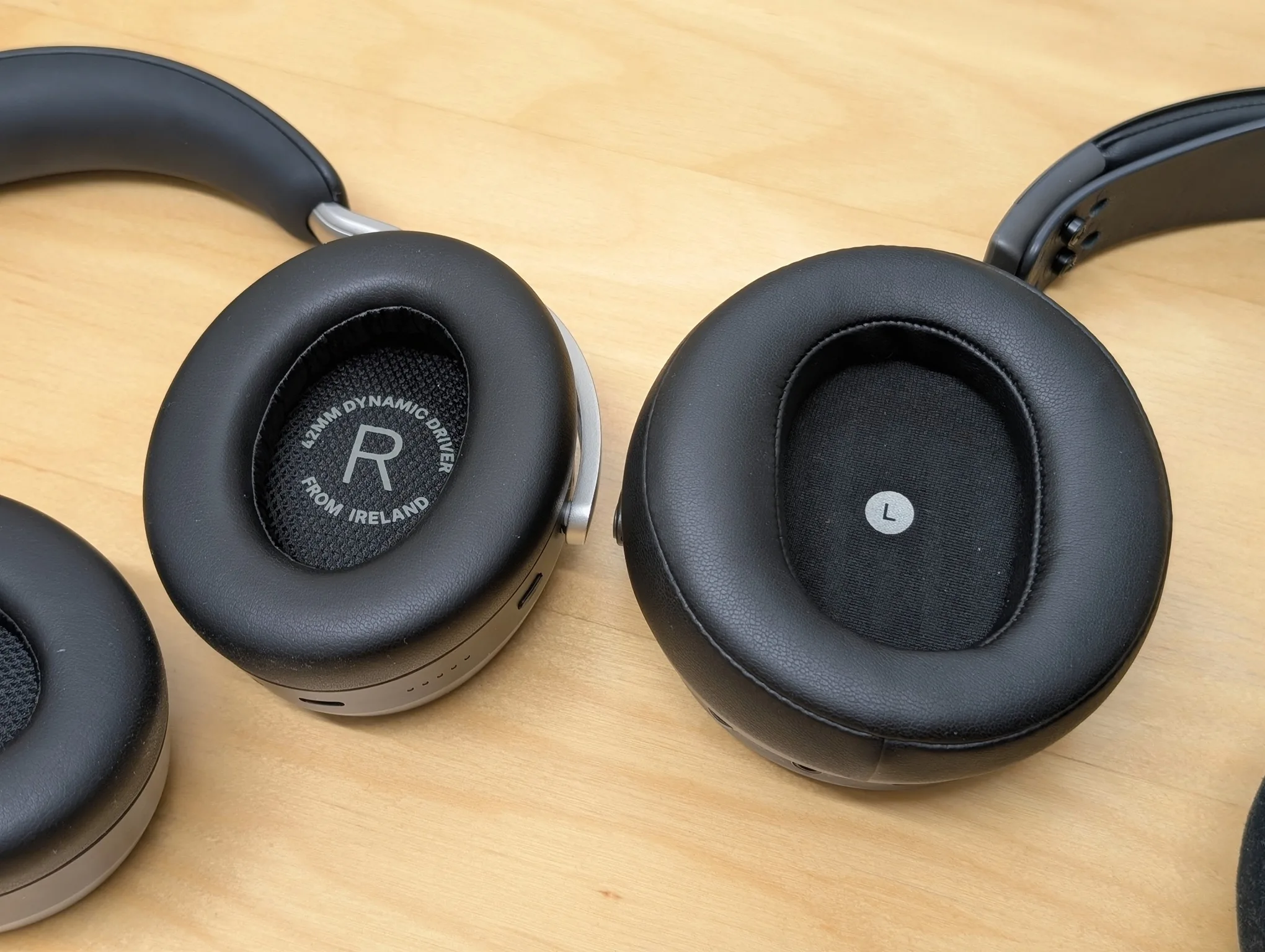
Both headphones come with a USB transmitter, with the difference that the Maxwell uses a network-based data transfer connection, whereas Sennheiser's BTD 700 is a more conventional Bluetooth transmitter. Therefore, at least in theory, the Audeze headphones' wireless audio signal is higher quality, especially since the LDAC codec supported by the Maxwell already outperforms the aptX Adaptive chosen by Sennheiser. In addition, the Maxwell beats the HDB 630 in battery life and microphone sound quality (featuring a good boom microphone with background noise cancellation), and its 10-band equalizer doesn't feel much more limited than Sennheiser's 5-band parametric equivalent. As an added advantage, the sound profile can even be switched on the fly using buttons on the headphones, which are in any case more practical compared to the HDB 630's touch controls. Thus, the Maxwell feels like a better wireless headphone in many ways, assuming one doesn't specifically need smaller and lighter active noise-canceling headphones.
What about the sound quality?
Frequency responses with default settings:
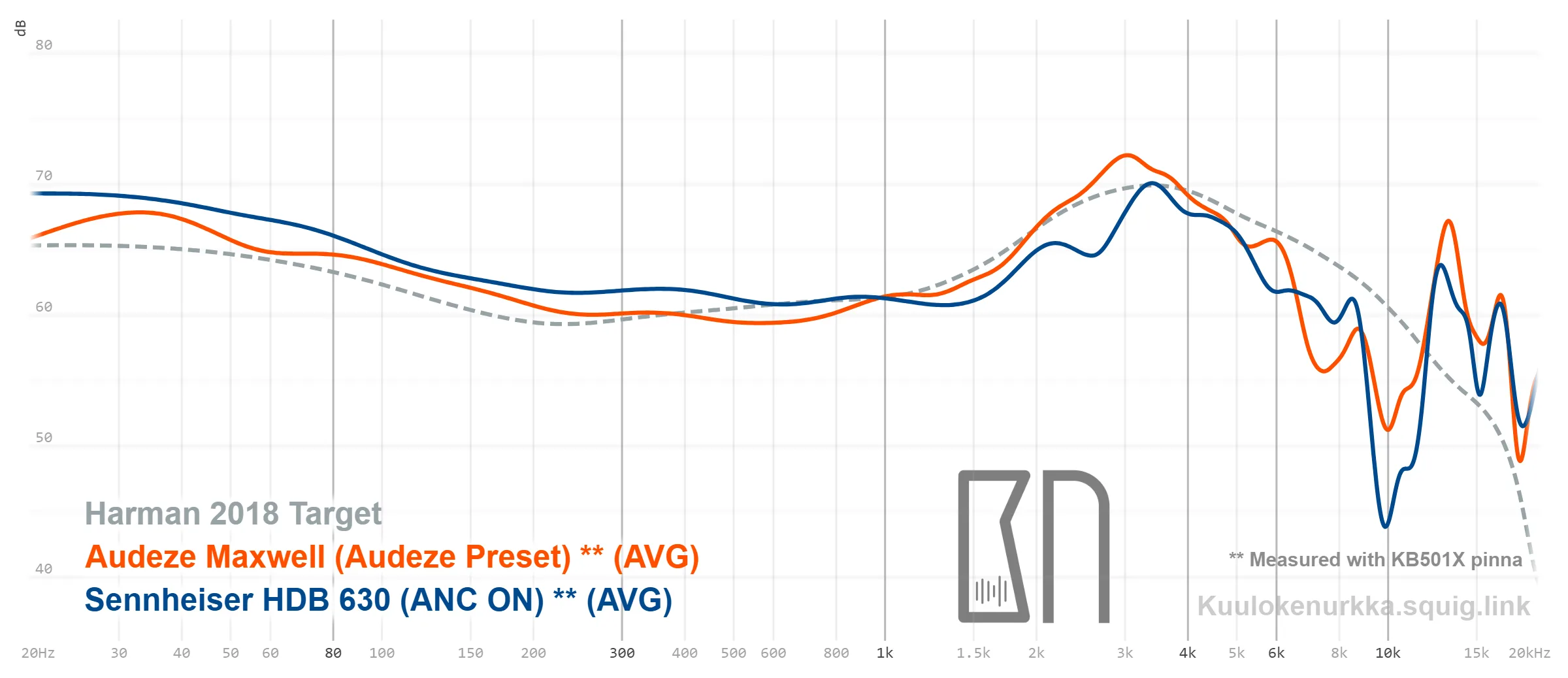
Both headphones could be praised for the same strengths, as they sound really good and balanced with their default settings for wireless and DSP-corrected products. If you ask me, however, the Maxwell sounds even a bit better. To my taste, its sound is just right in terms of energy in the upper mid-range and clearer in the lower frequencies—sort of like a hi-fi style. The HDB 630, on the other hand, reproduces sound more softly and richly, which probably becomes apparent when comparing their frequency responses as well.
What bothers me most in both headphones is the accentuated energy of the uppermost treble, which I feel like getting rid of since it's easily possible. Otherwise, I find the Maxwell's upper frequencies a bit smoother and its soundstage wider. Audeze has tuned the sound generally in the style of high-quality passive headphones, whereas Sennheiser has wanted to ensure that the bass reproduces solidly enough in a noisier listening environment. Consumers' bass-heavy habits have likely guided the development work, too.
After minor equalizations, the Maxwell still sounds clearer (less soft), more resolving, and bigger, because achieving a similar end result with the HDB 630 would require more drastic adjustments. However, the pair are aimed at such different usage environments that I don't think they need to be made into identical products either. The sound quality is ultimately comparable to such an extent that I wouldn't base my choice purely on that, but primarily on the headphones' other features. If active noise cancellation is not needed, the Maxwell is in my opinion still a viable alternative even to headphones on the level of the Focal Bathys MG. All the comparators included in this review, the HDB 630 included, have in their own way been good, so making a bad choice among them would be difficult.
Summary
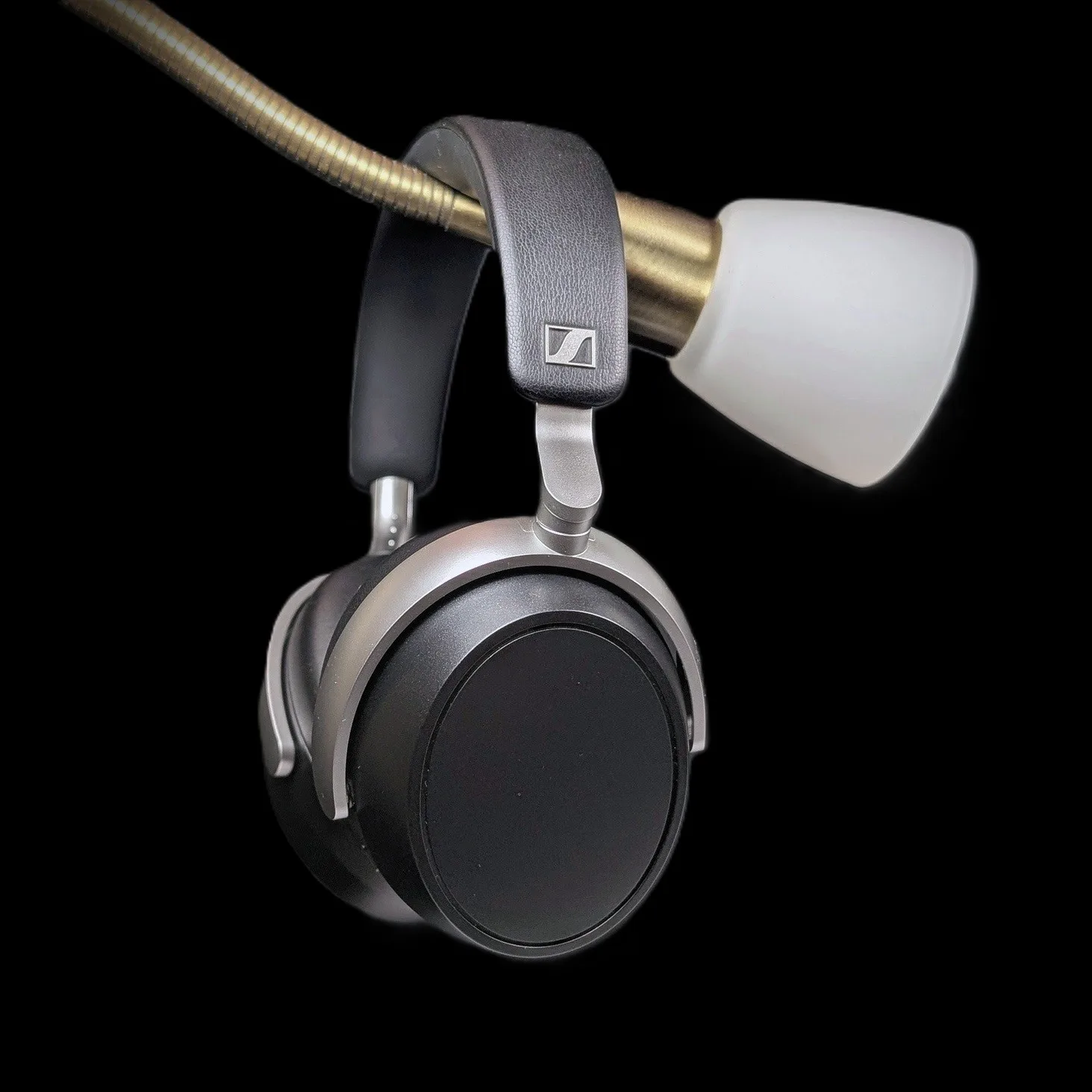
The Sennheiser HDB 630 makes life easier compared to many competing products: the sound quality is already spot-on out of the box, and the BTD 700 enables high-quality Bluetooth listening with all kinds of devices. Since the majority of people will likely use their headphones with default settings, Sennheiser’s "turnkey" approach is commendable and at the same time the main reason why the HDB 630 is worth paying €500 for. Such clarity and straightforwardness are also strengths of domestic Valco headphones, but they currently lack the additional features the HDB 630 offers to enthusiasts, such as an excellent equalizer and crossfeed. Overall, in terms of sound quality, the HDB 630 feels precisely like the product that has been expected in this product category.
But…
The price still includes plenty of an audiophile markup, seeing as the externally and technically similar Momentum 4 is already sold for under €200 at its lowest. A more balanced tuning, the included BTD 700 transmitter, and a couple of extra app features still do not fully justify, in my view, a €300 price difference between these two headphone models. Of course, the HDB 630 sounds like it is worth its price, but at the same time, one would have to turn a blind eye to the rather cheap build quality, boring appearance, and somewhat deficient comfort. Even the touch controls mostly just annoy me.
A more appropriate price for such a partially outdated product could be €350. At that point, Sennheiser would likely start steering the noise-canceling headphone market toward better sound quality instead of competing models feeling superior in terms of price-to-quality ratio. A skilled headphone listener can tweak the sound of, for example, the Bose QuietComfort Ultra or AKG N9 Hybrid to be fully competitive, which is why I ultimately approach the new Sennheiser with fairly moderate restraint rather than overflowing hype. It is a very good and recommendable wireless headphone, but not quite a revolutionary release considering the whole package. Let’s leave the matter here and see how competitors react to the praise and apparent strong sales figures the HDB 630 has received. Hopefully, at the same time, the market price of Sennheiser's headphones will settle at a more attractive level.
Pros and cons:
+ Extremely well-balanced sound with default settings
+ A reasonable amount of bass
+ Good parametric equalizer
+ Crossfeed function outperforms spatial audio features from other manufacturers
+ Includes a Bluetooth transmitter supporting the aptX Adaptive codec and low latency
+ Long battery life
+ Active noise cancellation is not badly affected by wind
+/- Sound is somewhat soft and tame
+/- Dull appearance
– The upper treble is occasionally distractingly emphasized
– Plastic build quality does not match the retail price
– Technology and active noise cancellation are borrowed directly from the cheaper Momentum 4
– Cramped ear cushions and potential fit issues
– Annoying touch controls
–Cannot prevent the headphones from charging themselves when connected to a mobile phone
– No support for the aptX Lossless codec, which the BTD 700 otherwise supports
– High price compared to competitors
 EN
EN  FI
FI