Author: Roderick
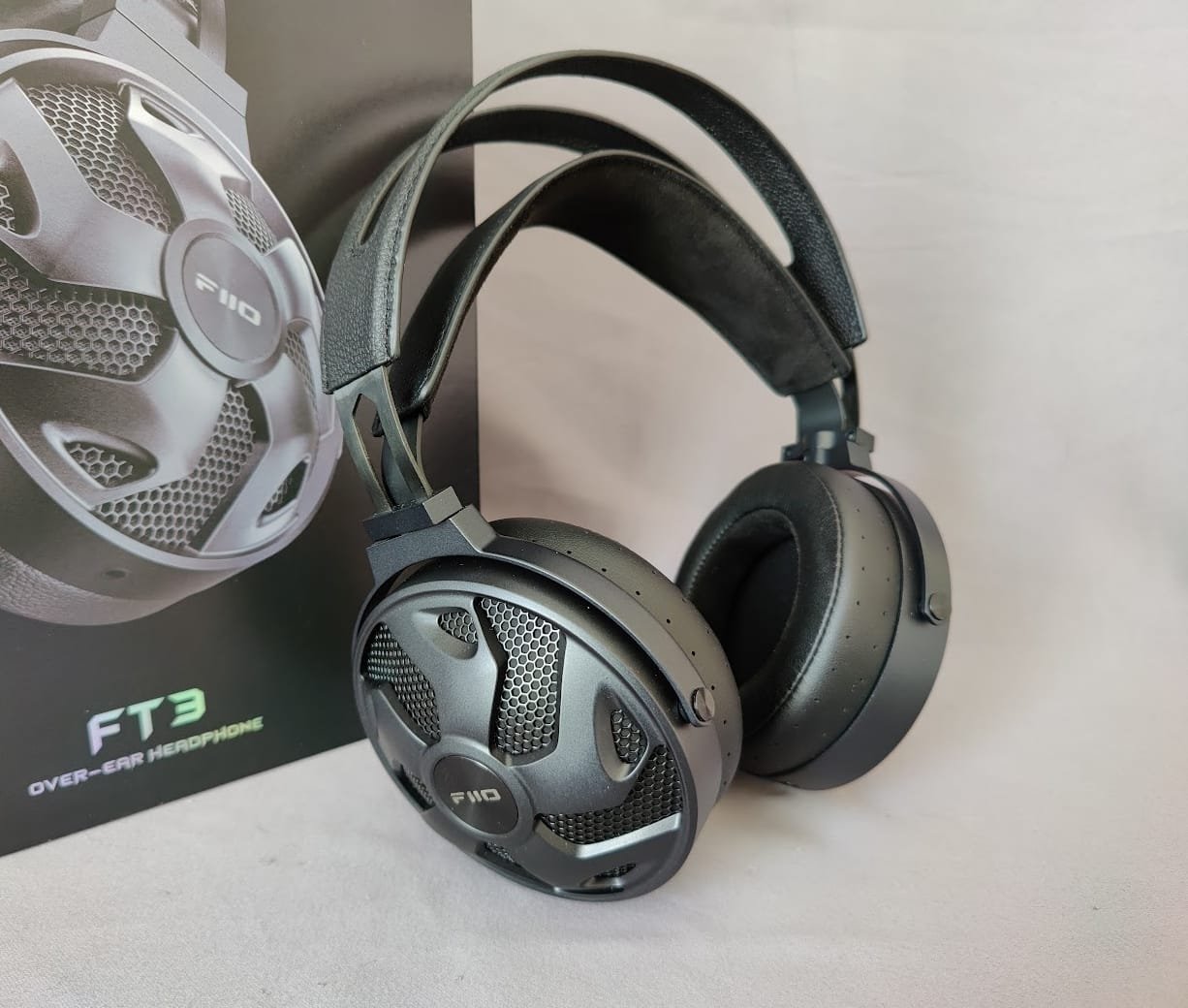
Table of Contents:
Information:
- Release year: 2023
- Country of Origin: China
- Price: 299 €
- Structure: open, over-ear
- Dynamic driver: 60mm (beryllium-coated DLC diaphragm (Diamond-Like Carbon) and N52 magnets)
- Impedance: 350 ohm
- Sensitivity: 105 dB/mW
- Weight: 395 g (self-weighed without cable)
- Connector type: 2 x 3.5 mm
- Included: 3-meter long cable with interchangeable connectors (3.5 mm and 4.4 mm), 6.35 mm adapter and 4-pin XLR adapter, hard-shell case and replacement earpads
Review sample: Provided by the manufacturer
Chinese FiiO (link to manufacturer's page) has been manufacturing headphone amplifiers and portable players for over 15 years. In recent years, their product range has also included several in-ear headphones and one full-size Bluetooth headphone. The recently released FT3 model, priced at 300 euros, is the manufacturer's first attempt to expand its market into wired hi-fi headphones. We received the headphones for testing directly from FiiO.
Product packaging
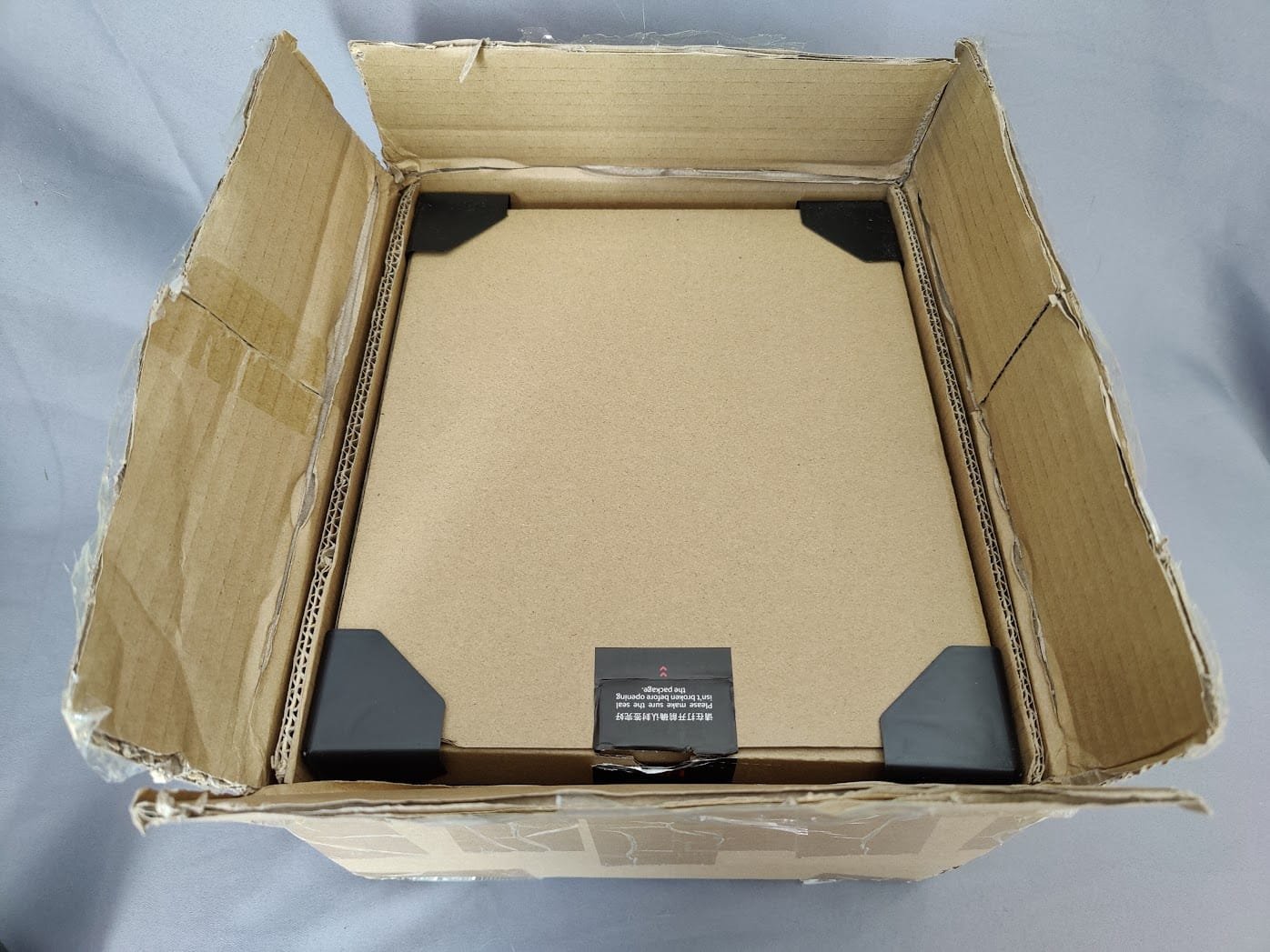
I usually don't care much about the packaging headphones come in. However, FiiO deserves a special mention, as the FT3 model was packed exceptionally sturdily. Inside a large cardboard box was another box supported by plastic corner protectors, which revealed the actual retail packaging of the headphones. I honestly don't remember ever opening headphones that were triple-packed before.
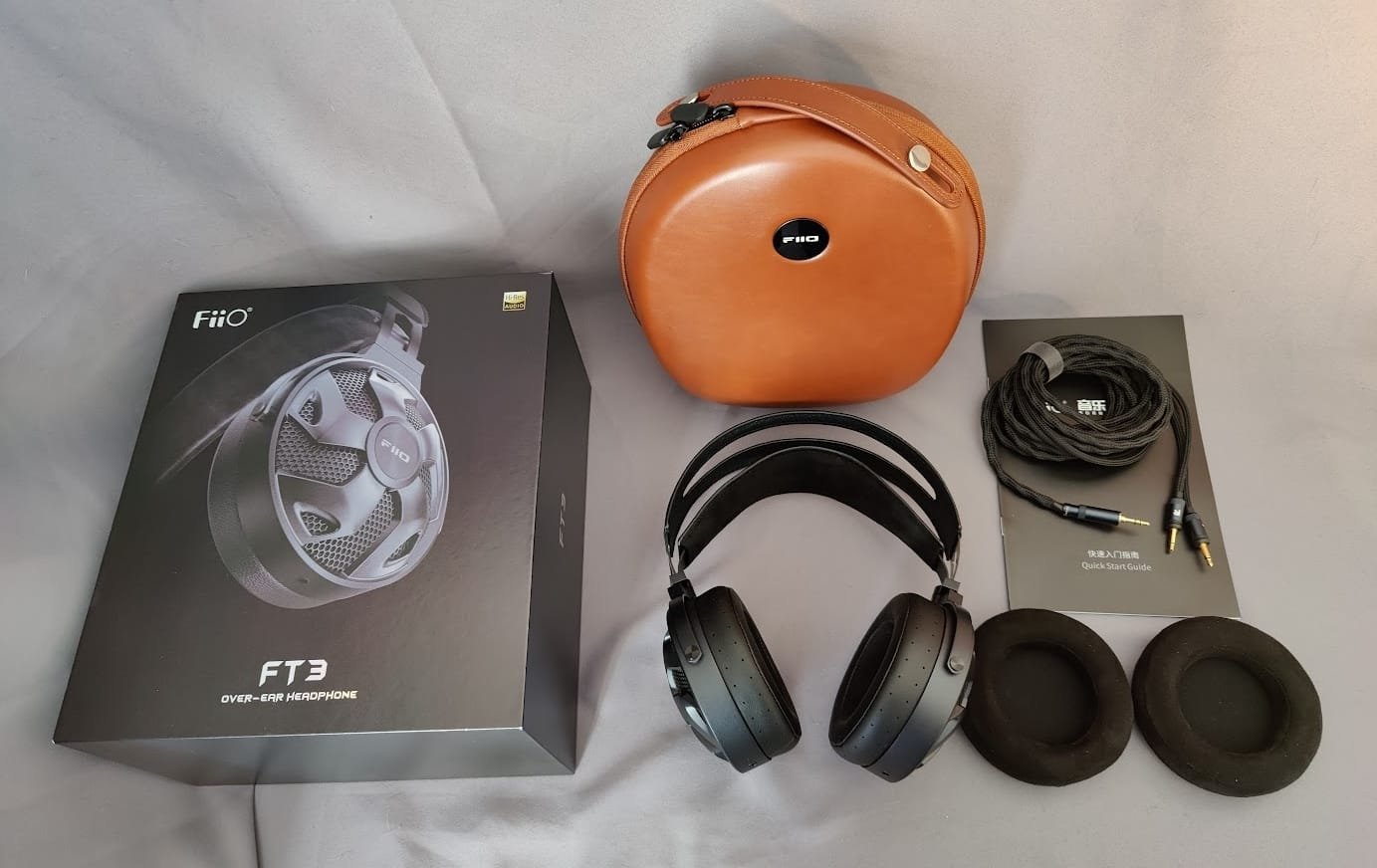
The FT3 model's equipment level is excellent for its price range. The hard-shell carrying case is quite stylish and certainly sturdy enough to protect the headphones. Additionally, two sets of earpads are included, one made of artificial leather and the other of suede material. However, the star of the equipment is the headphone cable, which is completely different from all cables I've used before. I'll tell you more about it in a moment.
Structure and comfort
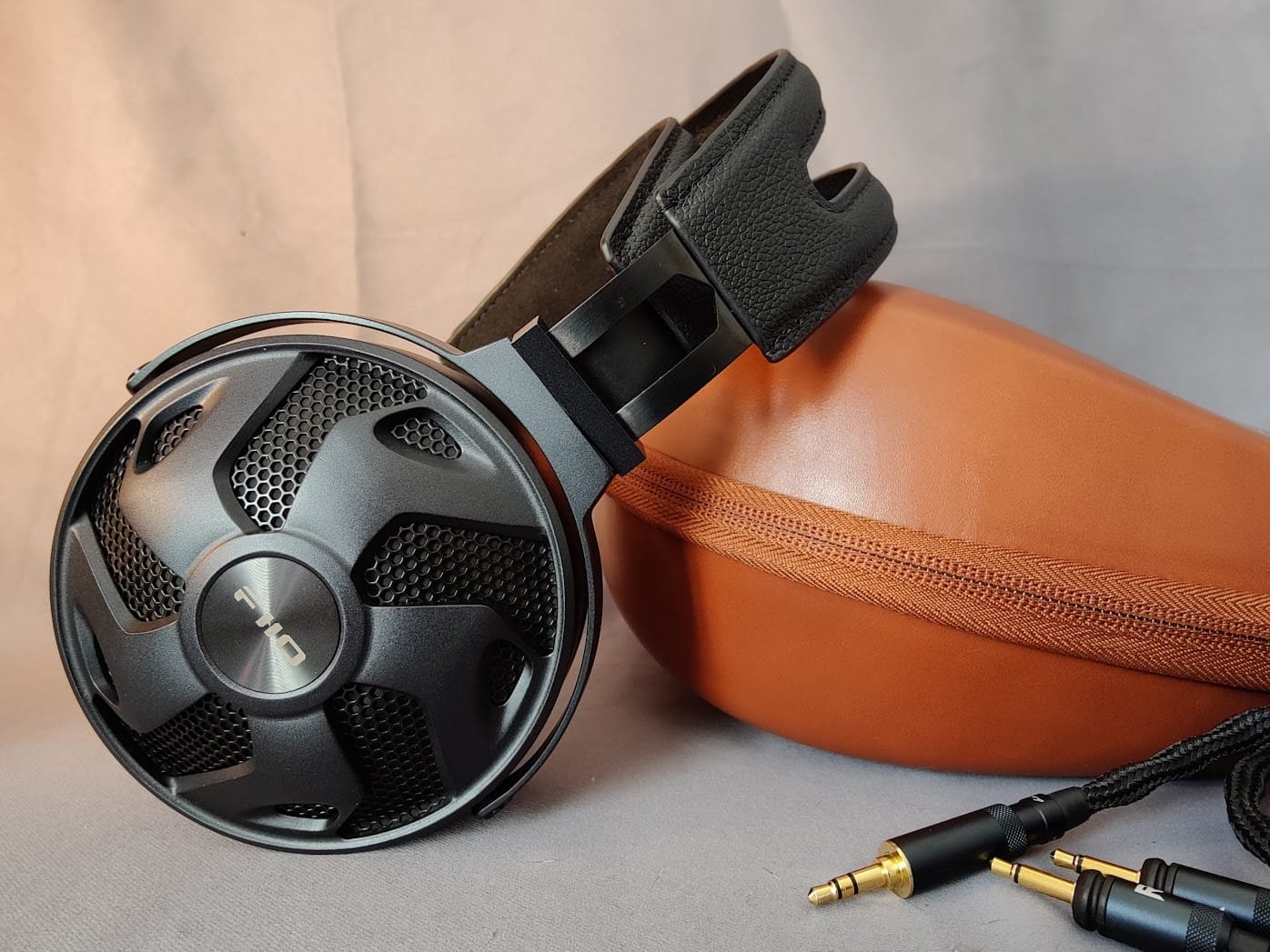
I had already formed a fairly strong preconception of the headphones based on photographs. In my opinion, the FT3 looks more like gaming headphones than serious hi-fi headphones. It's possible, of course, that I'm too old-fashioned to understand more striking designs.

When I first took the headphones out of the package, they felt cold all over – no wonder, as all parts are made of metal. Even the slightly unusual appearance doesn't bother me as much anymore when you get to experience the quality of the parts firsthand. The construction is solid, and there don't seem to be any points that could be expected to break easily. The FT3 is definitely one of the best-built headphones in its price range.
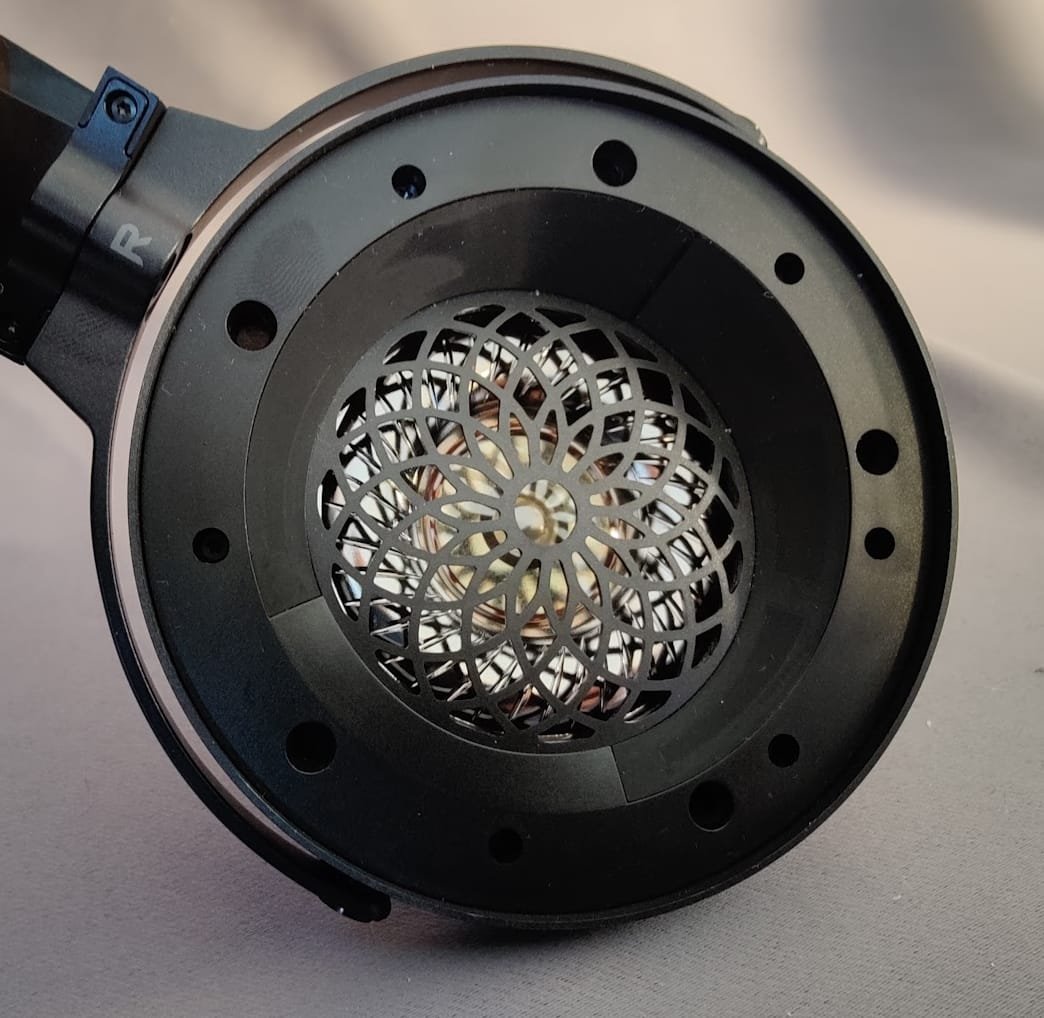
The unusual design of the cups is not just a whim of the marketing department. I was amazed when I opened the headphones to see how much effort the manufacturer has put into refining the acoustics. The inner part of the cups behind the driver is full of small pyramids, whose purpose is likely to prevent the formation of standing sound waves. The FT3 is not very open in its construction, so calling it semi-open could be justified. However, the definition has no practical significance, as the headphones leak and let sound through similarly to fully open headphone models.
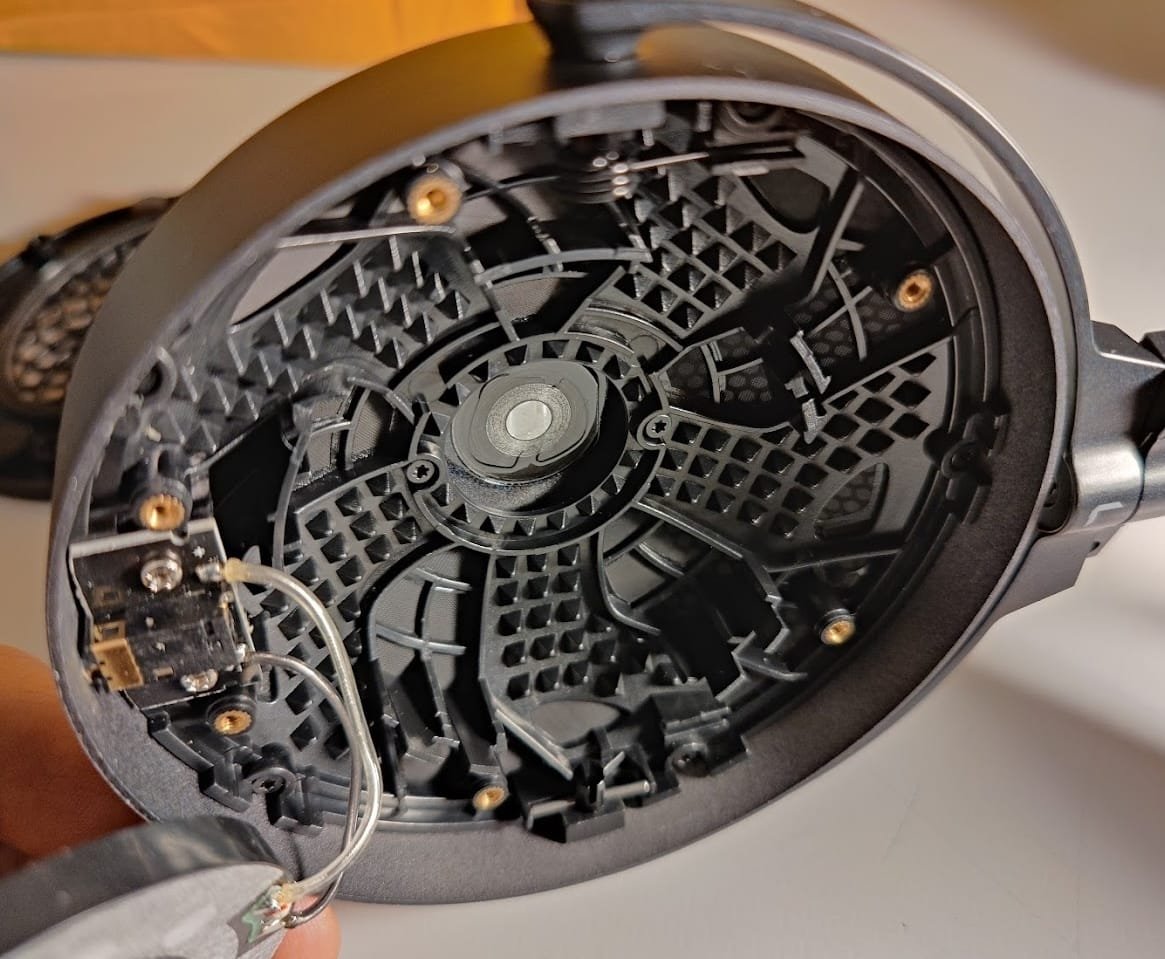
Headband mechanism:
The headphones' headband automatically adjusts in height to fit the user's head. The headband feels pleasant against the head, and I don't feel pressure on the top of my head even during longer use. At 395 grams, the FT3 is not among the lightest, but its weight is distributed more evenly on the head than, for example, Focal headphones of the same weight. As a small suggestion for improvement, I would wish the headband to be more easily detachable for washing, as its suede-like inner surface will likely get dirty with use.

Headband solutions like the FT3 are usually very comfortable in use, but their elasticity may loosen over time. However, I have no real reason to doubt that FiiO's headband would not withstand several years of use. Its structure seems sturdier than, for example, AKG headphones, whose headband stretching movement is implemented with very thin elastic bands.
Ear cushions:
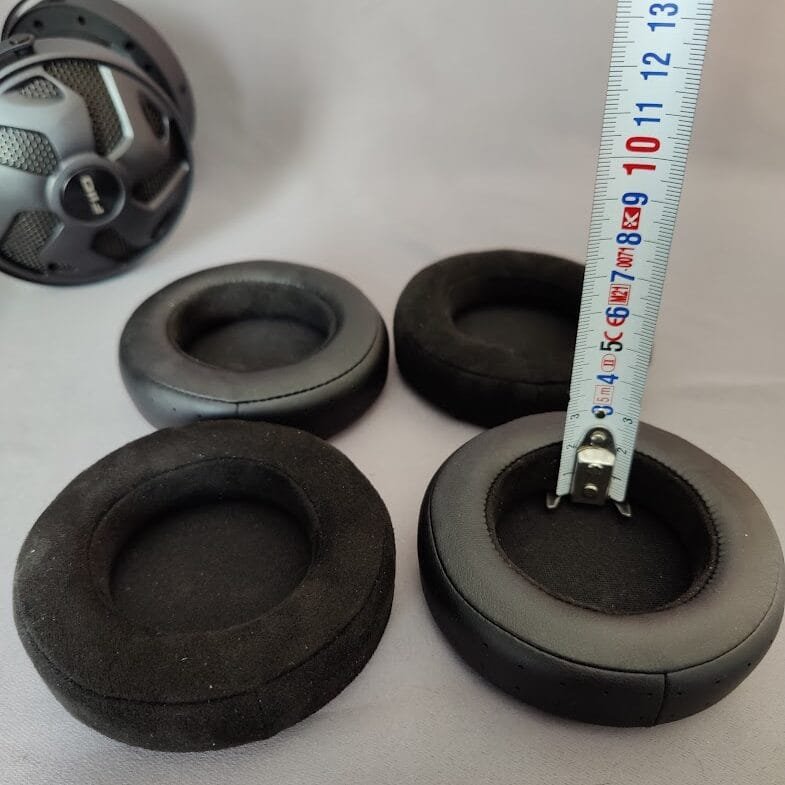
The headphones come with ear pads covered in both artificial leather and suede material, both of which feel high quality. The diameter of the ear pad opening is about 5.5 cm, so there is a reasonable amount of space for the ears. A more oval shape would be ergonomically better, but I don't believe many people will have problems fitting their ears inside the pads. The depth of the pads, however, is just under two centimeters. My ears do not touch the inner parts of the headphones, but additional thickness would make the pads feel more comfortable.
Unique cable:
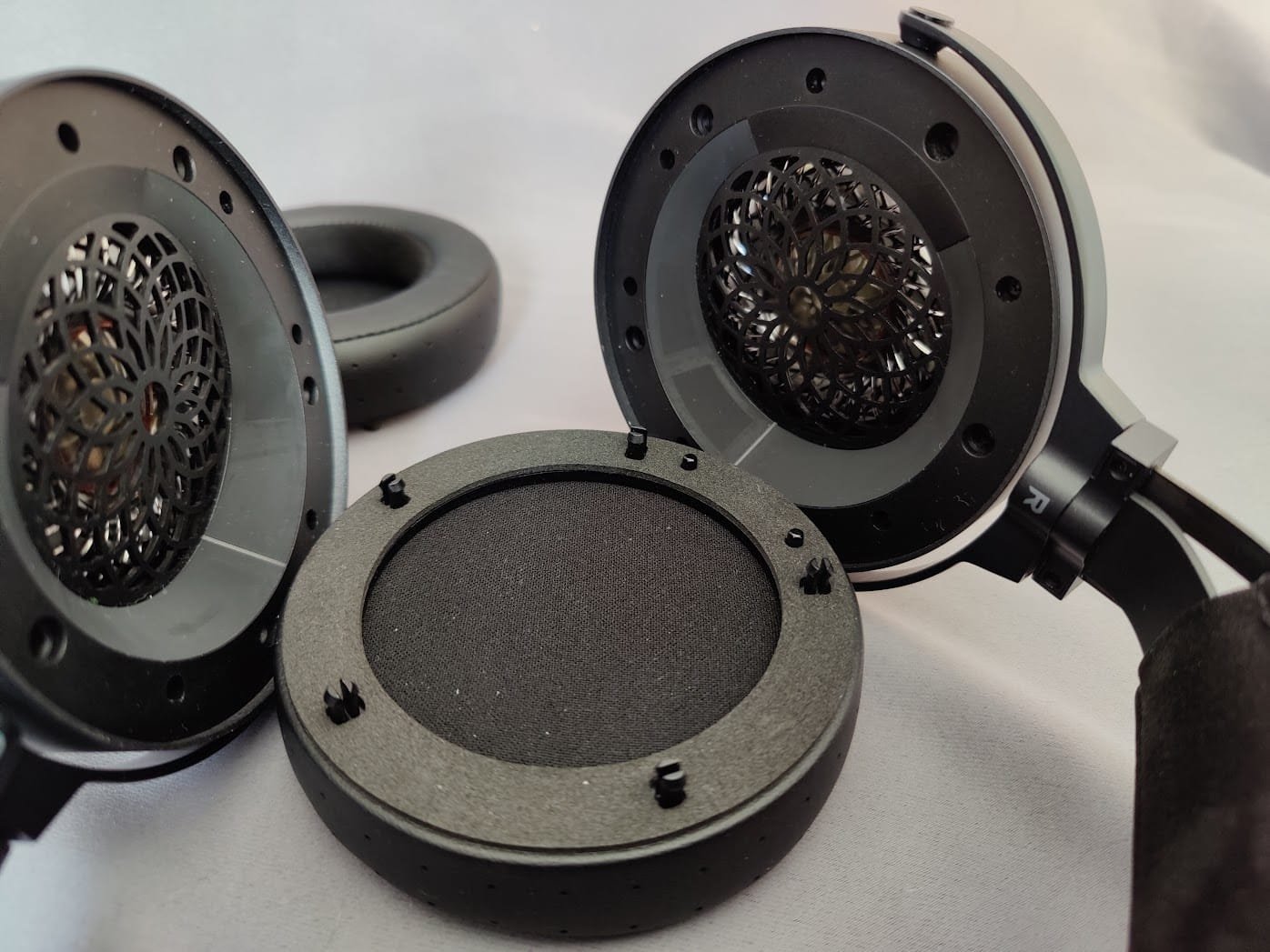
The headphones' 3-meter fabric-covered cable attaches to both cups with a 3.5 mm connector. What makes the cable unique is its interchangeable end (3.5 mm or 4.4 mm), which is usually only found in some more expensive in-ear headphones. The FT3 also comes with two adapters, allowing listening with all the following connectors without changing the cable:
- 3.5 mm
- 6.35 mm
- 4.4 mm
- 4-pin-XLR
I was initially afraid that the interchangeable connectors would have poor contact or that detaching them would require forceful pulling. However, the system proved to be very easy to use, and no problems have occurred with it so far. The only thing that bothers me is the cable's 3-meter length in situations where the amplifier is located close to me.
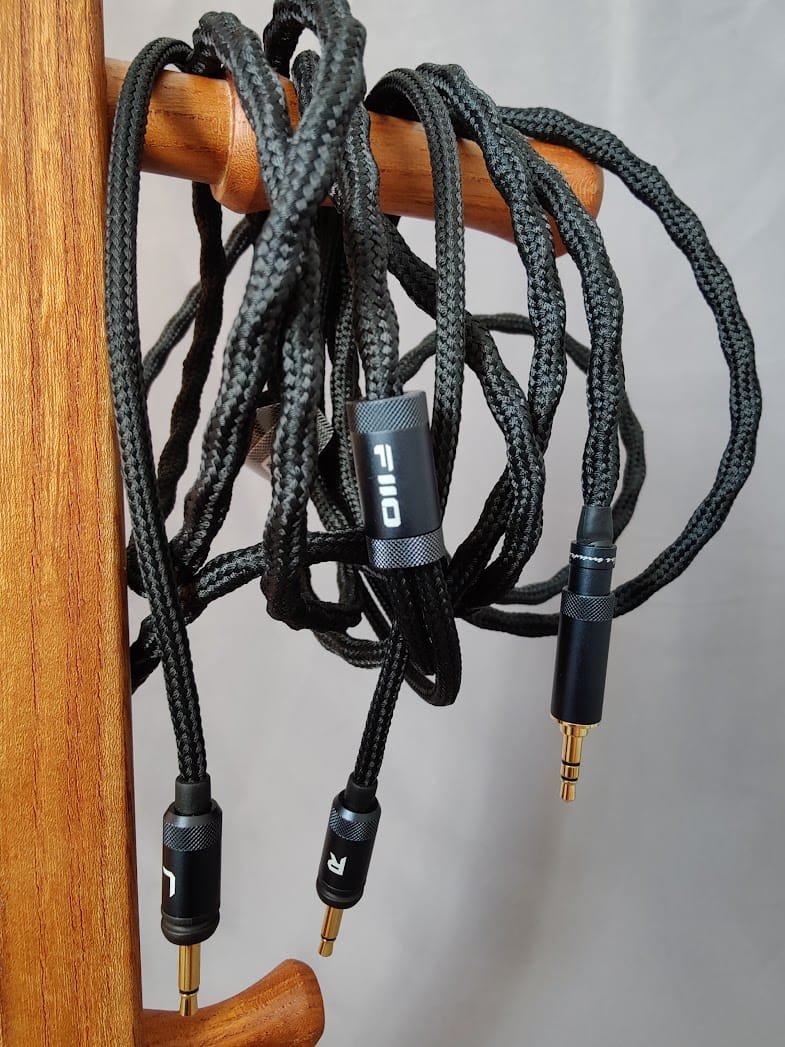
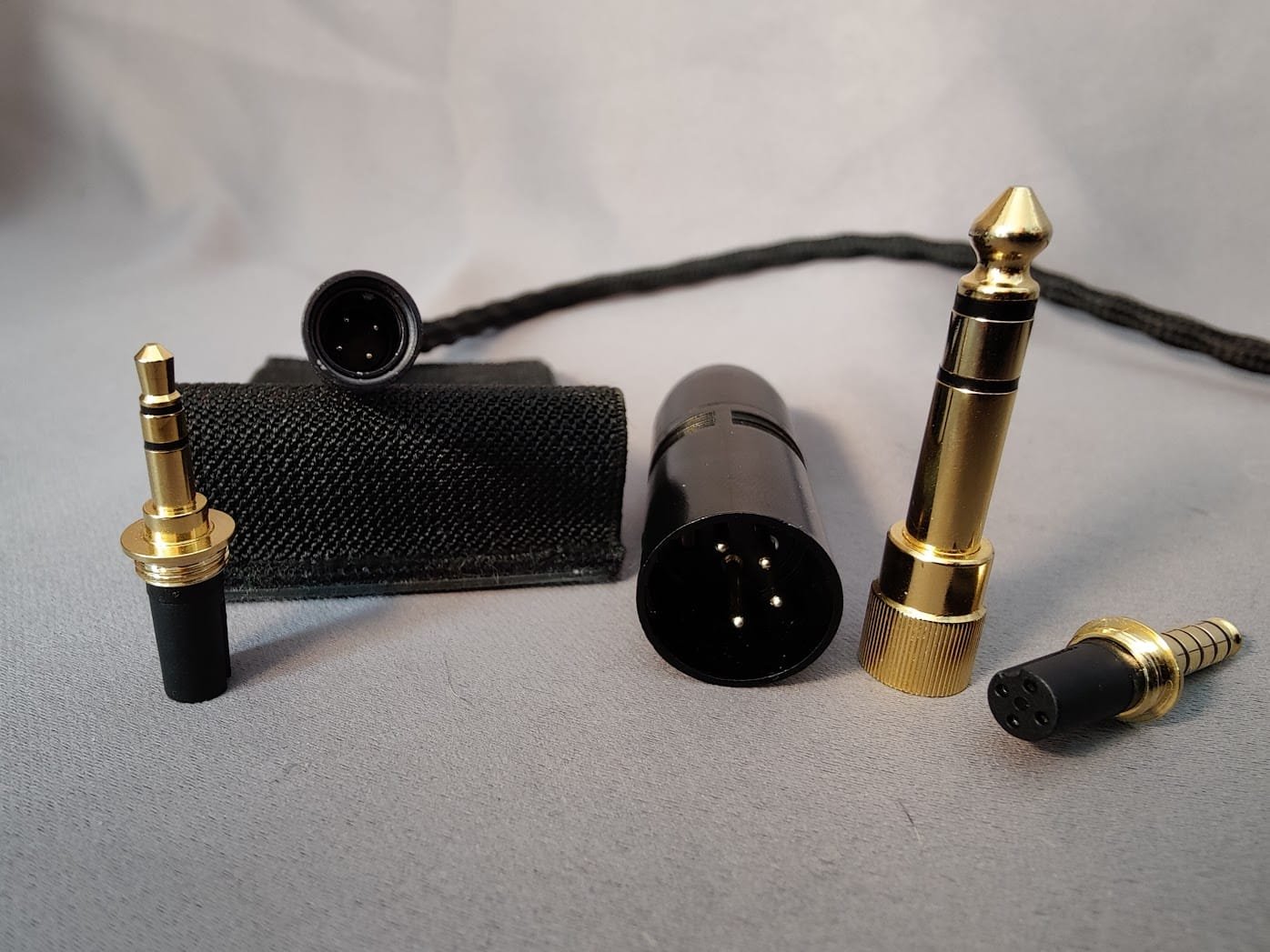
The FT3's cable is also special because the materials used in it have been considered more carefully than is usual in the 300 euro price range. The cable named OYAIDE HPC-23T was manufactured by the Japanese company Furukawa using its PCOCC-A method (which I understand to be the manufacturer's own trade name for OCC copper). What makes the situation interesting is that Furukawa stopped manufacturing OCC cables already in 2013. FiiO got its hands on them because it states that it bought the remaining cables from OYAIDE for 46,000 dollars, knowing it would need some kind of cables sooner or later for manufacturing headphones. I find the story amusing, even if someone doesn't particularly care about cables.
ÄSound quality
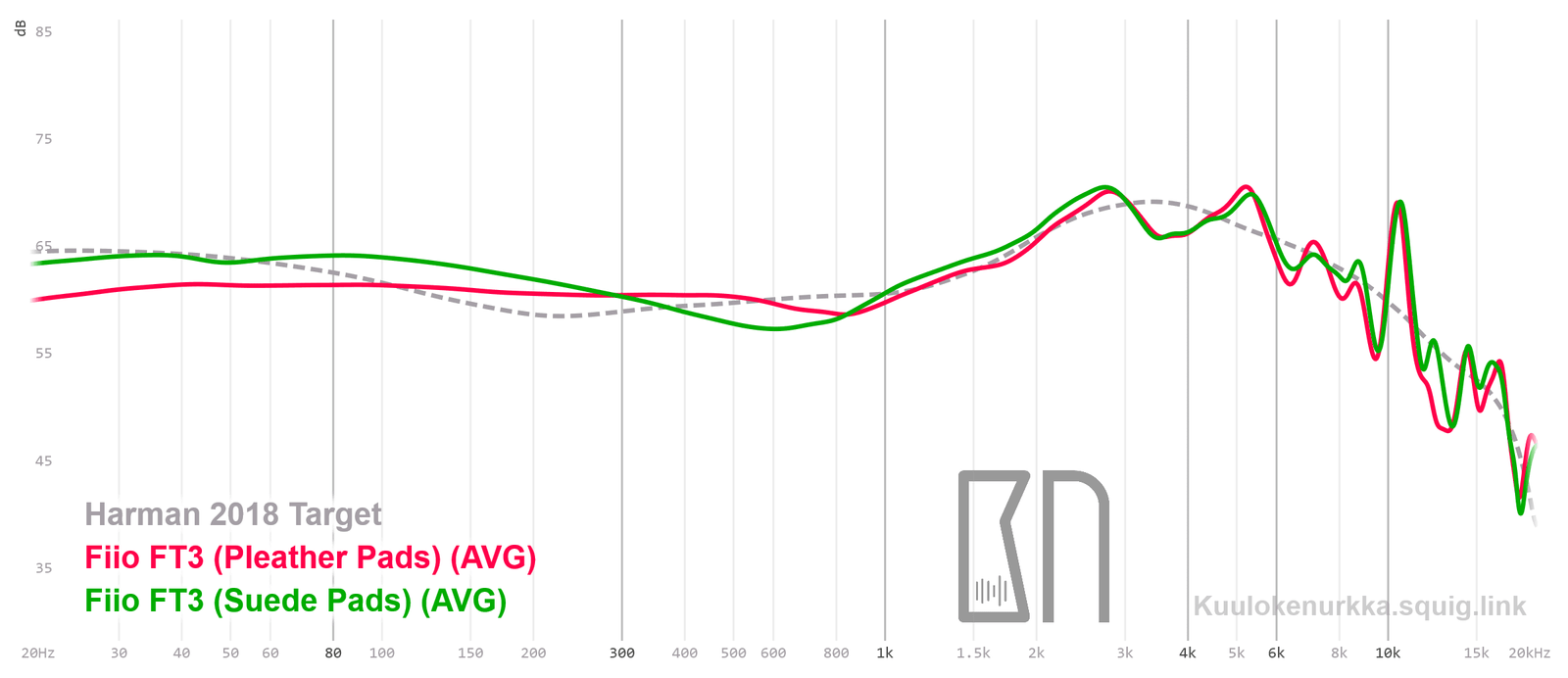
The headphone frequency response measurements have been performed with equipment compliant with the IEC711 standard. The graphs use the Harman target curve (2018 version), based on scientific research, as a reference. This curve is a generalization of what kind of frequency response sound would sound good to most people. More information about the measurements in this review and their accuracy can be found Headphone Measurementson the page. The FT3's frequency response can also be compared with other measured headphones comparison tool .
Frequency response:
Bass:
Many open-back dynamic headphone models have difficulties reproducing the lowest frequencies, but FiiO has clearly invested in overcoming this problem – the FT3 is astonishingly good in its low-frequency balance. The headphones' bass reproduction extends effortlessly down to 20 hertz with both earpads.
Suede earpads emphasize the upper bass frequencies while maintaining a pleasant frequency balance. Since the bass does not significantly interfere with the reproduction of lower mid-range frequencies, its quantity even feels slightly less than what could be inferred from the measurements. With artificial leather earpads, the mid-bass emphasis is smaller, making the tonal balance reminiscent of planar headphones, which generally reproduce bass more linearly than dynamic headphone models.
The quantity of bass in the FT3 is therefore at least adequate. In terms of quality, however, there would be some room for improvement. Although the headphones have large 60 mm drivers, they do not seem to move air in the same way as the suspended drivers of Fostex, Denon, and Focal. Bass impact sounds remain somewhat soft in the FT3, and bass patterns never draw attention in the same way as, for example, Fostex TR-X00: or iBasso SR2when listening to. The FT3's restrained presentation is, however, fundamentally good because the bass is controlled, the cups do not resonate disturbingly, and the lowest frequencies never start to boom. Although the bass reproduction does not reach the best in the sub-500 euro price range in terms of memorability, the FT3, despite its relaxed approach, is not as sluggish to listen to as many planar headphones, such as Goldplanar GL2000 or Hifiman Ananda.

Central votes:
The FT3's mid-range is very close to the Harman target response, so the headphones are unlikely to offer uncomfortable surprises to those who like, for example, Beyerdynamic DT880-, Sennheiser HD600– or AKG K371 models. If someone considers the Harman target response ideal, the FT3's mid-range is almost perfect, especially with artificial leather earpads. With suede earpads, the sound becomes slightly more V-shaped, as the low frequencies are emphasized, and the frequency range between 300–800 Hz plays a few decibels more subdued.
Treble:
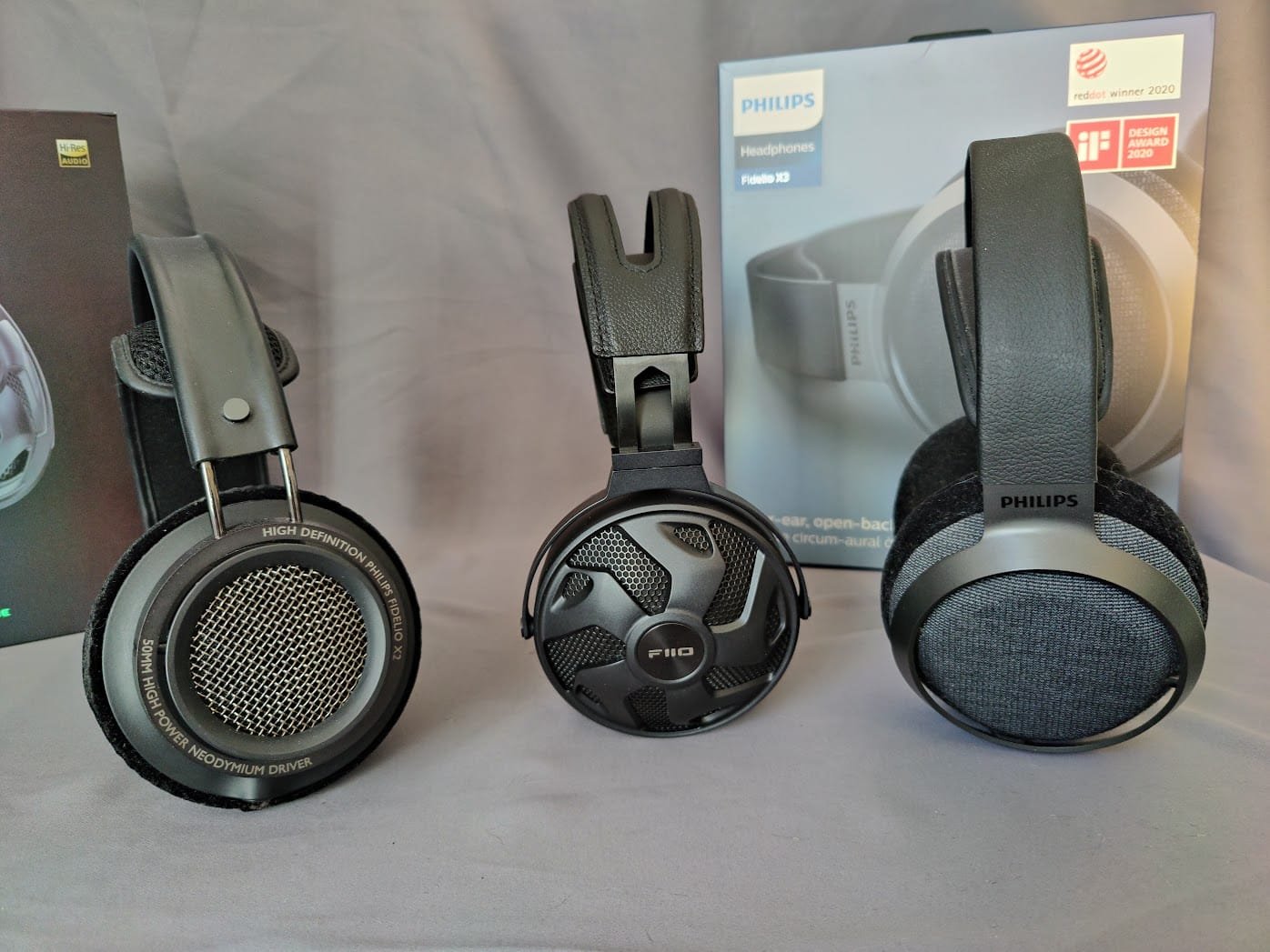
The high frequencies in these headphones are a borderline case. The treble sounds bright, but still just barely at an acceptable level for my taste. The FT3 might be too bright for those who find, for example, the Sennheiser HD600 or Hifiman HE400se:n too fatiguing in their treble. If, on the other hand, the Beyerdynamic DT990 or Philips Fidelio X3 doesn't make your ears bleed, the FT3 certainly won't either.
The 10-decibel boost visible in frequency response measurements at 11 kHz is mainly due to the internal resonance of the measuring device, which further amplifies the several-decibel boost present in the headphones in that frequency range. In reality, therefore, there are no individual strong boosts in the treble; instead, it is relatively even.
I cannot say a bad word about the quality of the high frequencies. The separation, in my opinion, is clearly among the better ones for 300-euro headphones. Additionally, the sound has a hint of the timbre characteristic of beryllium drivers, which I generally find pleasant when listening to treble.
Soundstage:
The FT3's soundstage is suitably shaped and realistic. The placement of sounds is quite precise, and the movements of sound sources are also clearly discernible. The most impressive aspect is the overall spaciousness of the sounds, in which regard the FT3 resembles planar headphones and also somewhat Sennheiser HD800:aa. The soundstage is very clearly smaller than in the HD800 or large planar headphones, such as the Hifiman Ananda. A larger soundstage can also be obtained more affordably by acquiring, for example, a higher-end AKG model or Hifiman HE5XX:n. The FT3 is by no means bad, however, because its soundstage is clearly larger than in the Sennheiser HD600 or any Focal headphones.

Soundstage
Resolution:
In terms of background, the headphones are quite dark, and I do not detect echoes in the sound caused by the physical structure. The reproduction is less veiled than average, which is likely largely due to the successful frequency response. Evaluating the FT3's resolution, on the other hand, would require a proper reference. A comparison Hifiman Sundara would be useful, but unfortunately, I no longer have it available SASH Tres:in having taken its place as my sub-500 euro reference headphone. Tres sounds more transparent to me than the slightly more expensive Hifiman Edition XS, so it's probably no surprise that FiiO's 300-euro FT3 cannot challenge it. However, I don't feel like something is being missed, unlike, for example, with the iBasso SR2.
From memory, I would say that the FT3 does not separate sounds as clearly as the Sundara, but it is an improvement over more affordable dynamic headphone models, such as Beyerdynamic DT900 Pro Xcompared to and Philips Fidelio X2, considering. However, the differences remain quite small in any case, because a clearer improvement in resolution is only achieved with significantly more expensive headphones. Differences experienced with more affordable headphones, for example in separation ability, are mainly due to differences in frequency response. When looking for the most resolving sound, it's worth considering whether it would be possible to increase the headphone budget, for example, to Sennheiser HD800(S), Hifiman Arya or HEDDphone up to.
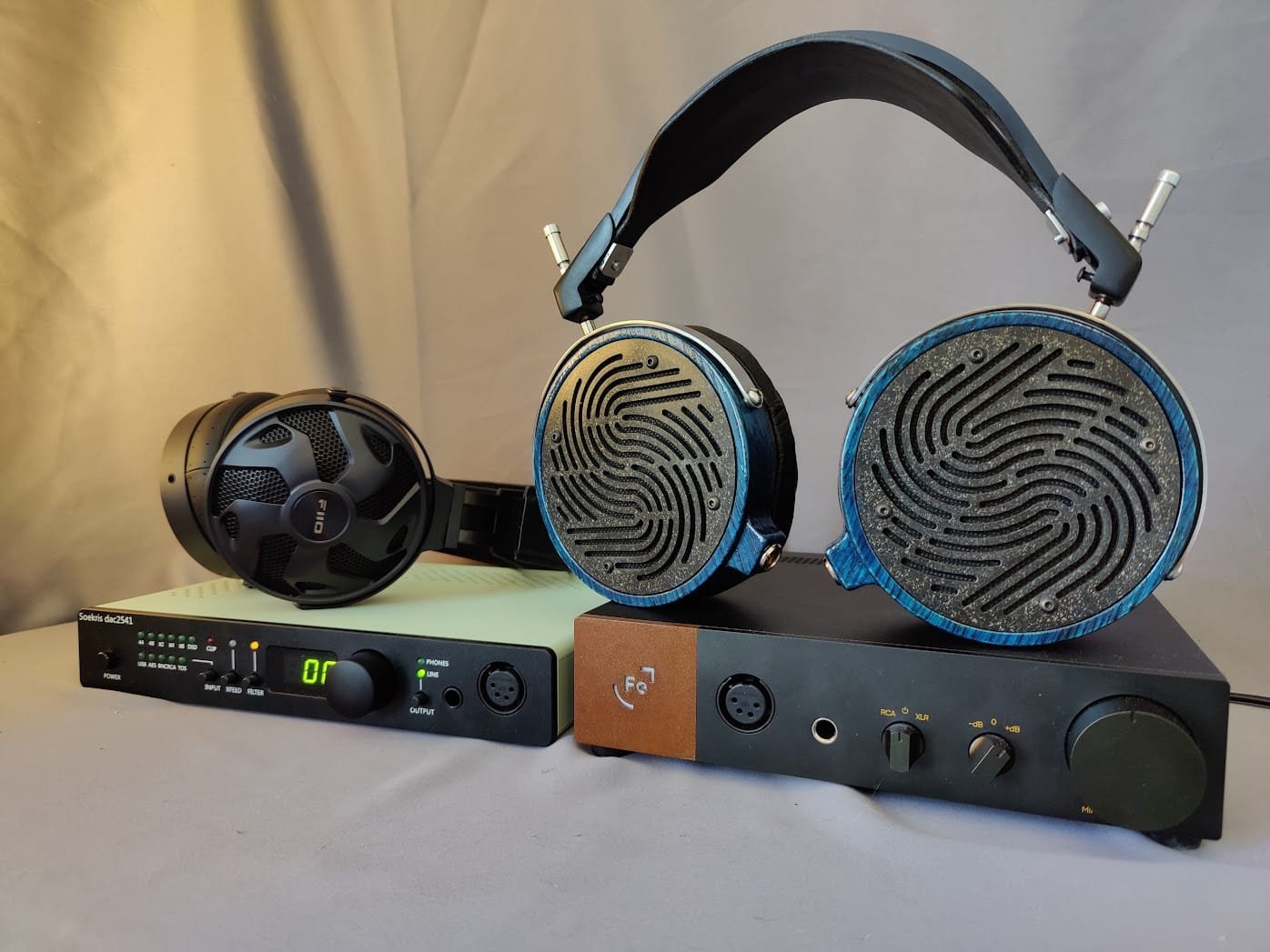
Dynamics:
In terms of macrodynamics, the headphones are decent, but without making a particular impression. For me, a certain punchiness in the sound is exceptionally important, so I really like, for example, Focal Utopia and Hifiman HE6, whereas headphone models with calmer macrodynamics, such as Sennheiser HD800 and Hifiman HE1000 V2 do not make as great an impression.
The FT3 reproduces transients quickly, so the sound does not sound slow or dragging. Only punch and impact are missing, so the word ”polite” is, in my opinion, apt to describe the general presentation. It should, of course, be remembered that other more affordable headphones are generally not particularly memorable in terms of dynamics. The FT3 does not stand out negatively from the crowd if compared to headphones like the Hifiman Sundara.
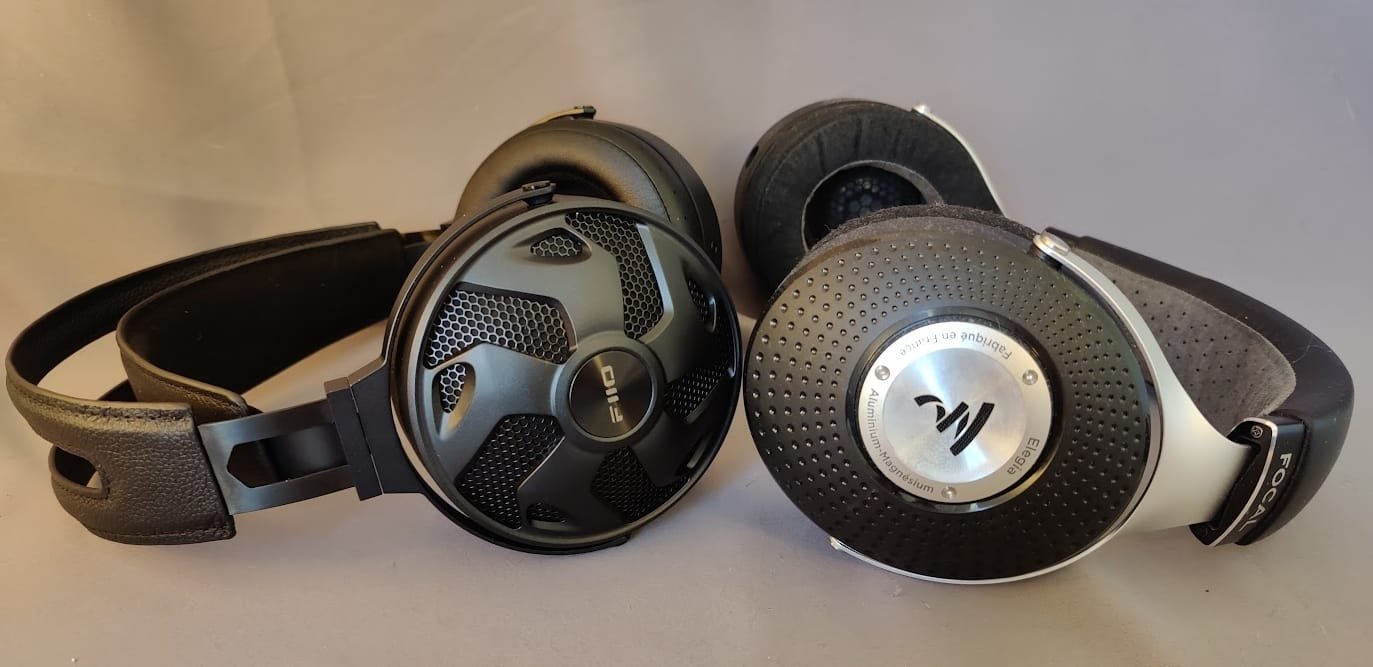
Amplifierstus
The high 350 ohm impedance of the headphones should not be feared, because thanks to their high sensitivity (105 dB/mW), they can be easily driven by almost any audio source. Even my laptop's headphone jack was more or less sufficient in terms of power. I listened to the FT3 most often with the Shanling M6 Pro mobile player and the Creative Sound Blaster X4, which is primarily designed for gaming. Both devices worked well with the headphones.
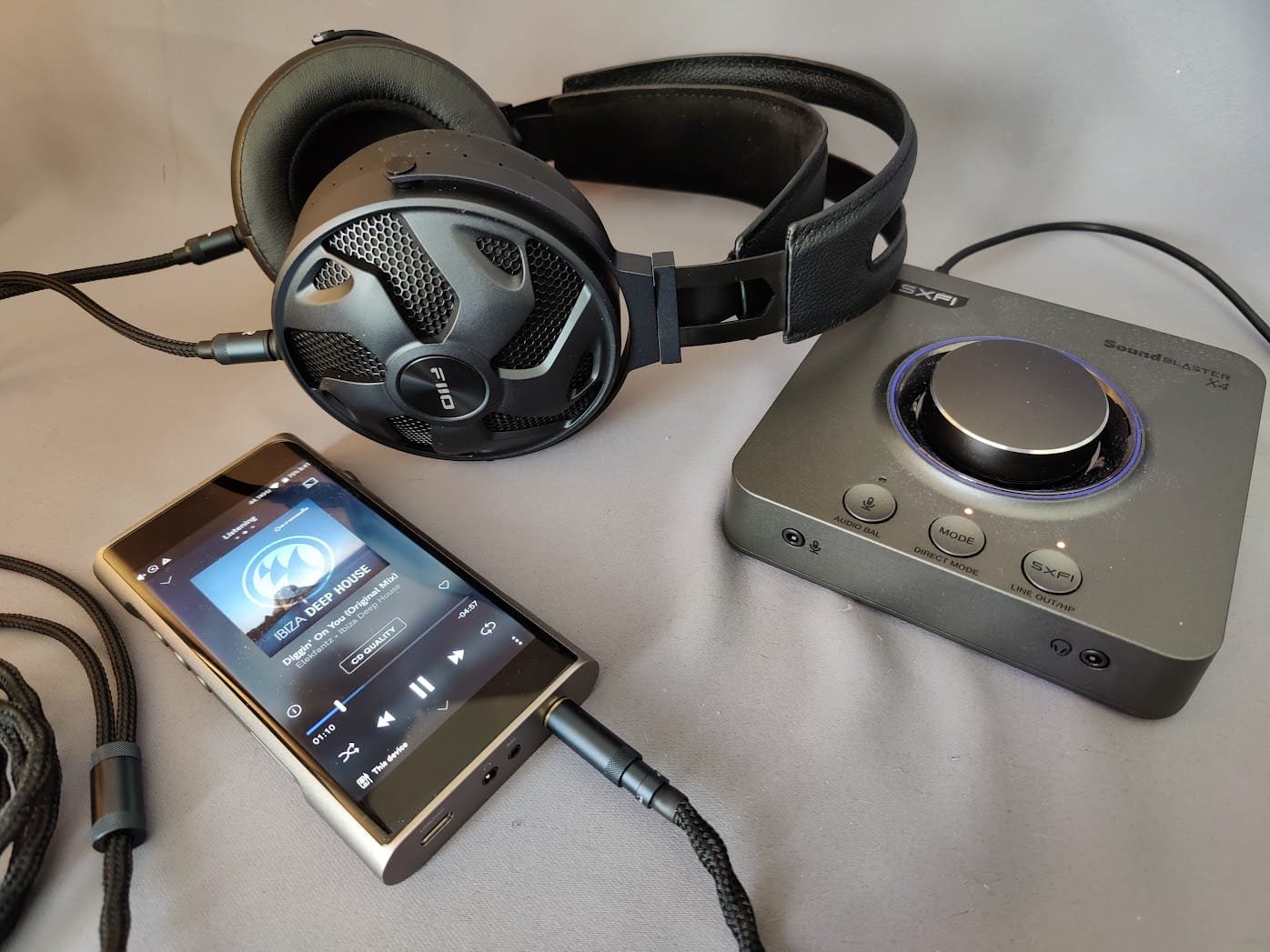
I also tried a few other amplifiers. Topping L30 II and the Nitsch X Schiit Magni Piety performed excellently, with hardly any difference in sound quality compared to the Sound Blaster and Shanling mobile player. The Magni Piety seemed to slightly smooth out the headphones' overly aggressive treble, but at the same time, the reproduction of high frequencies lost accuracy, sounding fragile.
I also wanted to test how well the FT3 scales with more expensive amplifiers, so I tried it with the Ferrum Audio OOR as well. I would be tempted to say it sounded better than the affordable amplifiers, but in reality, the differences were small. It would seem that the FT3 doesn't necessarily benefit much from more expensive devices, but rather reaches its peak with more affordable audio sources. When talking about 300-euro headphones, this is mainly a good thing.
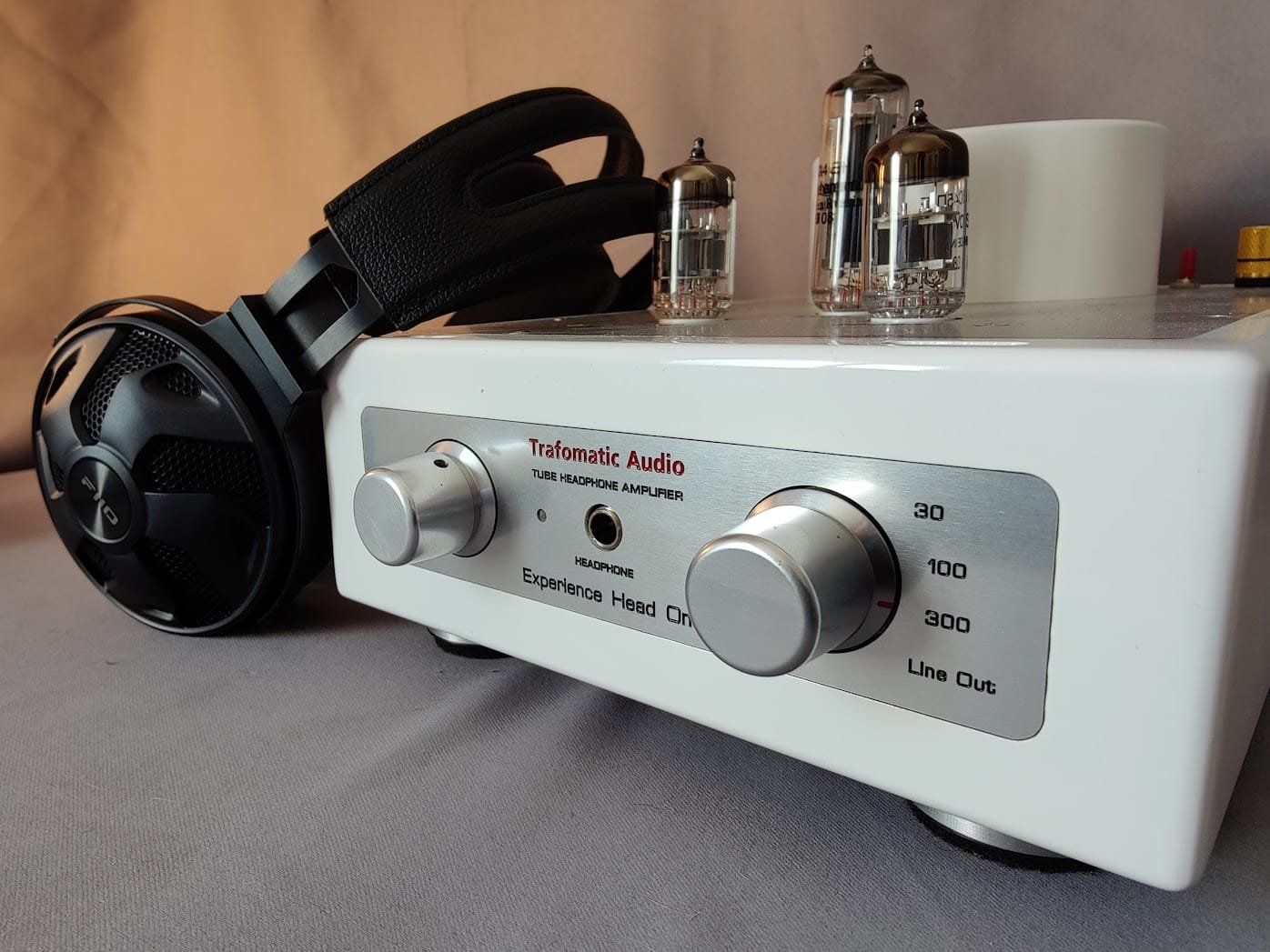
High-impedance headphones are also well-suited for listening with tube amplifiers. The Trafomatic Audio Experience Head One I tried sounded excellent with FiiO's headphones. This was the only device pairing where I felt the sound quality clearly improved with better dynamics. Unfortunately, the amplifier is not particularly gentle in its treble, so it did not bring the desired relief to the FT3's bright high frequencies. Overall, however, this was clearly the best headphone & device combination I tested.
Comparison to other headphones
FiiO FT3 vs. Sennheiser HD6XX
Prices: 300 € vs. 240 € (the equivalent HD650 model costs 400 euros in Finland)

Frequency responses:
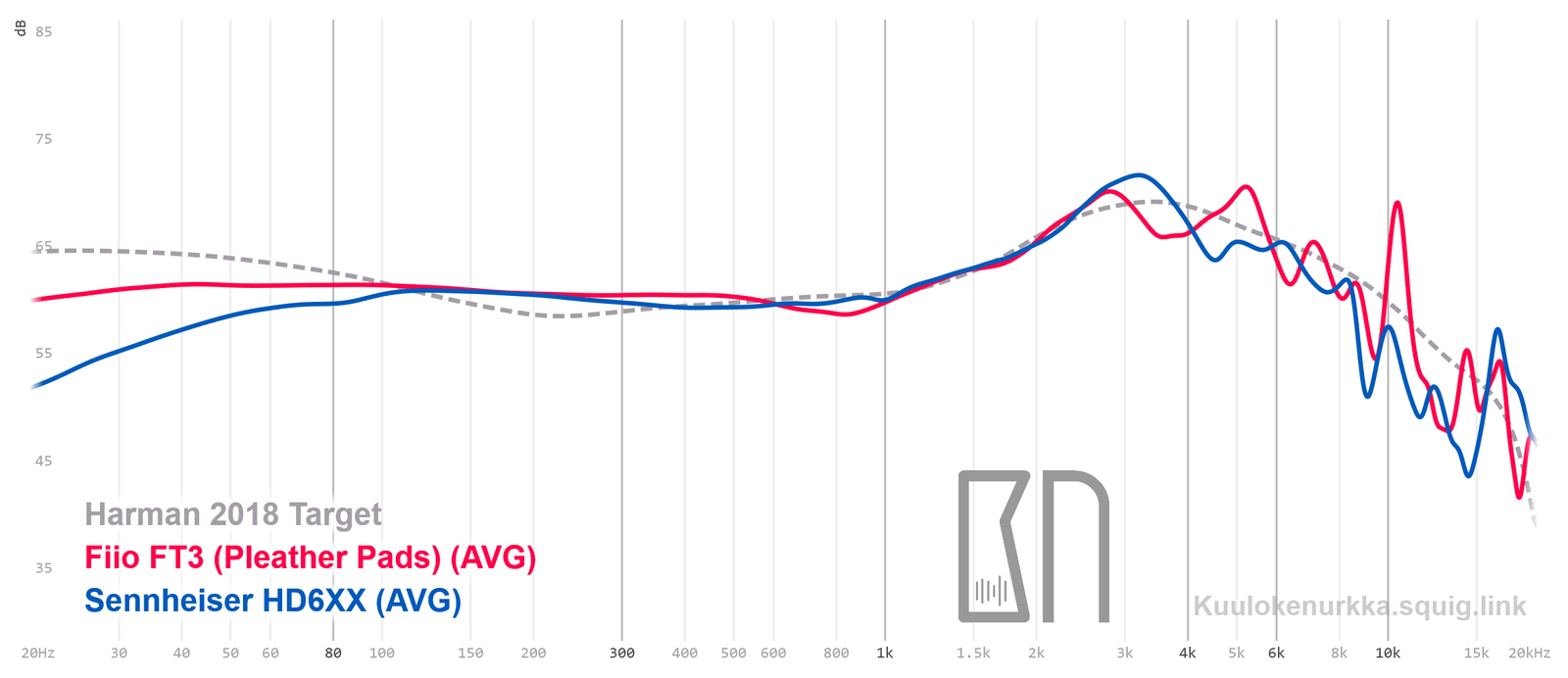
Differences in bass reproduction, mid-range, and treble
The FT3 surpasses the Sennheiser headphones in bass extension. The HD6XX's bass hits with a slightly more powerful feel, but overall, the FT3 is much more convincing.
Regarding mid-frequencies, FiiO's headphones sound slightly cleaner, and the vocalist stands out more clearly from the background. However, the presentation is not as intimate and magnificent as with the HD6XX, which almost pushes the singer into the listener's lap. Thus, in reproducing mid-frequencies and especially vocal performances, the Sennheiser HD600 series still hasn't found a winner, even though there have been plenty of contenders over 20 years.
The pair I compared differs more in their high frequencies than can be inferred from the measurement results I presented. The HD6XX's mid- and high-frequency balance is, in my opinion, pretty much perfect. The FT3, on the other hand, sounds distinctly ”snappy” due to its stronger treble. The HD6XX sounds more natural to me, but someone else might certainly prefer the FT3's brighter reproduction. In terms of high-frequency quality, both headphone models are among the best in their price range. Because the HD6XX is primarily known for its quality mid-range, its excellent high-frequency balance and surprisingly good resolution are often forgotten.
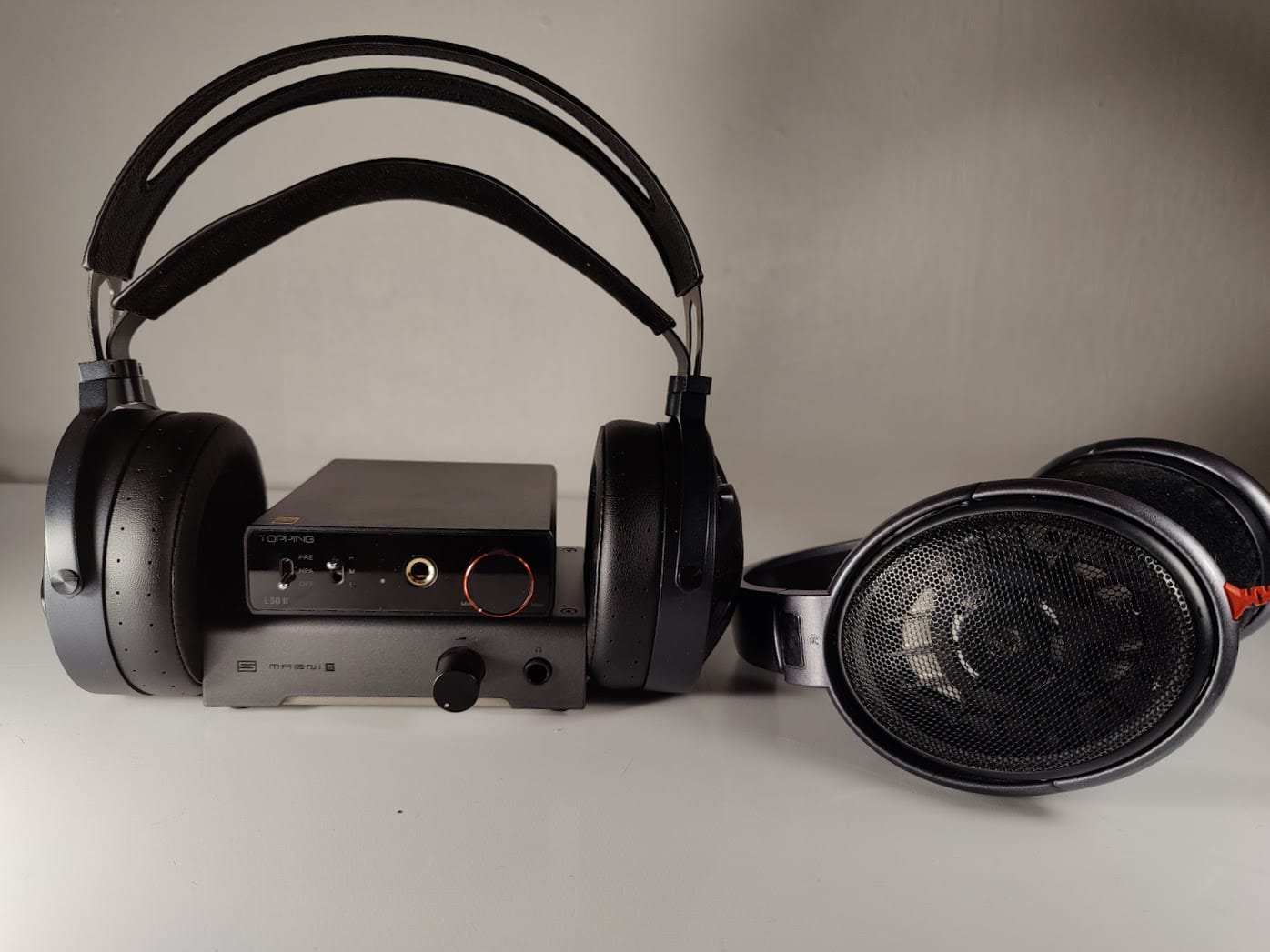
Other differences in sound
A small soundstage is notoriously one of the weaknesses of the HD600 series, and the HD6XX certainly offers no competition to the FT3 in that regard. With the HD6XX, one clearly hears two drivers close to the ears. Dynamics in both headphones, however, are quite comparable. Neither offers particularly memorable macrodynamics, but I would say the HD6XX is slightly punchier in its sound. The difference, however, is small and is largely explained by the headphones' emphasized mid-bass.
There is also a small difference in the headphones' resolution. I actually wouldn't dare to claim that one could produce a more detailed or accurate reproduction. The HD6XX sounds a bit muddier and more veiled, which, however, doesn't seem to affect how detailed the sound is compared to the FT3. The situation changes slightly if the HD6XX is listened to with a good and suitable amplifier. The FT3 doesn't scale up as much with different equipment.
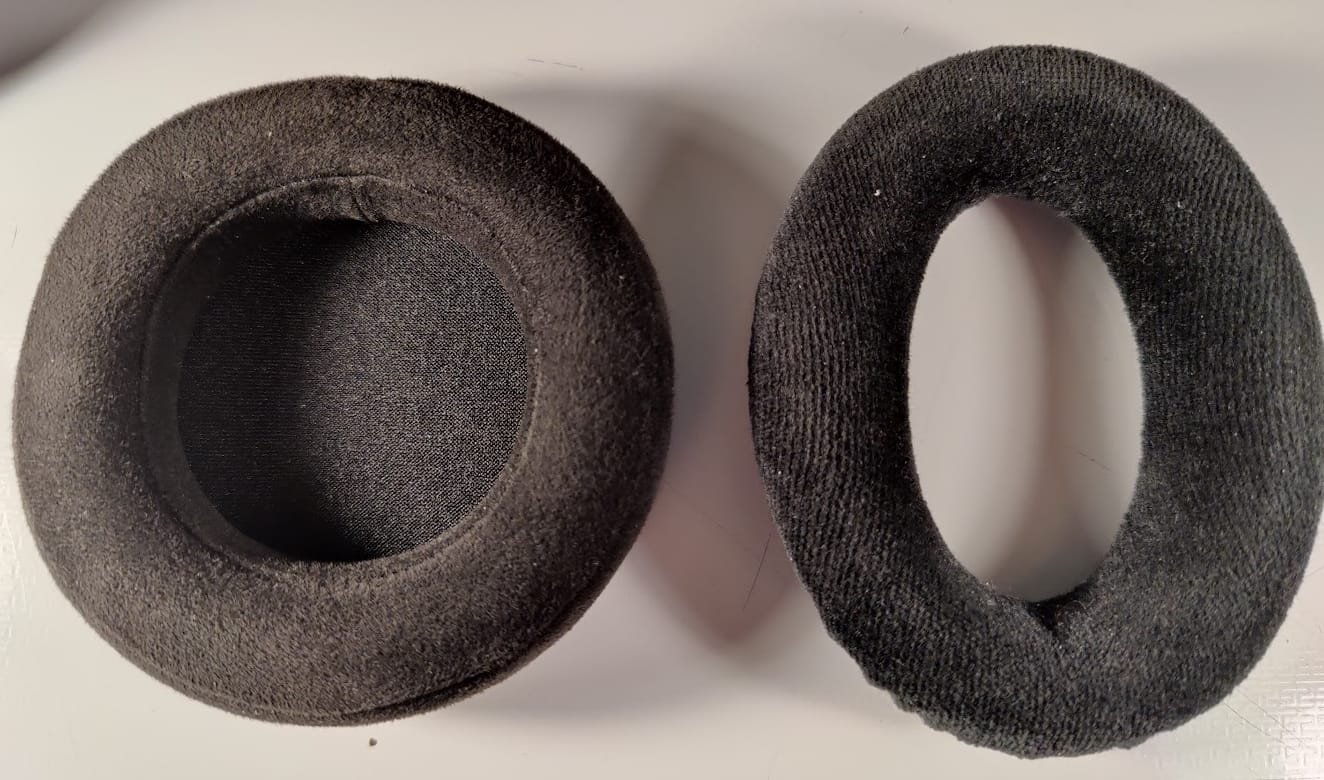
Luckily, I don't have to choose my favorite…
It's really difficult to say which of the two I prefer more. The FT3 feels more premium due to its metal construction, but Sennheiser's plastic construction has also proven functional over the years. In my opinion, the HD6XX is also slightly more comfortable due to its lighter weight and larger ear pads. The FT3's strengths are its sub-bass reproduction and believable soundstage. The HD6XX's mid-frequencies, on the other hand, are not considered legendary for nothing. My own preferences ultimately lean towards FiiO's new model because it has a better soundstage and less veiled sound. However, if I were to listen to headphones only with a good OTL tube amplifier, I might prefer the HD6XX.
FiiO FT3 vs. Audio-Technica R70x
Prices: 300 € vs. 300 €
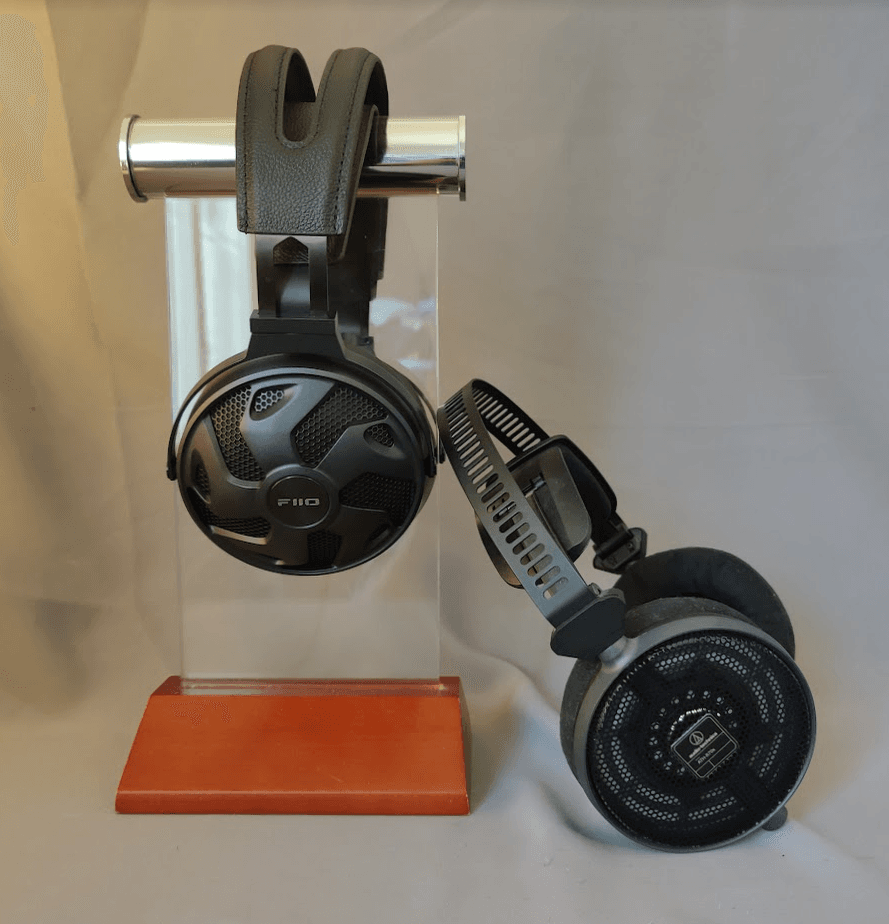
Frequency responses:
Differences in sound quality
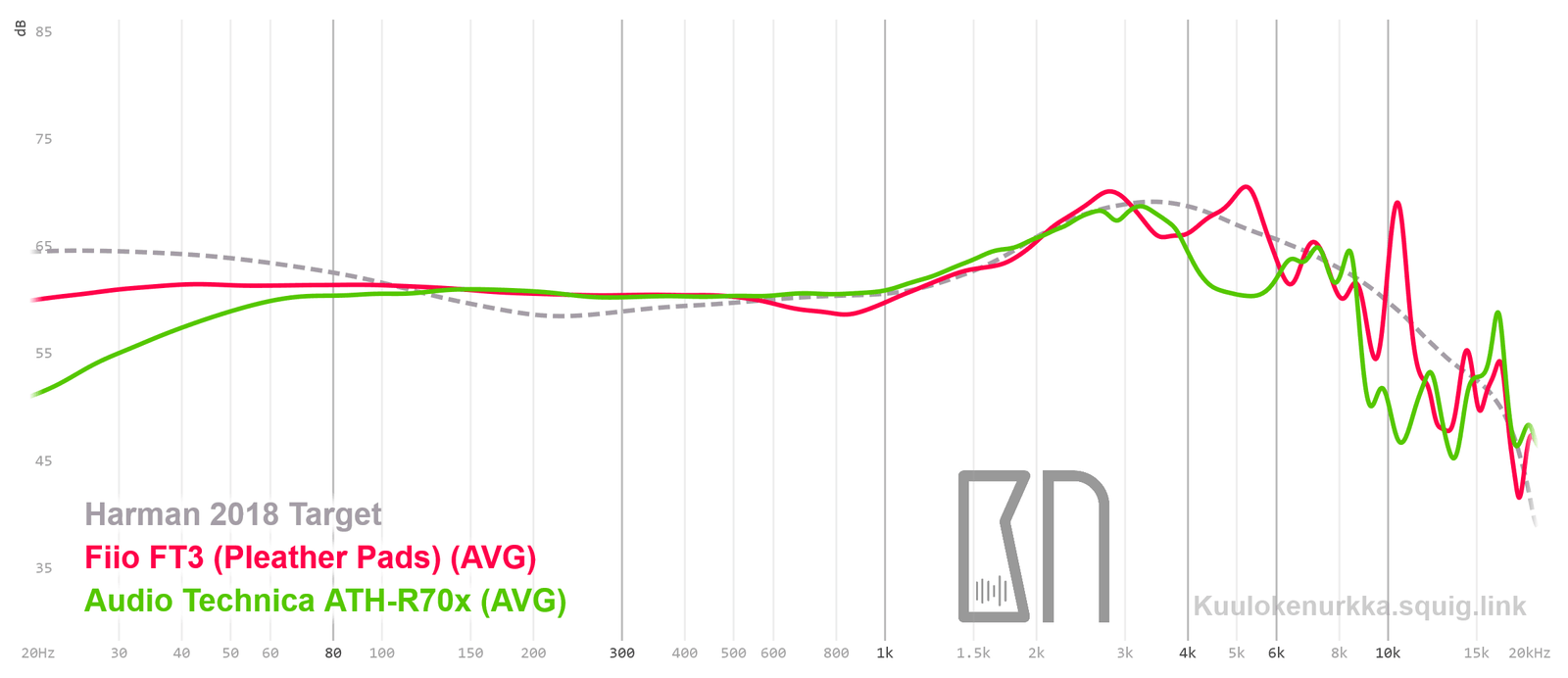
Audio-Technica's ATH-R70x has a frequency response quite similar to FiiO's FT3. The clearest differences are the FT3's stronger sub-bass and the R70x's slightly recessed 4–6 kHz frequency range, also known as the presence region. Due to the latter, the R70x sounds oddly nasal and veiled. The FT3's more emphasized treble makes it sound fresher, while the R70x is calmer. I personally find the R70x's more restrained presentation more natural.
The R70x sounds more open of the two, but its soundstage is slightly smaller. I also perceive the soundstage as oddly shaped: the R70x's sound has quite good depth, but sounds normally located in the front-diagonal are placed too far to the side and sometimes even behind the shoulders. The result sounds strange compared to the FT3's more cohesive soundstage. The FT3's reproduction also has a grandeur that is missing from the R70x. In terms of dynamics, both headphones are equally restrained, while sound separation is a notch clearer in the FT3. The FiiO model reproduces sounds more accurately across all frequency ranges. For example, instrument reverbs are more natural.
This time, choosing a favorite is easy
Although the R70x is a good headphone in its price range, I can't think of any other reasons to choose it over the FT3, apart from the amount of treble being more suitable for my preferences. Audio-Technica's ear pads are smaller, so I can't even consider the R70x better in terms of comfort. This is a shame, because with more comfortable pads and a ”more normal” headband, the R70x might be one of the most comfortable headphones in the world, considering its modest weight of 210 grams.
Summary
FiiO's FT3 convinced me with its balanced sound. The build quality of the headphones is largely the best that can be bought for 300 euros. A versatile cable, a nice case, and another pair of different ear pads further increase the overall value. To my taste, the headphones' dynamics could be stronger, but I can't think of any other notable weaknesses in the sound quality.
In many ways, the FT3 is an excellent choice for someone looking for their first high-quality headphones. The sound, which follows Harman's target response, is easy to get used to and, according to research, should please the majority of people. The headphones are therefore a fairly safe choice for those who don't yet know what kind of sound they prefer.
A beginner enthusiast also doesn't need to stress about acquiring a suitable amplifier with the FT3, because the headphones are easy to drive. They also work seamlessly with slightly older electronics. For example, old receiver amplifiers and home theater systems often have a high output impedance, which distorts the sound of low-impedance headphone models. However, as a 350-ohm headphone, the FT3 can also be connected to these devices without the frequency response changing due to impedance differences.
Thanks to its versatility, the FT3 is a welcome new addition to the market. I consider it a viable alternative to popular headphones like the Hifiman Sundara and Sennheiser HD6XX.
Pros and cons:
+ Balanced frequency response
+ Deep bass reproduces powerfully
+ Amazingly high-quality materials and durable-feeling construction for the price
+ Versatile cable allows headphones to be connected to various amplifiers
+ Two sets of earpads are included, offering good sound in different ways
+ Nice carrying case
+ Doesn't require a powerful amplifier
+ Good price-quality ratio
– Headphones would benefit from more impactful dynamics
– Earpads are somewhat small
– The cable is unnecessarily long
-/+ The treble is slightly emphasized for my taste, but based on measurement results, the tonal balance of the high frequencies should please the majority of people
 EN
EN  FI
FI
>There's no need to be alarmed by the headphones' high 350 ohm impedance, because thanks to their high sensitivity >(105 >dB/mW), they can be easily played from almost any audio source. Even >my laptop's >headphone jack was more or less sufficient in terms of power
I tested these (Fiio FT3) and ATH-R70x headphones with an iFi Air Zen Can amplifier, and the ATH's sound was significantly more pleasing to my ears, starting from the bass. I have read a few reviews (in addition to the headphone corner) where Fiio's sound has been praised as better, so did I try these with the wrong amplifier, or is it purely a matter of taste regarding the sound?
I would guess it's a matter of taste. Those are so different, especially in terms of bass reproduction, that a different amplifier wouldn't change the situation. It's worth trying both of Fiio's earpads, if you haven't done so yet. The earpads certainly have a greater effect on the sound than changing the amplifier.
The R70X is certainly excellent, even though I favored the Fiio in this test. The R70X's frequency response is also more successful than that of the significantly more expensive AD5000X.
Thank you for your message! A good indication that reviews are fundamentally just someone's opinions and can never replace a good listening test 🙂