Author: Sword of Damocles
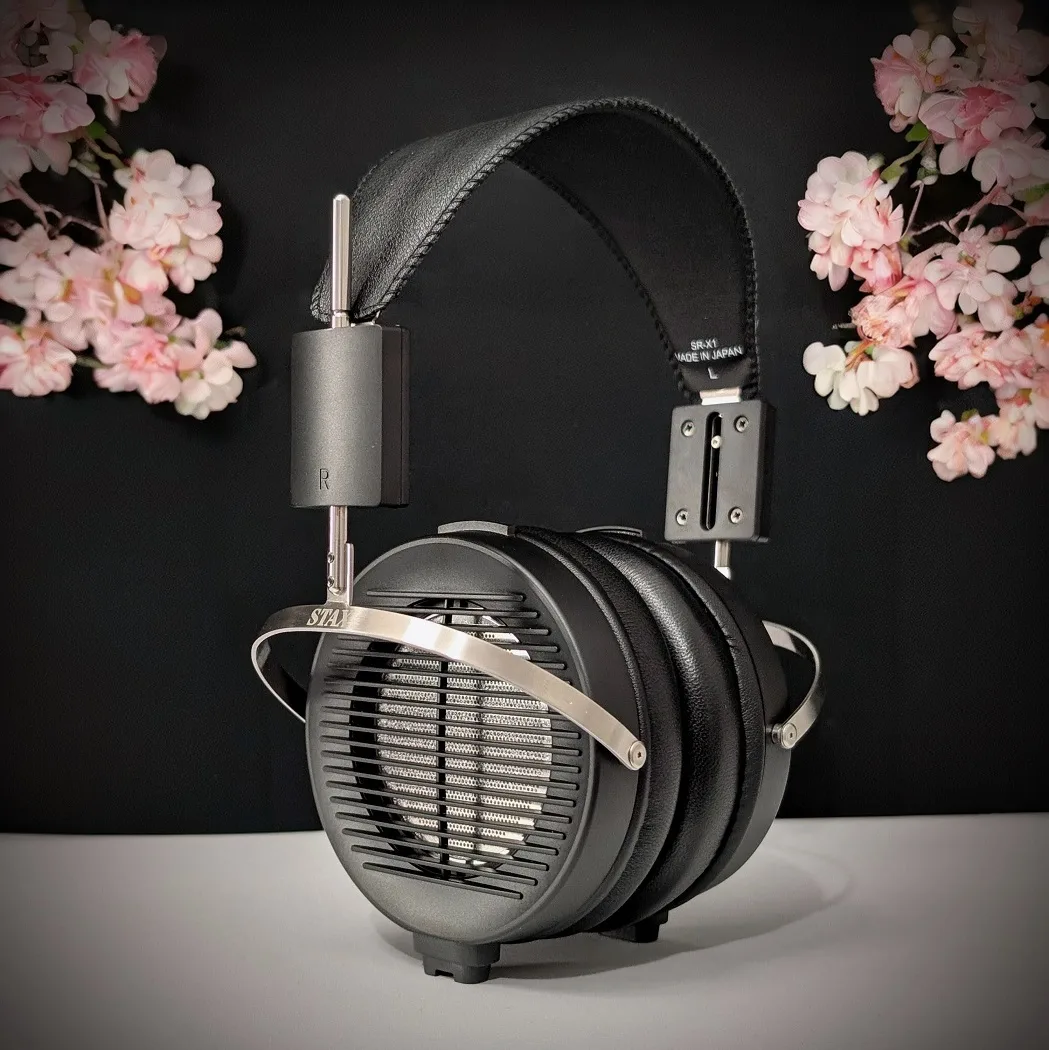
Table of Contents:
Information:
- Release year: 2024
- Made in Japan
- Price: 695 €
- Structure: open, over-ear
- Round electrostatic elements
- Capacitance: 110 pF (with cable)
- Impedance: 145 kΩ (with cable / 10 kHz)
- Sensitivity: 101dB / 100 Vrms / 1kHz
- Bias voltage: 580V DC
- Weight: 234 g (without cable) + cable 145 g
- Connector type: 2 x 3-pin Stax Pro Bias
- Detachable OFC cable: Length 2.5 m / plug 5-pin Stax Pro Bias
- Accessories: None
Review sample: Self-purchased product
Background
Japanese STAX is known for its electrostatic headphones, or rather ”ear speakers,” which can be divided based on the shape of their cups into the rectangular Lambda series and the round Omega series. The latter have traditionally cost more. The Omega series was preceded until 1985 by the X-series, which the manufacturer revived after a break of over 35 years with its flagship SR-X9000 headphones. Now, the X-series has received a continuation with the SR-X1 model released in 2024.
SR-X1 (link to product page) is an interesting product, especially regarding its pricing, as it costs ”only” 700 euros, whereas the next most expensive round STAX would already cost almost 3000 euros (SR-007 m2). Until now, for under 1000 euros, one could only get peculiar and structurally outdated Lambda-series headphones, so with the elegant and quite conventional SR-X1, the manufacturer would expect to gain some new customers. Would STAX even finally start to innovate?
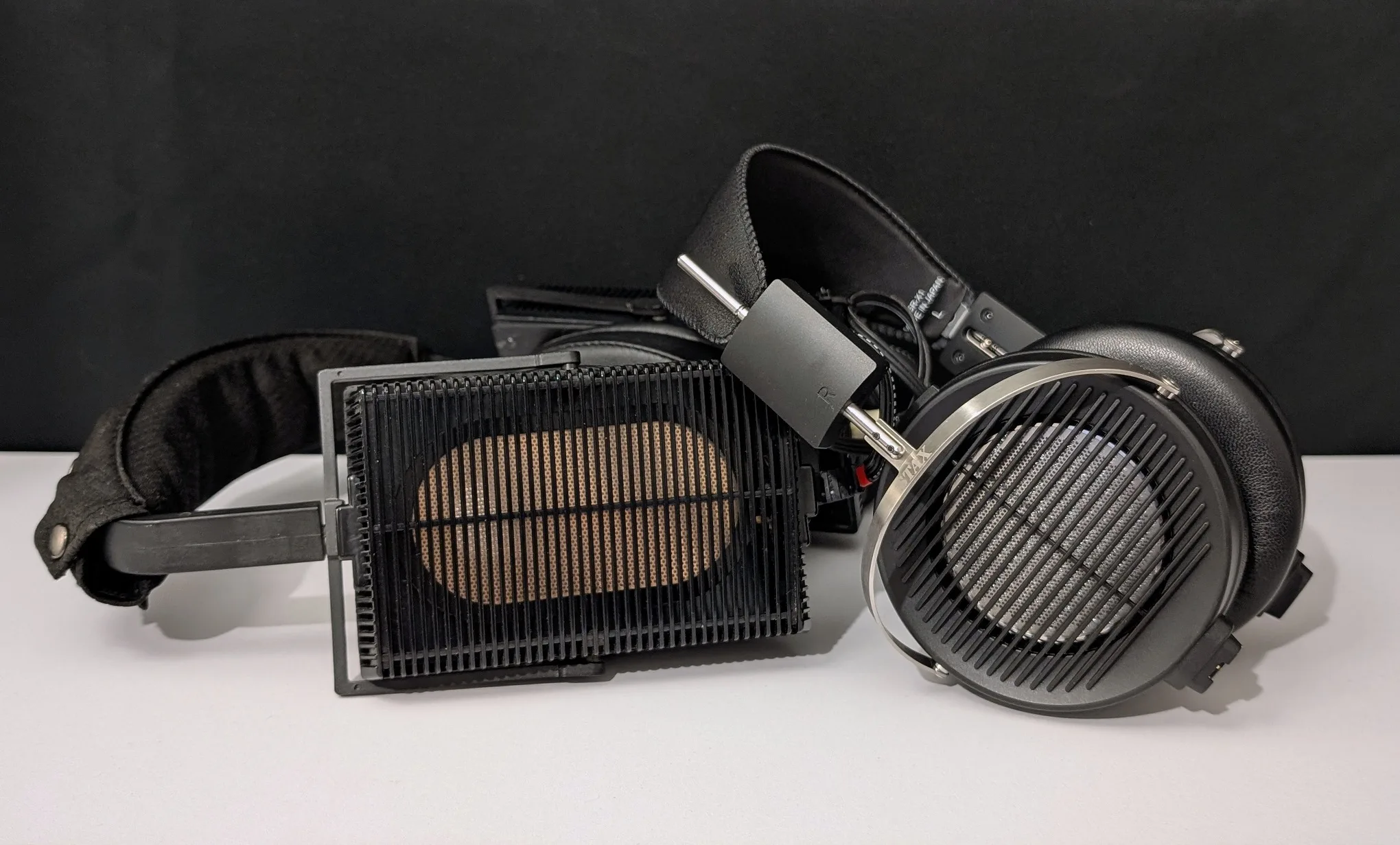
However, with electrostatic headphones, it must always be noted that they cannot be listened to with a regular headphone amplifier; instead, due to their 580-volt bias voltage, they require their own kind of ”energizer,” which is more internationally known by the term energizer (however, I will use the word amplifier). And these are notoriously not particularly cheap, costing at least around 450 euros (e.g., Topping EHA5).
STAX actually released the SRM-270S amplifier to pair with the SR-X1, which it sells with the headphones as a package called SR-X1000 for 1350 euros. The tiny SRM-270S is probably sufficient for the SR-X1, but many still recommend more robust and better devices from STAX's selection, which quickly accumulate a price of at least 1000–2000 euros. However, a slightly older amplifier bought used is an excellent alternative when aiming to stay under 1000 euros and achieve better sound quality than small units. The acquisition cost of electrostatic headphones will in any case be higher than usual, unless a suitable amplifier is already available. Many who like this product category commit to it for a longer time by acquiring a good amplifier at once and then upgrading their headphones – or acquiring several different headphone models. Electrostatic headphones from other manufacturers also generally operate on the Pro Bias amplifier standard defined by STAX.
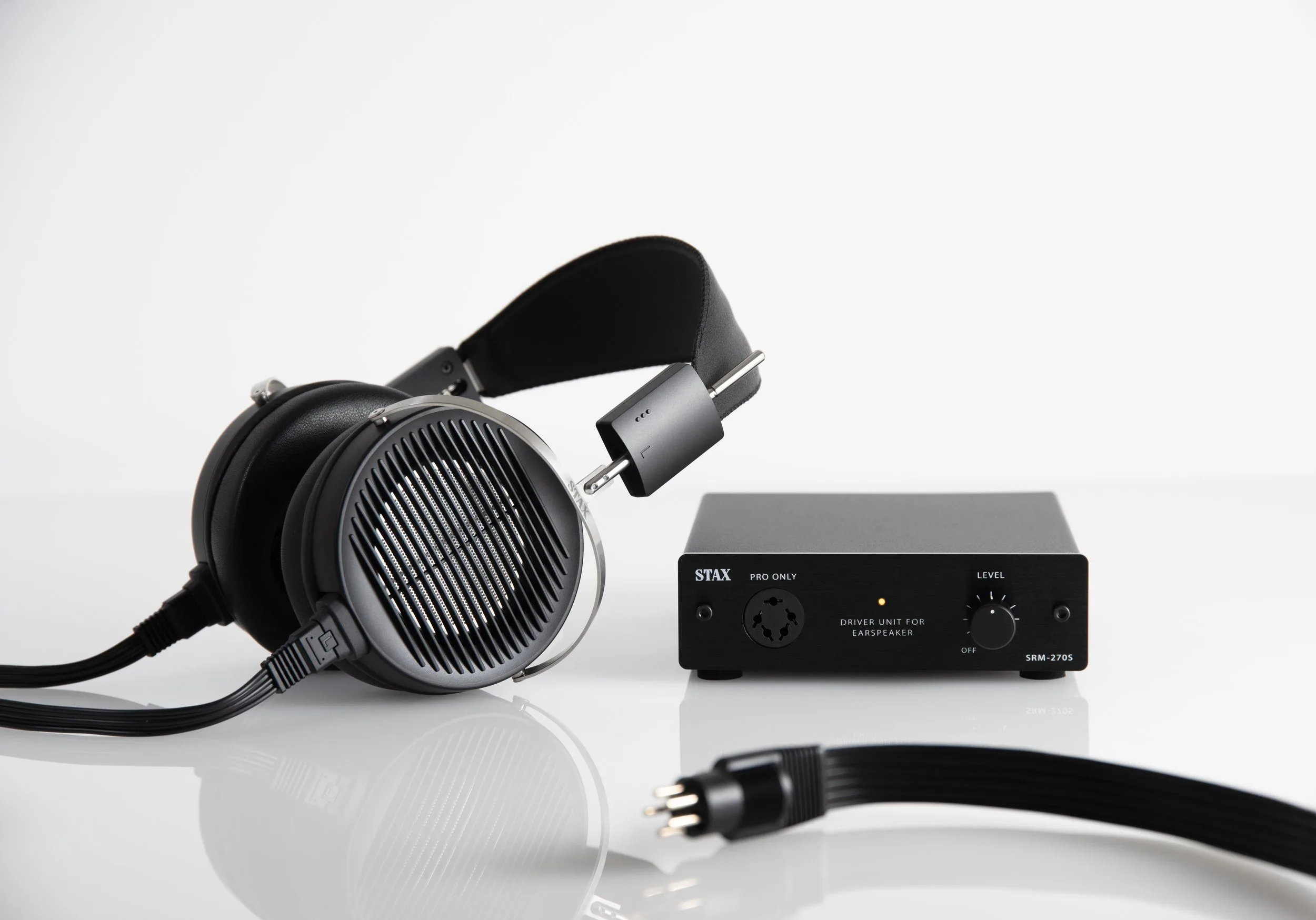
Since I consider the SRM-270S somewhat overpriced, I have been using an SRM-T1 tube hybrid amplifier, which was released in 1987, even before I was born. However, something about the quality of electronics from past decades is revealed by the fact that the device hardly pales in sound quality compared to newer ones, even though it was actually the first tube amplifier ever released by STAX. My review is thus somewhat amusingly built around the manufacturer's oldest tube device and its newest headphones. Welcome to my learning journey, as I have not reviewed electrostatics before, although I have tried a few of them in different contexts. I also once owned the SR-L300 until I lost my patience with its breaking plastic headband.
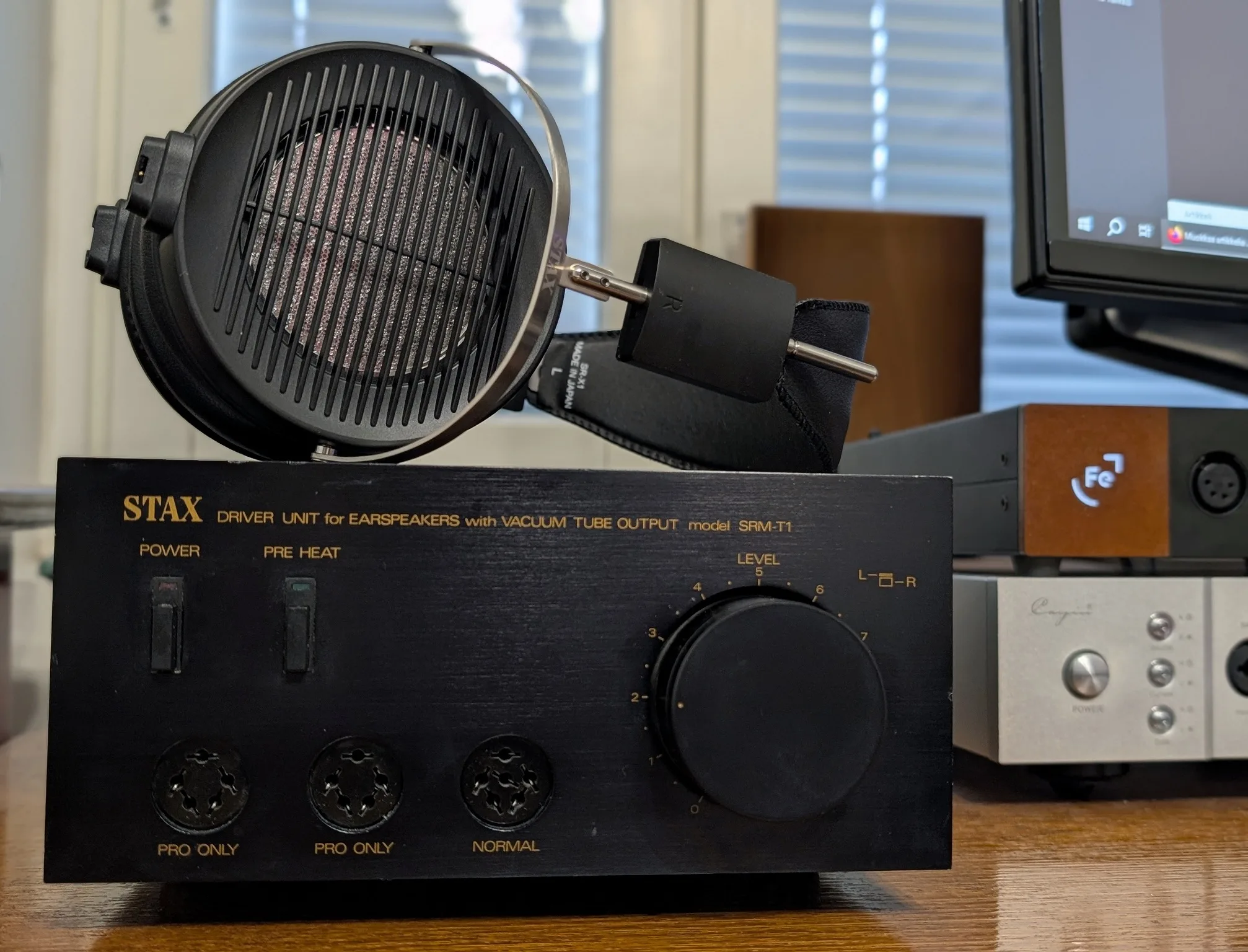
I will not go through the operating principle of electrostatic headphones in this context, as Roderick has presented it with sufficient accuracy in our previously published SR-L700 headphone model review on.
Packaging and accessories
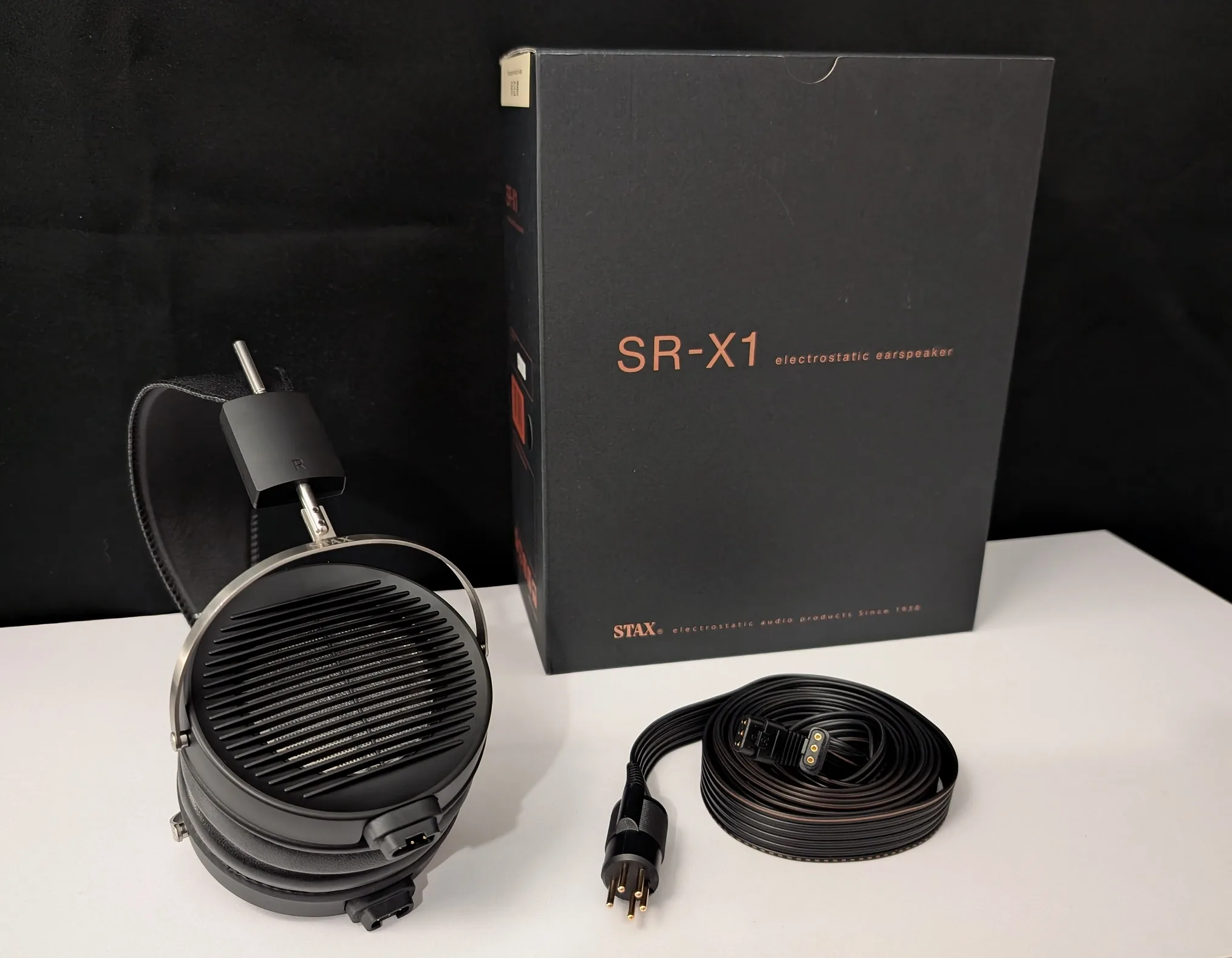
The SR-X1 is delivered in a minimalist cardboard package that does not contain any accessories. I personally would like to see, for example, a second pair of ear pads, as their availability when purchased separately is quite poor. However, the headphones and cable will have to suffice in this case.
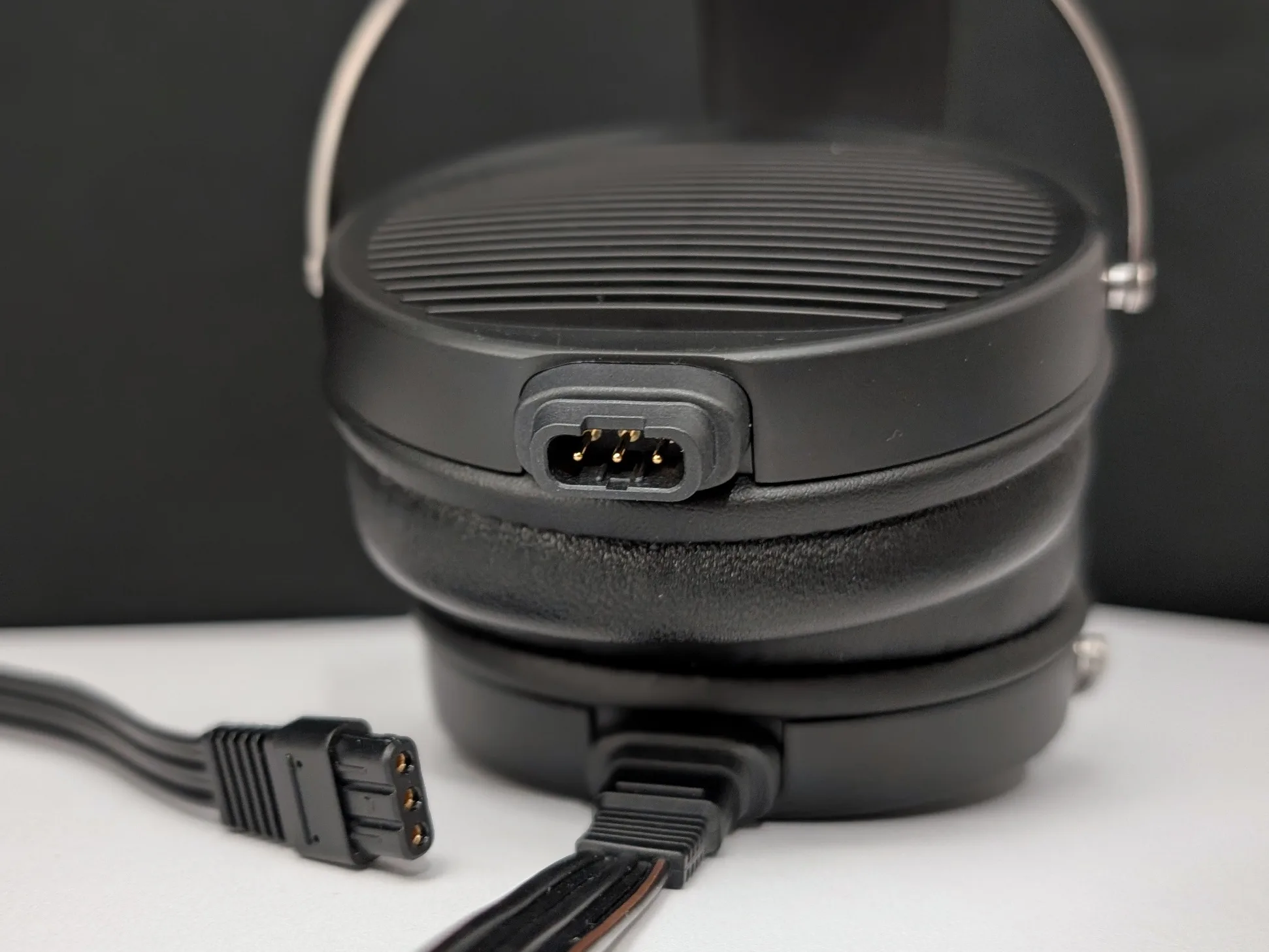
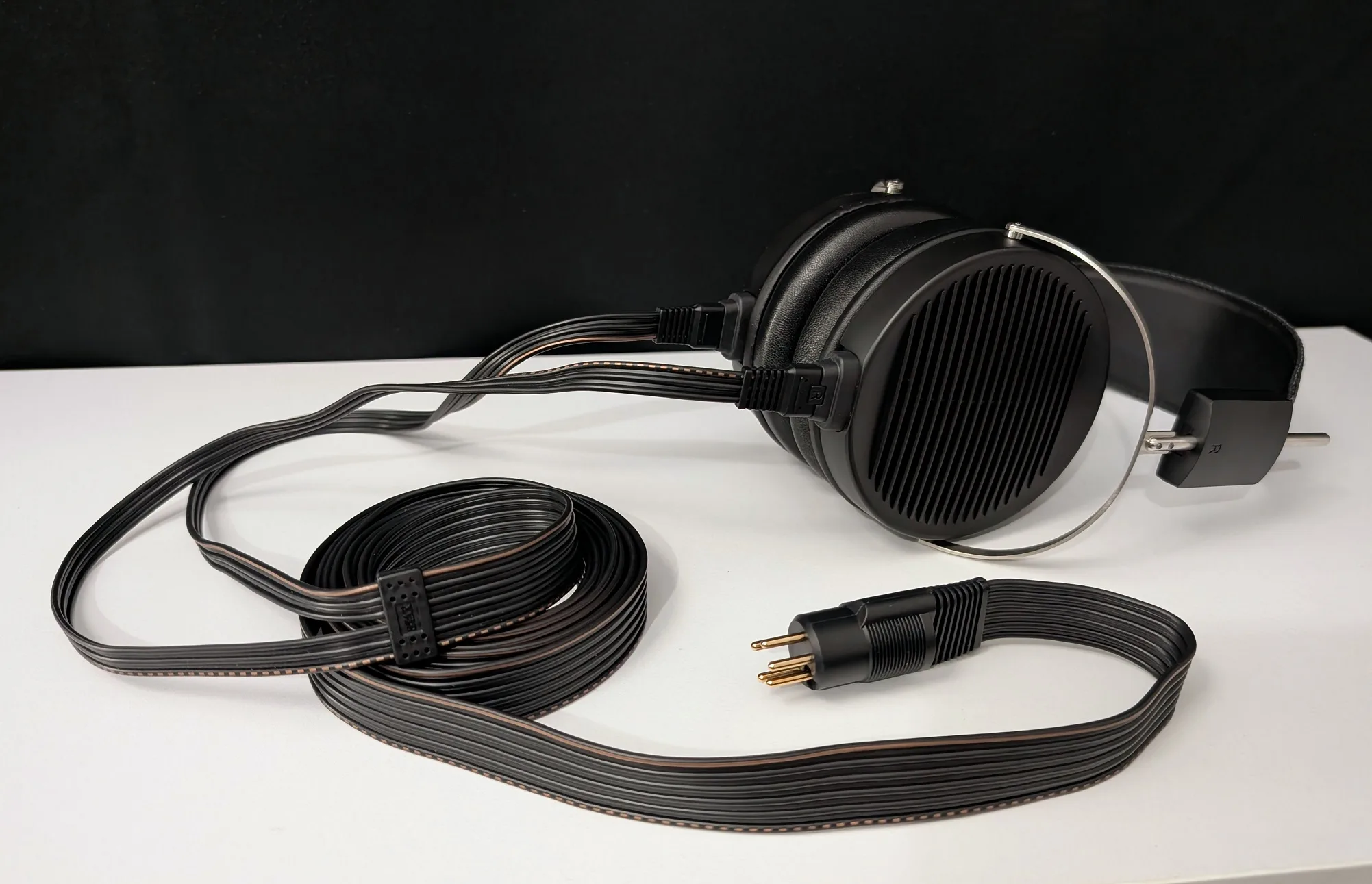
On the positive side, unlike the most affordable Lambda models, the cable is detachable, which facilitates the storage and maintenance of the SR-X1. The cable is still wide and flat in style, and due to its 5-pin STAX Pro Bias connector, it is only suitable for amplifiers specifically designed for headphones. The headphone user will therefore not accidentally connect them to the wrong type of device. The SR-X1's cable is 2.5 meters long and is not among the most impractical. The headphones themselves are so light, however, that the cable pulls them down forcefully during use due to its 145-gram weight. I usually gather the excess cable into a lump in my lap, which creates less pull compared to the cable hanging in the air for a longer distance.
Build and comfort
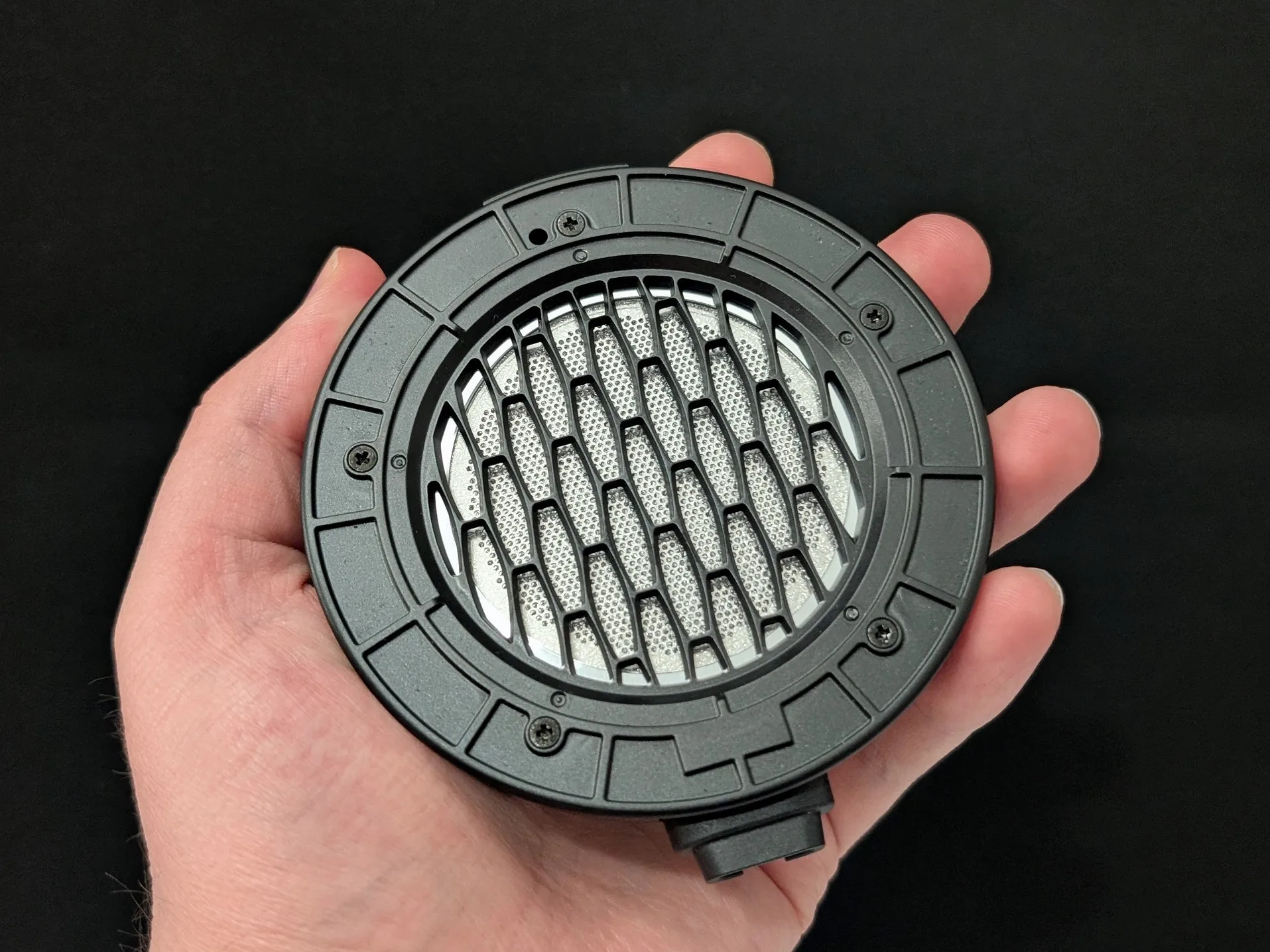
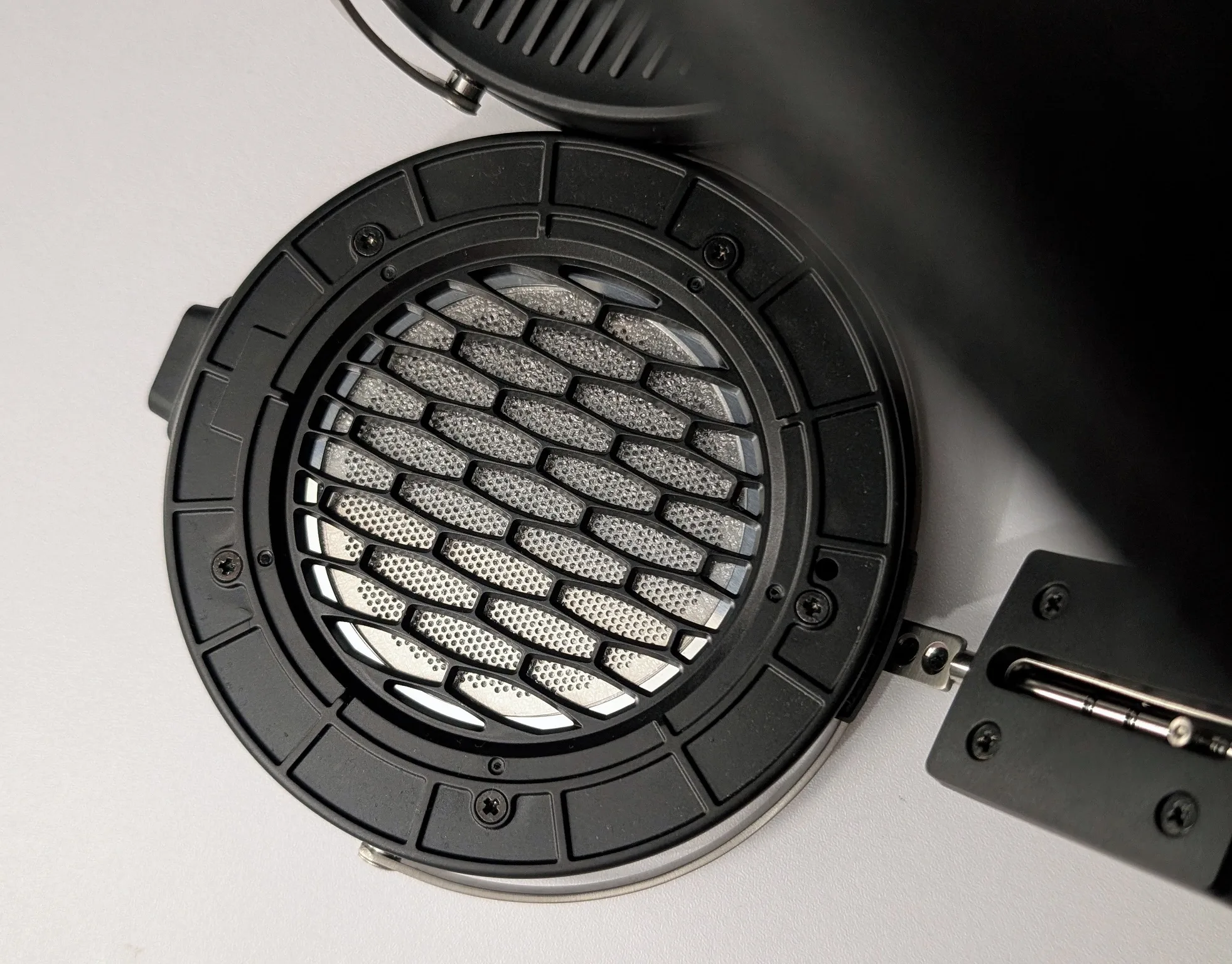
In terms of structural design, STAX still adheres strictly to its roots. The SR-X1 feels quite flimsy for a 700-euro product, as, for example, the cups would come off the headband almost accidentally. For some strange reason, the headband also has no padding whatsoever. However, instead of the cheap plastic of the Lambda series, the yoke is now made of steel, as is the arch of the headband. The plastic material of the cups also seems quite high quality, so I don't think the SR-X1 needs to be particularly ashamed alongside products from other manufacturers. Compared to the Lambda series, the implementation is clearly more sensible and modern.
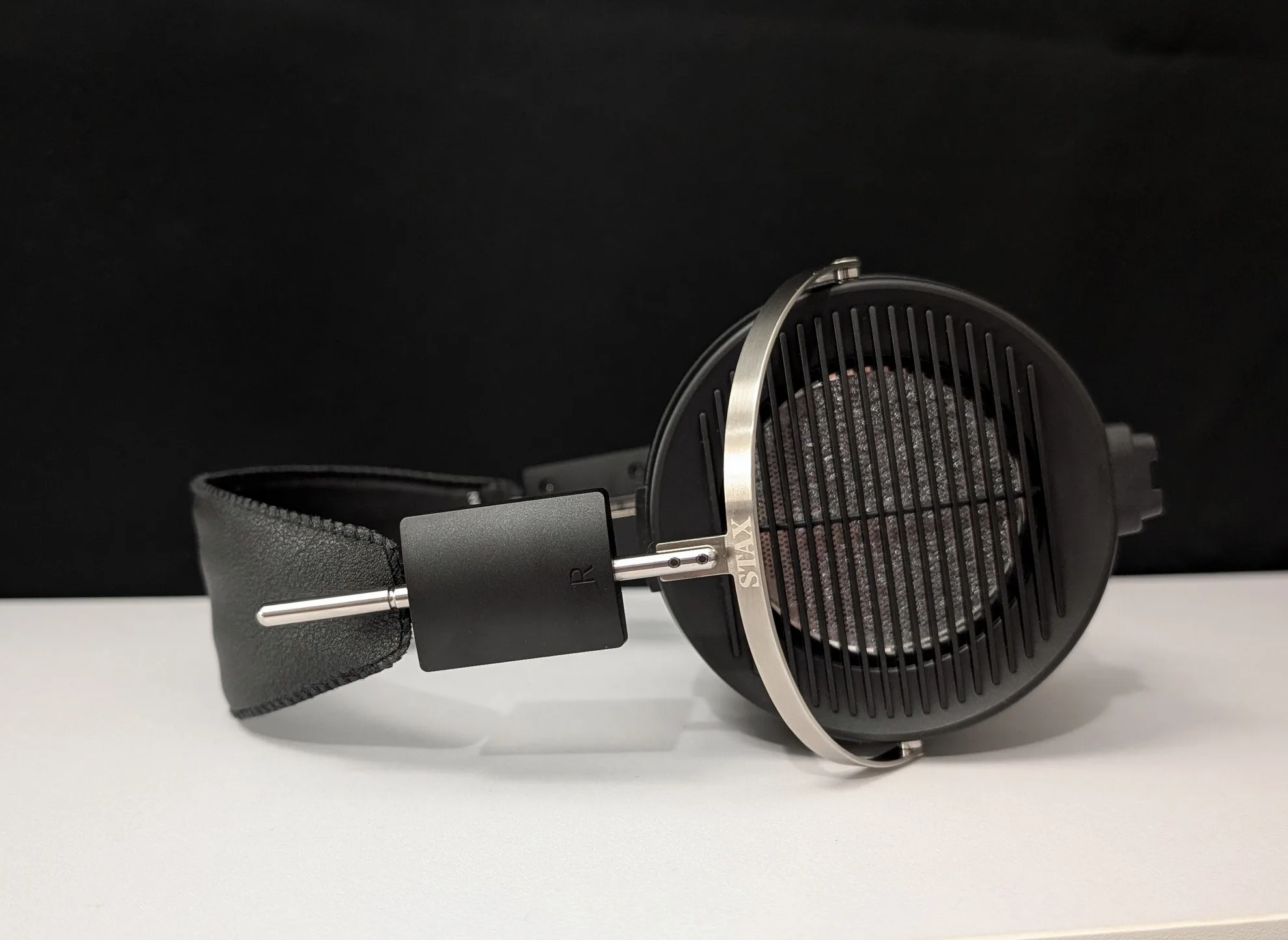
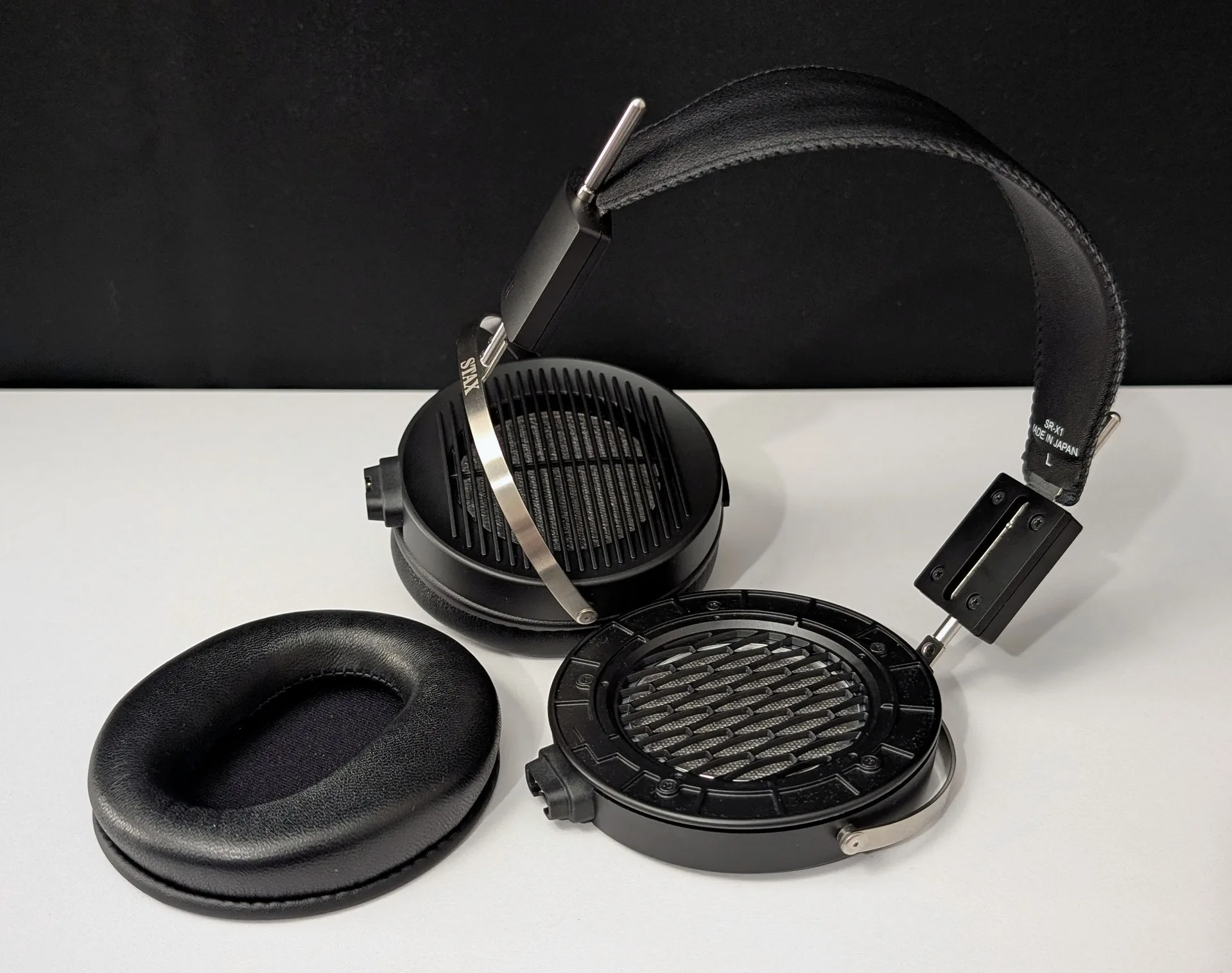
On the most positive side, the SR-X1 weighs only 234 grams, so it feels quite unnoticeable on the head. The ear pads made of genuine leather are also quite decent and large enough for me. Thanks to the round shape and simple attachment mechanism, other pad models with a diameter of 90 millimeters could also be used with the headphones. Additionally, if the headband presses too much on the crown of the head, the shape of the thin steel arch could be easily bent to be more suitable.
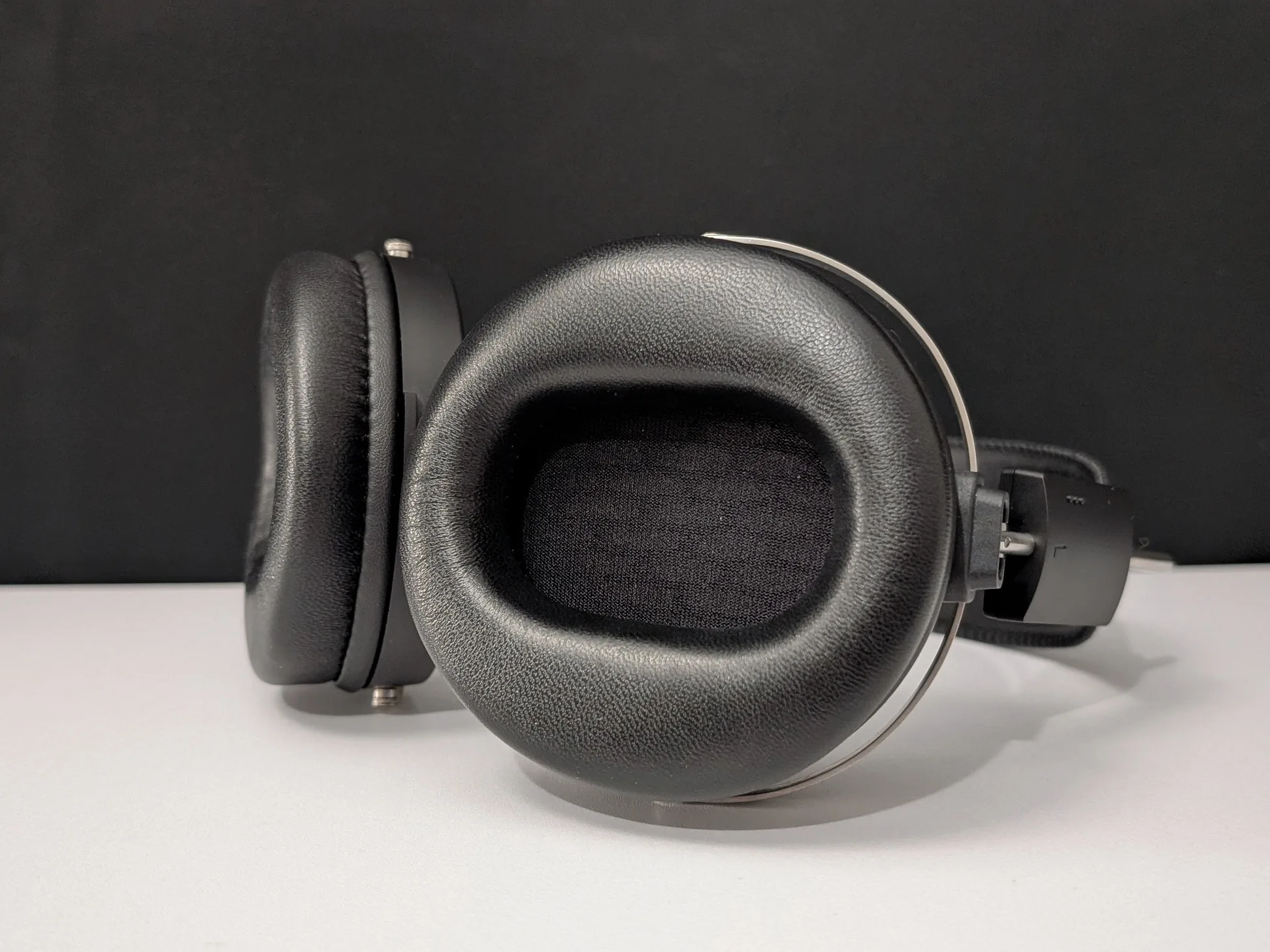
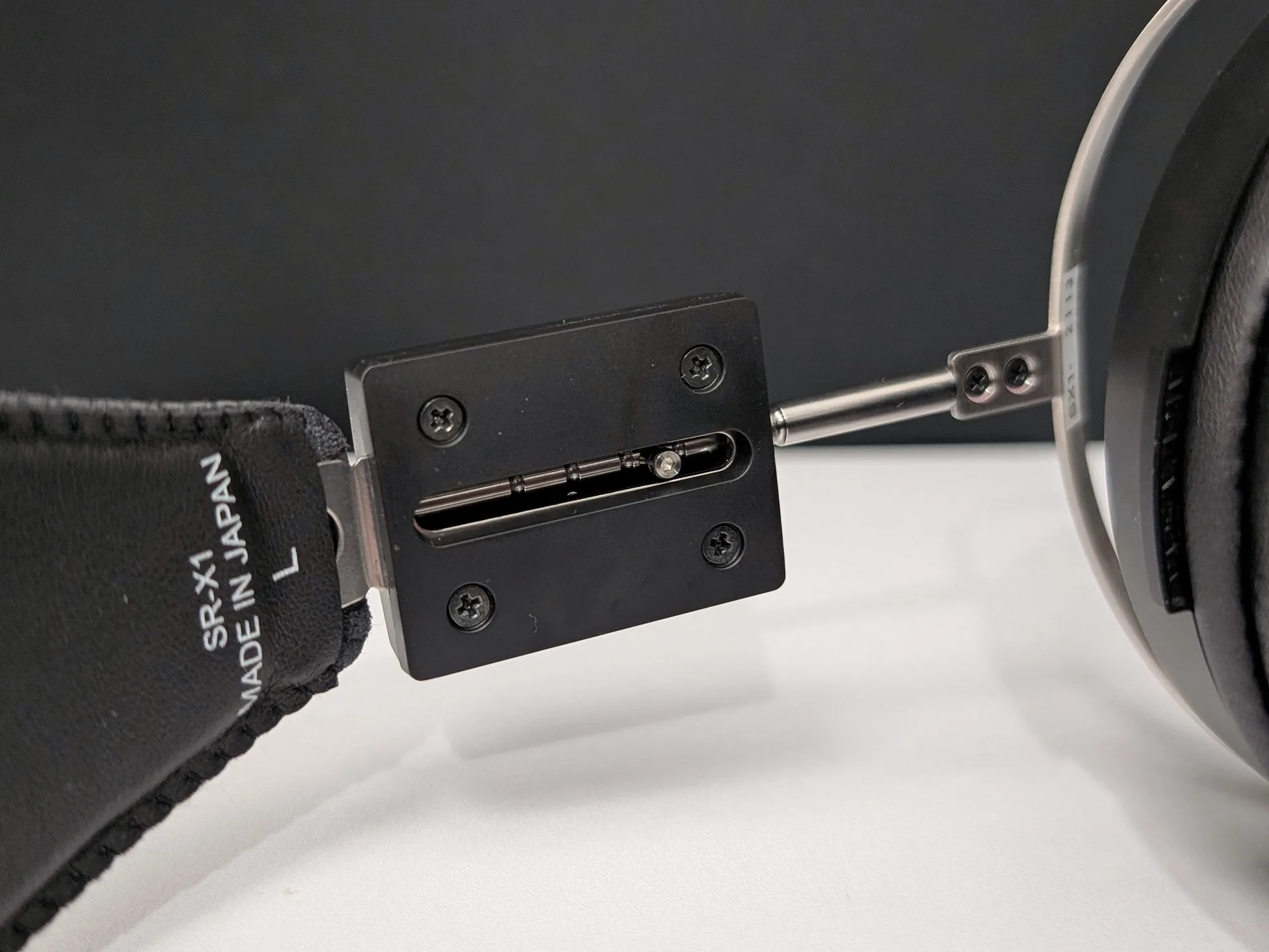
My main annoyances during use are primarily the high weight of the cable (over 60% of the headphone's weight) and the headphone connectors pointing directly downwards, which cause the cable to hit my neck and shoulders. Due to the flat cups, the connectors and cable are already positioned close to the neck. Thus, using the SR-X1 is not entirely ideal, although it's not exceptionally bothersome either. The most important thing for me, in the end, is that the headphones don't squeeze my head or ears too much, and the unpadded headband doesn't become a problem. However, the fit is characterized by looseness, so the ear pads do not sit particularly tightly around my ears. This might be an intentional design choice, but it affects the headphones' bass reproduction in any case.
Sound quality
Our frequency response measurements have been made with a clone IEC-60318-4 coupler and KB501X pinnae. The Harman target curve from 2018 is used as a reference point and generalization of the headphone response that would sound good to most people. For more information on the measurements and their accuracy, see Headphone Measurements-page. The SR-X1's frequency response is also comparable with other measured headphones Squiglink .
Note: I have only tested the headphones with an SRM-T1 tube hybrid amplifier, so the result might be slightly different with a different type of amplifier. As a DAC, I have used the Topping Centaurus, which is based on the same R2R circuit as Holo Audio's Cyan 2.
Frequency response:
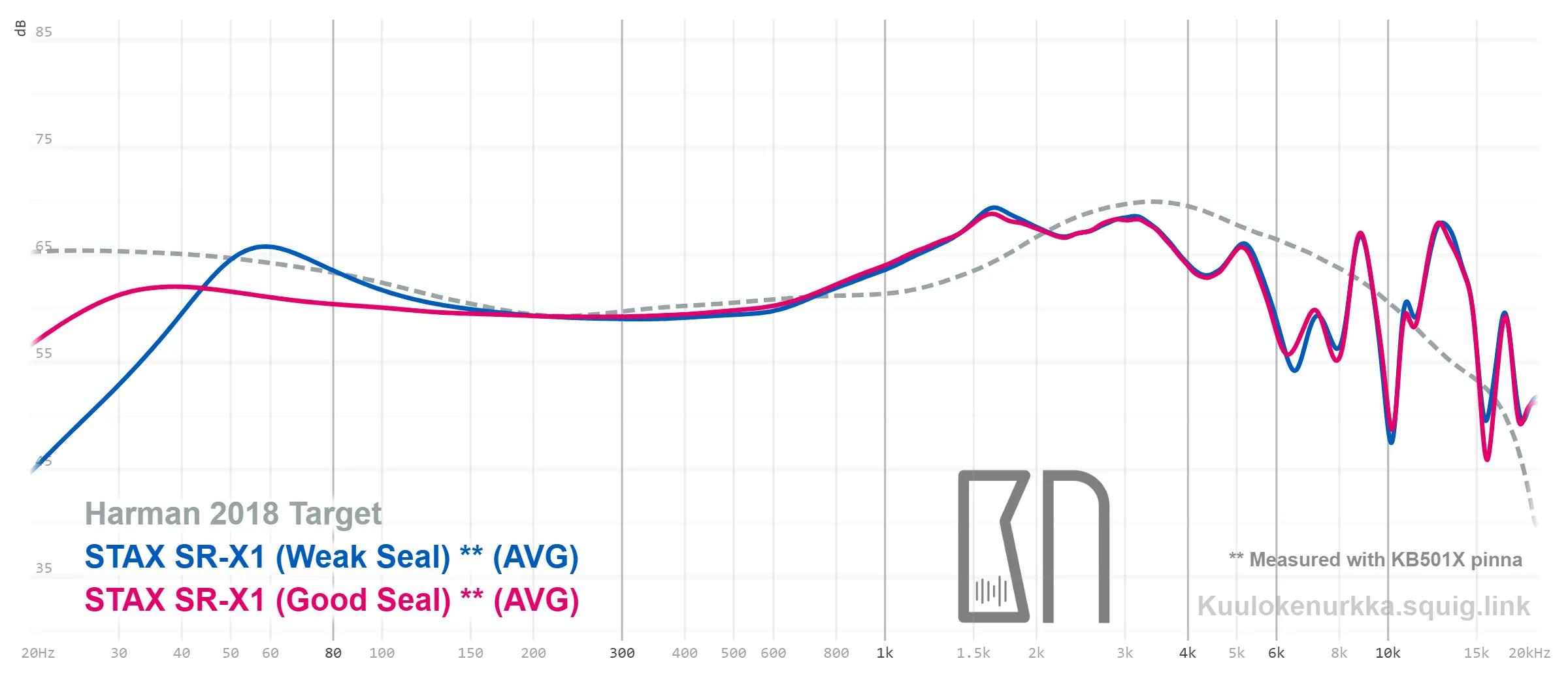
Observations on the effect of fit on sound:
Since the SR-X1 sits relatively loosely on the head, both cups must be carefully positioned on the ears so that the drivers produce bass in the same way. For example, opening one's mouth can easily cause the bass to become emphasized on at least one side, as the air gap immediately amplifies the mid-bass.
Electrostatic headphones are capable of reproducing sub-bass linearly down to 20 hertz, similar to planar headphones, but in many STAX headphone models, this is not achieved due to a light fit and rather poor ear pads. With a good fit, the SR-X1 produces an excellent amount of sub-bass, whereas with a light fit, the bass jumps upwards between 50–80 hertz and then sharply drops downwards towards 20 hertz. On my head, the headphones fit in such a way that the resulting frequency response falls between the two frequency responses I measured. The bass is fuller than with a tight fit, but not like a weak fit, as lifting the pads further from the ears still increases the rumble. By pressing the pads tightly against the head, the bass would become completely linear down to 20 hertz, and the emphasis between 1-2 kilohertz would simultaneously flatten by a couple of decibels. With a different (tighter clamping) headband solution, the SR-X1 could have been designed as a very different headphone.
What does the new ”budget-STAX” sound like?
The SR-X1 is still a fairly typical STAX with its strengths and weaknesses. Most noticeable is the forward-pushing midrange between 1–2 kilohertz. Vocal performances are consequently reproduced intimately and very clearly articulated – I enjoy this characteristic. Instruments also have an energetic clarity, so the sound could easily be described as detailed and lively in the mid-frequencies. The SR-X1 would therefore suit those who prefer an ”ear-gain” that rises earlier than Harman's target curve. The human ear usually does not perceive this level of energy as completely natural, but the feature enlivens and clarifies music, especially if it has been mixed somewhat subdued in the same frequency range. For example, compared to Hifiman planar headphones with a dip around 2 kilohertz, the SR-X1 sounds significantly sharper and more present. After getting used to this, Hifimans might sound even softer and ”more distant.”.
I personally find the SR-X1's sound a bit fatiguing in the long run, but generally, I enjoy the presence of the mid-frequencies, especially in appropriate doses. The presentation does not feel too aggressive, at least with my T1 tube amplifier, because the SR-X1's treble is reproduced more calmly than many other STAX models. The reproduction is actually somewhat restrained and softened. However, this is also where the SR-X1's charm lies, as it doesn't sound too shouty like, for example, the SR-L700, but surprisingly normal and easy to get used to, to my taste. As one of the typical strengths of electrostats, the upper treble is still effortlessly airy. I occasionally notice a slight roughness and hiss, but for example, emphasized sibilance is conspicuously absent. I would describe the SR-X1's treble as relatively non-fatiguing.
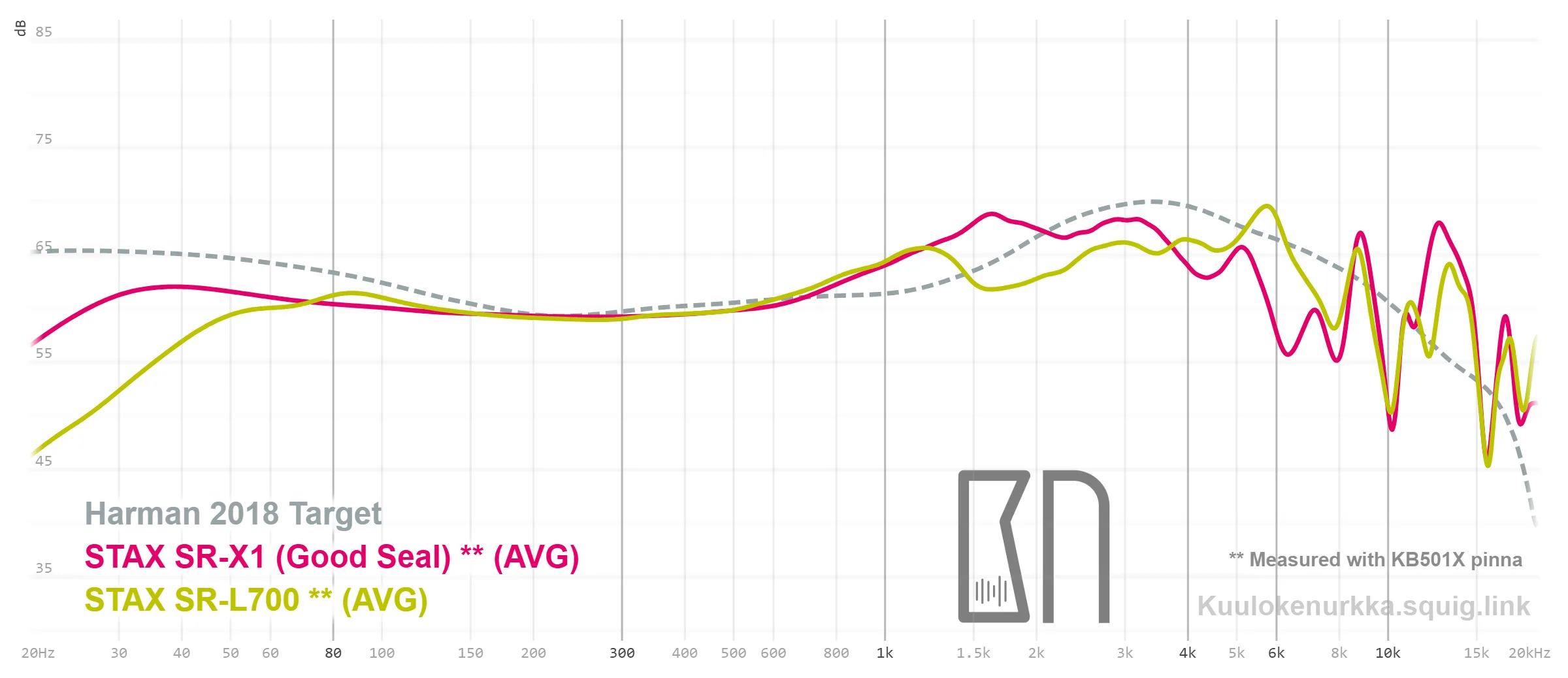
Interestingly, the SR-X1 is also a more bass-heavy headphone than I expected, as in addition to the forward mid-frequencies, I often pay attention to the robustness of the low frequencies. With a tighter fit, the bass is reproduced more clearly, whereas as the seal of the pads weakens, it becomes more bloated and even slightly boomy. In any case, the SR-X1 reproduces music containing sub-bass more enjoyably than the Lambda series. On the other hand, typical for electrostats (or their characteristic tuning), the bass is still somewhat plastic and monotonously thumping, because the impacts are fast without a natural sustain and decay. For example, the kick drum hits quite robustly, but the body of the sound then quickly fades away. I'm not sure, however, if a transistor device would produce a different sound compared to the tube amplifier I used. However, I encountered a similar characteristic with the SR-L300 as well.
STAX's new headphones are somewhat exceptional in their soundstage as well, as the left-right stereo separation is very precise, but I don't perceive much depth in the sound; it largely reproduces inside my head. This doesn't bother me greatly, but generally, open-back headphone models sound a bit more spacious. On the other hand, the presentation still has a certain grandeur that makes the intimate sound quite impressive. The close soundstage is certainly mainly due to the tuning of the mid-frequencies and the ”missing” pieces in the treble, but electrostatic drivers are also quite closed in their basic structure, as sound waves have to pass through the small holes in the stators.
Overall, the SR-X1 is an interestingly original headphone, as there are no similarly tuned headphone models available in the sub-1000 euro price range. In this respect, STAX could be compared to Grado, as both have maintained their own style for several decades, largely disregarding what kind of products competitors make. I wouldn't be able to listen to the SR-X1's prominently forward-reproduced mid-frequencies for many hours straight, but at its best, the presentation is captivating. I actually like STAX's new model more than I expected, primarily because it brings variety to other more conventional headphones.
Lightweight and elegant headphones for 700 euros: STAX SR-X1 or Focal Hadenys?
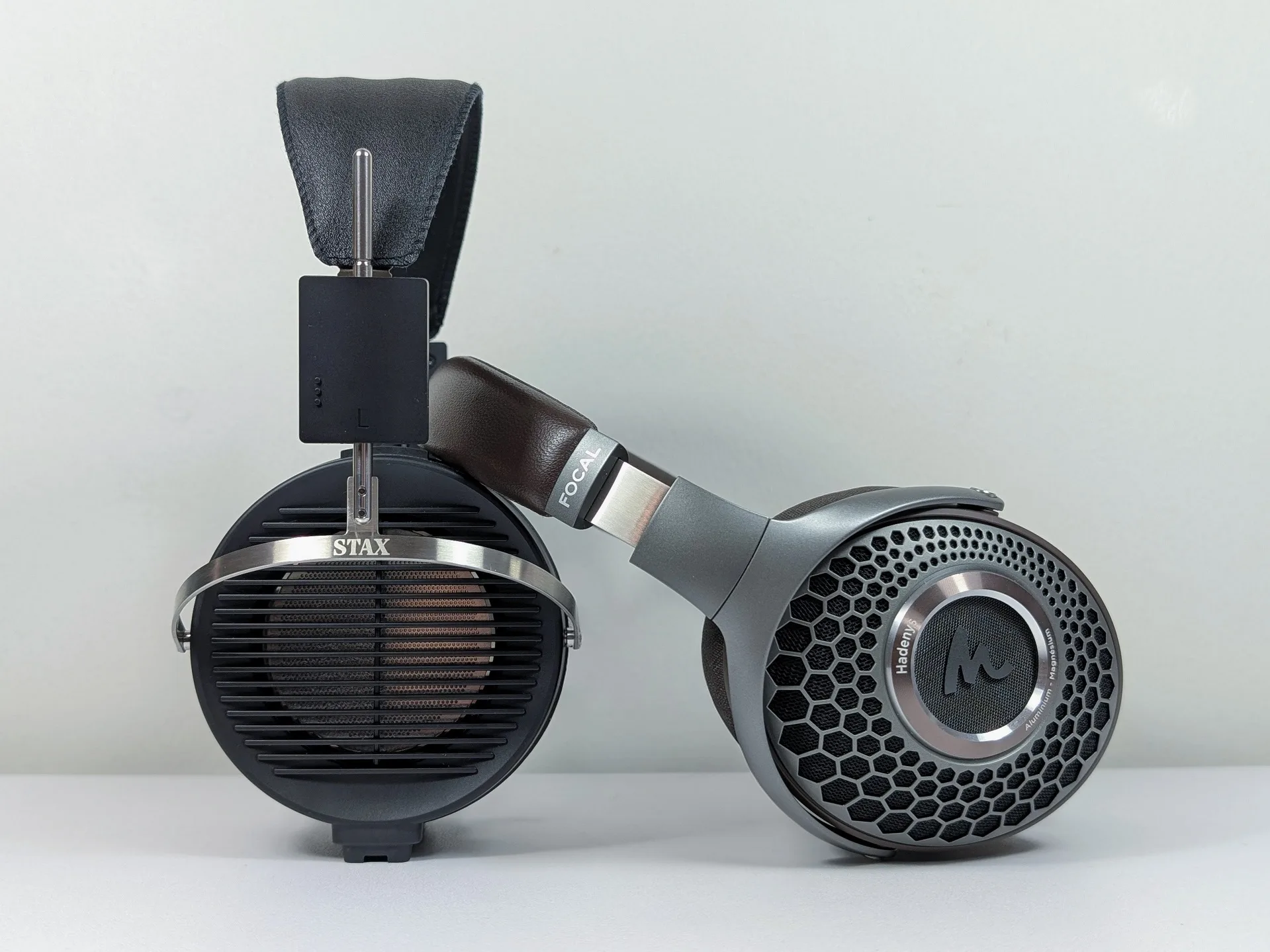
The SR-X1 differs from other headphones in its price range to such an extent that it could primarily be compared on equal terms to STAX's own Lambda series, such as the SR-L300. Otherwise, the comparison situation is mainly about whether electrostatic headphones, which require a special amplifier, are a sensible alternative to more conventional headphones. Considering equipment purchases, I believe the SR-X1 competes more in the 1000–1500 euro price range than between 500–1000 euros. However, I decided to create a comparison scenario where I don't strictly consider the price level of peripheral devices, but rather ascertain to what extent the SR-X1 differs from the Focal Hadenys, which also costs 700 euros and has a slender structure.
The most immediate difference between the two is in usability, as Hadenys only needs a thin cable, whereas STAX's cable is thick and quite clumsy during use. Correspondingly, Hadenys can be used with mobile devices, so it's possible to move around while listening – thanks to its case, it's also easy to carry. Battery-powered mobile amplifiers have been made for electrostatic headphones, but the Kingsound M-03 costs 450 euros and the STAX SMR-D10 1000 euros. For example, compared to the 60-euro iFi Go Link, which is sufficient for Hadenys, the financial investment for the SR-X1 must therefore be significantly greater for a similar use case. Of course, the headphones' elegance is also beneficial for home use, so the STAX model doesn't necessarily have to be a mobile headphone.
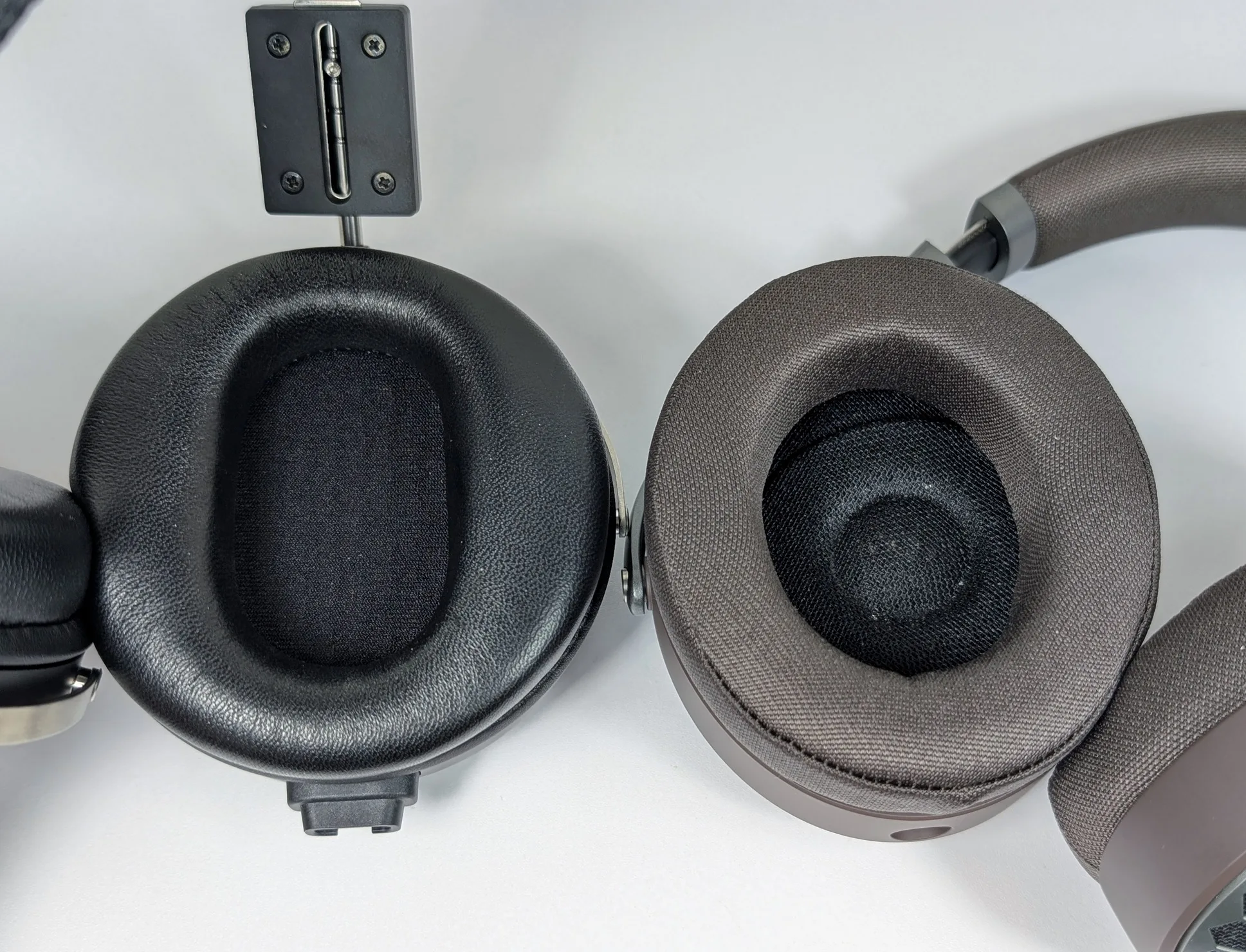
The SR-X1 is 60 grams lighter than the other (234 vs. 294 g) when only considering the weight of the headphones, but when considering the weight of the cables, Hadenys ultimately weighs 50 grams less (327 vs. 379 g). The headband of both headphones is made of metal, which, however, is thin in the case of STAX. The SR-X1's construction also feels flimsy compared to Hadenys, so Focal wins in overall perceived quality. However, since we are talking about light and elegant headphones, there isn't a big difference in wearing comfort between the two, despite Hadenys's headband being better padded. The headphones do clamp tighter on the head, so those who prefer the lightest possible fit might favor the SR-X1.
The majority of the STAX model's price is certainly explained by its electrostatic drivers, which are undeniably more fascinating in their operating principle compared to Hadenys's dynamic drivers. However, does more exotic technology lead to better sound quality?
Frequency responses:
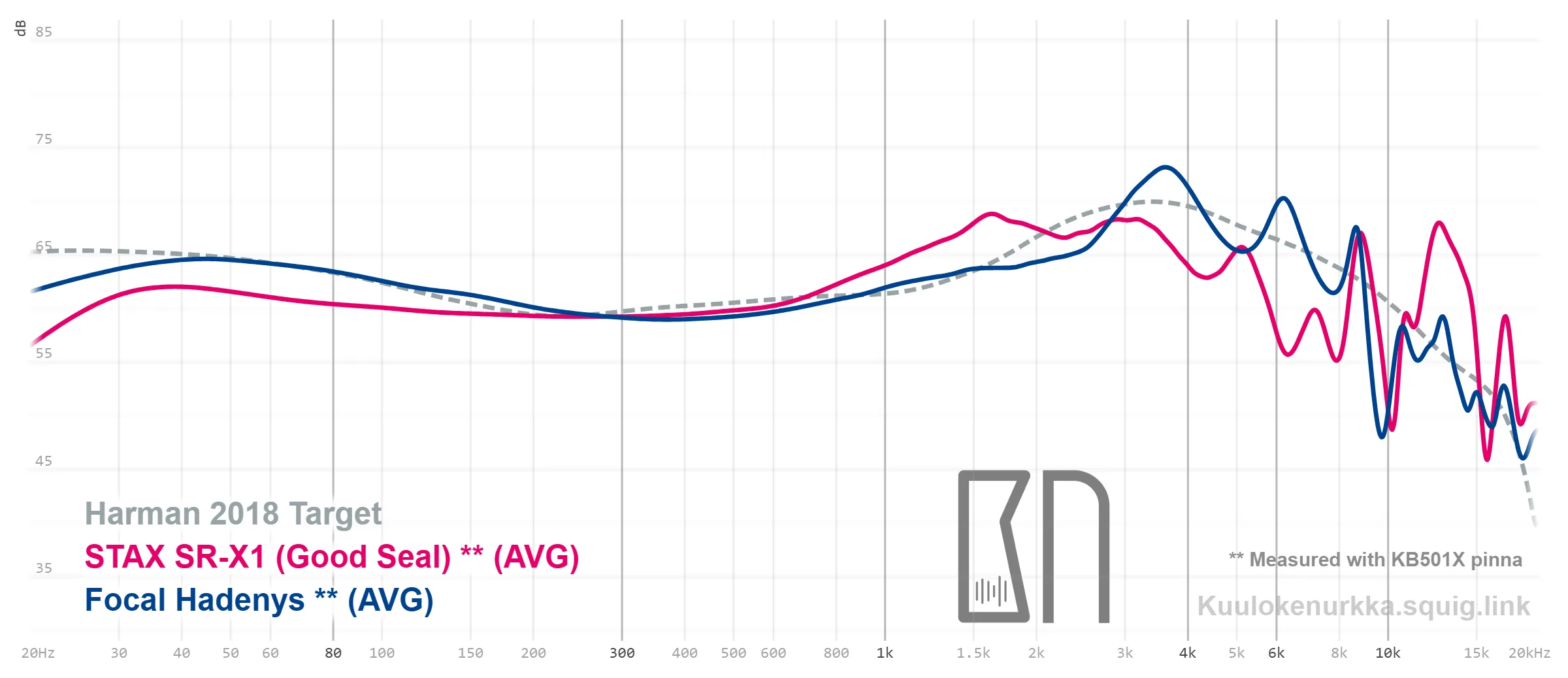
I wanted to compare the headphones precisely because they sound very different. Hadenys is a good example of a modern product that offers sound adhering to Harman's target curve with minor added spices. Therefore, in my opinion, it's an excellent all-rounder headphone with which no music sounds bad; instead, the presentation is relatively normal, not forgetting enjoyable bass reproduction. Hadenys sounds more physical compared to the SR-X1, which is due to its stronger sub-bass. The low frequencies are fuller in style, whereas the SR-X1 does not create reverberation or ”vibrating warmth” around impacts. I personally find the SR-X1's bass reproduction a bit monotonous, but it remains tighter than Hadenys.
More than in bass reproduction, the headphones differ in their mid-frequencies. The SR-X1 pushes the 1–2 kilohertz range closer to the overall sound than usual, while Hadenys emphasizes 3–4 kilohertz more – even prominently. As a result, Hadenys's sound is more spacious and fresher. Since the treble also reproduces more sharply, the end result is, in my opinion, more realistic.
The SR-X1's sound, on the other hand, is more subdued in the lower treble, so the reproduction is clearly more relaxed and less stimulating to the auditory sense. The soundstage also largely settles inside my head, whereas Hadenys manages to sound more open despite its highest treble not being as airy. However, the SR-X1's way of reproducing vocals and most instruments energetically almost on the skin is, in my opinion, impressive and simultaneously the headphones' biggest selling point. With Hadenys, the vocalist, in particular, feels more distant, and the reproduction generally doesn't evoke as strong emotions.
If someone specifically likes an intimate sound and an emphasized, yet calm, presence in the mid-frequencies, the SR-X1 justifies its existence well alongside headphones like Hadenys. Hadenys has a more balanced reproduction and a more natural spatial impression, but the SR-X1's distinctiveness feels like a positive thing. STAX headphones also reproduce the highest treble more effortlessly and distinctly, whereas Hadenys's sound is somewhat dark. Both treble presentations still have their own advantages depending on musical taste and the listener's auditory perception.
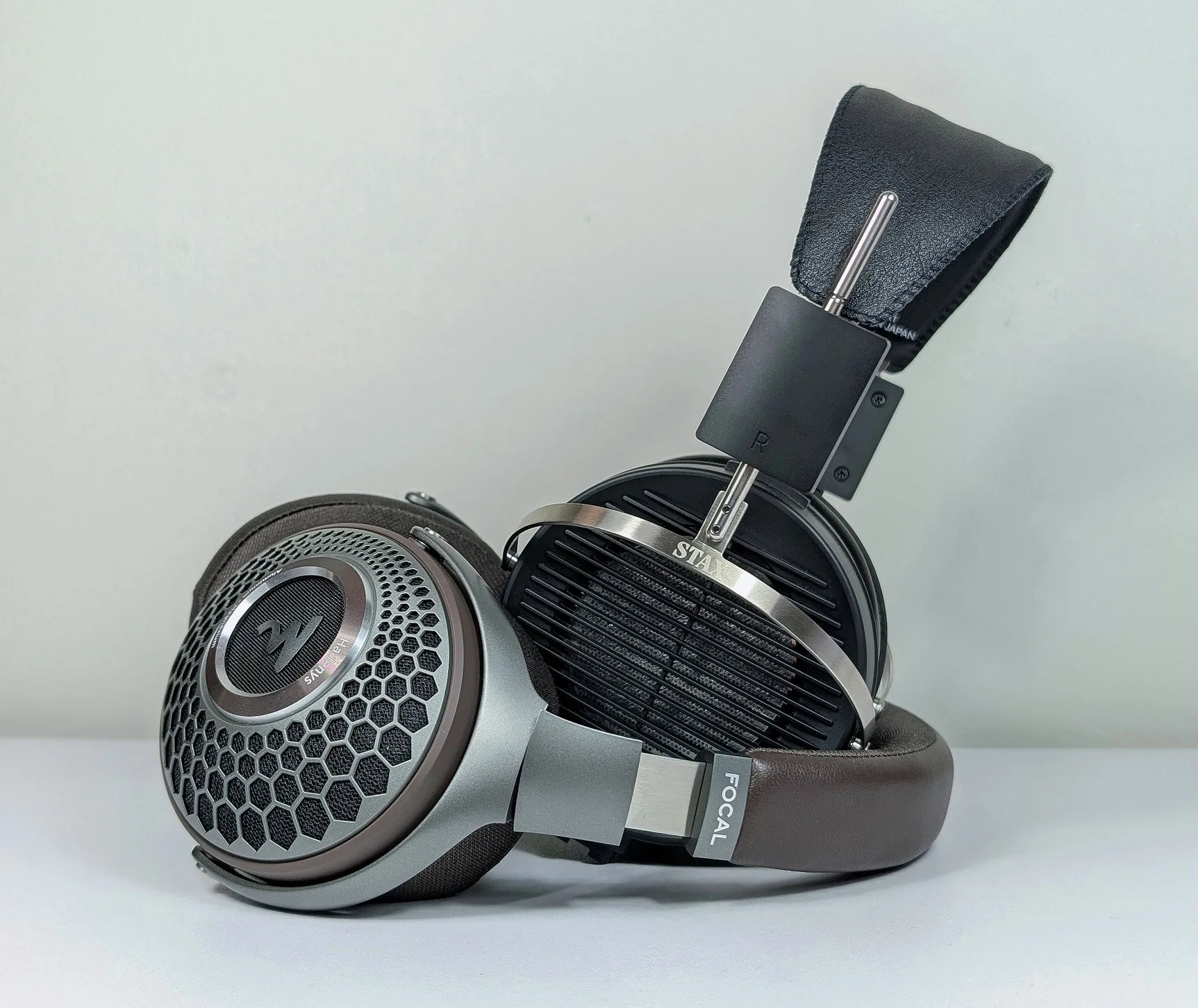
In summary, STAX headphones offer a unique listening experience, which is, however, harder to recommend "blindly," so to speak. For most, Hadenys or some other similar headphone would still be a safer and more practical option. I cannot estimate how many who try both headphones would ultimately prefer the SR-X1's distinctive sound, but compared to the special Lambda series, STAX's new model nevertheless offers a quite competitive alternative to its rivals.
Summary
The STAX SR-X1 is a lightweight electrostatic headphone with a structure that is easier to adopt (and hopefully more durable) than the Lambda series, and its most interesting feature is a sound that differs from other headphone options in the same price range. In my opinion, there is still room in the market for distinctiveness. The forward-pushing midrange certainly doesn't sound entirely natural, but good aspects can be found in it. The upper frequencies in these headphones are also quite harmless (at least with my tube amplifier), so I would assume the SR-X1 is suitable for those who do not want a treble-heavy electrostatic. On the other hand, the amount of sub-bass is also quite sufficient for modern music, making the headphones quite versatile and, with minor reservations, even modern. At the same time, some of STAX's distinctiveness has naturally been lost, and usability still doesn't reach a top level due to the robust cable.
I would primarily see the SR-X1 as an interesting product for those who are entering the world of electrostatic headphones for the first time. On the other hand, the high price level of amplifiers still easily leads to a situation where better-sounding headphones with a more premium feel can be obtained for less than the SR-X1. It, or the SR-X1000 which includes an amplifier in the same package, may not necessarily be the best choices for price-conscious enthusiasts. So, nothing has fundamentally changed, and STAX headphones will certainly not become mainstream in the future either. However, I have personally been waiting for this kind of renewal from the manufacturer compared to the Lambda series, so it receives cautious applause from me. The SR-X1 will also become part of my permanent headphone collection to bring variety to products from other manufacturers.
Pros and cons:
+ Interestingly present mid-frequencies
+ Bass reproduces pleasantly robustly
+ Airy and effortless treble
+ Higher quality construction than the Lambda series
+ Light weight and good comfort
+ Detachable cable
+ Moderate price by STAX standards
+/- Intimate soundstage
– Emphasized mid-frequencies do not sound completely natural and cause fatigue in the long run
– The lower treble could use a little boost
– The bass is a bit monotonous in style
– The loose clamping force of the headband makes it difficult to achieve suitable bass reproduction
– The headband lacks padding
– Heavy cable pulls the headphones downwards during use
– The high price level of amplifiers diminishes the headphones' value for money
 EN
EN  FI
FI
Can the SR-X1 handle a 5dB bass shelf, or will it start to distort at ”normal” sound pressure levels?
It took a while, but I finally got to test this. It handled a 5-decibel bass shelf to about the Harman curve level well, without me hearing any kind of distortion even at high volume. Such an amount of bass, however, in my opinion, would simultaneously require strengthening the upper frequencies, so that the sound does not become too heavy. Good question from you, so thanks for the test idea!
These are still tempting, what kind of impact/macrodynamics does the X1 have?
I'm looking for headphones specifically alongside the Hadenys that don't have much macrodynamic impact. Are these even an option or should I consider, for example, an older DCA headphone?
Did I understand correctly then, that you specifically want rather undynamic headphones? No one seems to have asked anything similar before. In older DCA headphones, this characteristic is largely realized because a lot of damping material (felt) has been placed around the drivers, making the sound somewhat muffled, even though the frequency response is otherwise fine. For example, Rode NTH-100 is quite similar. STAX's X1 sounds surprisingly punchy in the bass and has an edge in the mid-frequencies due to the emphasis. Although I wouldn't call the headphones particularly impactful/dynamic, they are not entirely tame in that regard either. On the other hand, with the lower treble remaining somewhat subdued, the sound is indeed softened in a certain way. Nevertheless, in terms of dynamics, older Hifiman Anandas and Aryas feel calmer, at least in my memory.
I don't know if my answer helped, but I'm leaning towards the idea that dynamics are ultimately a very subjective experience that is difficult to define precisely.
Yes, exactly those kind of non-dynamic headphones are what I'm looking for. The electrostatic package is indeed so intriguing that I'll have to try to test that SR-X1/SRS-X1000 in some store during my summer holiday trip.
If SR-X1 is compared to Hadenys, is there a noticeable difference in impact?
You should definitely at least try those STAX headphones, as they are also conveniently light. I have a tube amplifier with them, so especially the bass might sound very different than with the X1000 set's small amp. Hadenys reproduces sub-bass significantly more powerfully, which, combined with a more energetic presence region, makes the sound more impactful and ”tighter snapping”. However, it's difficult to put that difference on any scale. And now Hadenys is on loan, so unfortunately I can't compare the two consecutively in that regard.