Author: Sword of Damocles
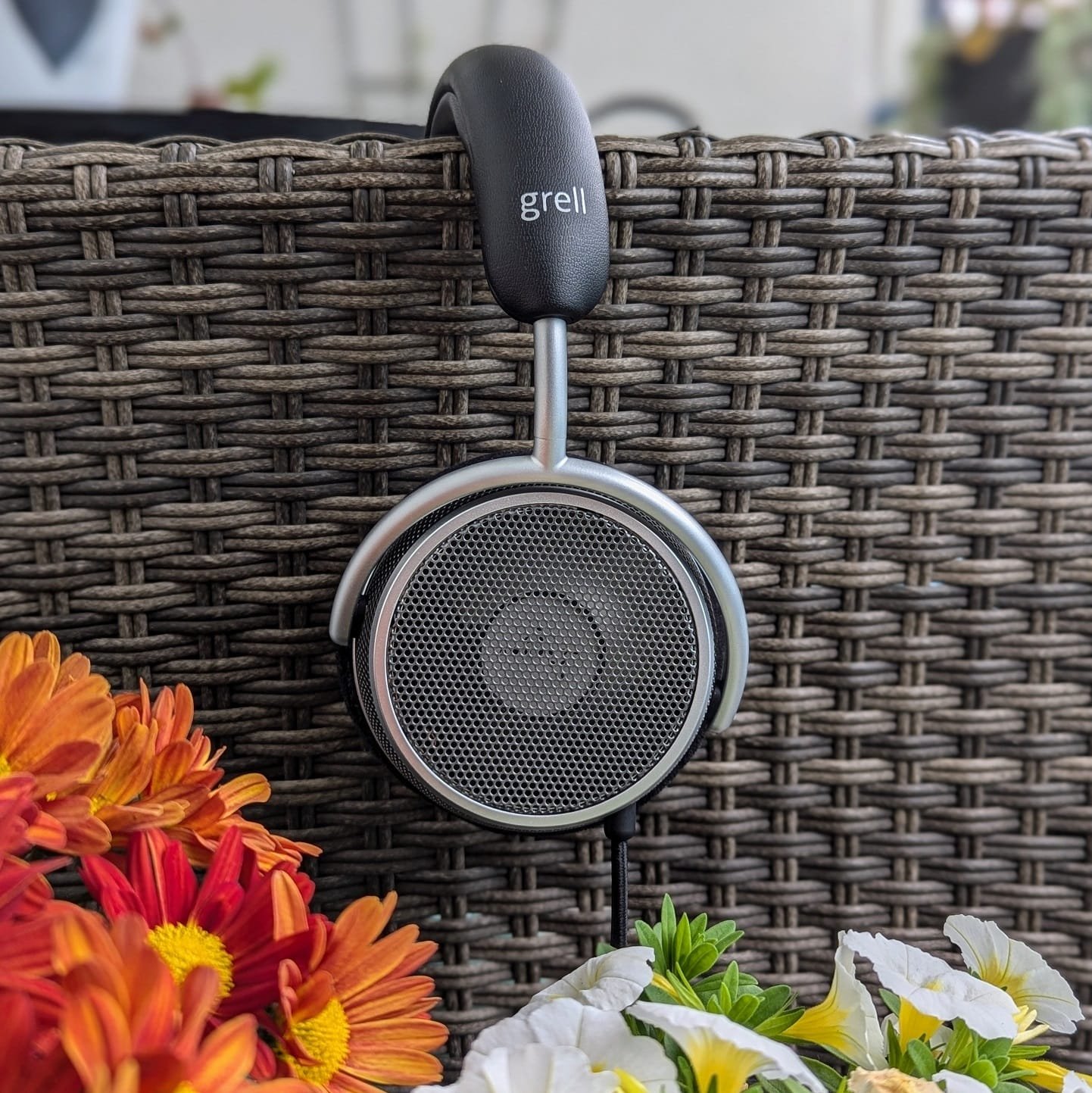
Table of Contents:
Information:
- Release year: 2024 (production quantity 1000 pcs)
- Country of manufacture: China (designed in Germany and shipped from the USA)
- Price: 349 € (approx. 410 € when ordered to Finland)
- Type: open, over-ear
- 40 mm dynamic biocellulose drivers (manufacturer Ole Wolff) placed in front of the ears
- Impedance: 38 Ohm
- Sensitivity: 106 dB/V | 92 dB/mW
- Weight: 375 g (without cable)
- Connector type: 2x 2.5 mm (drivers connected with an interconnect cable, so a cable with a single 2.5 mm connector can also be used)
- 2 cables: Both 1.8 m long / connectors 3.5 mm and 4.4 mm
- Accessories: Carrying case and 6.35 mm adapter
- Warranty: 1 year
Review sample: Self-purchased product
Axel Grell is one of the few celebrities in the headphone world, if not a legend, known for his long career as an audio engineer at Sennheiser. He played an important role in the design of, among others, the iconic HD 600 and HD 800 series. It says something that the HD 600 model is still sold and used as a benchmark in its price category more than 25 years after its release. Since other headphone models (except for the unsuccessful HD 700) have proven to be exceptionally long-lived, Grell's endeavors are still closely followed today.
After leaving Sennheiser, Grell founded his own company called Grell Audio, under which one pair of wireless in-ear headphones has been released to date. At the same time, he has designed, among others, the previously tested Heavys H1H -heavy headphones and now, most recently, the OAE1 Signature headphones (OAE = Open Around Ear), of which a batch of 1000 units was released in collaboration with the Drop website – signed, of course. This batch quickly sold out, with the headphones priced at $350, or approximately 410 euros including taxes when ordered to Finland. Although the headphones are not currently available for purchase, I would be surprised if more are not manufactured at some point.
Heavys H1H clearly served as a kind of testbed for a multi-driver implementation, while what makes the OAE1 unique is the placement of its dynamic drivers almost entirely in front of the ears. In addition to the strongly angled drivers, the cup structure is designed to be as acoustically open as possible, mimicking the Sennheiser HD 800 model, and the frequency response is tuned to imitate loudspeakers. These rather radical solutions have primarily aimed for a natural soundstage and challenged traditional headphone design, which Grell has already successfully applied in his time, for example, in the Sennheiser HD 600.

Despite an interesting design philosophy and impressive-sounding promises, the reception of the OAE1 can be considered very varied. Some have liked it a lot, but more critical enthusiasts have downright detested it. Although the headphones are likely to receive little attention here in Finland, their exceptional implementation offers me an excellent opportunity to delve deeper into how our brains interpret the soundstage in headphone listening, and what we generally consider natural sound. Let's start with the basics, however, as there are a few peculiarities associated with them too.
Product packaging and accessories
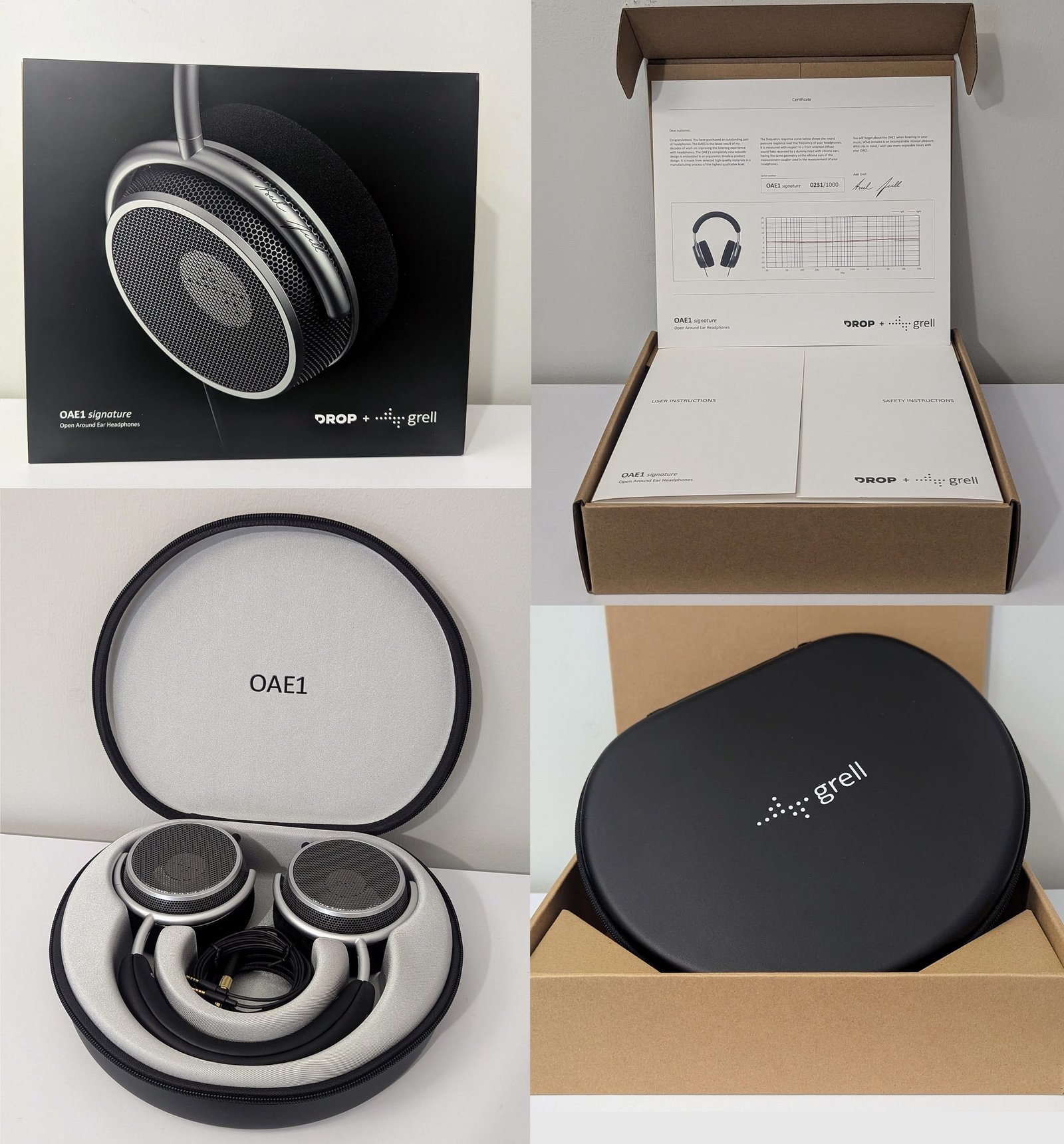
The OAE1's product packaging is made of higher quality and thicker cardboard than usual. Attention has also been paid to the presentation of the user manual. The buyer receives, somewhat surprisingly, a rather large but handy carrying case with the headphones, as well as individual measurement results showing channel balance. Two different cables are also included.
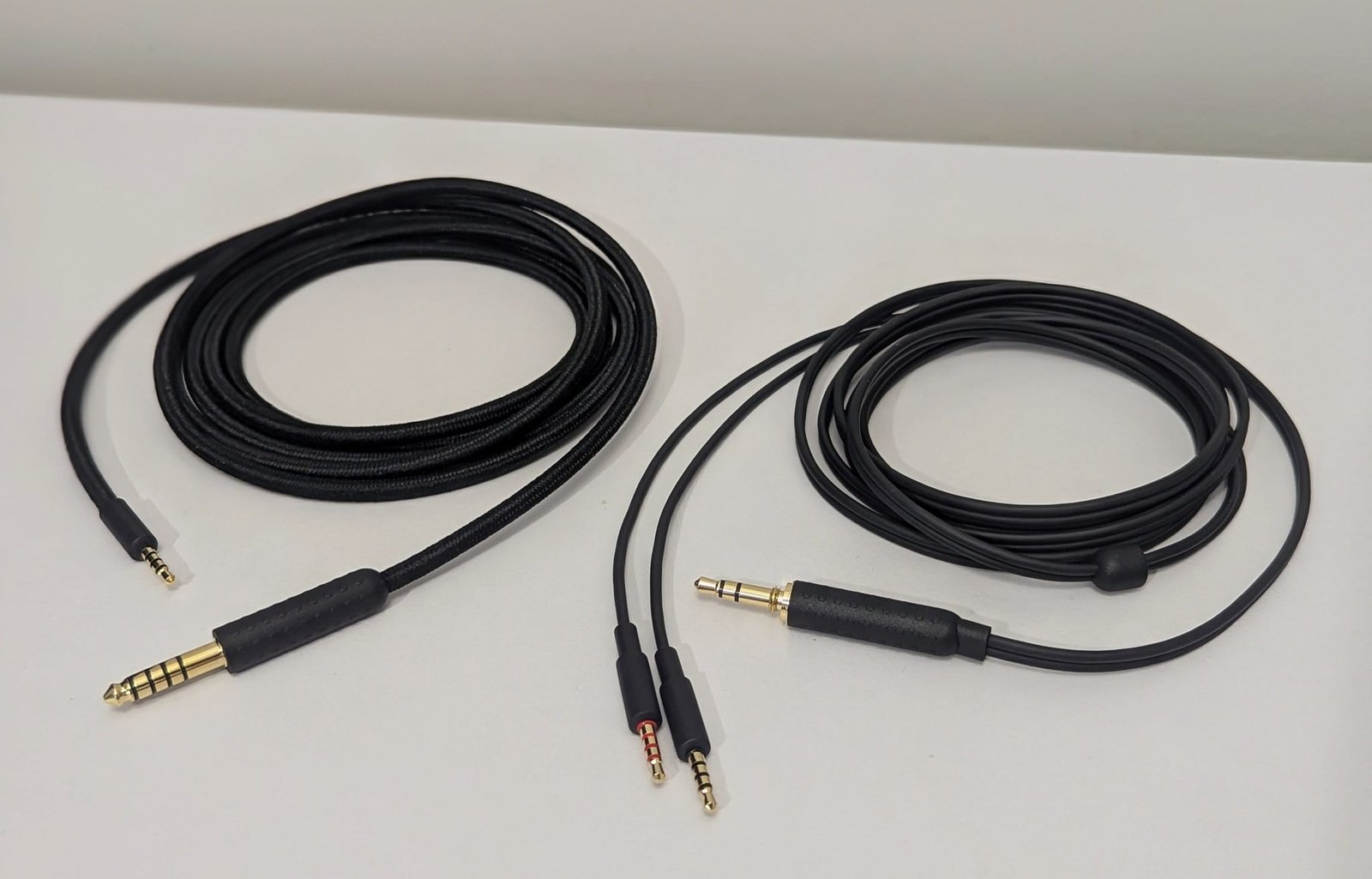
The cables are interestingly coated with different materials, with the balanced option being thicker and feeling more premium. It connects to the headphones with a single 2.5 mm connector, while the thinner unbalanced cable splits into two 2.5 mm connectors. Perhaps this was intended to show headphone buyers that both types of cables can be used with them, similar to Audeze's MM-100-model.
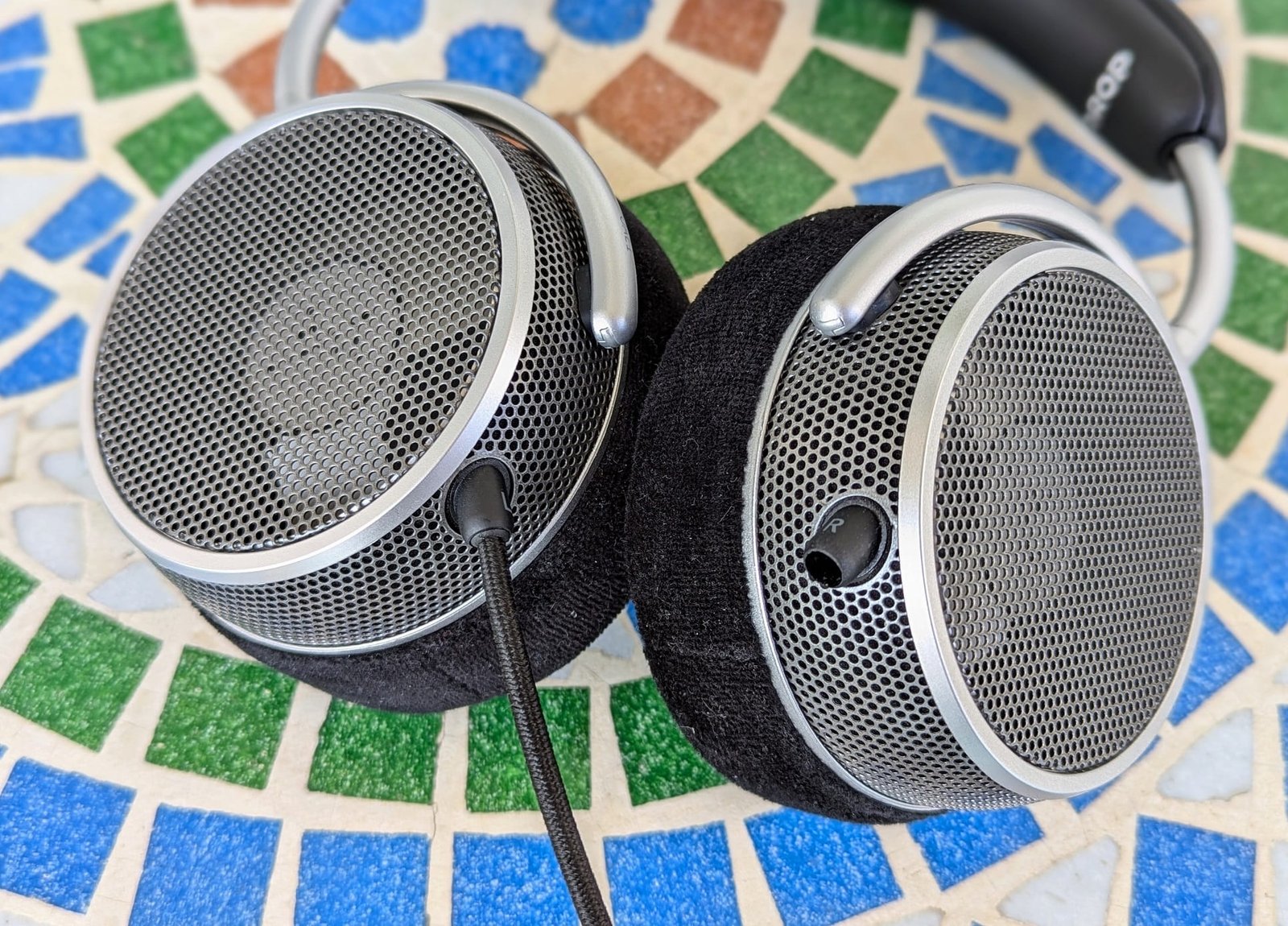
The headphone connectors on the rear edge of the OAE1's cups are somewhat awkward receptacles, into which the cable must be pushed deeper than expected for it to click all the way in. American consumers clearly haven't figured this out, as there has been talk on forums about how the headphones sound strange. The manufacturer has practically invited problems with its design solution, because how would a somewhat newer headphone enthusiast know that the cable needs to be pushed further by the cord itself when the connector is already completely inside the cup? Aesthetically, however, the design solution is functional.
Build and comfort
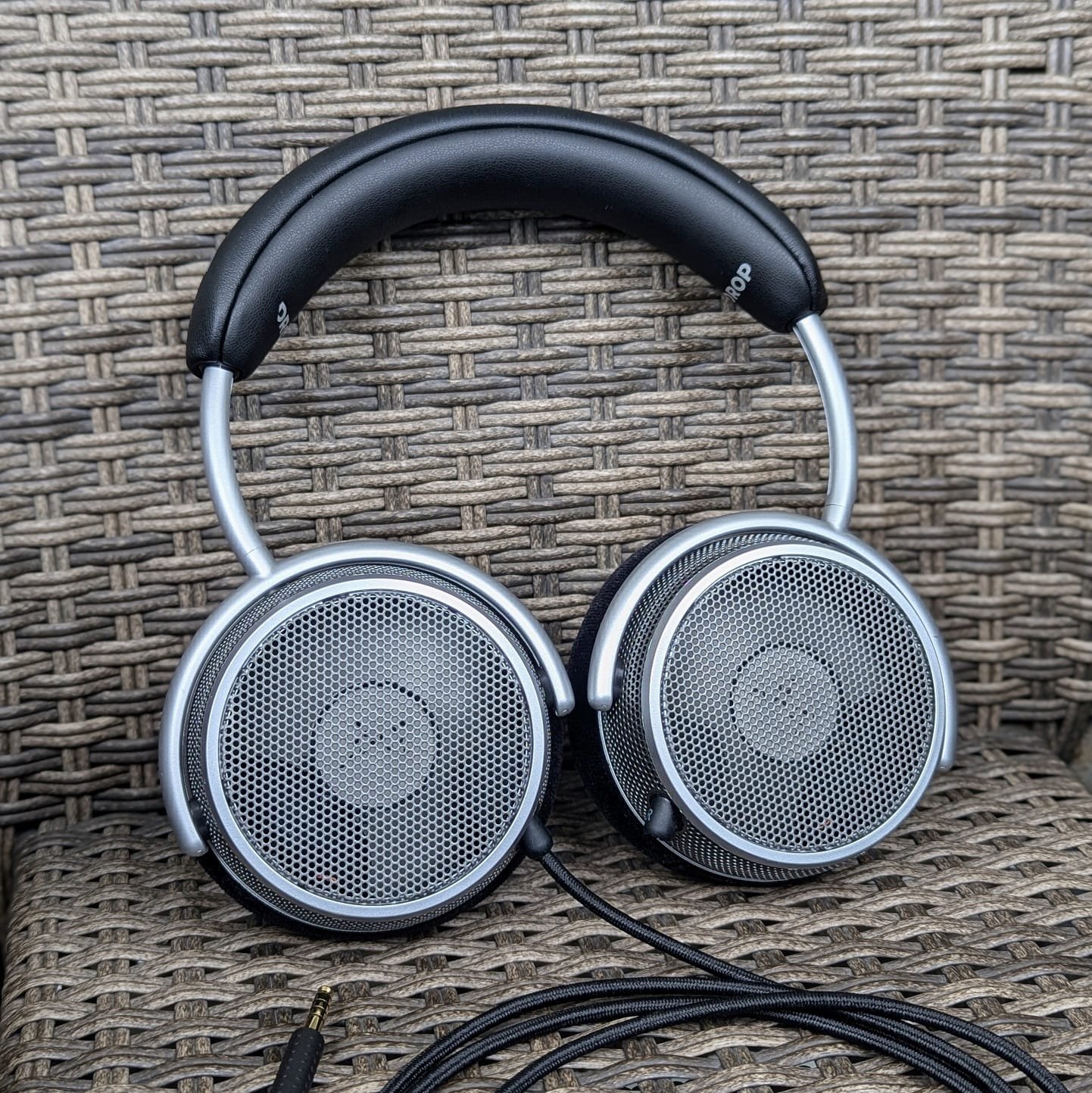
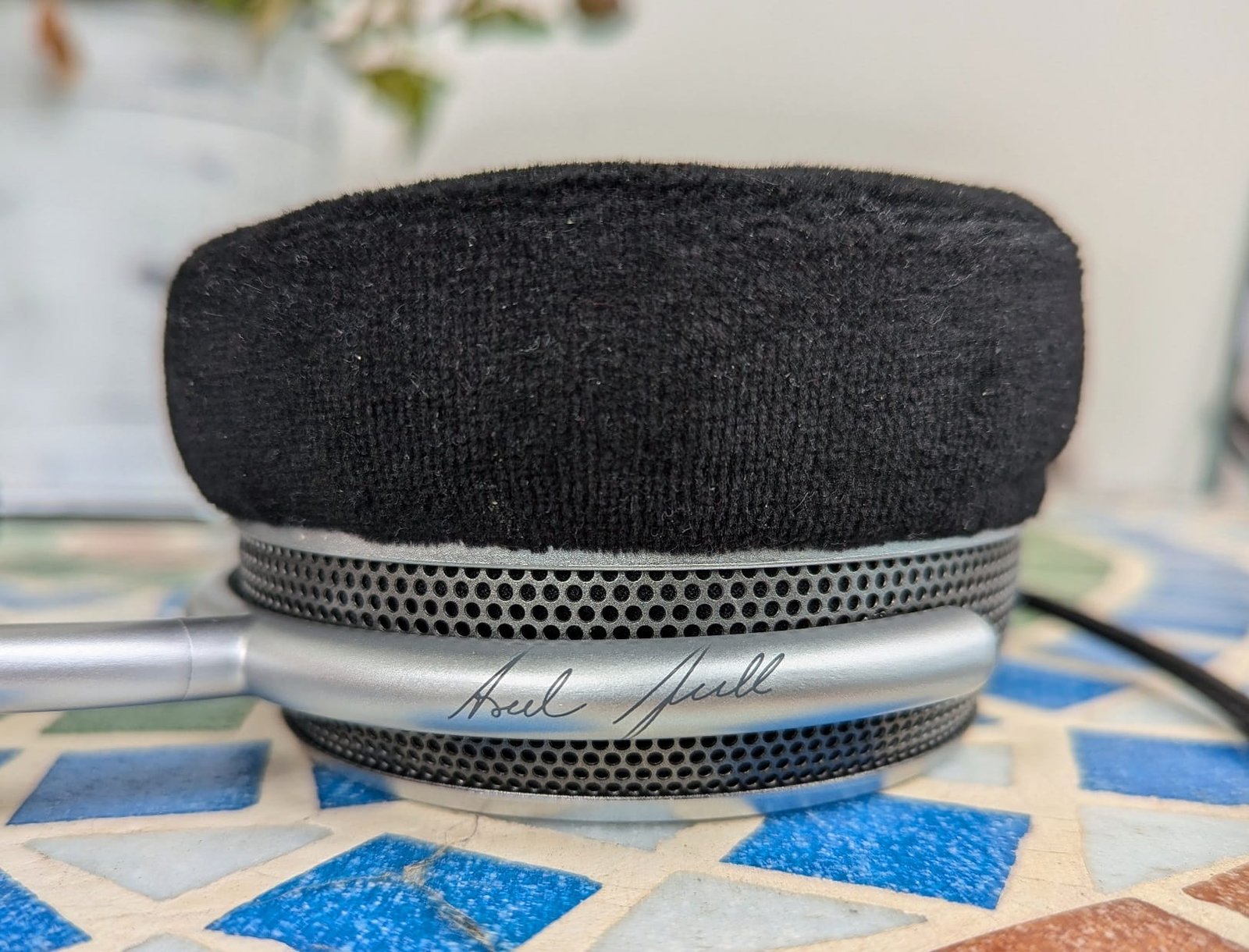
Structurally, I think the OAE1 is a fine but unfortunately uncomfortable headphone. On the positive side, the construction is mostly metal and the fit of the parts is sturdy, so the impression of quality reaches a high level. The silver coloring also looks fresh, and the functional simplicity makes the headphones downright beautiful. Quality control issues are regrettable, however, as scratches have already appeared on the headphones at the factory – so much for a special product with a headphone legend's signature being carefully made. I'm not sure if the scratches would be enough for a warranty exchange in my case, but I've seen much worse. For some, even Axel Grell's signature added to the headband has been pre-worn.
However, greater problems are found in comfort, as the OAE1 is one of the most uncomfortable headphones I have ever tested. When adjusted to its maximum height, it barely fits my head and causes pain on my scalp within 10 minutes due to its too narrow and poorly padded headband. The headphones also press so tightly against my head that my eyes practically bulge out of their sockets. I do consider the weight of under 400 grams to be suitable, although it is certainly not among the lightest. Fortunately, for the majority, the headphones seem to have fit better than they did for me, even though the height adjustment apparently still reaches its limits in terms of sufficiency.
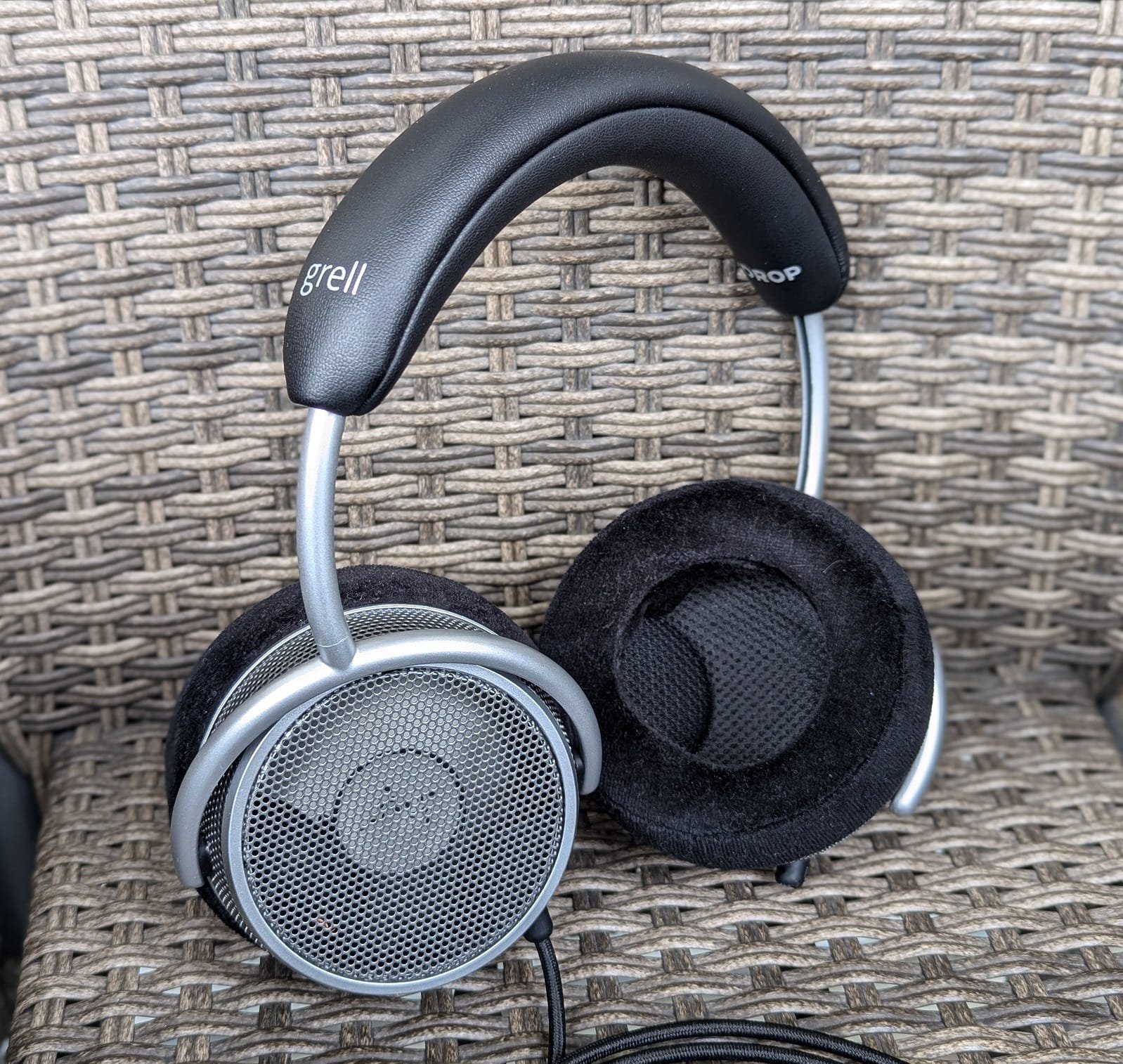
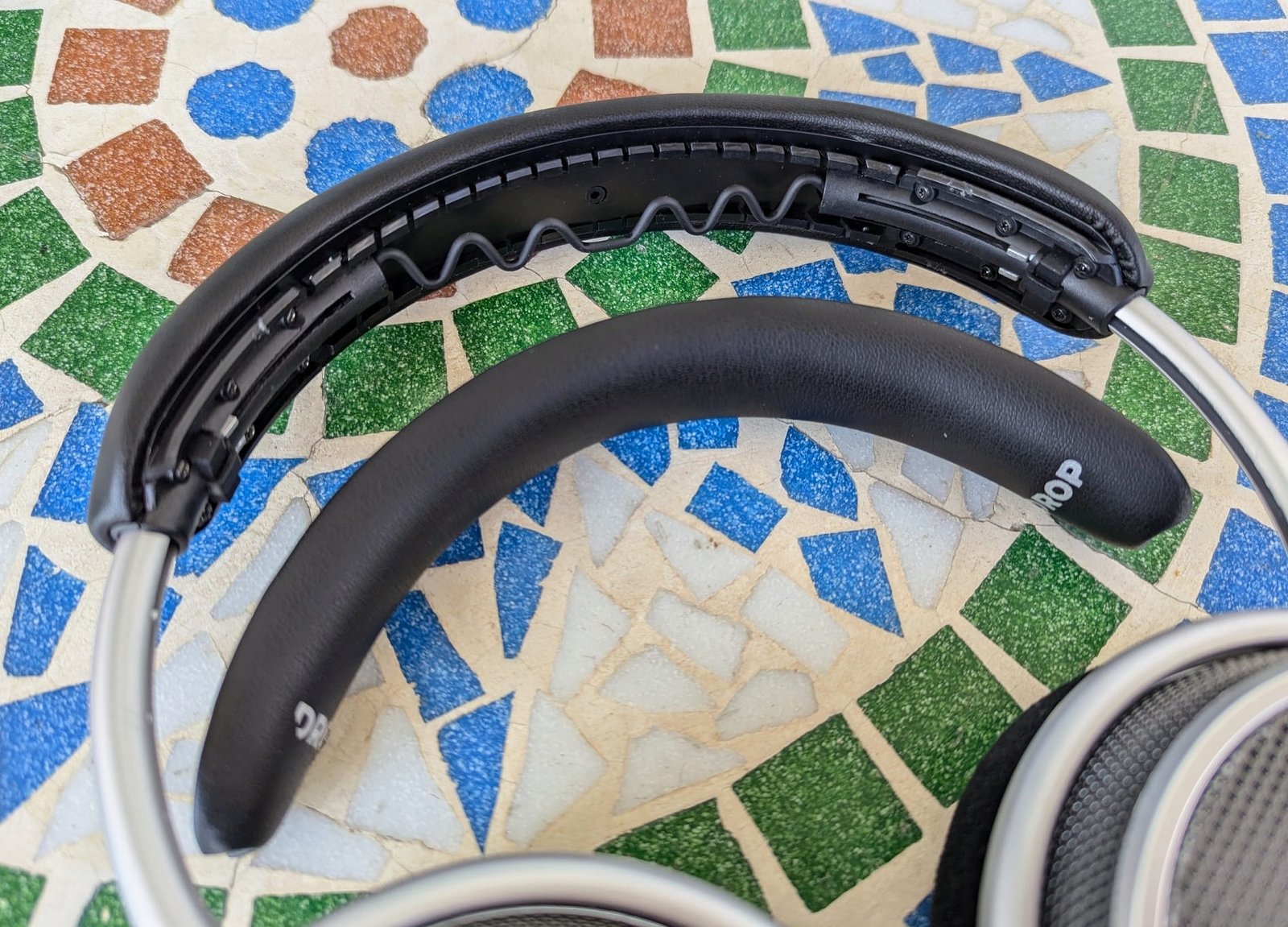
I finally made the OAE1 more usable by disassembling its headband and straightening the metal part inside. After this, the clamping force eased, so I have only had to contend with the feeling of pressure on my scalp. The manufacturer seems to have woken up to the problems to the extent that it intends to develop the headband to be better in some way in the future. On the positive side, the padding attached with plastic hooks can be removed relatively easily, as can the thick velour ear pads. The foam of the pads is surprisingly firm, so it hardly compresses under strong pressure. This likely ensures the ear's proper position relative to the driver, but at the same time adds to my experienced discomfort. There is a lot of space for the ears inside the pads, but due to the moderately sized ear opening, the fabric material easily touches both the upper and lower parts of my ear during use. In this respect too, the headphones could certainly have been fine-tuned further.
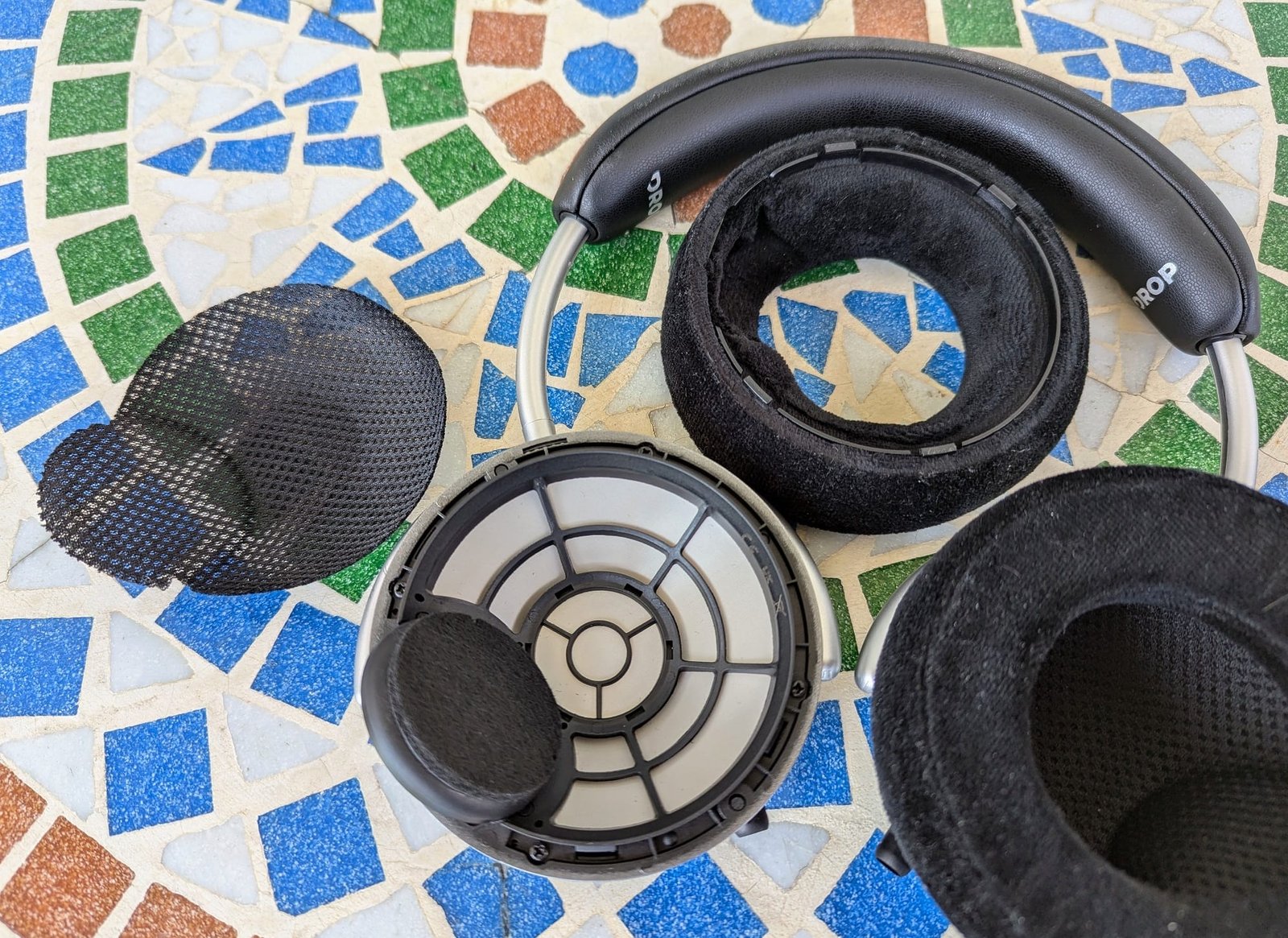
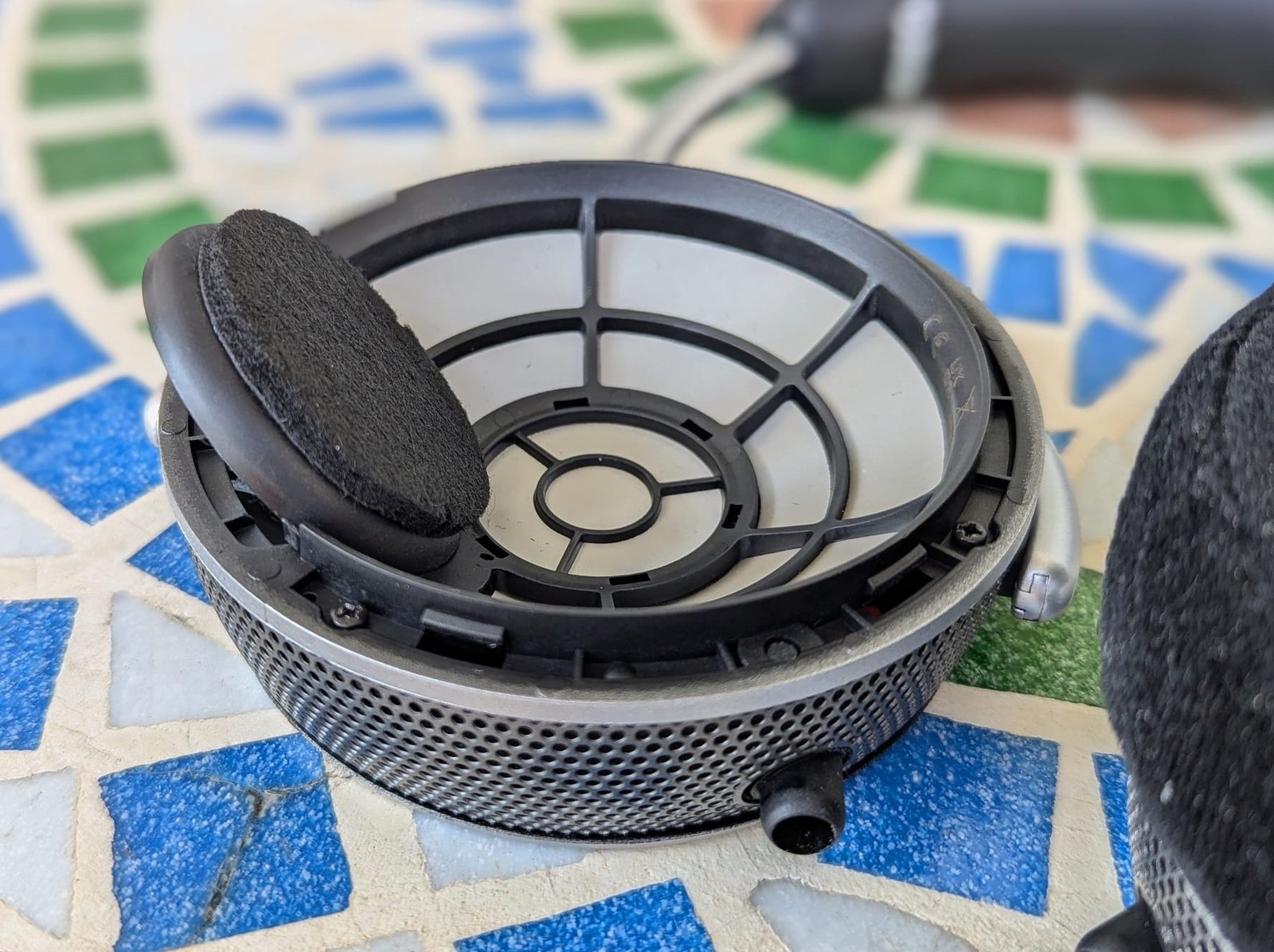
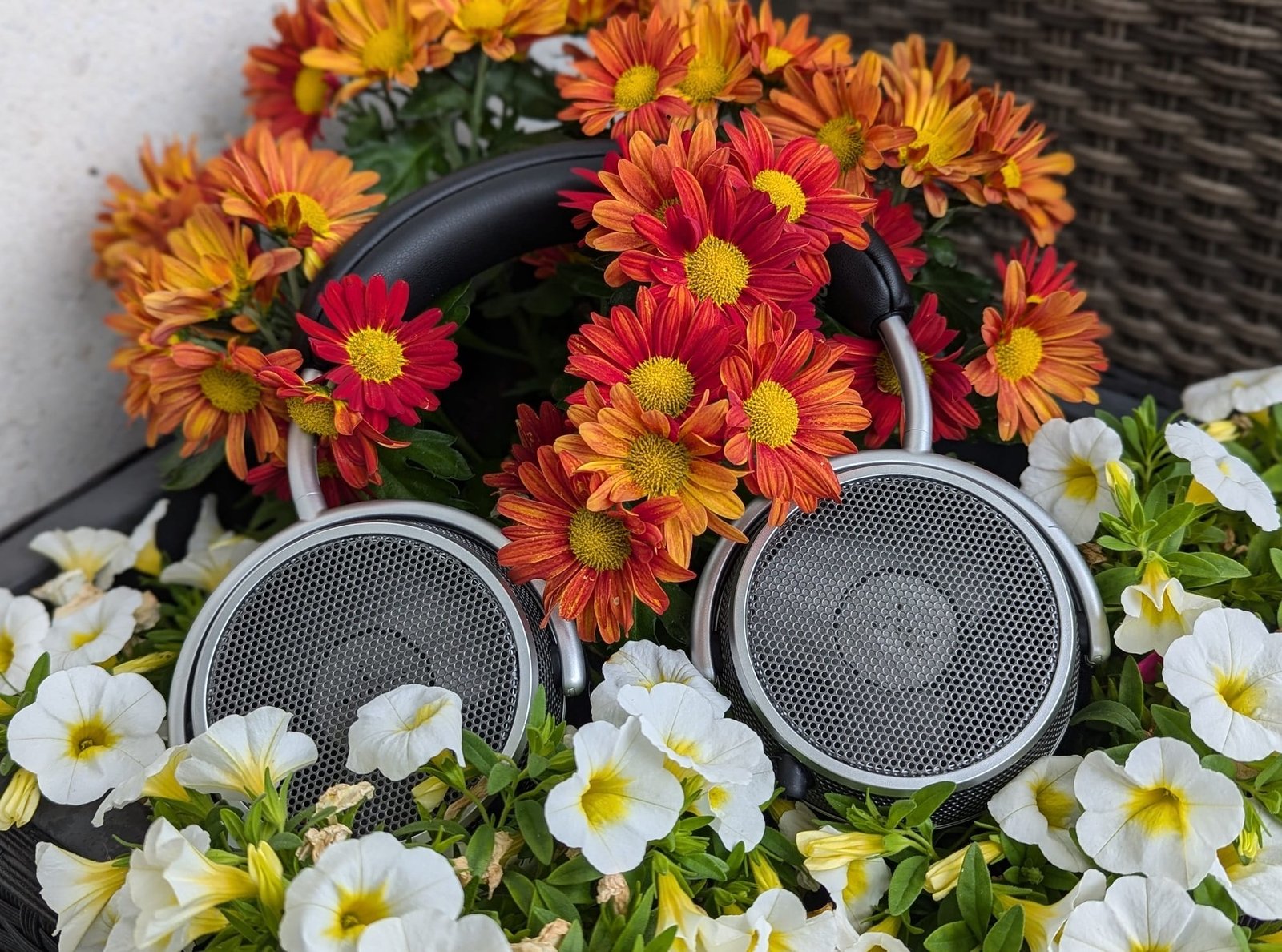
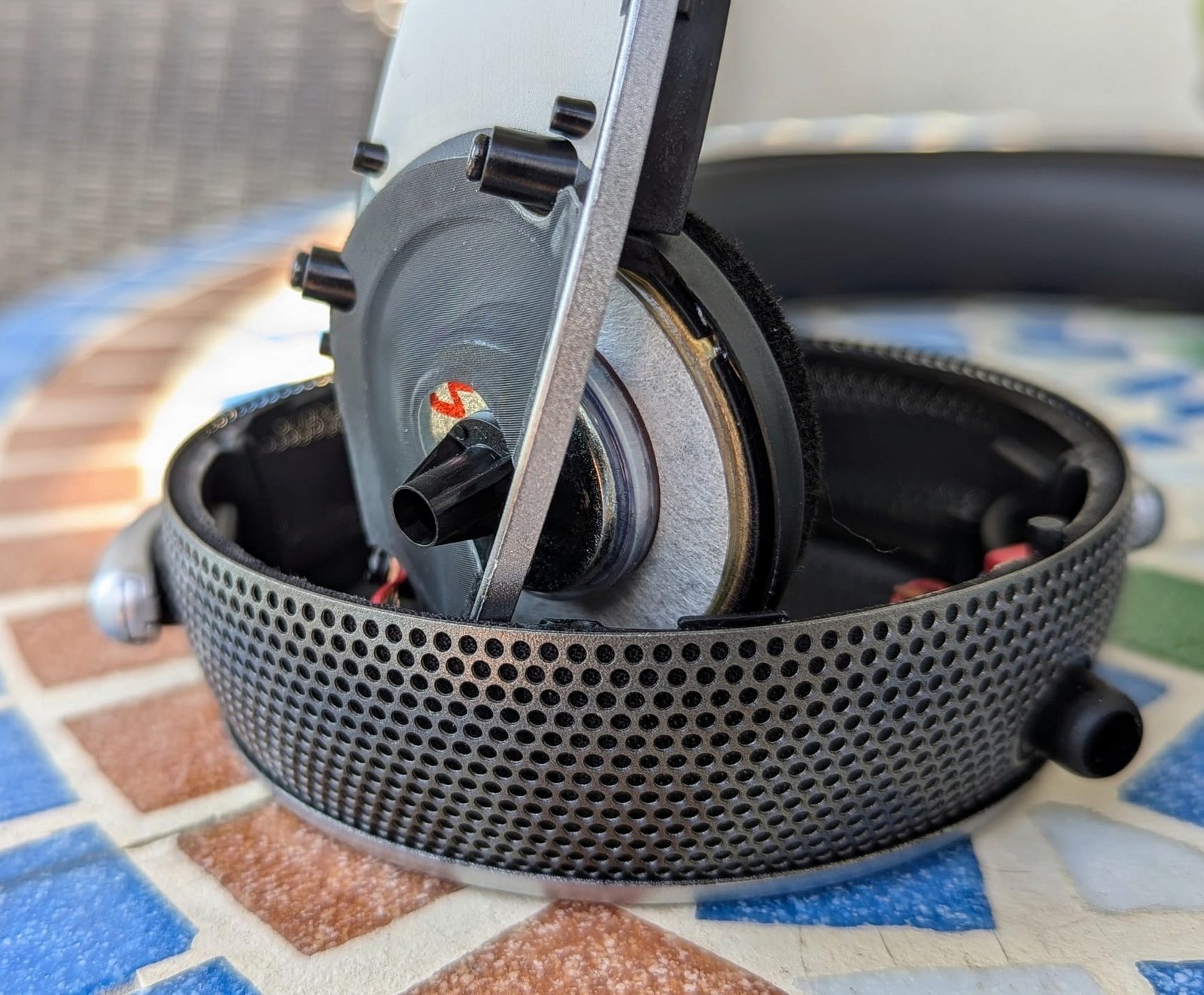
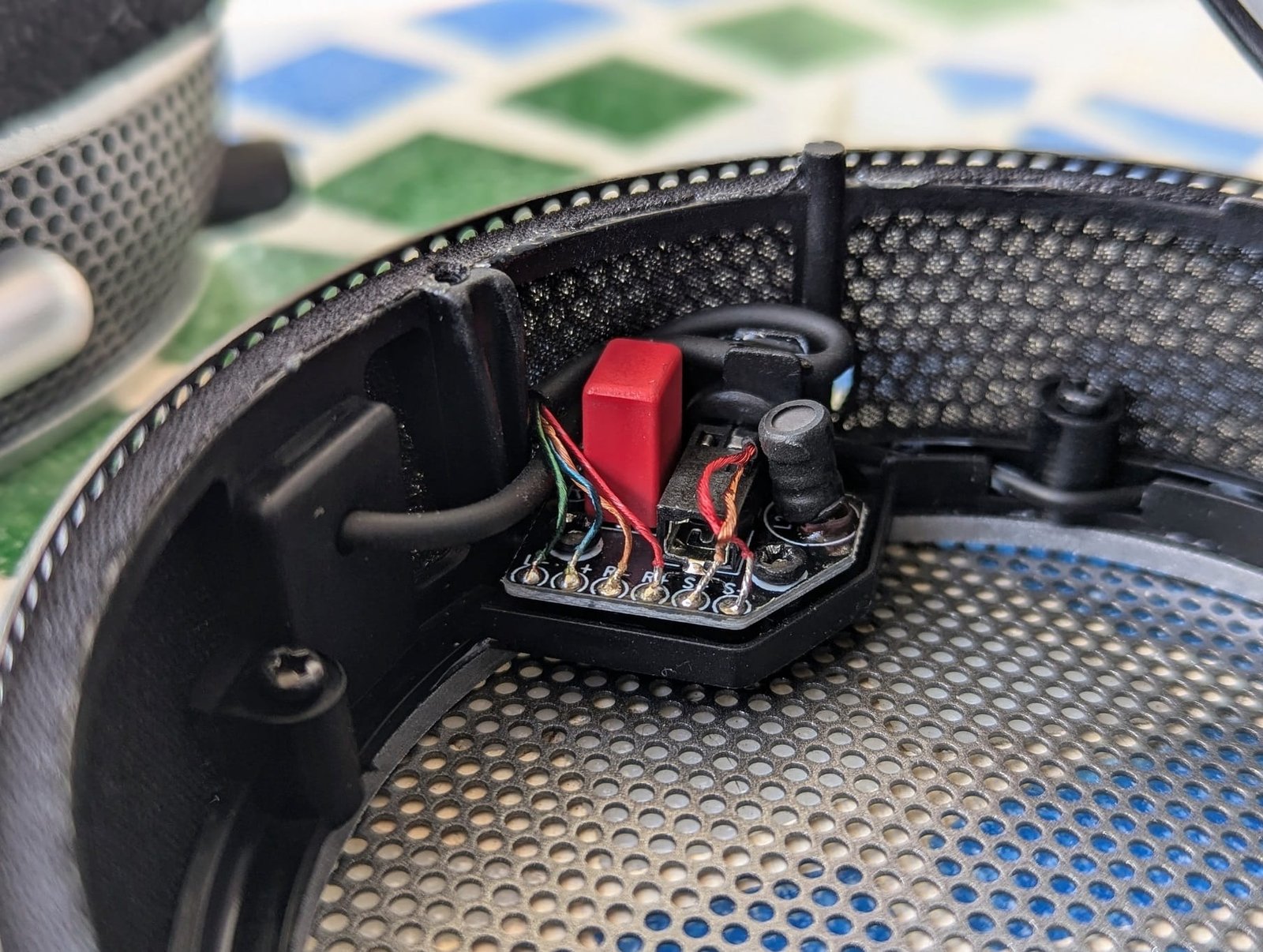
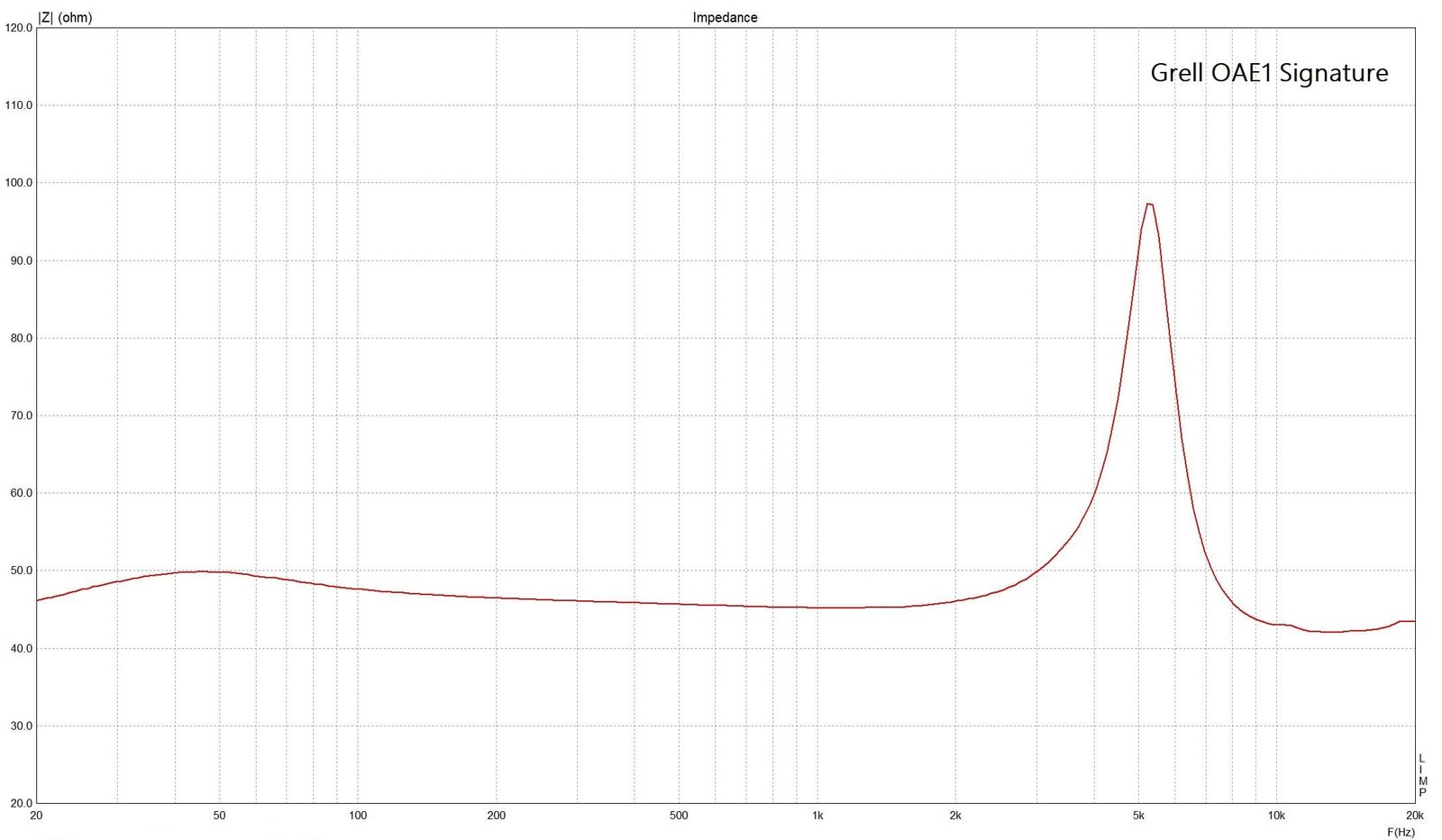
In the design of the OAE1, most of the attention seems to have ultimately gone into the internal structure of the cups, as the 40-millimeter biocellulose driver is located right at the front edge, tilted at a 60-degree angle relative to the ear. The rest of the cup is lined with a similar sound-permeable metal mesh, also used in Sennheiser HD 800 series headphones. At the base of the ear pad, there is a removable protective fabric, and on top of the driver, a thick felt disc. In addition, small bass tubes installed behind the drivers and somewhat rarer LC circuits (resonant circuits), which apparently attenuate the 5 kHz frequency range (impedance elevated at 5 kHz), have been utilized in sound tuning. Axel Grell has thus largely done everything possible to make the headphones sound as he desired.
Sound quality
Our frequency response measurements have been made with a clone IEC-60318-4 coupler and KB501X pinnae. The Harman target curve from 2018 is used as a reference point and generalization of the headphone response that would sound good to most people. For more information on the measurements and their accuracy, see Headphone Measurements-page. The frequency response of OAE1 can also be compared with other measured headphones Squiglink .
OAE1 is sensitive to how it is placed on the head. In certain positions, the 1.5–5 kHz frequency range is amplified or attenuated by up to 5 decibels, which directly affects the clarity of reproduction. The treble also varies slightly, while the amount of bass remains constant in all positions. In addition to this, changing the position also shifts the angle of the driver relative to the ear, which changes the soundstage. The following frequency response presents a generalized snapshot of OAE1, mimicking a situation where the ears are placed in the center of the pads.
Frequency response:
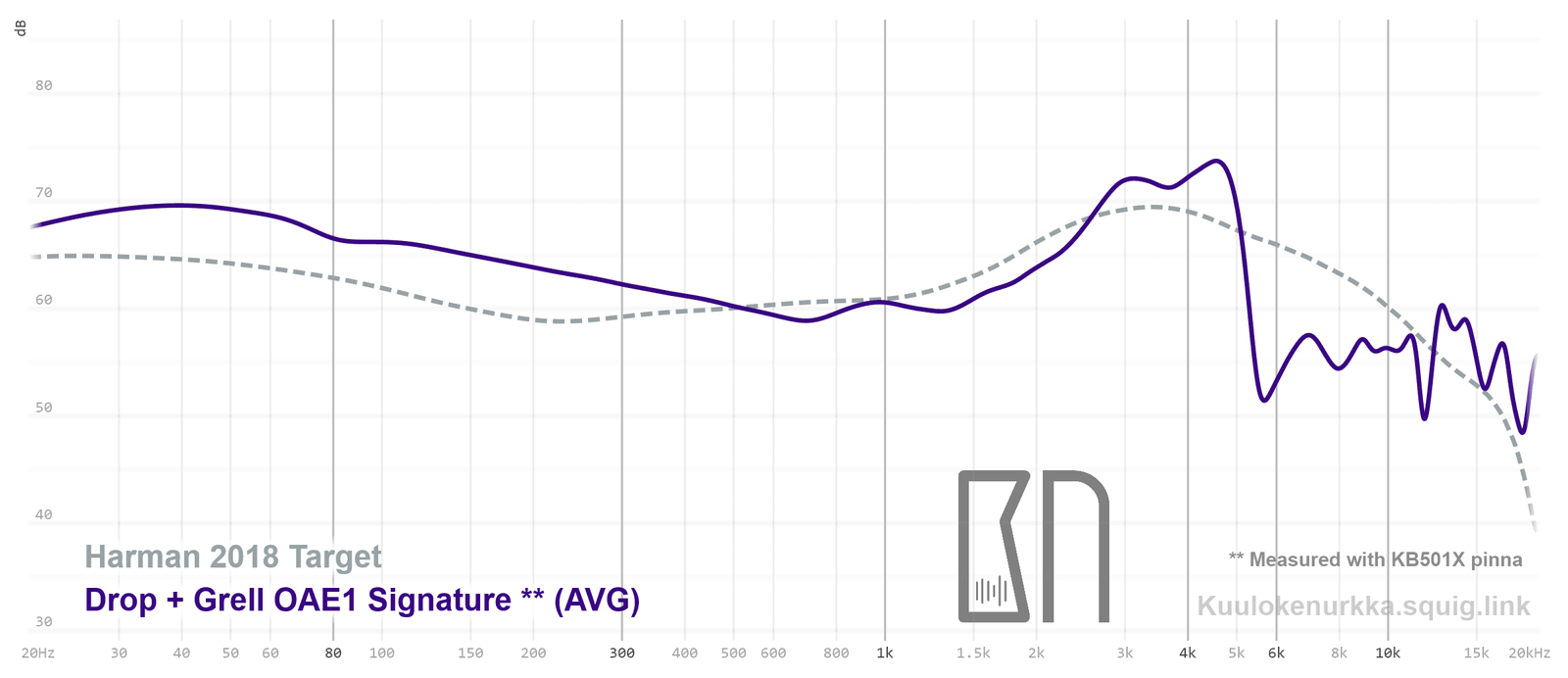
The frequency response of OAE1 would not look very special if it were a mediocre noise-cancelling headphone or another closed headphone model that overemphasizes bass and cannot properly reproduce high frequencies from 5 kHz upwards. However, for a 400-euro hi-fi headphone designed by a Sennheiser legend, the result sounds regrettably poor in the traditional sense, for example, compared to the excellent and normal Sennheiser HD 600. The question arises: why did Axel Grell design the OAE1 this way, and what was he trying to achieve in the first place? To answer this, I need to start a bit further back, explaining how the soundstage is formed in headphone listening. As I mentioned earlier, the OAE1 is not an accident; it was designed exactly as it is. This, however, has largely happened on the terms of the soundstage.
How should the soundstage of headphones be approached?
Although we often talk (including Kuulokenurkka) about soundstage in connection with headphones and try to describe our experience of it, technically speaking, conventional headphones do not have a soundstage at all. When listening to headphones, our brains do not receive real-life cues about the true locations of sounds; instead, the sound is reproduced identically regardless of which way we turn our heads. This is because the position of the headphone drivers remains constant relative to the ears, thereby bypassing part of our anatomy and our natural way of perceiving sound. Listening to headphones fundamentally resembles an (unrealistic) room where sound would be heard so identically from every direction that we would not be able to tell exactly where it comes from. This is referred to as Diffuse Field or Diffuse Localization.
Normally, in real life, our brains can localize the sounds we hear around us based on, among other things, 1) which ear each sound arrives at first and 2) with what intensity each ear hears it. One complex factor influencing this is HRTF, or Head-Related Transfer Function, where other parts of our body, in addition to our ears, participate in the perception of sound. When we listen to speakers and turn our heads, for example, to the left, each of our ears hears a very different frequency response. However, our brains can convert this information into knowledge about where the sound source, i.e., the speakers, are located relative to us, so the reproduction otherwise remains relatively normal.
However, headphone listening based on the Diffuse Field setup lacks the most important factors related to perceiving sound localization, which is why we perceive the frequency response merely as the timbre of the sound. Thus, optimal headphone design has long aimed for a frequency response that sounds natural to us compared to speakers and, consequently, to real life. Sennheiser HD 600 succeeded in this already in 1997. Likewise, the Harman target curve available today is a continuation of this, as it is fundamentally a more bass-heavy variation of the Diffuse Field target response. If, on the other hand, the frequency response of headphones differs significantly from these teachings, we easily interpret the sound as colored and, at worst, even unnatural – as our brains still try to create localization perceptions based on colorations, which are not available in headphone listening. The problem has, of course, been attempted to be circumvented over time with binaural recordings, crossfeed effects, and head tracking, but of these, only the former can be utilized with passive headphones.
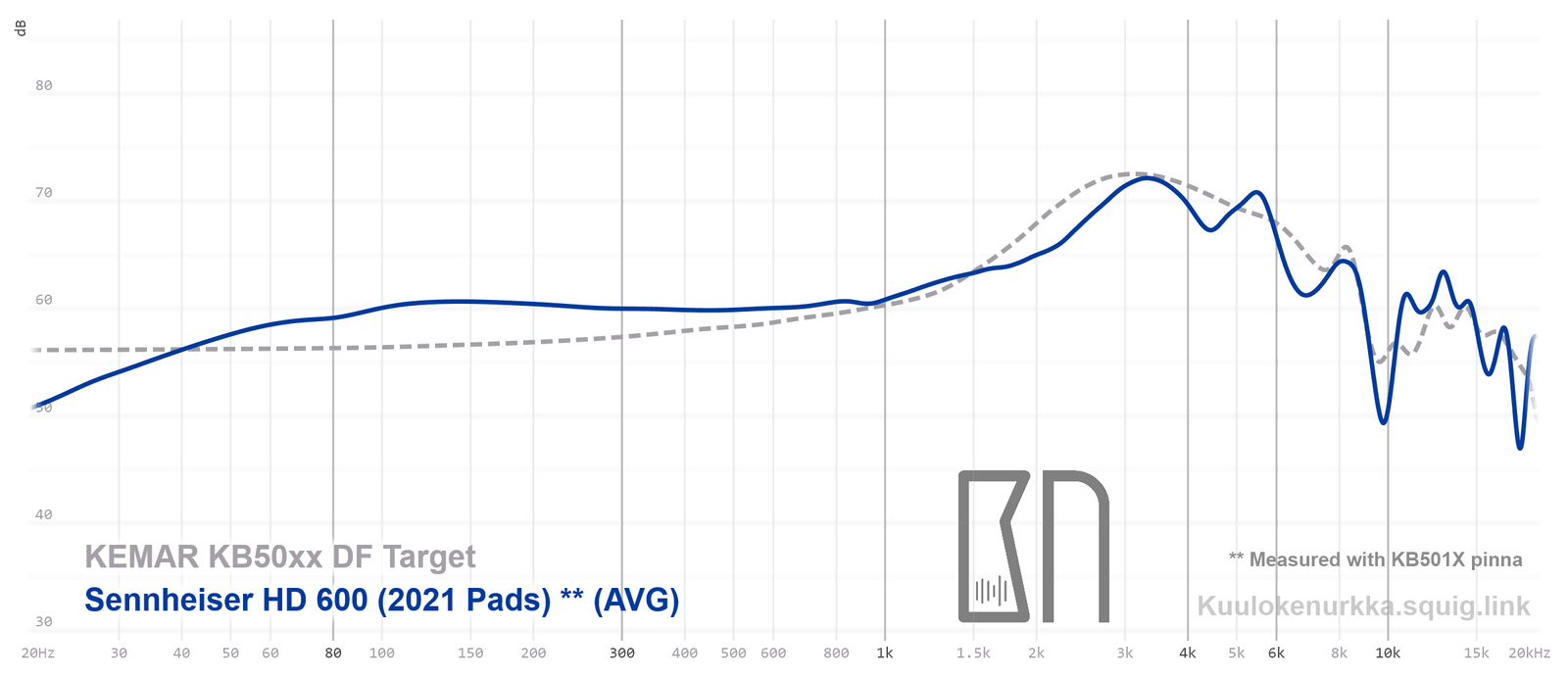
Should we then no longer talk about the soundstage of headphones? I wouldn't say so, but I would remind that perceiving a soundstage is a very subjective matter that should not be compared to speaker listening or everyday life. To my understanding, it is a psychoacoustic illusion formed by the spatial impression and sense of openness created by the frequency response and the structure of the headphones. Everyone perceives the soundstage in their own way, and it is also completely normal not to perceive a soundstage at all. I have learned to remind myself of this more often than before. However, certain solutions in headphones, such as a slight attenuation of the 1-3 kHz frequency range or an amplification of the treble, are quite commonly perceived as factors that broaden and enhance the soundstage. Both of these tricks have coincidentally been utilized Sennheiser HD 800:s (and its S-version). This brings us to how Axel Grell has approached the matter with the OAE1.
OAE1's different design philosophy
In the case of OAE1, all of the above has been consciously and contrary to research thrown out the window. The peculiar frequency response of the headphones is not accidental; instead, it imitates neutral speakers from 500 hertz upwards, placed in front of the listener at a fairly similar angle to OAE1's own drivers. Such speakers, when measured in an anechoic chamber with a B&K 5128 device from inside the ear, produce a very similar frequency response to the OAE1. However, as one change, Axel Grell has decided to boost the low frequencies to make the headphones sound more physical, also resembling speakers as much as possible in that regard.
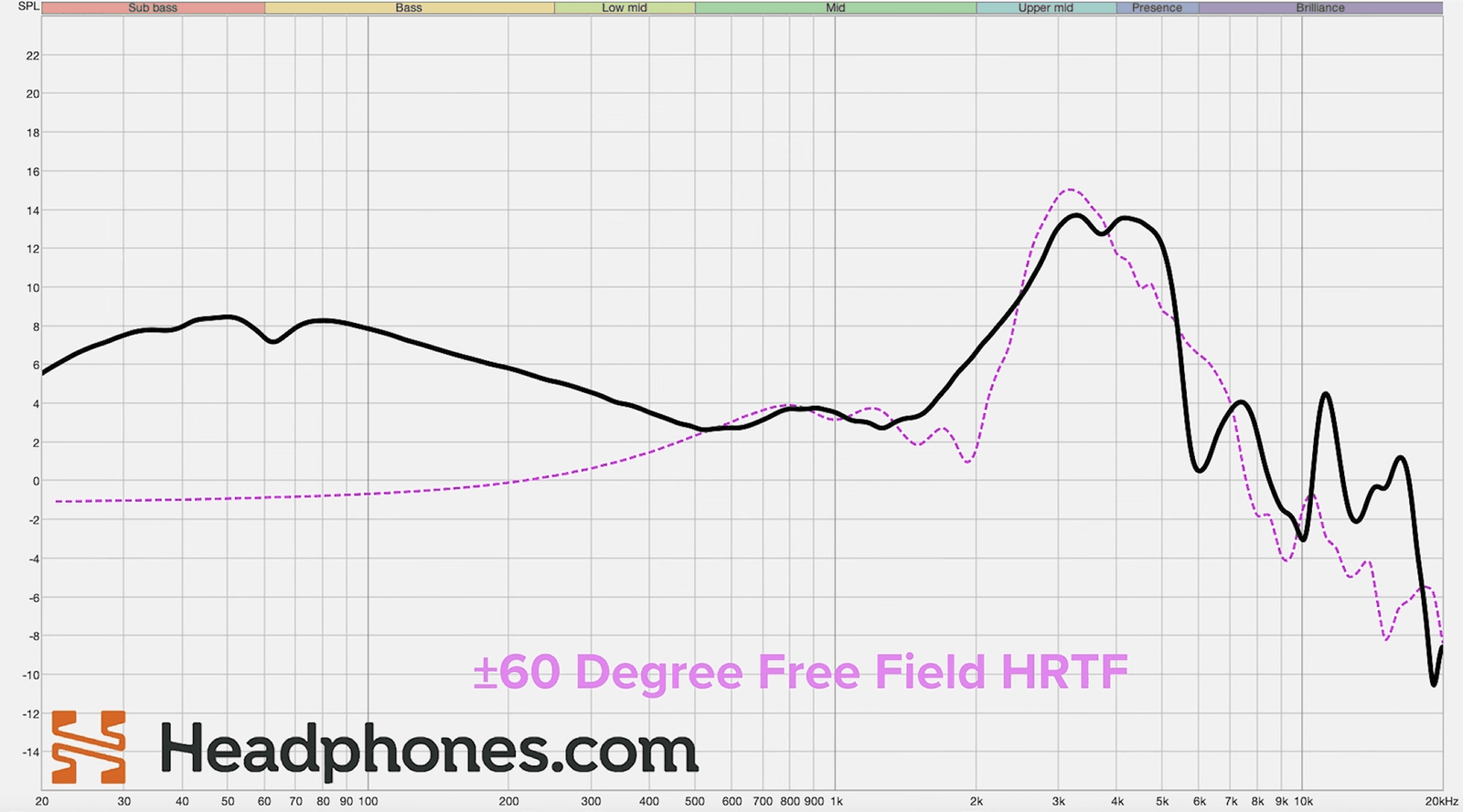
If someone is interested in reading more about the topic, I recommend taking a look at the one written for the Headphones.com website review about OAE1. I have shamelessly adapted it myself when outlining the theoretical background related to soundstage for my own piece. My opinion of the review otherwise is, however, that it is even unnecessarily sharp and harsh.
According to Grell, he has aimed to increase the role of ear anatomy in sound perception, so that the soundstage would be experienced as more natural and speaker-like than usual. However, headphones are not meant to provide a soundstage located in front of the head. Nevertheless, the design should in any case facilitate sound localization by ensuring that the first sound wave arrives at the ear at the same 60-degree angle as a perfect stereo signal produced by speakers.


Another advantage of elements tilted in front of the ear should be less variation in the perceived frequency response above 1.5 kHz compared to conventional headphones (e.g., Sennheiser HD 600), where the element is placed to the side of the ear. The practical problem, however, is that the frequency response and thus the sound changes easily depending on how the OAE1 is positioned on the head. For this reason, I am not entirely convinced of the design's functionality. In my opinion, the headphones also sound colored, instead of the result being as natural as possible according to Axel Grell's statements.
The logical explanation for this is that the localization cues our hearing expects are realized in the OAE1 only in terms of the sound's angle of arrival – everything else is still missing, so the Diffuse Field setup is in effect. In this case, we are unable to perceive the localization information embedded in the OAE1”s frequency response as a speaker-like soundstage, but rather experience the sound as primarily colored. A frequency response borrowed as such from speakers sounds inherently ”wrong".
Axel Grell has, however, been absolutely aware of this, so my assumption is that he wanted to try, despite everything, how moving the elements to the front of the ears would change the situation compared to conventional headphones. Headphones like the OAE1 have never been made before. For this reason, Axel Grell must be given credit for his courage. Even though he couldn't make the headphones sound like speakers, and the result is not particularly natural otherwise, the OAE1's spatial impression is nevertheless unique and interesting in its own way. Let's finally move on to what I think the headphones sound like.
What does OAE1 sound like?
The headphones are not quite as bad as I feared beforehand; at their best, they even sound quite good when the significant colorations in the frequency response match the chosen music. The biggest problem with the OAE1, however, is the overemphasized bass, whose loose and boomy rumble resembles cheap noise-canceling headphones. When this combines with a sometimes almost unlistenable emphasis at 4.5 kHz and a very subdued treble between 6–10 kHz, the result sounds hard and hollow in a certain way. Mid-frequencies easily get overshadowed by the bass but still sound unnaturally sharp. The subdued treble, in turn, makes it very difficult to pick out any small details from the sound.
Often the presentation is by no means terribly annoying, but still quite congested and lifeless. However, the unique soundstage saves the situation to some extent, because thanks to it, I can even consider listening to the OAE1, for example, instead of Aune AR5000's, Hifiman Sundara or Sennheiser HD 600. In reality, however, I have resorted to equalization, more on which later.
”Soundstage”:
Placing and tilting the elements in front of the ears brings an interesting dimension to the OAE1”s sound. I experience more forward-projecting depth and layering in the soundstage than usual, without the spatial impression being particularly open or expansive. On the contrary, the OAE1 even sounds like a closed-back headphone, which is likely due to its overemphasized bass reproduction and subdued treble, but partly also due to strong clamping force on the ears. A more open and airy impression would require at least brighter treble, similar to the Sennheiser HD 800 series, for example. One additional challenge in using the OAE1 is its positioning on the ears, as an optimal result from the soundstage perspective sometimes requires almost millimeter-precise work. In the ”wrong" position, the experience may not even differ much from conventional headphones.
The OAE1's soundstage is not, in my opinion, an unambiguous improvement compared to other headphones, but at its best, it might bring a small relief to many from the feeling that sound reproduction in headphone listening occurs entirely inside the head. My own brain interprets the sound as being located slightly in front of my ears, which in the OAE1's price range has previously only really been achieved by the Aune AR5000, whose frequency response is simultaneously much more natural.
On the other hand, the OAE1's unique tuning has clearly inspired many, so the appeal of a more unusually implemented soundstage should not be underestimated. For example, atmospheric movie soundtracks are interesting to listen to. By utilizing a crossfeed function that mixes the right and left channels (found, for example, in Chord Mojo 2: and Qudelix 5K), the experience becomes even more interesting. It is a shame, however, that the OAE1 otherwise sounds too colored to be realistic in any way.
Bass:
Axel Grell has added far too much bass to the headphones, as the low frequencies start to rise already at 500 hertz, well into the midrange. While the robustness of the reproduction certainly has its charm, the swollen rumble and loose boom of the bass quickly become monotonous because it's present in all kinds of music. As a result, the bass also lacks detail, and it makes the midrange sound weak and distant, even though they would otherwise be quite accurate between 500–3000 hertz. At its worst, the bass overwhelms everything else so badly that the result is almost comically muffled. When equalizing the OAE1, it's advisable to start by reducing the amount of bass.
I can't find a reasonable explanation for the large amount of bass, as it doesn't support the soundstage goals set for the headphones in any way. What comes to mind are mostly noise-cancelling headphones ruined by bass, which certainly have their fans. The OAE1 also offers powerful bass if nothing else matters. It is actually rare that such a rich bass reproduction has been achieved with an open-back design, so in that respect, the OAE1 could be said to be a kind of innovation. For the large amount of bass, we can ”thank” the small tubes behind the drivers.
Midrange and Treble:
As mentioned, the midrange in the OAE1 largely remains in the shadow of the bass, provided the listened track contains strong low frequencies. If, on the other hand, the track is bright and light in style, the headphones' presentation might add some much-needed warmth to it. In suitable conditions, the OAE1 sounds quite acceptable and even enjoyable. Speech also reproduces fairly normally, so the headphones would be quite suitable for general use.
Most often, however, the midrange presentation is subdued and distant without being inspiring or sounding detailed. This alone might still be acceptable, but at the same time, the reproduction also has sharpness and aggressiveness due to the overly emphasized 4.5 kHz region. For example, female vocalists singing with their mouths close to the microphone are occasionally downright painful to listen to. Drum and cymbal hits also sometimes sound quite unnatural. The strong emphasis in this frequency range is likely caused by the headphones' structure, as it has already been attenuated during the tuning phase with an LC circuit installed inside the cups. For my taste, an additional attenuation of a few decibels would have been appropriate.
Even more peculiar, however, I consider the treble between 6–10 kHz, as this frequency range is heard faintly in the distance. As a result, the sound lacks a lot of freshness and airiness. Combined with the heavy bass reproduction, this leads to a muffled presentation, and additionally, the OAE1 also sounds exceptionally lacking in detail. Old headphones that couldn't always reproduce high frequencies properly come to mind. In the case of the OAE1, however, this is intentional. If the 4.5 kHz region weren't emphasized so badly, I could at least mention that the headphones are relaxed listening for those who don't like treble. As it is, the sound is strangely sharp, yet dark and subdued.
Other observations:
The headphones suffer so badly from their colored frequency response that I wouldn't call them very dynamic or resolving. The sound quality compares more to cheap headphones than to other models in the 300–400 euro range.
Equalization
Significantly more can ultimately be extracted from the OAE1 by equalizing. However, everyone will likely have to find settings that please them, as the wearing position of the headphones makes generalizing and predicting the frequency response challenging. The settings I have published are largely for myself. I aimed to preserve the unique characteristics of the soundstage, so I did not correct the midrange or treble entirely to the level of Harman's target curve. The treble was actually surprisingly difficult to make sound natural and balanced, because the frequency response I measured does not fully correspond to how my ears hear the sound in my chosen headphone wearing position.
My own equalization:
- LSHELF: 500 Hz | -2.8 dB | Q 1.0
- PEAK: 550 Hz | 2.0 dB | Q 1.0
- PEAK: 2000 Hz | 2.0 dB | Q 1.2
- PEAK: 4800 Hz | -11.0 dB | Q 2.0
- HSHELF: 4300 Hz | 8.4 dB | Q 1.0
- HSHELF: 9000 Hz | -8,3 dB | Q 1.3
- PEAK: 9800 Hz | -2,8 dB | Q 6.0
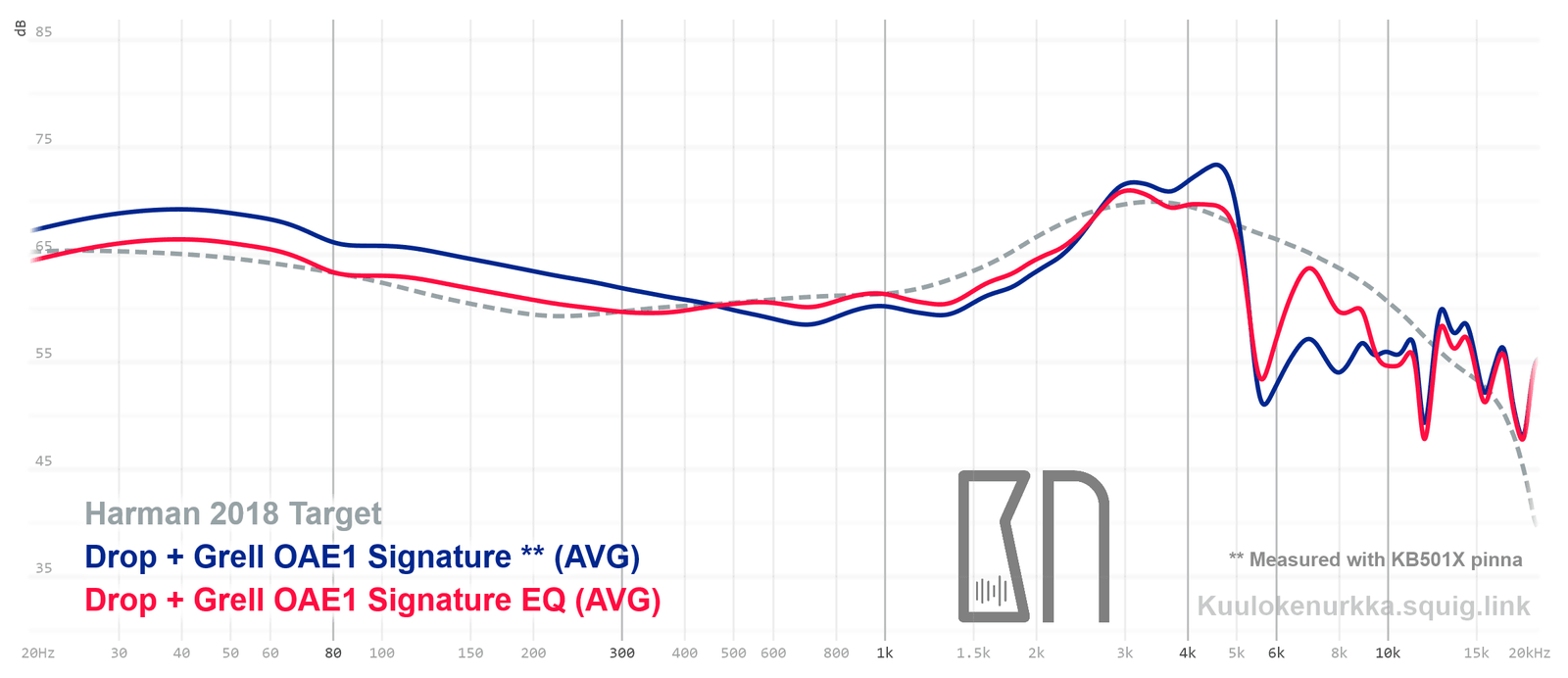
I used the Qudelix 5K device for equalization, noting at the same time that its crossfeed function was suitable for the OAE1 when added moderately (15/50). Thus, after the frequency response was normalized, the presentation became surprisingly impressive and authentic-feeling. Adding treble brought not only depth to the sound but also width-wise spaciousness and desired detail, making listening to the OAE1 very pleasant. Returning to the situation before equalization starkly reveals how colored the sound is when tuned by Axel Grell. I would argue that the OAE1 would have been an interesting enough and sonically impressive headphone even with a more normal frequency response.
Need for confirmation
The previous section revealed that a small amplifier like the Qudelix 5K is sufficient for the OAE1, although, in truth, the device is put under surprisingly high strain, even through its balanced connection, when considering the equalizations. This is because the headphones, due to their 38-ohm impedance and relatively low sensitivity (92 dB/mW), are a heavier load for an amplifier than usual. The difference compared to, for example, Aune's sensitive AR5000 model is clear: the volume control needs to be turned up with the OAE1, even with a slightly more powerful amplifier. It may well be that the lowest-power dongle DACs or mobile devices' own headphone jacks are not quite enough for the OAE1, even though it is marketed as an easily driven headphone.
One thing to note about the headphones is also their impedance curve, which has a strong peak at 5 kHz, i.e., at the same point where the LC circuit that lowers this frequency has an effect. For this reason, the OAE1 should not be listened to with an amplifier that has a high output impedance, as it would further amplify the 5 kHz emphasis. This is hardly desirable for anyone.
Generally speaking, I would recommend a neutral or even bright-sounding amplifier for these headphones, especially if they are not going to be equalized. In my opinion, a warm and robust sound pairs quite poorly with the OAE1's bass emphasis and dark treble. However, with no device combination did I get the headphones to sound truly good; equalization was needed for that.
Comparisons
In my opinion, the OAE1 is not reasonably comparable with any other headphone in its price range. It offers a different soundstage experience and, in principle, more bass than what is accustomed to. My Sennheiser HD 600, Hifiman Sundara Silver and Aune AR5000, however, sound clearly more normal and more faithful to recordings. After equalization, the different placement of the OAE1's drivers is, in turn, a clear advantage, as the depth perception of the soundstage resembles high-end headphones more than what is accustomed to in the 300–500 euro price range.
Summary
Oh dear, what should one ultimately think of the OAE1? It doesn't sound good without equalization, nor is using it comfortable. On the other hand, the headphones are still very interesting and even scientifically significant, albeit as an indication of the weaknesses of their own implementation. Axel Grell's motivation for making the headphones may well have been pure curiosity, but he clearly also wants to shake up previous headphone design practices. Many have complained about the otherwise excellent Sennheiser HD 600 series' cramped soundstage, so here would be something completely different. Perhaps this is even the reason why Grell himself compares the OAE1's characteristics precisely to older Sennheisers. Be that as it may, the gentleman must in any case be given credit for his courage – a legend does what a legend wants. The skills are at least clearly still there, as adjusting the OAE1's frequency response to resemble the targeted loudspeakers was probably not child's play.
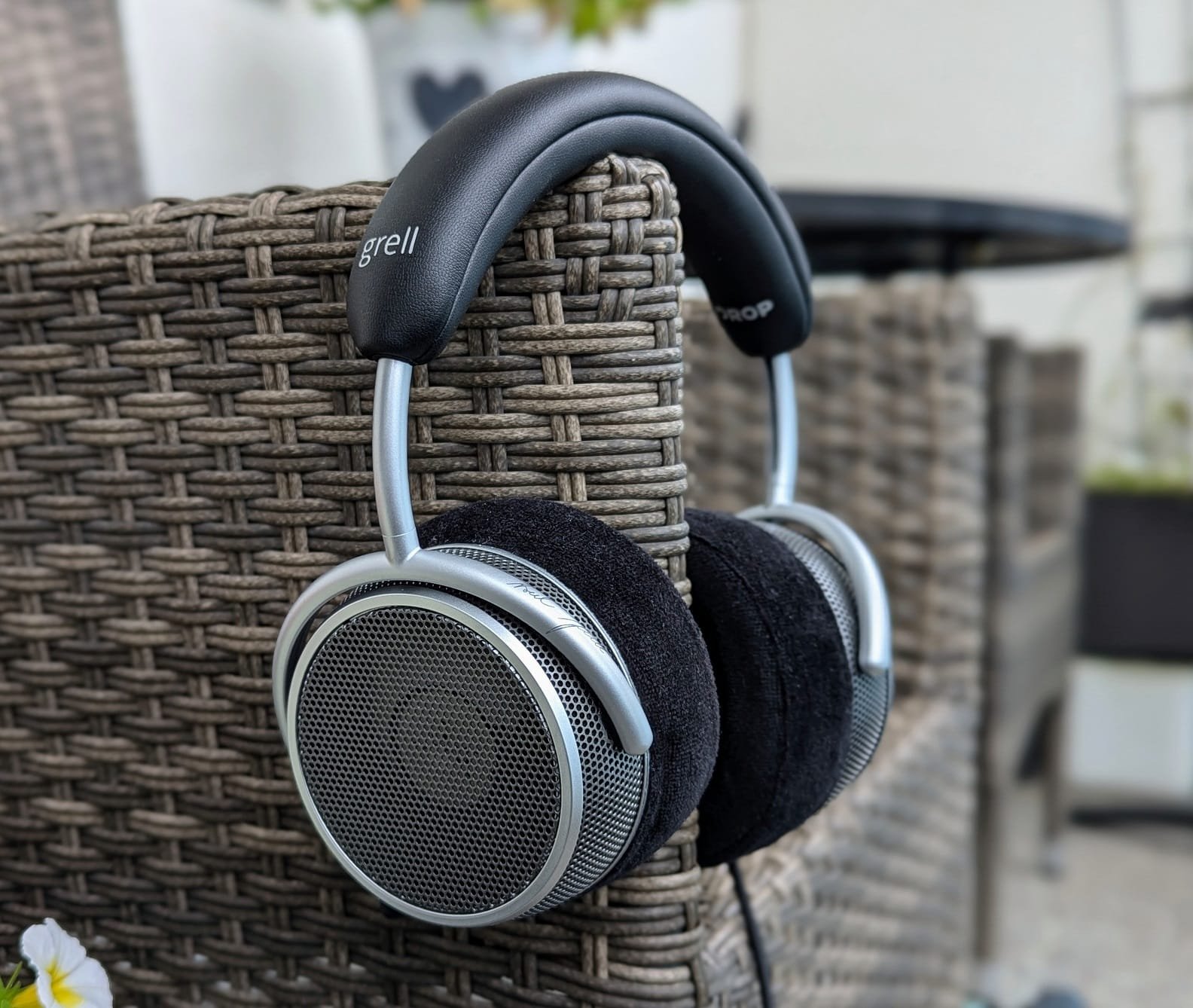
Despite everything I've written, the 1000-unit Signature batch of headphones sold out quickly, so it remains to be seen if the OAE1 will be produced in another version. There would certainly be demand, as Axel Grell's name still sells well, and most less critical owners have given the OAE1 a rating of 5/5. I myself would place it somewhere around 2.5/5, because after equalization, the soundstage is genuinely unique. On the other hand, when considering the initial situation, it's difficult not to find better headphones for 400 euros.
Pros and cons:
+ A bold attempt to innovate headphone listening
+ Offers a different soundstage experience compared to many competitors
+ Equalization produces a good end result
+ Fine and sturdy construction
+ Replaceable earpads
+ Effort has been put into the product packaging
+ Reasonable price for a product that required a lot of product development
– Colored frequency response with many problem areas
– Overemphasized, loose, and mid-frequency-overwhelming bass
– Simultaneously sharp and dull treble
– Poor comfort of use
– Scratches in the paint finish
 EN
EN  FI
FI