Author: Sword of Damocles
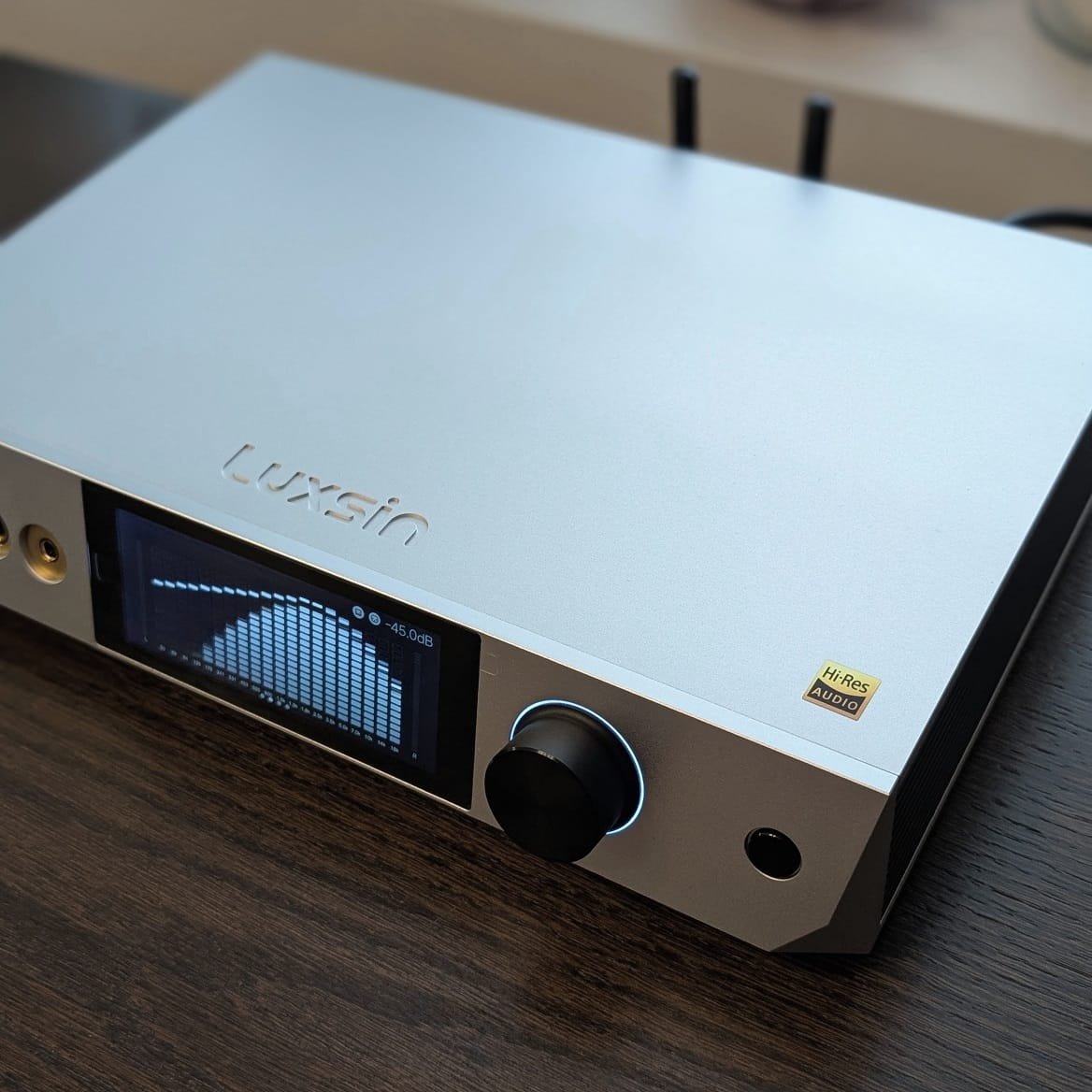
Table of Contents:
Information:
- Released: 2025
- Country of Origin: China
- Price: 1150 €
- Type: DAC & preamplifier & equalizer & headphone amplifier
- DAC chip: AKM AK4499EX + AK4191EQ
- Digital input connections: USB-A (firmware updates only), USB-B, USB-C, Optical, Coaxial, HDMI ARC and Bluetooth 5.0 (LDAC/AptX HD/AptX/AAC/SBC)
- Sampling rate (USB) PCM: 44.1–768 kHz (16–32 bit)
- Sampling rate (USB) DSD: DSD512 (native)
- Sampling rate (Optical, Coaxial and HDMI) PCM: 44.1–192 kHz (16–24 bit)
- Sampling rate (Optical and Coaxial) DSD: DSD64 (DoP)
- Analog input connections: RCA and 12V Trigger
- Analog output connections: XLR, RCA, 2 subwoofer outputs and 12V Trigger
- Headphone connectors: 4-pin-XLR, 4.4 mm and 6.35 mm
- Gain level: Low/Medium/High
- Headphone amplifier output impedance: Not specified
- Headphone amplifier output power (6.35 mm): 2.1 W @ 16 ohm | 1.7 W @ 32 ohm | 0.23 W @ 300 ohm
- Headphone amplifier output power (XLR & 4.4 mm): 2.65 W @ 16 ohm | 3 W @ 32 ohm | 0.92 W @ 300 ohm
- Features: Touch screen, remote control, mobile app (Android/IOS), R2R potentiometer, Crossfeed function, soundstage width adjustment, automatic headphone impedance detection, HP-EQ/parametric equalizer (ready-made EQ profiles for 2500+ headphone models)
- Power consumption: max 25 W
- Dimensions (W x D x H): 30 x 20.6 x 6.5 cm
- Weight: 3.72 kg
- Included: power cable, USB-C and USB-B cable, and 3.5–6.35 mm adapter for headphones
Review unit acquisition method: Received on loan from importer/reseller
Headphone enthusiasts are living in a golden age of high-quality peripheral device availability, as in recent years the market has been saturated with excellent D/A converters and headphone amplifiers that don't even cost an arm and a leg. For this, we can largely thank numerous Chinese manufacturers who compete with each other in increasingly affordable price ranges without extra intermediaries or historical baggage limiting innovation. For under 200 euros, one can already get astonishingly versatile combination devices that offer practically everything a basic enthusiast or even a slightly more demanding customer needs. On the other hand, at the same time, when more money is put on the table, the feature list of the devices grows even further. An example of this is the device I am currently reviewing Luxsin X9 (price 1150 €), which I received for a test loan from a domestic IDEAALI Tec:.
Luxsin (Luxurious Sinewave) made its debut as a manufacturer in 2025 by releasing its X9 device. It is a subsidiary of Eversolo, which has gained a reputation for its digital audio sources and especially its network players, so the background should be solid. Both brands are owned by the Chinese Zidoo Group, which, with Luxsin, will likely focus more on headphone hi-fi than before.
The X9, somewhat surprisingly, does not include a network player, but it offers a significantly more powerful headphone amplifier than Eversolo devices and, in general, additional features tailored for headphone listening, such as an AutoEQ-style equalizer and soundstage adjustments. Luxsin has also invested in the device's appearance and connections, among which are an HDMI ARC input and two subwoofer outputs. In addition to the touchscreen, the X9 can be controlled with a remote control and, like Eversolo products, with a mobile application, so the device could simultaneously fulfill many different roles instead of just headphone listening. This versatility was precisely what encouraged me to write a review of the X9. It stands out from the crowd compared to the combination devices of many other Chinese manufacturers (e.g., Topping and SMSL), which are so identical to each other that there wouldn't be much to say about them.
Structure and connections
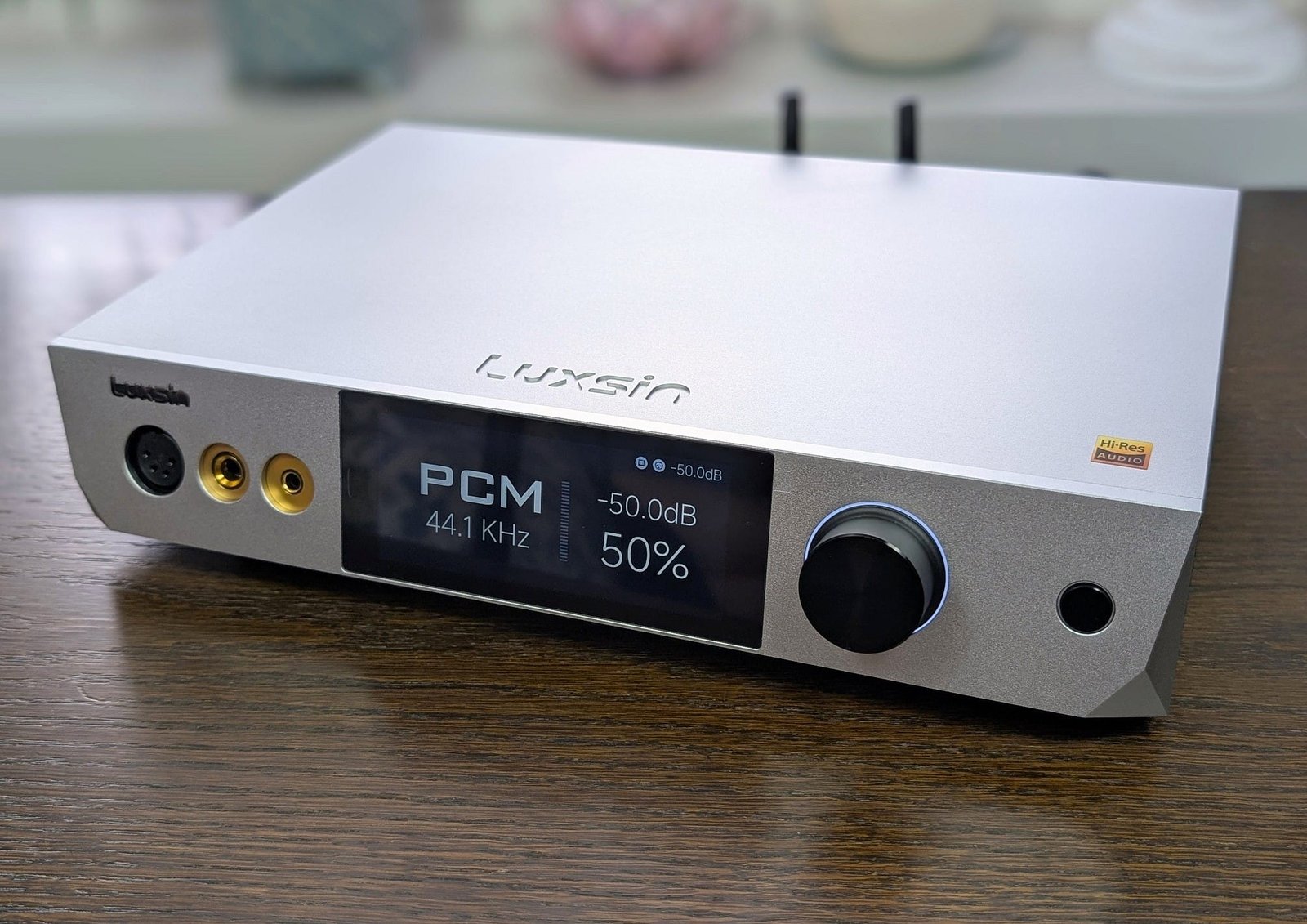
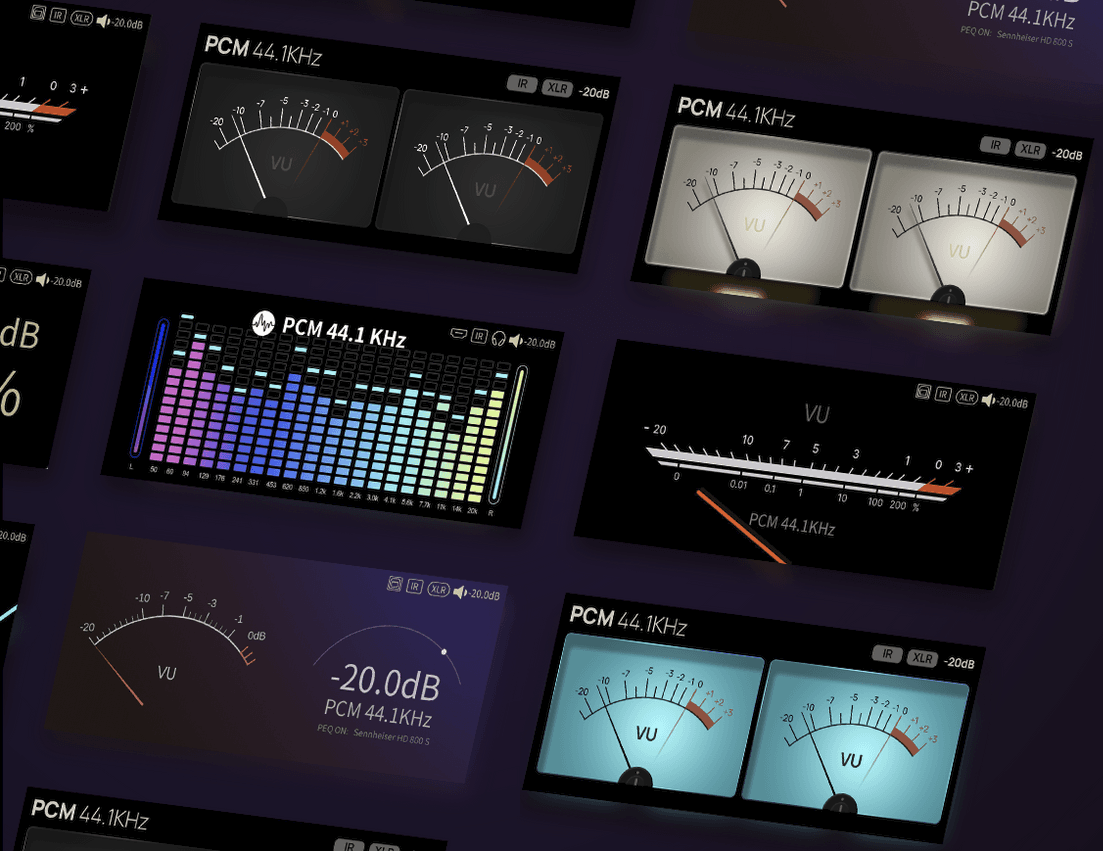
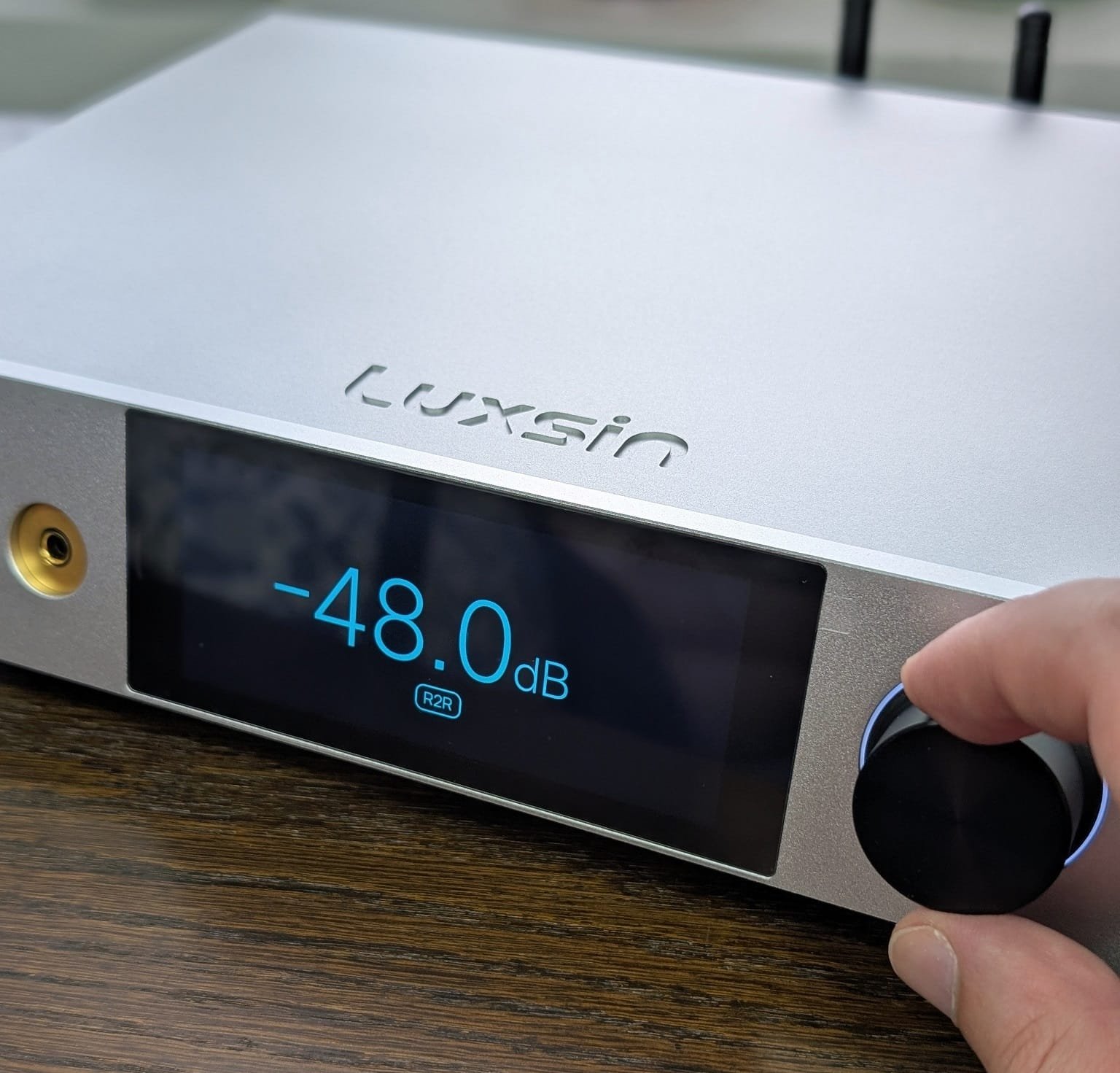
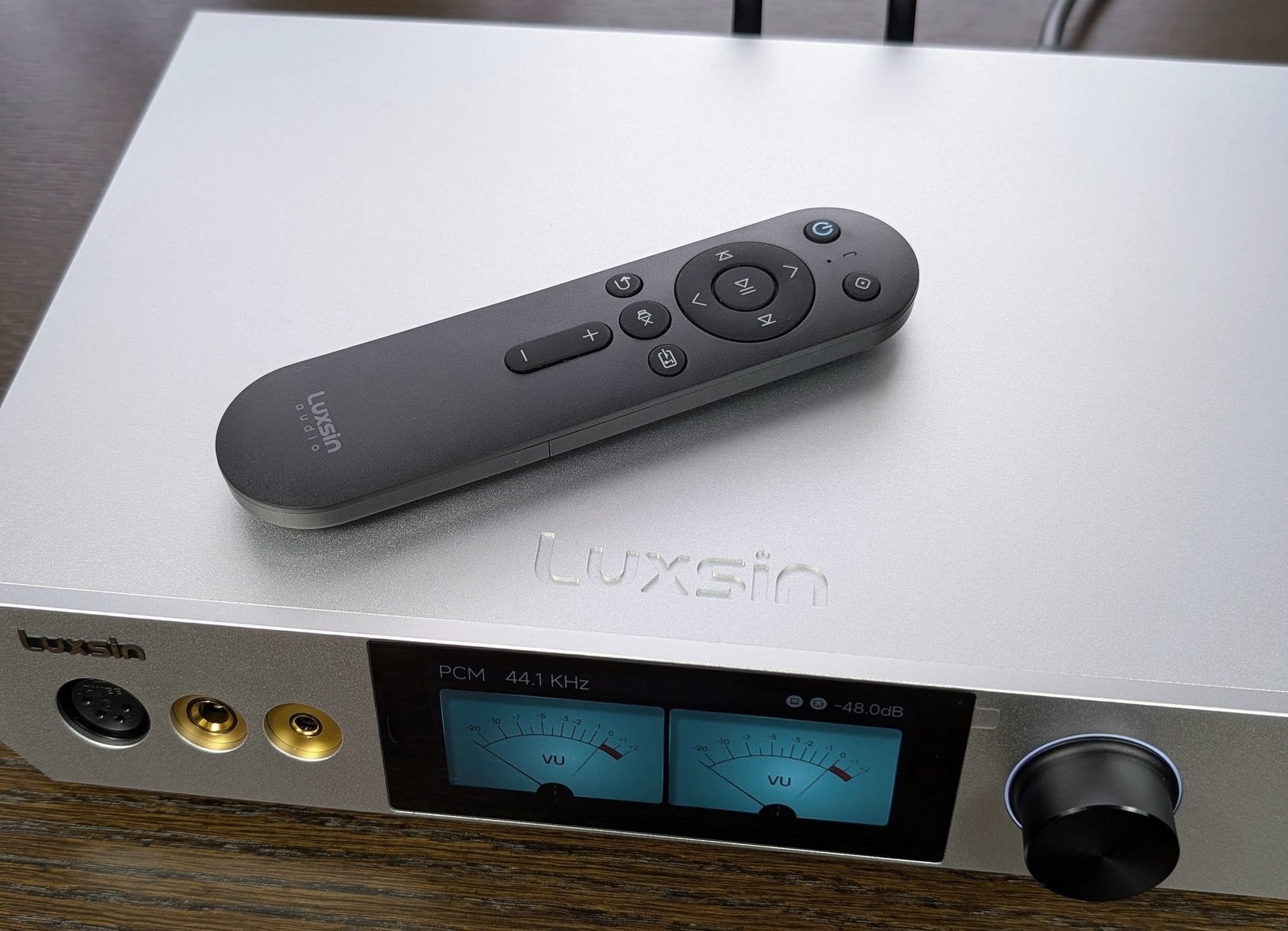
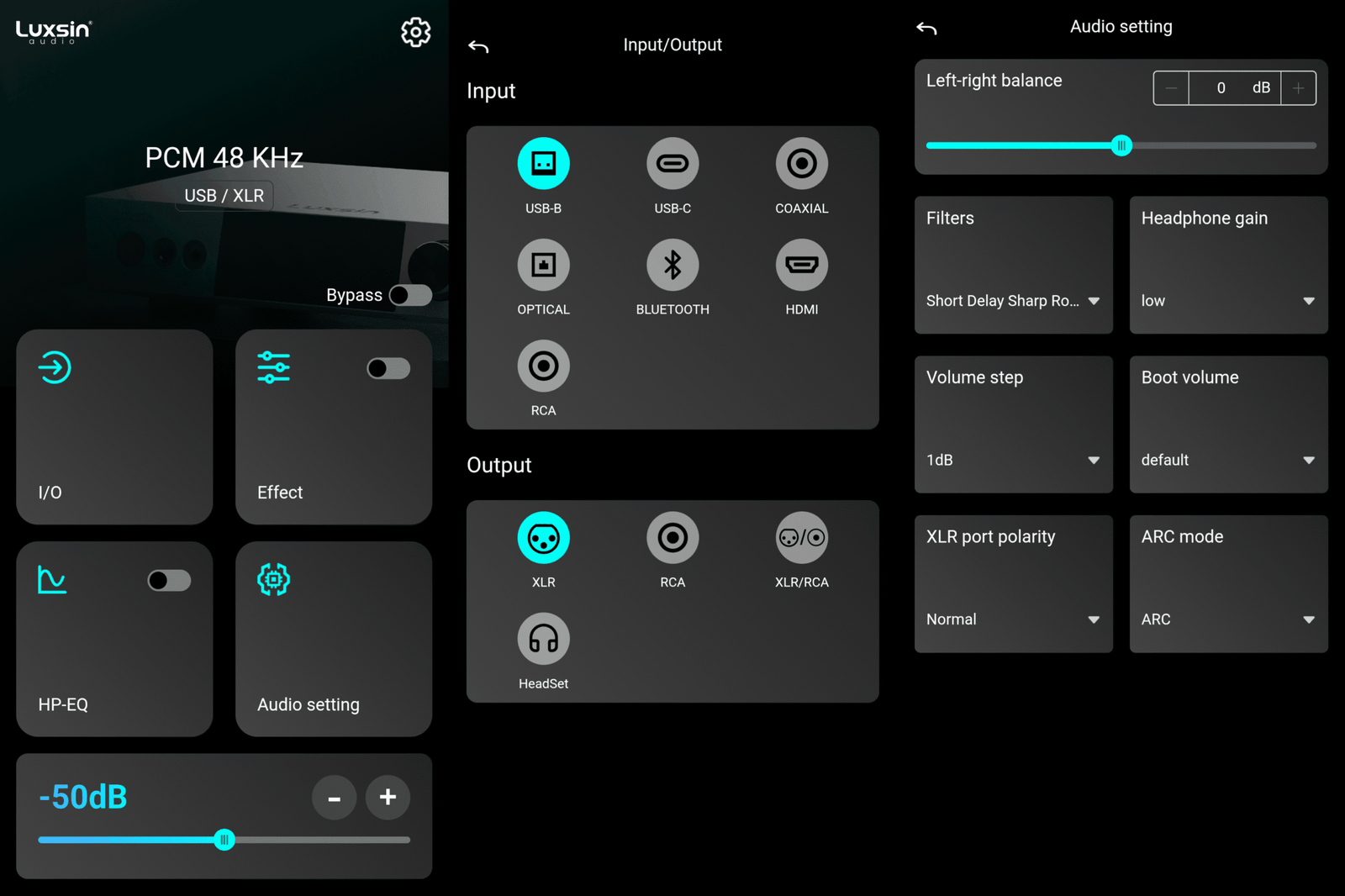
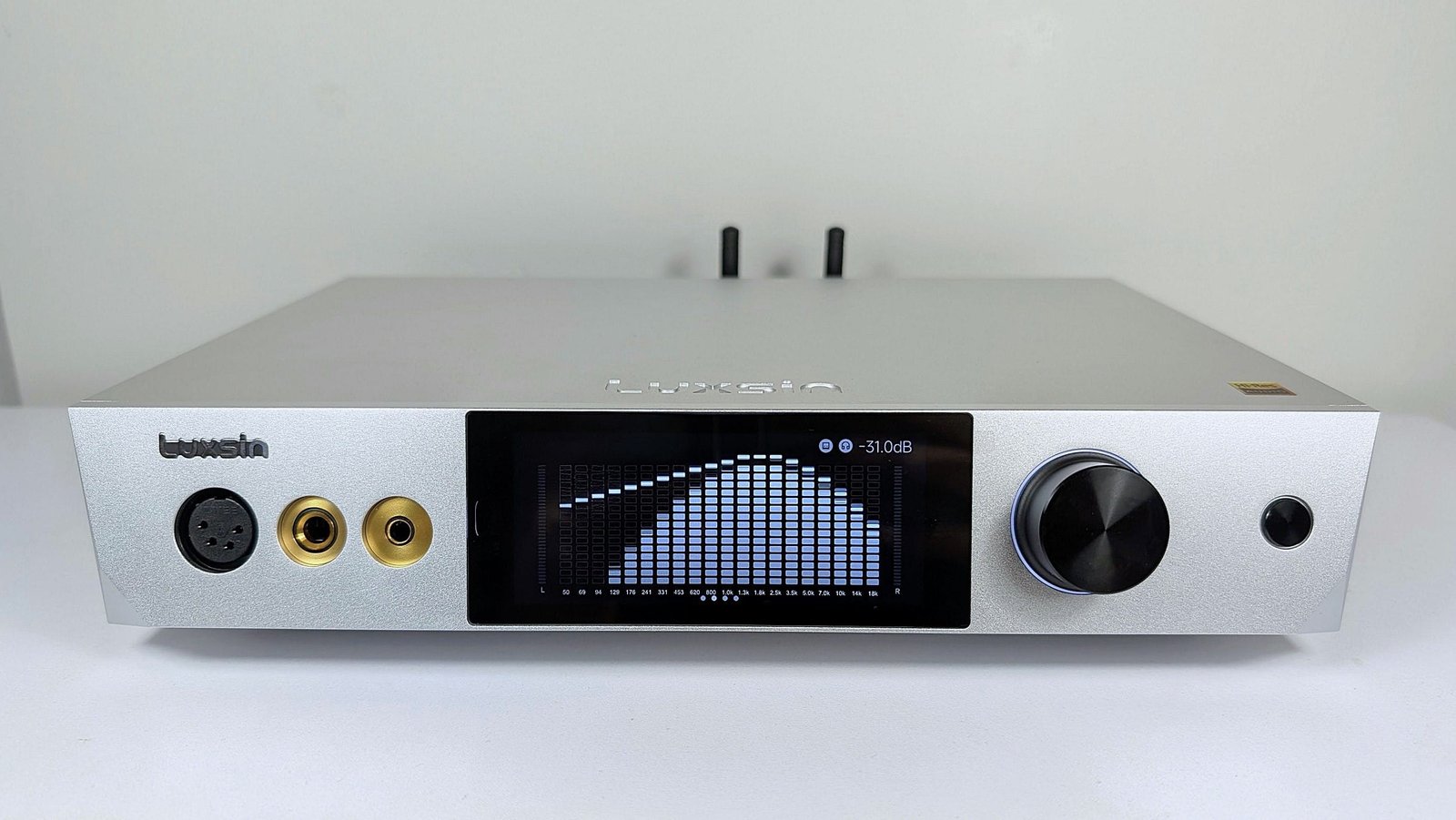
First of all, the X9 is an incredibly stylish and high-quality finished device, weighing a hefty 3.7 kilograms due to its robust aluminum casing. I visually like the 15-degree upward-tilted front panel, but the tilt also facilitates use. The shaped corners also make the device look a bit more interesting. My main attention during use, however, focuses on the four-inch touchscreen, which can display, for example, various digital VU meters or the frequency content of the audio signal in the form of bars (currently 12 different visualization options). For comparison, the small screen of my Topping Centaurus DAC looks downright sad next to the Luxsin X9, with its thick bezel. If a screen is intended to be visually impressive, it's best to be large and high-quality. If necessary, the X9's screen and the light ring around the potentiometer can also be dimmed, so the device does not create any light pollution, for example, when used in the evening.
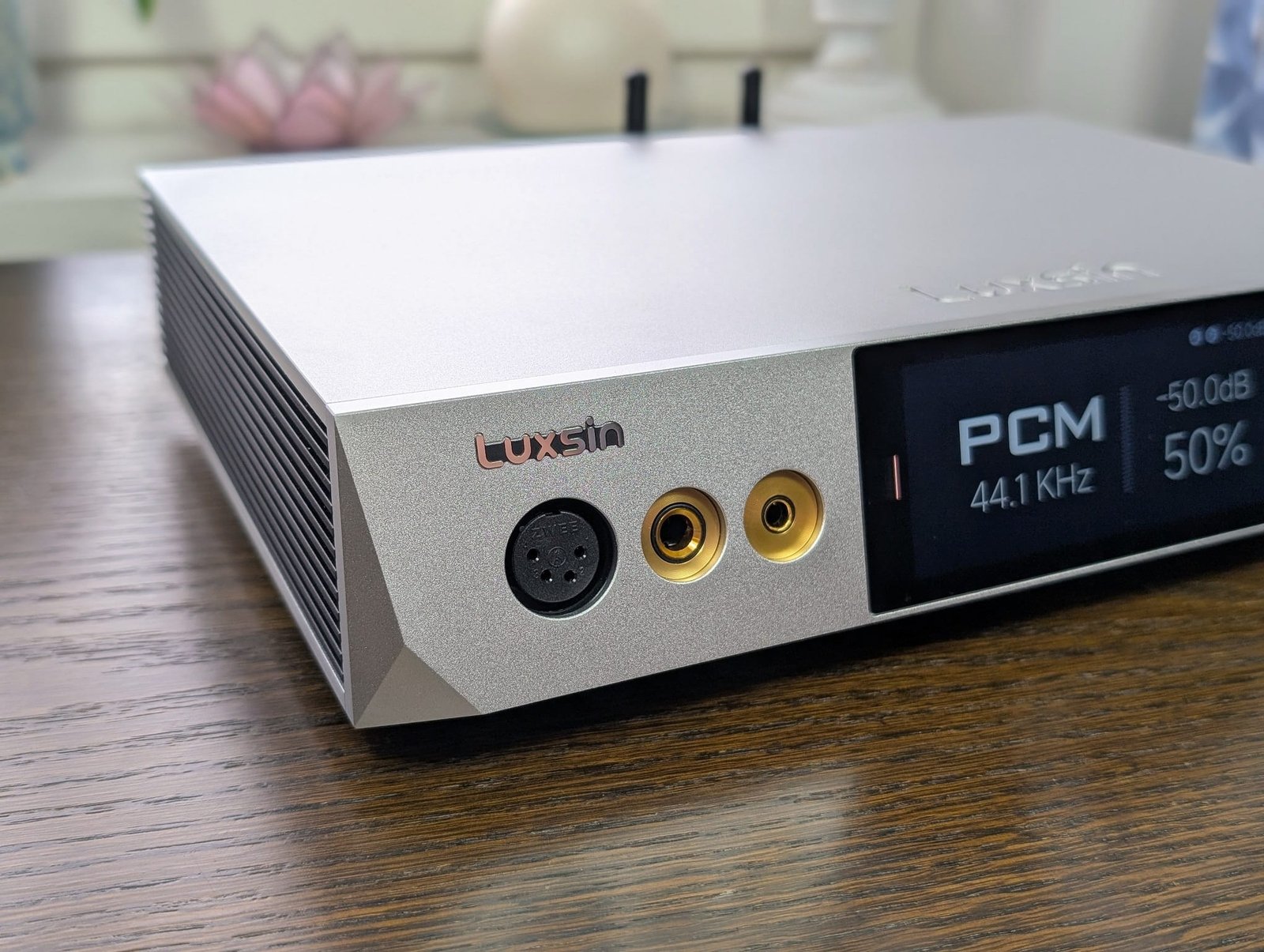
The device's primary purpose is clearly evident from the three headphone connectors on the front edge, of which the 4-pin XLR and 4.4 mm are balanced, and the 6.35-millimeter connector is, as expected, unbalanced. On the other side, there is a power/mute button and a large R2R-technology-based potentiometer, which clicks exceptionally satisfyingly when rotated. By default, the volume adjusts in one-decibel increments, but through the settings, the adjustment interval could be reduced to half a decibel or, alternatively, increased to, for example, 2 decibels. The channel balance is always perfect, and because the potentiometer does not serve as any kind of button, it feels more robust in hand than many similar devices. If the X9 happens to be out of reach, the volume can be adjusted with the included infrared remote control or the manufacturer's mobile application (Android and iOS). At this point, the device is already very versatile, but it truly proves to be so when moving to the rear connections.
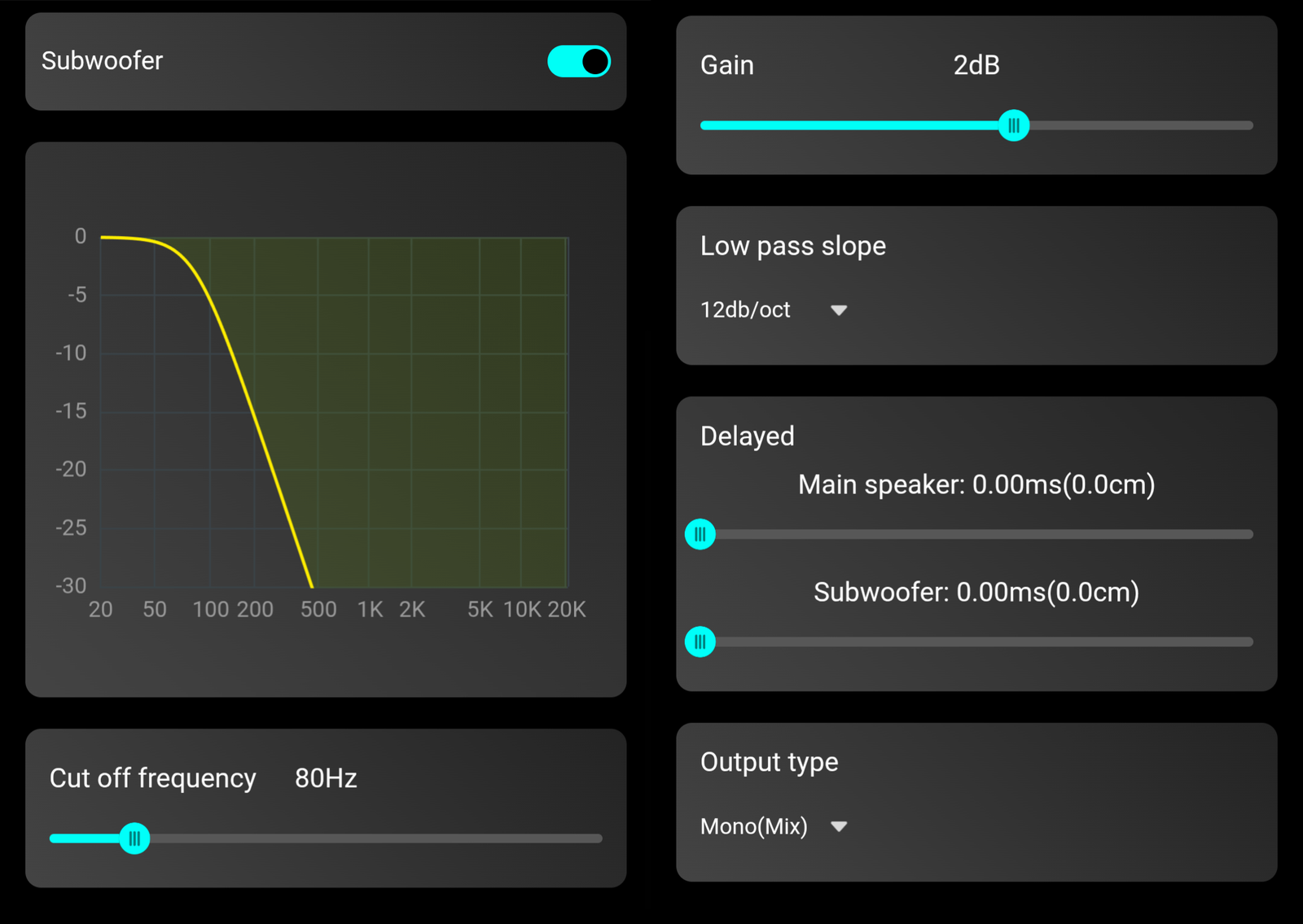
In addition to conventional digital inputs (USB-B, USB-C, Optical & Coaxial), Luxsin has also included an HDMI ARC/EARC connector, so a television, for example, can be easily connected to the device. For living room use, the device also features two subwoofer outputs, meaning it can be a full-fledged DAC and preamplifier for active speakers enhanced with subwoofers, especially since a versatilely adjustable crossover filter is hidden in the settings menu. Both the HDMI connector and the subwoofer outputs are rare features in this product category.
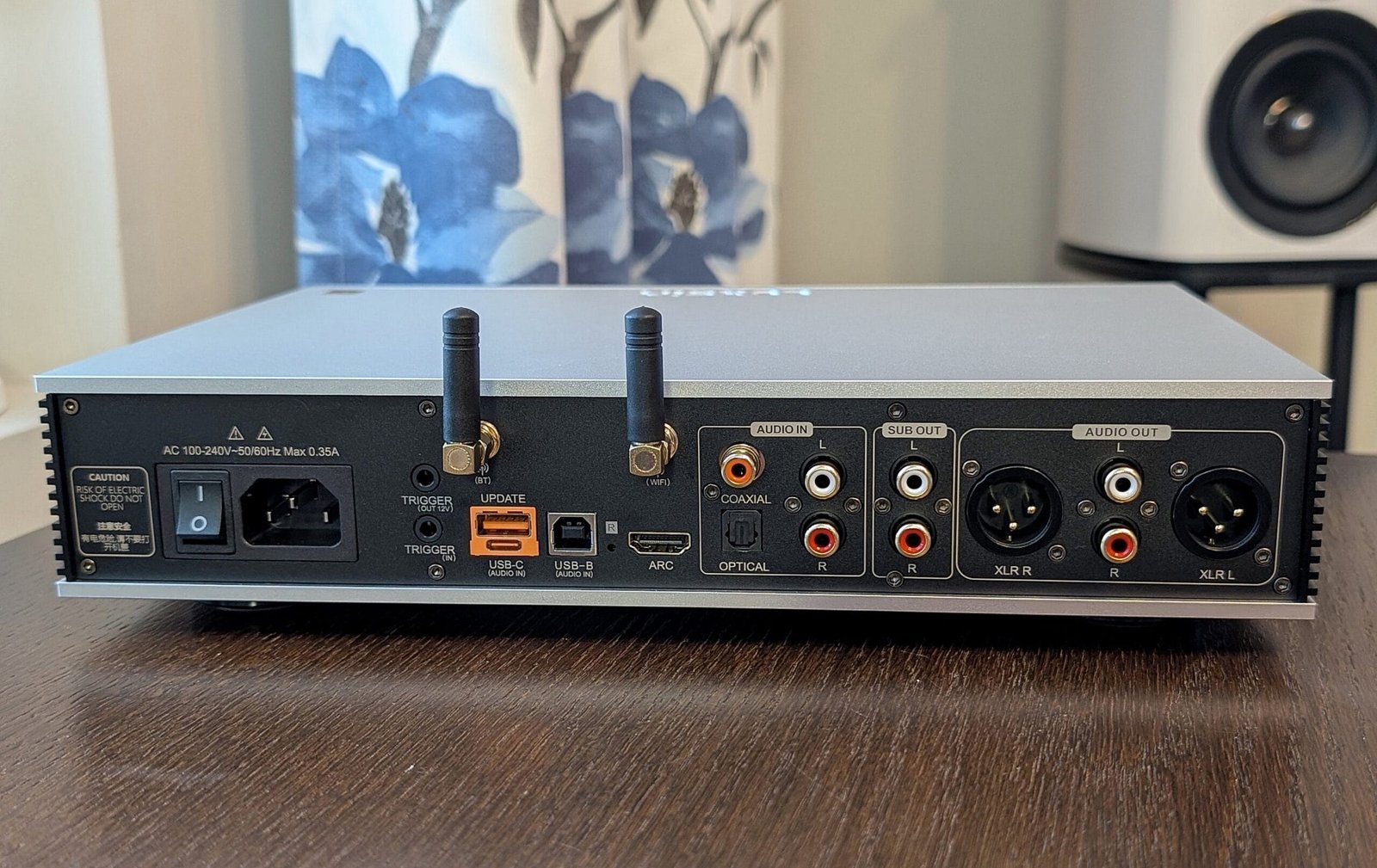
As analog connections, the Luxsin device includes RCA input connectors and XLR and RCA output connectors, in addition to which 12-volt trigger connectors facilitate integration with other devices. The USB-A connector found under the rubber plug at the back is only suitable for updating the firmware, meaning a USB stick containing the update file can be inserted into it. I updated the release firmware to the latest version exactly this way, although it could have also been done wirelessly. With it, the X9 also connects to its application and retrieves headphone frequency response data for its AutoEQ function. Unfortunately, the X9 does not include a network player, but a Bluetooth receiver can be utilized for wireless listening.
Innards
The device's D/A converter is built around the modern AKM AK4499EX & AK4191EQ chip combination, and as expected, it supports all possible sampling rates in both PCM and DSD environments. Various DAC filters are also available, as is customary. Additionally, the device features an AK7739-DSP chip as an audio processor, which handles digital signal processing in connection with various additional functions. This chip is also utilized in the automotive industry, from which Luxsin and Eversolo likewise draw inspiration for their devices' intuitive user interface. Using the X9 feels easy and smooth via both the touchscreen and the mobile application. With the remote control, however, the device can only be partially controlled, but that is sufficient during listening.
I consider Bluetooth 5.0 to be slightly outdated in terms of version level, but in addition to the AAC and SBC codecs announced by Luxsin, LDAC, AptX HD, and AptX are also supported. I personally almost never use a Bluetooth connection with desktop-sized devices, but I'm sure some do. In this case, the LDAC codec already produces really high-quality sound.
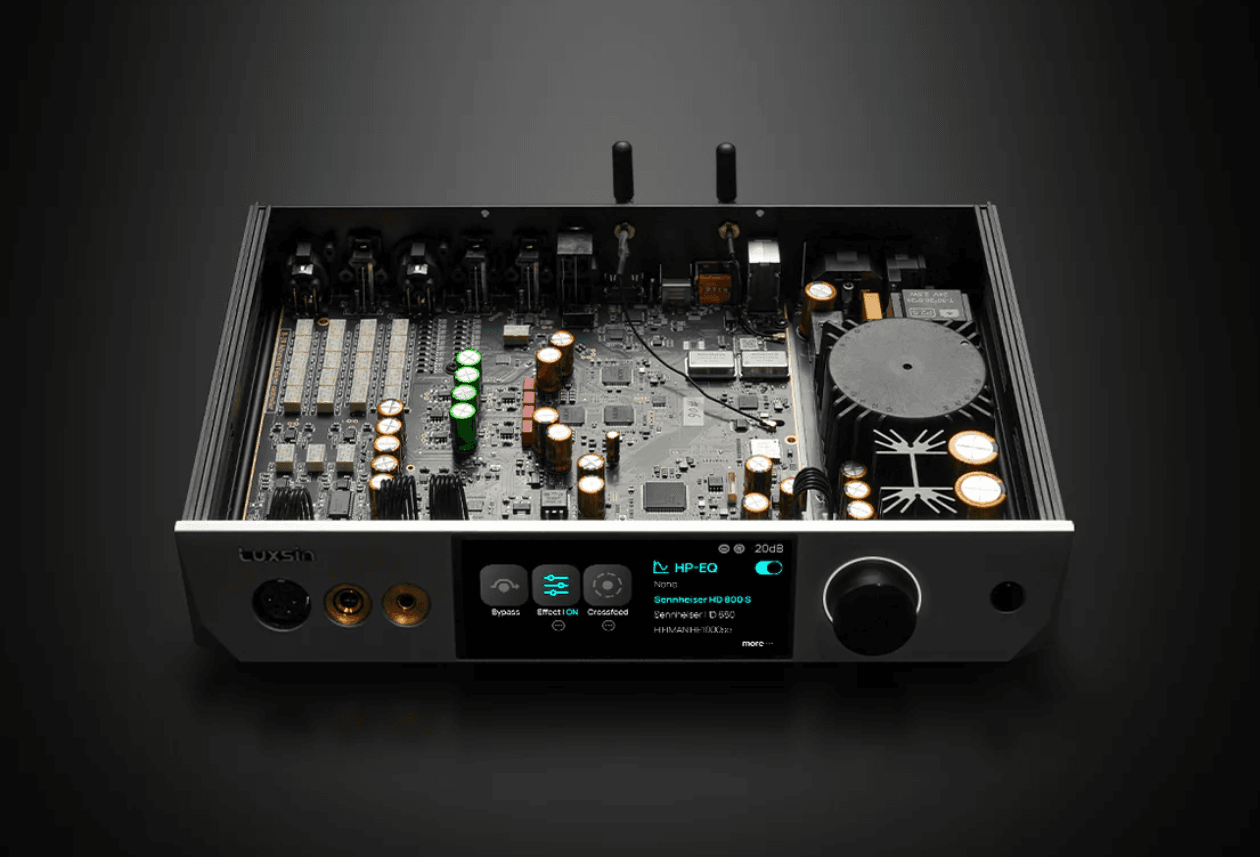
Headphone amplification in the X9 is handled by a Texas Instruments TPA6120A2 chip combined with OPA1612 operational amplifiers and negative feedback (Dynamic Negative Feedback), meaning the implementation does not involve greater exoticism compared to discrete component amplifiers that have become common again today. The promised output power varies between headphone connectors, being 3 watts balanced at a 32-ohm load and approximately 0.9 watts at a 300-ohm load. In contrast, for the 6.35 millimeter connector, a more moderate output power of 1.7 watts and 0.2 watts is mentioned for corresponding impedance readings. Interestingly, at a 16-ohm load, the power figures are very close to each other (2.65 vs 2.1 W). Critically evaluated, the headphone amplifier is not very powerful by today's standards, as the same amount of output power is available from devices that cost only a quarter of the X9. On the other hand, 99 percent of the time, the power should easily be sufficient for headphones, especially via balanced connections, so any extra reserve would primarily serve as a theoretical competitive advantage against other manufacturers.
Luxsin does not specify the output impedance of the headphone amplifier, but based on the frequency response behavior of the headphones, it appears to be close to zero. The device's 4.4 and 6.35 millimeter headphone connectors (not supported on the XLR connector) can detect the impedance of the headphones, based on which a suitable gain level is automatically selected from three options: Low-Medium-High. As a user-friendly feature, the X9 also remembers the selected volume level for each gain setting, which can be, for example, -40 dB at low gain and -50 dB at high gain. The volume of the headphone outputs (all together) and other analog output connections is also managed separately, as it should be in a device of this price and a good preamplifier. Thus, switching from speaker listening to headphone listening (or vice versa) is seamless without fear of the volume being too high.
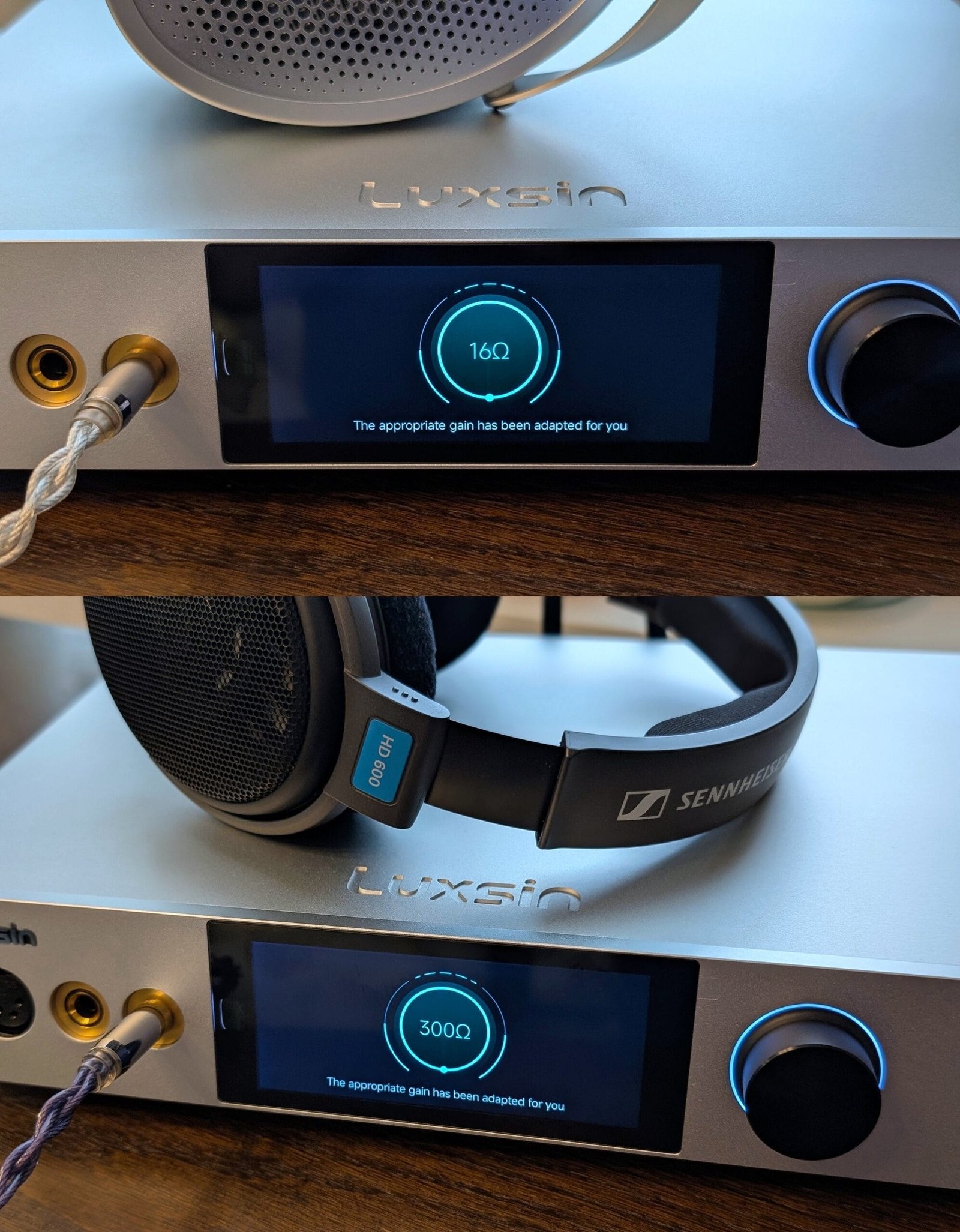
According to Luxsin's logic, headphones with low impedance (16–50 ohm) are set to play in low-gain mode, while for example, for 300-ohm Sennheiser HD 600: the highest gain setting is assigned. However, impedance is a rather poor indicator of headphone sensitivity, which the gain level selection should preferably be based on. For example, many low-impedance planar headphones are insensitive, so they would benefit from a higher gain level. Conversely, 300-ohm headphones, such as Sennheisers and ZMFs, are often sensitive, so a lower gain level would suffice for them. In practice, however, the difference in volume between the three gain levels remains small, so there is always sufficient adjustment range in both directions. Thus, automatic impedance detection even feels a bit like unnecessary tinkering, but it can certainly be utilized for managing volume on a per-headphone model basis if you have headphones with sufficiently different impedances on your shelf. Unfortunately, the gain level can only be changed manually deep within the menus, as the X9 lacks a physical gain selector.
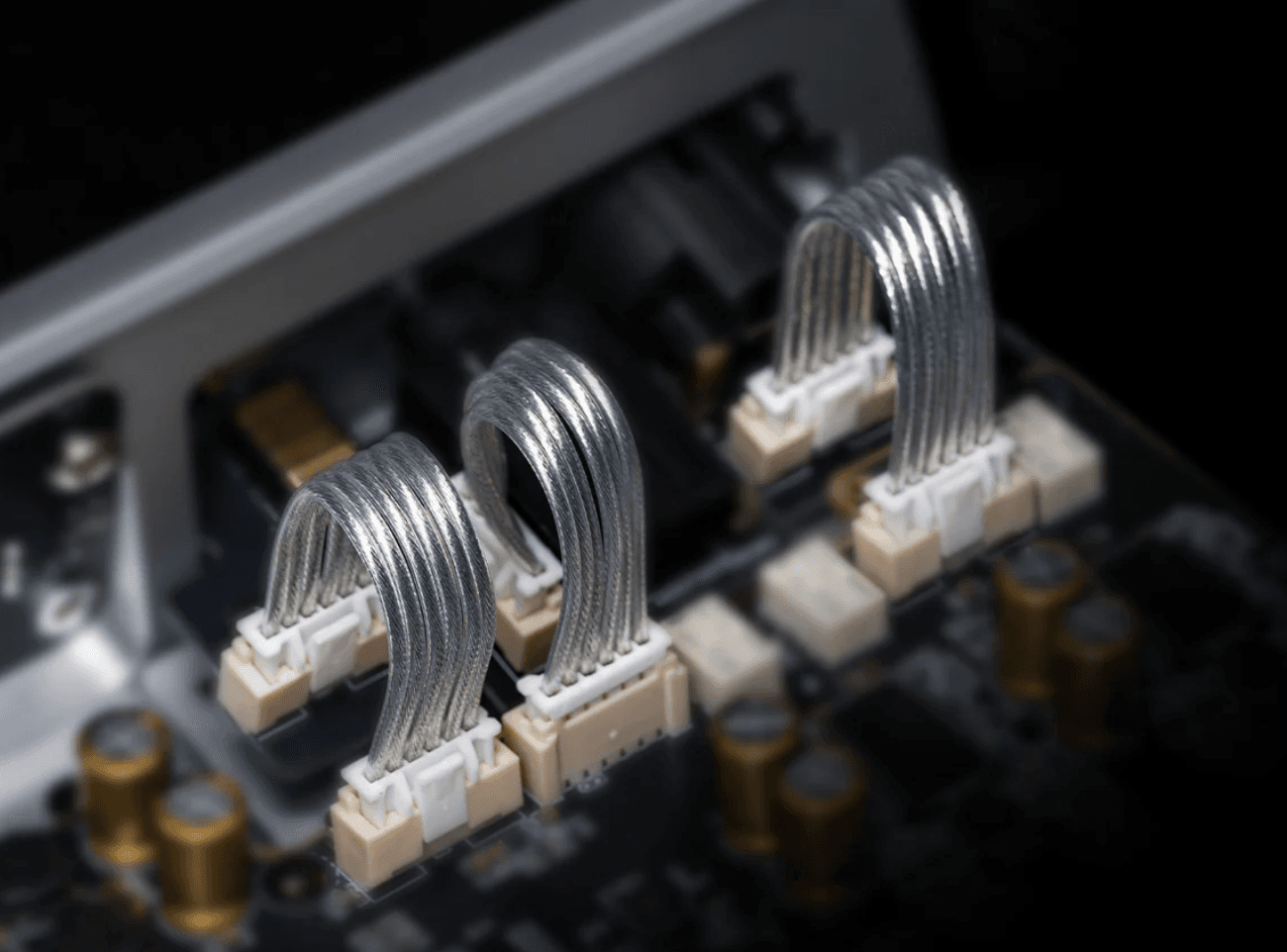
In addition to a high-quality linear power supply, Luxsin mentions having selected only audiophile-grade components for its device, and even the internal wiring is done with OCC silver-plated cables. Even if not every solution significantly affects the resulting sound quality, at least the X9 manages to appear excellently high-quality both externally and internally. The device heats up considerably during prolonged use, but not to a burning hot degree. The ventilation openings on both sides certainly help.
Versatile and smart additional features
One of the primary reasons for purchasing the X9 would be its versatile additional features or, more precisely, sound adjustments, which can be utilized not only through the device's own headphone amplifier but also through other analog output connections. In my opinion, the X9 resembles a device designed for mobile use, Qudelix 5K: and not least because of its update support. Luxsin has already fixed several bugs with firmware updates, clarified various functions, and even added entirely new features. Therefore, nothing prevents all sorts of new things from being added to the X9 in the future, as Luxsin's application team seems to know its stuff.
HP-EQ
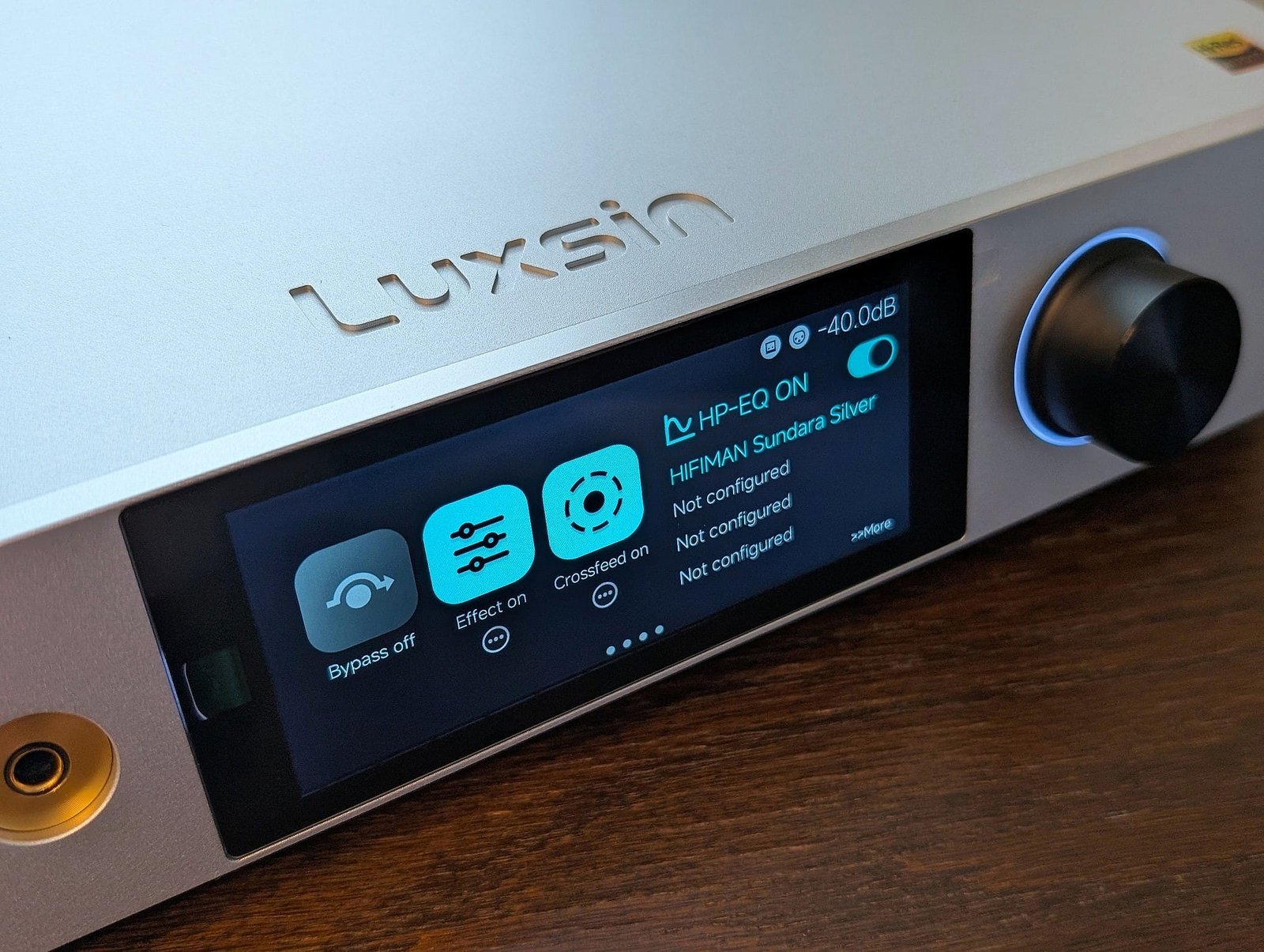
First, the device includes a 10-channel parametric equalizer with an HP-EQ function, which in principle corresponds to the AutoEQ tool. developed by Jaakko Pasanen. As input, you select your headphone model and desired target curve (e.g., Harman 2018) from a list, after which the software automatically calculates the frequency equalization it deems suitable. Equalization couldn't be easier, especially since Luxsin's database currently contains information on over 2500 headphone models or their different versions (e.g., different ear pads). It should be noted, of course, that the X9 requires a wireless network connection to access the database containing headphone frequency responses. Similarly, when using the mobile application, the device must be connected to the same wireless network as, for example, a phone, although alternatively, the application can also be used on a computer by entering the appropriate IP address into the browser's address bar.
Although HP-EQ can seem like a goldmine and make certain headphones even better with a couple of button presses, this type of equalization also has clear weaknesses. Luxsin has not measured the frequency responses of the headphone models in its database itself; instead, most of the data has been copied from the AutoEQ database. Thus, the list also contains many of my own measurements, including, for example, Valco and Kaiku headphones.
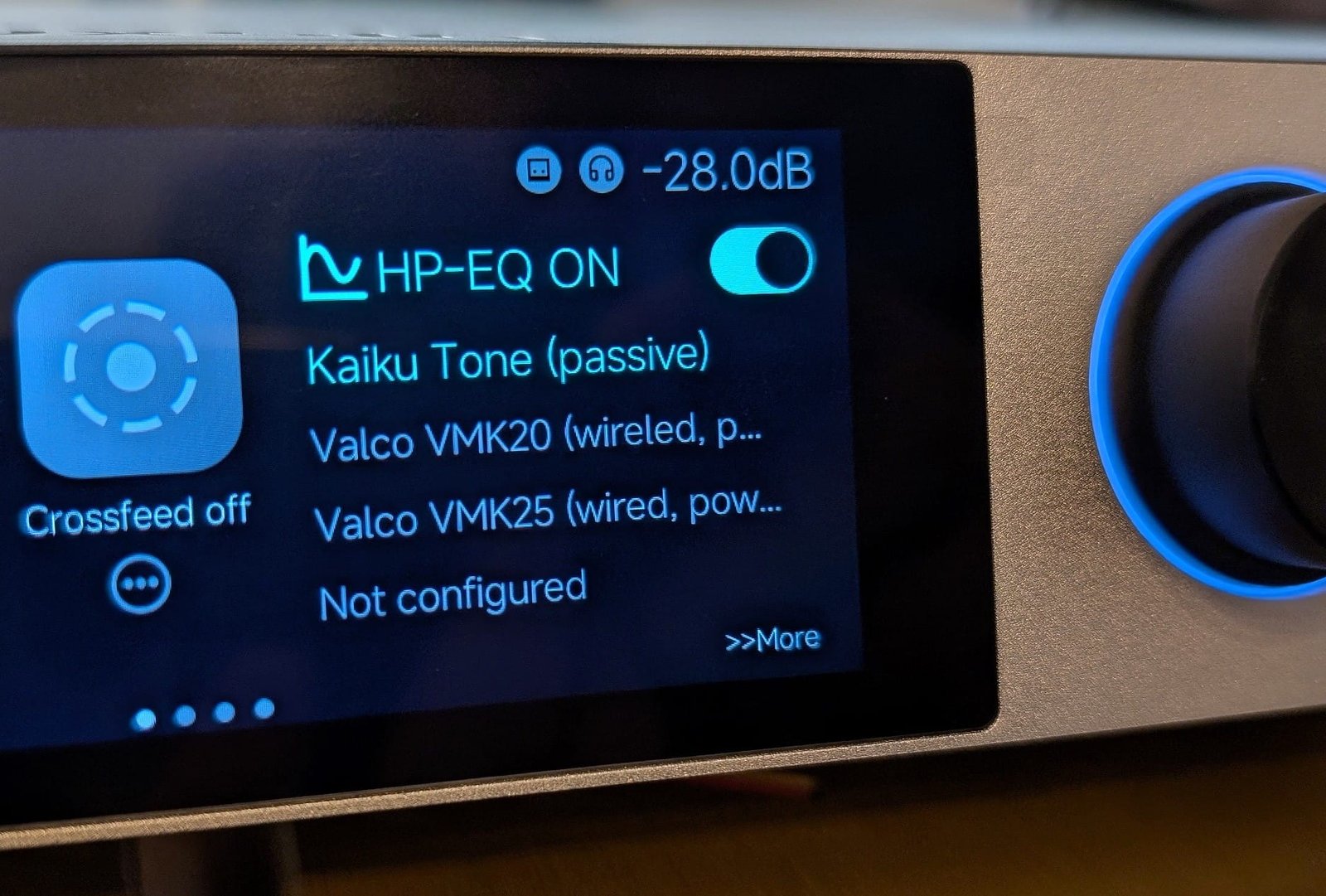
Although I don't like the commercial exploitation of my data (technically permissible according to AutoEQ's terms), I find it more problematic that Luxsin has not in any way verified the accuracy of the underlying data. It also does not take into account what equipment was used for the frequency response measurements, so choosing a suitable target curve is a bit of a gamble. Consequently, automatic equalization may go badly wrong in some cases and be over-the-top, especially for high frequencies. The final result is only truly confirmed by listening to and evaluating the headphones with one's own ears. In my experience, treble should not be equalized automatically in this way, but rather by ear, taking into account the personal HRTF (head-related transfer function).
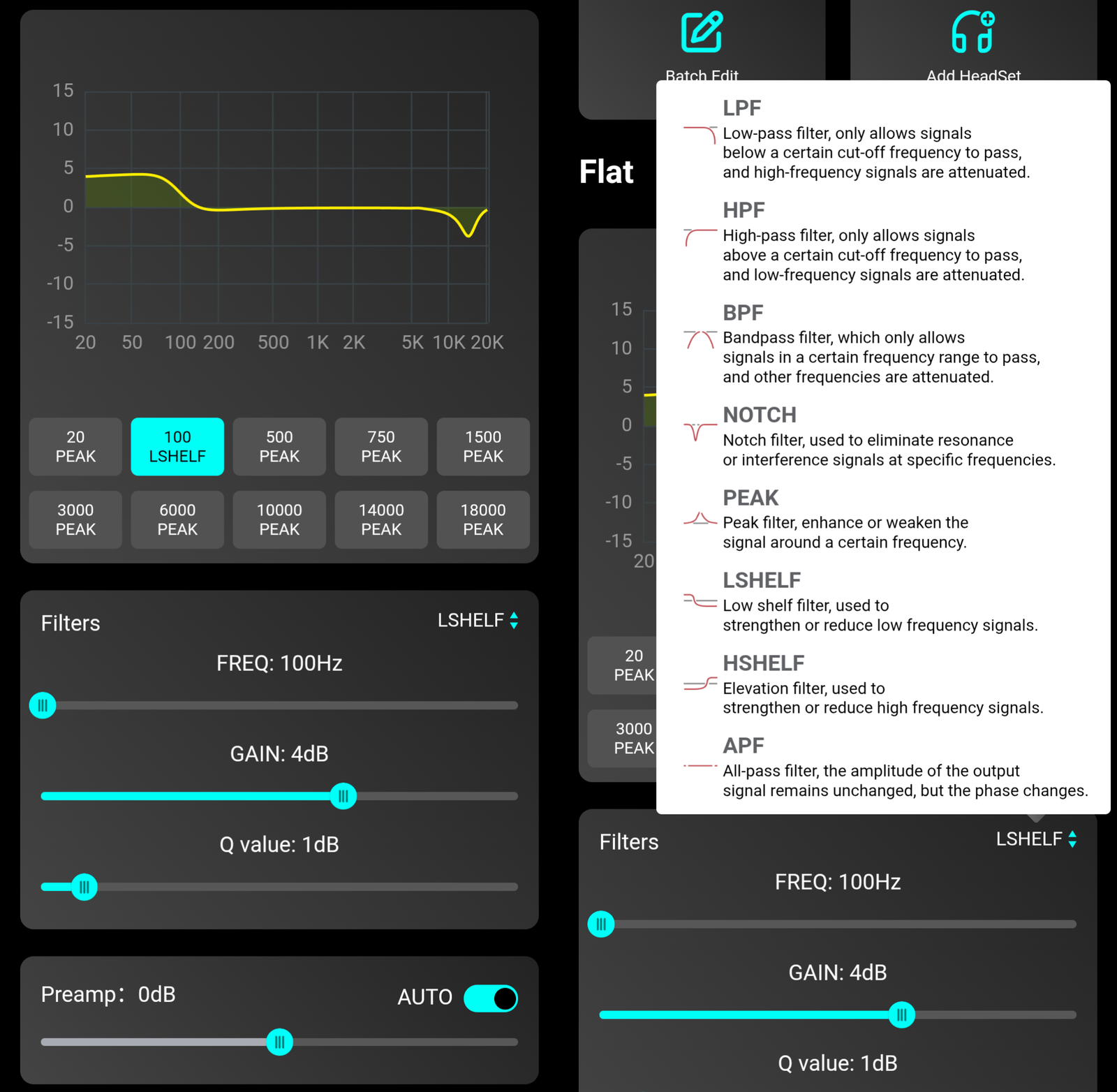
Based on my experiments, the automatic correction generated by the X9 almost invariably requires manual fine-tuning via the application (not possible from the device's screen). Alternatively, a more skilled user can also start equalizing from scratch by adding filters to their desired frequencies. In this case, the software can automatically calculate a suitable Preamp setting if needed.
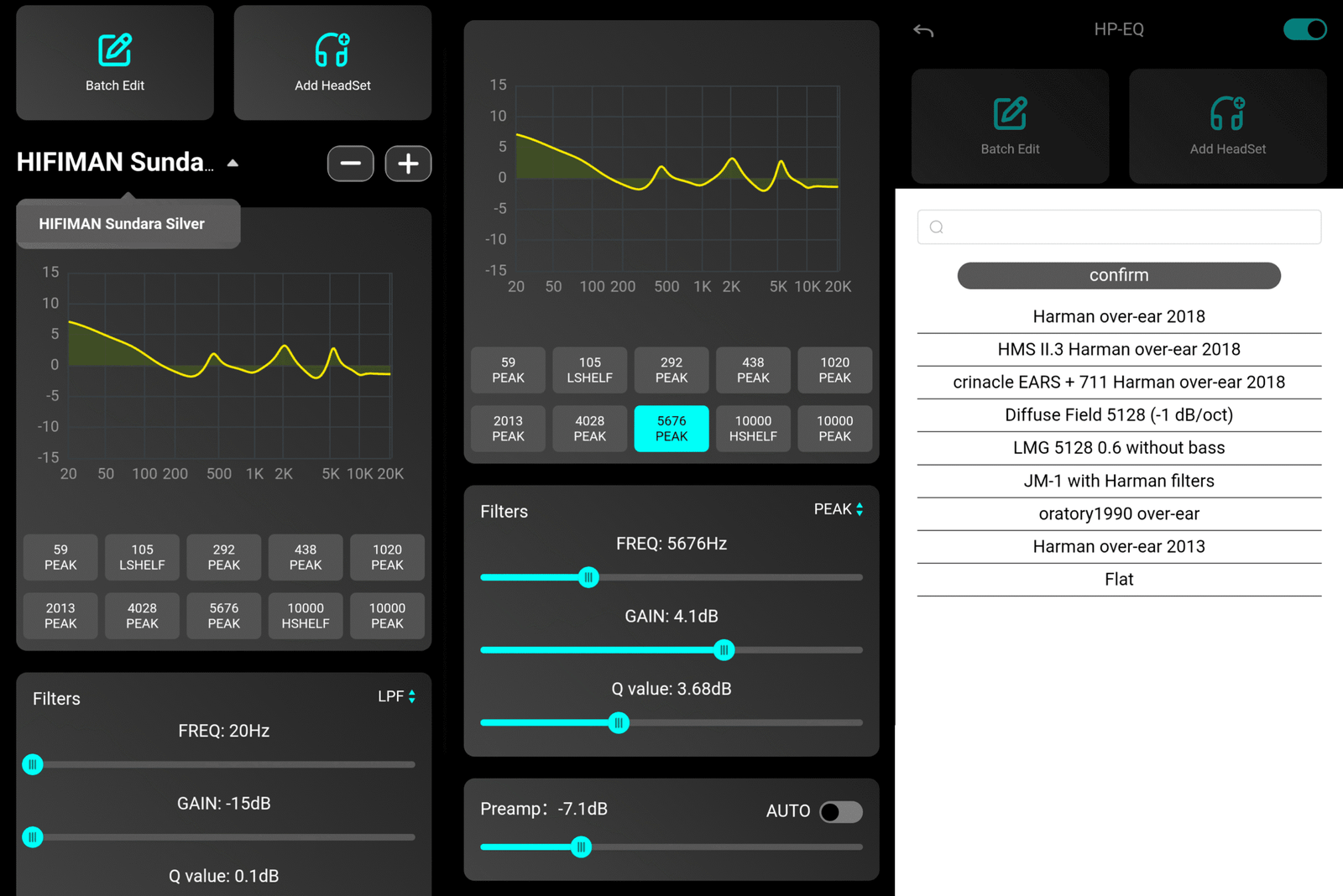
A parametric equalizer itself is no longer a completely new thing in this product category, as one can be found, for example, in many Topping devices, such as the 300-euro DX5 II. However, in terms of usability, Topping Tune (at least in a Windows environment) clearly loses to Luxsin's software, in my opinion. Topping's PC application also sometimes forgets my saved headphone-specific profiles, so I don't really trust it much or want to use it regularly with my Centaurus DAC. In the X9's application, on the other hand, things work, so I cannot emphasize enough how important software functionality is from the perspective of a smooth user experience. I believe this is one reason why Eversolo's products have also become popular.
Tone Control, Sound Style & Loudness
The X9 also includes more traditional level controls for bass (20–600 Hz), mid-frequencies (150–8500 Hz), and treble (2000–18000 Hz), which are likely most beneficial, for example, with active speakers. The adjustment range for these controls is 100 steps up and down, as the maximum value is 10 and adjustments occur in tenths. Each of the controls affects a very wide frequency range and, moreover, non-linearly. For example, a +1 setting translates into a one-decibel change, while +10 already changes certain frequencies by as much as 17 decibels. Perhaps there would still be some minor fine-tuning needed here.
”The ”Style" menu, on the other hand, contains a long list of various sound profiles, which are intended to suit a specific music genre (e.g., rock or classical) or a certain listening mood (e.g., soft, full bass, or party). Unfortunately, from the perspective of frequency response changes, there is no proper logic in the settings; instead, each of them sounds more or less unnatural. As a word of warning, I recommend avoiding the Full Treble profile, as my ears are still bleeding slightly from it. Of course, if the headphones or speakers did not reproduce much treble, or if the user's hearing was impaired in that regard, this profile could correct the situation.
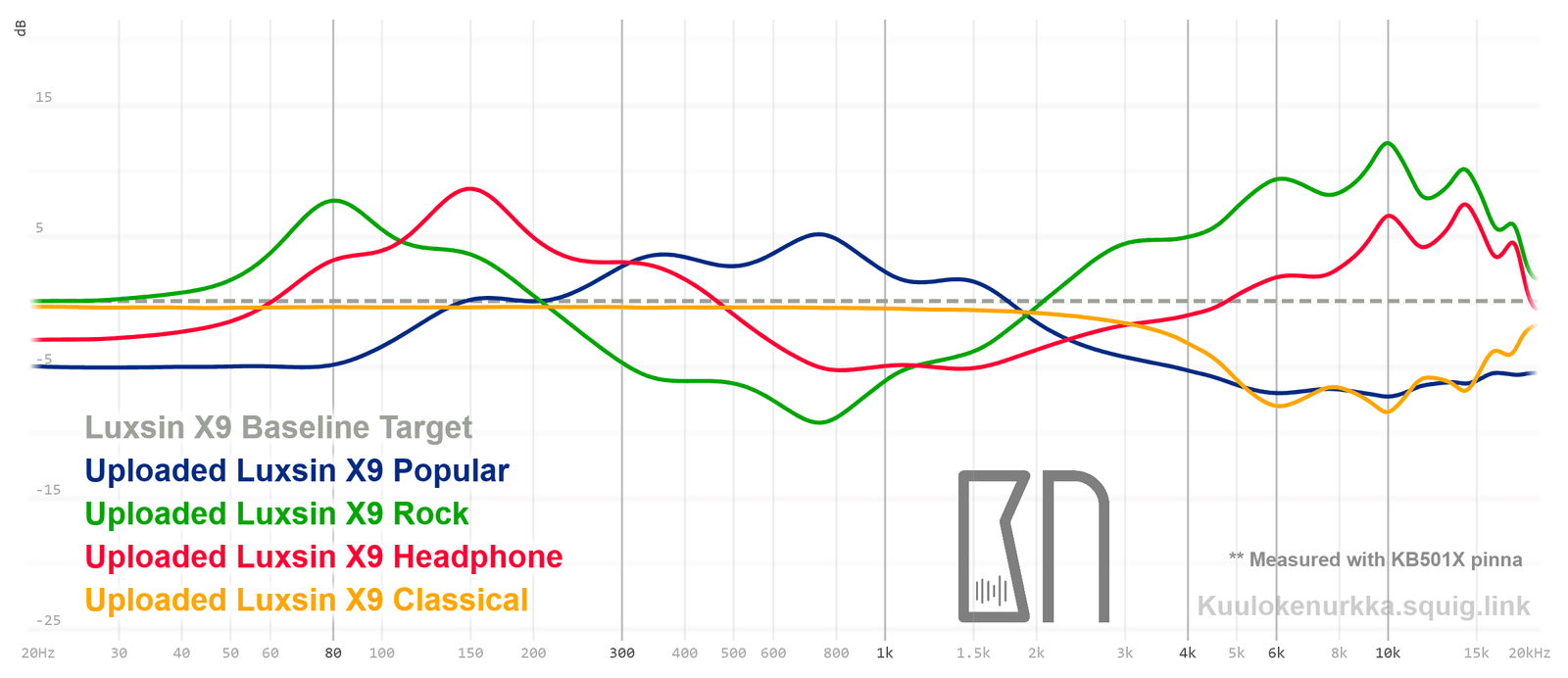
The X9 did not originally include a Loudness mode, but Luxsin added one as a bonus with a firmware update. Many are probably already familiar with boosting bass and treble for listening at low volumes. The Loudness mode enables exactly this, and its intensity can be adjusted in the X9 according to one's own taste.
Crossfeed & Stereo Width
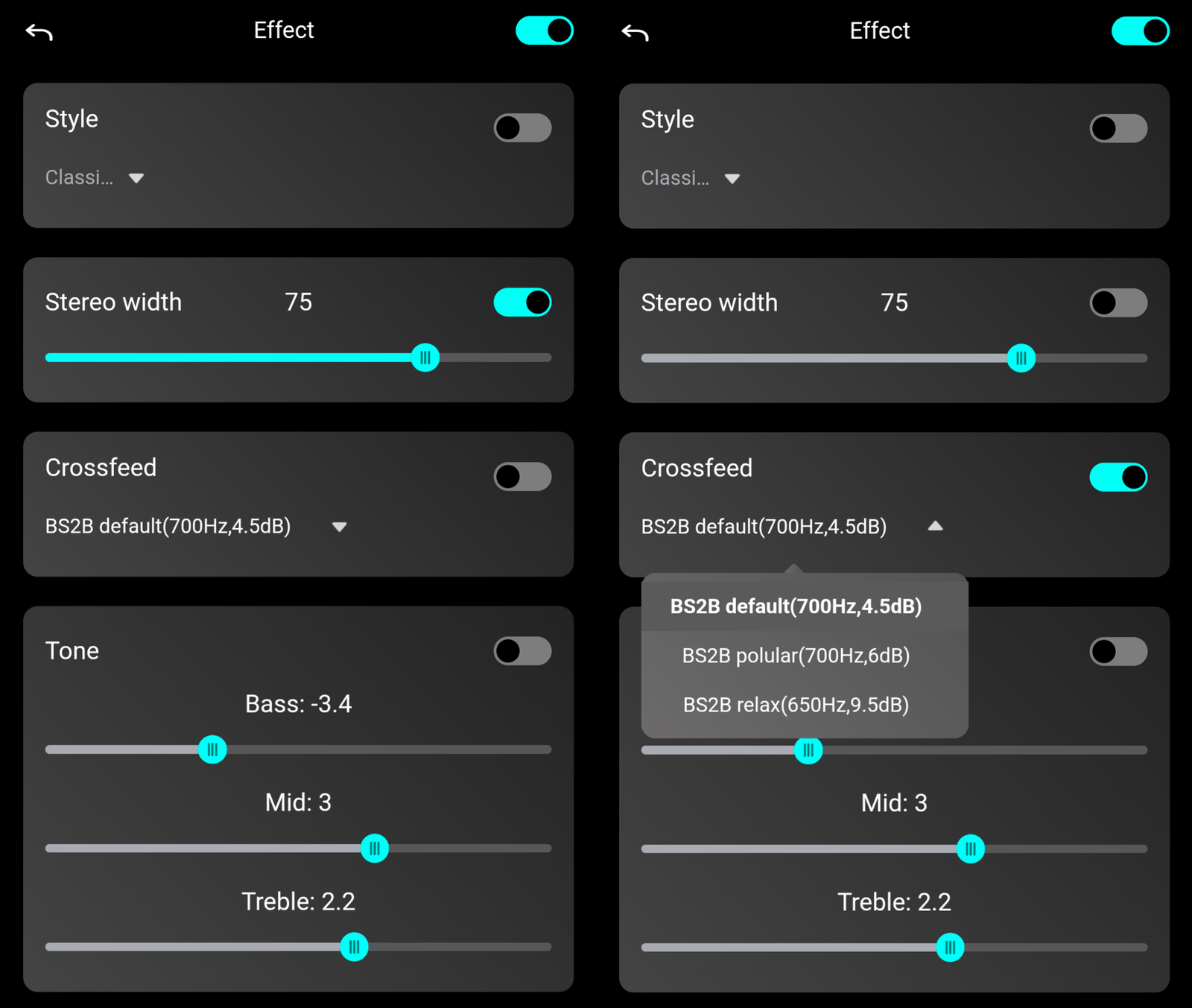
For me, the most interesting features from the perspective of headphone listening are the X9's crossfeed function and the stereo soundstage width adjustment. The former mixes the right and left channels together with appropriate timing, causing the headphone soundstage to shift slightly forward and resemble speakers more. At its best, this counteracts the impression that the sound is playing inside one's head. The greatest benefit with crossfeed is still achieved when listening to music that was originally produced purely for speaker listening. In such cases, sound might be heard alternately only from the right or left side, which sounds really unpleasant with headphones without crossfeed. The X9's crossfeed works, in my opinion, more sensibly than usual, because it adjusts the soundstage as promised without significantly altering the headphones' frequency balance. Additionally, there are three different settings available: Default, Popular, and Relax.
I have not been able to adjust the width/expanse of the stereo soundstage with any other device so far. In the X9, this feature monitors the similarities and differences in the audio signal between the right and left channels. Frequencies common to both channels and played simultaneously are kept unchanged, while differing frequencies are amplified, making them seem to come increasingly from the left or right. In my opinion, this quite successfully stretches the soundstage sideways, although the slider should not be pulled all the way to the maximum. If crossfeed is also activated at the same time, the headphone soundstage can be completely transformed in terms of both width and depth. The result may not always sound completely natural, but at its best, this improves the listening experience or at least brings variety to life. For example, with Dan Clark Audio's E3 headphones I feel the sound becoming more lively and grander in volume.
Observations on sound quality
This brings us to the device's sound quality with default settings. In my view, a buyer of a more expensive all-in-one device like the X9 acquires it precisely as an all-in-one solution for headphones or as a smart DAC and preamplifier for speakers. I do not, however, believe that many would use the device solely as a headphone amplifier with another DAC, which would certainly be possible with the analog RCA inputs. When evaluating sound quality, however, I have emphasized combined use with headphones the most from the perspective of Kuulokenurkka's target audience, meaning my observations focus on how my headphones sound through the X9's DAC and headphone amplifier. I, in turn, tested the DAC alone a bit more quickly with a separate headphone amplifier.
To begin with, it should be mentioned that even when using the most sensitive in-ear monitors, no background noise is heard from the X9; instead, the music's background is pleasantly dark. For example, Audio Science Review based on measurements performed by the website, the device is well-designed from an electrical engineering perspective. Although the X9's headphone amplifier is not the most powerful, it barely manages even Hifiman HE-6as long as the audio source's gain level is high, like with the Tidal streaming service, for example. With quieter recordings, the X9 would probably need to be turned up to full in High-gain mode. Planars like the Dan Clark Audio E3, for instance, as well as 300-ohm ZMFs, on the other hand, play more easily with the X9, including all kinds of ”basic headphones”.
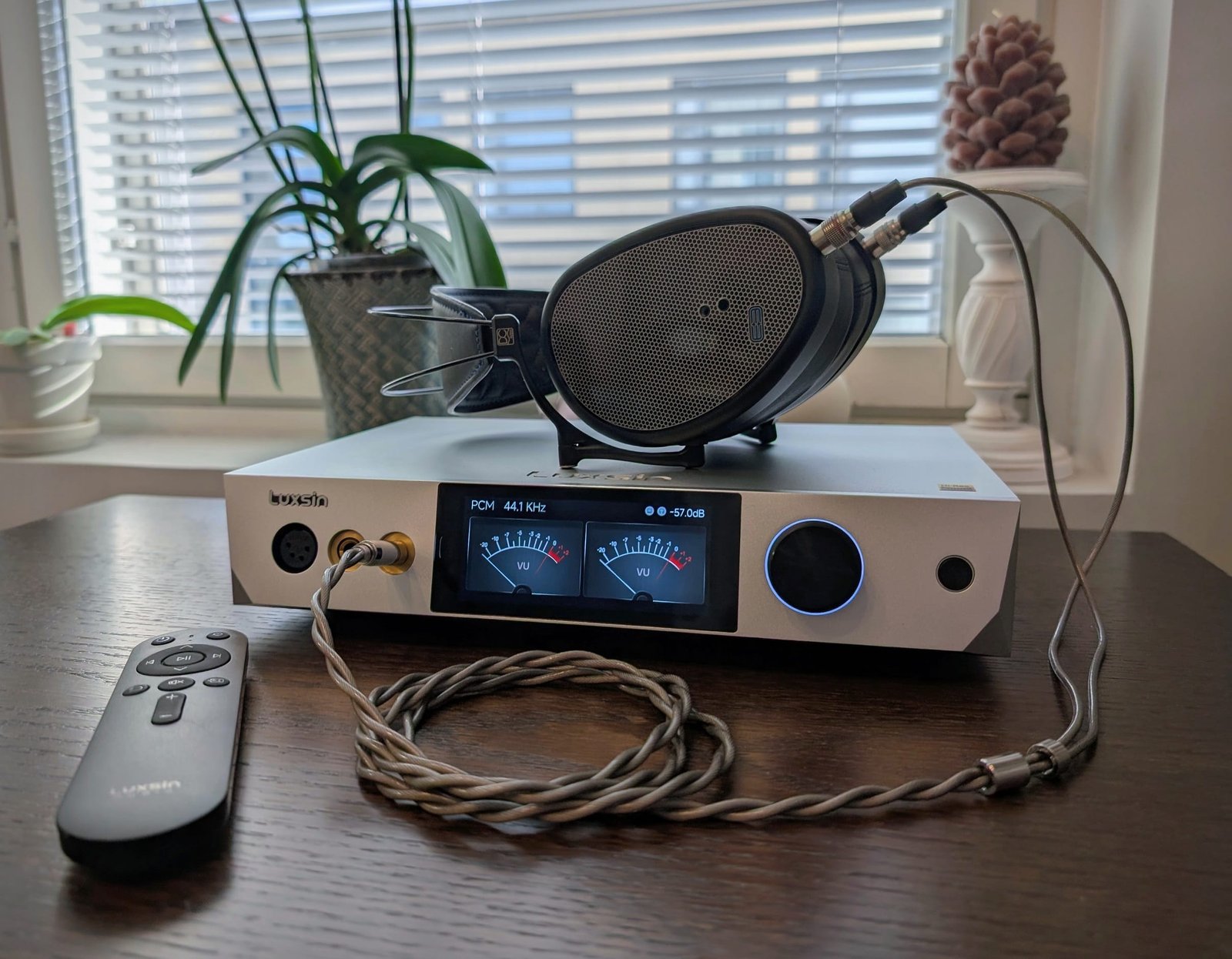
When using the device, it's worth noting the Bypass mode, which, as its name suggests, bypasses all sound-modifying DSP functions. Even if no sound adjustments were activated, the X9 sounds slightly different to my ears with Bypass mode on and off. In Bypass mode, the sound is the clearest and most transparent, as transients are reproduced sharply and the soundstage feels truly dark in its background. Without Bypass mode, the sound signature, in turn, becomes slightly fuller and more relaxed at the expense of clarity. For example, with speech and vocals, in the former case, I get a slightly airier and thinner feeling, whereas with Bypass mode off, the sound gains more warmth and texture. In longer use, such a small nuance difference would likely lose its significance or even be forgotten, but it can also be utilized as a fine-tuning option for sound quality.
DAC + headphone amplifier = clear sound balanced
Luxsin does not state what the X9 should sound like, but from such a modern device, one can generally expect a fairly neutral, clean, and uncolored reproduction. This is largely how the X9 sounds, which creates a good starting point for all kinds of additional settings and sound adjustments. On the other hand, when using balanced headphone connectors, I perceive the treble as quite prominent in the overall presentation, so one definition for its presentation could be ”neutral-bright.” Depending on the habits and starting points of each person evaluating the device, some might not notice the slight added brightness at all, while others might find the X9's treble quite attention-seeking. The experience is also influenced by the headphones used and the music listened to.
With naturally bright-sounding planar headphones, I personally do not find the X9 to be the most pleasant-sounding, as it makes, for example, Hifiman Sundara Silver and Fiio FT7's treble sound noticeably hissy, if not even sharp. Existing irregularities are, in a way, amplified further. For example, drum cymbals are somewhat raw, and vocal performances are thin in style, as the device draws attention to breathing sounds and sometimes also sibilance. While I don't find the reproduction irritatingly harsh by any means, it could be more natural. For example, what I consider excellently balanced Dan Clark Audio E3 or known for its neutral sound Sennheiser HD 600 do not generally sound as bright as with the X9. As a neutral, albeit clearly more affordable, reference device, the one I use SMSL DL200 produces a more balanced listening experience. Also, the Topping Centaurus &, which is more expensive than the X9, Gold Note HP-10 set reproduces the treble more relaxed without compromising its detail.
On the other hand, the X9's brightness can also be beneficial with other types of headphones, as, for example, one that is slightly dark in treble ZMF Atrium changes with the X9 to sound more neutral. Likewise, Hifiman's relaxed-sounding new headphone, the Edition XV, sounds really good with the Luxsin device, so with it, I wouldn't even suspect ”added treble”. If the headphones' frequency response is relatively flat in the upper frequencies anyway, the X9 doesn't manage to make the sound so bright that one wouldn't likely get used to the presentation quite quickly. I don't really want to exaggerate this into any kind of problem, but rather mainly highlight what might be expected from the Luxsin device if experiences match my own.
At this point, I also remind that my observations only concern balanced headphone connections without touching any sound settings. If the bright treble tone is bothersome, it could be eliminated, for example, with a small equalizer adjustment or by utilizing a level control. Also, switching off Bypass mode already relaxes the sound slightly.
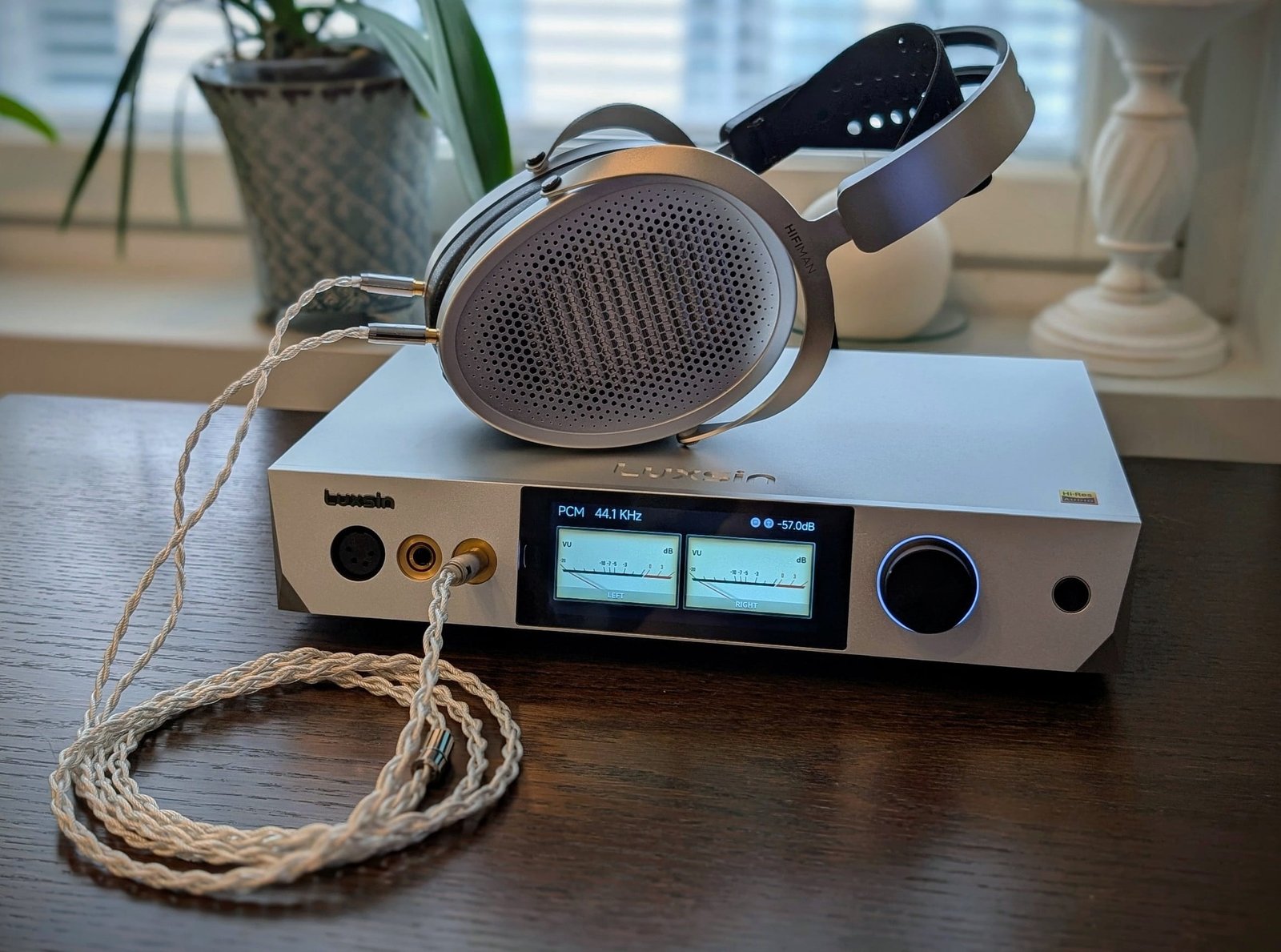
Otherwise, the X9's presentation is very neutral, albeit with an energetic nuance due to everything I described above. The device has clear strengths compared to the more affordable DL200, as when connecting headphones to the Luxsin, the music literally opens up around me thanks to a soundstage that feels spacious and transparent. In the DL200, the soundstage remains hazier, and there doesn't seem to be as much empty space around individual sounds or instruments. On the other hand, Gold Note's HP-10 takes things even further by adding depth to the soundstage and reproducing the movements of sounds as if more physically. Through its balanced connections, the X9 sounds to me above all precise and in a certain way lightly fresh, even though at the same time it reproduces bass slightly more robustly than the DL200.
More relaxed sound from the 6.35 millimeter connector
My subheading directly tells how I experience the sound changing when using the 6.35 millimeter headphone output. I didn't really expect it to differ in any way from the balanced connections, so the matter almost went untested. To my surprise, however, I like the X9 the most this way, if I have, for example, Dan Clark Audio E3, Fiio FT7, Sennheiser HD 600, ZMF Bokeh Open, Focal Hadenys or Aune Audio AR5000.
The sound is not as precise, accurate, or transparent as from the balanced connections, but the upper frequencies are reproduced more calmly and are less in-your-face. Thanks to this, I find myself able to choose more easily which aspect of the music I focus on during listening. More relaxed upper frequencies also mean slightly more robust lower frequencies and more natural vocal performances, so the reproduction draws me in better, and I no longer notice the device's presence in the same way. Used this way, the X9 is stylistically closer to the SMSL DL200 and the Topping Centaurus & Gold Note HP-10 combination I mentioned. On the other hand, all kinds of effect sounds no longer pop out like bright stars from a dark sky, so those who prefer the most detailed reproduction would probably favor balanced headphone outputs.
An X9 owner would thus have two different presentation styles to choose from: 1) sharper and more precise, and 2) softer and more relaxed. Of these, Bypass mode can still shape two different versions, in addition to which other sound settings achieve almost endlessly different options. I cannot unequivocally say what would be the best way to use the X9, but everyone should boldly try whether my observations are realized or if the differences between different usage methods remain so small that they have no practical significance. In any case, I get my headphones to sound good with the X9, and I haven't even resorted to the device's equalizer.
The DAC is good
I also tried the Luxsin device purely as a DAC for my Gold Note HP-10 headphone amplifier. In A-B testing, the Topping Centaurus (in OS mode) served as a comparison, with Windows settings and volume matched, as it should be. With both devices maximized, the X9's volume would be 0.5 decibels higher, so without equalization, the difference would make me slightly favor the Luxsin device. Switching to a slightly louder-playing device automatically feels more impressive than a slight attenuation of sound with the Topping Centaurus. The difference in volume thus largely overshadows all other sound quality differences, which often remain small between DACs. It's worth remembering that talking about differences inevitably makes them sound larger than they are.
Considering this, by switching on the fly from one device to another and listening with Dan Clark Audio's relatively neutral E3 headphones, I noticed the X9's treble to be slightly airier and the sound thus stylistically somewhat fresher. The Topping Centaurus, on the other hand, added a touch of richness to the mid-frequencies while smoothing out the upper frequencies, but only so little that it was barely noticeable. Such a small tonal difference would almost immediately be forgotten. Instead, the Centaurus, in my opinion, distinguishes itself most from the X9 by its ability to delineate instruments slightly more successfully into their own layers and positions. My focus, for example, on a vocalist becomes stronger, and I also find myself following the movements of sounds more than with the X9. The Centaurus thus interestingly separates sounds more sharply, even though the X9 in principle sounds slightly sharper in tone of the two. However, at no point did I find the X9's DAC to be overly bright, so this characteristic would appear to be present only in the balanced connections of the device's headphone amplifier.
Although I find Topping's 1000-euro DAC to be slightly more impressive in sound, many additional features could be activated on the X9, which would undoubtedly have a greater impact on the listening experience. Critically evaluated, even with default settings, the differences remain so small in the overall context that I can immerse myself in listening regardless of which device I use. The X9”s DAC is, therefore, in my opinion, very good. Further comparisons would certainly help me position its sound quality more precisely against competitors” products, but based on what I've experienced so far, all weaknesses are conspicuously absent. The sound is not, for example, congested, sharpened, or cramped, but rather neutral and clean in a way I consider correct. The sense of space also feels expansive, as the Topping Centaurus, despite its slightly more precise separation, does not actually sound 'larger'.
Summary
The Luxsin X9 is a well-designed device capable of fulfilling the roles of an intelligent D/A converter, a practical preamplifier, and a versatile headphone amplifier. At the same time, it naturally costs more than many of its competitors, but there is currently nothing truly comparable on the market, at least not with such a smooth user interface. Luxsin primarily demonstrates that its competitors do not significantly invest in software development, which could provide a competitive advantage among numerous device manufacturers. An HDMI connector and subwoofer outputs would also be a clear reason to acquire the X9. On the other hand, if someone doesn't need all the device's refinements, in my opinion, sound quality comparable to default settings could be achieved significantly more affordably for headphone listening. At this point, the consumer must weigh their needs and desires.
During my test period, the device was pleasant and easy to use, it felt externally worth its price, and it also sounded very good with appropriate settings. I couldn't ask for anything more. I personally wouldn't need all the extra settings, but they are intended to provide flexibility for different use cases. How would I know what needs I might have in a year or two? In that case, I wouldn't have to buy a new device just because the X9 was missing something. Perhaps someone might want a network player in the same package, but I understand that Zidoo Group doesn't want its Luxsin brand to cannibalize too much of Eversolo's market.
If someone is looking for a versatile all-in-one device with a smooth user experience and their budget extends to the X9's selling price, I would easily recommend the product.
Pros and cons:
+ Clean and precise sound from balanced headphone outputs
+ Unbalanced headphone output relaxes the treble
+ Good sound quality of the DAC
+ Versatile sound settings and parametric equalizer
+ Additional features usable when the device functions as a DAC and preamplifier
+ Comprehensive connections, such as HDMI ARC and subwoofer outputs
+ Smooth user experience and user interface
+ Update support and possible new features
+ Laadukas rakenne ja hieno ulkonäkö
+ Versatile display visualization options
– Slight overemphasis of treble in balanced headphone outputs
– The benefits of automatic headphone impedance detection remain partial
– HP-EQ's functionality varies because base data gathered from different sources is often inaccurate
– The headphone amplifier is not the most powerful by current standards
– Network connection, but not a network player
– Rather high price compared to simpler separate devices
 EN
EN  FI
FI
”Rather high price”
Preamplifier+DAC+headphone amplifier, analog input, XLR output.
The more affordable options as separates?
If aiming for the same AKM DAC chip, for DAC, for example, Topping E70 Velvet. In this case, a natural pair for the amplifier would be Topping L70. An alternative could also be Topping A70 Pro, if the intention is to listen to power-hungry headphones. Both the DAC and the headphone amplifier could be used as a preamplifier depending on the needs.
Luxman X9 also feels quite pricey if compared, for example, to the Topping DX5 II, which offers a parametric equalizer and costs only 300 euros. The components are not identical, of course, but Topping's headphone amplifier is more powerful and the basic features are otherwise very identical to the X9.