Author: Sword of Damocles
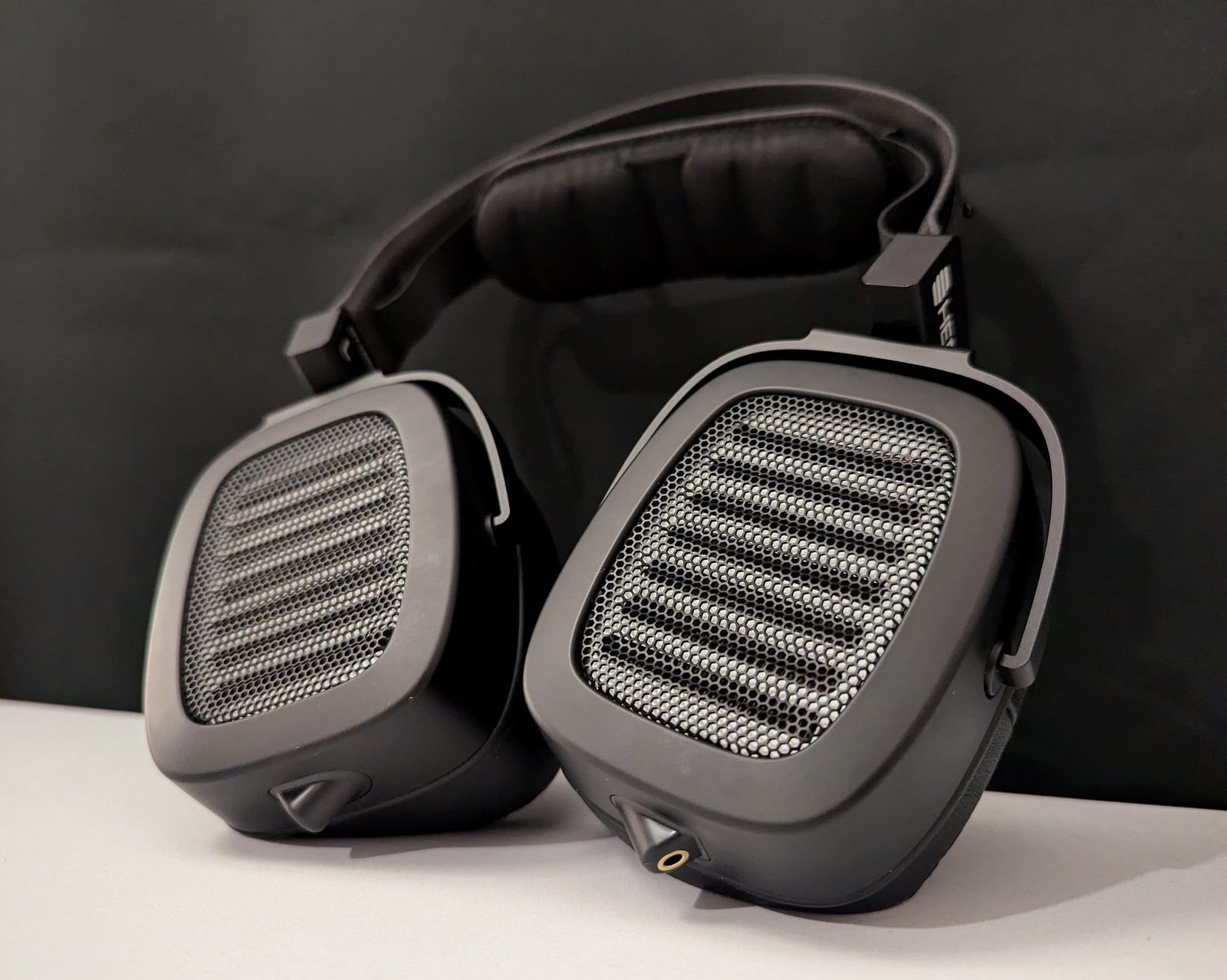
Table of Contents:
Information:
- Release year: 2023
- Country of manufacture: Germany
- Price: 1999 €
- Type: open, over-ear
- Air Motion Transformer (AMT) drivers with Variable Velocity Transformation (VVT) technology
- Impedance: 41 Ohm
- Sensitivity: 89 dB/mW
- Weight: 550 g (without cable)
- Connector type: 2 x 3.5 mm
- 2 cables: both 2.2 m long / connectors 6.35 mm and 4.4 mm
- Accessories: Carrying case, two cable adapters (3.5 mm and XLR) and a second pair of ear pads
- Warranty: 5 years
Review unit acquisition method: Borrowed from a hobbyist
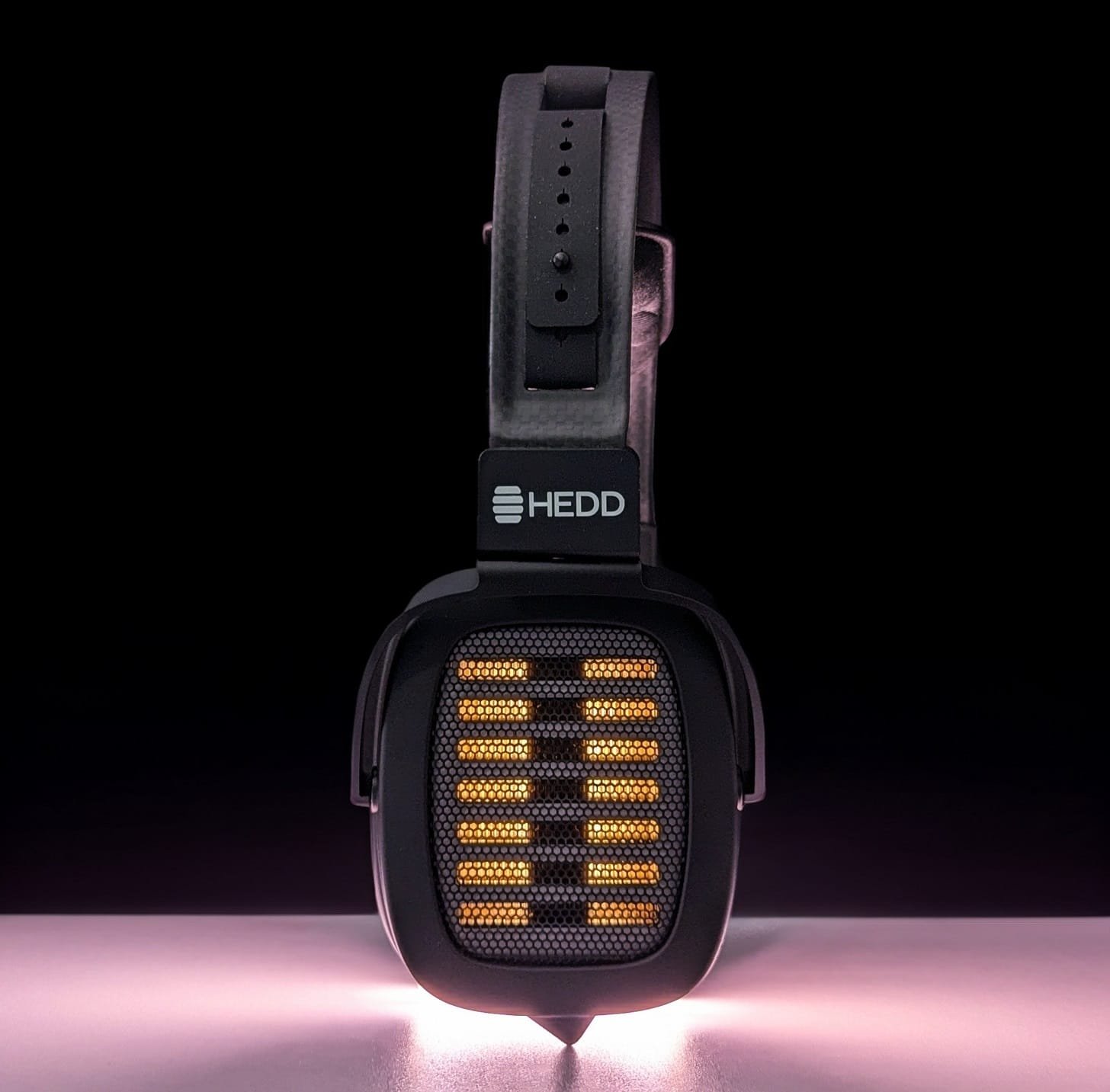
HEDDphone Two (manufacturer's product page) is an updated version of the original HEDDphone, which German HEDD Audio released in 2020, and which this specialty Kuulokenurkka reviewed in 2021. The first model received praise for its sound quality, but criticism for its large size and weight of over 700 grams. The reduced dimensions and 25 percent lighter weight of the HEDDphone Two make it significantly more usable. The price, on the other hand, has risen moderately from 1700 euros to 2000 euros.
The headphones still use exceptional AMT (Air Motion Transformer) drivers, which are more traditionally found in loudspeakers as treble tweeters. HEDD Audio, however, has managed to make the drivers reproduce the entire frequency range in their headphones by making the accordion-like diaphragm folds of varying widths. If Gold Planar and Monoprice did not also have headphone models with full-range AMT drivers (GL850 and Monolith AMT) in their selection, the HEDDphones would be completely unique. They are, of course, still unique compared to all their serious competitors, and the cheaper alternatives have not received as good a reception. Let's find out more about the headphones in a full-length review. My thanks for the opportunity to test the HEDDphone Two this time go to Kuulokehemmo direction. Please also check out his video thoughts on the headphones.
Packaging and accessories
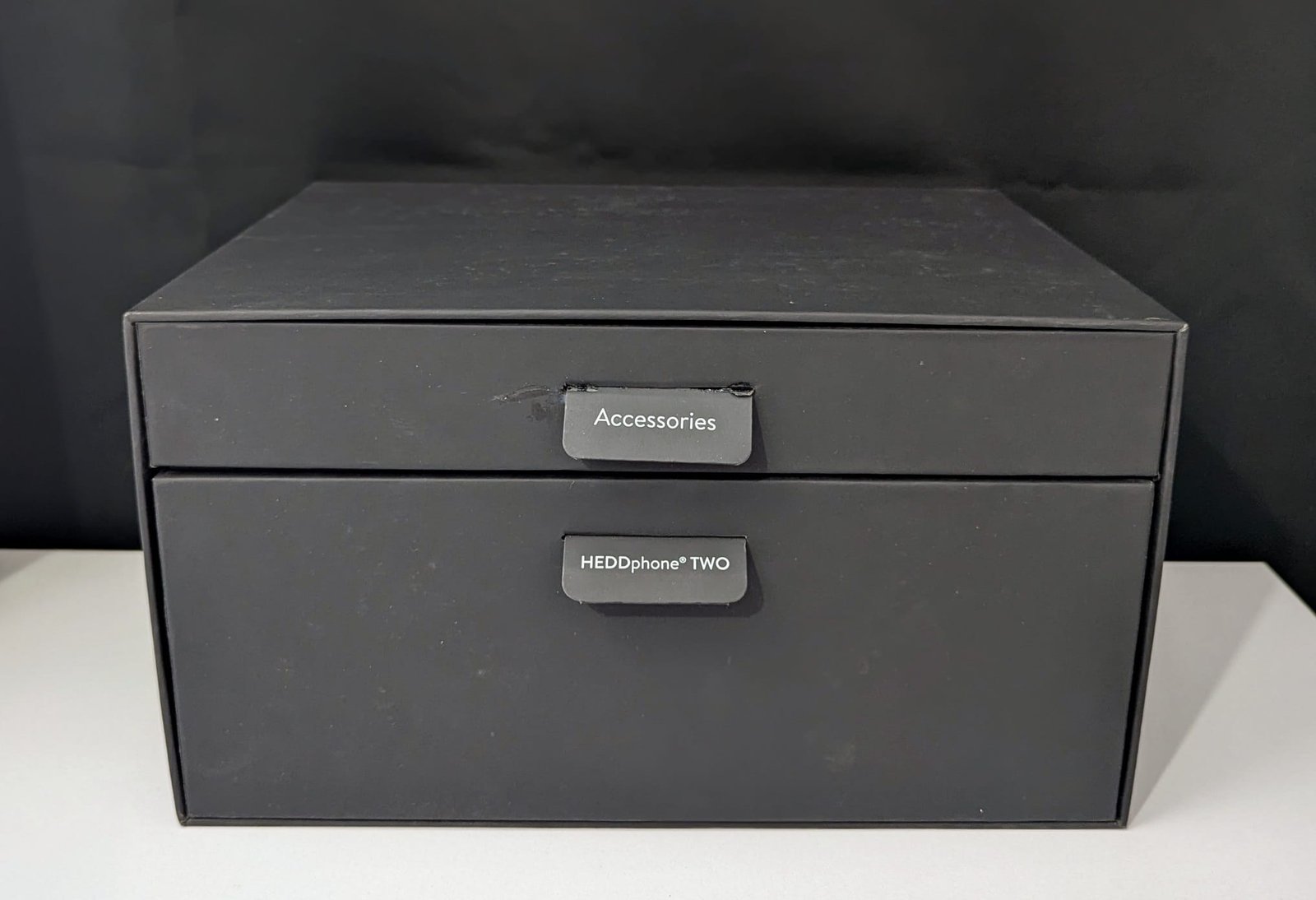
German headphone manufacturers like large product packaging, so the HEDDphone Two also arrives as expected in a robust box, which weighs over 3 kilograms even without the headphones. The box has separate pull-out layers for the headphones and cables, but the cardboard flaps that serve as handles break too easily. The manufacturer should have installed, for example, fabric loops or leather strips in their place.
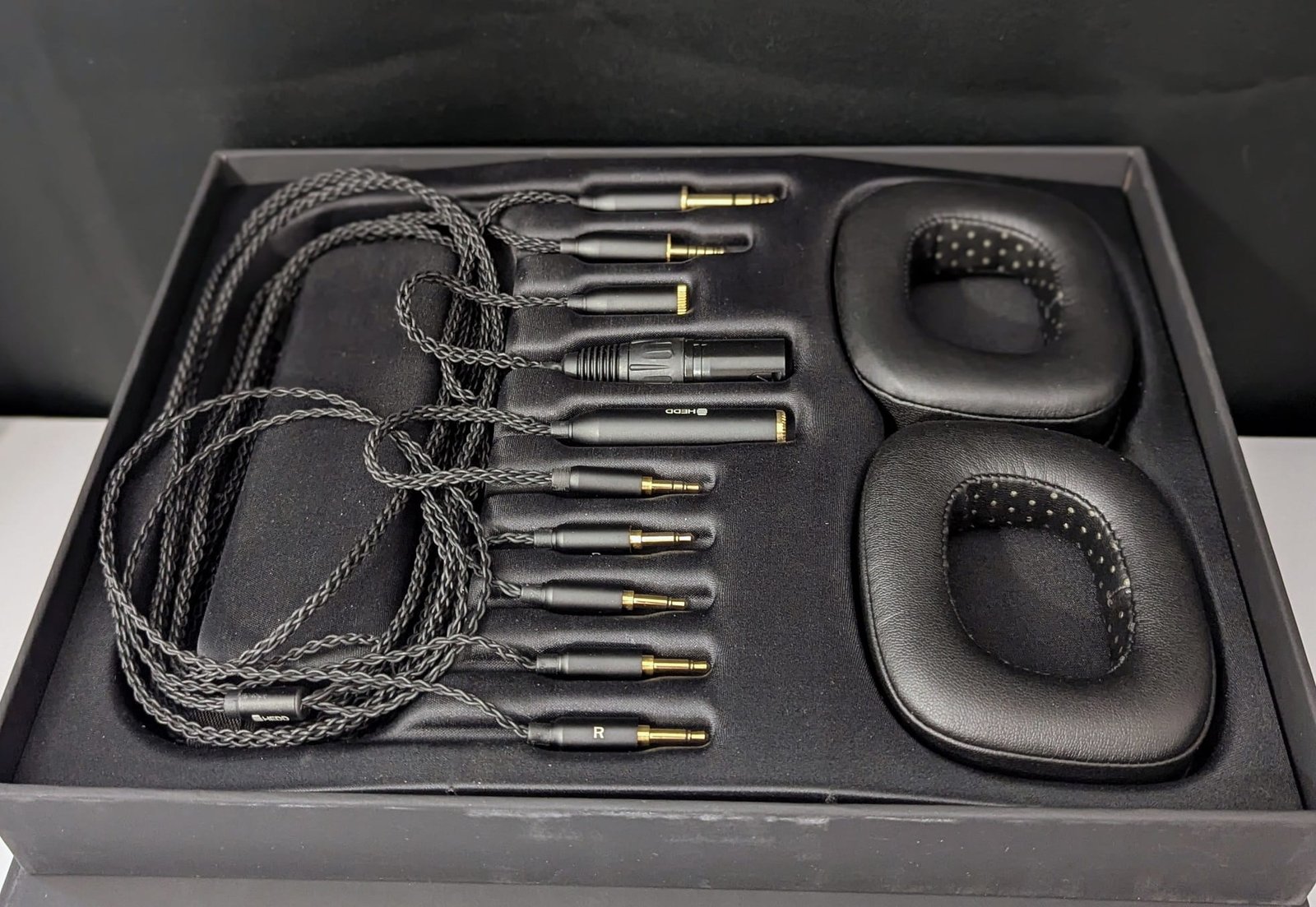
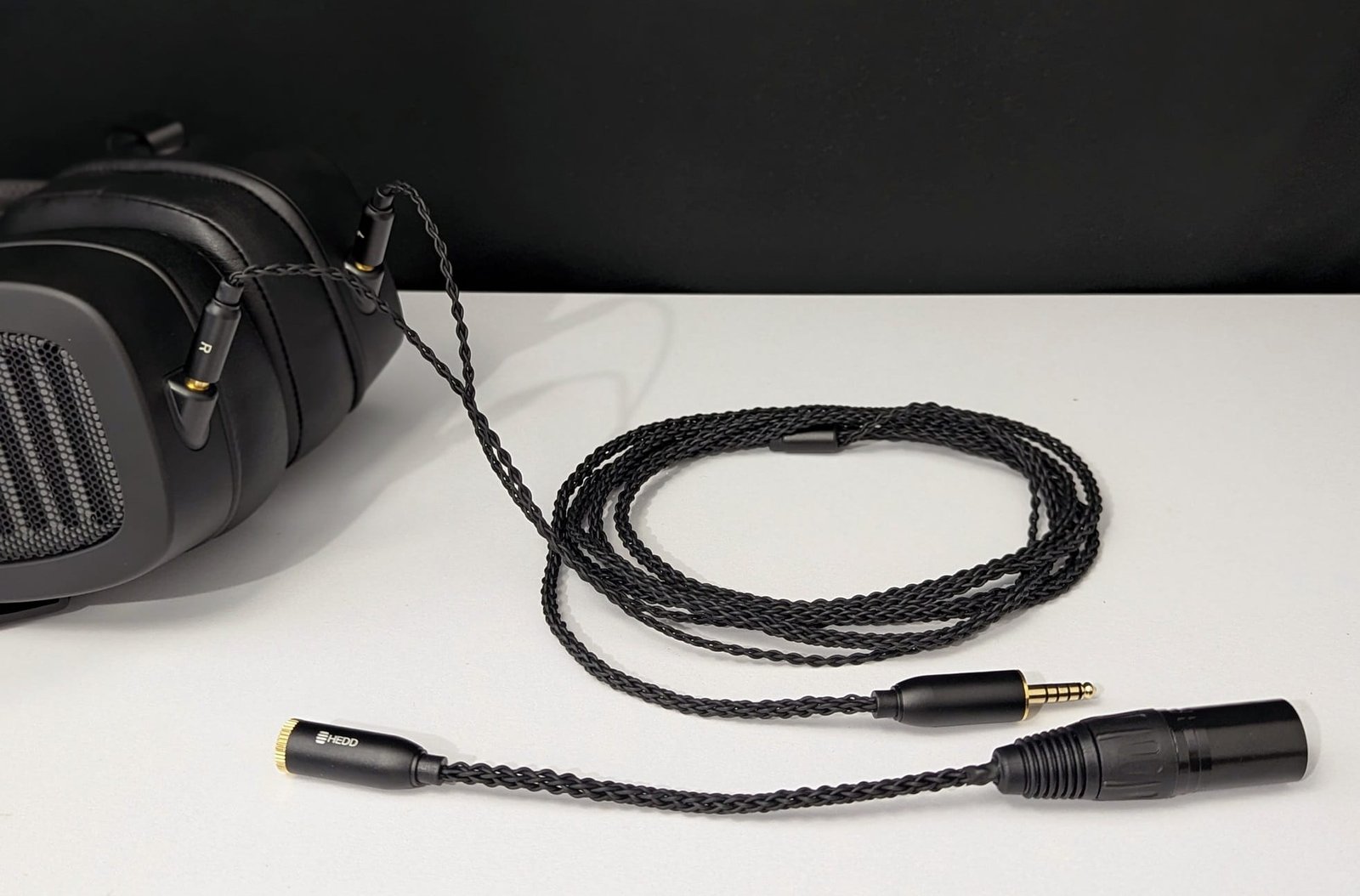
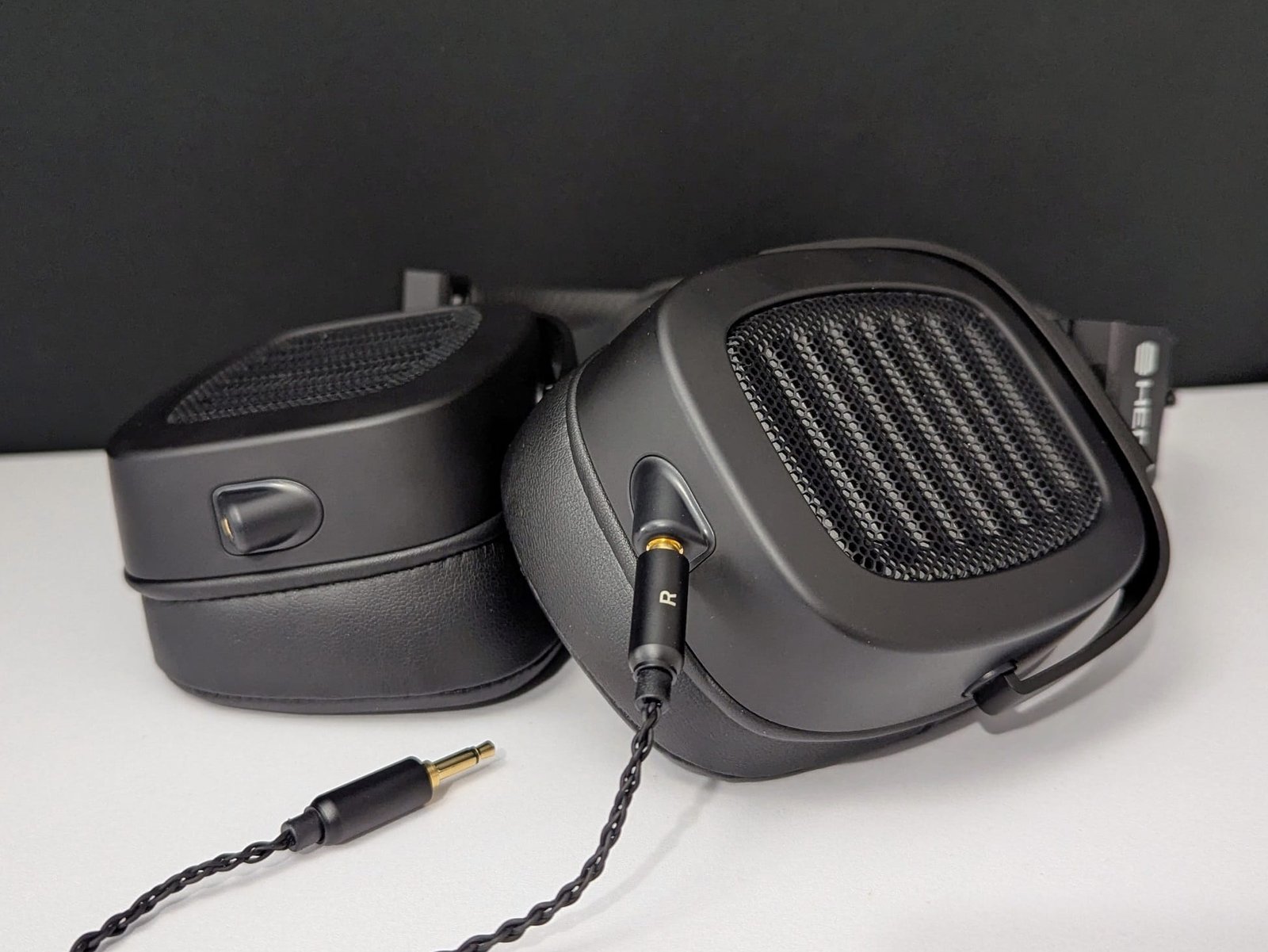
Once the boxes are out, however, the flatter layer reveals, in addition to extra ear pads, both a balanced (4.4 mm) and an unbalanced (6.35 mm) cable, both 2.2 meters long. For these, the manufacturer also provides short adapter cables, with which the first of the cables converts to an XLR connector and the second to a 3.5 millimeter connector. The cables attach to the headphone cups with standard 3.5 millimeter connectors, so plenty of replacement cables would also be available in many different price ranges. It is, however, pleasing that HEDD Audio has already taken care of the cable situation, especially since the included options are sufficiently usable and the metal connectors also seem high-quality. Not everyone will surely be pleased by the braid made of thin wire or its slight stiffness, but the cables are unlikely to cause immense irritation either.
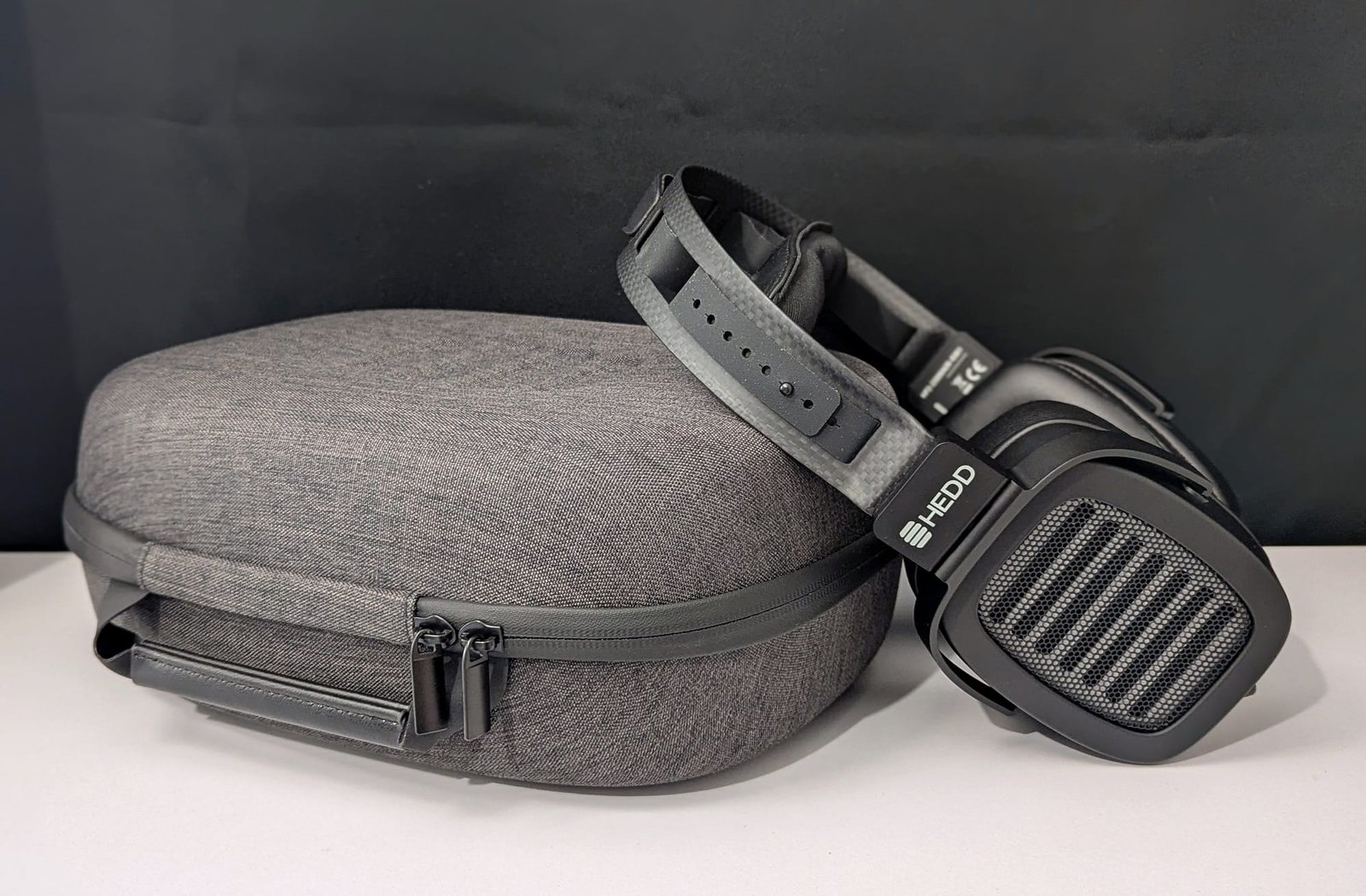
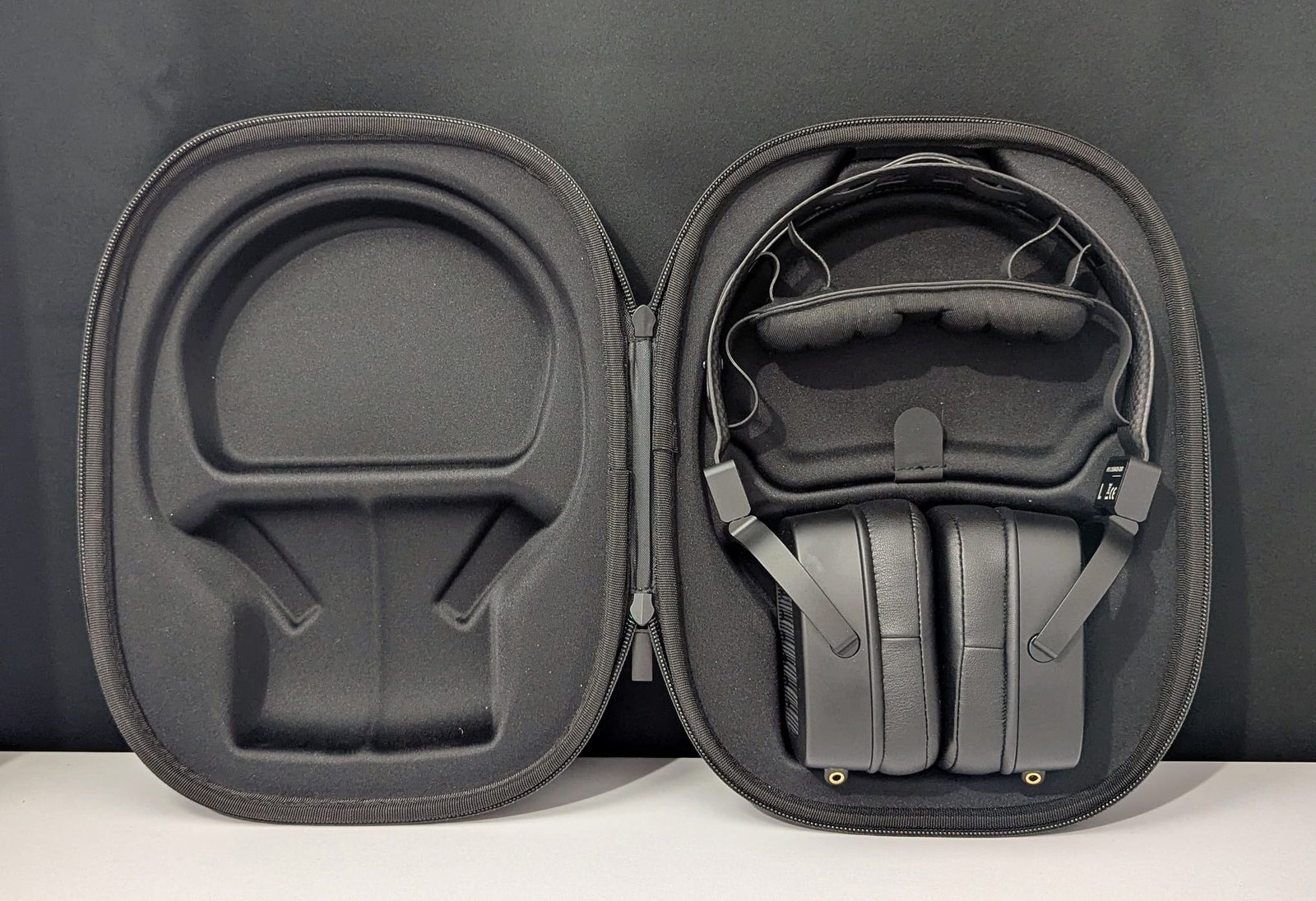
The HEDDphone Two itself is packed in a large and high-quality carrying case, where it is guaranteed to stay protected. The case takes up a lot of space, but then again, it's not a compact mobile headphone that would be carried around often anyway.
Build and comfort
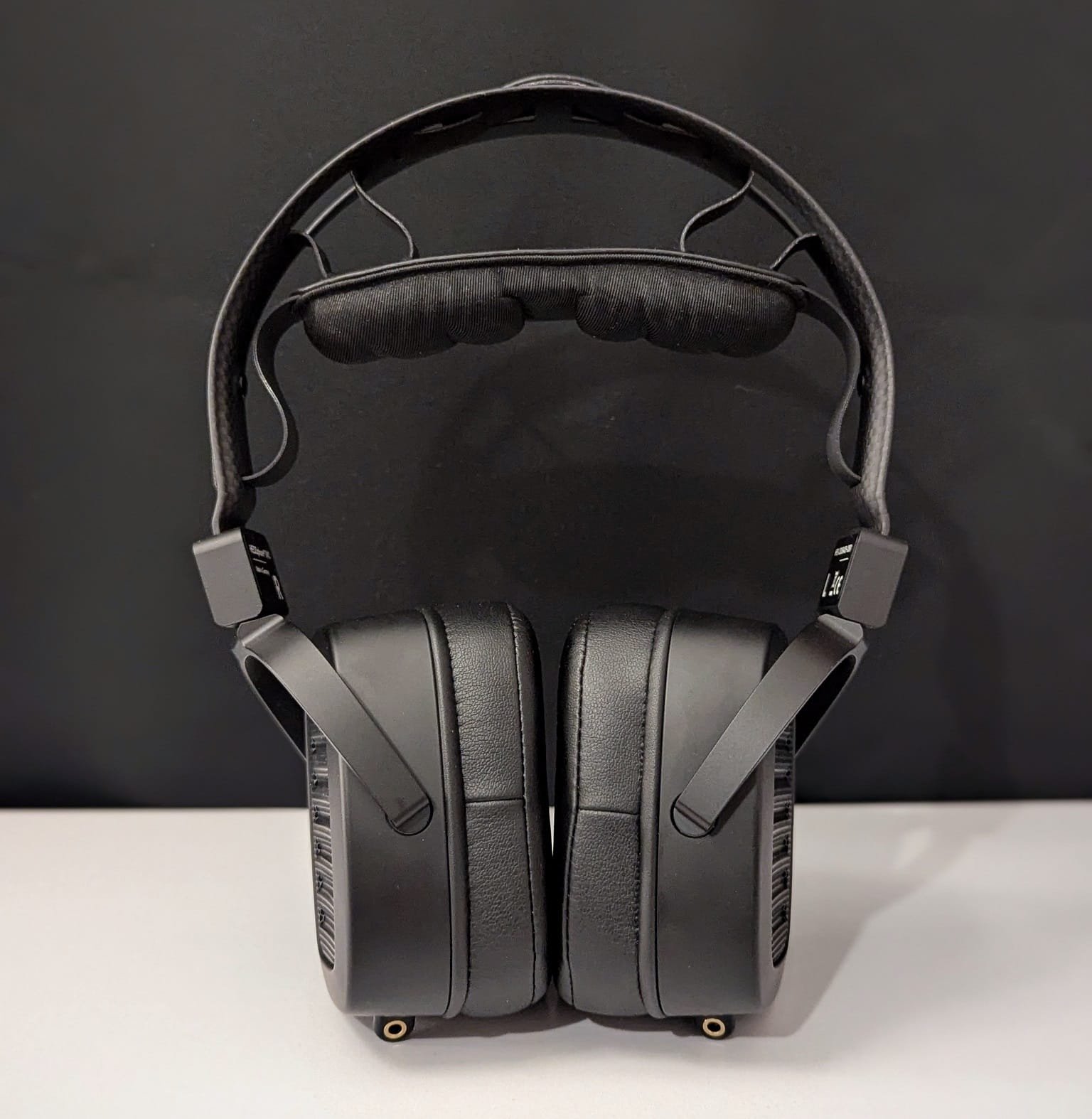
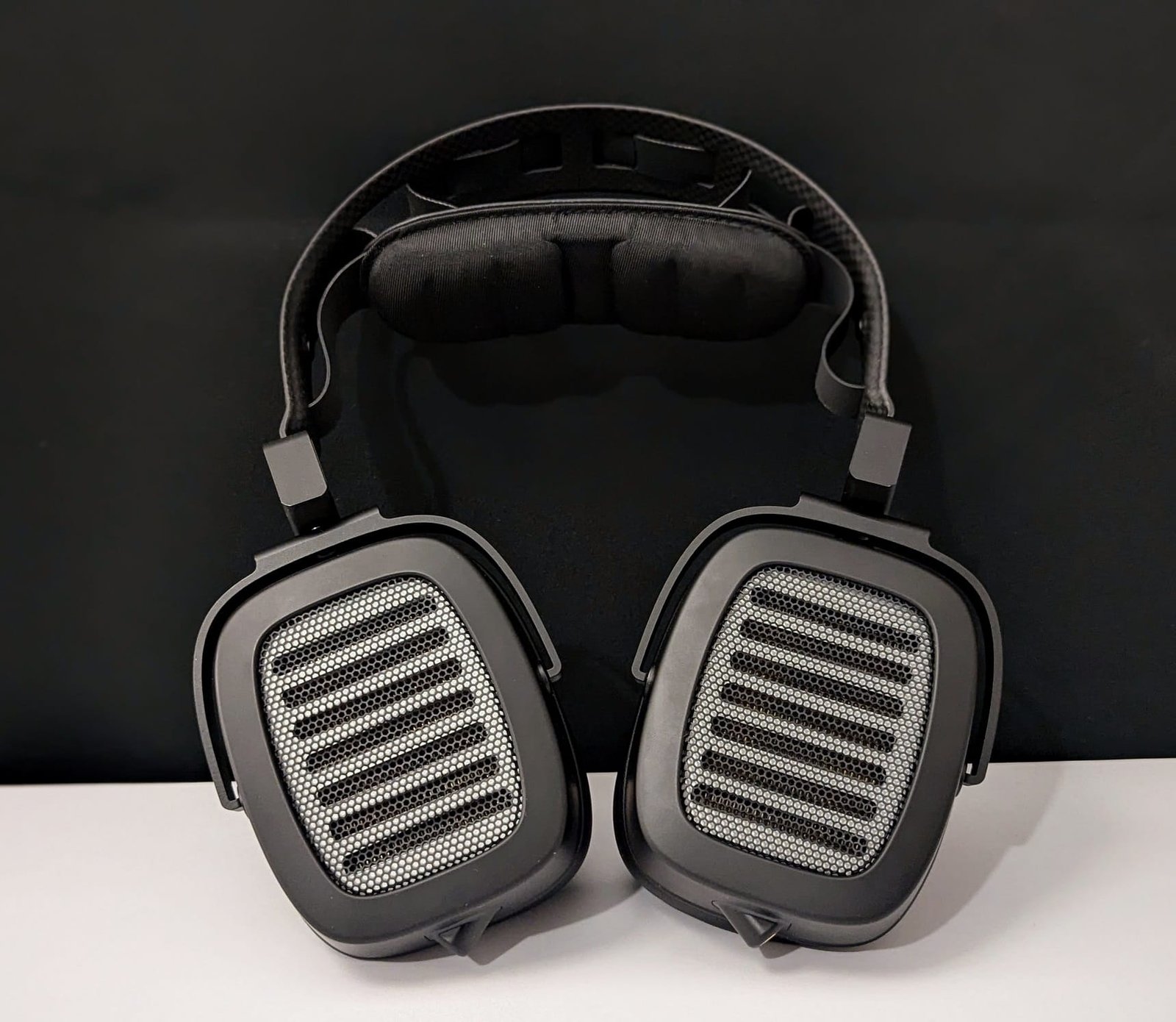
Like its predecessor, the HEDDphone Two is a large headphone, but the manufacturer has succeeded in significantly improving its ergonomics. Now the headphones weigh only 550 grams instead of 720 grams, and the headband can be adjusted exceptionally versatilely with an innovative strap system. The lower strap adjusts the wearing height of the headphones and the upper one the clamping force of the headband.
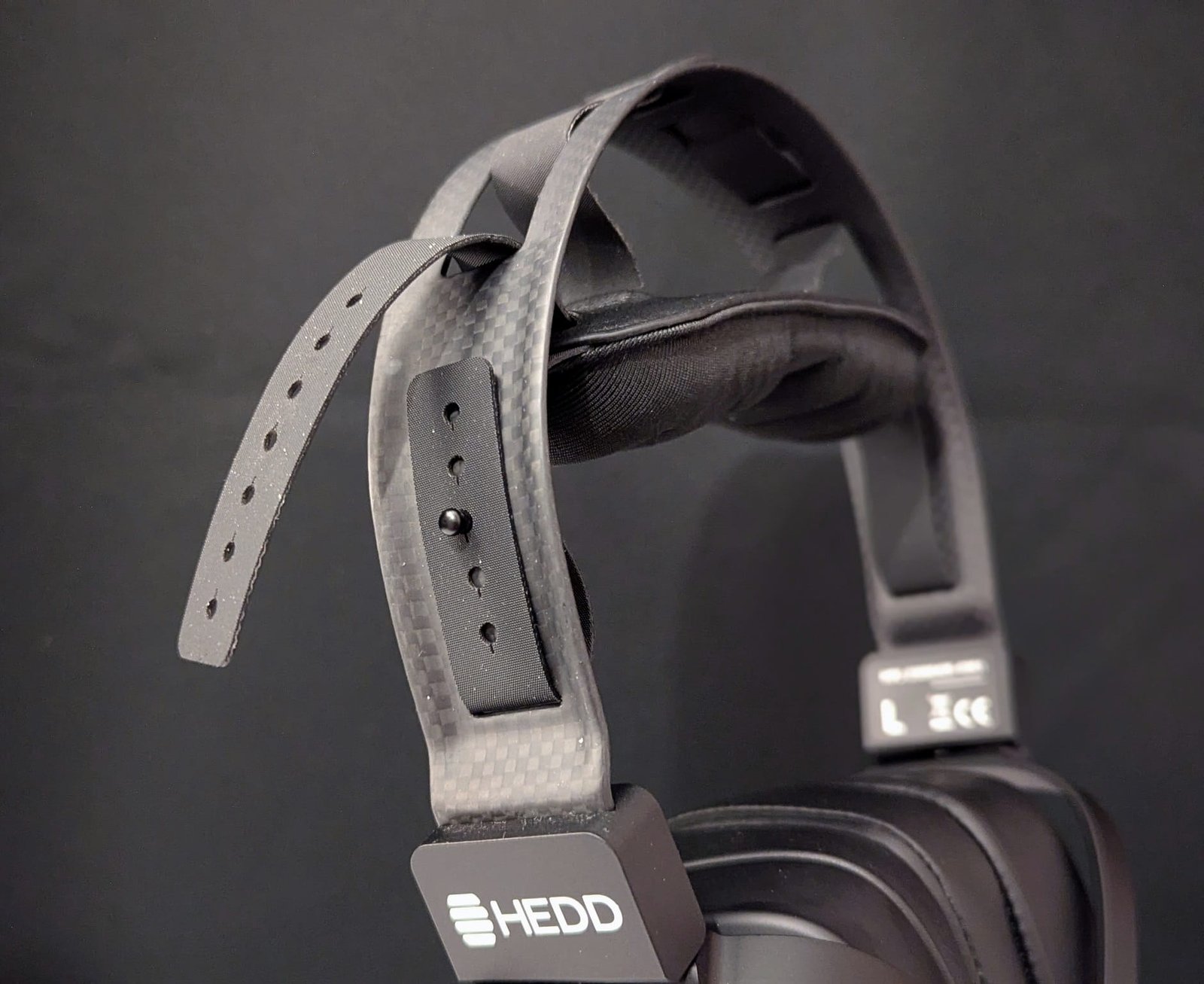
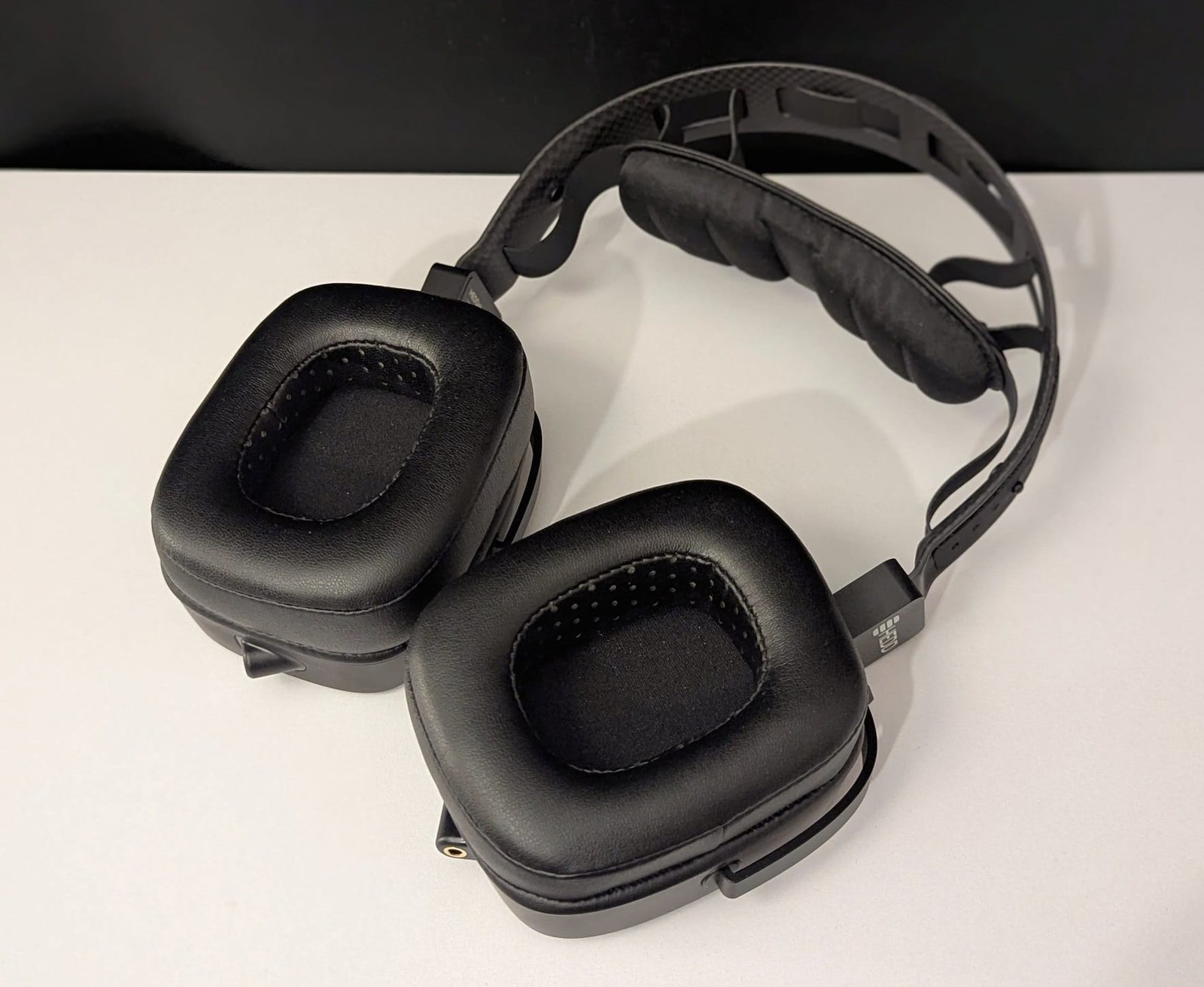
For me, the middle height setting is sufficient, while I have loosened the clamping force by a couple of notches, i.e., to the second smallest setting. In this case, the HEDDphone Two sits evenly on my head and, despite its high weight, is acceptably comfortable. By default, the faux leather-covered ear pads create a fair amount of pressure around the ears due to their hard foam, so the ability to adjust the clamping force is a truly necessary invention for me. I also like the thick memory foam head pad, which has a notch in the middle to prevent pressure from building up on the top of the head.
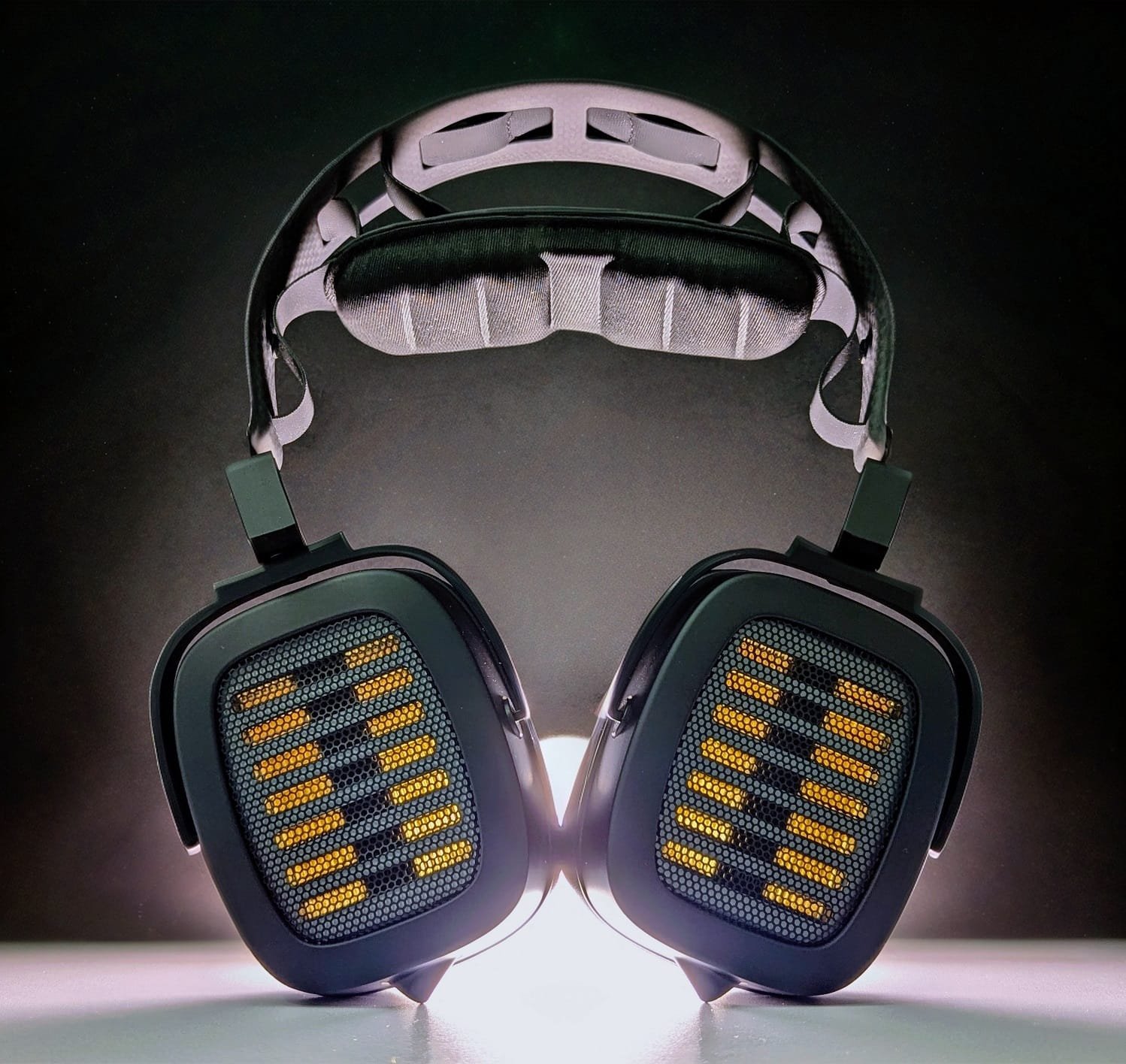
HEDD Audio's primary design goal was likely to bolt the large AMT drivers onto the head as comfortably as possible, as this was not fully achieved with the first HEDDphone model. As a downside of the unique strap system, the HEDDphone Two does look comically large on the head, but it wasn't intended to be a fashion product anyway. The arch of the headband is made of lightweight carbon fiber, while the yoke forks and connecting parts are metal. The box-shaped cups, on the other hand, are made of plastic that takes on an oily appearance when touched. The plastic also creaks somewhat when the cup is turned vertically against the metal fork part. Moving the jaw with the headphones on also causes a slight creaking, which slightly lowers the impression of quality. Otherwise, I consider the use of plastic a sensible solution, as due to the large size of the cups, they would weigh too much if made of metal. The AMT drivers are open-back, so a fair amount of sound leaks out of the headphones through the metal protective grille.
The cups' 3.5 millimeter connectors are cleverly angled forward, which allows the cable to stay exceptionally well out of the way, for example, when turning your head. The connectors also do not have unnecessary recesses or housings that would complicate the acquisition of replacement cables.
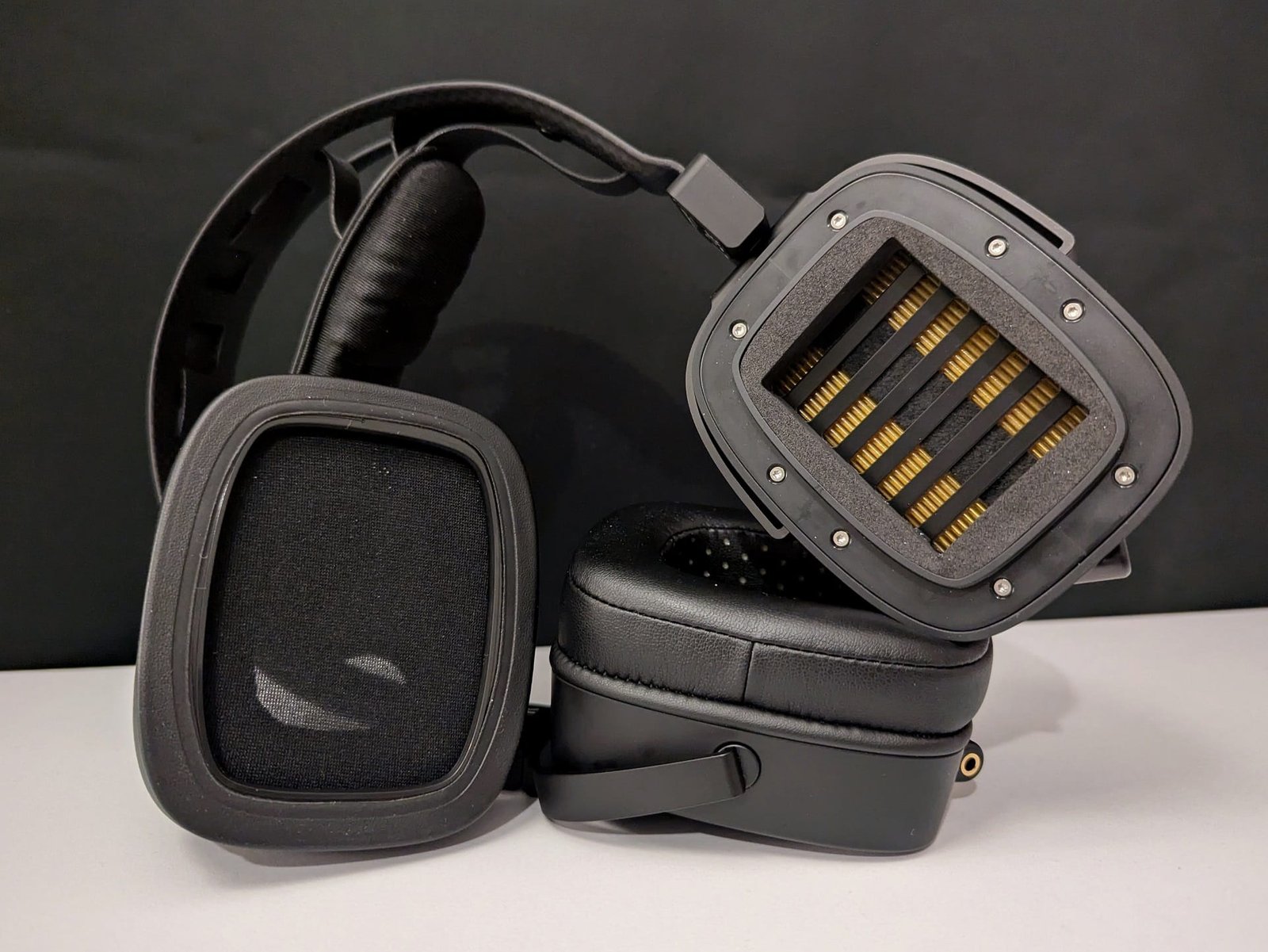
Another nice detail is the easily removable ear pads, which are pressed onto the rim around the drivers. This attachment method doesn't surpass the ease of, for example, Meze Audio Empyrean's magnets, but it doesn't require any finger dexterity like ZMF headphones, for instance. The user also doesn't have to worry about small and easily breakable plastic clips (e.g., Hifiman) or tight gluing (e.g., Audeze). HEDD Audio even supplies a second set of replacement pads with their headphones, so there's no need to worry about additional purchases for many years, even with heavy use. I would also expect long-term durability from the headphones' robust construction. The manufacturer's granted 5-year warranty also points in this direction.
Air-blowing AMT elements
Physicist Oskar Heil developed the AMT, or Air Motion Transformer (also known as Heil AMT), in the 1960s as an alternative to traditional dynamic drivers. They were first used in loudspeakers in 1972. Even then, AMTs were quite massive in size, and an existing patent dictated that for some time. However, over the following decades, the size of the drivers was reduced, making them more practical.
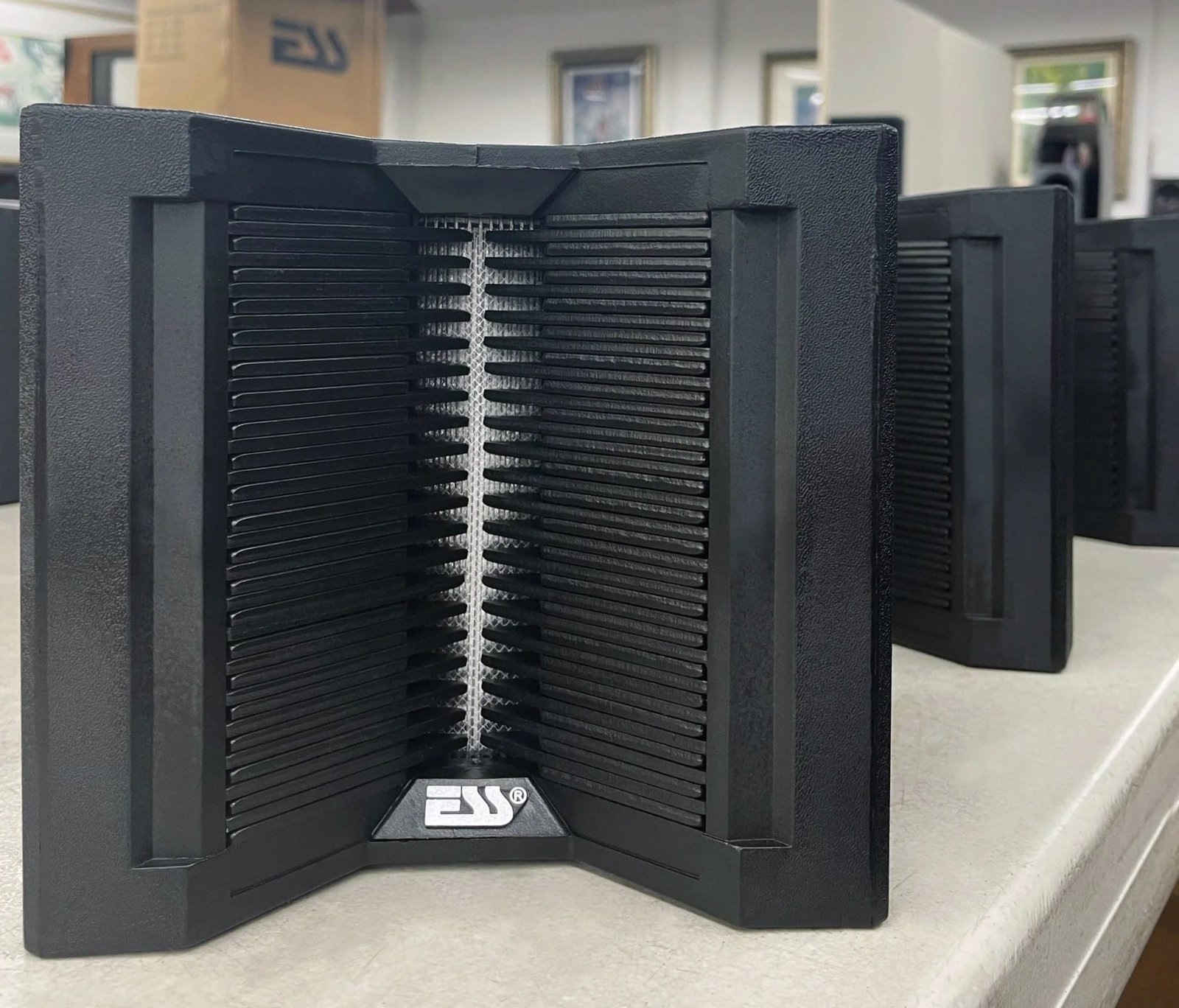
One person known for passionately pursuing the further development of the drivers is German physicist Klaus Heinz, who became truly enthusiastic about AMT technology after hearing its potential in the 70s and meeting Oskar Heil in 1985. Current AMT drivers are more or less based on the work of both gentlemen. The popularization and manufacturing of the original Heil AMT ”blocks” has been handled by ESS (ElectroStatic Sound Systems), while Klaus Heinz has become best known for first founding ADAM Audio in 1999 and then HEDD Audio in 2015 to advance his latest AMT ideas with his son Frederik Knop. About 5 years after this, AMT technology also found its way into headphones when the first HEDDphone was released in 2020. However, it is worth remembering that AMT drivers had been tried in headphones with less success several decades earlier.
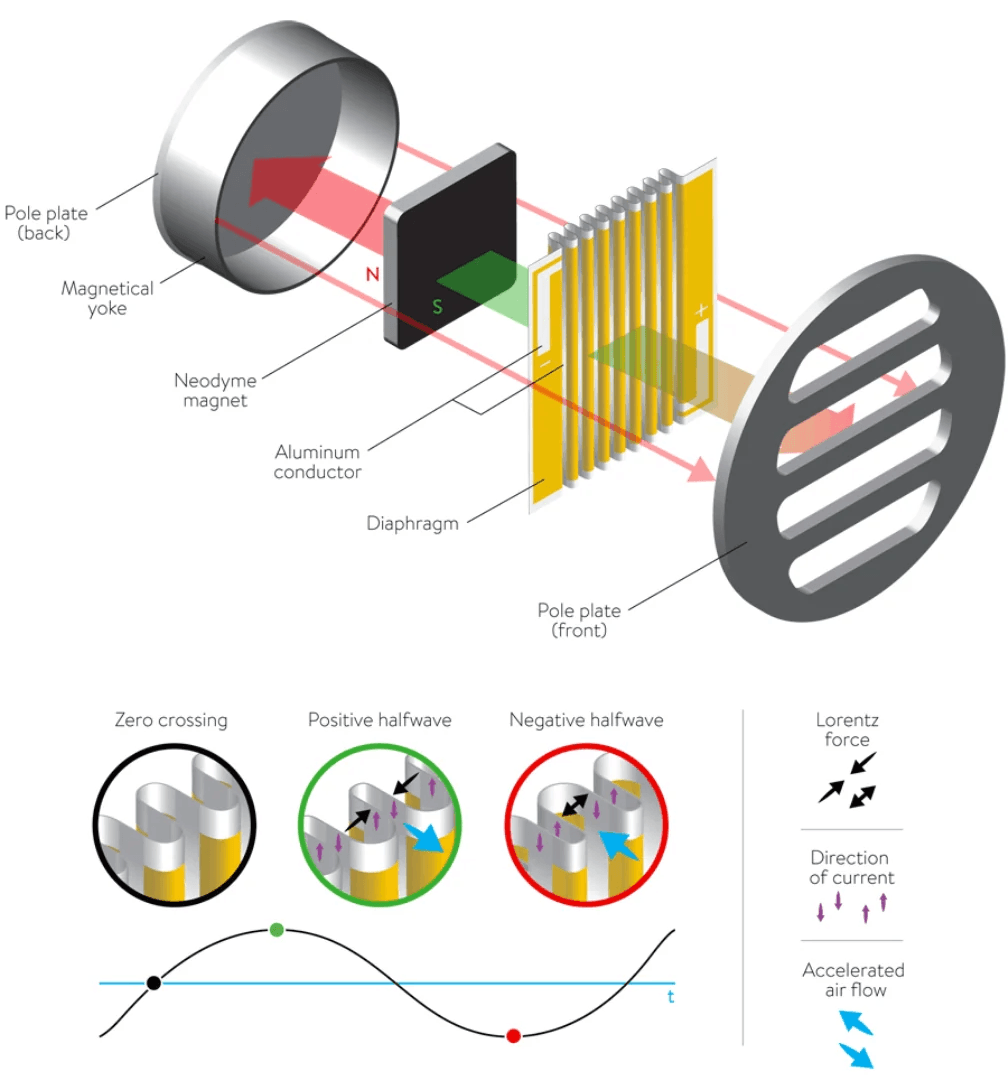
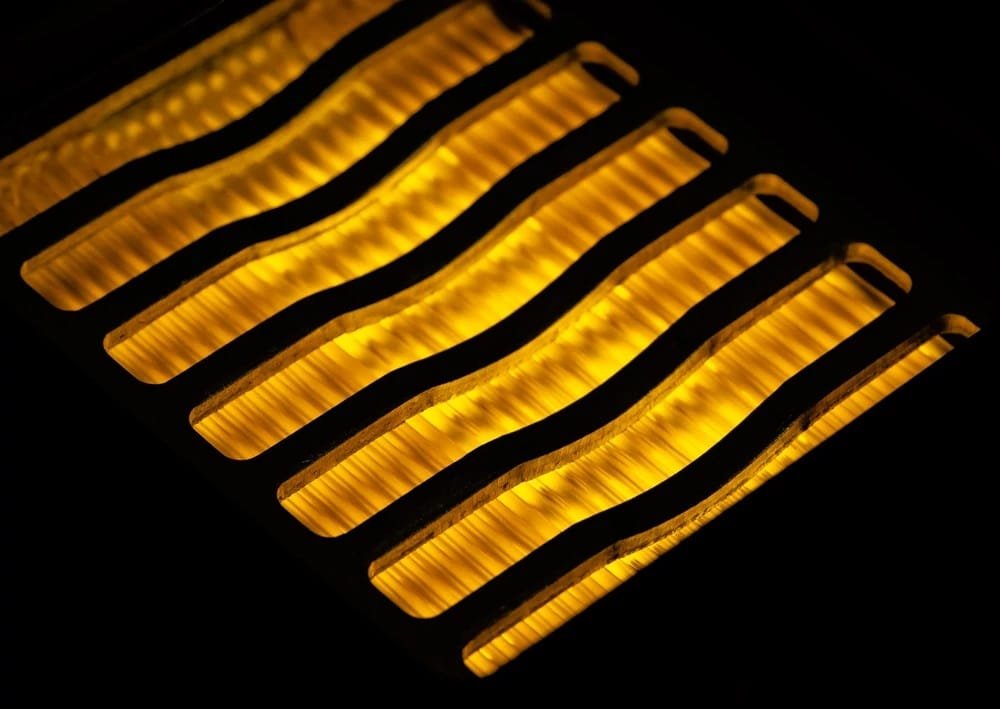
AMT can be thought of as a type of accordion or bellows, because the pleated diaphragm produces sound by compressing air. Inside the folded diaphragm runs an aluminum conductor, which reacts to the electric current fed through it and to the surrounding magnets. Although the operating principle sounds familiar at first glance, AMT is hardly related to planar magnetic drivers or more freely moving ribbon drivers, where the same aluminum strip acts as both diaphragm and conductor. The folds of the AMT diaphragm open and close, which accelerates the airflow to four times the diaphragm's own movement speed and compared to other driver types. The benefits of this mechanism are particularly evident in the reproduction of fast transients. The biggest challenge for the technology, however, is, like ribbon drivers, reproducing low frequencies with sufficient quality, which is why both driver types have traditionally been utilized mainly as tweeters. HEDD Audio, however, has managed to make AMT reproduce the entire frequency range in headphones by making the diaphragm folds of varying sizes. The manufacturer calls its technology Variable Velocity Transformation (VVT).
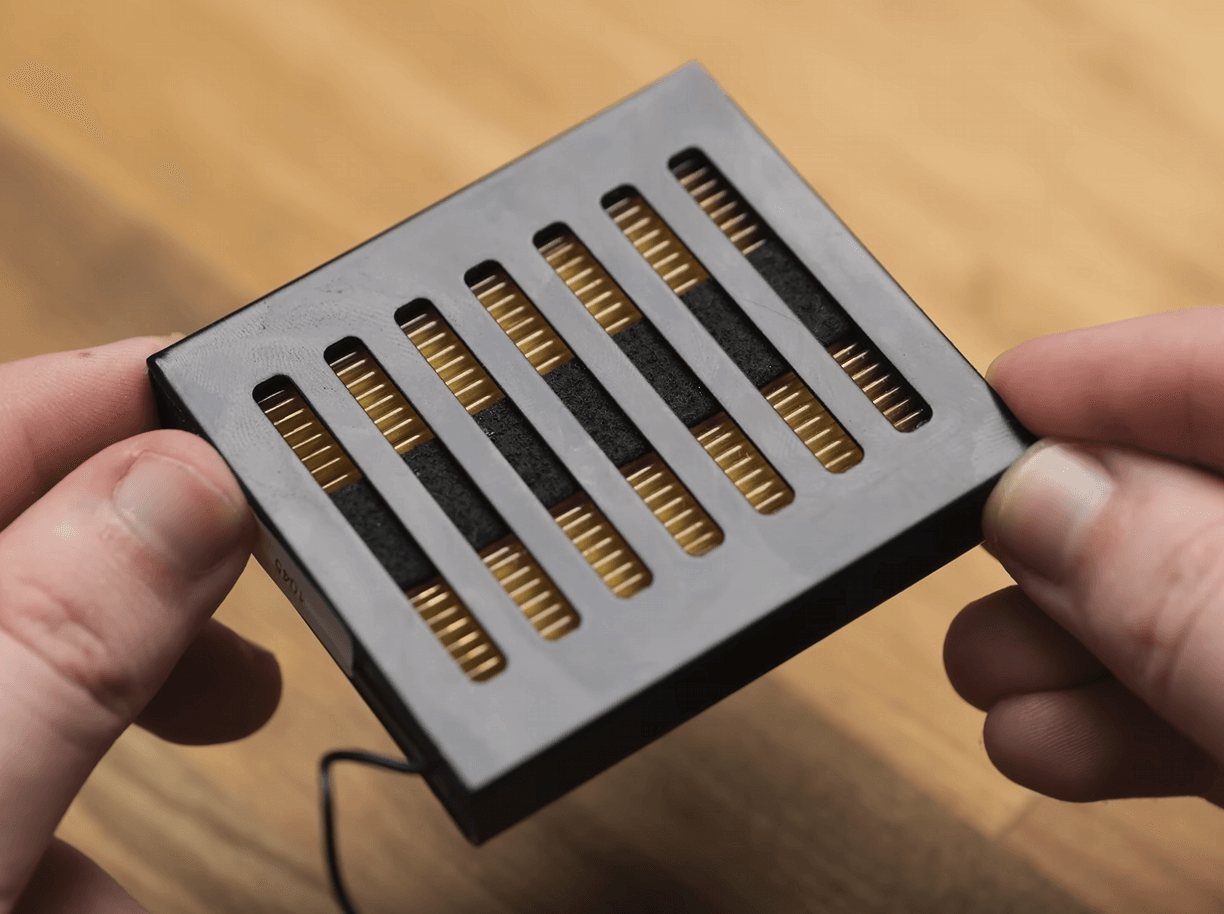
Today, most AMT technology is freely usable because its related patents expired already in 2004. AMT drivers can be found in many different loudspeakers, such as, for example, my own living room's Wharfedale Evo 4.2. In the realm of headphones, HEDD Audio is still the clear market leader, although in addition, Chinese Gold Planar has made one pair of AMT headphones under its own name and another in an OEM style for Monoprice. In addition to these, oBravo uses AMT more restrictively in its own headphones, solely for treble reproduction.
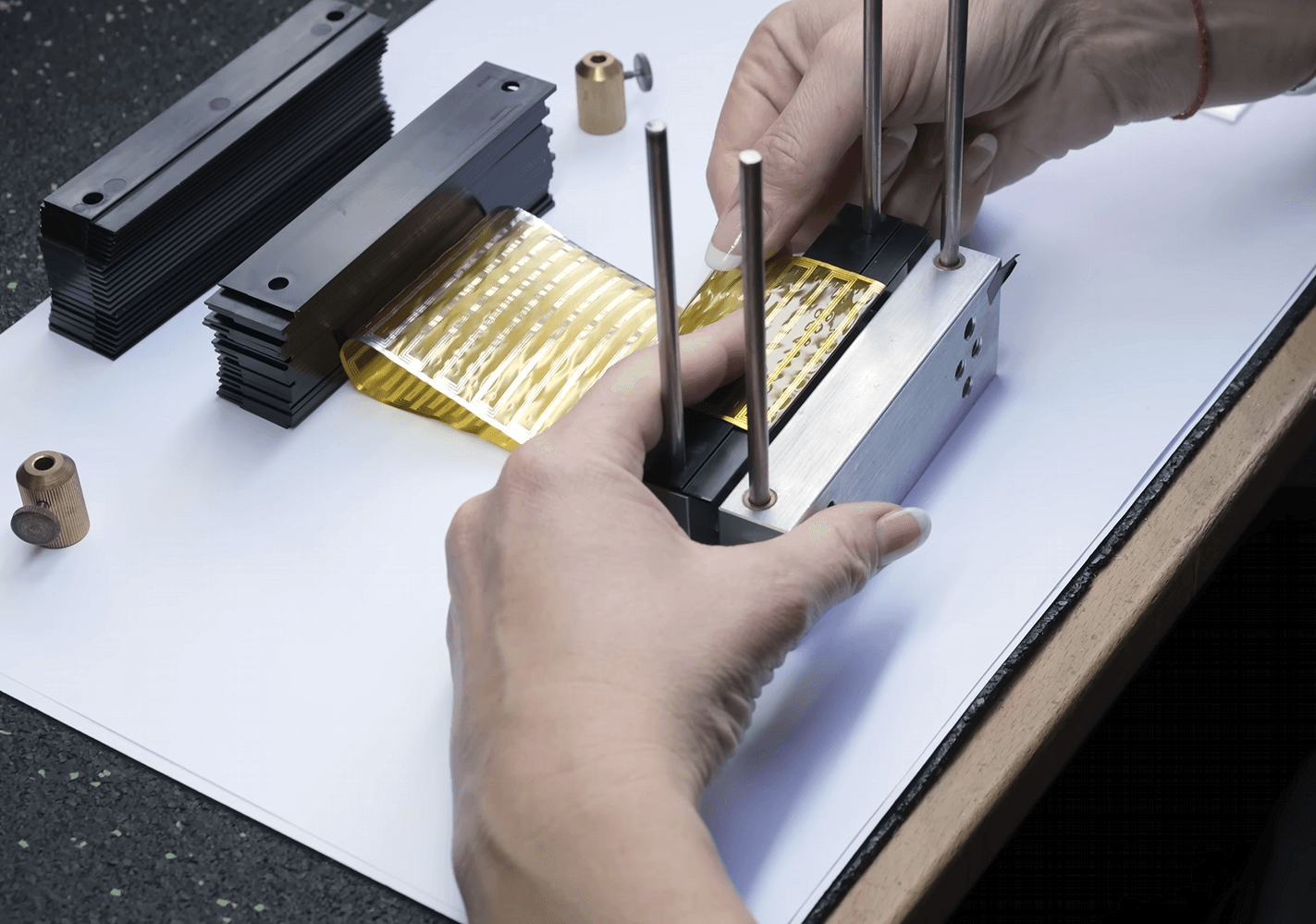
AMT diaphragm's ”crinkle”:
One of the most peculiar phenomena of the HEDDphone Two is the crinkling (”driver flex”) of its drivers when the headphones are put on or moved during use. In this case, the air pressure created inside the earpads pushes the thin AMT diaphragm and causes it to make an unpleasant crackling sound. Even just opening and closing your mouth with the headphones on causes crinkling and rustling. An unaware user might be startled, thinking the drivers are breaking, but there is hardly any need to fear this during normal use. In any case, it's advisable to mentally prepare for these side noises if the HEDDphone ends up on your shopping list.
Sound quality
Our frequency response measurements have been made with a clone IEC-60318-4 coupler and KB501X pinnae. The Harman target curve from 2018 is used as a reference point and generalization of the headphone response that would sound good to most people. For more information on the measurements and their accuracy, see Headphone Measurements-page. The HEDDphone Two's frequency response is also comparable with other measured headphones Squiglink .
Impedance curve and amplification requirement:
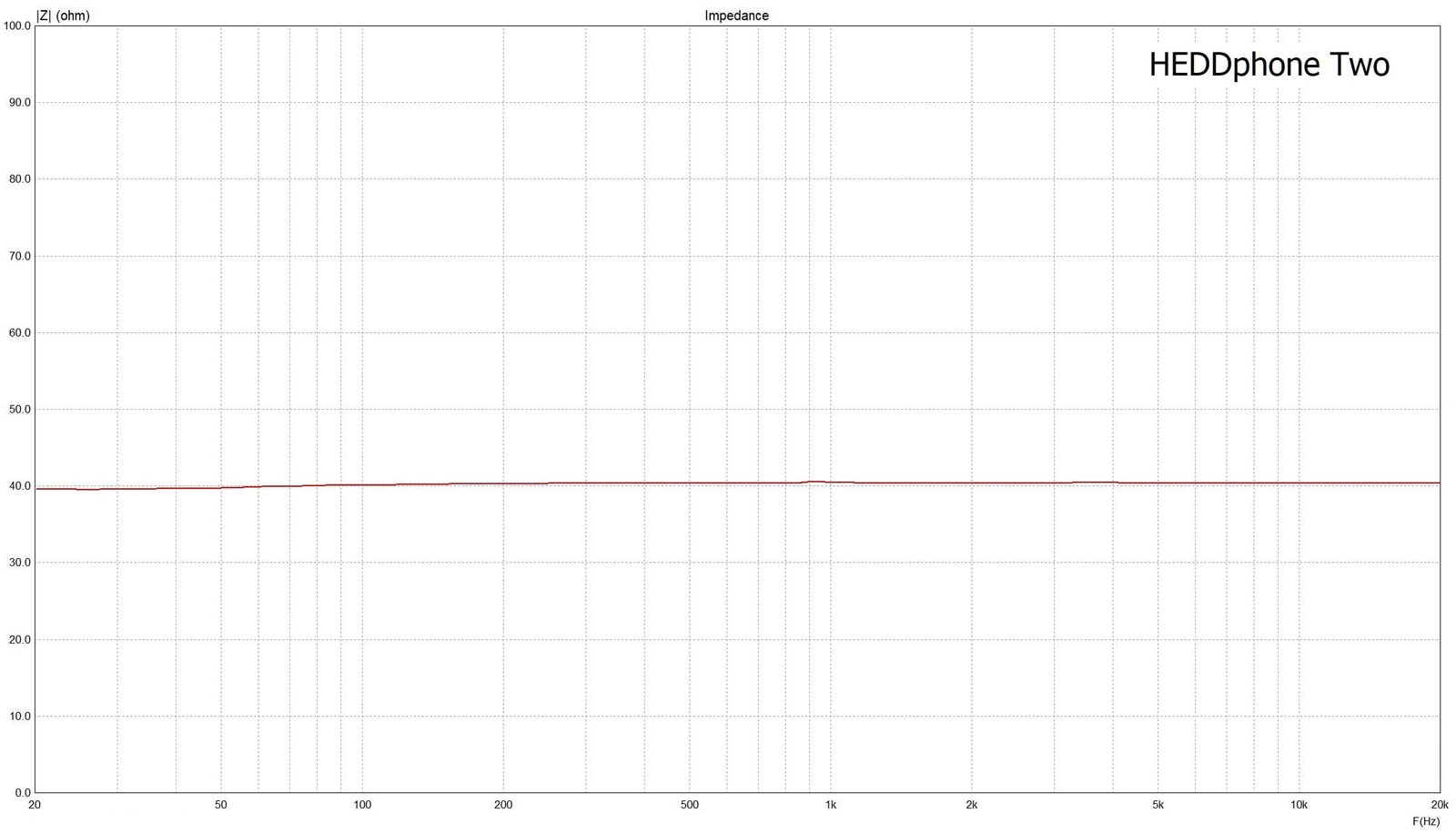
The headphones' impedance, measured with my own equipment, ranges between 39.5–40.5 ohms, which is very close to the manufacturer's stated 41 ohms. Due to the flatness of the impedance curve, the frequency response remains unchanged, even if an amplifier with a slightly higher output impedance is used. In this respect, AMT drivers function similarly to most planar magnetic drivers.
The HEDDphone Two's sensitivity has increased slightly compared to the first model (89 vs. 87 dB/mW), but the headphones are still somewhat insensitive and thus require a more powerful amplifier to achieve adequate volume. However, modern devices in the 100–200 euro price range are sufficient in terms of amplification power for most users, if we disregard potential sound quality differences between amplifiers at this stage.
Frequency response:
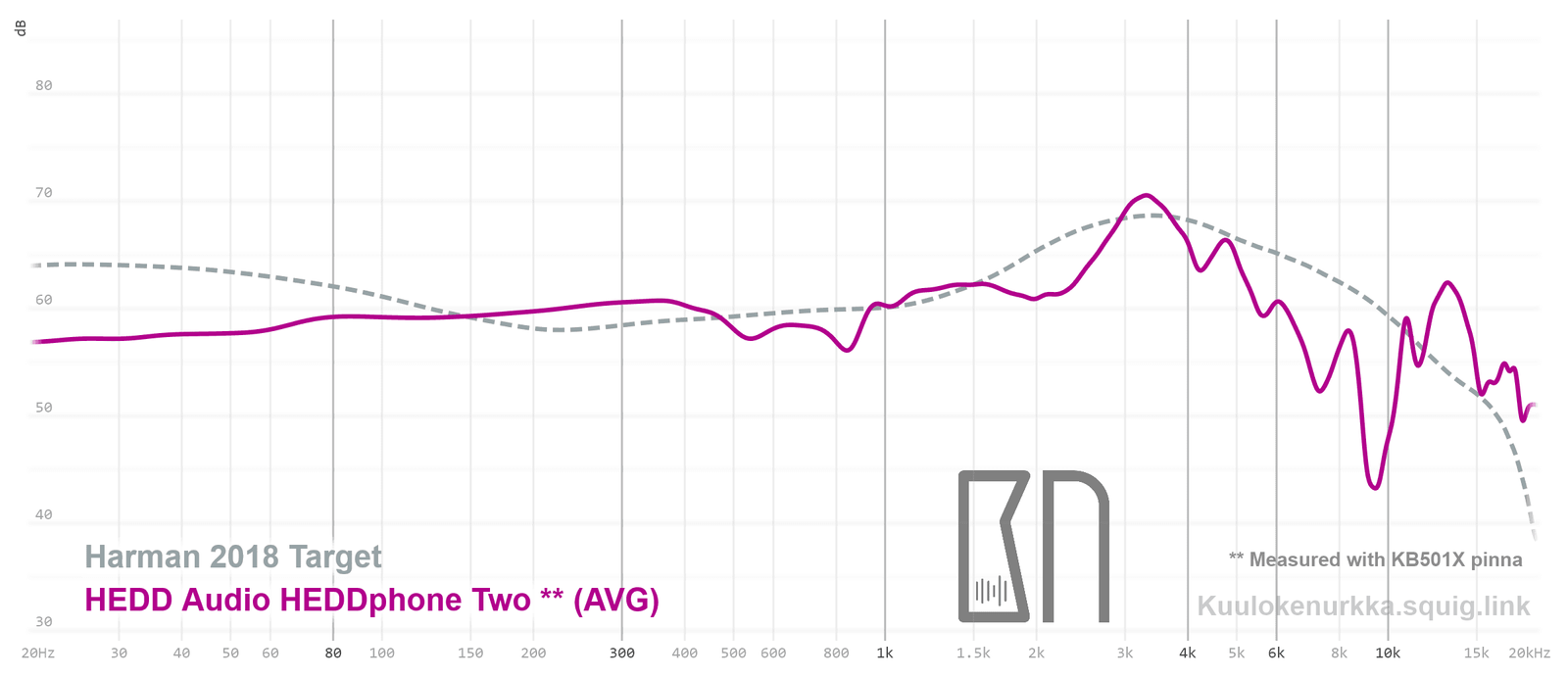
HEDD Audio has likely faced minor challenges in tuning the HEDDphone Two, as its frequency response shows unevenness in both the mid-frequencies and the treble. However, with a relatively light bass reproduction and mostly calm upper frequencies, the presentation is uniquely mid-frequency-focused, which I generally consider a pleasant change from more V-shaped headphones, such as the Austrian Audio Composer and Meze Audio Empyrean 2:lle. For example, the HEDDphone Two is not stylistically very far from Sennheiser HD 600:sta, but the upper midrange and treble between 4–10 kHz are reproduced more calmly than the Sennheiser model, and the timbre is not as natural.
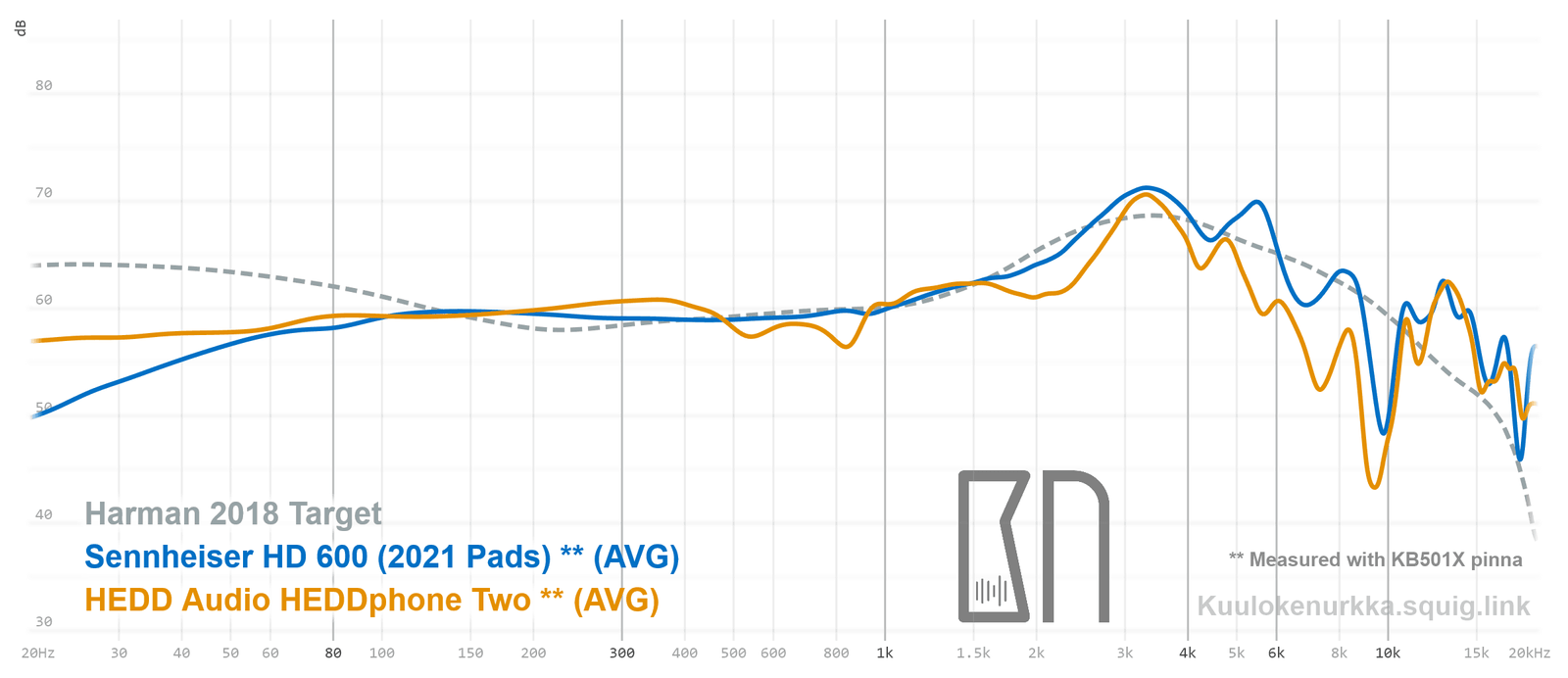
The HEDDphone Two is characterized by reproducing the vocalist and the initial energy of instruments closer than usual in the soundstage. Occasionally, this also becomes a problem, as vocals, in particular, can sound slightly shouty if the track has already been mixed to the extreme for this characteristic. Factors influencing this in the HEDDphone include at least small boosts in the lower midrange and at 1 kHz. In the headphone pair I tested, the area around 3.4 kHz is also more emphasized than in some other frequency response measurements I've seen. This also partly reinforces my experience that the sound pushes forward strongly and even slightly thinly. On the other hand, the body of the instruments is reproduced sufficiently robustly thanks to the warmth emanating from the lower midrange, so listening is still satisfactory.
I also notice myself paying attention to the hiss and sparkle formed between 12–15 kHz, because the rest of the treble remains quite subdued and calm. The balance between the lower and upper treble is not quite optimal; instead, the sound is strangely both dark and bright at the same time. Any unevenness inevitably causes variation in the outcome, as some artists and songs sound good, while others don't quite sound like themselves. However, it is ultimately comforting that the frequency response colorations are not so great that it would be impossible to get used to them, or that they would prevent me from enjoying the strengths of the HEDDphone Two.
The AMT drivers produce admirably separated and detailed sound, even though the frequency response, which has room for improvement, constantly fights against it. Although the soundstage is not among the largest, I perceive it as extremely transparent, and even so that there is an exceptional amount of empty space around each instrument. Music never becomes muddy or blends together; instead, the HEDDphone tends to bring out small nuances and changes in atmosphere from even the worst chaos very clearly. It doesn't matter how quietly or delicately a sound is reproduced, as it still sounds powerful and lively in its own way.
In this respect, the 2000 euro price even feels too low, which many apparently also wondered about with the first HEDDphone model. I can't immediately think of any headphones in the sub-3000 euro price range that would allow peeking into the music more easily than the HEDDphone Two. On the other hand, the music I listen to is still the same, so the headphones' uneven frequency response doesn't fully do it justice. Thus, as a product, there would still be room for development in the HEDDphone concept, and even a small EQ adjustment for the current model wouldn't hurt. However, it is still possible to easily enjoy its strengths as is.
Bass:
HEDD Audio has managed to make the AMT drivers reproduce bass down to 20 hertz, but the gently downward sloping frequency response makes the sub-bass sound somewhat small. I have actually seen measurement results where the sub-bass drops more significantly below 40 hertz, so my HEDDphone Two seems to perform even unrealistically well in my measurement device. In any case, EQing the sub-bass would be beneficial if the HEDDphone is intended for listening to a lot of electronic music.
The upper bass between 150–300 hertz, however, is reproduced surprisingly robustly and warmly by the headphones, so for example, the kick drum and bass guitar sound excellent to my taste. In addition, the bass quality reaches a top level. The AMT kicks crisply like a dynamic driver but retains its power for longer, similar to planar drivers. The headphones can clearly separate even the quietest bass notes from each other while creating subtle power within them. The low frequencies never become a monotonous thumping; instead, small nuances emerge vividly. In terms of quantity, the HEDDphone Two's bass is by no means particularly "fun," but its dynamism and precision are simply admirable.
As an additional note, HEDD Audio states that they designed the HEDDphone Two for professional use, so its bass has been intentionally kept out of the way of more important frequency ranges. The recently released HEDDphone Two GT version, on the other hand, should have a more robust and "fun" sound, so it would be interesting to test.
Mid-frequencies:
As I mentioned, the HEDDphone Two is quite midrange-focused, bringing the vocalist and the ”initial power” of instruments close to the overall presentation. This presentation style remains almost constant in all situations, so the soundstage inevitably feels a bit narrow. At its most annoying, the result somewhat resembles a singer singing with cupped hands in front of their mouth. Someone might attribute this characteristic to the song's mix, but the headphones emphasize it even further.
Most of the time, however, the HEDDphone Two's tuning fortunately doesn't have major unnaturalness; instead, certain things are simply reproduced closer than usual. The reproduction is clear given how dark the treble is in places, and how relaxed the upper midrange also partially remains. The unevenness of the frequency response also doesn't prevent the headphones from excelling in bringing out instrument details; instead, precision is subtly almost endless without the HEDDphone Two explicitly announcing itself as detailed. Different instruments are exceptionally easy to distinguish from each other, even if the listened track contains a lot of information.
Treble:
The headphones' treble is characterized by a slight stuffiness and a prominent hiss and rustle, which somewhat resembles the original Meze Audio Empyrean. The very top treble in the HEDDphone Two tends to be emphasized in a somewhat unnatural way, because the rest of the upper frequencies are reproduced more calmly than usual. However, the airiness helps to alleviate the overall darkness, so I don't actually perceive the treble as deficient; instead, I get used to it quite easily. The lacking brightness is really only revealed in the soundstage, where sounds do not effortlessly open up into the surrounding space, but fade away faster than usual after their inception.
On the positive side, listening to the HEDDphone Two is easy compared to, for example, many treble-emphasizing Hifimans. The unevenness of the upper frequencies also hardly diminishes the detail of the reproduction, nor do I consider the sibilance reported by some to be a noteworthy characteristic, although occasionally certain sounds do have a slightly piercing tone. However, when using an amplifier that smoothly reproduces treble, like the Ferrum Audio OOR, this happens very rarely.
Audio description:
Due to the audible mid-range frequencies in the foreground and the somewhat dark treble, the soundstage of the HEDDphone Two does not feel particularly large or open, even though sounds can be positioned far to the sides. The forward depth perception remains mediocre for my taste, with some sound always reproducing almost ”on the face.” Instead of a traditional sense of space, I feel like I am inside the music observing it. Interestingly, Cayin HA-3Awhen listening with a tube amplifier, I perceive more depth in the soundstage. Still, the greatest sound-widening effect would be achieved by equalizing the mid-range and treble.
My greatest attention with these headphones is drawn to the precision of the presentation rather than the size of the soundstage. ”Peeking” around the vocalist reveals how much empty space the HEDDphone Two conjures around each instrument, and how clearly it delineates them into their own positions. In this regard, it is very difficult to long for any further improvement, especially if the biggest peculiarities of the frequency response have already been corrected.
More on detail and dynamics:
Since the detail of the HEDDphone Two has not been sharpened by bright tuning, it manages to be detailed even somewhat subtly. Only by diving into the sound does it reveal how effortless it is to pick out small nuances. Music could probably have almost endlessly new effects and layers added to it, and the HEDDphone Two would still be able to separate all previous sounds in addition to them. The headphones naturally do not add new information to the music, but they present small nuances impressively clearly. Nothing ever mixes or blends together, so I have been able to discern, for example, background effects mixed into music better than usual, which often reproduce more hazily with many other headphones. In this respect, I could recommend the HEDDphone for studio use.
The headphones excel at presenting and delineating both small and quietly reproducing details. However, these are not forced to reproduce amplified, but rather pop out more dynamically than usual from among the other sounds. Every sound starts very precisely, which makes the reproduction sound fast and lively. Thanks to this, the HEDDphone Two is constantly interesting to listen to. For example, all kinds of guitar plucks and drum hits reproduce very immediately, as if shooting towards the listener. When appreciating meticulousness and dynamism, I can relatively easily forget the weaknesses of the frequency response, but with a more normal frequency response, the experience is even more impressive. In such a case, we are talking about headphones so good that the manufacturer could easily double their selling price. For this reason, I definitely recommend trying to equalize the HEDDphone Two.
The effect of hardware on sound
Borrowing headphones for an extended period without owning them usually doesn't allow for very comprehensive equipment testing, but I have nevertheless formed my opinion on which devices I like the HEDDphone Two with the most. Amplifiers with a more aggressive mid-range, such as Cayin iHA-6 bring out the problem areas of the headphones' frequency response more clearly than a device like the Ferrum Audio OOR, which has a smoother tonal quality. Likewise, the Cayin HA-3A tube amplifier brings the organic quality I crave to the headphones' sound, while simultaneously pushing the aggressiveness of the mid-range and the hiss of the upper treble into the background, making way for stronger aspects. As a third option, I have also liked Aune Audio S17 Pro, which is a kind of intermediate form between the OOR and the HA-3A, especially regarding the presentation of the soundstage. Tubes ultimately seem to improve the depth perception of the soundstage the most, so I have found the HEDDphone Two to be most impressive specifically with the HA-3A. The DAC for all my amplifiers has been the neutral SMSL VMV D1SE.
On the other hand, the headphones are not terribly picky about amplification power, so for example, Qudelix 5K can reproduce them through its balanced connection even when making equalization adjustments (pre-gain -6 dB). This was indeed tested, and the result was so good that I don't believe the Qudelix acts as a major limitation for the headphones at my listening volume of 75–80 decibels. However, the HEDDphone would not play incredibly loud with the device, and the battery would also drain quickly. HEDD Audio itself recommends at least 200 milliwatts of output power for its headphones, but I would, for safety, look at devices that deliver 500–1000 milliwatts or more into a 32-ohm load (often stated in specs, unlike 40 ohms).
Equalization
I generally do not consider equalizing expensive headphones particularly justified, because part of their price and appeal is based precisely on the manufacturer's effort and vision for high-quality audio reproduction. If this does not align with one's own preferences (note: some manufacturers cannot make good headphones, and a high price does not directly correlate with sound quality) or if the headphones are already intended to be completely modified, a more affordable product would be better suited for equalization.
The HEDDphone Two, with its capable AMT drivers, is, however, a kind of exception, because it is not, in a way, being equalized to be worth 2000 euros, but rather it is made to match headphone models significantly more expensive than itself. Although the default tuning works quite well as is, everyone should hear what the headphones are capable of at their best. The strengths I experienced do not seem to depend on a specific type of frequency response; instead, the HEDDphone Two improves even further when adjusted to be more natural. This, moreover, requires only relatively small changes.
Suitable settings for the HEDDphone Two I tested:

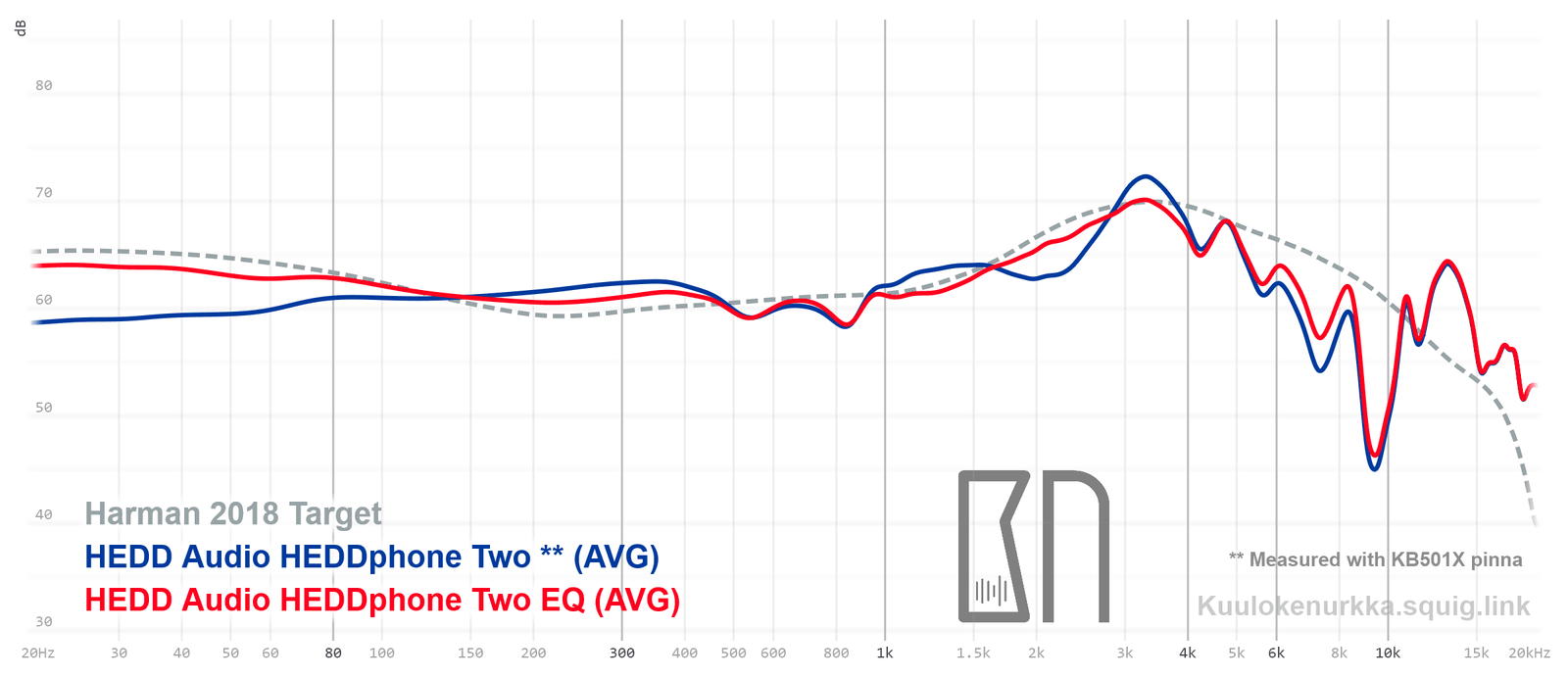
After the changes, the bass reproduction gains more depth and the soundstage more openness and realism. The mid-frequencies no longer push too close either, but settle into the place I expected in the soundstage. The changes together make the sound more natural without me feeling any aspect weakening. Of course, I cannot comment on studio use in this context, as the needs can be very different.
According to my own experiences, it is not possible to achieve similar clarity and resolution with basic headphones, even if a frequency response of a similar style were adjusted for them (it's impossible to achieve an identical end result). The fact that the HEDDphone Two manages to be extremely accurate, even if its treble is left quite calm compared to Harman's target curve, says something in general.
Comparison to other headphones
HEDDphone Two vs. ZMF Atrium
Prices: 2000 € vs. 2800–3500 € (depends on the chosen wood type and appearance)
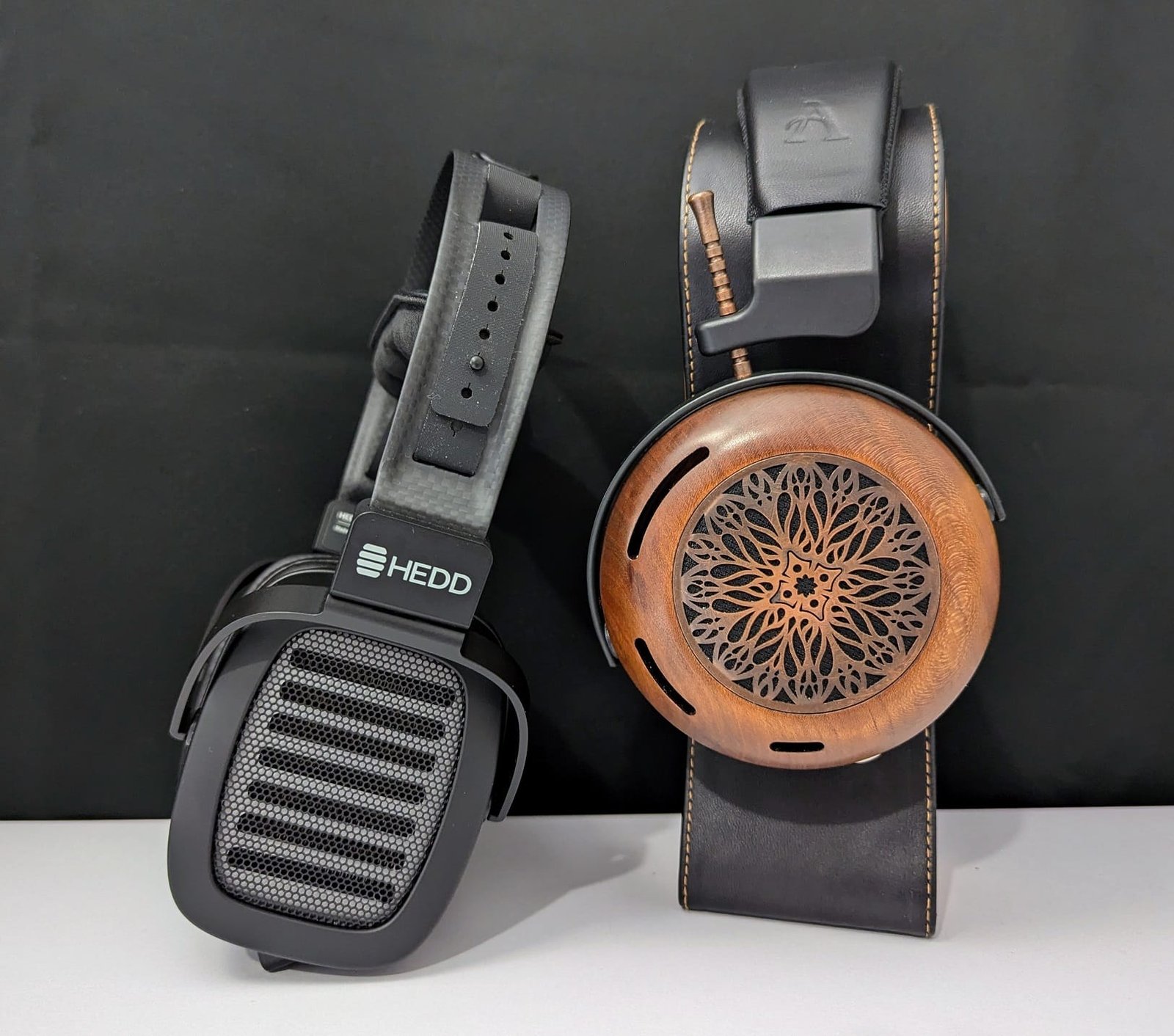
The theme of my first comparison is new vs. old, as HEDDphone's full-range AMT drivers are state-of-the-art from a technical perspective, while from the ZMF Atrium the dynamic biocellulose drivers found in the ZMF Atrium, with their 300-ohm impedance, represent, as it were, bygone analog eras. The same setup is amusingly reflected in the duo's appearance, as the Atrium intentionally exudes an old-fashioned charm with its cherry wood cups and rusty grilles, while the HEDDphone Two looks more modern with its clearer lines and carbon fiber headband. Common to both, in addition to handcrafted manufacturing, are their large size and high weight. However, equal attention has been paid to comfort, so it doesn't significantly differentiate the two, except that ZMF's ear pads feel noticeably softer and more pleasant. When it comes to sound quality, we return to the new vs. old setup.
Headphone frequency responses:
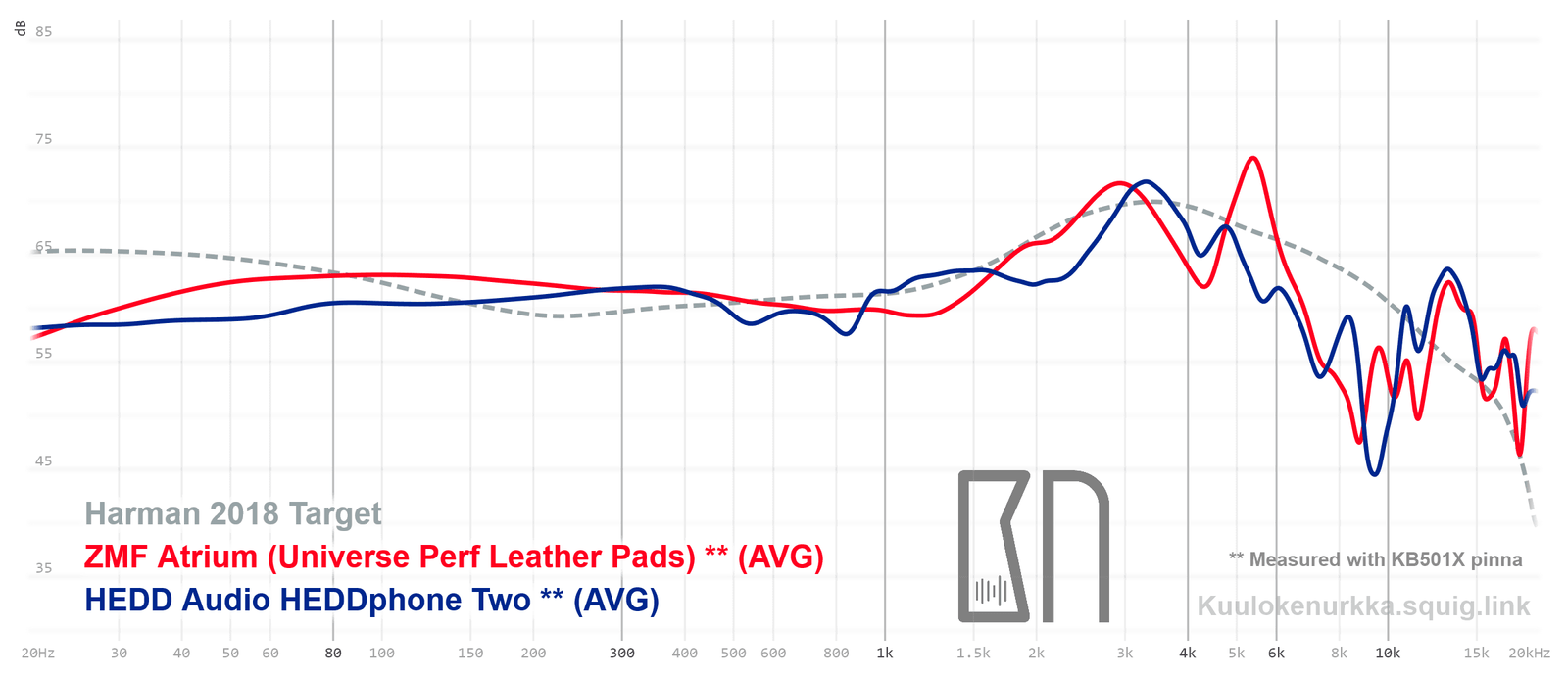
The ZMF Atrium sounds fuller and warmer of the two, as it similarly has a calm treble but more bass overall. The headphones' rich and punchy low frequencies add fun and a sense of grandeur to the sound, which is missing from the HEDDphone Two. The bass, implemented more linearly with AMT drivers, is, in turn, clearer and more detailed. Such bass also doesn't significantly affect the presentation of the mid-frequencies compared to how the Atrium's warmth spreads, as it were, into the reproduction. However, I personally find the rich, relaxed presentation pleasant, especially when it doesn't overly diminish the overall clarity of the sound. The comparison quickly reveals the HEDDphone Two to be more precise and transparent in sound, but the same details can also be heard with the Atrium, even if it doesn't separate them nearly as meticulously.
The Atrium's mid-frequencies are tuned to be more natural in energy level than the HEDDphone between 500–3000 Hz, and they don't push as far forward in the soundstage. The HEDDphone Two reproduces vocals and many instruments strikingly close, while the Atrium moves them further away without losing emotional connection. The headphones' soundstage also has more depth, and the left-right separation doesn't pale in comparison to the HEDDphone Two. Overall, I think the Atrium's soundstage works better because it doesn't try to squeeze music into one mold, i.e., always close. On the other hand, I equally like the edginess of the HEDDphone Two's mid-frequencies, because the Atrium never completely lets go of its softness. With this duo, one must choose between a sharper sound reproduced close and a rich, relaxed sound reproduced further away.
The treble in both headphones is mostly calm, but the airiness of the highest frequencies lightens the overall result. In the HEDDphone Two, the unevenness of the treble draws some attention, unlike in the Atrium, whose treble I find fresher and more harmonious. Part of this may be explained by the more strongly reproduced range between 5–6 kHz, which actually looks quite threatening in frequency response measurements. In reality, however, I wouldn't be able to name this frequency range as significantly emphasized, so to human ears, it likely remains calmer than what the measurement equipment suggests. The Atrium's treble also doesn't measure entirely correctly with my own equipment; its quantity must be assessed by listening to the headphones. However, this doesn't matter, as I would do so anyway.
In my opinion, the ZMF model is ultimately the more complete product of the two, because its musical sound feels so carefully considered that the headphones, in a way, develop their own soul, whether the end result matches the listener's preferences or not. The HEDDphone Two, on the other hand, feels like a technical masterpiece that offers more separated detail and accuracy, but with a slightly more uneven and harder-to-relate-to approach. It's hard for me to imagine that HEDD Audio wouldn't want to fine-tune the frequency balance a bit more. However, when switching from one headphone to another, I could easily end up listening to either, as they offer different strengths relative to each other. The advantage of the HEDDphone Two is its 1/3 lower price. It could also be made into a more impressive headphone than the Atrium by using equalization. However, the Atrium feels like a more special product, so paying for its pleasant and, in a way, analog sound doesn't feel like any injustice from the perspective of a true enthusiast. Its sound could also be modified by changing the ear pads.
HEDDphone Two vs. Modhouse Tungsten (Single sided)
Prices: 2000 € vs. 1800–2100 € (depends on aesthetic customizations)
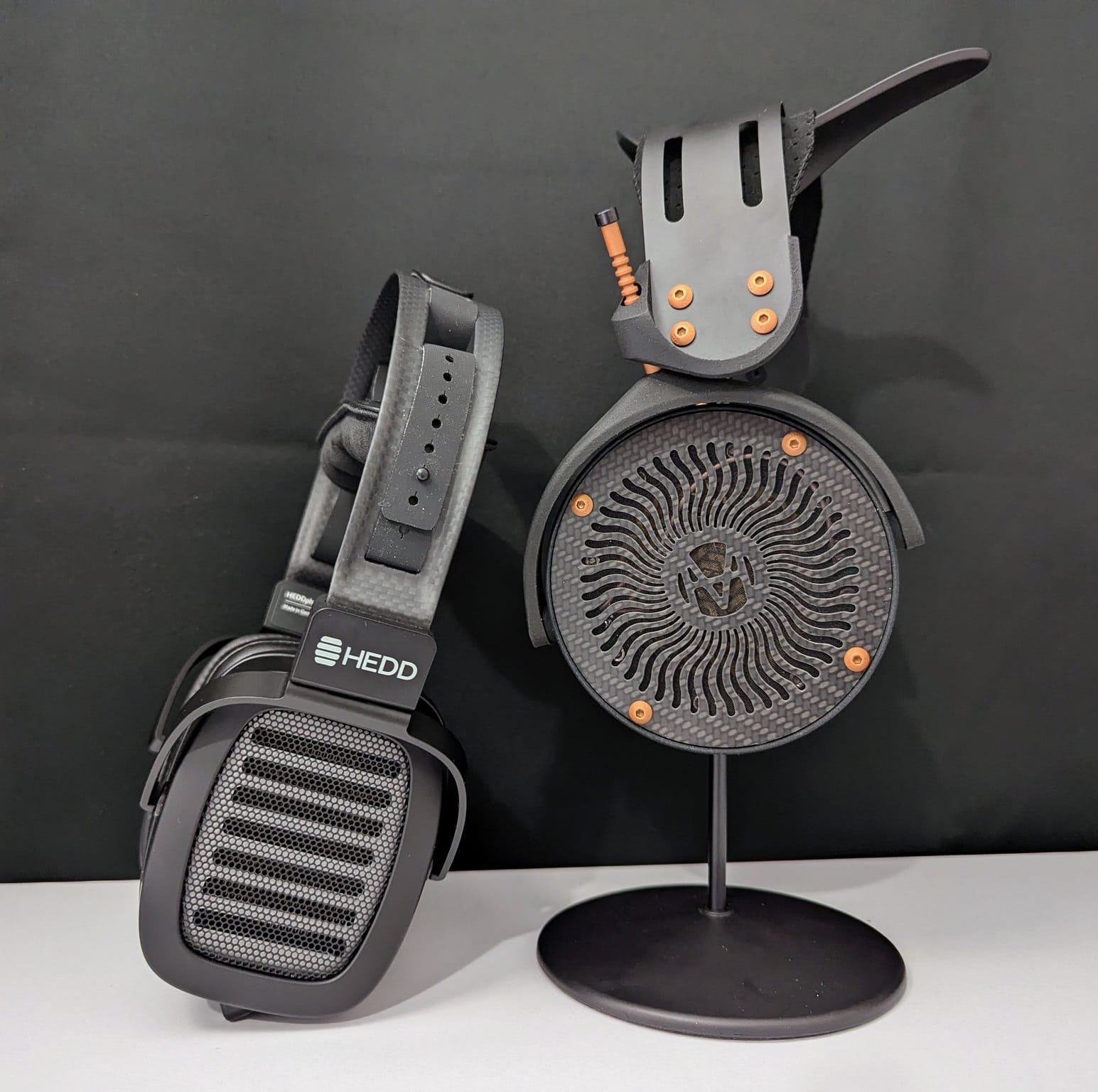
In my other comparison, we will find out if a similarly priced DIY planar headphone, the Modhouse Audio Tungsten (Single sided), can challenge the HEDDphone Two and its AMT drivers. The Tungsten is not an entirely ordinary planar headphone in the sense that it requires a very powerful amplifier due to its high impedance (135 ohm) and low sensitivity (76 dB/mW). It has also been designed to sound dynamic, similar to the original Hifiman HE-6, by using gold as the diaphragm conductors.
The HEDDphone Two is both easier to use and clearly easier to acquire of the two, as the completion of the Tungsten currently requires a 6–8 month wait after the order is placed. The headphones are sold, but they don't really exist in a way. Modhouse Audio should therefore hire additional staff soon.
As a headphone, the single-sided magnet version of the Tungsten weighs slightly less than the HEDDphone Two. There is nothing major to complain about in terms of comfort for either, but regarding construction, I prefer the HEDDphone because it is not made like the Tungsten by 3D printing from a rough material. Although the rattling of the AMT diaphragms due to air pressure sounds a bit annoying, the Tungsten has its own peculiarities. Its volume starts to pump up and down when the air pressure varies inside the ear pads. Because of this, the headphones cannot be moved at all during listening, nor is talking or eating an option. If this seems significant, I would recommend getting the Tungsten with double-sided magnets, which has not been reported to suffer from the same phenomenon. On the other hand, placing small risers under the ear pads would seem to reduce air pressure variation.
Headphone frequency responses:
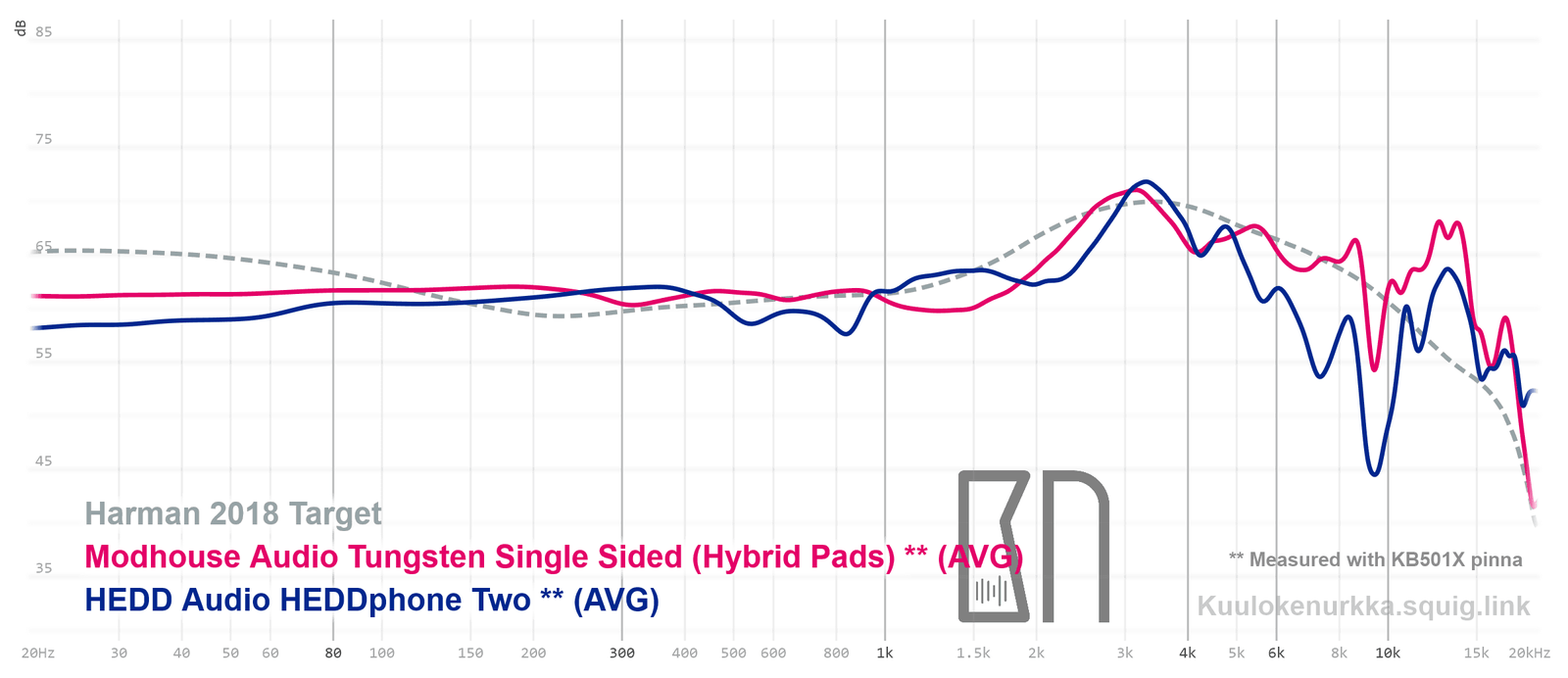
The Tungsten sounds more open and spacious of the two, thanks to its bright treble and a more calmly reproduced 1–2 kHz frequency range. In this comparison, the HEDDphone Two sounds quite dark and limited in its soundstage. With the Tungsten, the sound opens up to play more airily into the surrounding space, but the vocalist likely remains a tad distant for those who prefer the intimacy of the HEDDphone. Also, the initial details of many instruments are reproduced slightly softened with the Tungsten compared to the HEDDphone, which the headphones compensate for with their energetic upper frequencies. In this respect, the Tungsten somewhat resembles Hifimans, with the difference that its lower treble is not reproduced as sharply. However, I consider the emphasized 10–15 kHz frequency range, which unfortunately sometimes overshoots, to be the biggest weakness.
If a song contains, for example, brightly mixed cymbals, their hiss and sparkle easily push to the forefront with the Tungsten, distracting from focusing on other instruments. One gets used to it, and a certain intensity is also a fun feature, but the sound signature sometimes becomes overly metallic. The HEDDphone Two's treble is more relaxed to listen to, and the more moderate amount of upper frequencies does not ultimately make the headphones less detailed compared to the Tungsten. Rather, the Tungsten's occasional over-sparkle blends smaller nuances together, so bright sounds are less distinguishable from each other. With the HEDDphone Two, distinguishing similar details is easier, and the treble never takes too much attention away from the mid-frequencies either.
Overall, the HEDDphone Two succeeds in separating sounds more precisely from each other, and it is slightly easier to analyze the information contained in music. A more intimate soundstage and sharpness between 1–2 kHz support this. For example, in fast-paced drumming, individual hits are reproduced more clearly and explosively than with the Tungsten. On the other hand, when listening to the Tungsten, there is more time to follow what is happening in the soundstage, and spatial nuances are reproduced more realistically. The darkness of the HEDDphone Two's treble shows its weakness here. The main takeaway from the two is that they emphasize different frequency ranges and aspects in their reproduction, which I notice more easily than the difference in sound clarity or detail.
I haven't mentioned bass reproduction yet, but it is more robust in the Tungsten. It creates more sound pressure in music containing sub-bass and feels slightly more physical all the time. However, the HEDDphone Two sounds more powerful in music containing upper bass frequencies, because, for example, the kick drum hits more dynamically and the bass guitar creates a fun slap. The Tungsten reproduces the same instruments with more weight, but smaller nuances are not as clearly distinguishable. However, the difference can be explained purely by tuning, as both ultimately have a really high-quality and dynamic bass.
In my opinion, the superiority of the headphones depends on whether one is looking for a darker sound reproduced up close, emphasizing mid-range detail, or a more spacious sound with a fuller bass and bright treble. Both could be classified as relatively neutral, but they do draw attention to their subtle colorations. Although both impress me, the precision of the HEDDphone Two ultimately stays clearer in my mind. I have heard headphones like the Tungsten before, so it doesn't feel as unique. Still, its tuning is more successful in my opinion, so if I owned both headphones, my preference might vary depending on my mood.
Summary
A few weaknesses in the HEDDphone Two's frequency response initially gave me a slight scare, so I wasn't entirely sure what to expect. Soon, however, I noticed the headphones' strengths, after which I have not been particularly bothered by the slight unnaturalness. More balanced tuned headphone models can be found in different price ranges, but it is difficult for them to beat the HEDDphone in clearly presenting details and small nuances. When equalized, the headphones already challenge their significantly more expensive competitors. The construction is also now more proper and comfortable than the first HEDDphone model, so the user can focus more on listening to the headphones than on being aware of their presence.
The AMT drivers make the HEDDphone Two a truly interesting and very exceptional product from a technological perspective. Thus, its existence and, alongside it, its high price are, in my opinion, easier to understand compared to many other similar-looking headphone models. HEDD Audio must be appreciated for developing AMT drivers for headphone use in the same way as Raal Requisite for its ribbon drivers. Headphones from both manufacturers offer a unique listening experience. Although the HEDDphone Two has been developed primarily for professional use, I would see it as equally suitable for enthusiasts.
The headphone corner's wall of fame will soon be crowded in the higher price ranges, but I will nevertheless elevate the HEDDphone Two there. It offers, for example, more clearly than the Austrian Audio Composer and Meze Empyrean 2, exactly what is often sought from expensive headphones compared to more affordable alternatives. The HEDDphone Two also costs less than several of its competitors.
Pros and cons:
+ Offers top-tier resolution and accuracy
+ Reproduces small details dynamically
+ Equalizable to compete with significantly more expensive headphone models
+ Interesting AMT drivers
+ Versatile adjustable headband
+ A clear improvement in comfort compared to the first HEDDphone model
+ Comprehensive features
+ 5-year warranty
+/- The bass is very high quality, but there could be a little more of it
-/+ Requires a more powerful amplifier than average, but AMT drivers generally work with standard devices unlike ribbon drivers
-/+ The price is likely high for many, but I personally consider it quite reasonable compared to many competitors
– Occasional thinness and shoutiness of mid-frequencies
– Treble imbalance
– Narrow depth perception of the soundstage
– High weight and large size
– Driver diaphragms creak easily due to air pressure
 EN
EN  FI
FI