Author: Sword of Damocles
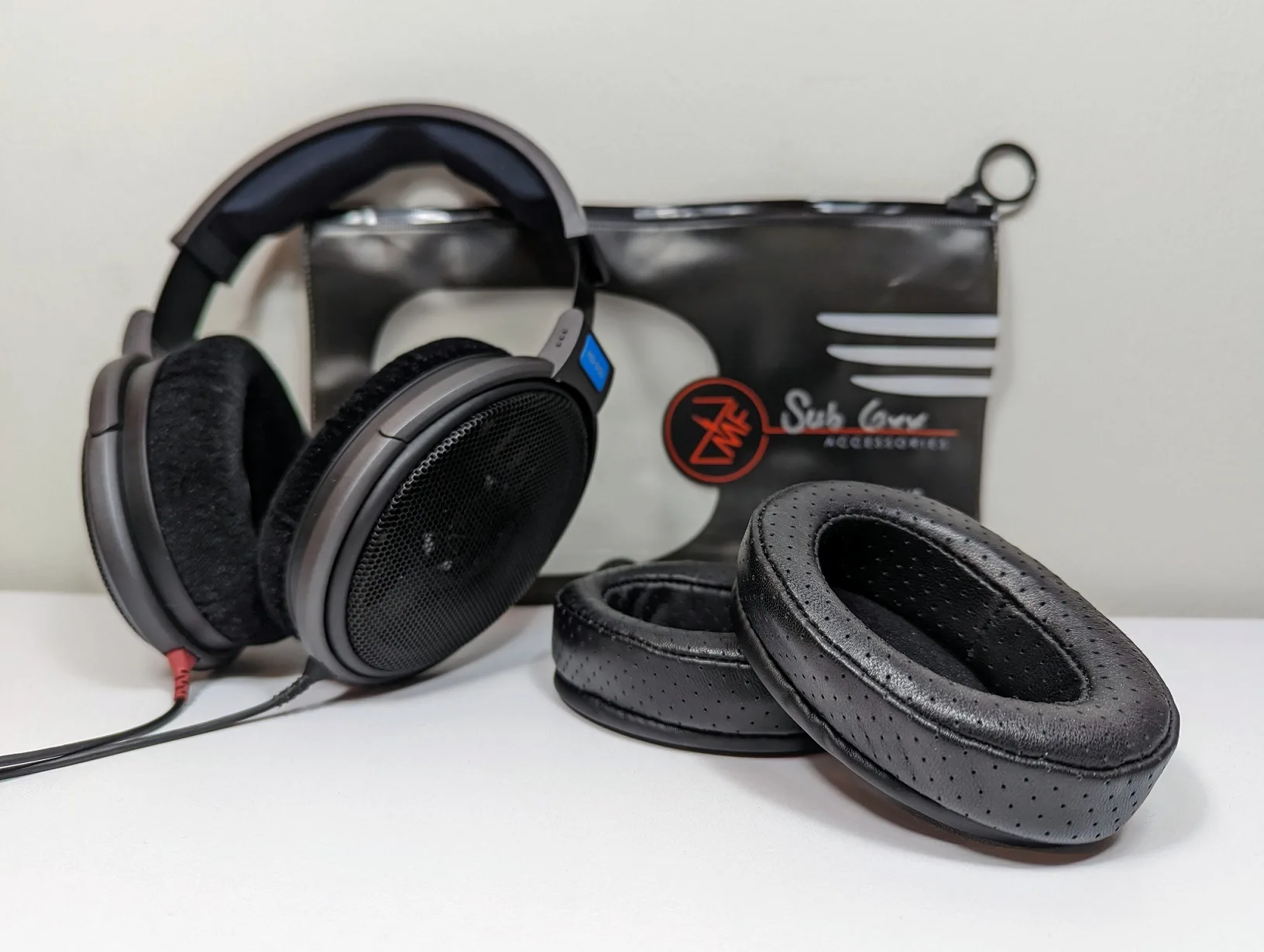
Table of Contents:
Sennheiser's HD 500, HD 600, and HD 800 series headphones are generally known for their soft foam ear pads compressing quite quickly with regular use, causing the sound quality to start changing in an undesirable direction. The manufacturer does sell replacement pads for its older headphone models as well, but especially in 2022, there were significant problems with the availability of spare parts, which, according to my interpretation, were due to production rearrangements or other production challenges.
Despite their poor durability, the manufacturer's pads are quite expensive, with HD 600 series pads costing around 40 euros and HD 800 series pads 80–100 euros. I know many have looked for suitable pads for their headphones from other manufacturers, and some even use cheap Chinese alternatives. Regardless of the price level, almost all pads from other manufacturers change the frequency response of Sennheiser headphones to be more unbalanced and worse than the original, as the manufacturer's headphone sound is widely appreciated as it is. The continuous wear of Sennheiser headphone pads has been an unresolved nuisance for many for a couple of decades now.
However, an American company has now also started looking for a solution to this, namely ZMF Headphones, which is known not only for its good headphones but also for its high-quality ear pads. As a result of extensive testing, the manufacturer has developed its own pads for both the HD 600 and HD 800 series (and for headphones from a few other manufacturers). Pads are available in different materials, similar to Dekoni Audio. However, in my experience, Dekoni often doesn't care if its pads sound good on certain headphones, or how much the sound of the headphones changes. ZMF, on the other hand, has aimed to make pads that respect Sennheiser's own vision for the sound of its headphones.
In this article, I will discuss the perforated lambskin pads suitable for HD600 series models (at least HD 580, HD 600, HD 6XX, HD 650, and HD 660S) (ZMF HD6xx+ Substitute Pads), which I have tested with both HD 600– and HD 650 headphones. ZMF also sells similar pads in faux suede material, which apparently results in a brighter sound. For the most adventurous, the manufacturer even offers leather pads without perforations, but these radically boost bass reproduction. ZMF recommends these pads only for those who like to experiment.
Physical presentation of the earpads
ZMF's ear pads cannot be called cheap, as their tax-free price is 70 dollars. For example, ordered from Swedish ARK Audio, the pads cost about 95 euros including shipping. However, the long-term durability should be in a completely different league than Sennheiser's own pads, so ZMF's pads will eventually pay for themselves, assuming they sound good and one wants to use them.
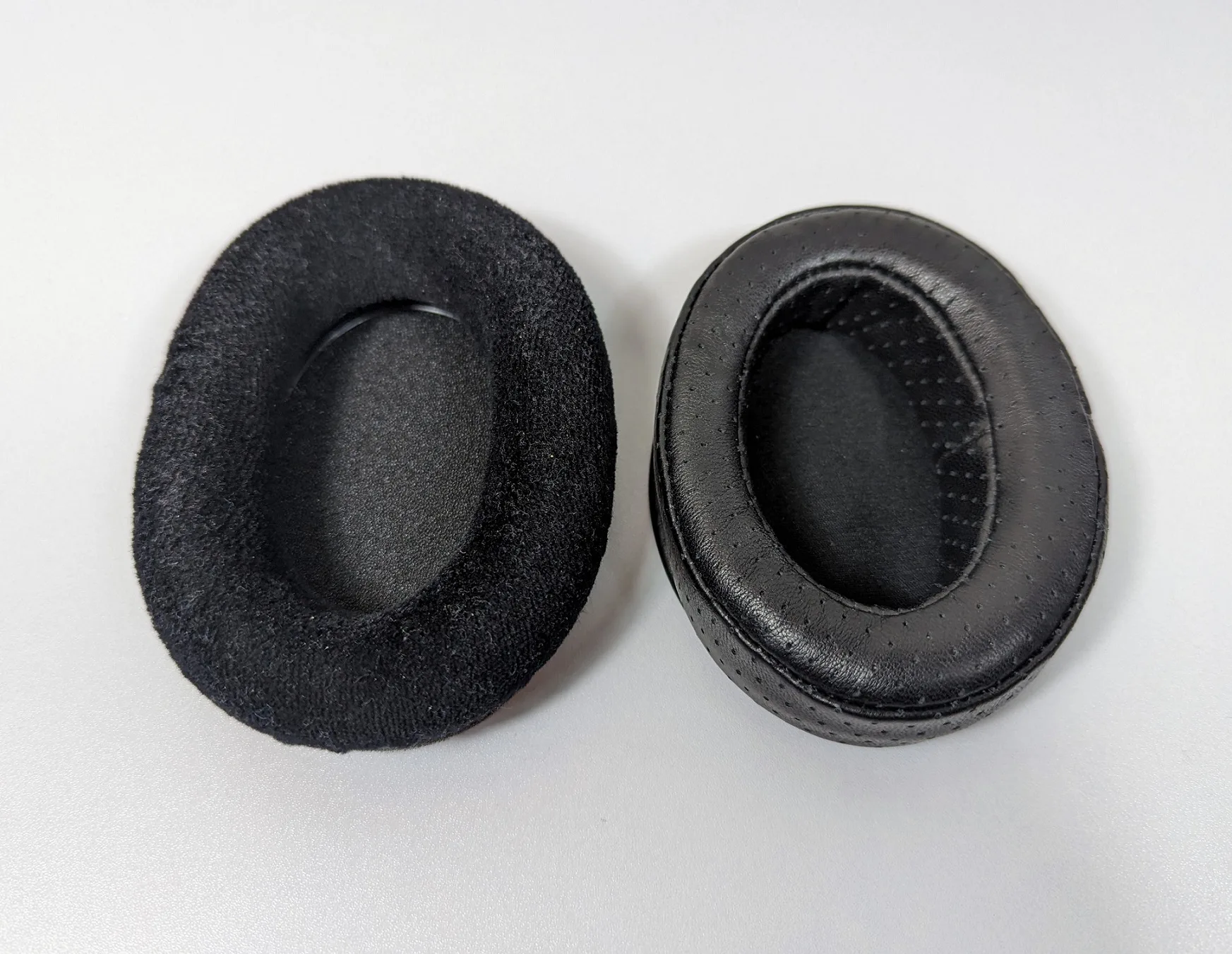
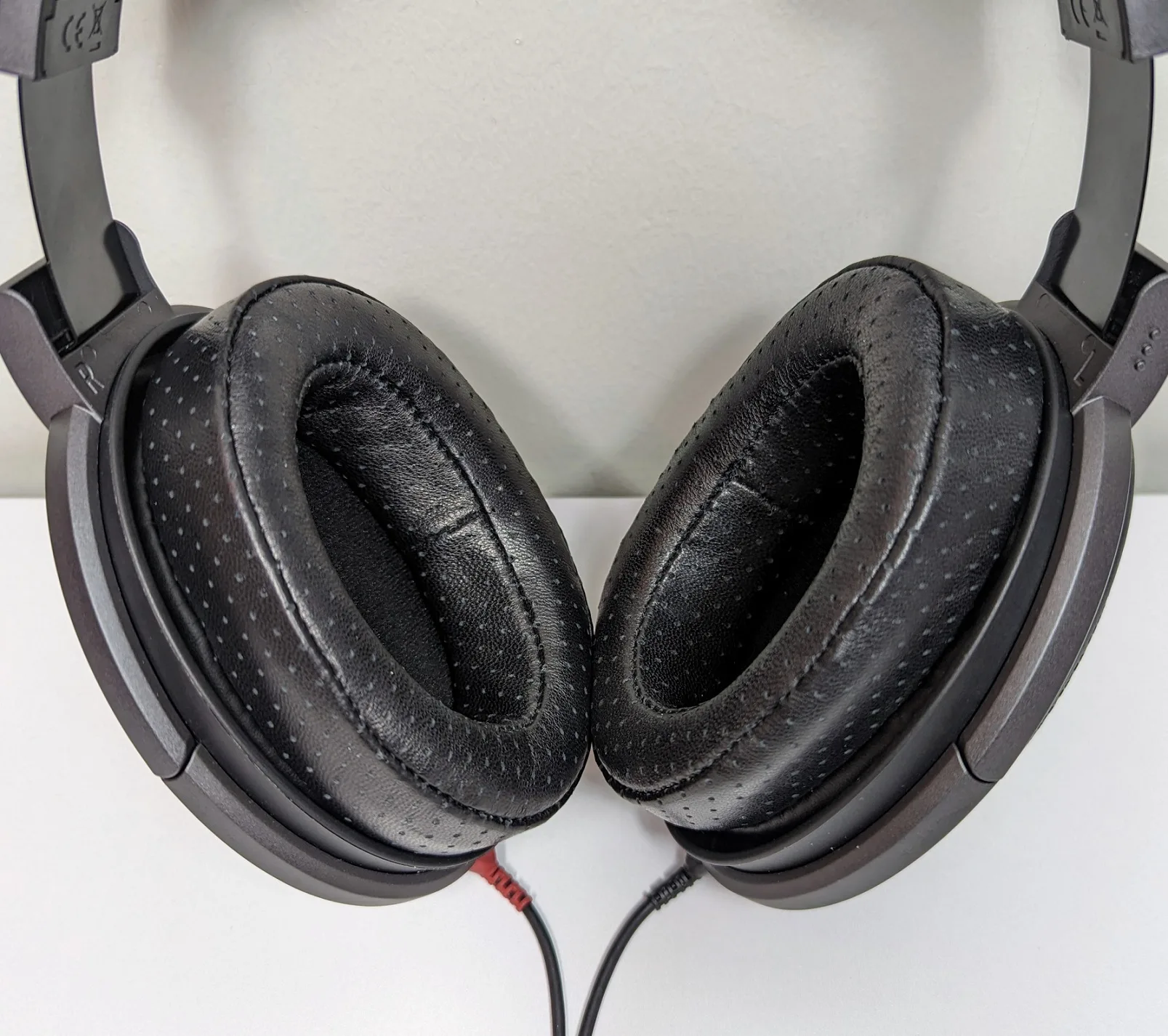
ZMF supplies 3D-printed mounting rings with its pads, which, when removed, allow the pads to be used with other headphone models. There is no need to place separate foam/dust covers on the base of the pads, as they have a base fabric already in place.
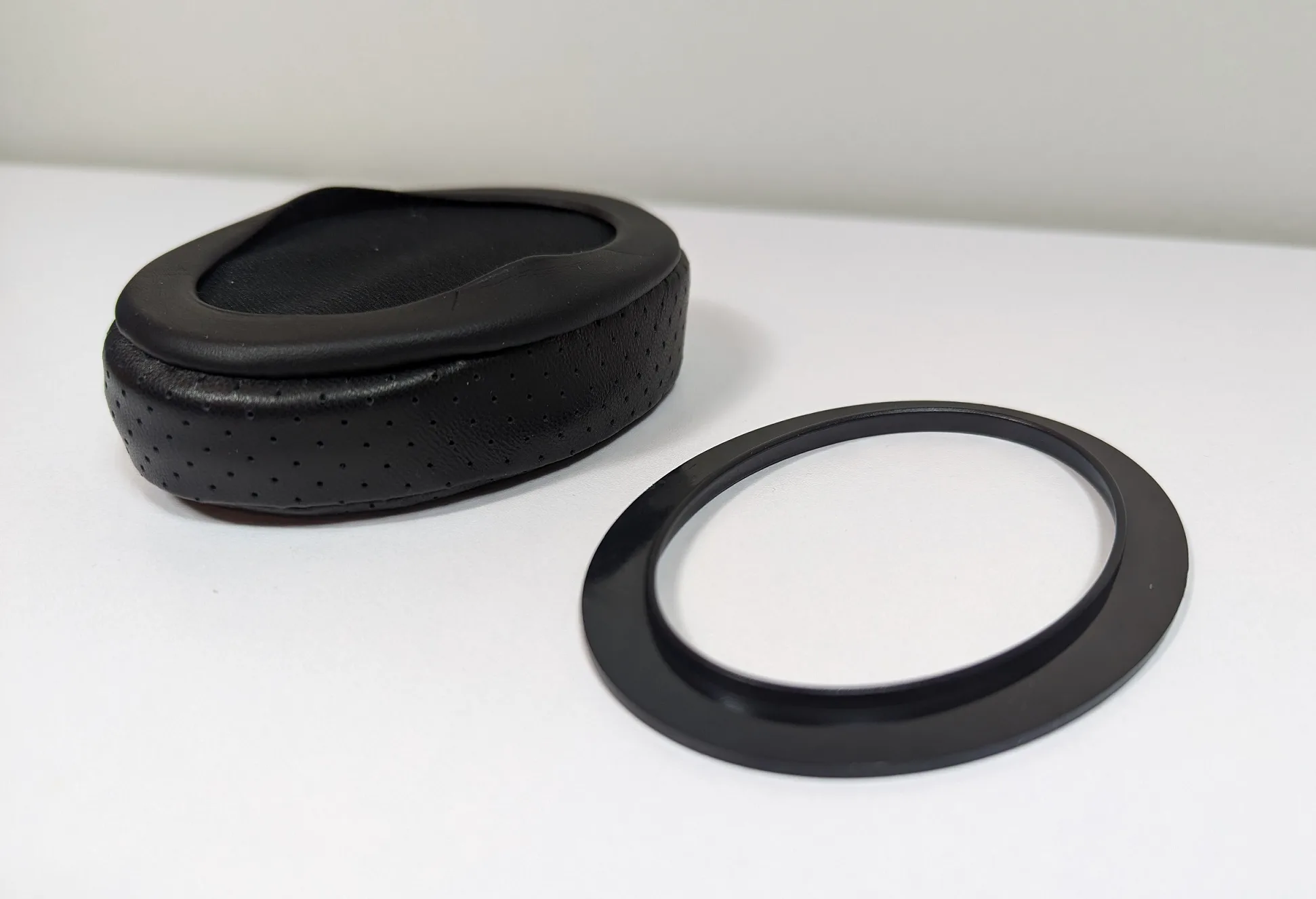
The pads themselves are made of very high-quality and luxurious-feeling lambskin, which is hand-stitched. The foam material inside is denser and firmer than in Sennheiser's pads, so ZMF's pads hardly compress when wearing the headphones. The outer dimensions of both pads are quite similar, with the difference that ZMF's pads are slightly thicker and also have a slight tilt (the back part is thicker than the front part). The tilt improves fit, and also turns the driver slightly towards the ear. Sennheiser's pads do not have a similar tilt.
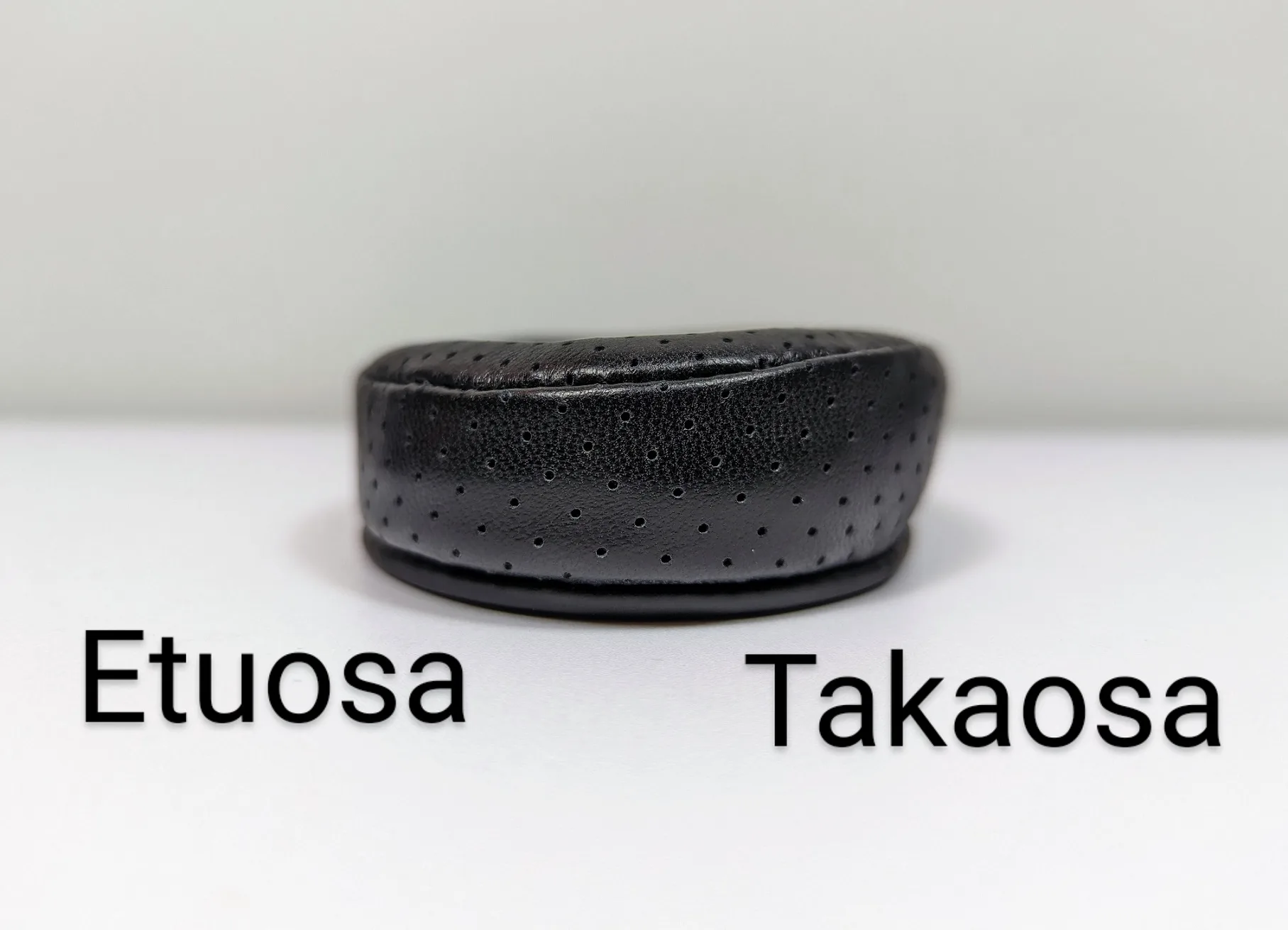
Since ZMF's earpads are slightly thicker, I was initially afraid they would increase the headphones' already strong clamping force. They do, in a way, but the comfort is actually better in my opinion. The sturdy earpad absorbs the clamping force well, so pressure doesn't build up around the ear in the same way as with Sennheiser's more compressible earpads. With ZMF's earpads, the fit is pleasantly secure, and my ears don't touch the edges of the earpads. The headphones also look more stylish and premium with the leather earpads. Since the HD 600 model now costs about 300 euros new, ZMF's earpads are worth almost a third of the headphones' price.
Sound quality comparison with Sennheiser earpads
The Lambskin Perforated earpad version I'm testing is said to attenuate high-frequency reproduction somewhat compared to Sennheiser's stock earpads. Suede Perforated earpads, on the other hand, would keep the reproduction brighter, if not even increase the amount of treble compared to Sennheiser's earpads.
My assumption is that leather earpads are a safer choice for most, while the suede version might make the HD 600 model, in particular, sound too bright. With the darker-sounding HD 650 model, suede earpads might work better, but on the other hand, most owners of that model probably like the headphones precisely because they sound calmer and fuller compared to the more neutral HD 600 model. Thus, a buyer of suede earpads must specifically want a slightly brighter sound than what the Sennheiser HD 600 series offers by default. Perhaps I'll get to test suede earpads someday, but this time I'm focusing on leather earpads.
Frequency response measurements made with earpads can be compared on Kuulokenurkka's comparison site
Leather earpads with the HD 600 model
Changes in frequency response:
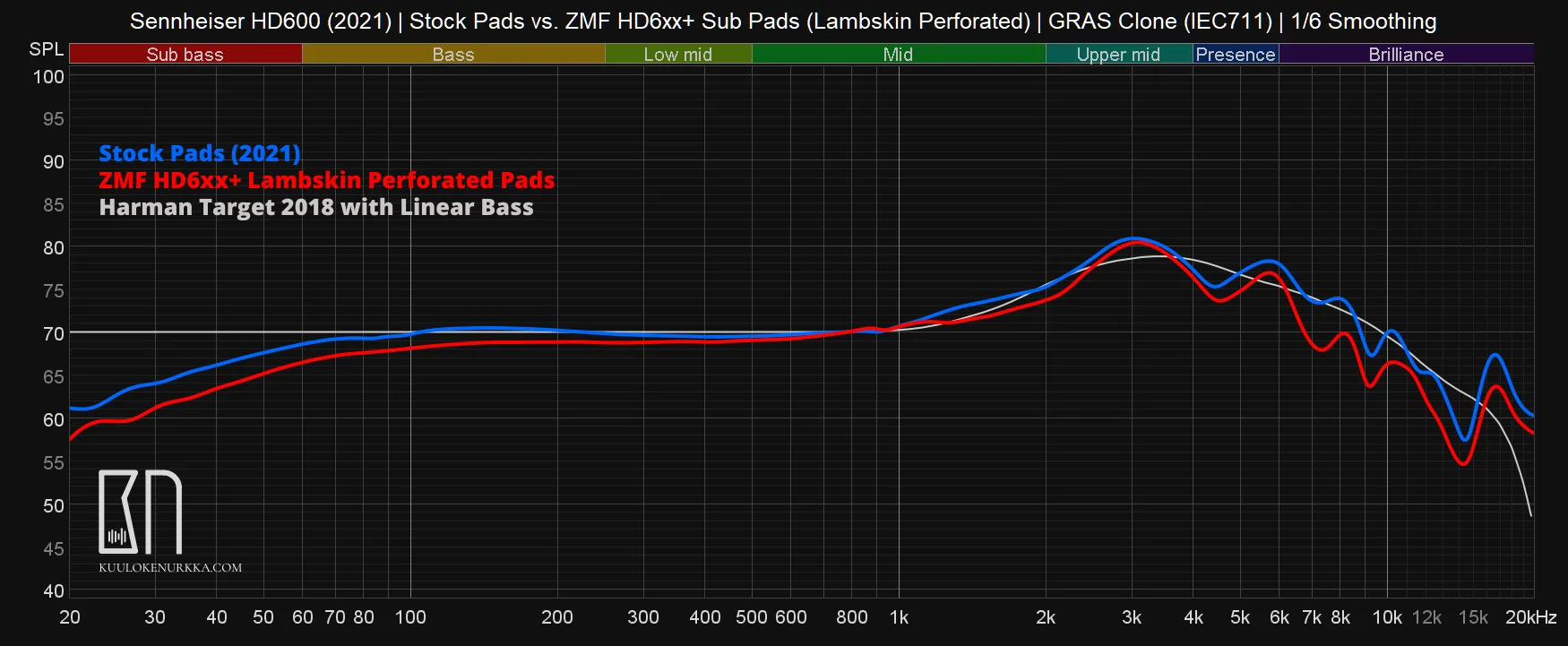
The headphones sound largely very similar with ZMF's earpads as they did in the initial state. However, there are small changes in the frequency response, which I consider favorable for those who do not want the most neutral sound from their headphones. The HD 600 is not normally particularly interesting to listen to due to its light bass reproduction, narrow soundstage, and a certain analytical approach, even though it has excellent mid-frequencies. ZMF's earpads first make the soundstage feel a bit more open, which is certainly due to the driver being in a slightly different position relative to the ear, and the 1.5–2.5 kHz region reproduces a couple of decibels calmer than before.
Secondly, and more significantly, the high frequencies reproduce overall slightly calmer with ZMF's earpads from 4 kHz onwards, but not more unevenly. The bass reproduction also attenuates by a few decibels in the measured frequency response, but from a frequency balance perspective, I don't perceive the bass reproduction as any lighter, as the amount of treble decreases even more. The bass actually feels a bit tighter and less loose, which may be directly due to the leather material of the earpads. I observe a similar change also in ZMF's headphones between leather and fabric earpads. However, in the HD 600, it's not a major change in the end. Most earpads from other manufacturers emphasize the low frequencies of the HD 600 series too much, so ZMF has succeeded in keeping the low frequencies largely unchanged.
The calming of the high frequencies and their moving further away in the overall presentation makes the HD 600 a slightly fuller and more mid-frequency-focused headphone. The relationship between mid-frequencies and treble resembles the HD 650 model, but the HD 650's mid-bass emphasis is missing from the low frequencies, so the sound doesn't feel particularly warm.
Since many ZMF headphones have been influenced by the HD 600 series, I'm not greatly surprised that with ZMF's developed earpads, the HD 600 model sounds quite ZMF-like, apart from its light bass reproduction. The singer's voice and mid-frequencies, in general, gain more emotion, as it's easier to immerse oneself in listening when the treble is calmer and less sparkling. The presentation style is overall more musical and less analytical. If I didn't know what headphones I was listening to, I could imagine the HD 600 being some affordable headphone model made by ZMF. Thanks to its 300-ohm impedance, it also behaves similarly to ZMF's headphones with many amplifiers.
I have owned the HD 600 as a kind of reference headphone for a neutral frequency response, but I haven't often felt like listening to it in other contexts. With ZMF's earpads, however, the sound of the headphones is more appealing, which is why I've found myself using them more often. The HD 600 is not necessarily as airy and neutral anymore, but suitably darker and more interesting. Still, no major change should be expected; with ZMF's earpads, the headphones could very well be a third different version alongside the HD 600 and HD 650.
Leather earpads with the HD 650 model
I also tried the leather earpads for a while on the HD 650 model, which initially sounds calmer in the high frequencies and fuller in the low frequencies than the HD 600. Listening to the HD 650 is truly relaxed and less analytical compared to the HD 600. I would even call the HD 650 already quite ZMF-like, albeit with a distinctly more intimate soundstage – this has its own charm with the right kind of music and especially when listening to a good vocalist. For some reason, however, the HD 650 often sounds disturbingly unclear and veiled to me, which I have never fully gotten over. I hoped that ZMF's earpads would make it sound clearer.
Changes in frequency response:
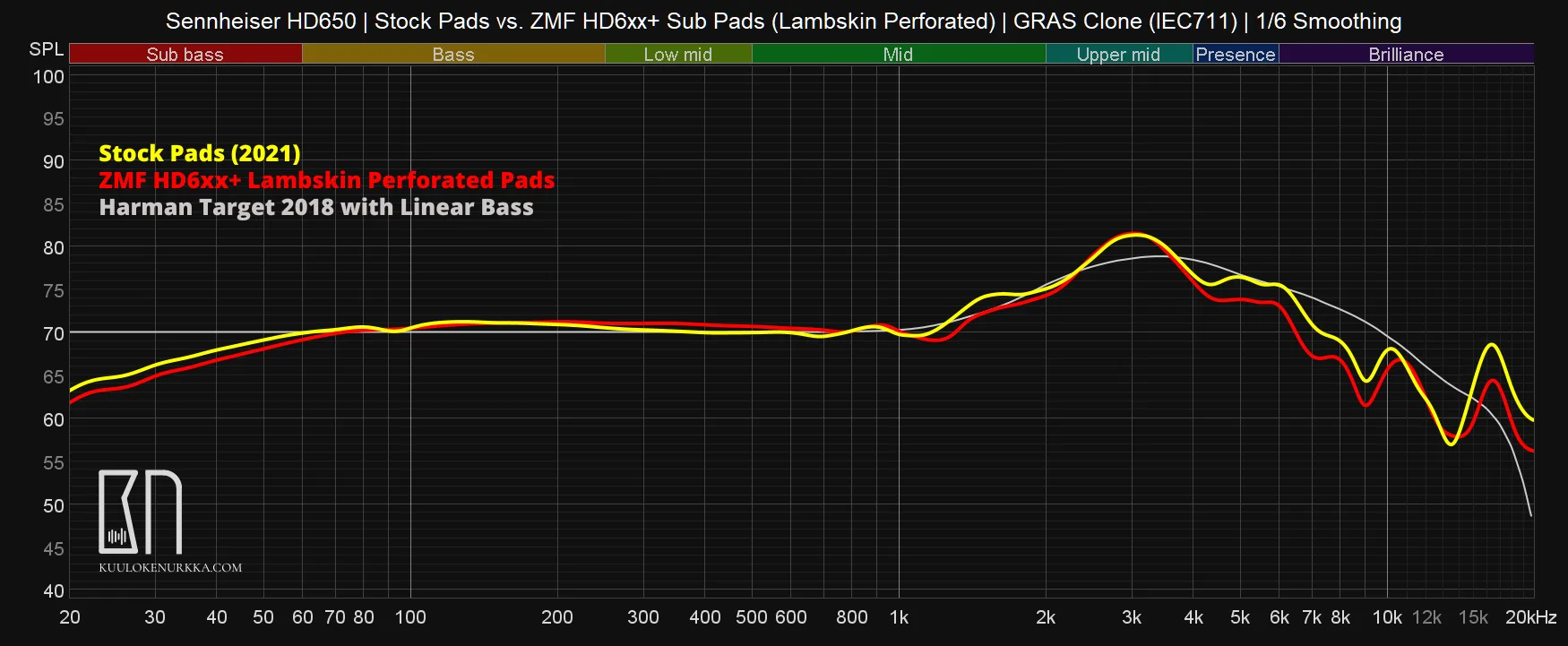
ZMF's leather earpads also largely retain the sound signature of the HD 650, with the difference that the treble darkens slightly, and the soundstage expands even more than with the HD 600 model. The sound also becomes clearer than before, so I no longer perceive the headphones as veiled or congested. The HD 650 is still pleasantly relaxed to listen to, but it surprisingly resembles the HD 600 model a bit more. In my opinion, this could not be concluded solely based on the frequency response, as with ZMF's earpads, the upper frequencies are even calmer than in the HD 600 model. The amount of bass, however, unlike the HD 600 model, does not change at all, but the bass feels tighter and faster thanks to the leather earpads.
The biggest single stylistic change in the sound is still the lightening of the mid-frequencies between 1–2 kHz, which, together with a calmer presence region, makes the sound more spacious and in a certain way more effortless. This does, however, take away some of the headphones' intimacy, so those who like that the most might shy away from the change. In my opinion, considering the more general use of the headphones, the change is favorable. The HD 650 with ZMF's earpads is really pleasant to listen to because the sound has warmth and the mid-frequencies are still clear. The treble also retains its original airiness well, even though it is heard completely effortlessly further back in the overall sound. The sound also doesn't come completely in your face; instead, the soundstage feels more normal instead of cramped.
When using ZMF's earpads, I like the HD 650 a bit more than the HD 600, even though normally the situation would be the other way around. The HD 650 is now full-bodied in the right way without being congested. The headphones surprisingly resemble the ZMF Atrium in their presentation, yet they are more neutral and lighter in bass. Since the HD 650 was only on loan for testing the earpads, I even got a small spark to buy one for myself at some point, specifically for listening with ZMF's earpads. There is an excellent synergy between the headphone & earpad combination for my taste, which I rarely get to say in situations where the headphones and earpads are from different manufacturers.
Summary
In my opinion, ZMF has made excellent, albeit expensive, earpads for the HD 600 series. They are of very high quality in terms of material, and one would expect them to withstand use for many years. I did not notice any deterioration in comfort for myself; rather, a small improvement, because the fit of the headphones is more secure, and my ears do not touch the edges of the earpads.
When used with the HD 600 model, the earpad model I tested largely retains the sound while making a few small improvements that align with my preferences when I want to listen to headphones with a less analytical approach. ZMF's earpads for the HD 650 model, in turn, transform the sound to be clearer and more spacious while retaining the fullness of the lower frequencies. The headphones could be slipped directly into ZMF's product range, whereas the HD 600 would ultimately feel a bit too light in its lower frequencies for that.
The downside of ZMF's earpads with the HD 600 model is that the upper frequencies are no longer as neutral. With the HD 650 model, on the other hand, a bit of intimacy is lost, which I know many people appreciate. If these changes and the somewhat high price of the earpads don't bother you, I can warmly recommend them. I have read more conflicting experiences regarding the suede version of the earpads, but I will update the article if I get to try that one in the future.
 EN
EN  FI
FI