Author: Roderick
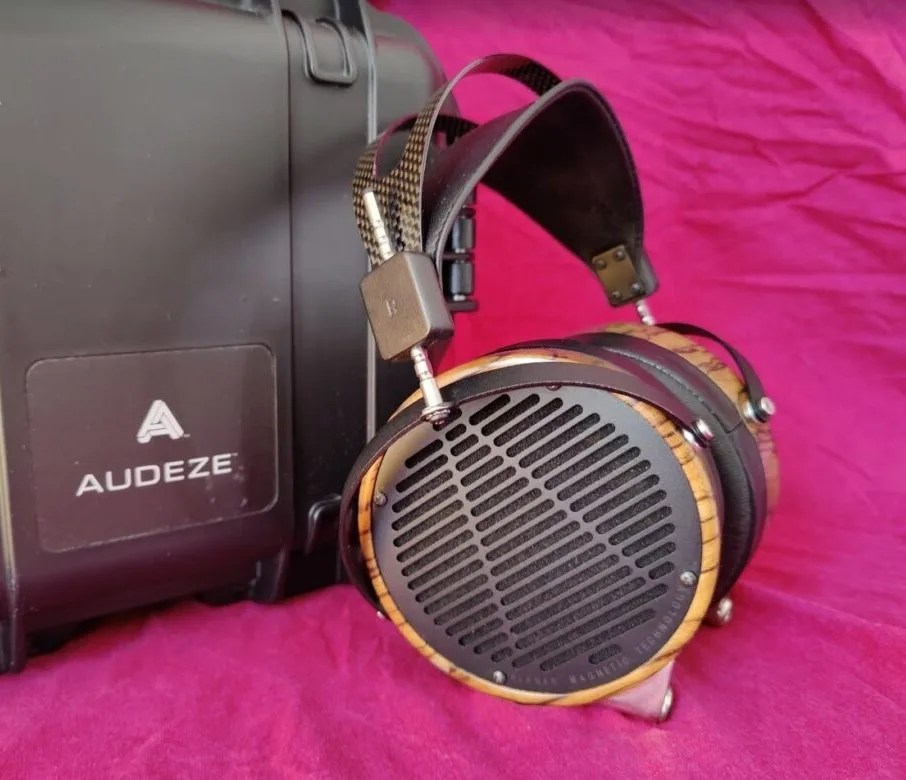
Table of Contents:
Information:
- Release year: 2011 (the sound and appearance of the headphones have changed several times over the years; my own aged headphones have been updated by replacing parts to match the 2021 model)
- Country of origin: USA
- Price: 2000 €
- Structure: open, over-ear
- Planar driver: 106 mm
- Impedance: 110 ohm
- Sensitivity: 101 dB/mW
- Weight: 635 g without cable
- Connector type: 2 x 4-pin mini-XLR
- Included: plastic carrying case and a 1.9-meter detachable cable with a 6.35 mm connector
- Warranty: 3 years for the driver and 1 year for external parts
Review sample: Self-purchased product
Equipment used in the review:
- DAP: Shanling M6 Pro
- DAC/AMP combo device: iFi Micro iDSD Black Label
- DAC: Schiit Yggdrasill A1 / Soncoz SGD1
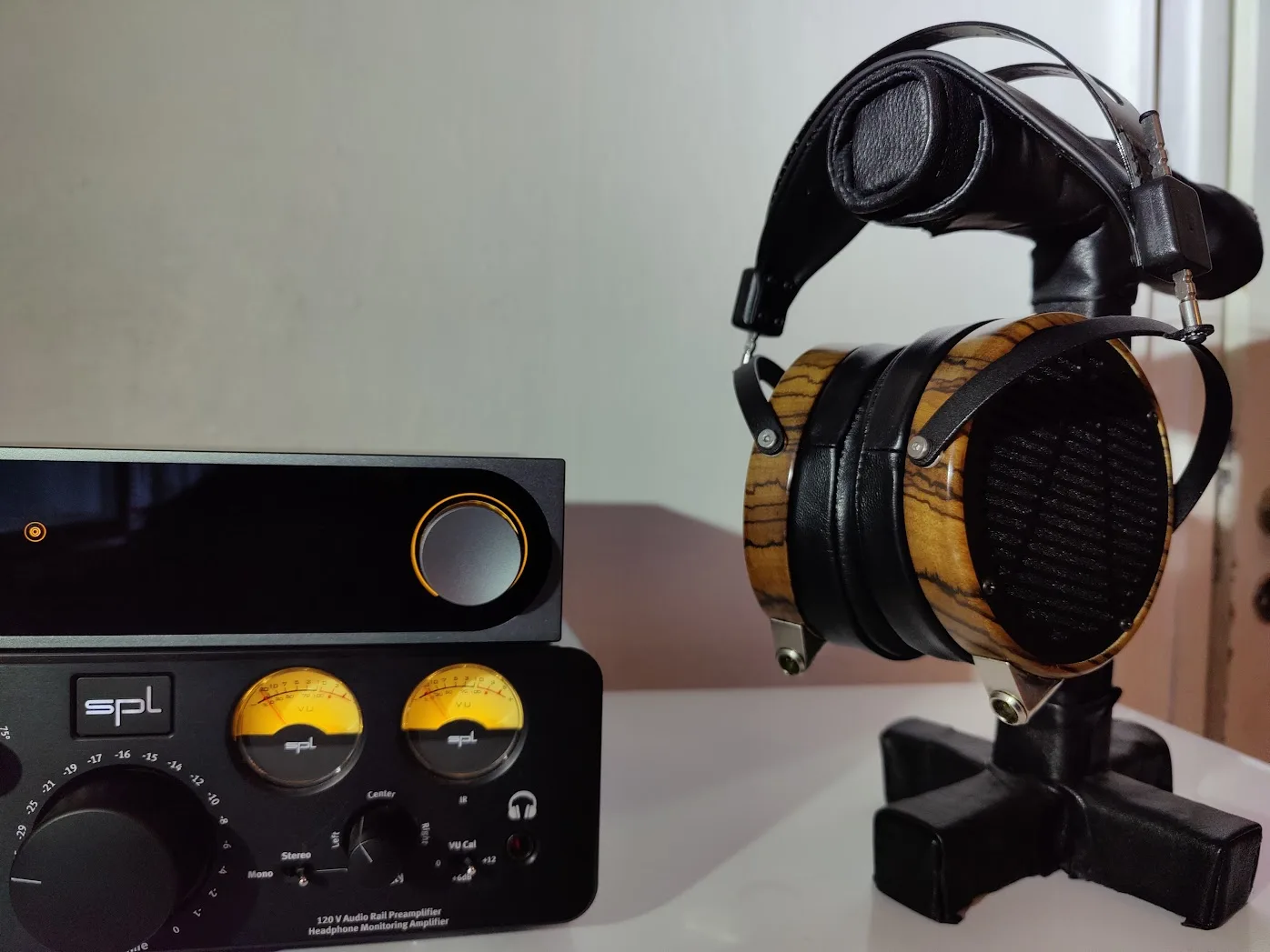
- Headphone amplifiers: SPL Phonitor 2 / Monolith Liquid Platinum
The Audeze LCD-3 model, now 11 years old (link to product page) is probably familiar to many headphone enthusiasts in some way. The headphone model has been updated several times over the years: the most significant sound quality improvements were the fazor drivers introduced in 2016 and the thinner ear pads released in 2021. My own pair of LCD-3s was updated with fazor drivers in 2017, and I also acquired new model ear pads for this review. In terms of sound quality, the headphones should, at least in theory, correspond to the new LCD-3 headphones currently sold in stores.
Structure and comfort
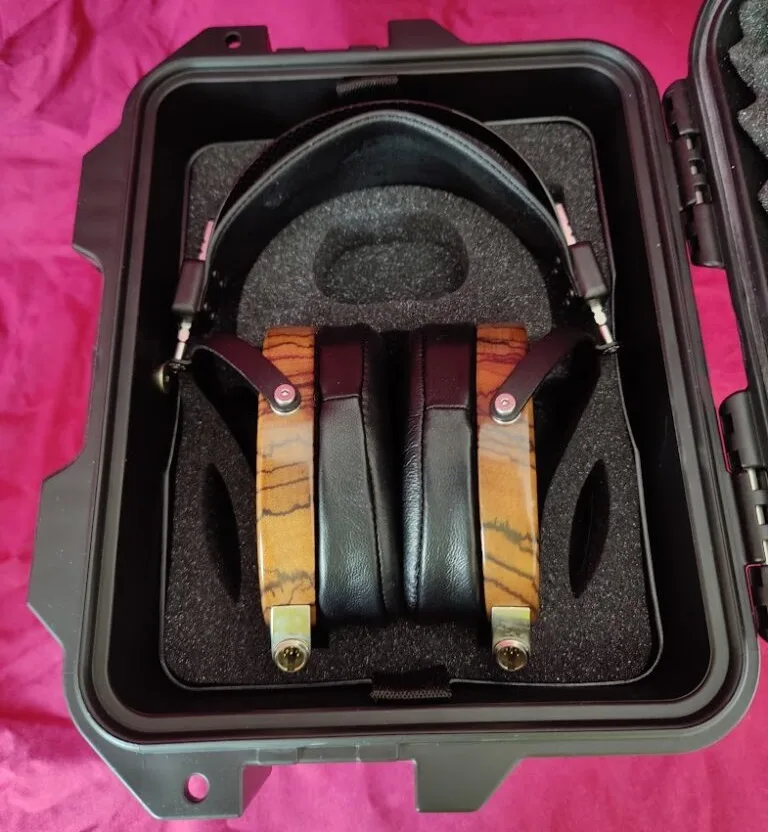
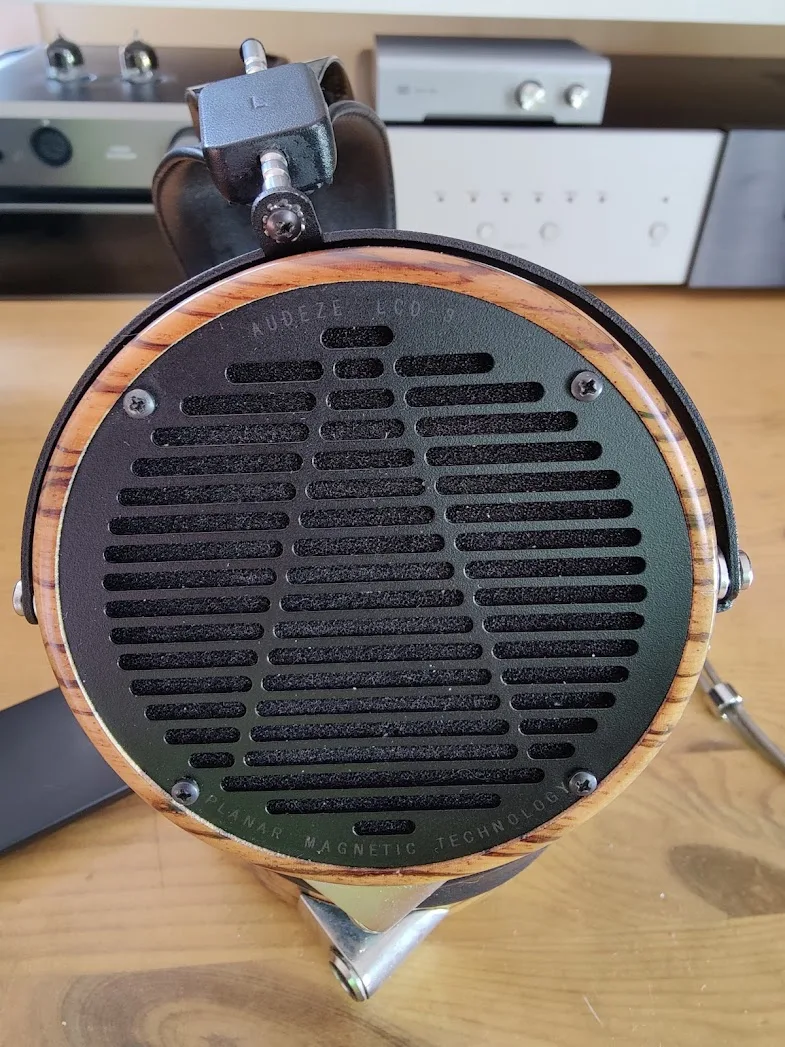
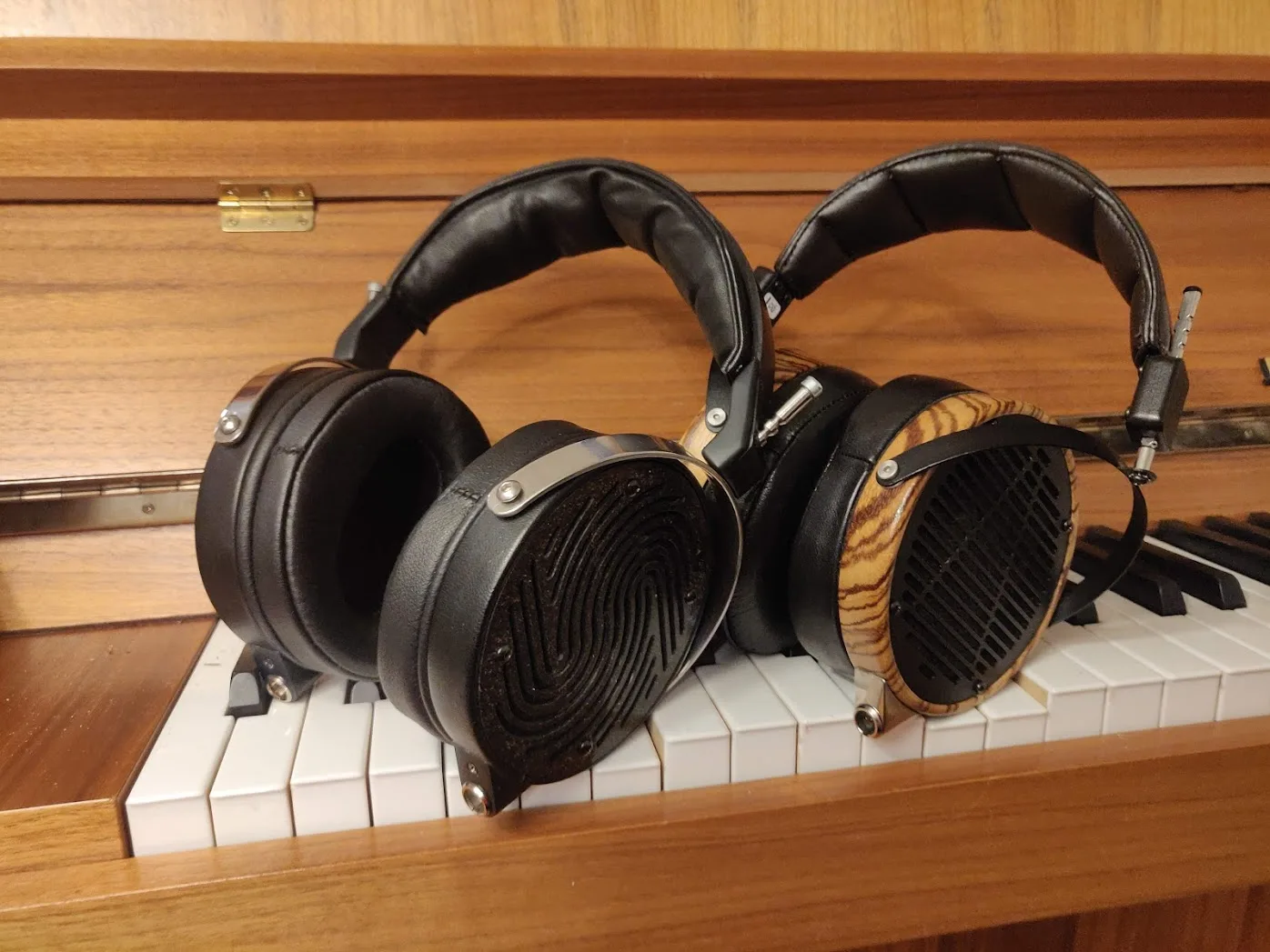
In my opinion, the headphones look quite nice, as I have always liked Audeze's somewhat retro design. However, in 2022, wooden cups no longer make the same impression as 10 years ago, when wood as a headphone material was still quite rare. Nowadays, wooden headphones are widely available in all price ranges.
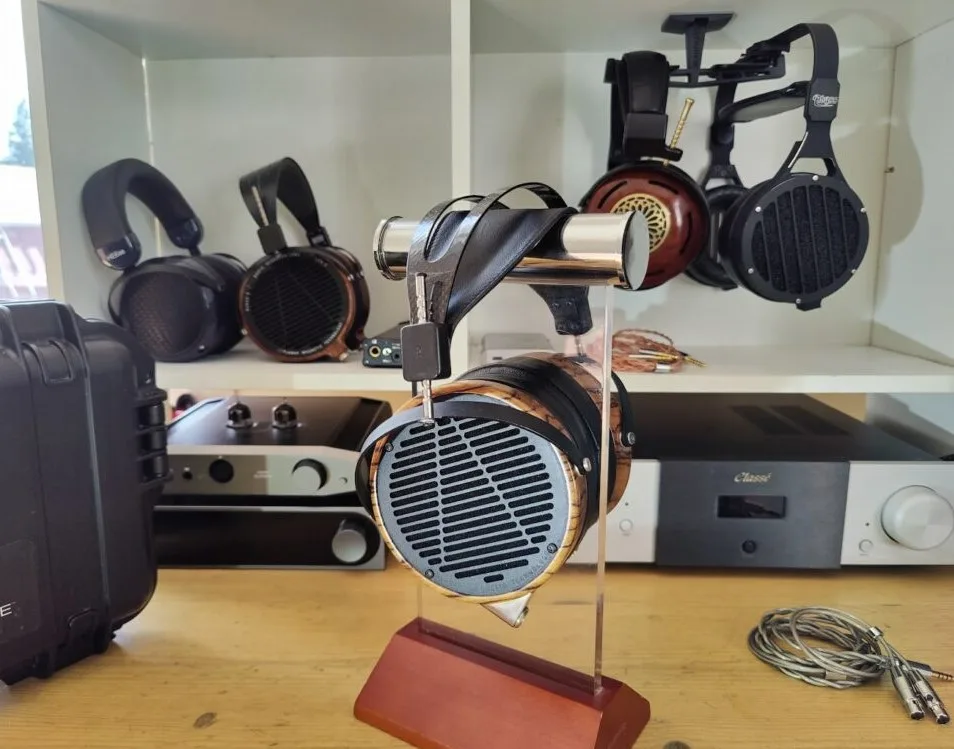
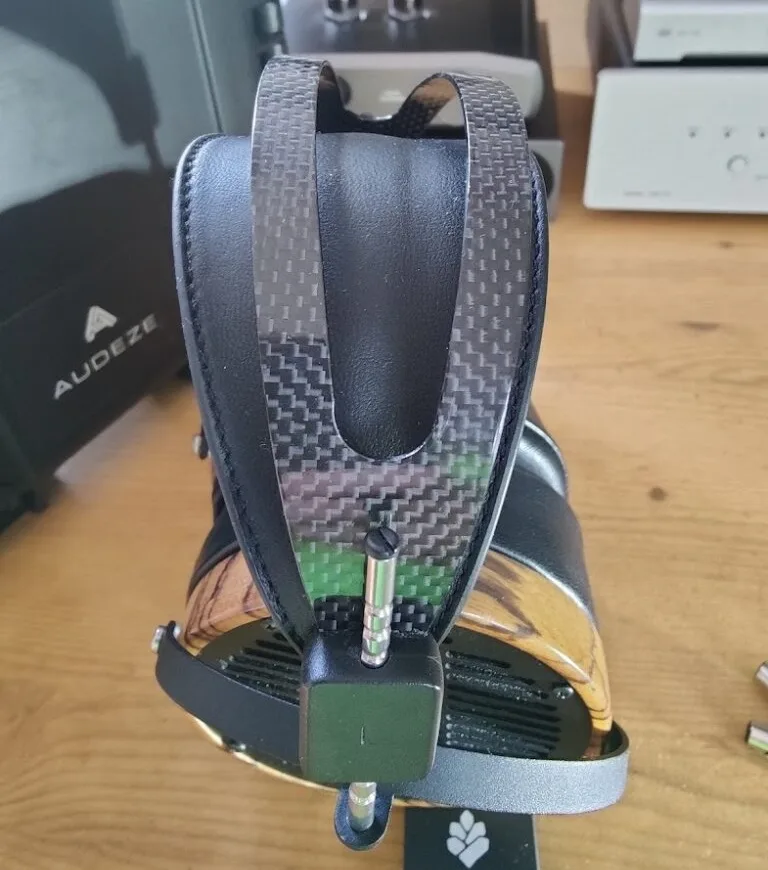
The LCD-3, typical for Audeze headphones, is large and heavy. The headphones weigh a hefty 635 grams without the cable. Although one might not want to use the headphones for many hours straight, the fit on the head is surprisingly comfortable despite the high weight. The wide leather strap helps distribute the weight well, provided the owner has remembered to store the headphones properly. A common flaw in Audeze's LCD series is the stretching of the strap when heavy headphones are hung by the leather part on a headphone stand. As the strap stretches, it reaches the headband above, causing the hard headband to rest directly against the listener's head.
It is possible to shorten a stretched leather strap by making new fastening holes in it – I had to perform this operation on my own headphones as well. The end result was quite good, but the leather part now sits a bit too low, so there is less adjustment range for the headphones' wearing height. Because of this, the headphones may no longer fit a large head.
Spare parts:
The situation could be remedied by purchasing a new original leather strap or, alternatively, longer adjustment pins. A new strap ordered from Audeze costs 39 USD and the pins I mentioned cost 20 USD. Of course, shipping costs and VAT must still be added to the final price.
It's great that the manufacturer sells spare parts for the headphones, but I wish they were a bit more affordable. New ear pads cost 80 euros, a metal headband 140 euros, and a carbon fiber headband 240 euros. New drivers for the LCD-3 headphones, on the other hand, cost about 800 euros. Therefore, it's not really worth sending broken headphones to the United States for repair after the warranty has expired, because the total sum, including shipping costs, becomes so high that for the same price, it's possible to acquire another used pair of headphones – the broken headphones can serve as spare parts, for example.
Pads and cable:
In addition to the high weight, the glued-on ear pads are a significant structural flaw in Audeze headphones. I understand that gluing ensures excellent sealing, which is essential, especially for proper bass reproduction. However, I believe the manufacturer should strive to find a solution that makes replacing the pads easier. Many other manufacturers have succeeded in this, so it shouldn't be insurmountably difficult for Audeze.
The 2021 ear pads are thinner than before, and the foam used in them is less flexible. Although the previous pads were softer, I prefer the current ones. The pads used to be so thick that they always felt a bit unstable on my head. The tilt angle was also unnaturally steep, so the headphones tended to sit in an odd position on my head. The new pads are more normal, and fortunately, they are also firmer than those in the LCD-R model, where the pads collapse so much that my ears touch the sharp Fazor bars on top of the driver.
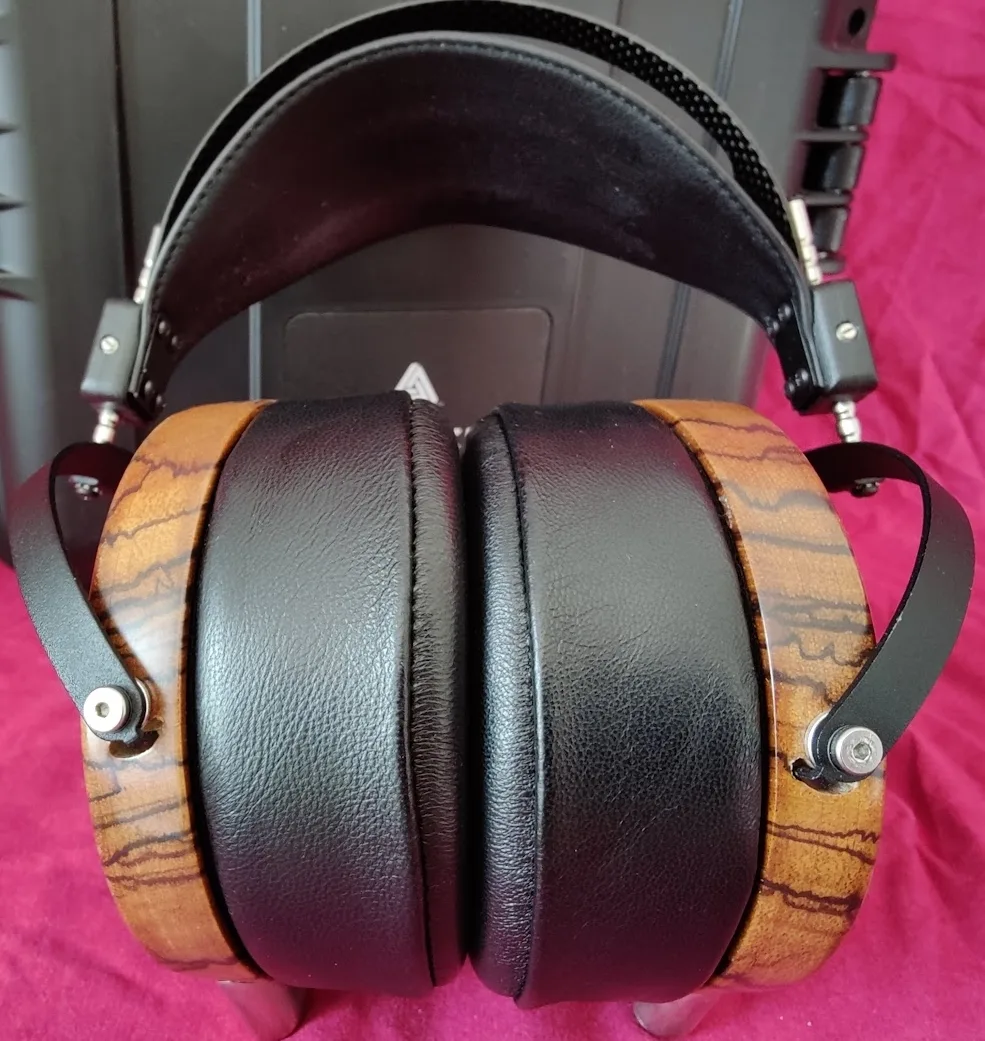
Audeze uses the same cable in several of its different headphone models. And why not – the cable is quite excellent. It is, in fact, with a few exceptions (such as iBasso SR2) the best standard cable that comes with headphones that I know of. When I say this, I primarily mean the physical usability and appearance of the cable, rather than its sonic characteristics (which are beyond reproach).

Reviewing the frequency response
Old ear pads (red) and new pads (black):
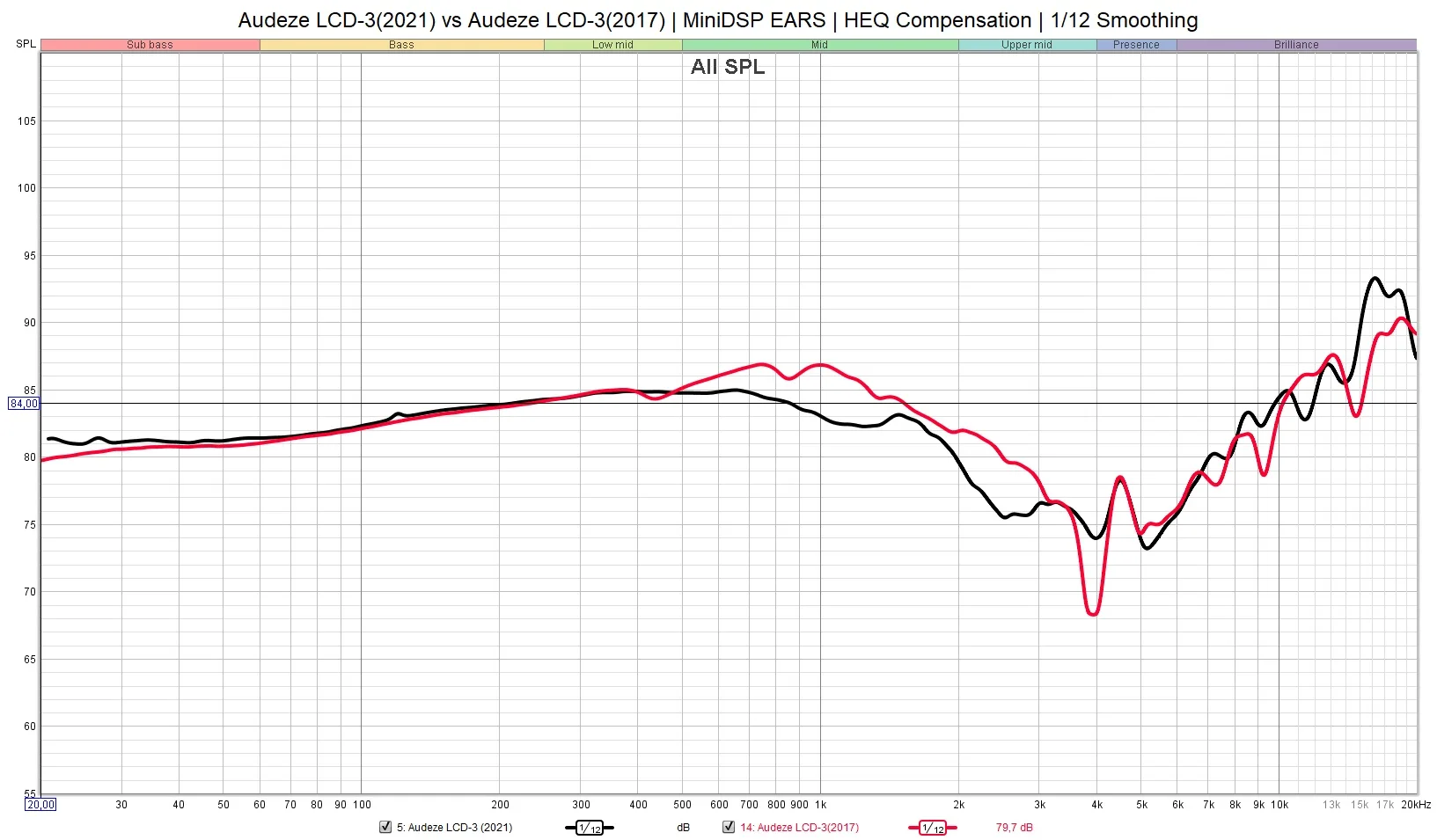
Audeze's new pads smooth out the sound between 500–1500 Hz compared to the old pads. Thanks to the flatter midrange, the upper midrange and lower treble are relatively less attenuated than before. The headphones are still immediately recognizable as an Audeze model, both based on their frequency response and listening experience.
Also worth mentioning is that the measurements shown above were made using different LCD-3 headphones. Although the fazor elements of both headphones were manufactured in 2017, differences between individual headphones can affect the measurement results. In addition, the position of the headphones in the measuring device affects the results. Due to several variables, my measurement results should, in this case too, be treated mainly as indicative.
Bass:
The bass reproduction of the LCD-3 is at the level required by its price tag, and fortunately, there are not many headphones in the 2000 euro price range whose bass reproduction would have much to complain about. The bass of the LCD-3 is precise, so notes are clearly distinguishable from each other even with more complex bass patterns, although a slight roundness and blurring of the reproduction's contours are noticeable.
The best thing about the headphones' bass reproduction is the sense of physicality. Thumping bass hits have a nice amount of mass in the background. The bass is also very clean, and the reproduction does not distort in any way during normal listening. According to what I've read, the measured distortion values of the headphones are excellent, so it's possible to easily make the LCD-3's bass even more powerful by equalizing it.
Regarding the ”technicality” of the bass HEDDphone and Hifiman HE6se V2 offer more precise and ”faster” low frequencies, but the lowest frequencies of neither headphone model rumble as powerfully as with the Audeze LCD-3. The HE6se V2 is, however, clearly better at conveying bass impact – few planar headphones have comparable ”slam.”.
Although the LCD-3 has sufficient bass, for those who prefer Harman target curve-style reproduction, the Audezes are still somewhat subdued in bass. This is also clearly evident in the frequency response I measured, as the low frequencies steadily decline. It must be admitted that my own preferences have also shifted more towards Harman-style bass reproduction over the years, so I wouldn't mind if the LCD-3 had a touch more bass.
Central votes:
With the old earpads, the best aspect of the LCD series was the rich mid-range. The sound was distinctly tilted towards the dark side, with the upper mids sounding noticeably subdued. For my taste, the presentation characteristic of Audeze headphones is too dark, but I understand well why many like it. However, I myself have never gotten over the nasal and veiled quality of the reproduction that I experienced.
The thinner earpads from 2021 nicely correct the situation while still retaining the familiar rich sound. The most significant change is the flattening of the 500–1500 Hz range relative to the upper frequency areas. This reduces the vocalist's ”groaning,” and a flatter response also makes the sound less nasal, even though the upper mids are still quite subdued.
Unfortunately, the veiled quality of the sound is still present. I find the LCD-3”s sound somewhat oppressive and, in the long run, heavy, because I have to struggle to get past the veil. In my opinion, all ”normal" headphones sound really fresh and airy after the LCD-3. However, not everyone experiences this in the same way, so due to our individual hearing differences, some may find the LCD-3's mid-range to be perfectly balanced. Conversely, some might find the mid-frequencies of the Focal Clear model, which I consider excellent, to be shouting and thin.
Treble:
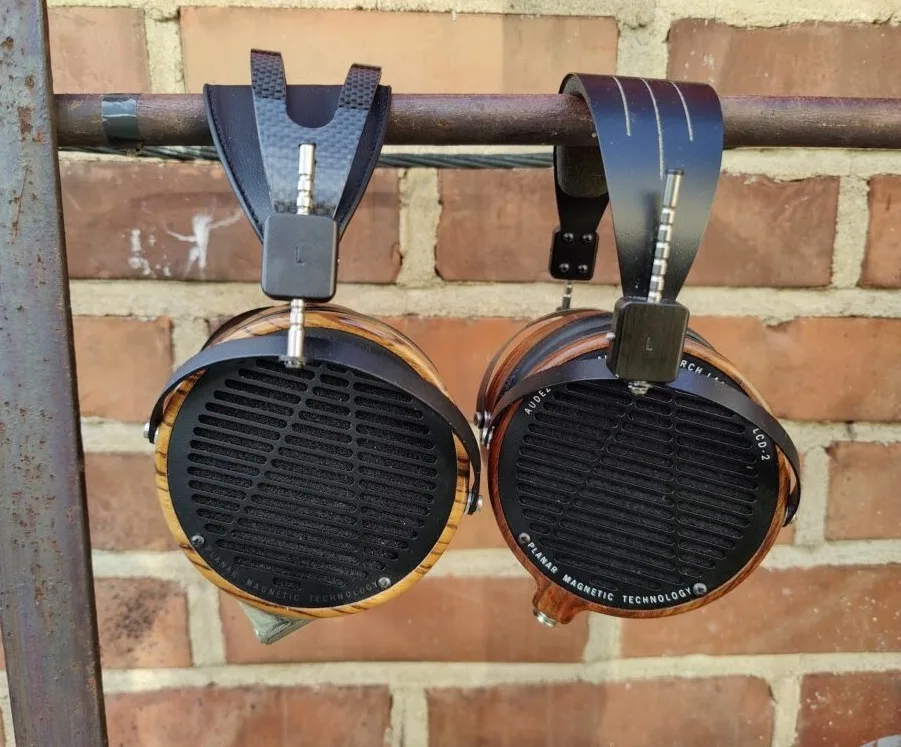
I remember previously liking the LCD-3's upper frequencies. However, I think I didn't appreciate the coherence of the reproduction as much then as I do now. The headphones, in fact, have significant problems with treble balance. Depending on the frequency, the treble is either dark or bright, and how the overall sound is perceived largely depends on the listener's ear sensitivity.
To my ears, it sounds as if the dark and veiled reproduction is framed by a ”sandy” hiss that doesn't seem to belong to the music I'm listening to at all. I don't mean ”sandiness” in this context as treble graininess, but specifically a rustling sound that plays so prominently that it makes the headphones' otherwise dark sound incoherent. If the LCD-3 were significantly cheaper, I would actively try to ignore the problem (not listen to it) and might even succeed. However, in expensive 2000 euro headphones, I don't think there should be errors of this kind.
Resolution:
I mentioned earlier that the LCD-3 has exemplary distortion values. Although I believe distortion values correlate quite poorly with the ”purity” of the sound, the LCD-3 is undeniably an exceptionally clean-sounding headphone. I detect no graininess whatsoever, let alone audible distortion, in the sound.
Contrary to popular belief, good distortion values do not automatically mean that headphones are capable of particularly detailed reproduction. This is also the case with the LCD-3, as it is unfortunately not very capable of extracting all the information that would be found on a recording. This is actually said too politely: the truth is that I cannot immediately think of another 2000 euro headphone that would be as poor as the LCD-3 in terms of detail retrieval and overall resolution.
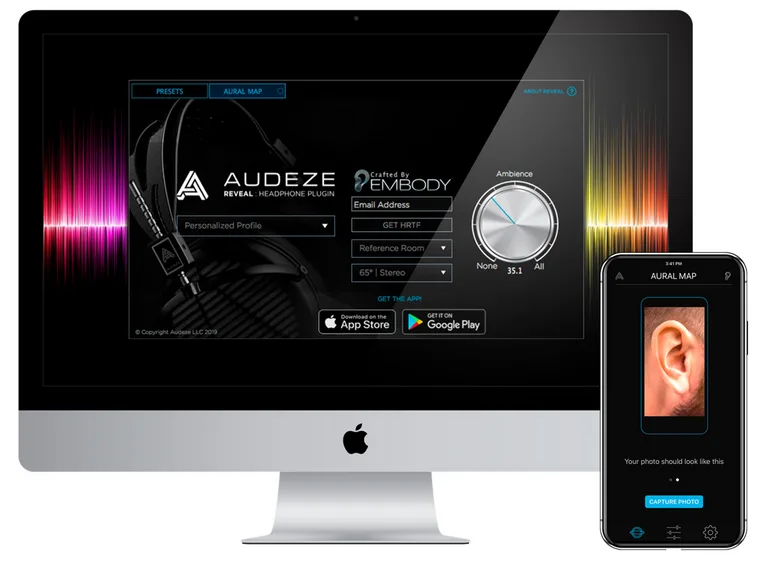
For example, ZMF Auteur is not a very resolving headphone for its price, but it is still a clear step ahead of the LCD-3. The main reason for this, in my opinion, is the LCD-3's recessed upper mid-range. On the other hand, headphones with a calm upper mid-frequency range can also have excellent resolving power. The best example I've heard of this is Audeze's own LCD-R model, which is astonishingly good in technical performance. Therefore, the LCD-3's somewhat weak resolving power cannot be fully corrected with just an equalizer. It would still be interesting to test how much the situation would improve by using Audeze's Reveal+ -application. However, for the sheer joy of trying it out, I'm not willing to pay 200 dollars.
Audio description:
In terms of soundstage, the LCD-3 is in all respects medium-sized. Hifiman Arya and Sennheiser HD800 spacious sound is far from reached, but Audeze's soundstage is clearly larger than that of Focal headphones, which are generally known for their very small soundstage. The placement of sound sources in the LCD-3 is precise, but the headphones do not stand out as particularly good in that area either. The accuracy of the soundstage and the three-dimensionality of the sound are impressive mainly when the headphones are compared to their peers, headphone models released several years ago, such as Hifiman HE500. Among modern headphones, many cheaper models, such as Cleer Next and Hifiman Ananda, are better than the LCD-3 in terms of soundstage-related characteristics.
Dynamics:
When examining dynamics, the LCD-3 is once again reasonably good, but offers nothing revolutionary. The headphones are quite impactful and pleasant in terms of macrodynamics. The reproduction is more convincing than in most Hifiman planar headphones and some MrSpeakers (now Dan Clark Audio) models I've heard. Despite everything, the LCD-3 still ranks in the middle tier of its price range, among headphones like the ZMF Auteur and Sennheiser HD800. Since the LCD-3 is more expensive than both of the headphone models I mentioned, I would have hoped for slightly more powerful macrodynamics from it.
Microdynamics, or the reproduction of small gradual variations in volume and tempo, largely goes hand in hand with the headphones' resolution. Since this is not the LCD-3's strongest area, the microdynamics are also quite mediocre.
Summary
High-quality bass reproduction and a rich midrange once made the LCD-3 an attractive option, especially when its worst competitors were quite deficient. The Sennheiser HD800's problem was inadequate bass reproduction and a spiky treble – in terms of brightness, Fostex TH900, Beyerdynamic T1 and Grado GS1000 were even more problematic. The Hifiman HE6, on the other hand, only came into its own with a few devices, because sufficiently robust but reasonably priced headphone amplifiers were hardly available 10 years ago. Considering the level of competitors, the higher price of the LCD-3 thus felt almost justified.
Today, however, the LCD-3's position relative to its competitors is significantly more problematic. The headphones' clearest strength is that they perform reasonably well in all areas without major weaknesses. In my opinion, the LCD-3 is by no means bad sounding, but it no longer offers very good value for money. Based on my subjective assessment, the technical performance of the headphones is only mediocre by 2022 standards, and good bass reproduction and a pleasant midrange are not enough to compensate for the situation sufficiently. New ear pads improved the frequency response slightly, but not enough.
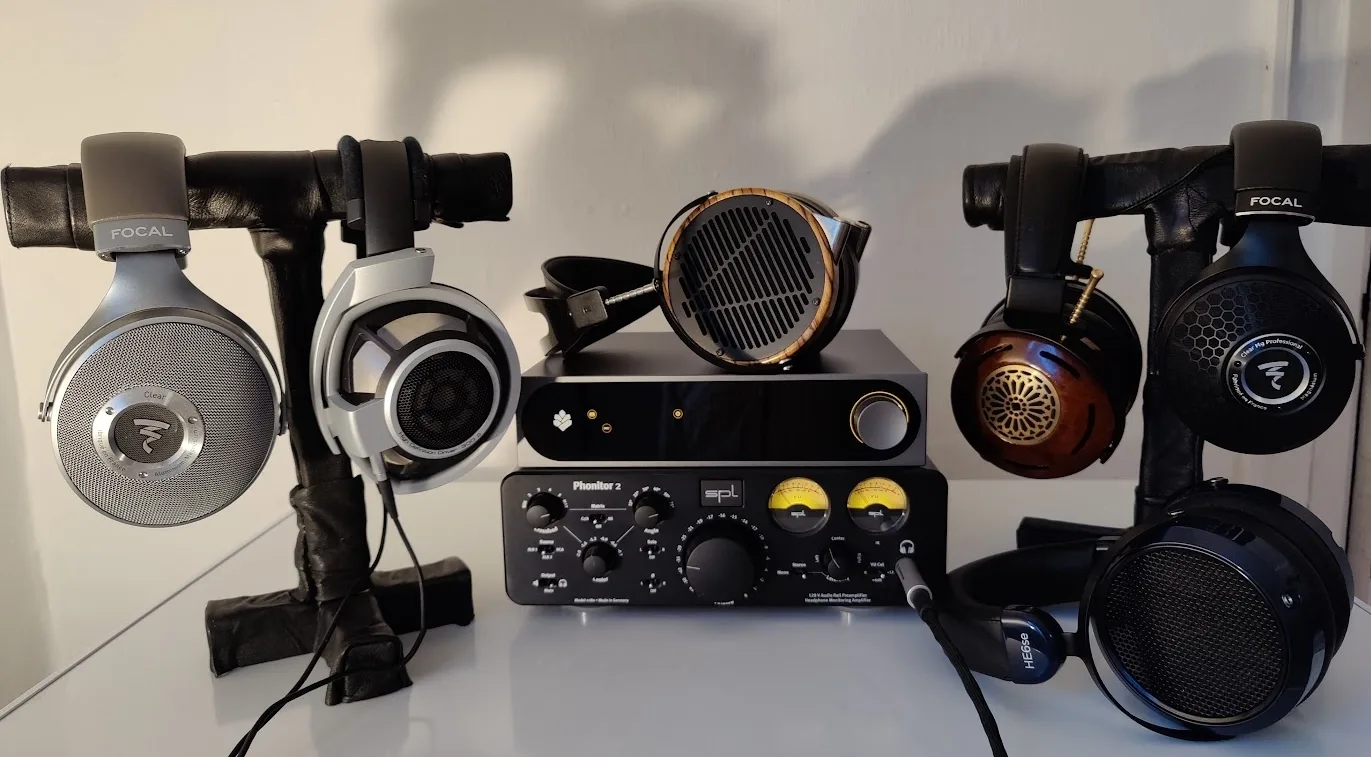
The headphones would be more competitive if they were positioned at the more affordable end of the 1000–2000 euro price range, or offered exceptional comfort compared to their competitors. However, the LCD-3 is several hundred euros more expensive than, for example, Hifiman Arya, Sennheiser HD800S, Focal Clear MG, ZMF Auteur or HEDDphone. I see little reason to choose Audeze over these headphones, unless one is specifically looking for the LCD-3's frequency response regardless of technical performance and comfort.
In terms of comfort, the LCD-3 only beats the dreadful HEDDphone, which is even heavier and lacks a proper headband to distribute the weight evenly enough. Most likely, the 2021 version of Audeze's own LCD-X model also offers, if not better sound, then at least a higher price-performance ratio than the LCD-3. Audeze also recently released a new MM-500 model, which, like the LCD-3, costs 2000 euros. If the MM-500 meets the high expectations placed upon it, the LCD-3 no longer seems like a very competitive option, even within the manufacturer's own lineup.
Pros and cons:
+ High-quality bass reproduction
+ Rich mid-range
+ High-quality cable
+ Practical and durable case
+ Distinctive appearance
+ Apart from weak resolution, there are no major flaws in the headphones' sound, even if they don't truly excel anywhere
+/- The headphones' frequency response divides opinions. Some like the relaxed upper mid-range and lower treble, but for my taste, the sound doesn't resonate, because the LCD-3's resolution is not sufficient to compensate for the inadequate frequency response
– Mediocre, if not weak, resolution for the price
– Replacing the earpads is difficult because they are attached with glue
– High weight
– Mediocre price-performance ratio
-/+ Spare parts are quite expensive, but Audeze does not engage in outright customer exploitation with its pricing, unlike, for example, Abyss and Focal
 EN
EN  FI
FI