Author: Sword of Damocles
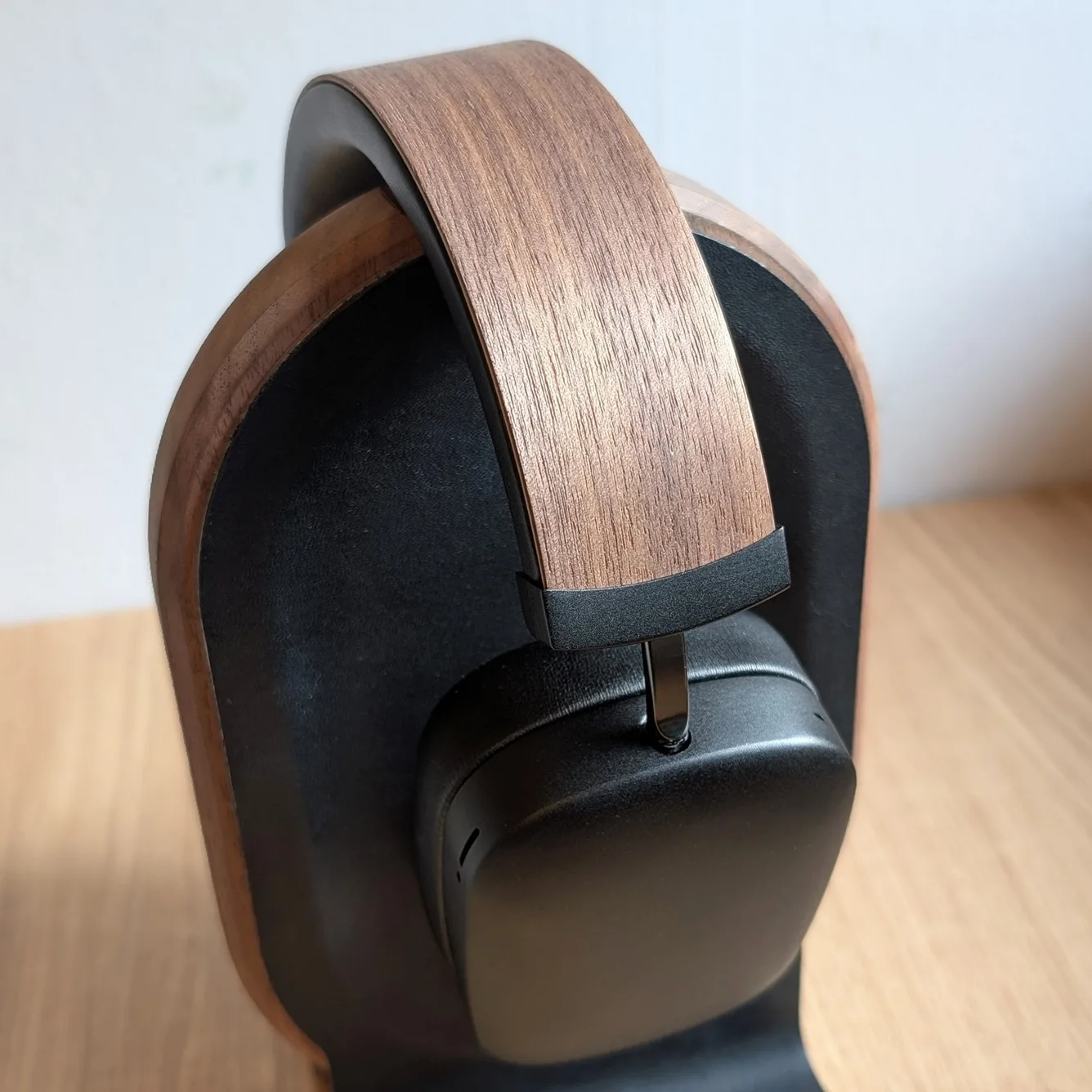
Table of Contents:
Information:
- Release year: 2026
- Manufacturing Country: Finland (Design, final assembly and quality control) & China (pre-assembly)
- Wood Options: Oak and walnut
- Price: 449 €
- Available in Finland: Yes
- Type: Closed, over-ear
- 40 mm dynamic drivers (slight tilt towards the ear)
- Audio Connections: Bluetooth 5.3 and 3.5 mm
- Bluetooth Codecs: aptX (Adaptive, HD and Classic), AAC and SBC
- Charging port: USB-C
- Battery Size: 1000 mAh
- Battery Life (ANC OFF): Up to 100 h (volume 60%)
- Charging Time: Not specified
- Adaptive Noise Cancelling Function: On / Off
- Weight: 360 g
- Accessories: USB-C to USB-A charging cable and headphone cable
- Warranty: 24 months
Review sample: Provided by the manufacturer
Note: I participated in the development of this headphone model.
Finnish headphone manufacturers remain few and far between, but there are new developments brewing within their ranks. Valco, which has led the pack until now, has gained a new challenger in the over-ear ANC headphone category with Kuopio-based Kaiku Acoustics launching its Wave-model. Rather than a direct contender, however, it serves as a step up in price, as the Wave's 450-euro retail price places it in a different league compared to Valco's offerings.
The Wave is Kaiku Acoustics' first noise-canceling headphone, as the Kaiku Tone released in 2024 did not yet feature active noise cancellation. With further improvements in design and overall functionality, the Wave feels like a significantly more mature product compared to the Tone. Similarly, this growing experience is reflected in the manufacturer's website and branding, which have taken on a more professional tone over the past two years. This has undoubtedly helped expand their retail network. In an article by Suomen yrittäjät Kaiku Acoustics owner Markus Laukkanen reveals he is pursuing international expansion through retail negotiations with partners in Japan, Germany, and Spain, among others.
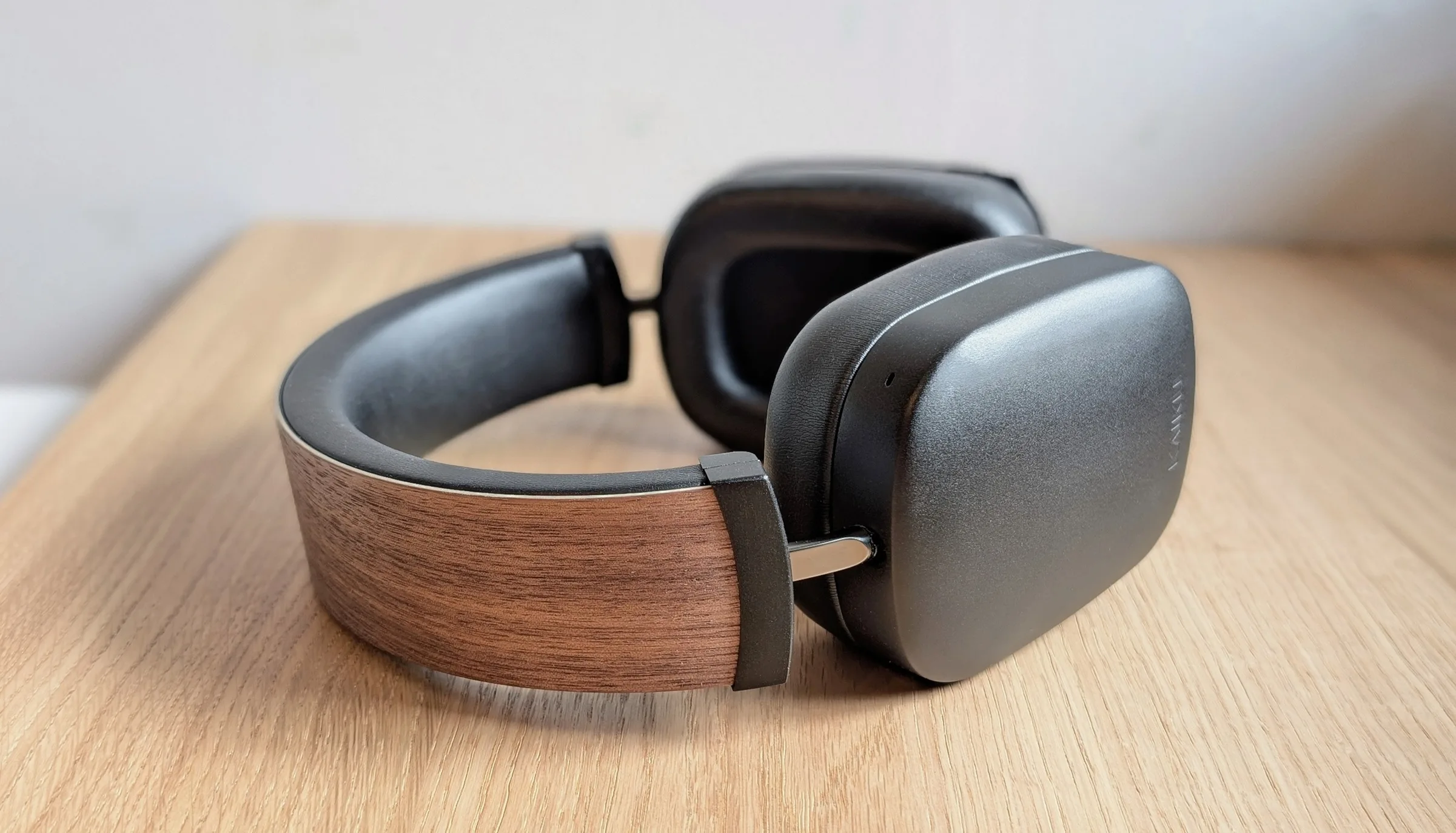
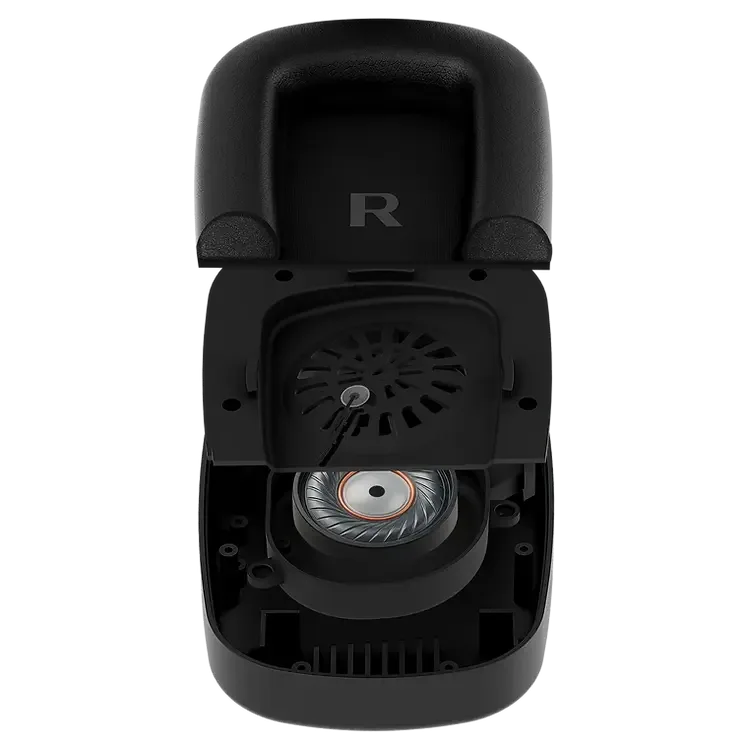
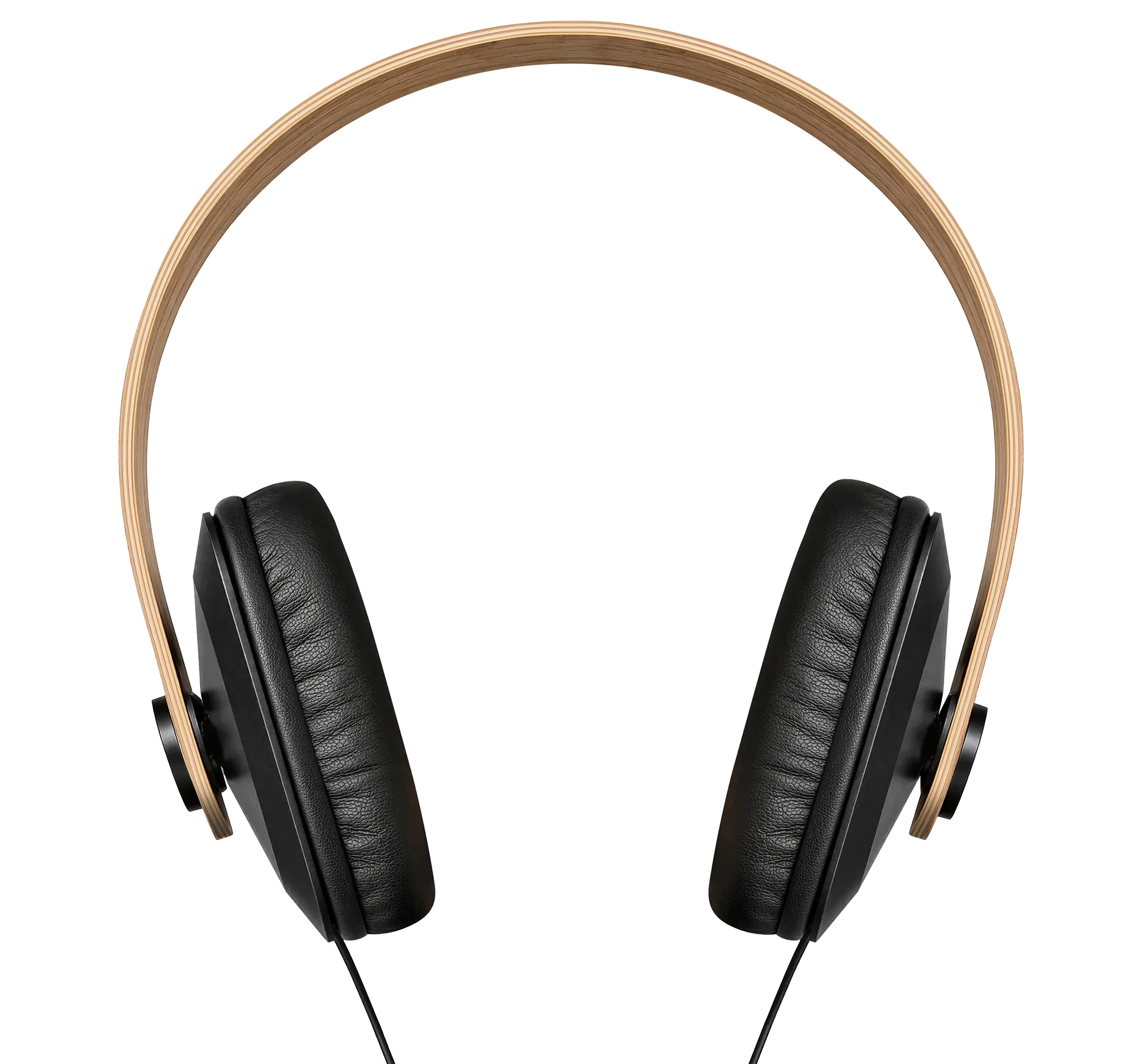
While the €450 price tag on the Wave might seem daunting, it is justified by the materials and manufacturing process. The ear cups are made of anodized aluminum, and the headband frame is crafted from a 5-layer wood veneer bent and fitted in Finland. The outermost layer comes in either oak or walnut, depending on the buyer's choice. Kaiku Acoustics openly states in their FAQ section that the Wave is manufactured in China based on Laukkanen's own designs and custom molds. The headphones arrive in Finland pre-assembled by the production partner for final assembly, finishing, and quality control. Laukkanen has mentioned that the only off-the-shelf components are the battery and the acoustic drivers—everything else was designed in-house from scratch or with partners, including a Tampere-based design agency.

As for the sound quality, praise and blame can be partially directed my way, as I was involved in fine-tuning the Wave's DSP profile, just as I was with the Tone model . Together with the manufacturer, we refined the headphone frequency response based on my measurements and recommendations. Over the years, I've also acted as a sort of sound design mentor for them.
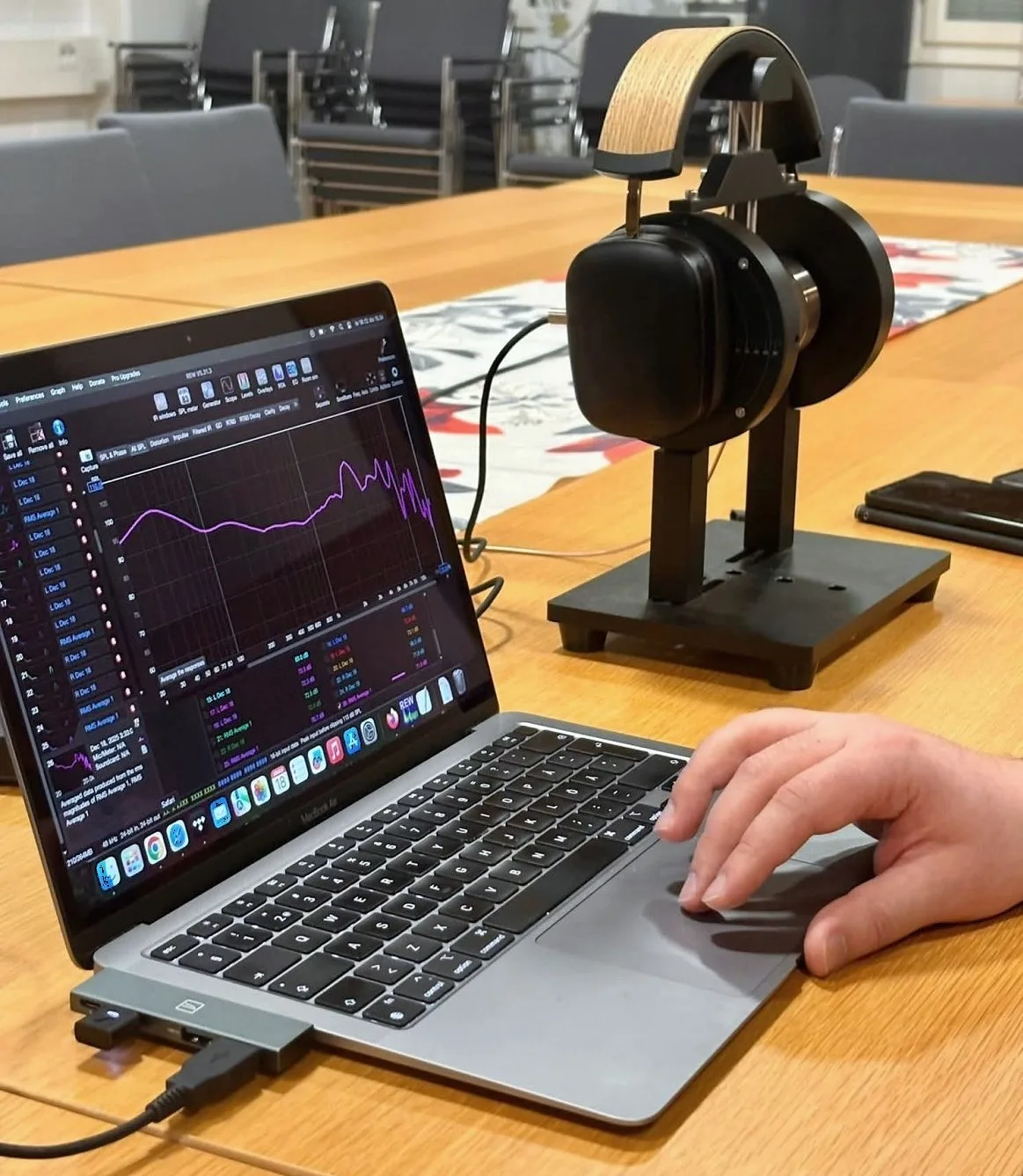
Having assisted the manufacturer in the development work for compensation, I am not in a position to review these headphones completely impartially. Rather than writing a traditional review, I will present the Wave on a more general level and examine its sound quality through the lens of the design process and measurement data. Receiving the final production unit was still exciting, as prototype versions couldn't provide a complete feel for the finished product. Consider this, then, a sort of final inspection for the Kaiku Wave.
Independent review videos of the headphones have been published so far by Kuulokehemmo (before the latest update) and io-tech. Wave can also be tested at the Helsinki Hi-Fi Show in early September (2026).
Packaging and accessories
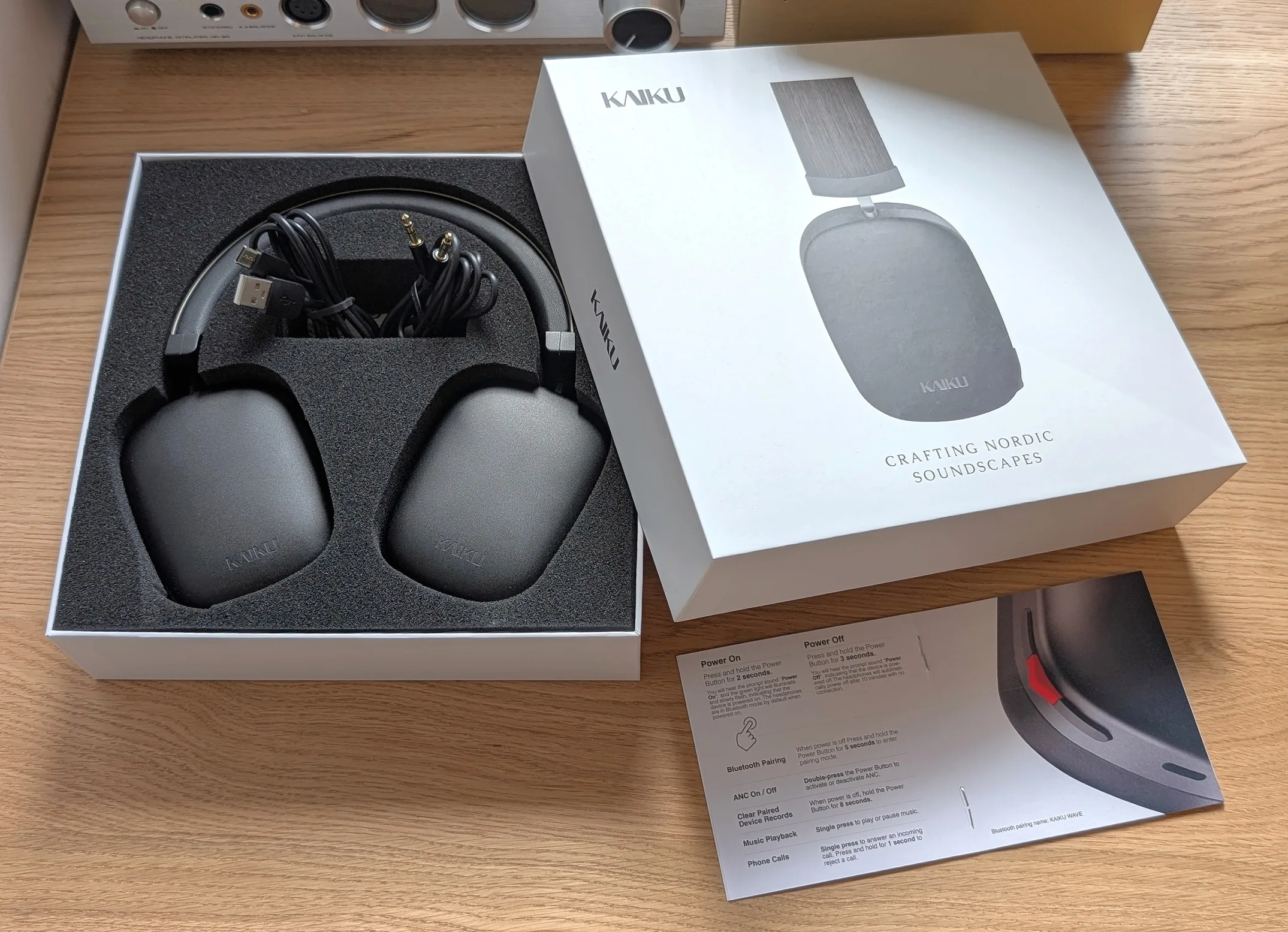
The Wave arrives in a light-colored box with its ear cups laying flat. The packaging includes a user manual, a USB charging cable, and an analog headphone cable. Owners should take note of a warning in the manual regarding the headband: the wood veneer should not be bent or stretched excessively.
The manufacturer has not designed a carrying case for the Wave—at least not yet—nor is any kind of protective pouch included. As such, the headphones are better suited for a desk setup than for constant mobile use. This direction is also underscored by the Root headphone stand sold separately by the manufacturer, available in both wood and, surprisingly, concrete. In terms of style and design, these stands complement many other headphones as well.
Build and comfort
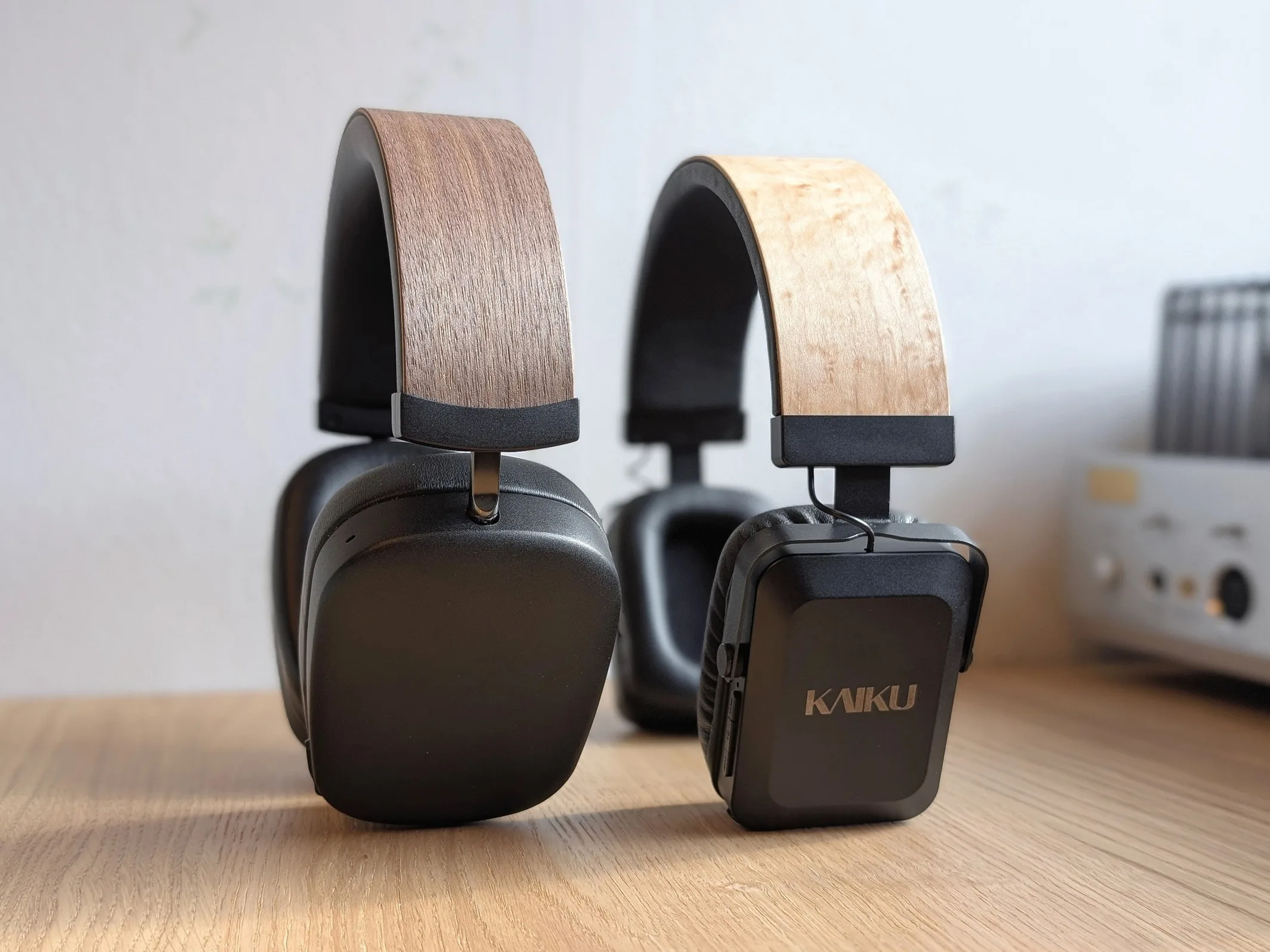
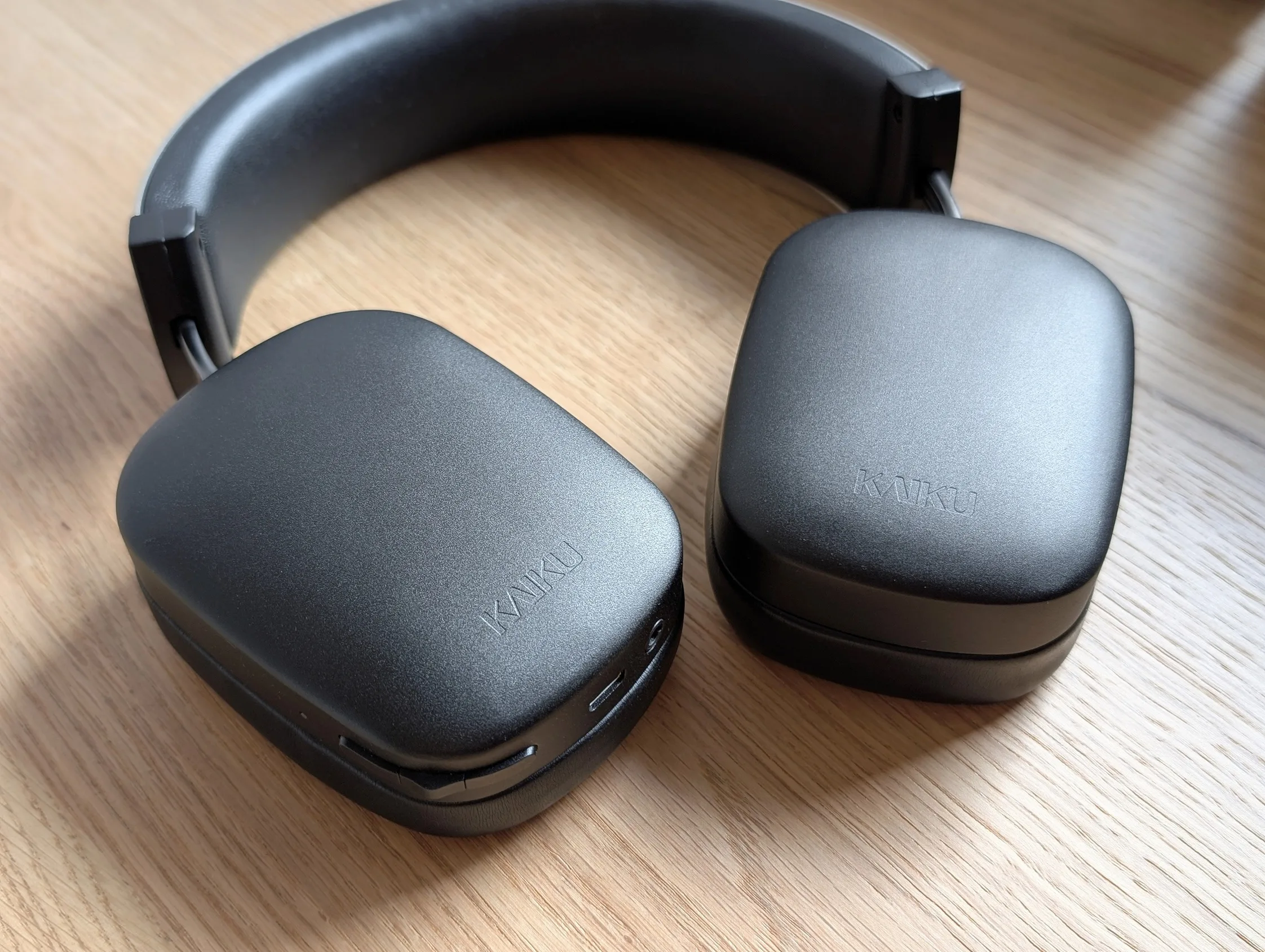
The Wave features a more streamlined design compared to the blockier Tone model, though at 360 grams, it remains on the heftier side for a pair of noise-canceling headphones. The closest point of comparison would be the Apple AirPods Max, which also utilizes aluminum ear cups. Wood, on the other hand, is practically unheard of in this product category, making the headband arch a standout feature that sets the Wave apart from its competitors. Furthermore, no plastic is exposed anywhere on its structure, unlike most mass-produced headphones.
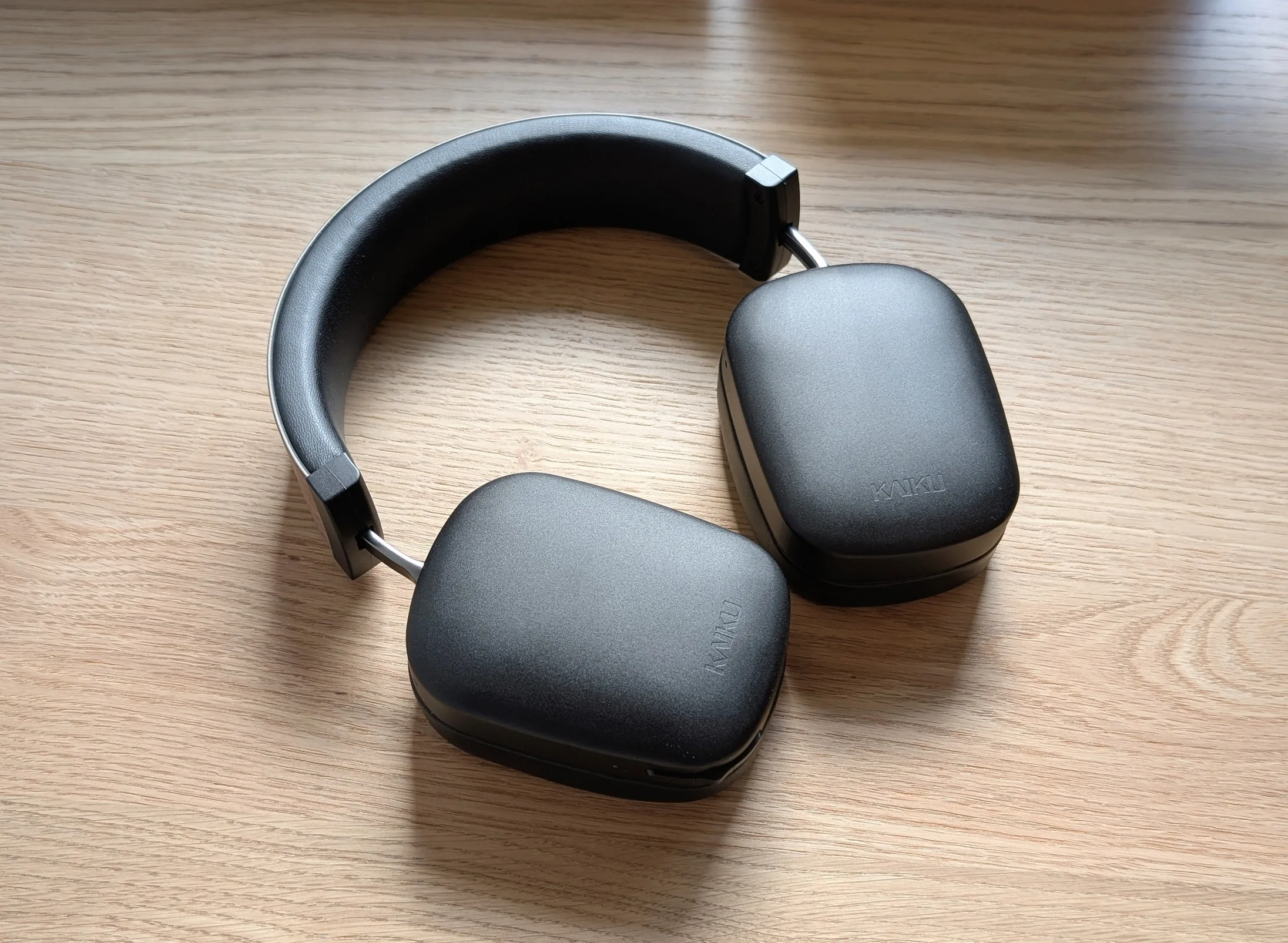
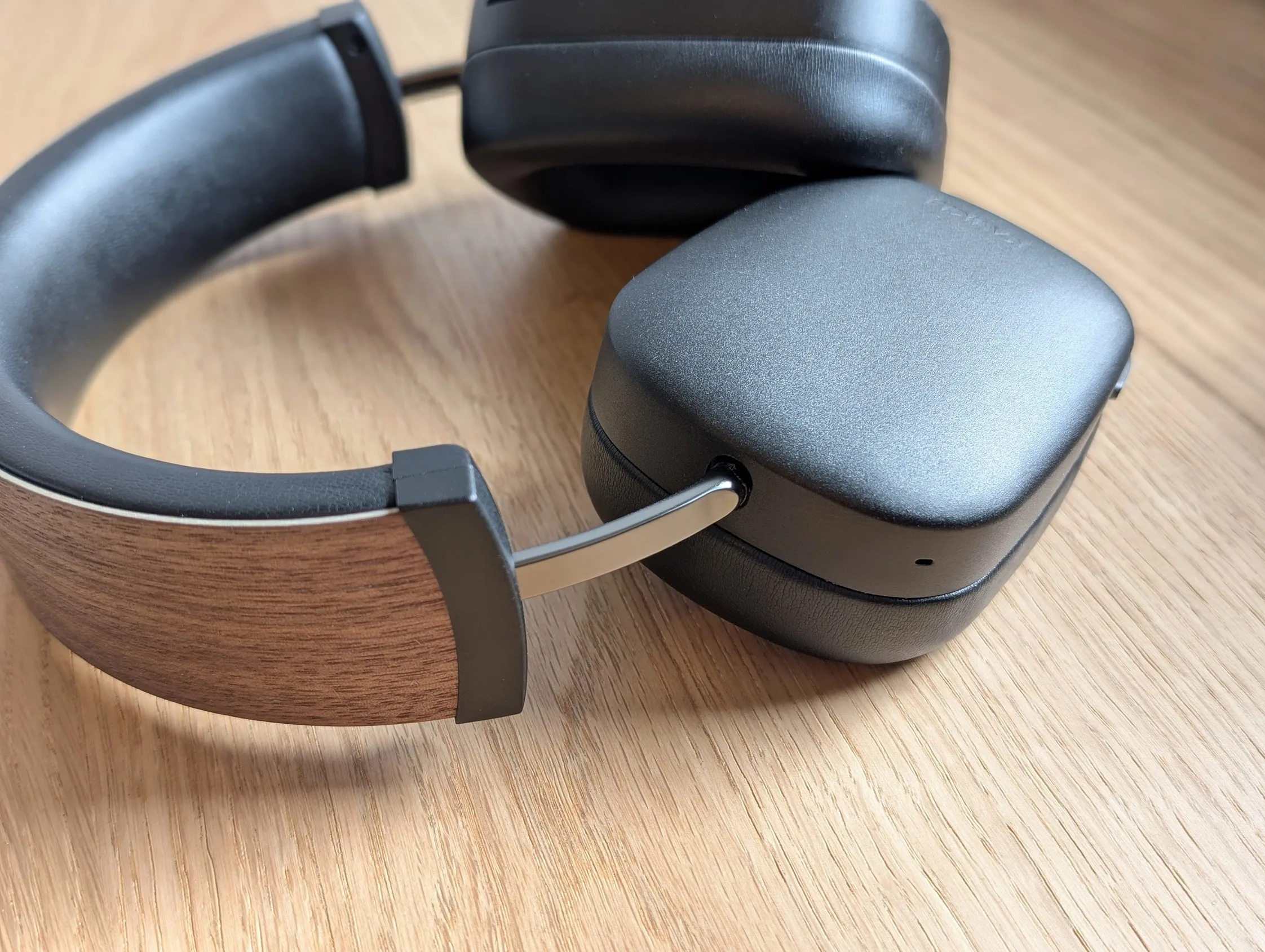
When new, the Wave's headband clamps fairly tightly to ensure a secure fit and strong acoustic isolation, but with use, the structure gives way slightly and conforms to the user's head. Straight out of the box, this mechanical firmness is also evident in the height adjustment, which feels exceptionally stiff to move. While the selected setting will reliably stay in place, adjusting it requires a surprising amount of force. Springs installed at the yoke attachment points help angle the bottom edge of the ear cups against the head.
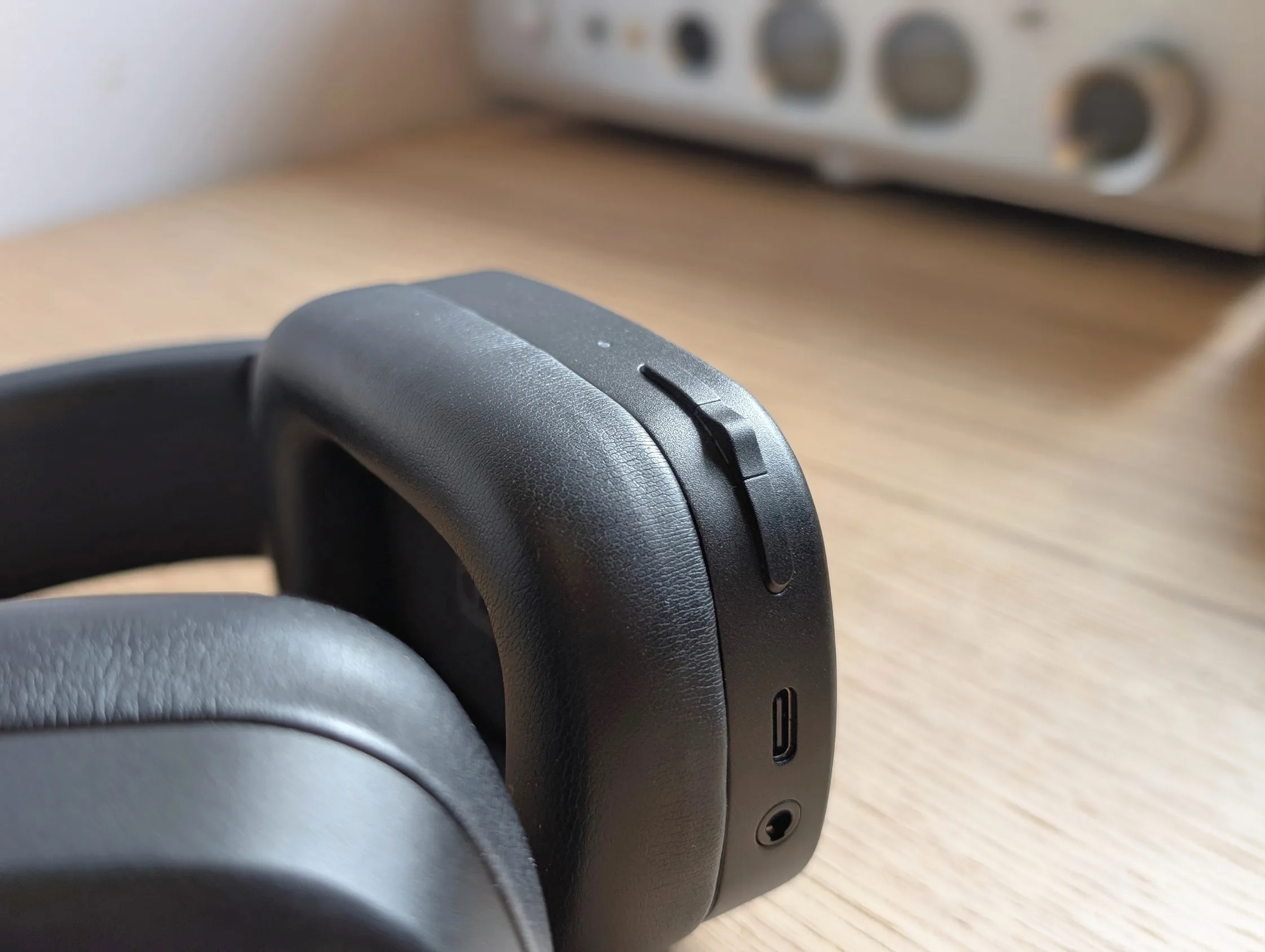
With only moderate padding on the headband, the arch's shape matching the user's head anatomy becomes key to overall comfort. The ear pads, on the other hand, should fit most users comfortably, as the opening dimensions (60 x 40 x 20 mm) align with standard noise-canceling headphones. The pads are removed by twisting counterclockwise, using a mechanism identical to Valco's headphones. Kaiku Acoustics has already expanded its catalog with replacement pads priced at €29 per pair.
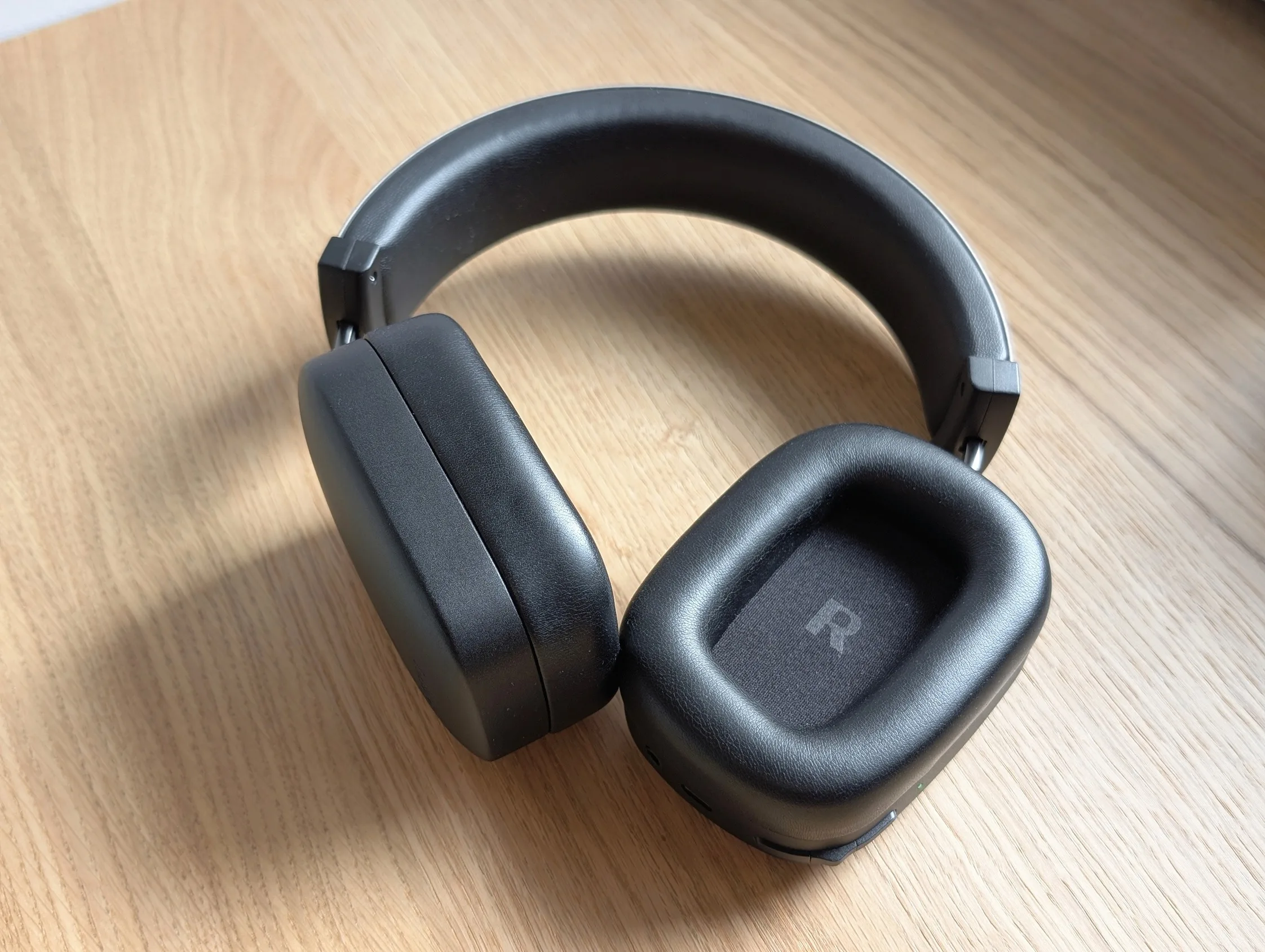
Despite the tight fit, the Wave sits surprisingly well on my own head, and no single feature causes any significant discomfort. However, since designing a headband structure that works universally for everyone is nearly impossible, a more angular design like this is bound to lead to disappointment for some. That’s just life.
Technology and noise-cancelling function
The Wave's wireless connectivity is built on Bluetooth version 5.3 and a Qualcomm chipset. In terms of audio quality, the top-tier codecs are aptX Adaptive and aptX HD, along with support for standard aptX, AAC, and SBC. However, the lack of Bluetooth LE Audio and Multipoint support might be a dealbreaker for some buyers.
There is no dedicated app for adjusting settings or sound quality. Firmware updates can, however, be performed manually using the iFi Gaia software—the same app used by audio manufacturer iFi Audio for some of its products. Anyone who purchased the Wave before August 2026 should update to the latest version to ensure more consistent sound performance between ANC ON and OFF modes. Be aware, though, that the update process may require an Apple device: I managed to update my pair using a MacBook, whereas the Android version of the app failed to register the unit's and firmware file's ID identifiers as compatible.
Kaiku Acoustics quotes a battery life of up to 100 hours at 60% volume. It's a staggering figure, even if the specifications don't clarify whether that number holds true with active noise cancellation turned on. Either way, the 1000 mAh battery is among the largest on the market. The headphones cannot be used while charging, but they do work passively via a cable without power. In passive mode, however, you shouldn't expect the same level of audio quality, as digital signal processing is taken out of the equation.
For a first attempt by the manufacturer, the Wave's active noise cancellation is surprisingly mature, showing no noticeable background hiss. For comparison, market leaders like the Bose QuietComfort Ultra exhibit more hiss.
The Wave isolates noise well through passive attenuation alone, which activating ANC enhances even further. I didn't expect these headphones to beat Valco's latest VMK25.2-model, but based on my standardized noise cancellation tests, that appears to be the case: low frequencies are reduced slightly more on the Wave, and higher-frequency noise softens into something a bit more tolerable than on the Valco. On the other hand, offerings from larger manufacturers still manage to perform better—for instance, the JBL Live 780NCI tested recently features ANC that is a step up in capability. Unlike the VMK25.2, the Wave lacks a transparency mode, and ANC defaults to off every time the headphones are powered on. The latter feels like a deliberate design choice, presenting active noise cancellation almost as an opt-in feature to be enabled only when needed.
Taking phone calls is also possible on the Wave, though as a small boutique manufacturer, Kaiku Acoustics can't quite match the heavy hitters when it comes to microphone performance.
Sound quality
A Word on Designing Noise-Canceling Headphones
Activating active noise cancellation in most over-ear headphones alters the frequency response, particularly in the bass frequencies, due to shifts in the acoustic environment inside the ear cups. This behavior must be accounted for during sound tuning, which on the Kaiku Wave—as with nearly all modern noise-canceling headphones—relies on digital signal processing (DSP) correction. In short, the acoustic profile is fine-tuned by applying active equalization directly through the chipset.
In some headphones, a single DSP profile governs all operating modes. Manufacturers are then forced to choose whether to optimize the sound for when ANC is enabled or disabled—or to strike a middle-ground compromise where the audio works acceptably in both scenarios without excelling in either. The Kaiku Wave, however, features separate DSP profiles for ANC ON and OFF modes, allowing both settings to achieve a remarkably similar tonal balance. While the Wave initially launched with only a single profile, the latest firmware update enables dual independent configurations.
The sound profile was fine-tuned with a neutral, natural presentation in mind, while still catering to broader listener preferences. My role was to ensure the end result stayed aligned with objectively sound headphone response principles, giving the manufacturer the confidence to layer in their desired sonic characteristics. This yielded a tastefully V-shaped sound signature featuring enhanced bass punch and energetic treble. The goal was never to craft a flat studio reference, even if feedback from musicians during development remained consistently encouraging.
With closed-back headphones, one must always factor in the impact of individual head and ear anatomy (broadly captured by HRTF) on the sound delivered. On the Wave, shifting the ear cups forward or backward alters upper-midrange energy and, consequently, overall clarity. Furthermore, as the headband loosens slightly over time, bass volume settles into a slightly more balanced presentation compared to its out-of-the-box clamp force.
Measurements
The headphone frequency response measurements were performed with equipment compliant with the IEC711 standard and KB501X model silicone ears. The graphs use the Harman target curve (2018 version), optimized for this equipment, as a reference. This curve is a generalization, based on scientific research, of what kind of frequency response would sound good to most people and correspond to balanced loudspeakers in a well-acoustically treated room.
The Harman research was conducted with silicone ears that ”hear” sound slightly differently than the ear types sold today. For this reason, the target curve used by Kuulokenurkka is based on the diffuse field response according to the KB501X ears” own HRTF transfer function, to which, however, the core findings of the Harman research have been adapted using filters. In practice, the result still corresponds to the ideal frequency balance indicated by the Harman research, but as the equipment used by Kuulokenurkka would ”hear" it based on its characteristic acoustics. Thus, it is possible to make more precise observations of the headphones' frequency response between 2–20 kilohertz than when using the pure Harman 2018 curve as a reference.
More information about the measurement equipment can be found on the Headphone Measurements. Wave's frequency response can also be compared with other measured headphones on Squiglink .
In addition to Bluetooth, the headphones can be used with a 3.5 mm cable, either powered on (where the sound matches the Bluetooth connection) or powered off (where active equalization is bypassed). The firmware update released in July significantly altered the sound signature, particularly in ANC mode, so I am presenting both the original measurement data and the post-update results. If you purchased the headphones before August 2026 and enjoy their current sound, installing the update is not strictly necessary.
Frequency response before July 2026:
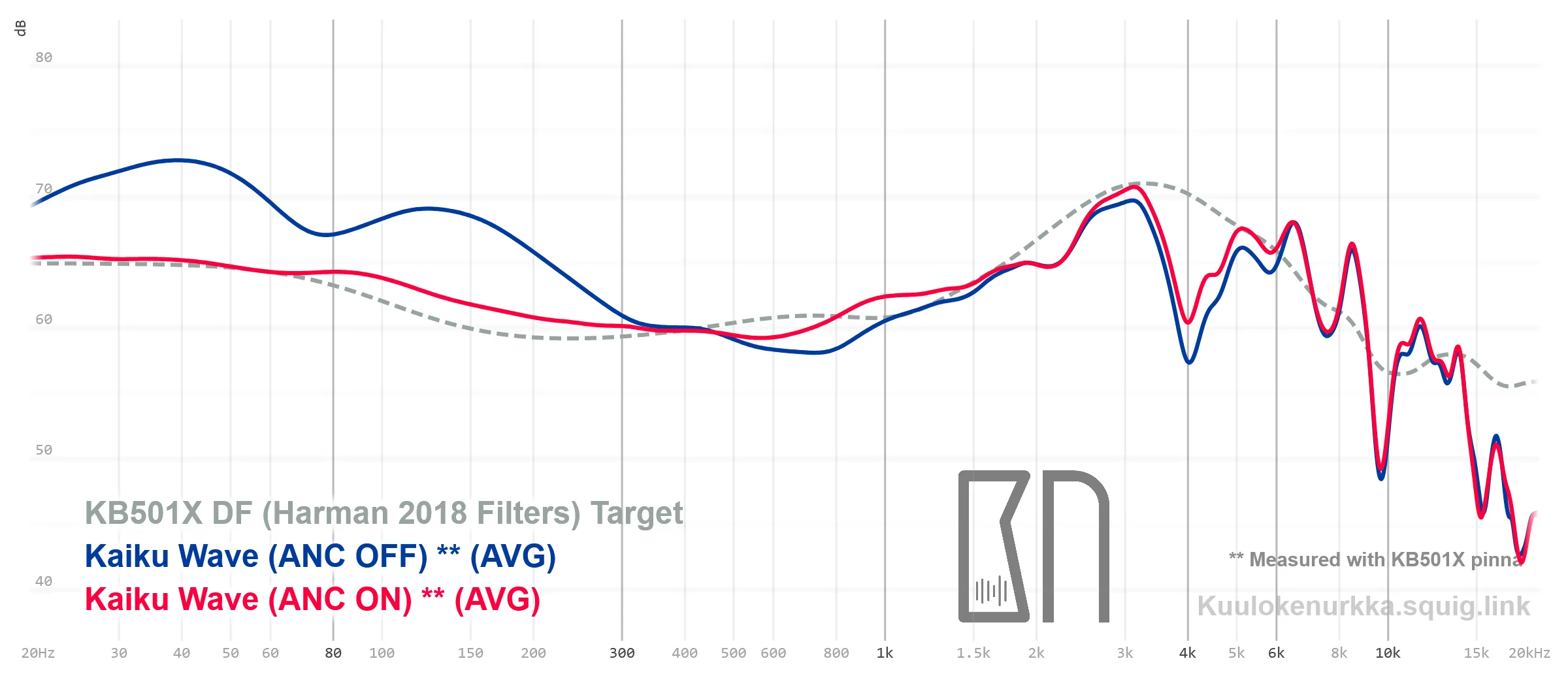
The Wave naturally produces significantly stronger bass without active noise cancellation, so a single DSP profile couldn't tune the sound identically across both operating modes. As a sensible compromise, either the ANC OFF mode had to sound heavily bass-boosted, or the ANC ON mode had to remain relatively neutral. The manufacturer opted for the latter: with the original firmware version, the Wave sounds almost reference-level balanced and slightly vocal-forward with ANC on. Without noise cancellation, however, the bass delivers a noticeably punchier response, resembling competing ANC headphones more closely. Normally, I would describe this level of bass as excessive, so I will do so here as well.
The two distinct presentations offered two very different listening experiences. However, since noise cancellation is primarily used in noisy environments, the manufacturer wanted to add more slam and energy to ANC mode as well via a software update.
Frequency response after the firmware update:
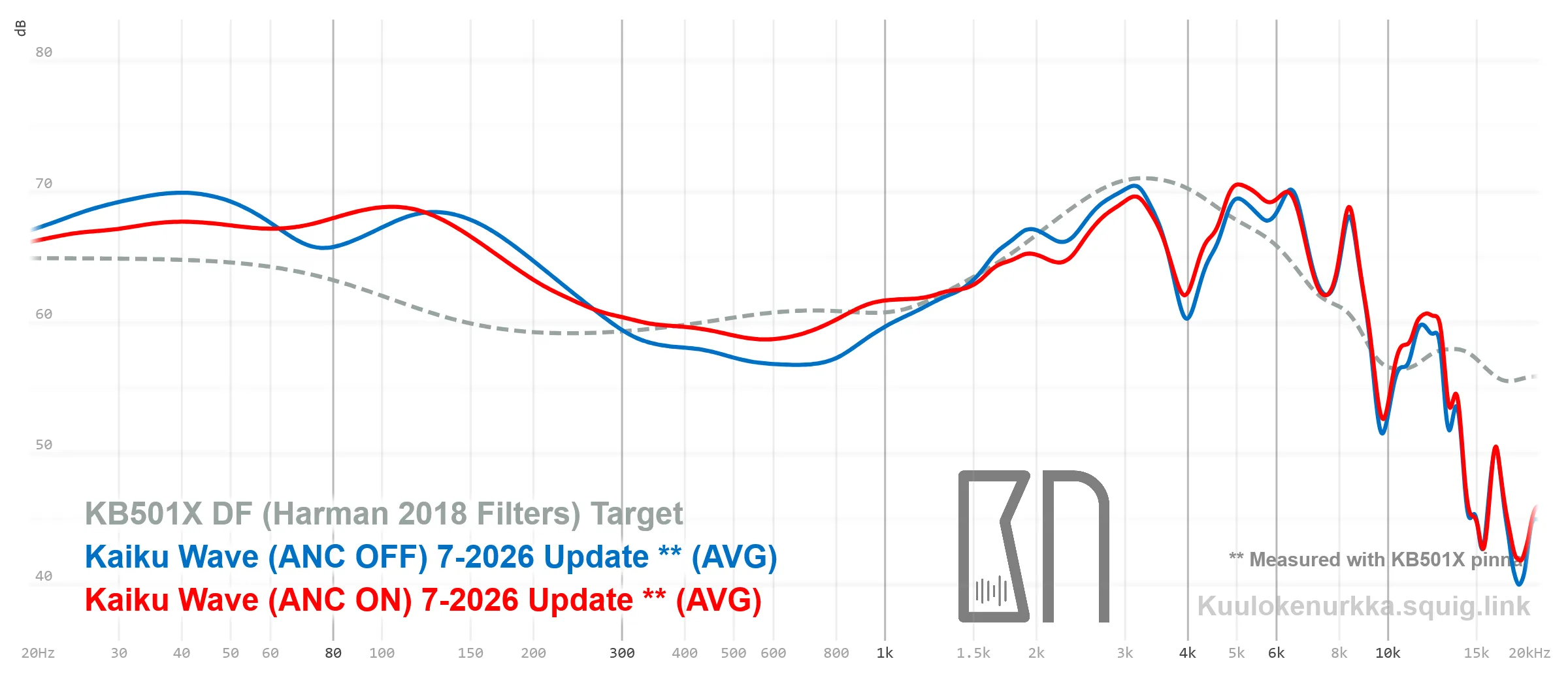
With the latest firmware version, the differences between the two operating modes remain fairly minor, as the sound profiles could be configured independently of one another. Bass is now rendered more prominently with ANC on, and the manufacturer also boosted the treble between 5 and 7 kHz in both operating states. These adjustments resulted in a more V-shaped presentation designed to excite rather than sound merely pleasant and ordinary. On the other hand, apart from the bass, the sound output can still be classified as neutral. Going forward, the headphones will ship to consumers with this updated software, and units purchased earlier can be updated independently if desired.
Based on the measurement data, I would personally fine-tune the midrange to be slightly smoother in ANC OFF mode, as it dips between 400 and 800 Hz, making it feel a touch recessed. I notice this while listening to the Wave as well, which is why I prefer the sound with ANC turned on. However, because the bass volume was slightly reduced in ANC OFF mode, it also sounds more balanced than before. As a general improvement, there is no longer as deep of a dip at 4 kHz.
Wave vs. Tone:
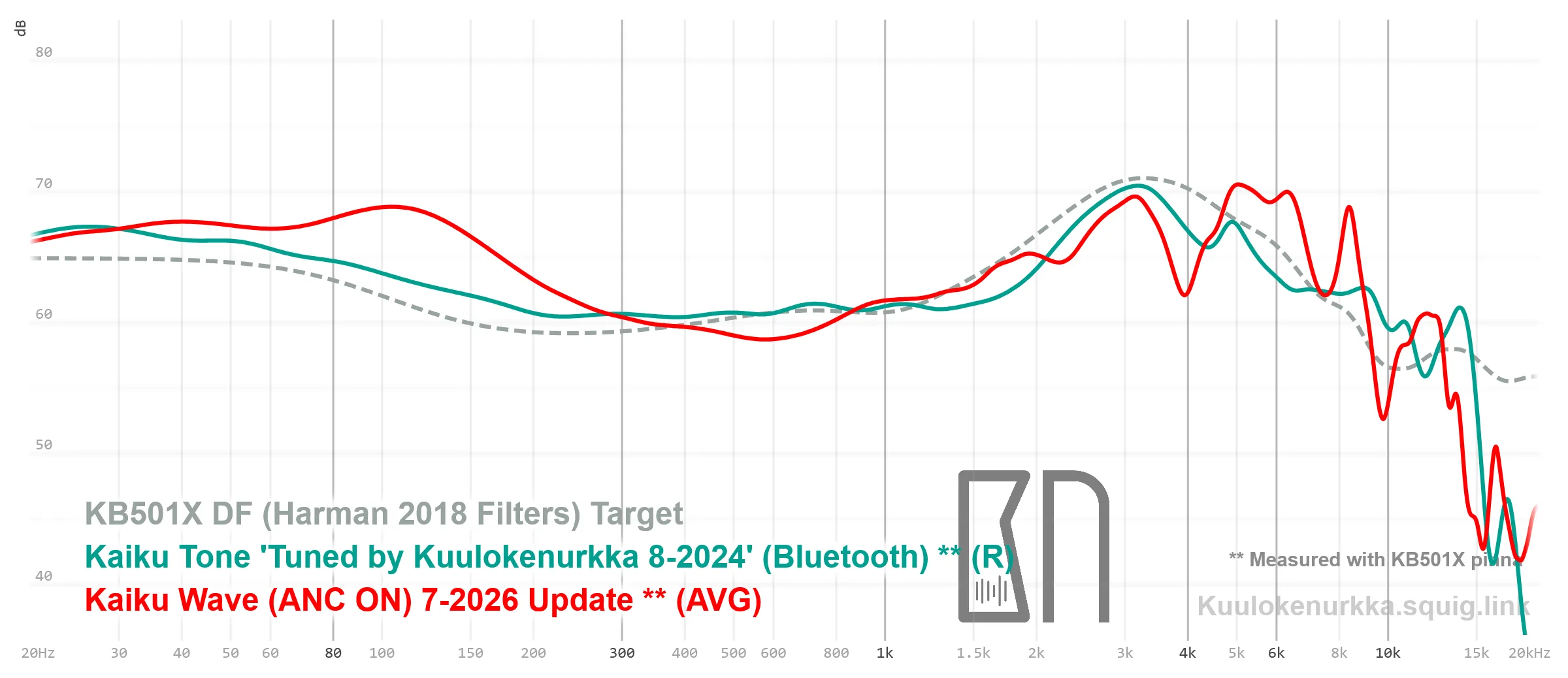
With the Kaiku Tone I tuned a couple of years back, the starting point for DSP correction was vastly different since they were on-ear headphones. They also lacked active noise cancellation, so we decided to aim for a sound signature a couple of notches more neutral than on the Wave. The new model's intentionally punchier bass and treble are immediately apparent in the measurements I took. For anyone who appreciates a calmer, more midrange-focused presentation, the Tone remains a very viable option. That said, the listening experience differs significantly due to the distinct ear pad styles and form factors alone.
I still find it fascinating how smooth a frequency response the Tone's housing provides despite having completely closed-back ear cups. Because of that, there was no need to correct narrow nulls or peaks; instead, the response could be dialed into the desired curve with gentle, broad adjustments. This illustrates well how active noise cancellation and larger over-ear pads layer extra complexity onto headphone acoustic design—and along with it, added development time and cost. Then again, there are surely counterexamples out there as well.
Wave vs. Valco VMK25.2:
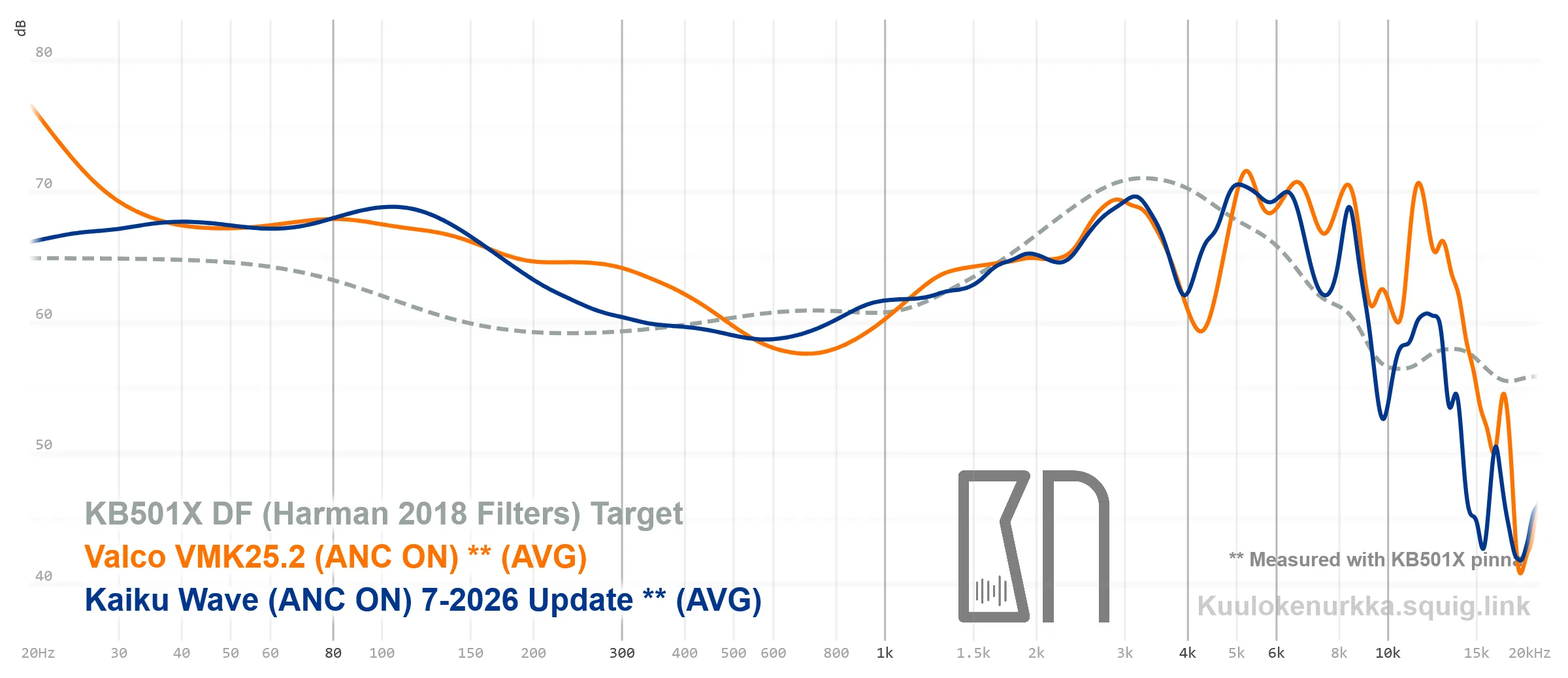
As this is a Finnish product, a quick comparison with Valco’s headphones feels appropriate. The VMK25.2 was never used as a benchmark for the Wave during development, so it is quite surprising to notice a certain similarity between the two. Then again, one could argue that all V-shaped ANC headphones bear a resemblance to each other.
As for the differences, the VMK25.2 delivers a punchier lower-midrange and a distinctly brighter upper treble than the Wave. Based on measurements, the Wave's midrange comes across as somewhat more natural—especially since its bass boost doesn't extend as far into the lower midrange as it does on the Valco. In short, the VMK25.2 is a slightly sharper, more engaging take on a similar tuning, whereas the Wave is a step more balanced. It’s also worth keeping in mind how the VMK25.2 sounds with ANC turned off, as it then becomes remarkably similar to the Kaiku Wave, saving for a slight difference in the treble.
Concluding remarks
Now that Kaiku Acoustics and its Wave headphone model have gained more publicity, the debate seems to center mostly on the product's high price tag. Some have also suspected the headphones of being a cheap Chinese OEM product, where the manufacturer simply sticks wood and their own logo onto an off-the-shelf design—a similarly dismissive narrative previously heard regarding Valco. While anyone is free to criticize the price, the OEM claims should be dismissed, as they are simply untrue. Part of the consumer skepticism likely stems from the fact that Kaiku Acoustics hasn't made much noise about itself in a couple of years, leaving many to encounter the brand now for the first time.
One has to take off their hat to the manufacturer for managing, despite limited resources, to design unique headphones and have them produced on the other side of the world. For a small operator, collaborating with Chinese factories without being taken advantage of or having ideas stolen is anything but easy. Custom tooling for aluminum parts doesn't come cheap either; it requires a strong commitment with no guarantee of how well the product will sell. Plenty of things can go wrong along the way. Furthermore, having the wooden elements installed in Finland requires its own logistics and likely caps the production pace. Ultimately, the Wave is an intriguing boutique noise-canceling headphone with no direct equivalent on the international market.
This doesn't mean everyone is obligated to like the product. Truth be told, they are technically quite minimalist and don't compete on features with the industry giants. Perhaps a product like this is best viewed as sitting somewhere between active noise-canceling headphones and traditional hifi gear. Some of us buy wired headphones costing thousands of euros, yet when it comes to technically more complex wireless models, 300 euros strikes many as a hefty sum. It's a curious dynamic, considering we willingly pay far more for other personal electronics. Perhaps portable headphones are viewed merely as everyday utilitarian tools rather than gear to be appreciated. In my view, the Kaiku Wave suits those who would be willing to pay a slight premium for wired headphones as well. Then again, I know plenty of people who simply welcome the opportunity to support a local Finnish company.
Next, the manufacturer plans to launch a Finnish-made wired model (Kaiku Lite), currently available for pre-order at 149 euros. Also in development is a pair of wireless noise-canceling earbuds featuring wooden accents. I haven't been involved in the development of these two upcoming products so far, so we'll see if I can offer a more independent review of them down the line than I could with the Wave. Lastly, for anyone wondering, I do not earn money from the sales of the Wave. If I did, maintaining an objective stance when reviewing other noise-canceling headphones in the future would be impossible.
 EN
EN  FI
FI