Author: Sword of Damocles
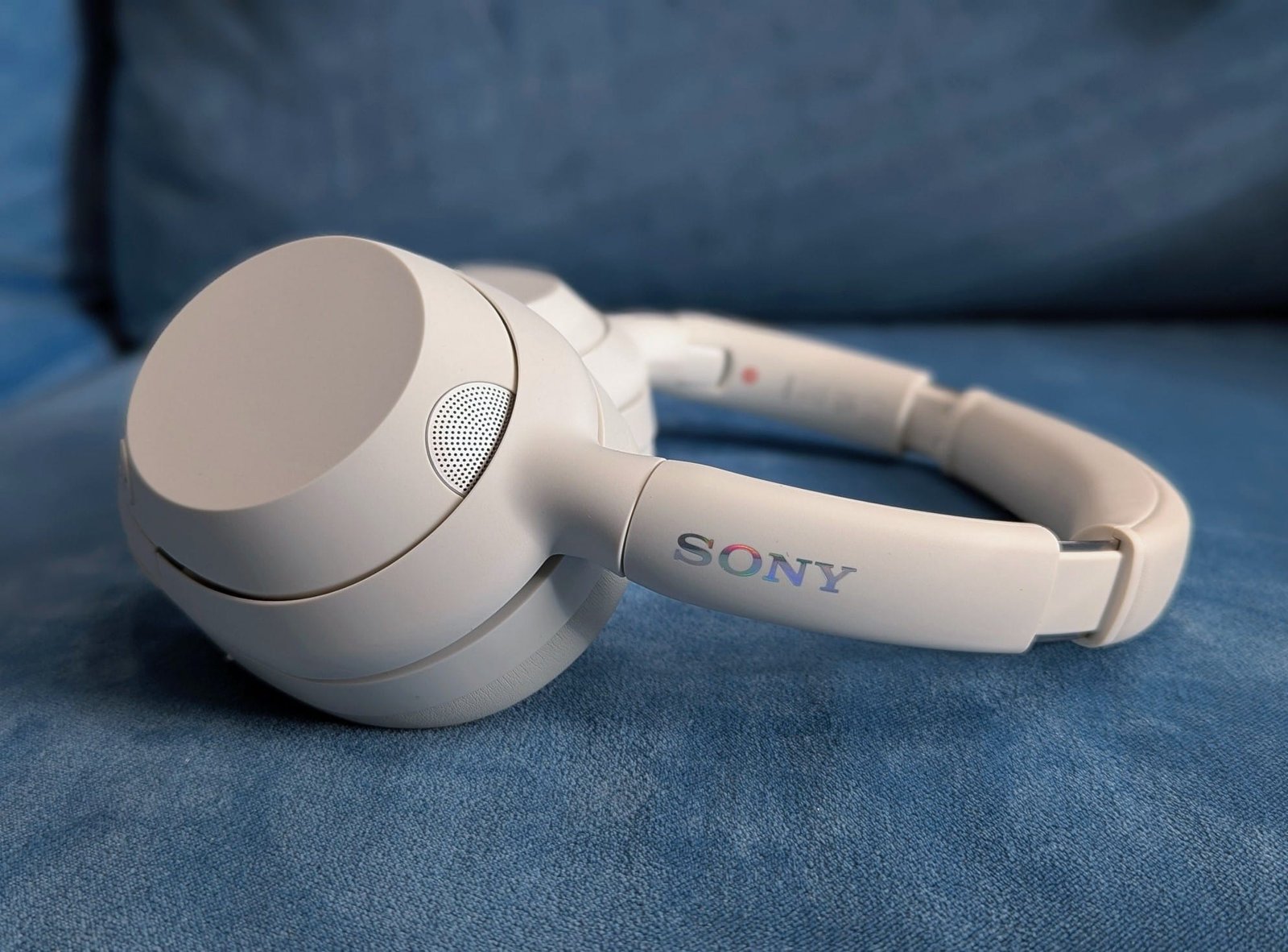
Table of Contents:
Information:
- Release year: 2024
- Country of Origin: China
- Colour options: White, black, forest grey
- Price: 199 € (often on sale for 159 €)
- Type: Closed, over-ear
- Dynamic 40 millimeter drivers
- Audio connections: Bluetooth 5.2 and 3.5 mm
- Bluetooth codecs: LDAC, AAC and SBC
- Charging port: USB-C
- Battery life: 30h with noise cancelling on and 40h with noise cancelling off
- Charging time: 3.5h (quick charging: 1.5h usage time in 3 minutes)
- Noise cancelling function (same processor as in WH-1000XM series headphones) and adjustable ambient sound mode
- Features: Google Fast Pair, Google, Multipoint, head tracking, 360 Reality Audio spatial sound, ULT bass button and phone app with equalizer
- Weight: 255g (the 225g reported in some places is incorrect)
- Accessories: Carrying case, USB charging cable (length 20 cm) and 3.5 mm audio cable (length 1.2 m)
Review unit: Loaned by the manufacturer
Sony is likely still one of the market leaders in noise-cancelling headphones, as its noise-cancelling technology works well and the product feature set is competitive. Despite all the refinements, many may have noticed me criticizing the sound quality of the manufacturer's supposedly best WH-1000XM headphone series on several occasions. For this reason, I personally don't expect much from the more affordable model series either, especially when the term ”Extra Bass” occasionally appears in their names.
This time, however, I intend to approach the manufacturer a little differently when testing its new ULT Wear headphone model (link to the manufacturer's product page). The headphones are, not surprisingly, aimed at those who like powerful bass, but I intend to put myself in the shoes of this target group when considering whether such a sound could sound good in certain situations.
Did anyone else notice, by the way, that Sony has dared to give the ULT Wear a name instead of just a model number!? The headphones are part of the manufacturer's new ULT POWER SOUND product series, which is intended to offer amazing bass and a premium atmosphere. The design and many of the basic features mimic the more expensive WH-1000XM series, but a new function found in the headphones is the ULT bass button with two different bass boosts. The ULT Wear was released in spring 2024 priced at 200 euros, but its market price has already dropped to around 160 euros. Thus, it is quite attractively priced.
I received the headphones on loan from Sony, or more precisely, from its Finnish PR representative, whom I thank for the cooperation! My review will differ significantly from more commercial sites, so I hope it will be interesting to read.
Packaging and accessories
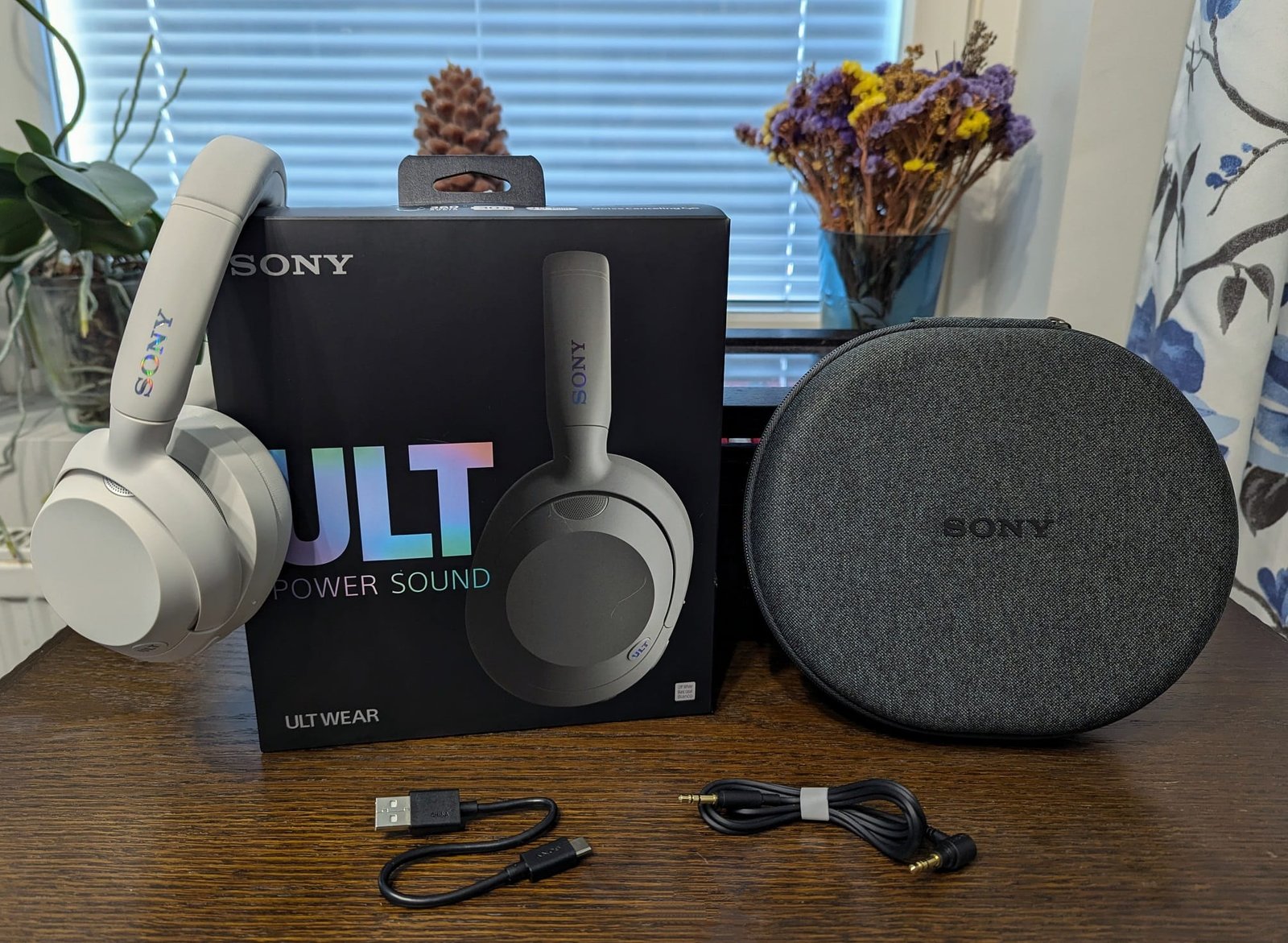
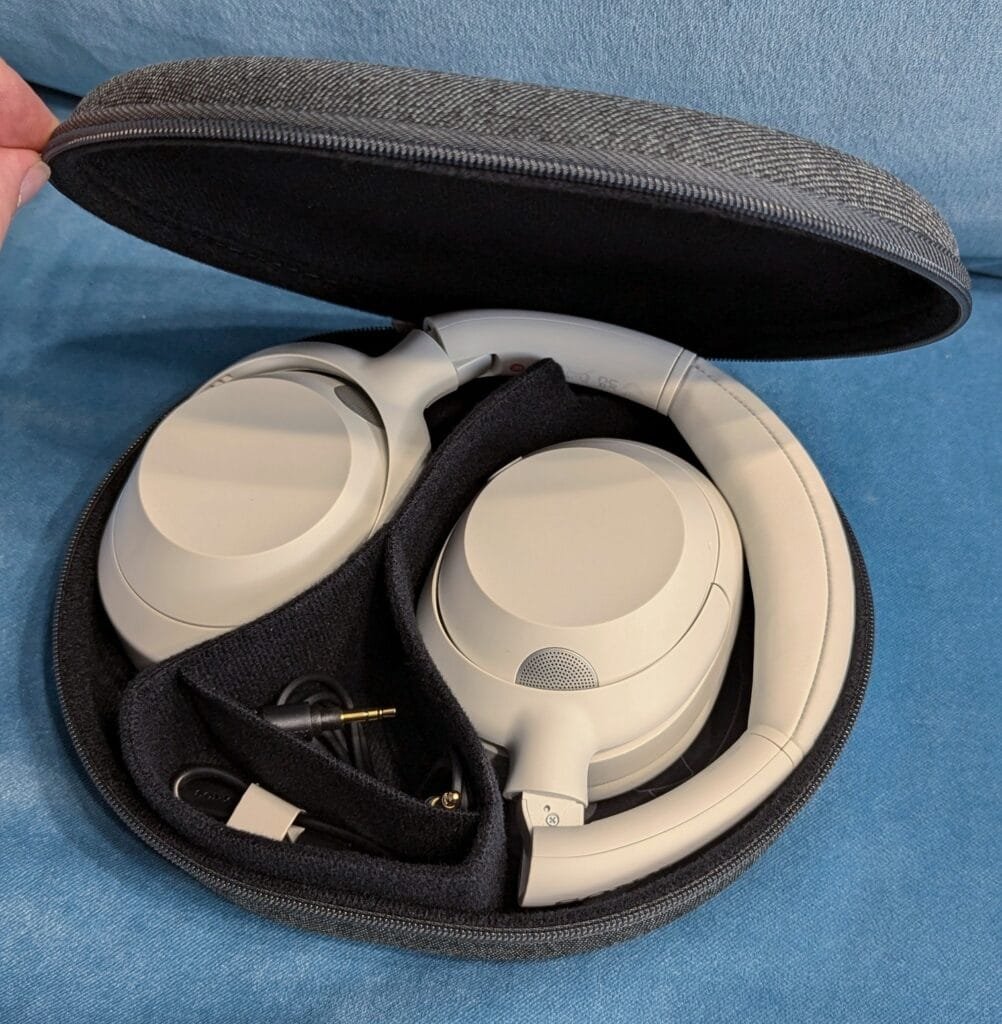
In the ULT Wear cardboard box, the main attention is focused on the large-font mentions of ”ULT Power Sound” and ”Powerful Bass”. It is immediately clear what kind of target audience the product is aimed at. The included carrying case is typical for Sony, as the ULT Wear folds down into a small space in the same way as the WH-1000XM4 and its predecessors. The fabric-covered case is a convenient size and also feels comfortable thanks to its fabric surface. Inside, in addition to the headphones, there is a 3.5-millimeter headphone cable and an almost unusable short USB charging cable, which could almost be left out of the package entirely.
Build and comfort
In product images, the ULT Wear looks very similar to the more expensive WH-1000XM4, but the quality difference is obvious when you get the headphones in your hands. The ULT Wear is made of cheap-feeling plastic and the tolerances between parts are loose, so shaking the headphones produces creaking and rattling. Based on this alone, the 200 euro launch price seems very optimistic, and a more appropriate quality impression would be achieved somewhere around 100 euros. Sold for 60 euros JBL Tune 770NC for example, doesn't feel any cheaper.
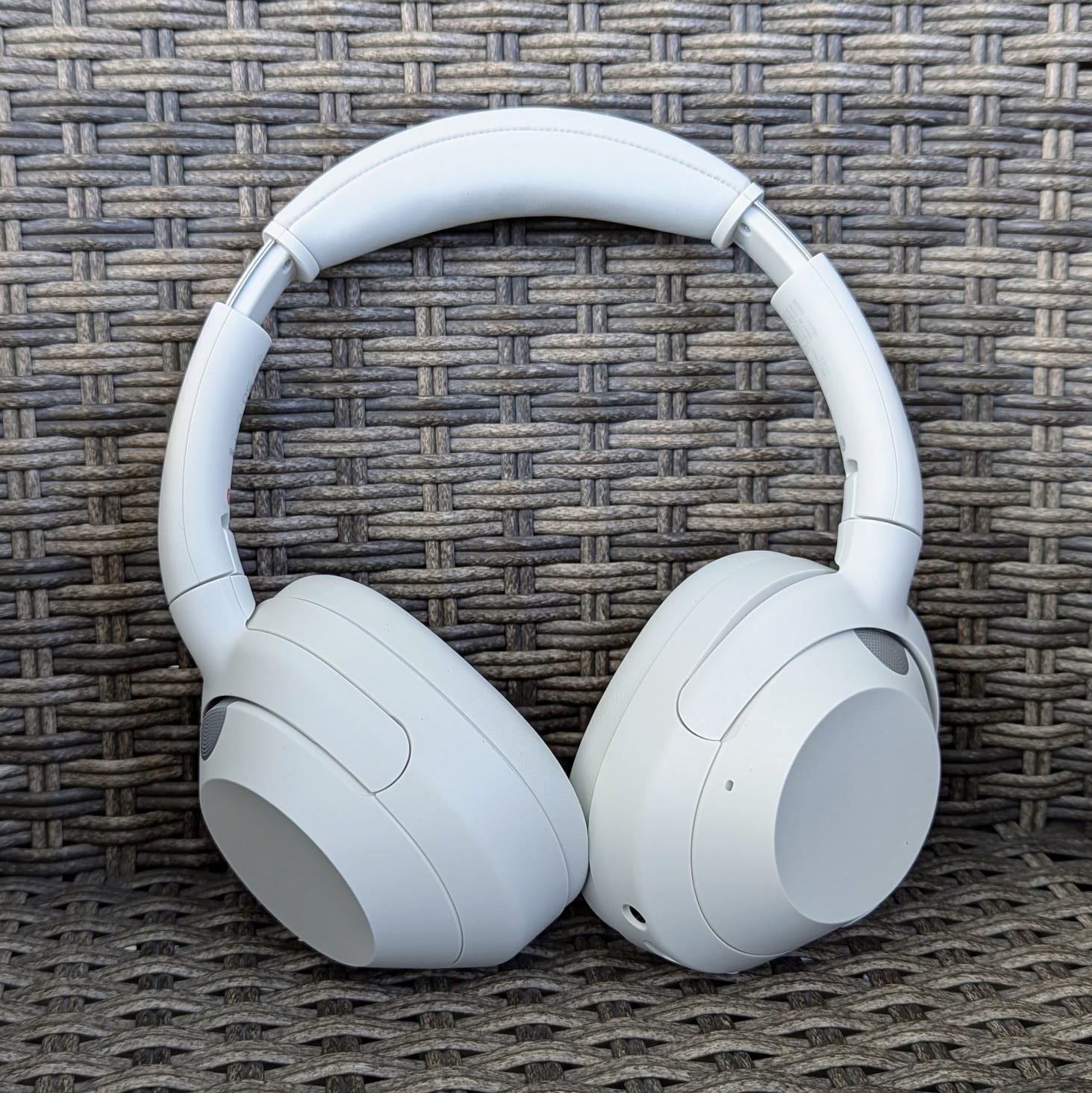
However, there is also a lot of good in Sony's headphones. Firstly, at 255 grams, they are pleasantly light and feel tool-like in their practicality. In my opinion, Sony masters this. I would like a little more resistance in the movement paths of the cups, but the headband, on the other hand, feels sturdy. Thanks to the gentle linear clamping force and wide adjustment possibilities, I can get the headphones to sit very comfortably on my head. In fact, with their well-padded headband and thick, spacious ear cushions, they are clearly more comfortable for me than, for example, WH-1000XM5. There is also extra empty space between the base fabric of the cushions and the driver, so the ULT Wear does not press my earlobes into a crease like the more expensive Sony model. I would gladly use the headphones for long periods, so the wearing comfort deserves an excellent rating from me. Even the artificial leather cushions are not particularly sweaty compared to many other headphone models.
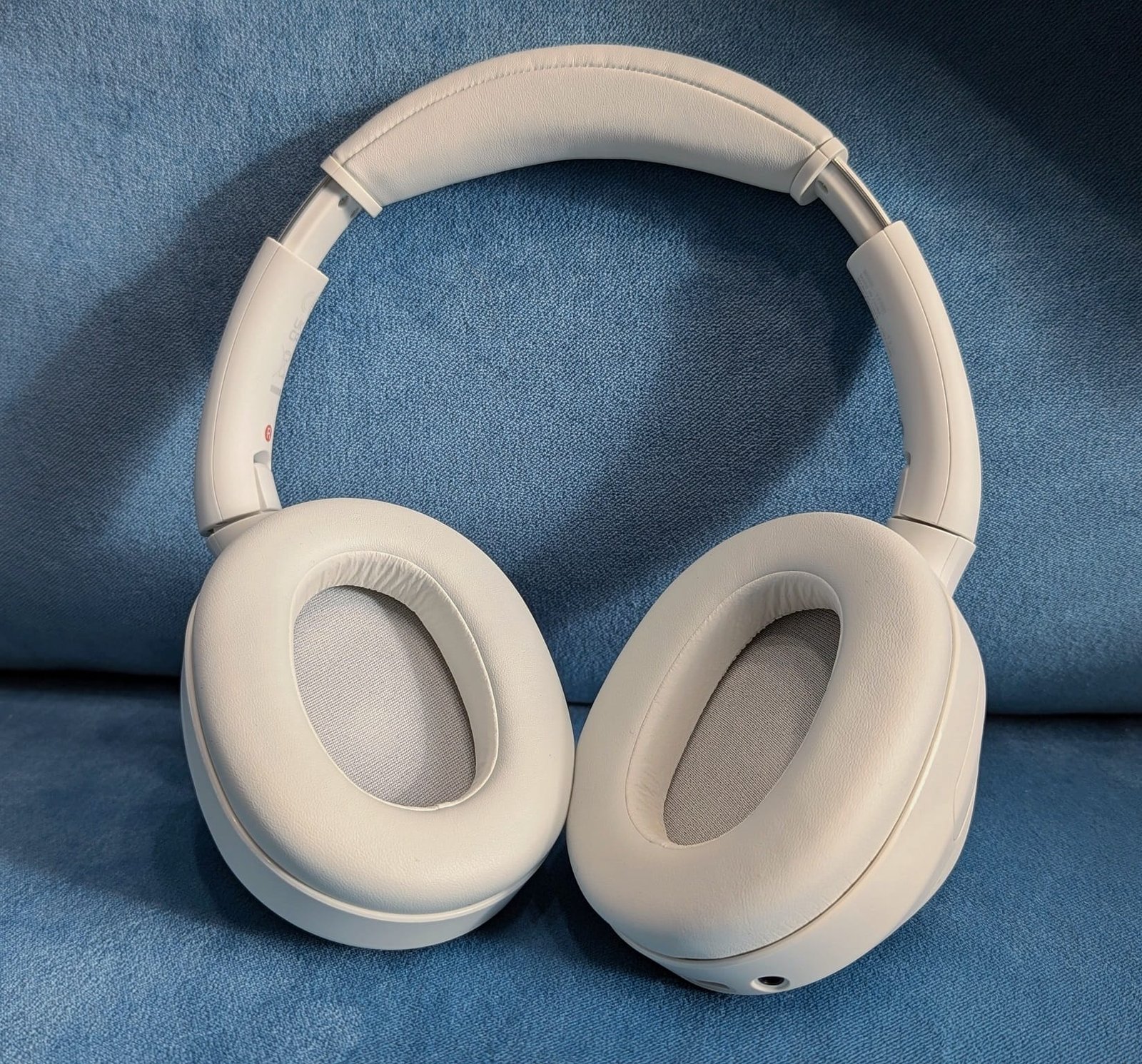
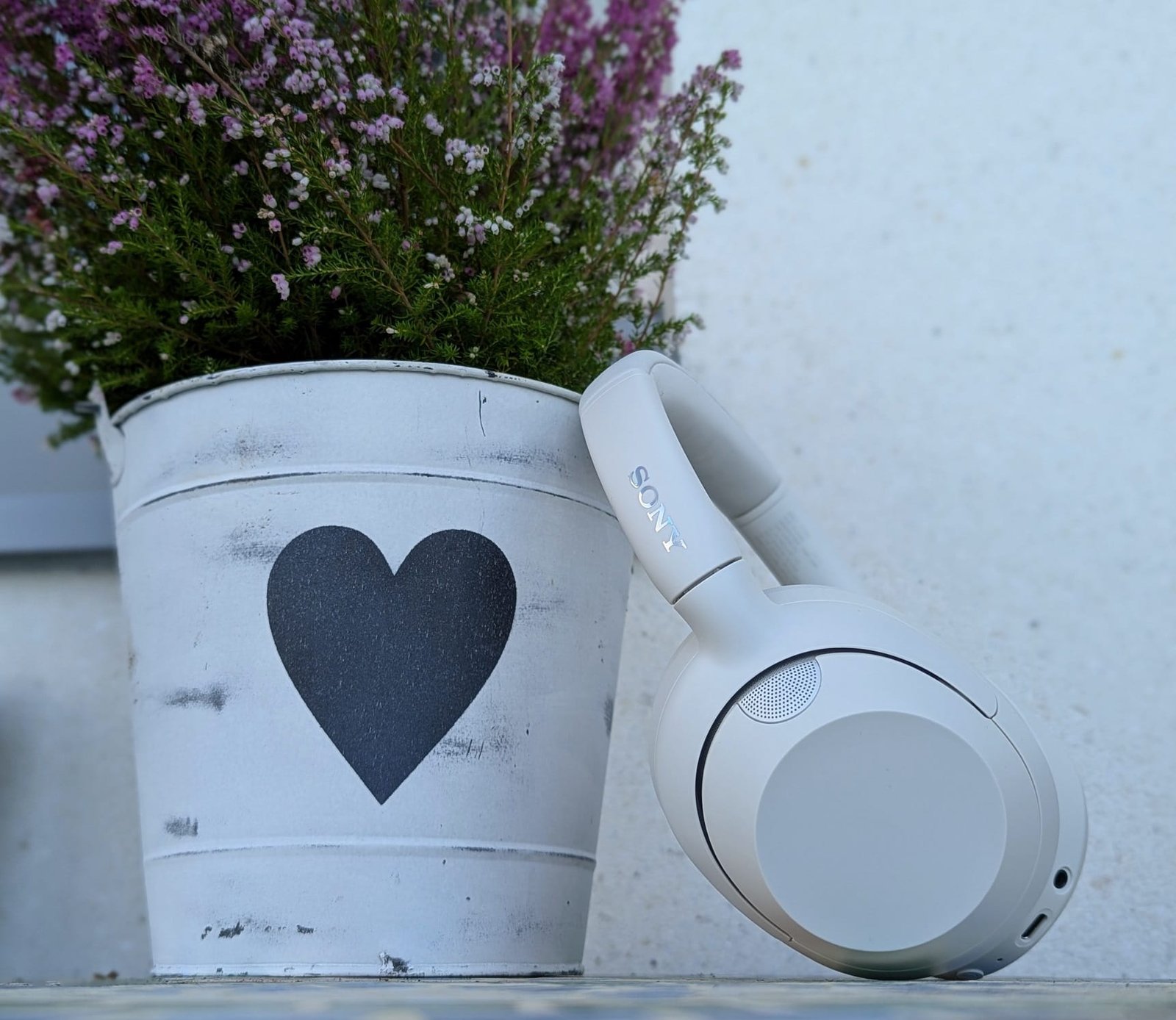
Aesthetically, my white headphones don't evoke great admiration, but neither do they evoke anger. My main attention is drawn to the glossy Sony logo and the large ULT bass button. The metal mesh in the upper part of the cups, which conceals the noise-canceling microphones, is also quite an interesting design choice.
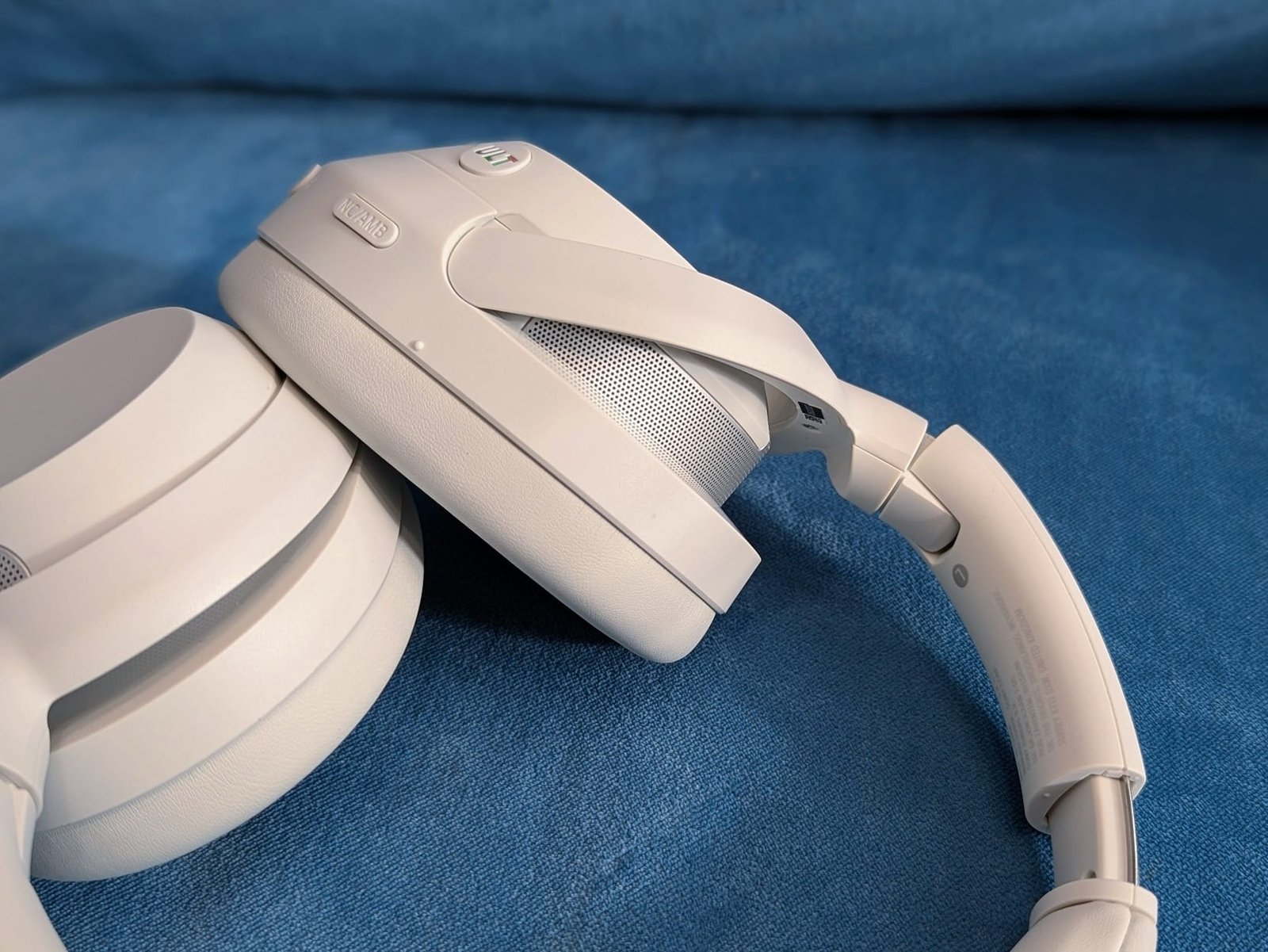
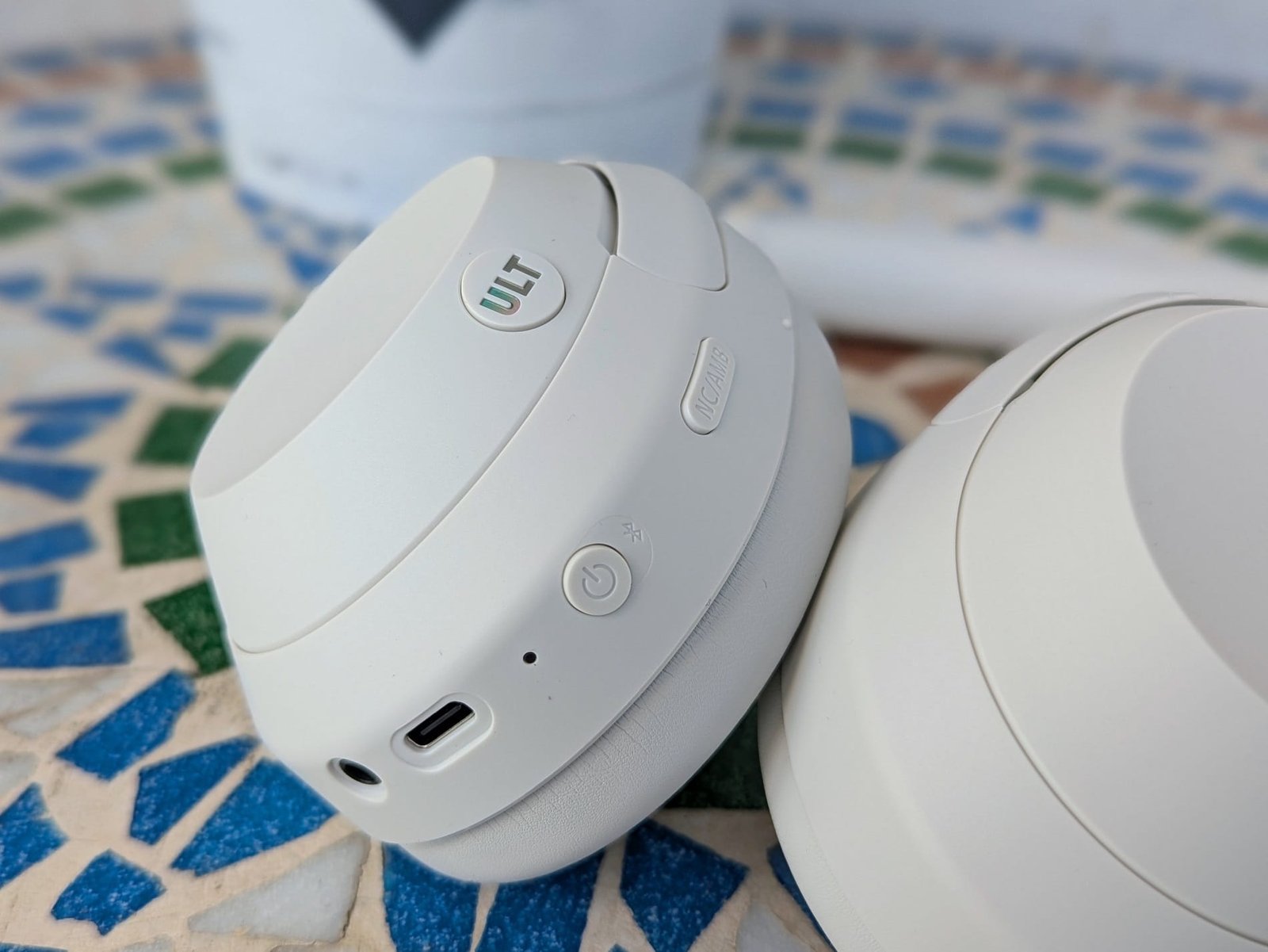
Regarding the buttons, Sony has managed to include a touch panel installed on the right cup, which handles, for example, changing the volume and controlling playback. The other buttons (power, noise-canceling, and ULT button) as well as the charging and headphone jack are located on the left cup. I don't really like touch functions, but in Sony's headphones, they tend to work better than usual, as is the case with the ULT Wear. The plastic traditional buttons, on the other hand, feel extremely cheap, and it's hard to distinguish them properly as buttons by feeling with your fingers among the seams that feel similar to the structure.
Bluetooth technology and battery life
The wireless connection is implemented with Bluetooth version 5.2, which is not the very latest, but certainly sufficient. The ULT Wear supports Sony's own high-quality LDAC codec, provided that the Android phone in use also supports it. Otherwise, only AAC (for Apple users) and SBC codecs are available, as the manufacturer understandably does not want to add AptX support to its products as a competitor to Qualcomm. However, the codec situation is acceptable in the 100–200 euro price range.
The ULT Wear pairs effortlessly with Android devices using Google Fast Pair and supports the Multipoint feature, which unfortunately cannot be used with the LDAC codec. I have not noticed any problems with the range or stability of the Bluetooth connection in my own use. The LDAC codec also seems to play audio without interruptions, which is not a given in all affordable products.
With noise canceling on, the battery life of the headphones reaches a traditional 30 hours by Sony's standards, which can be extended by another 10 hours by turning noise canceling off. Fast charging provides 1.5 hours of use in 3 minutes, and a full charge takes 2–3 hours depending on the charger. Competitors have surpassed Sony in battery life in recent years, but its headphones still beat many Bose models by a few hours. Still, there's no need to be too ashamed of a 30-hour battery life, as it easily lasts for a few days.
Mobile app and additional features

The app side has always been in order with Sony, and there has been no change to that. On the other hand, the Finnish translation is still poor, and several pop-up windows that open at the beginning cause annoyance. In any case, the ULT Wear can be adjusted as versatilely as the manufacturer's more expensive WH-1000XM series headphones. For example, the noise-canceling function can be customized to suit certain environments, and the owner could also monitor the use of their headphones if a user account is created for that purpose and location data is shared with the app. The system section contains various settings related to button functionalities, Multipoint function, voice assistant, automatic power off, and ear detection. In this context, it should be mentioned that the ear sensor located in the left cup works well, so I have kept it activated.
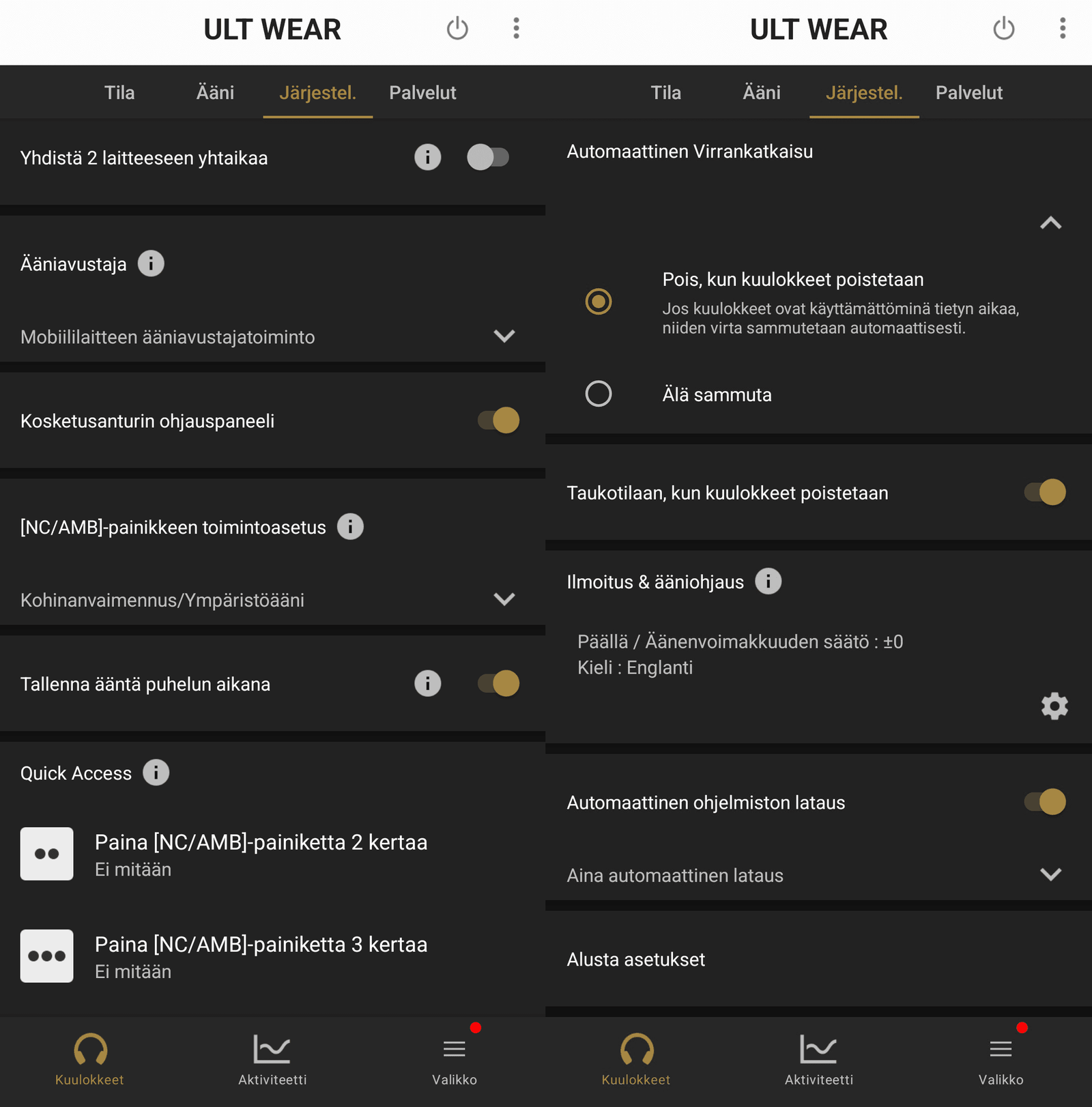
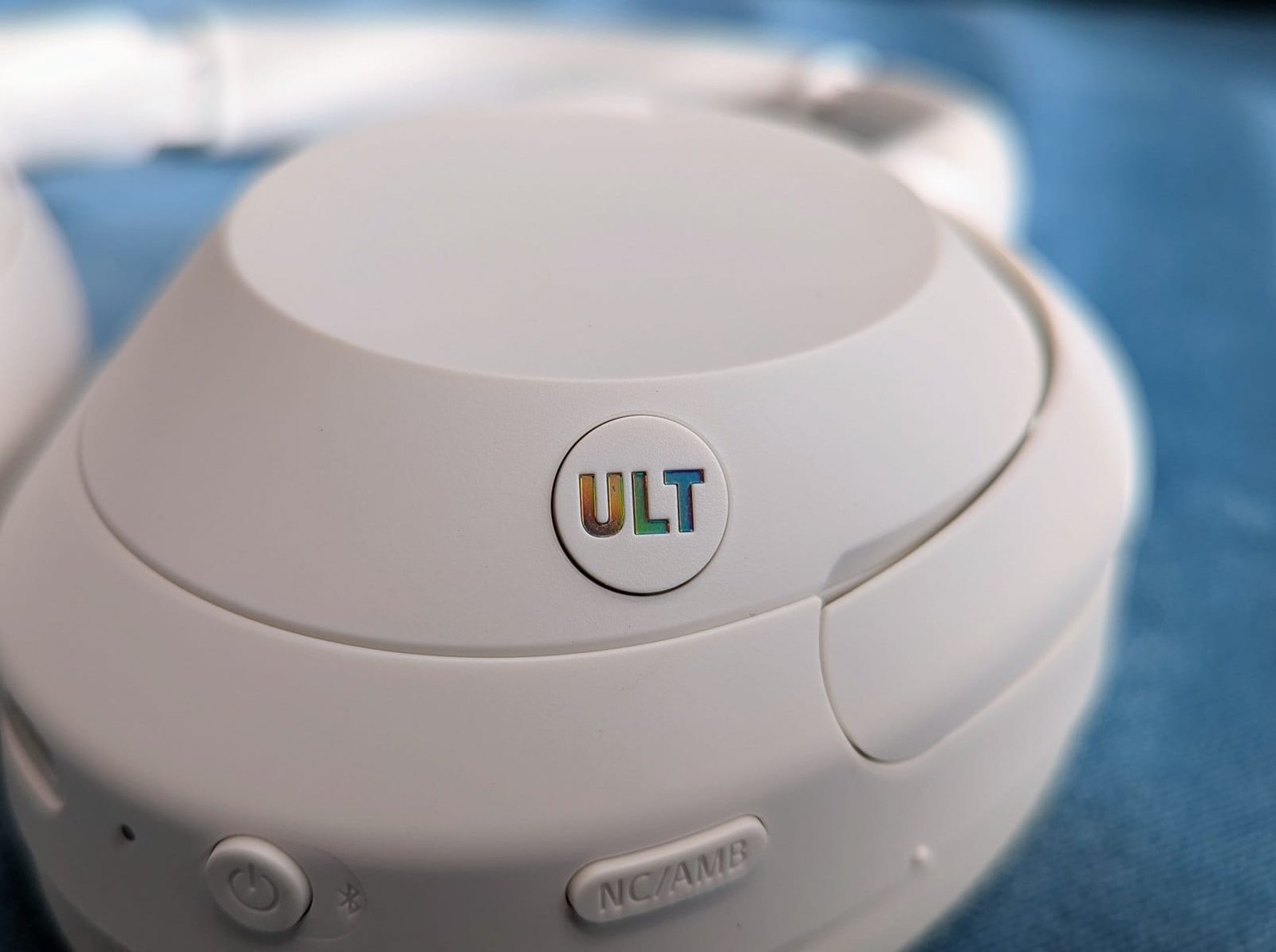
The sound of ULT Wear is also versatilely adjustable with two different equalizers. The first one is based on a guided process where the user selects the sound samples that best suit their preferences from those available. The second, more traditional equalizer, implemented with sliders and preset sound profiles, is familiar from Sony's previous headphone models. As an update, in addition to the Clear Bass setting, there are also three ULT bass profiles available, which can also be switched by pressing the ULT button on the headphones. In the app, the ULT-2 mode maximizes the Clear Bass setting and does not allow it to be lowered below zero. In ULT OFF and ULT-1 modes, all kinds of additional adjustments are possible.

Somewhat surprisingly, ULT Wear also supports 360 Reality Audio spatial sound and head tracking, which changes the placement of sounds based on head movements. Similar features can be found, for example, in the 500-euro headphones I recently tested Sonos Ace:s, so Sony can offer a very competitive package for 200 euros. However, enabling spatial audio and head tracking requires some extra effort, so many might not bother. I also wouldn't necessarily see ULT Wear as the most sensible choice for such use, as it wasn't primarily designed with sound quality in mind. Nevertheless, all kinds of additional features are welcome, and no other manufacturer can challenge Sony in the same price range regarding them.
Active Noise Cancellation
Sony states that ULT Wear's noise-cancelling function is implemented with the same processor found in the more expensive WH-1000XM series. Of course, ULT Wear has significantly fewer microphones for measuring ambient noise, so the processor is only one part of the whole. The effectiveness or operating principle of the noise-cancelling function is not adjustable via the app, but the ambient sound mode, however, would be adjustable on a scale of 0–20, with the highest setting allowing the most sound into the headphones. The ambient sound mode could also be configured to let human speech through while simultaneously suppressing, for example, low-frequency traffic noise – however, this also removes low frequencies from the human voice. As is familiar from Sony's more expensive headphone models, the ambient sound mode can be temporarily activated by holding a palm against the touch surface of the right earcup. I appreciate that the manufacturer has not cut down on additional features just to make its more expensive headphone models appear more versatile than ULT Wear.
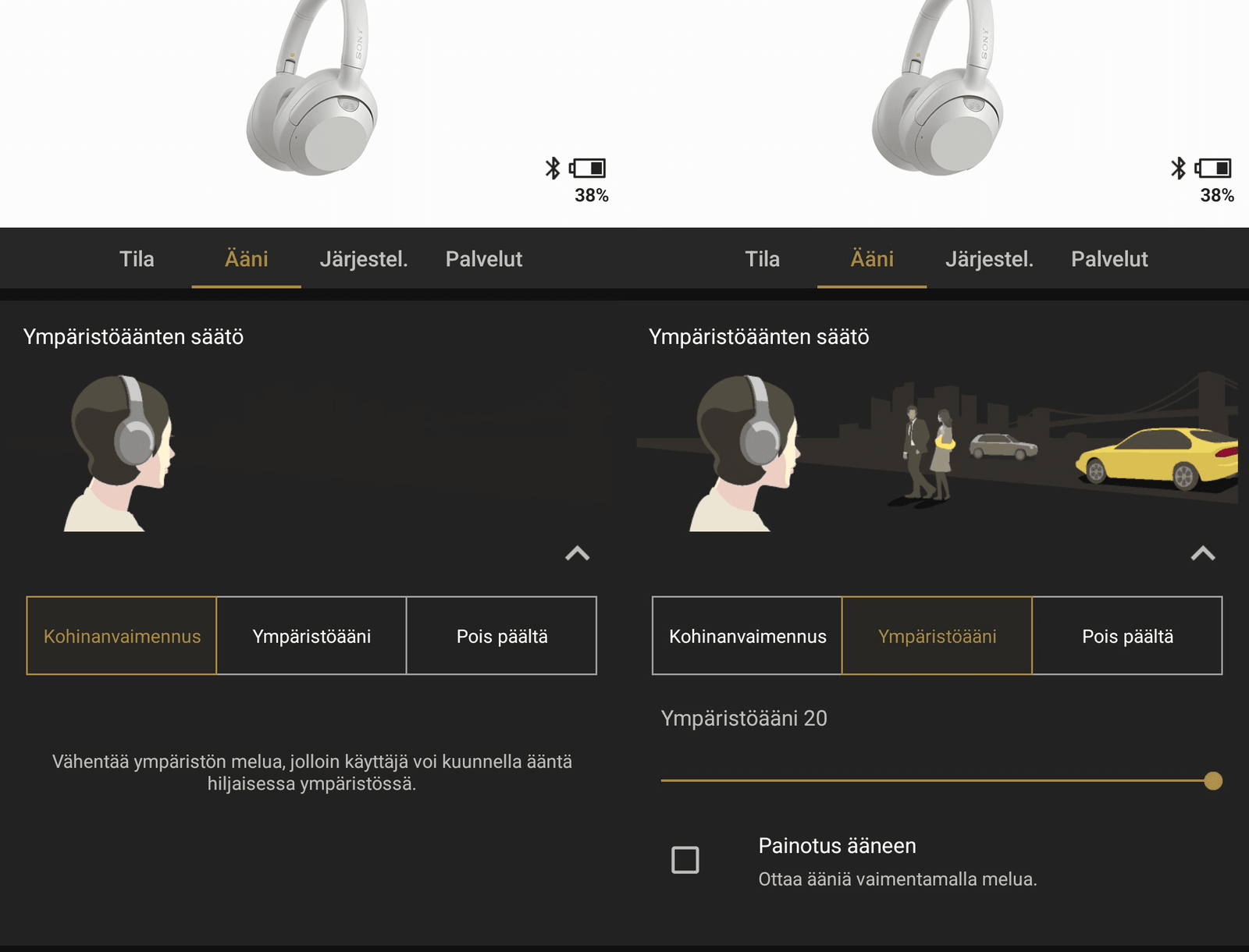
Considering its price, ULT Wear suppresses noise quite acceptably, but doesn't really surprise with its effectiveness. Sony's own WH-1000XM series headphones and Bose headphone models suppress more noise. For example, previously sold for 200 euros Bose QuietComfort SE outperforms ULT Wear by a clear margin. The same-priced Valco VMK25 however, is surprisingly comparable to ULT Wear, with superiority varying depending on the type of noise. However, ULT Wear's advantage over many competitors in its price range is a quieter background hiss. Its noise-cancelling function also causes hardly any pressure sensation in my ears, and does not cause disturbing sounds, except for wind. Regarding wind, the earcup structure is not the most optimal, because when wind hits the metal protective grille of the microphones, it causes a constant rattling sound. However, in terms of annoyance, this sound is not yet among the worst.
If the noise-cancelling function is not particularly effective by Sony's own standards, the ambient sound mode, in my opinion, worked well thanks to its extensive adjustment possibilities. At its maximum setting, it causes a hiss and sharpens the sound, but with a suitable adjustment, especially human speech can be made to sound natural. The minimum setting differs only slightly from a situation where the noise-cancelling function/ambient sound mode would be switched off. Thus, a suitable setting for the ambient sound level can certainly be found for any situation.
Microphone sound quality
ULT Wear's microphone produces basic quality and clear sound when speaking, as long as the operating environment is quiet. However, the headphones are not particularly effective at filtering out noise or wind, so the end result is not very good. For more important conversations, it is advisable to find a suitable place instead of a noisy cafe or construction site.
Sound quality
Our frequency response measurements have been made with a clone IEC-60318-4 coupler and KB501X pinnae. The Harman target curve from 2018 is used as a reference point and generalization of the headphone response that would sound good to most people. For more information on the measurements and their accuracy, see Headphone Measurements-page. ULT Wear's frequency response is also comparable with other measured headphones Squiglink .
Sony's headphones can be listened to not only via Bluetooth but also completely passively with a 3.5-millimeter headphone cable. In this case, no battery power is needed, but when DSP correction is off, the frequency response changes significantly from what it is during active listening with power on. This usage should therefore be considered only an emergency solution when the battery runs out. Changes in sound also occur when the noise-cancelling function is turned off, but the listening experience still remains largely similar. Those interested in measurements should check out these changes in frequency response from the following Squiglink view.
According to Sony, ULT Wear is aimed at listening to bass music. On the other hand, the manufacturer's marketing team also claims that the headphones' accurate and high-quality sound is designed to reproduce recordings as faithfully as possible. Since these two claims are practically mutually exclusive, I believe the segmentation of the headphones has been left halfway: Sony clearly had a specific target group in mind, but it would still like to sell the headphones to everyone else as well. It is therefore up to consumers to find out whether ULT Wear is a great bass headphone or perhaps a neutral hi-fi headphone. Fortunately, I can provide an answer to this.
Frequency response at different ULT levels (noise cancelling function on):
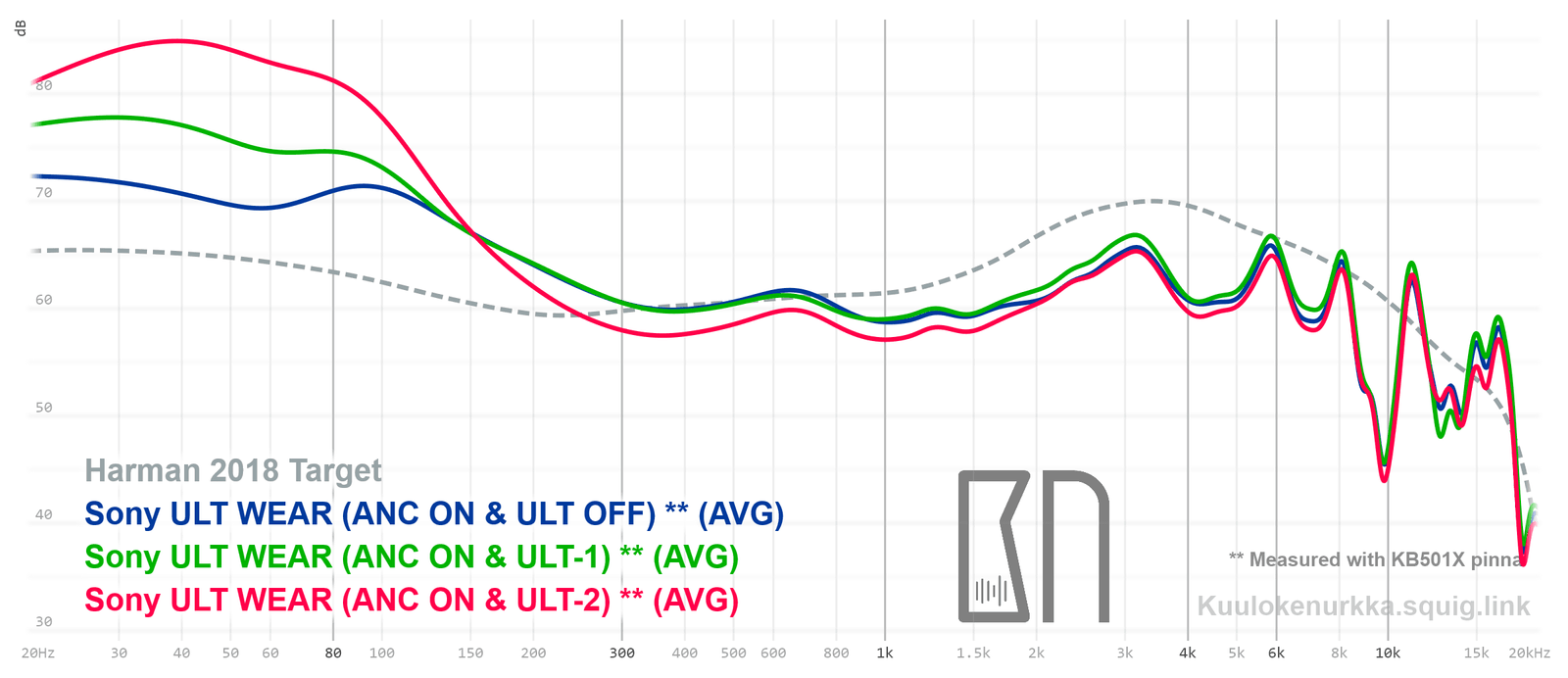
Let's immediately dismiss the claim of accurate and faithful reproduction, as those expecting this might consider ULT Wear to be one of the worst headphones on the market. Measurement results also support this observation: only the amount of bass seems to matter, with everything else sounding more or less muffled in the background. ULT Wear has, to put it bluntly, been heard in 5 minutes, because everything sounds largely the same, and the headphones offer nothing new after that. Consequently, I don't see a real need for a more detailed discussion of sound quality. Normal music sounds as if it's coming from a block party a few floors below. Nor would rattling 'amisautot' (cars with loud bass, often associated with young drivers) be a bad comparison. The reproduction is entirely focused between 20–300 Hz, while mid and high frequencies are exceptionally subdued.
However, the other claim about the headphones' suitability for listening to bass music is entirely true. ULT Wear is acquired (hopefully) purely for its over-the-top bass reproduction – the rumble and growl literally resemble a nightclub dance floor. I don't dismiss the headphones because of the size of their presumed target audience. You don't go to a nightclub to enjoy good sound quality, but to party with the power of bass.
If other Sony models, with their many competitors, offer emphasized bass, why not go as far as possible in that genre without shame? If someone specifically likes a completely bass-heavy sound, they would most likely be most enthusiastic about ULT Wear. Many other headphones try to be relatively normal in addition to their bloated upper bass, whereas ULT Wear focuses solely on bass. There is certainly demand for these headphones, so there is nothing inherently wrong with such segmentation. However, the manufacturer should be honest in its marketing, as in my opinion, its headphones are not properly suited for listening to normal music or even mixed media content.
Effect of different ULT modes on sound:
In its default mode, the headphones' sound is the most subdued, because the bloated upper bass is not memorable in any way, and the reproduction lacks clarity and energy. However, you can somewhat make out the vocalist, and a few treble peaks bring at least some life to the reproduction. Nevertheless, the setting forcibly feels as if it's meant to sound as dull as possible, so that the ULT-1 mode would appear as a sound quality improvement and thus a selling point for the headphones.
In ULT-1 mode, i.e., by pressing the bass button once, the presentation actually becomes more energetic, because in addition to the strengthening sub-bass, the high frequencies are also slightly boosted. Bass music now rumbles really loudly and already starts to resemble a nightclub. On the other hand, there is so much bass that it breaks down qualitatively, turning into a uniform mass. My own ears also get sore quite quickly from the force of the impacts. However, many probably prefer quantity over quality, in which case the headphones have their own charm. I would see ULT Wear as suitable for those who have found all other noise-cancelling headphones to be too light in bass. Surprisingly many feel that bass reproduction according to Harman's target curve sounds as if the bass is completely missing. Not everyone considers whether the listened song is meant to contain a lot of bass, but rather enjoys all kinds of music with powerful bass and in a nightclub style. ULT Wear offers this possibility.
However, ULT-1 mode is ultimately nothing compared to the ULT-2 setting. In this mode, the headphones blast even more bass into the reproduction, talking about an emphasis of over 20 decibels compared to Harman's target curve. At the same time, the level of mid-frequencies decreases, which further increases the proportion of low frequencies in the overall sound. The result sounds as if all music is coming entirely through a subwoofer. There is so unbelievably much bass that I don't believe anyone calling themselves a basshead would be left cold. The thumping and rumbling when listening to bass music is downright intoxicating, even if I don't really get anything clear from the reproduction anymore. However, this probably doesn't matter, as the listener is meant to enjoy head-shaking bass like some rebel. I myself have gotten a good laugh out of this, if nothing else. I wouldn't listen to my favorite artists like this, but if I want to break away from everyday routines, ULT Wear takes me somewhere completely different for a moment. It also shapes my view of what headphones with a lot of bass actually mean.
I also want to mention the headphones' low distortion values. Usually, a large amount of bass produced by a regular dynamic driver leads to quite high distortion, but ULT Wear's distortion at bass frequencies is so low that it is not possible to detect it. I consider this an excellent performance and a testament to Sony's good judgment in headphone design.
No need for sound quality comparison
No other headphones I've tried offer such a bass-heavy sound, so ULT Wear isn't really reasonably comparable to anything. I would mostly conclude that its bass reproduction is more powerful than others, or that other headphones are more balanced when listening to normal music (information across all frequency ranges). There's probably no need to repeat this many times. Get ULT Wear if you're aiming for maximum bass, and any other headphones if you're aiming for a more neutral listening experience. Of course, ULT Wear could be EQ'd to be more normal, although I don't think there's much point in it, because many competitors offer significantly more balanced sound by default, and Sony's own WH-1000XM4 doesn't cost vastly more either. However, if someone did acquire ULT Wear expecting completely different headphones, let's see how its sound can be made more conventional.
Equalizing with Sony's app
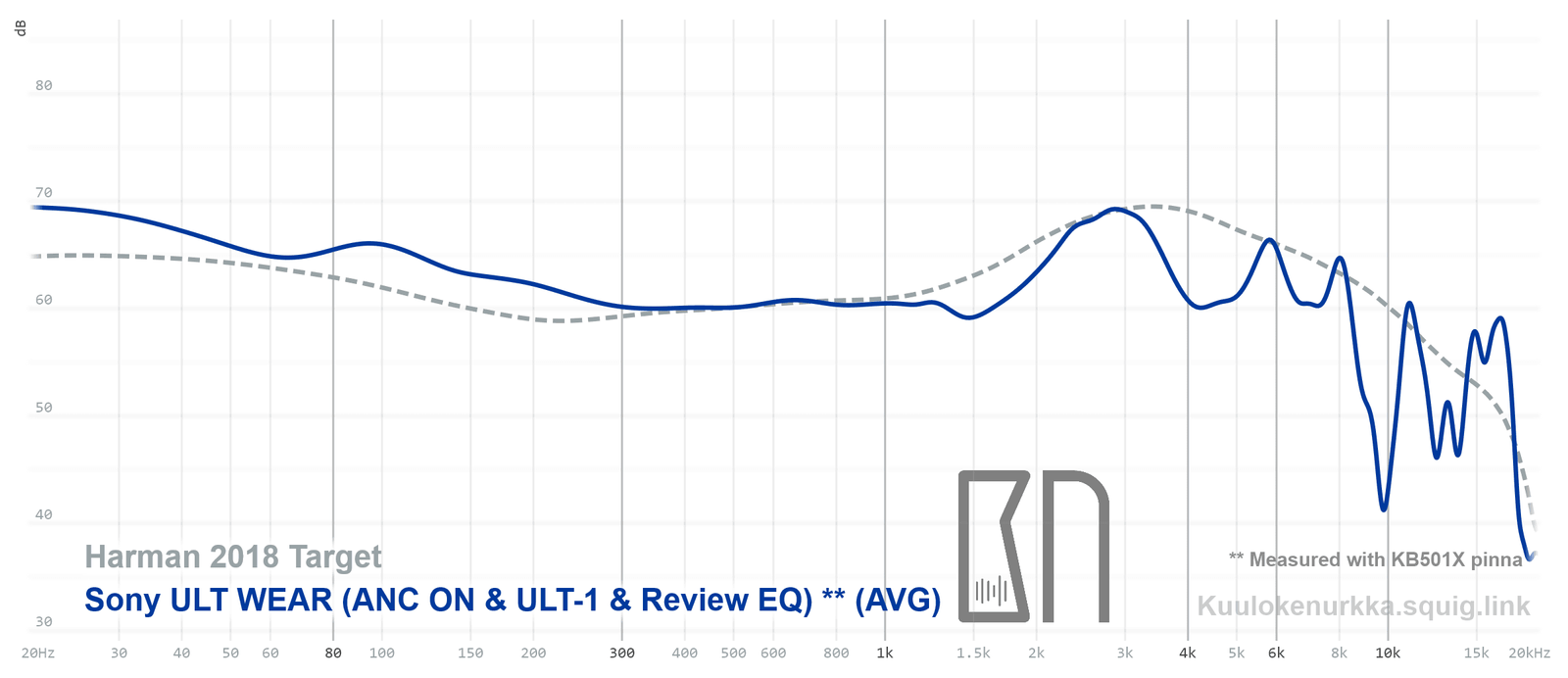
Like other Sony models, equalizing ULT Wear has been made somewhat difficult, because the manufacturer's app does not allow direct modification of the 100–300 Hz frequency range. Emphasized mid-bass is almost a sacred thing for Sony, which it does not wish to be changed. The Clear Bass setting found in the app only changes the range between 20–100 Hz, while the 400 Hz slider does not extend much to bass frequencies. When ULT Wear is desired to be converted to a balanced and less mid-bass-heavy sound, the procedure must be done inversely by boosting higher frequency ranges.
The following settings produce a good result to my taste, after which the headphones are suitable for all kinds of music. I no longer find the mid-bass emphasis particularly disturbing, nor is any other part of the sound subdued and muffled. The casually reproduced 3.5–5 kHz range also remains surprisingly unnoticeable, even though it takes away some of the sound's freshness. I don't recall getting such a balanced sound from the WH-1000XM5, so ULT Wear can, if necessary, be more than just a bass headphone after equalization. In fact, it wouldn't even be recognized as the same headphone anymore.

Summary
In summary, it should be stated once again that Sony's ULT Wear offers exaggerated bass reproduction, allowing anyone to jump into a nightclub amidst a low rumble at any time. Since bass is inherently fun for people, I'll let it be just that. I don't want to criticize those who like this kind of presentation, but rather gladly direct them towards ULT Wear. The headphones also have a decent noise-cancelling function and many refinements from Sony's more expensive WH-1000XM series headphones. The plastic construction feels cheap, but hardly anyone would be greatly disappointed with it compared to many other affordable headphones, especially when the wearing comfort is right.
Sony's headphones are often somewhat overpriced at their release, but they drop to a more reasonable level relatively quickly. The same has happened with ULT Wear, which is regularly available for 160 euros instead of the original 200 euros. During Black Friday, the price may drop even further, so especially young people listening to bass music should keep an eye out. I would not recommend ULT Wear for those expecting balanced and high-quality sound, but a potential mispurchase could still be salvaged by equalization.
Pros and cons:
+ Completely over-the-top bass reproduction for those (”bassheads”) who want it
+ Transforms into a balanced sound with equalization
+ Low distortion values at bass frequencies
+ Excellent comfort
+ Versatilely adjustable transparency mode
+ Hardly any background noise
+ Travels compactly
+ Modern features and a comprehensive phone application for settings
– Overemphasized bass prevents enjoyment of regular music and media content, unless the goal is to listen only to low frequencies
– Mid-frequencies and treble are reproduced exceptionally unclearly
– Partially misleading marketing regarding sound quality
– Cheap-feeling plastic construction
– Mediocre battery life by current standards
– Too short charging cable
 EN
EN  FI
FI
Sony is not a competitor to Qualcomm. In those products where Sony uses a chipset manufactured by Qualcomm, AptX support is found. In those Sony products where it uses a Mediatek chipset, AptX support is naturally not found.
I appreciate your comment, even though we see the competitive situation very differently. I personally consider two companies developing high-quality Bluetooth technologies automatically as competitors. If Sony can favor its own LDAC codec, it would be foolish not to do so. Of course, many other companies also use each other's technologies when there is a need for it. The chipset indeed affects codec support, so AptX support won't just appear out of nowhere alongside LDAC.