Author: Roderick
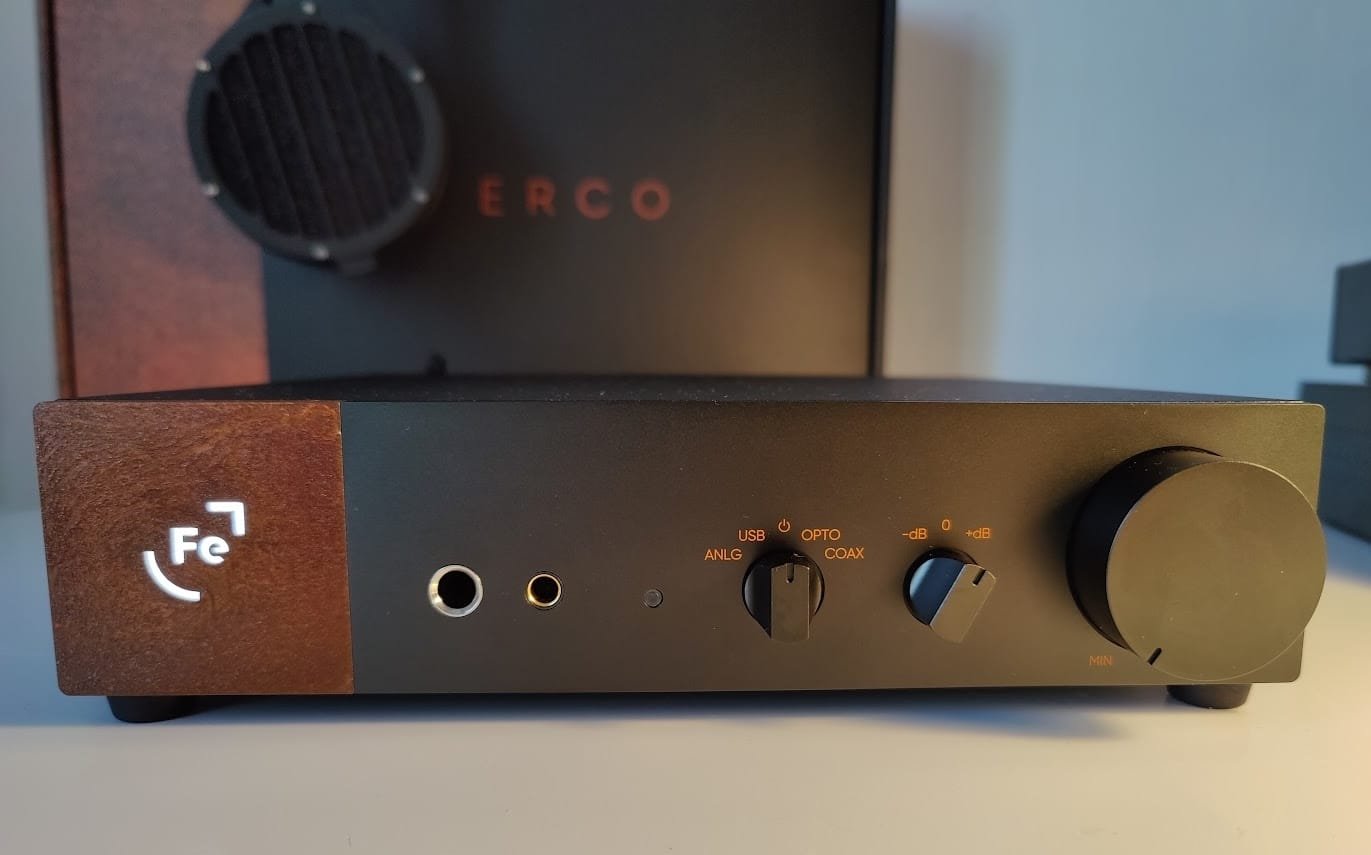
Table of Contents:
Information:
- Price: 2395 €
- Type: Transistor amplifier & D/A converter
- Structure: Fully balanced
- DAC chip: ESS Sabre ES9028PRO
- Headphone connectors: balanced 4.4 mm and unbalanced 6.35 mm
- Output impedance: 0.3 ohm
- Stated output power (balanced): 1.2 W @ 300 ohm / 6.1 W @ 50 ohm
- Stated output power (unbalanced): 0.3 W @ 300 ohm / 1.7 W @ 50 ohm
- External dimensions (L x W x H): 20.6 x 21.7 x 5 cm
- Weight: 1.8 kg
- More detailed information can be found on the manufacturer's website: https://ferrum.audio/erco/
Review sample: Self-purchased product
Polish Ferrum Audio burst onto the scene of headphone enthusiasts in 2021 with its OOR -headphone amplifier and HYPSOS-power supply. However, it was not a completely new manufacturer, as Ferrum Audio's parent company, HEM, already has over 20 years of experience in the field. It has served, among others, as Mytek's contract manufacturer.
This time, I'm reviewing Ferrum Audio's third product release, the ERCO combo device (pronounced ”ertso”), which includes both a headphone amplifier and a D/A converter. I only had a few days to listen to the device, so I didn't aim to write a particularly in-depth, objective, or technically detailed article about it. Instead, I'll focus on my own user experiences.
Features and device use
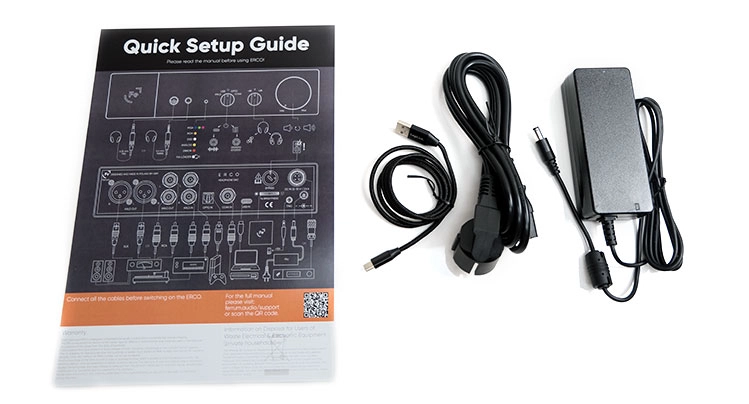
Connecting and setting up the device was effortless. My Win10 computer recognized it immediately, and I didn't need to install any drivers or adjust anything else. The switching power supply cable has plenty of length. The RCA connectors also deserve special mention, as cables slide into them with an exceptionally smooth feel.
On the other hand, a drawback is the short, approximately one-meter long USB cable. ERCO's Goobay-branded USB cable costs about 3 euros, so considering the price of the device, I would have hoped for a longer cable. For example, I tried to use the device on a coffee table with my laptop connected to it on my lap – for such use, however, the cable was undeniably too short.
The ERCO weighs 1.8 kilograms and is quite compact in size. The device takes up less space on a desk than, for example, 1 ream of A4 paper. In my opinion, the device's appearance is successful. The most striking feature of its minimalist design is the illuminated FE logo, which can be dimmed with a control found on the back of the device. The switches on the front edge click into their positions nicely, and the potentiometer's rotation movement is smooth, yet suitably firm.
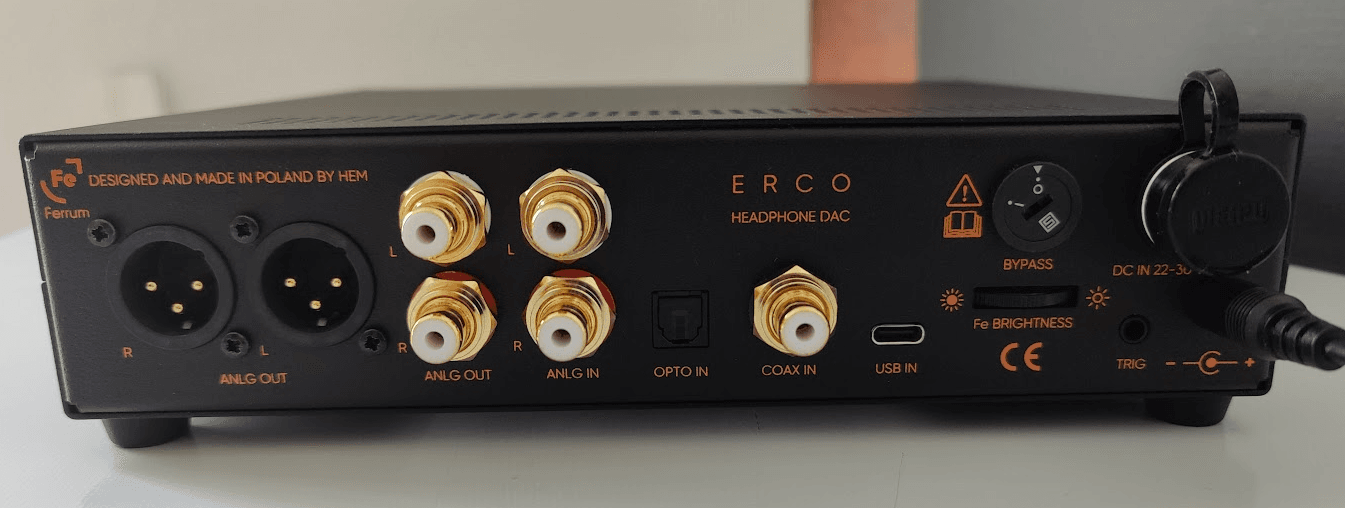
Rear connections and switches:
The ERCO features a very standard number of input connections: RCA, USB-C, as well as coaxial and optical SPDIF. Unfortunately, a balanced input could not be fitted into the device, but according to the manufacturer, the signal is internally balanced even when using the RCA input. Someone else might, however, miss LVDS and AES connections.
The device also lacks a Bluetooth connection, but its omission is quite understandable. I would assume that a potential ERCO buyer takes sound quality seriously enough that Bluetooth is not a viable option among other connections.
In addition to the connections, the back of the device has a bypass switch that can turn off volume control if the ERCO is to be used solely as a power amplifier. The device also has a trigger output for an external amplifier, and a Powerlink connector for the separately sold HYPSOS power supply. There are two outputs on the back of the device: XLR and RCA.
Front connections and switches:
The front panel features headphone connectors and the switches needed to operate the device. For headphones, there is a traditional 6.35 mm connector and a balanced 4.4 mm connector. The latter has become very common in recent years, but I still missed a more traditional 4-pin XLR connector.
The left-hand switch on the front edge selects the input in use or puts the device into standby mode. The ERCO does not have an actual power switch, so it cannot be completely turned off. This solution is quite peculiar! When the device is set to standby, it is only indicated by the position of the switch. In my opinion, the light on the left-hand logo should turn off in standby mode, so I could see from a distance whether I remembered to put the device into standby or if it was left on unnecessarily.
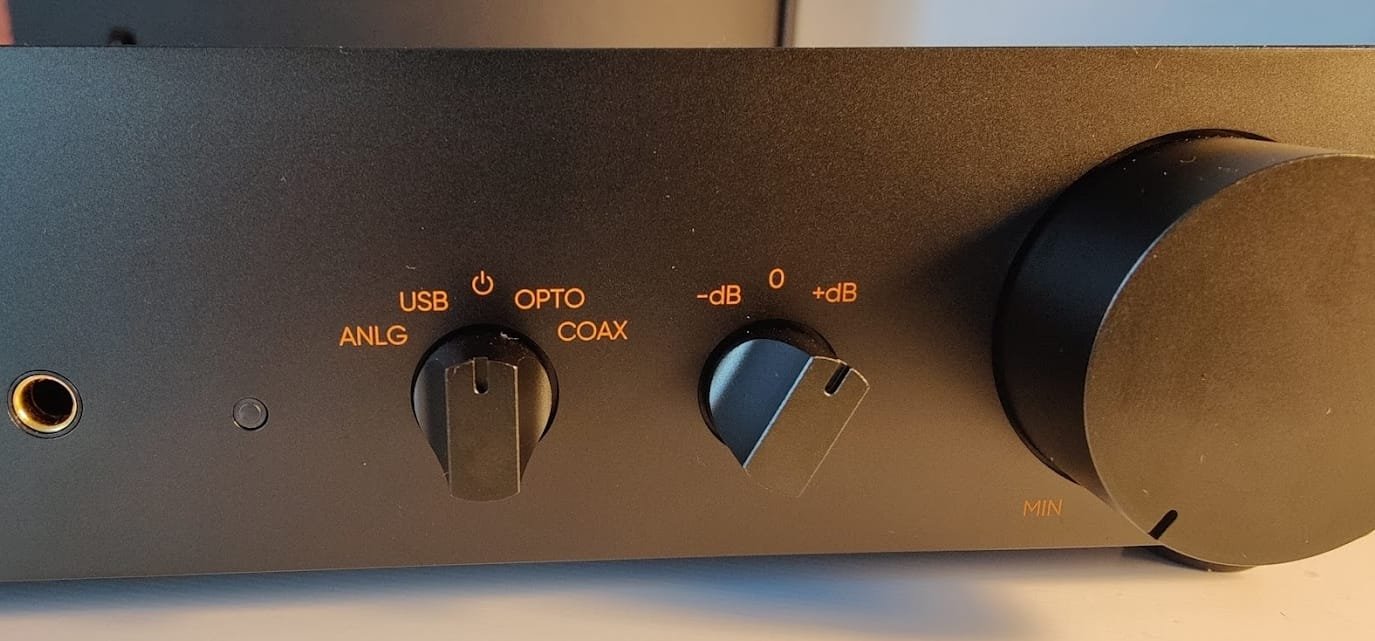
The right-hand switch changes the amplifier's three gain settings. This feature is necessary in a powerful amplifier. The volume control has a pleasant feel. However, in my opinion, the control would benefit from clearer markings, as it is difficult to distinguish in a slightly dimmer room to what position the volume was last adjusted.
In my opinion, the selected volume could be indicated, for example, by a clearly distinguishable painting or light – why couldn't there even be a separate display on the front edge of the device? From it, one could also conveniently see other active settings, such as the audio input, as well as sampling rates and their types. Instead of a display, this information is conveyed to the user by a single LED that illuminates in different colors depending on the situation. Good displays are now used in devices costing as little as 200 euros, so Ferrum Audio's LED solution feels quite antiquated.
To ERCO's list of shortcomings, the missing remote control must also be added. Although the device is designed for desktop use and the switches are basically within reach, it is also possible to control active speakers with it. This would be easier with a remote control. On the other hand, I would personally like to use a remote control even when the device is close to me. Why unnecessarily stretch out of a comfortable sitting position if the same adjustments could be made more easily with a remote control?
In summary, ERCO is quite stripped down in terms of features, so its sound quality had better be really good for the device's high price to feel justified.
Listening experience
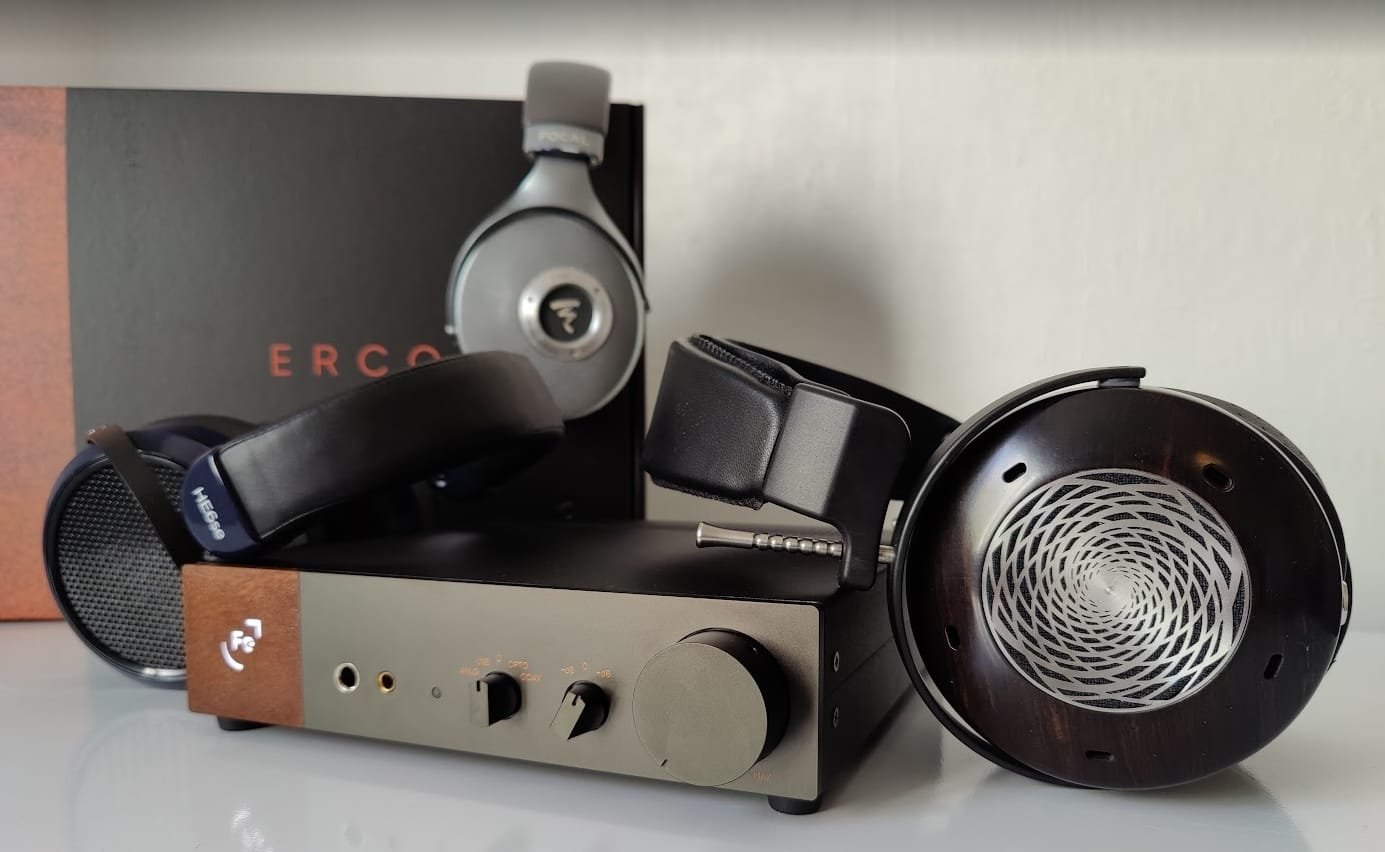
Using ERCO as a DAC/AMP combo device
ESS Sabre DAC chips are generally considered quite fresh in their sound signature. However, compared to initial expectations, ERCO sounds surprisingly soft – I would describe the sound as velvety. The lack of metallic harshness and unnecessary hiss is striking.
I listened to the device with ZMF Verite Open, Focal Clear, Hifiman HE6se V2, and Sash Tres. ERCO's characteristic sound was clearly present and noticeable with all headphones. The effortless nature of the sound is pleasant in the sense that it gives space to details that are not paid attention to with more aggressively sounding devices. In the long run, however, the listening experience with ERCO was not very inspiring.
Compared to the Soncoz SGD1 + Topping L30 II combination, ERCO even sounded a little veiled and flat. Due to very different presentation styles, I couldn't quite decide whether I preferred it or the Soncoz + Topping combination. Considering the multiple price difference of the comparisons, this is not a very flattering result for ERCO.
Using ERCO with an external DAC
Next, I set out to find out whether ERCO's somewhat dull and slightly veiled sound was due to the device's D/A converter or the amplifier section. When I connected the device to Soncoz's SGD1, the change was immediate. The sound brightened considerably, but the result was not quite perfect. Perhaps it was partly a shock due to a different presentation style, but the Soncoz + ERCO combination sounded a bit grainy and unstructured. However, I got confirmation that ERCO's characteristic sound, which I considered dull, was largely due to the device's D/A converter.
At this point, it's a good moment to remind again that the differences are actually quite small, even though my description might create the impression that the sound produced by the headphones suddenly became completely different with the device change.
Next, I connected ERCO to the Schiit Audio Yggdrasill A1 D/A converter. Now the device sounded as I would have hoped it to sound with its own D/A converter. All the headphones I tried sounded effortlessly and retained their dynamics. My SPL Phonitor 2 amplifier is in service, so unfortunately I couldn't compare it with ERCO. Based on my memories, the Phonitor 2 sounds a little ”more transparent,” but ERCO doesn't fall far behind.
Although comparing the 150-euro Topping L30 II amplifier to ERCO is a bit silly, I still wanted to try how the Topping performs when Yggdrasil is used as the DAC. The Topping didn't sound bad for its price, but ERCO was in a league of its own. The L30 II was not able to utilize the soundstage created by Yggdrasil in the same way as ERCO, and its sound was generally more forced. The L30 II sounded tight and unpleasantly sharp, and the result with Yggdrasil was not actually very different compared to listening with the Soncoz SGD1.
I'm not particularly fond of Monoprice's THX AAA 887, so I didn't compare it further with ERCO. Another Monoprice amplifier, the Monolith Liquid Platinum, on the other hand, has been one of my favorite amplifiers for several years now. In a quick comparison, however, the Liquid Platinum sounded a little impure, narrower in soundstage, and even somewhat harsh next to ERCO. However, my time with ERCO was unfortunately short, so it's possible that my experience would have been different once the novelty wore off.
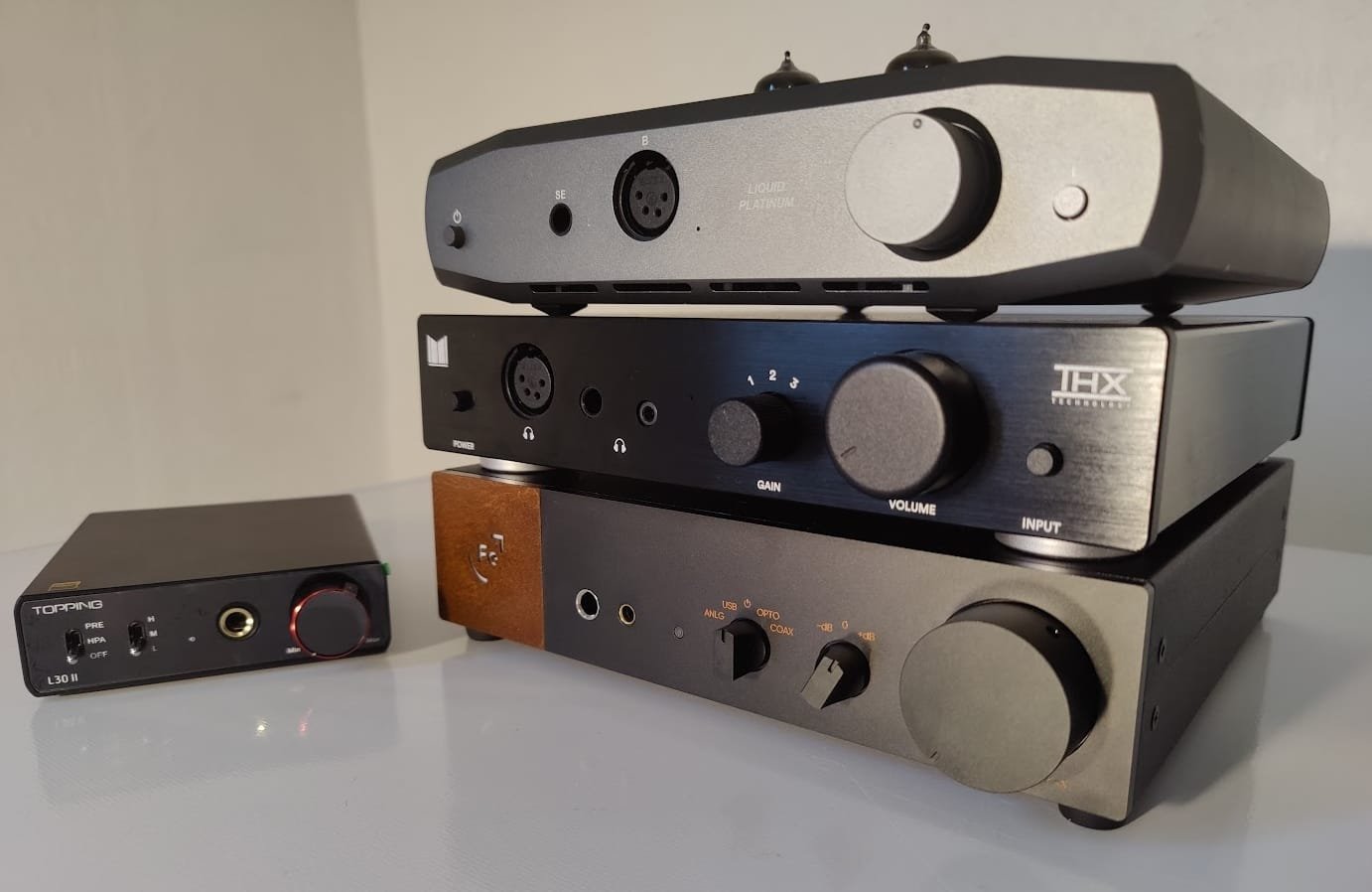
ERCO is powerful, but it also has its limits
Generally speaking, ERCO worked best with Sash Tres and ZMF Verite, in my opinion. With Focal Clear, however, the synergy didn't quite click, but based on that, I wouldn't definitively say whether the device is better suited for planar or high-impedance dynamic headphones. My testing ultimately remained quite superficial.
The most surprising experience was ERCO's performance with the Hifiman HE6se V2. Although the headphones sounded good, and there was plenty of volume, the device didn't seem to deliver as much power as I would have expected. With the quietest recordings or when using an equalizer, the lack of power reserve might actually become a problem.
According to Ferrum Audio, ERCO's balanced headphone output delivers 6.1 W of power into a 50-ohm load, but I still got the Hifiman headphones to play louder with the Topping L30 II (2.7 W @ 32 ohm) as well as Monoprice's Liquid Platinum (4.2 W @ 56 ohm) and THX AAA 887 (6 W @ 32 ohm). In light of the power figures alone, ERCO is not worth acquiring, as more powerful amplifiers are sold considerably cheaper.
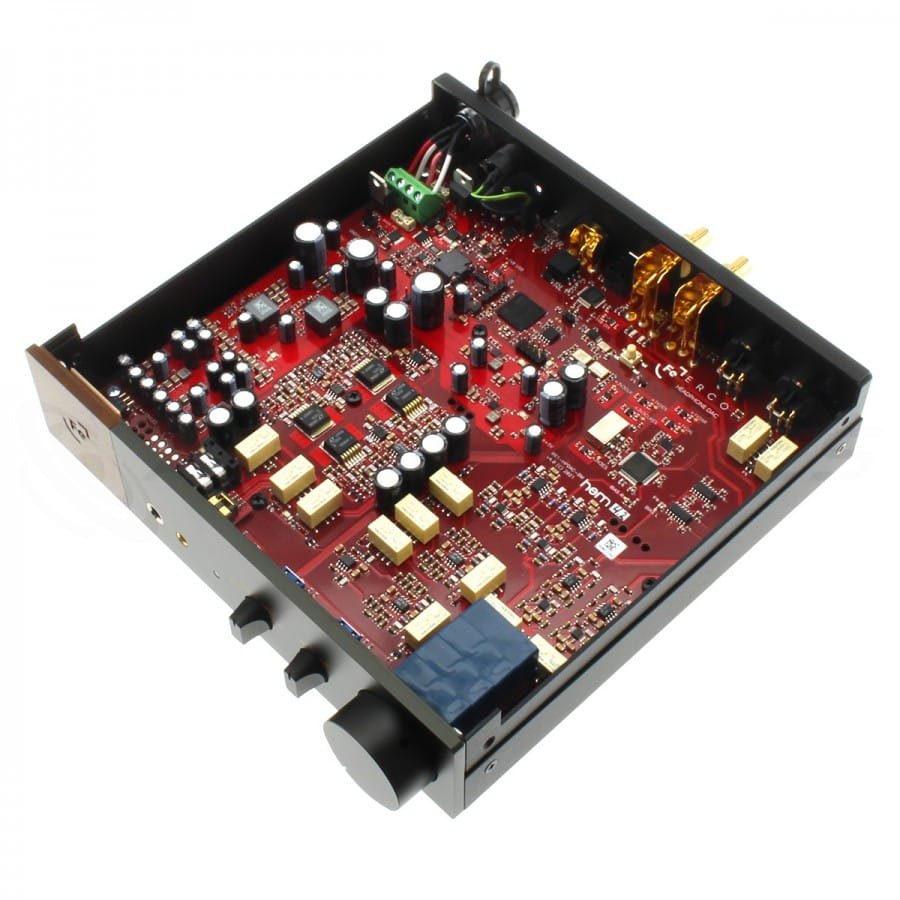
Final thoughts
Ferrum Audio ERCO was a disappointment for me as a whole. The device's D/A converter was not convincing and the features were quite limited for the high price. Popular D/A converters are available for under 1000 euros, such as Schiit Audio Bifrost 2, Topping D90, RME ADI-2, and Denafrips ARES II. For the price of ERCO, it would be possible to acquire any of them, and about 1500 euros would still be left for purchasing a headphone amplifier. ERCO's headphone amplifier is powerful, but not as powerful as I initially assumed. The absence of an XLR headphone connector would also likely start to annoy me in the long run.
However, the device is not a complete flop, as it sounded really good when used with the Schiit Audio Yggdrasil. The sound then combined softness and dynamics in an interesting way. All the nuances and layers I longed for clearly emerged from the music, even though the sound, in its effortlessness, sometimes even resembled tube amplifiers. I eventually fell in love with ERCO's distinctive sound to such an extent that I decided to acquire Ferrum Audio's OOR amplifier, which includes the XLR connector I desired, more power, and hopefully a slightly better sound in the style of ERCO's amplifier section.
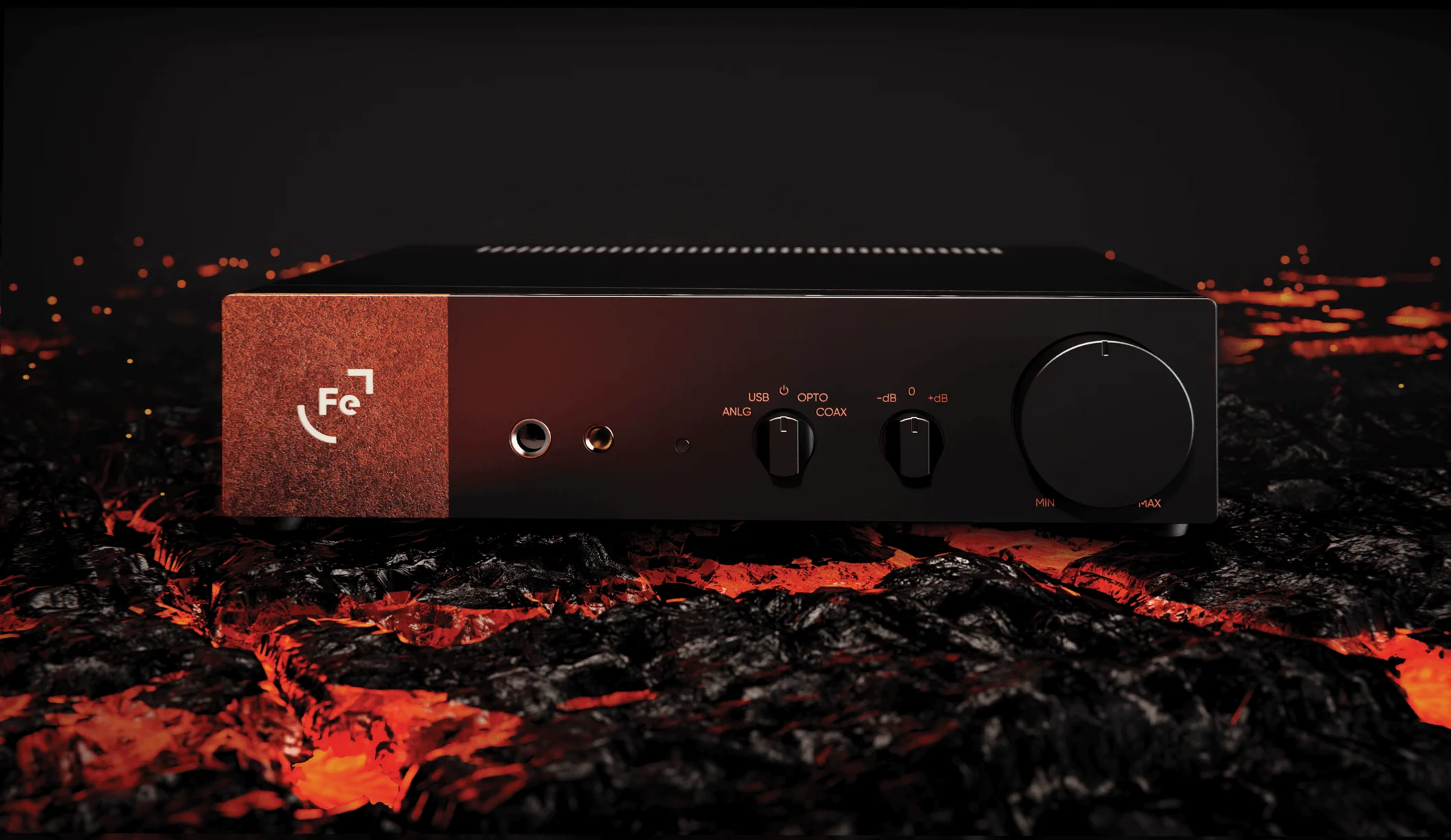
 EN
EN  FI
FI