Author: Sword of Damocles
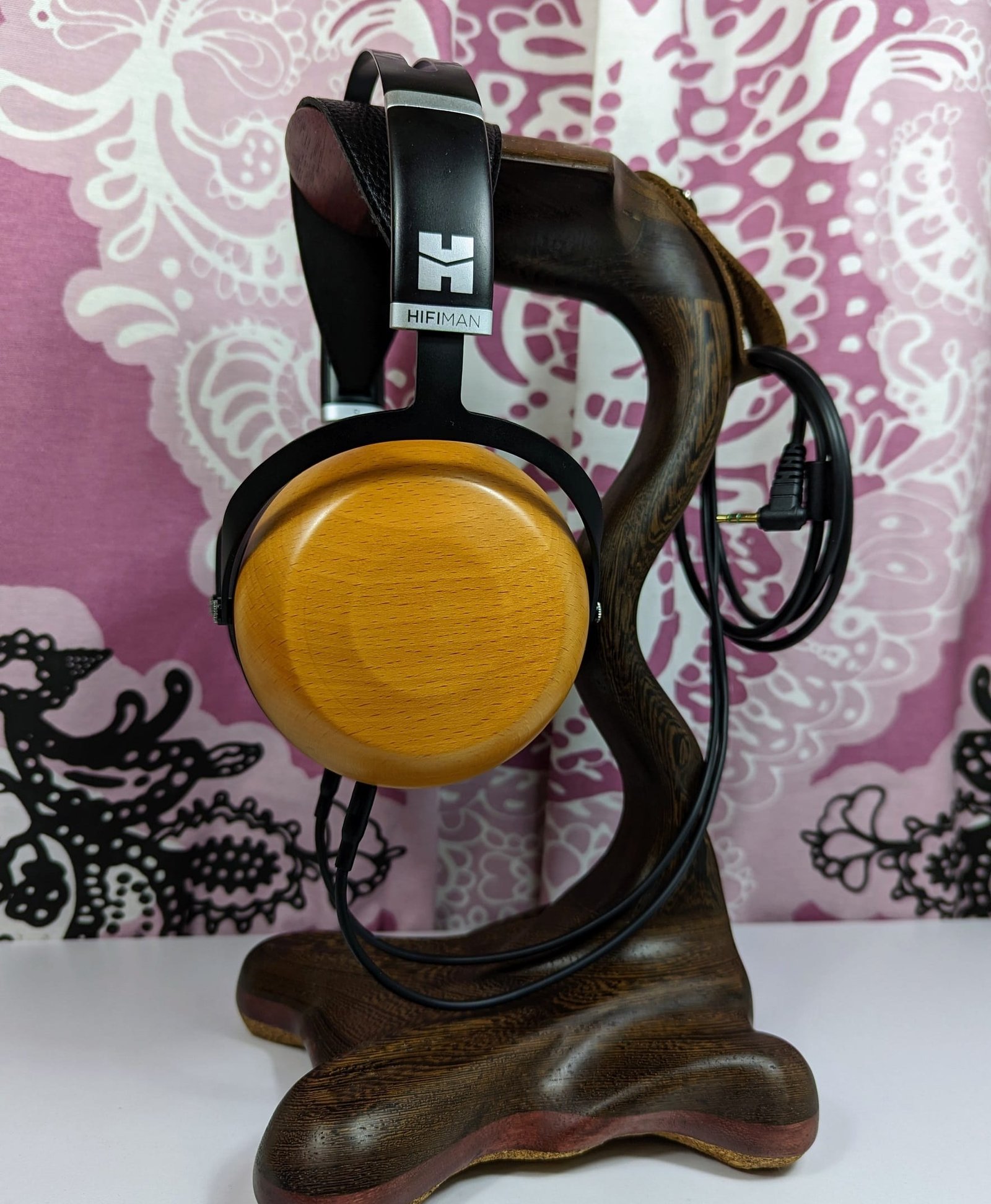
Table of Contents:
Information:
- Release year: 2022
- Price: 499 €
- Structure: closed, over-ear
- Planar driver: NEO Supernano diaphragm & Stealth magnets
- Impedance: 20 ohm (low, meaning an easy load for modern amplifiers with good current delivery capability)
- Sensitivity: 97 dB/mW (fairly high, meaning it plays quite loudly even with low-power amplifiers)
- Weight: 432 g (headphones I tested 416 g without cable)
- Connector type: 2 x 3.5 mm
- Cable: 1.35 meter cable with a 90-degree angled 3.5 mm connector and a 6.35 mm adapter
- Included: headphone stand
Review unit acquisition method: Loaned from a reseller
Hifiman, known for its wide selection of open-back planar headphones, has also started releasing closed-back headphone models in recent years, the latest of which is the Sundara Closed, released in autumn 2022. The headphones cost approximately 500 euros in Finland, meaning they are a good 100 euros more expensive than the open-back Sundara model, which we have identified in Kuulokenurkka as one of the best headphones costing up to 500 euros (link to review).
The two Sundara models do not actually compete with each other, as the closed-back version is aimed at those who listen to music in noisier environments. Another advantage of closed-back headphones is that they can be used, for example, at home without disturbing other residents. Some have been disappointed with the closed-back model because it does not sound the same as the open-back model. However, Hifiman does not seem to directly imply this in its marketing materials, so some have clearly created incorrect expectations for the closed-back model.
The review of Sundara Closed headphones has been done in cooperation with Joensuu's Image and Sound with, because the headphones were borrowed from them. However, the cooperation does not affect the content or its impartiality.
Product packaging
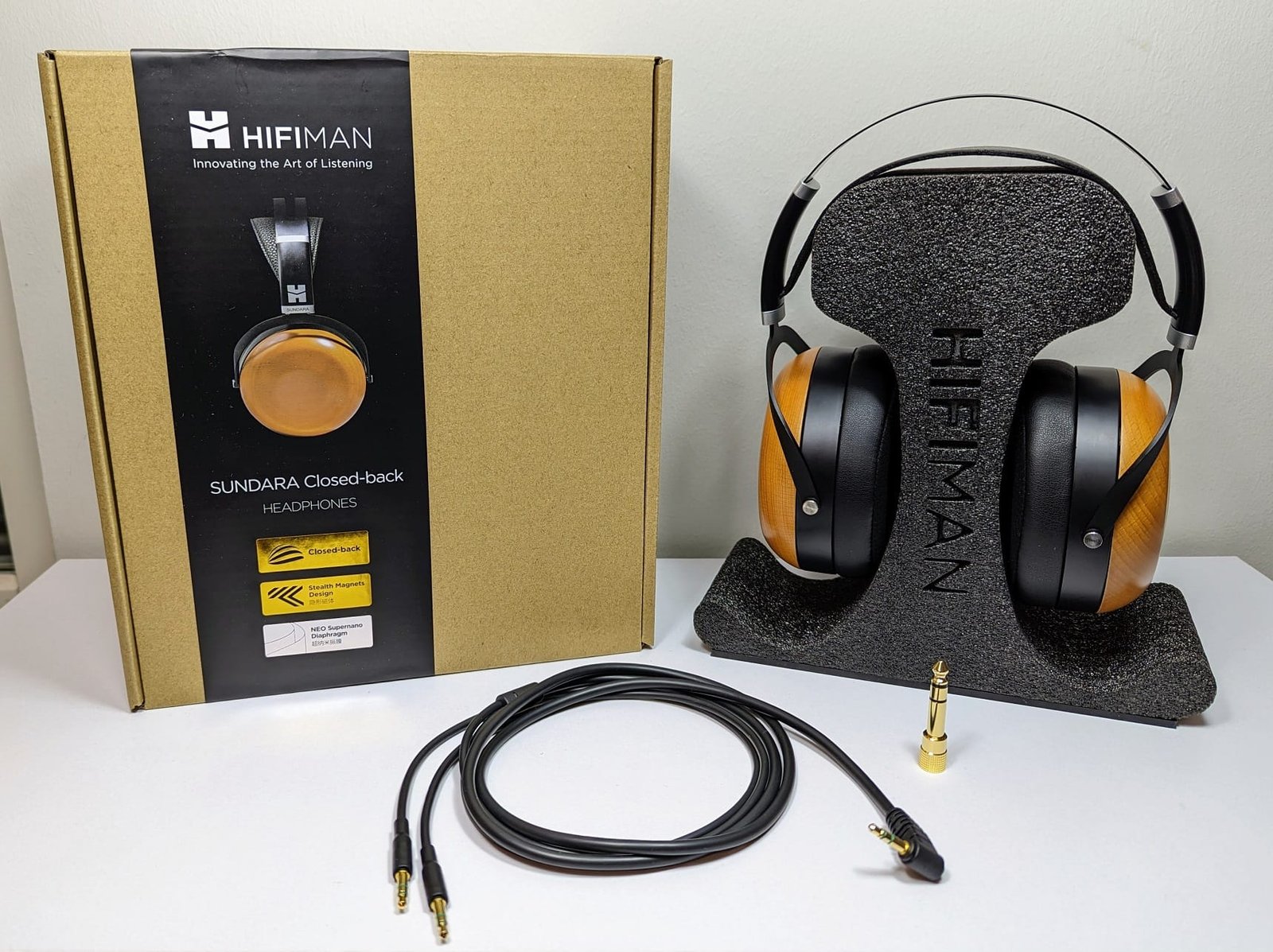
Hifiman headphones are now delivered in a brown cardboard box, the foam interior of which can be used as a headphone stand. The bottom of the stand has a hard plastic plate, so it stands upright on the table sufficiently stably. In addition to the stand and cable, no other accessories are included in the package. The technical specifications of the headphones are also written on the outside of the cardboard box, so no separate user manual has been included.
Structure and comfort
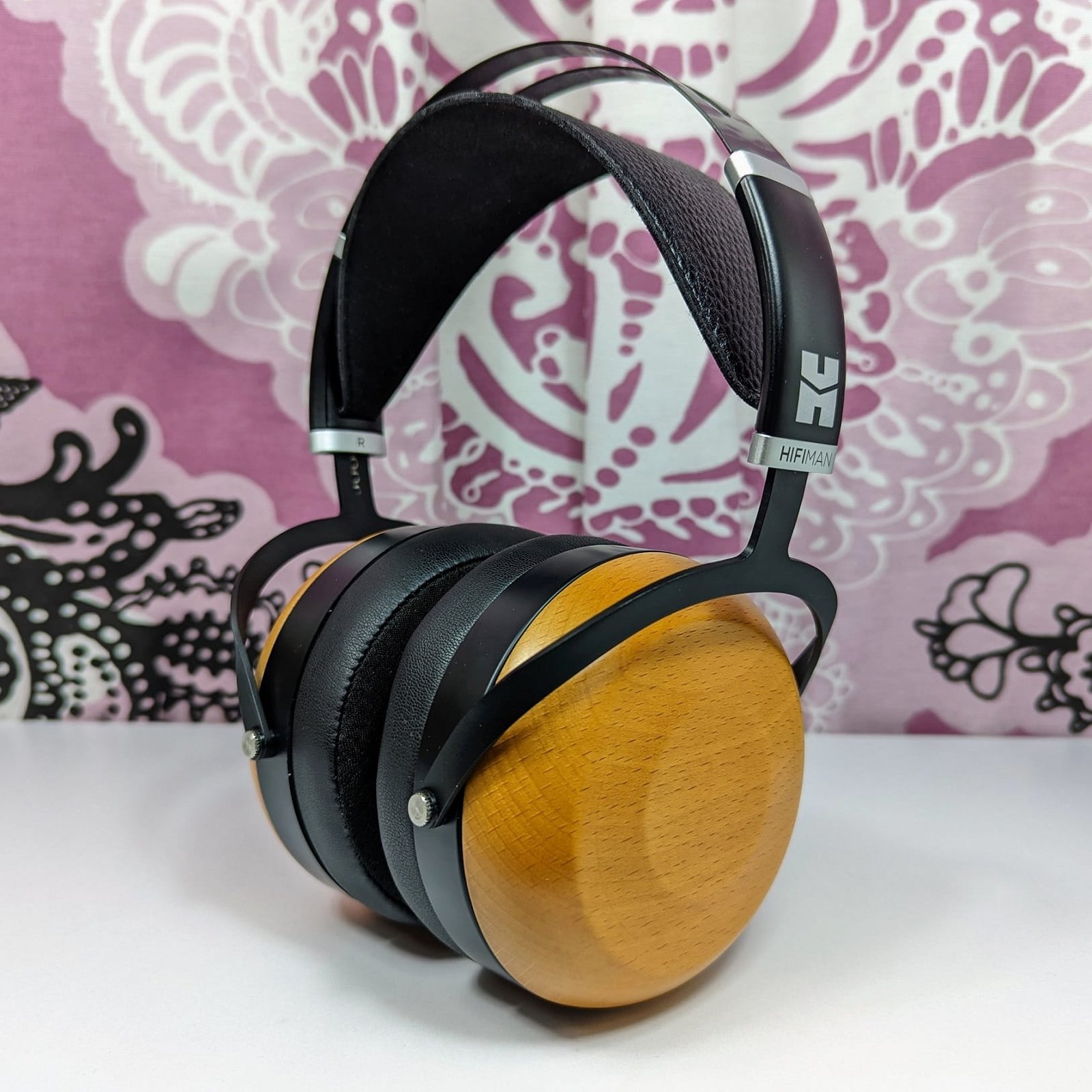
The metal headband structure of the headphones is identical to the open Sundara model. The structure feels sturdy and durable, so the impression of quality is, in my opinion, better than in the manufacturer's more affordable models or, for example, the Edition XS model with a newer headband – the overall external appearance is suitable for the 500 euro price range. User comfort is also at a good level, as the Sundara Closed sits evenly on the top of the head supported by a separate faux leather cushion. The headphones weigh about 430 grams (60 grams more than the open version), but I don't believe that's too much for those accustomed to similarly sized hi-fi headphones.
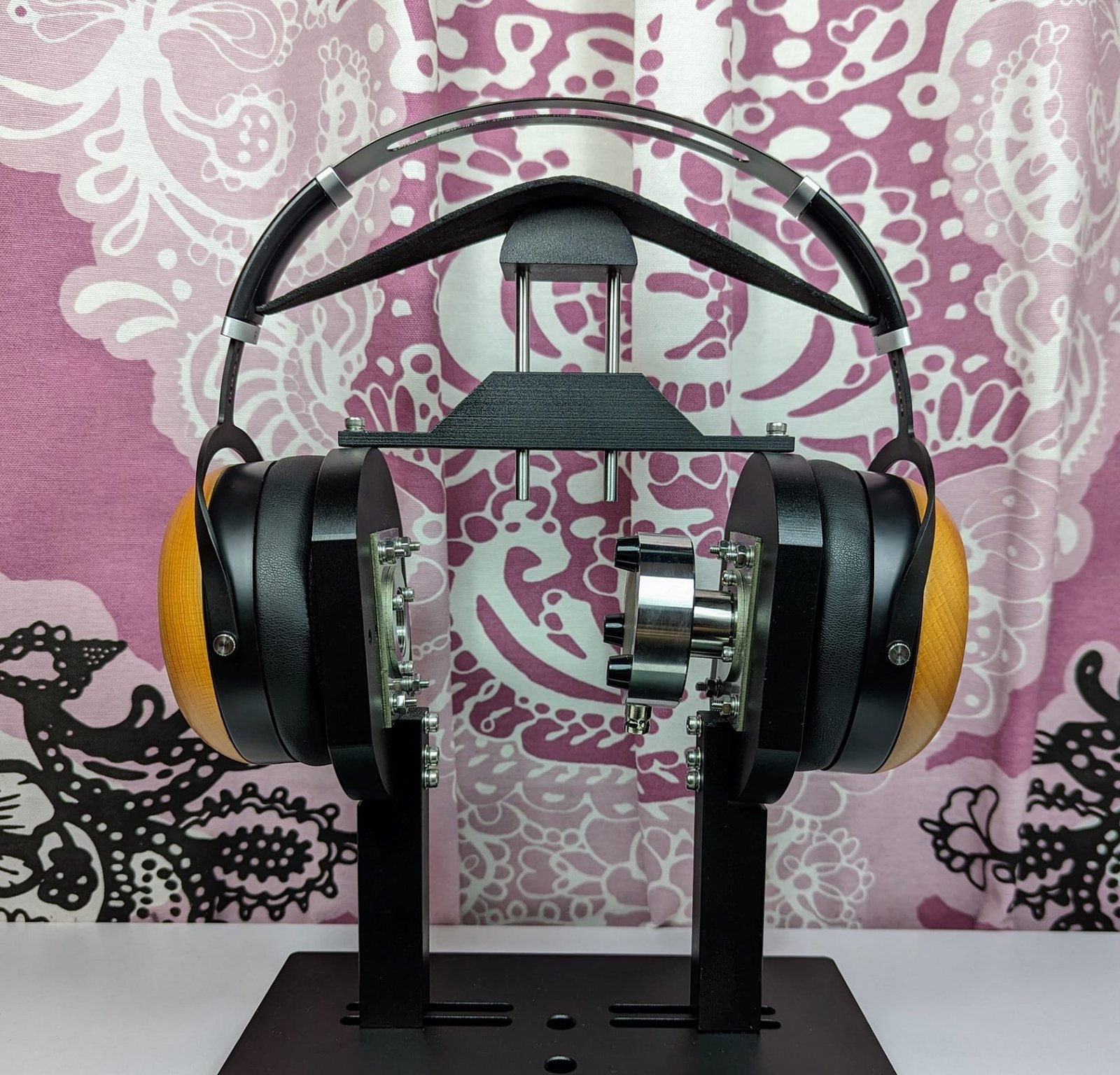
The headband has sufficient adjustment range for height, so the headphones fit even larger heads well. Adjusting the height inevitably scratches the paint finish on the inner edge of the structure, which has been an annoying cosmetic flaw in Hifiman headphones for a long time. However, there is no practical harm from this.
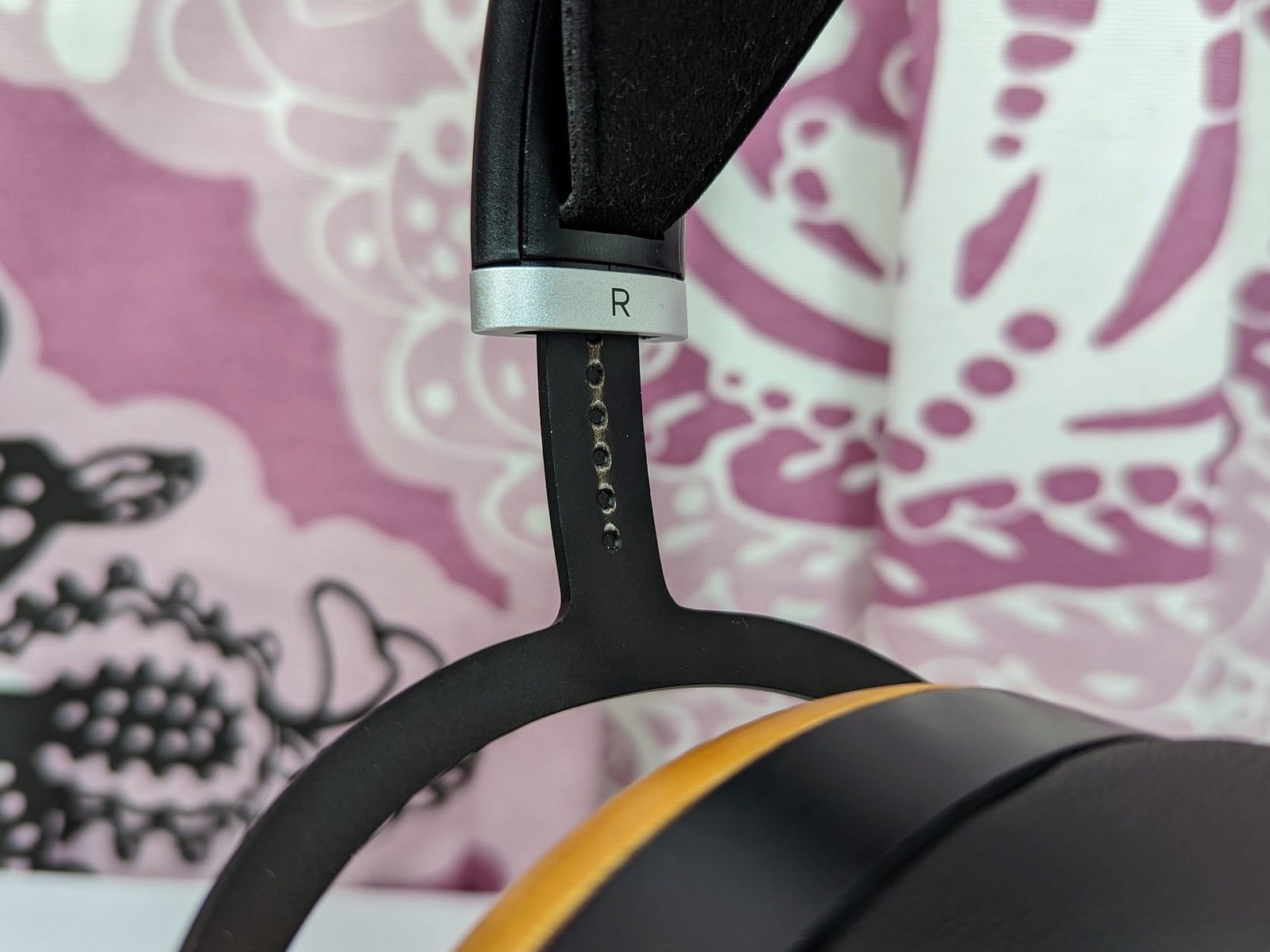
The only major weakness in the structure of the Sundara models is that the earcups do not rotate horizontally at all. On the other hand, the tilted design of the ear pads largely achieves the same thing, so I have seen only a few complain about the poor fit of the headphones. For this reason, I am not sure if the lack of horizontal movement ultimately causes any harm. For me, the Sundara Closed sits very evenly and snugly both on the top of the head and around the ears.
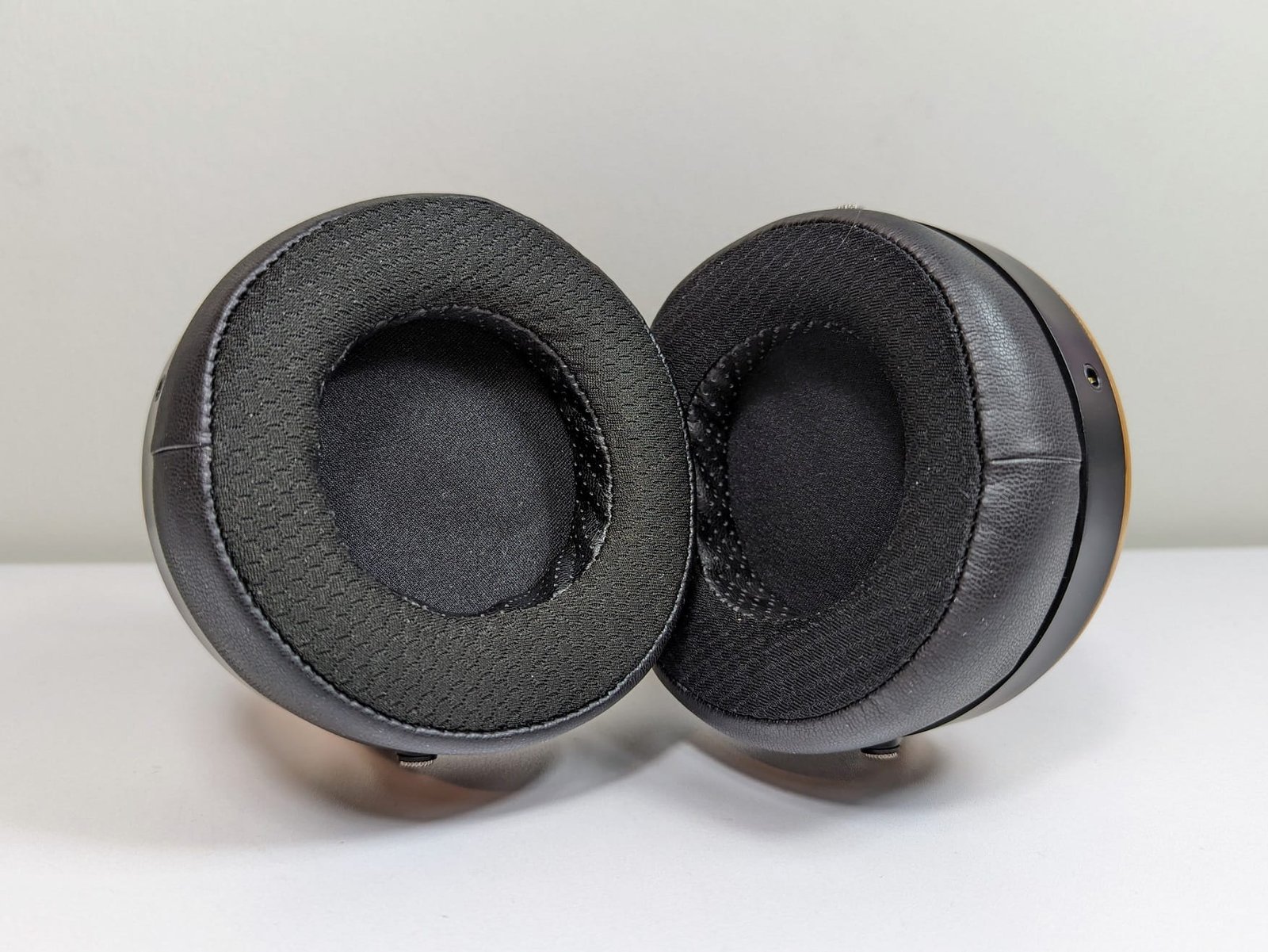
The clamping force of the headphones is stronger than usual, but in closed-back headphones, this is usually a prerequisite for the sealing of the pads and thus the bass reproduction to remain at the desired level. Fortunately, the ear pads are pleasantly soft, so they distribute the clamping force of the headphones evenly. The ear opening of the pads is round, so my somewhat large ears touch the pad slightly at both the top and bottom edges. However, this has not bothered me even during longer use. The pads attach to the headphones with plastic hooks, so they can be removed and replaced with new ones if necessary. At this point, I am not entirely sure which pad model is used in these headphones, because due to a different attachment mechanism, pads from other Hifiman models do not fit the Sundara Closed model.
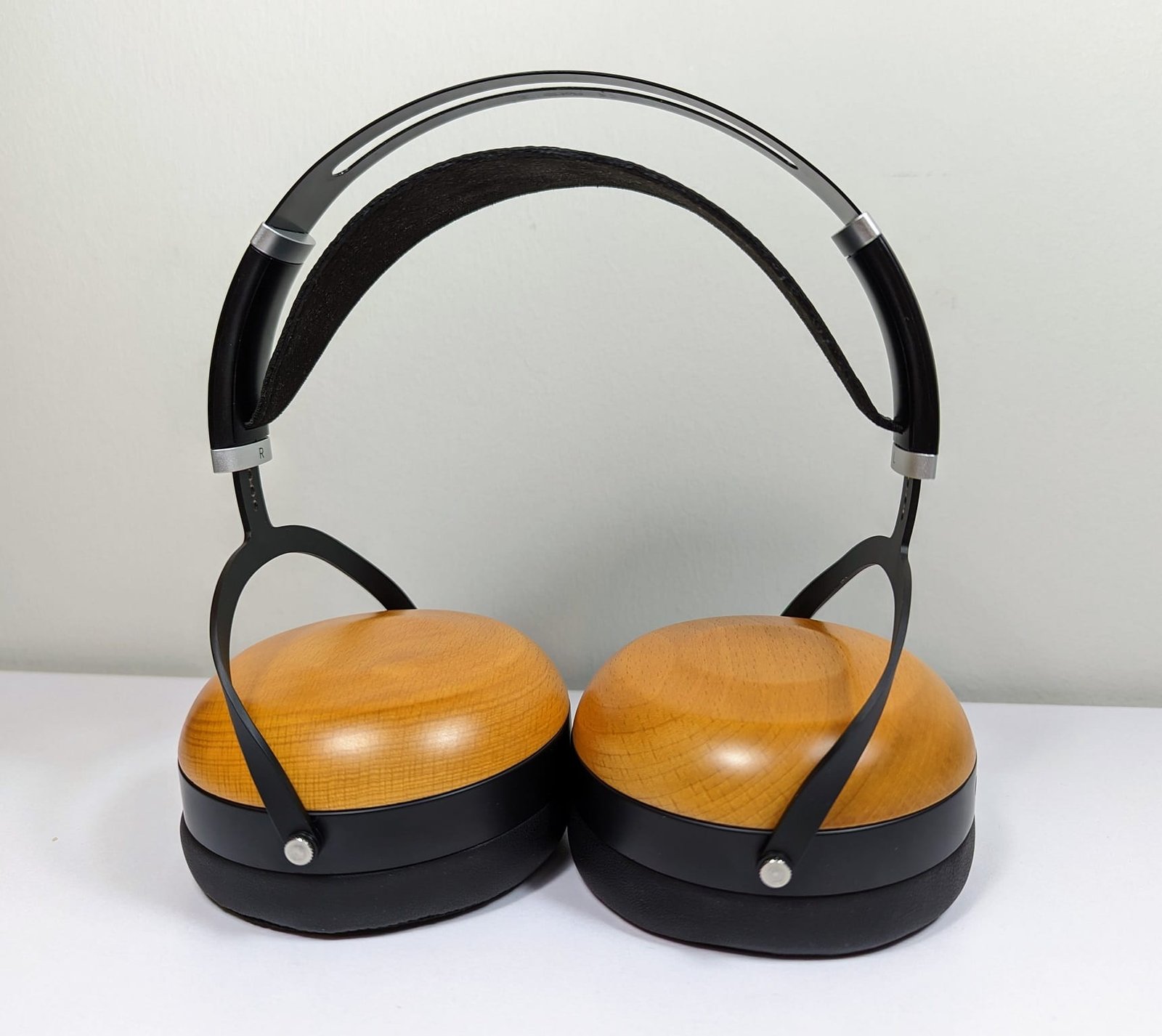
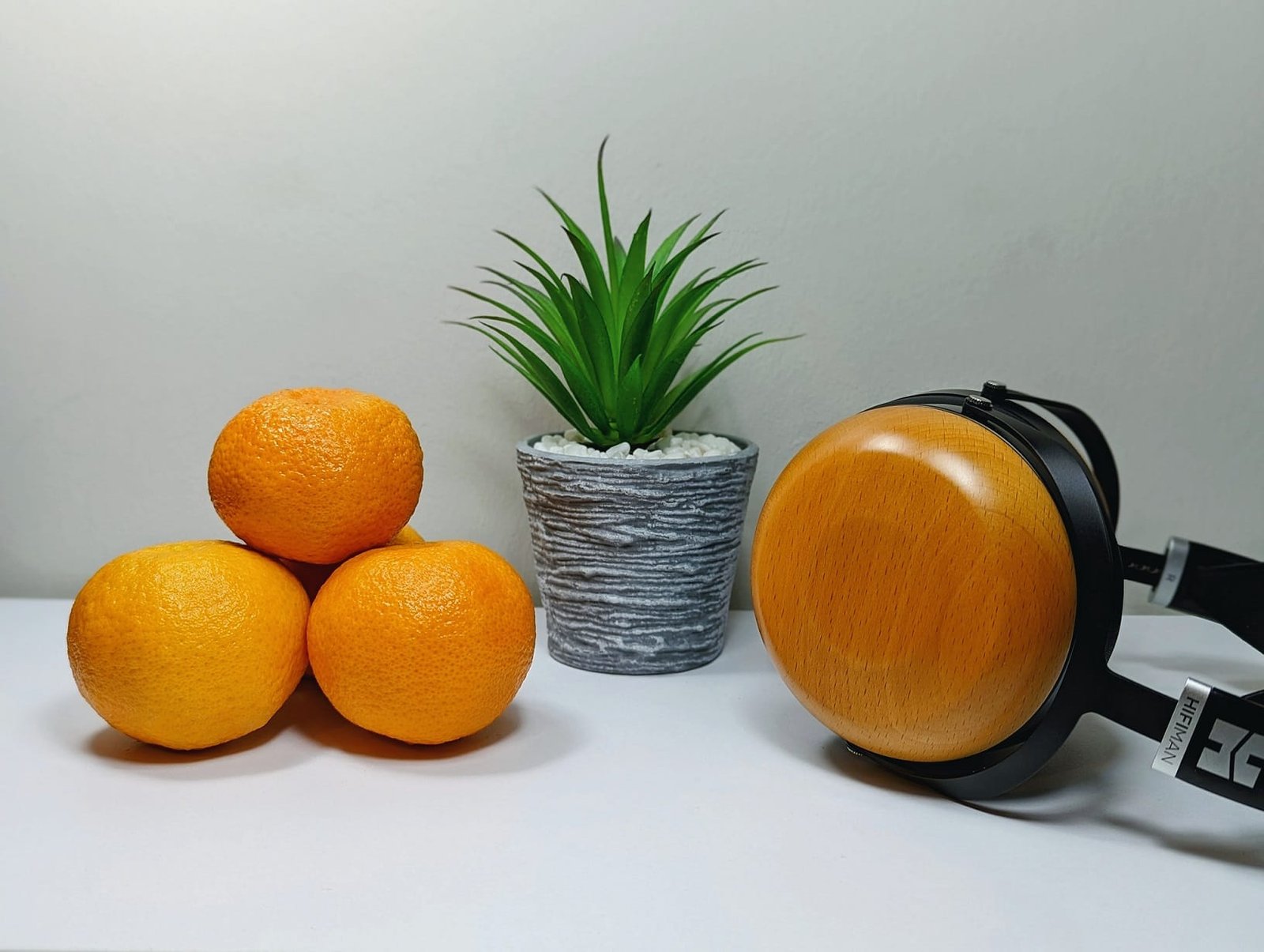
The Sundara Closed is quite a unique product thanks to its beech wood cups, as there are very few closed-back planar headphones with wooden cups on the market, especially from more well-known manufacturers. The orange beech cups have a rather subdued appearance, but Hifiman deserves credit for the successful finish of the cups: the wood both looks and feels like wood. For comparison, some manufacturers make wood look almost like plastic, which, in my opinion, defeats the purpose of using wood material.
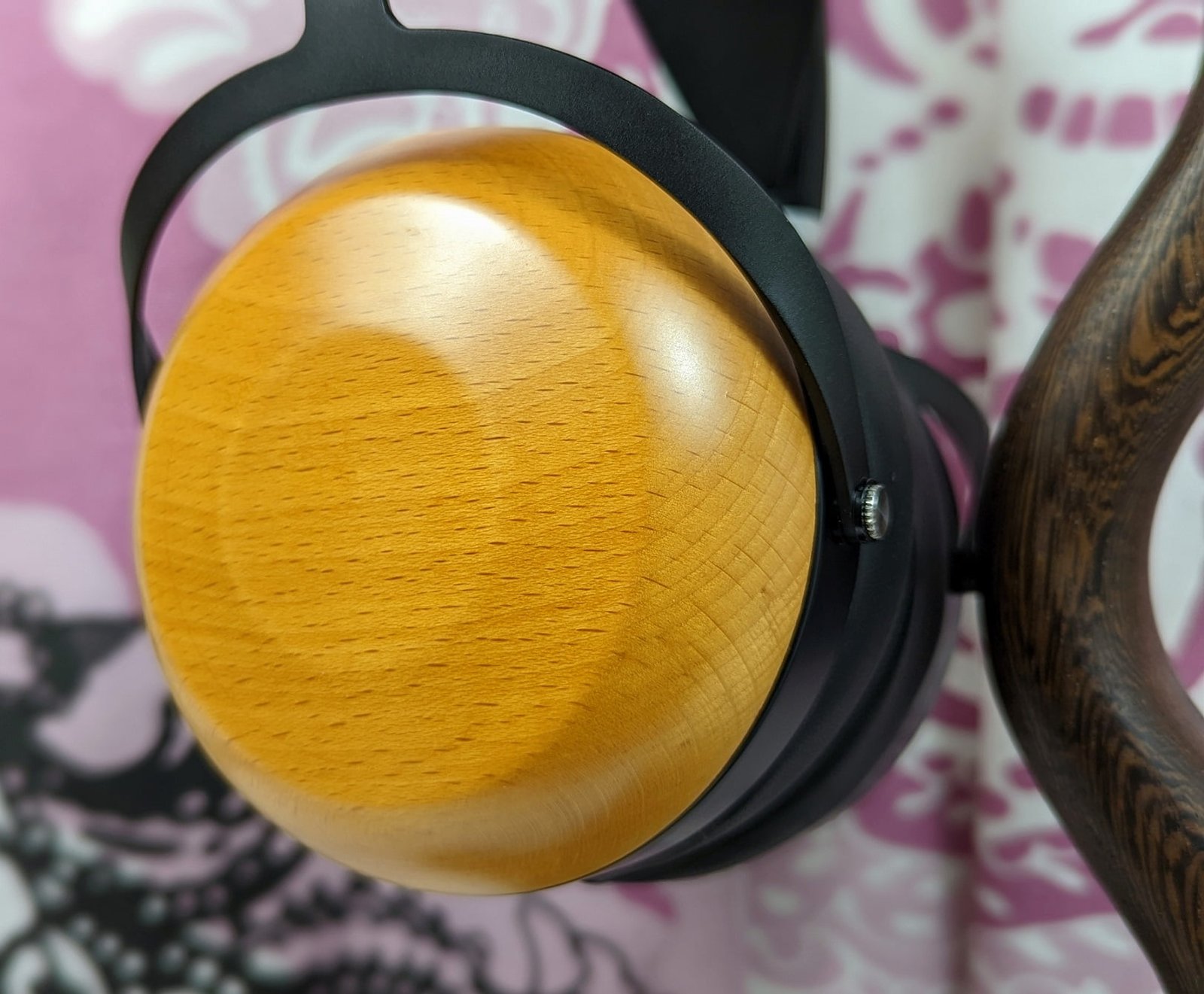
Although the Sundara Closed has a completely closed structure and no visible air vents in its cups, the headphones attenuate ambient noise quite little. The greatest benefit of the closed structure seems to be that the listened music does not greatly disturb people around. I noticed that the wooden cups do not sit completely tightly against the rest of the frame, but a small air gap remains between them. This may explain the mediocre sound isolation, but on the other hand, small air vents might be important from the perspective of tuning and driver functionality.
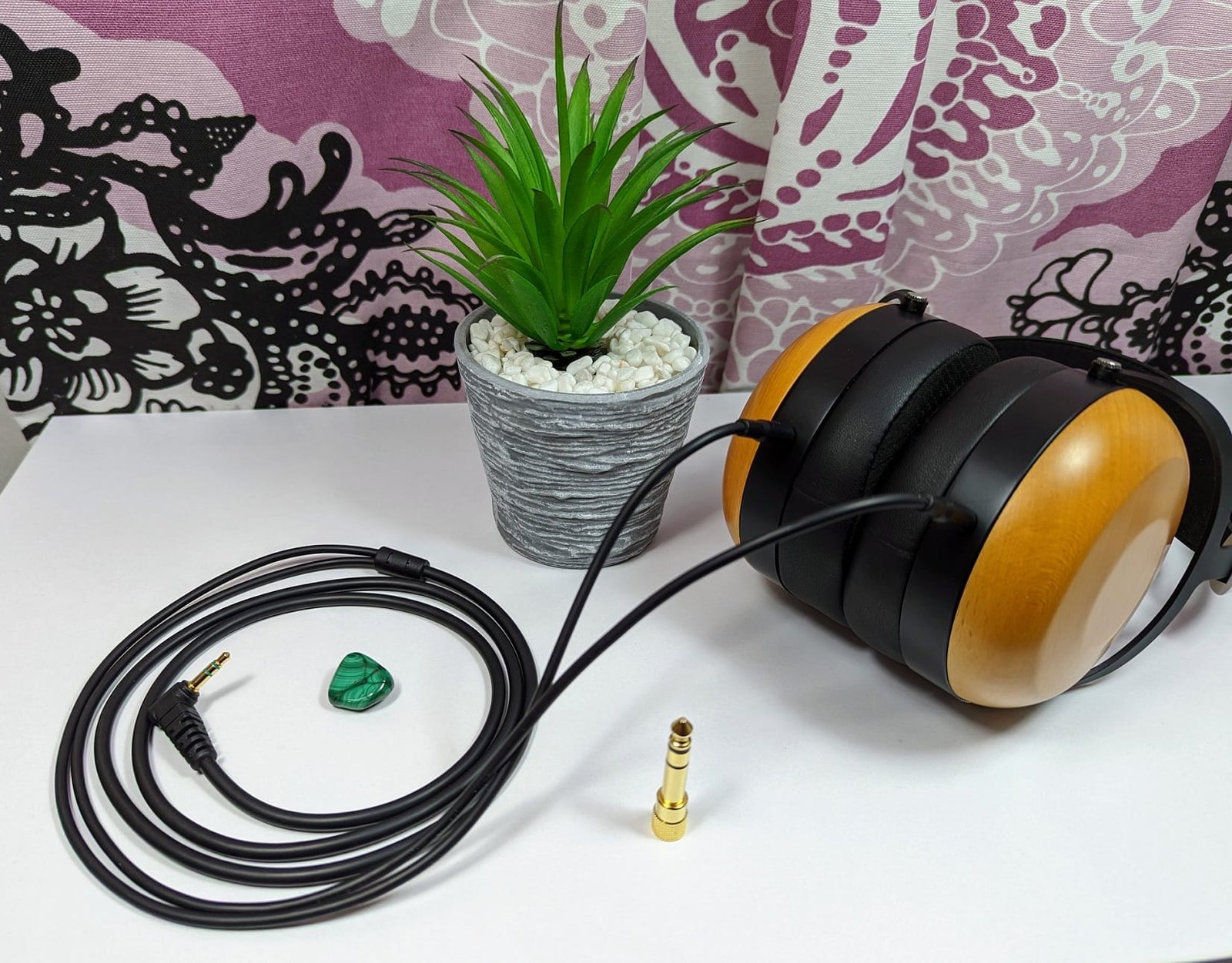
The headphones come with a rubber-coated cable approximately 135 cm long, which is better than average in terms of usability. The cable is flexible and stays neatly in the position it is placed. Hifiman is often criticized for its poor cables, but the cable of the Sundara Closed model is genuinely good in my opinion. The relatively short length of the cable and the 90-degree angled connector would suggest that the headphones are designed for mobile use. Listening is, of course, also possible with traditional amplifiers, as a 6.35 mm adapter for the cable's 3.5 mm connector is found in the package. The earcups have 3.5 mm connectors, so many other cables can be used with them if needed.
Sound quality
Mechanical changes compared to the open Sundara:
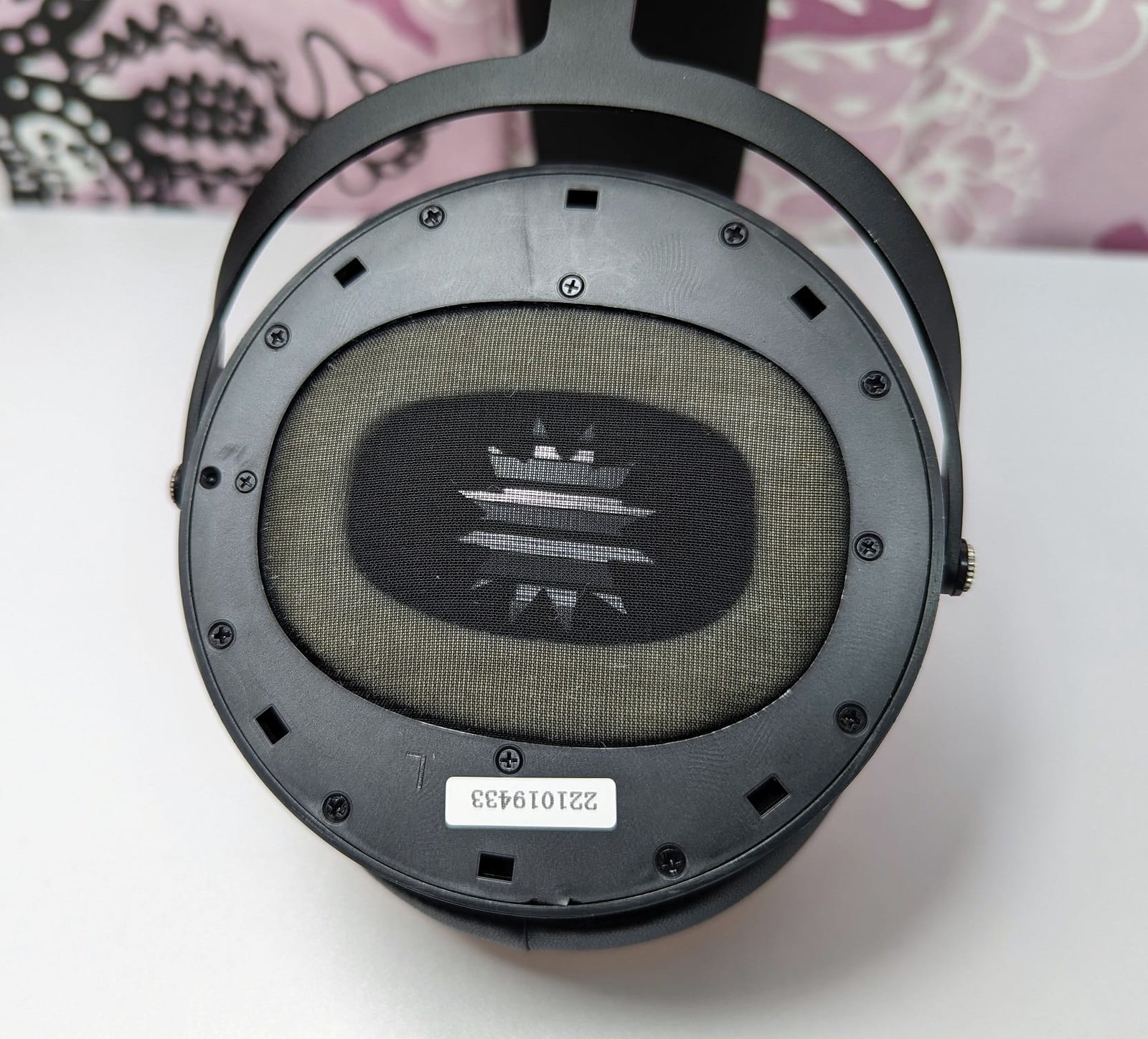
If anyone has wondered, the Sundara Closed is not an open Sundara with added wooden cups. Hifiman has made quite significant changes to the structure surrounding the planar driver compared to its open-back models, and there is also damping material inside the cups. The drivers used in the Sundara models are not the same either, as the closed model features air-flow-improving Stealth magnets and a double-sided magnet structure, whereas the open Sundara's driver has magnets only on one side.
Notes on sound quality evaluation:
I have listened to the Sundara Closed headphones with various devices and different music. I generally do not specify the songs I listen to, nor do I keep much of a record of them, as I want to describe my general impression of the headphones rather than analyze individual tracks.
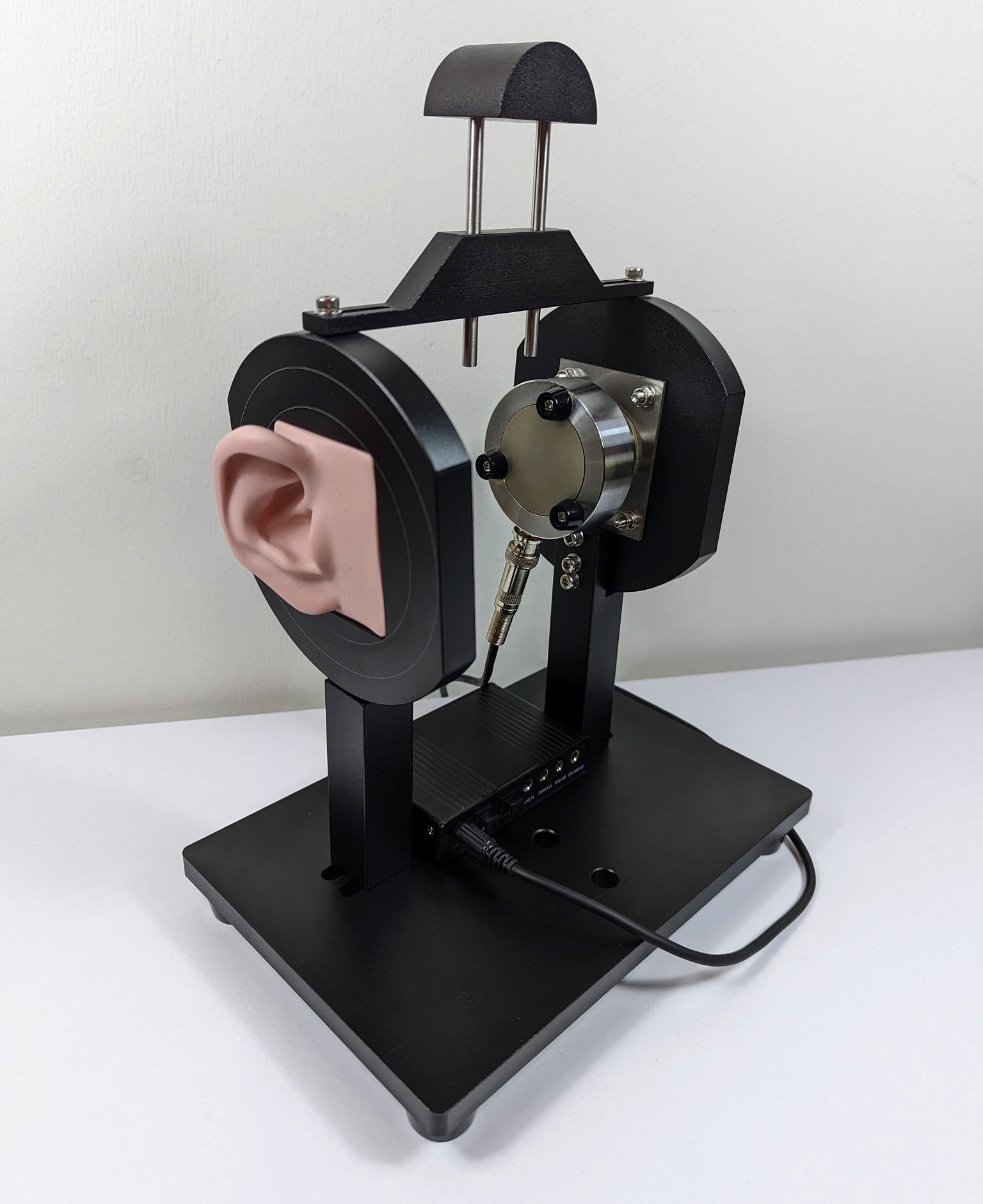
Headphone frequency response measurements have been performed as raw measurements with equipment compliant with IEC711 standards (realistic inner ear + earlobe + clamping force mimicking an average human head). The graphs use the Harman target curve (2018 version), based on scientific research, as a reference. This curve is a generalization of what kind of frequency response most people would find pleasing.
Due to human hearing, the headphone frequency response should rise somewhat according to the Harman target curve, especially between 1–5 kHz, but headphones can sound good even if their response does not fully adhere to Harman's research results. In my opinion, the Harman target curve is the best so far, but by no means the only view on what is considered proper sound reproduction. When interpreting frequency response graphs, it is also worth noting that the Harman target curve is heavily rounded, while the headphone frequency response is treated as precisely as possible.
Furthermore, measuring headphones is still quite imprecise, so the result varies between measurement sessions, different measurers, and different measurement devices. Although measuring frequency responses provides useful information about the sound of headphones, the results should still be treated today as likely containing errors, and they do not fully convey what the headphones truly sound like – on the other hand, frequency responses can help identify what kind of sound one likes or dislikes.
Measured frequency response:

Relaxed, engaging, and spacious sound
In my opinion, the Sundara Closed is a fun headphone for those who want to listen to music casually with a less critical approach. The headphones manage to avoid most of the pitfalls of closed-back headphones, such as a cramped soundstage and fatiguing high frequencies. For this reason, I believe the sound will appeal to many who have previously shied away from closed-back headphones.
The headphones have a robust bass reproduction that makes instruments sound naturally weighty. Otherwise, the sound is mid-frequency-focused and captivating, as, for example, the vocalist automatically draws attention to themselves in the overall presentation. Since the headphones also sound quite dynamic, the presentation is rhythmically engaging. The biggest difference compared to the open version of Sundara arises in the high frequencies, which are calm and soft in the closed model. Therefore, the headphones do not sound as detailed, energetic, or airy as the open model.
Despite this, Hifiman has managed to make the closed Sundara sound spacious in its own way, as its soundstage is exceptionally effortless to listen to, considering its closed design. In my view, this has been achieved by calming the reproduction in both the lower mid-frequencies and throughout the presence region.
Since most of the mid-frequencies are reproduced energetically, the sound is not muffled. However, a somewhat subdued presence region and a dip at 550 Hz that pulls the mid-frequencies further away from the listener significantly soften the perceived detail of the reproduction. Despite its forward mid-frequencies, the Sundara Closed sounds slightly distant. The result is unusual, but I mostly perceive the spaciousness and relaxation of the sound as positive. The headphones also compensate for their softness with their resolving planar driver, so the reproduction has a purity and clarity not found in more affordable closed-back headphones, especially if they use a dynamic driver.
Bass:
The Sundara Closed's bass reproduction resembles dynamic headphones (and very much the Meze Empyrean), because the bass is not linear like most planar headphones, but rather the frequency response has a clear upper bass emphasis. This makes the sound enjoyably full and weighty: the bass guitar rumbles properly and the drums hit with a thud. If these were headphones intended for more critical listening, I would consider the thudding style a negative thing. In the case of the Sundara Closed, however, the bass emphasis is a pleasant thing, because, for example, many wooden-bodied instruments sound more natural to me than with the thinner-sounding open Sundara. Listening to bass music is also fun thanks to the sub-bass that extends down to 20 hertz without any attenuation.
In terms of quality, the bass is dynamic, quite fast, and articulate, so I don't feel it overloads the reproduction too much. Since the lower mid-frequencies are also reproduced moderately, the bass rumble stays quite tightly in its own compartment, and it doesn't bleed too much into the upper frequency ranges. If someone finds the open Sundara too light-sounding, the closed model's fuller and punchier sound might feel like a welcome change.
Mid-frequencies:
The headphones' mid-frequencies are interesting because I perceive the reproduction as both energetic and slightly distant. The vocalist pushes strongly to the foreground in the overall sound, with other instruments remaining further back in the soundstage. Vocal performances almost sound a little aggressive, but because the sound isn't sharp thanks to the gentle treble, the presentation is still surprisingly balanced. The warmth emanating from the lower frequencies also helps here, preventing the 1–2 kHz emphasis from feeling too aggressive. Listening to these headphones is both exciting and relaxed.
The Sundara Closed is well-suited for following the essential parts of music, and the reproduction is sufficiently articulate and detailed to be interesting. Critically evaluated, however, the gentle dip in the lower mid-frequencies and the calmly reproduced upper frequencies between 4–7 kHz soften the sound quite a bit. Everything that might normally sound a little sharp now sounds relaxed and slightly veiled. As a result, the headphones feel a bit subdued, but on the positive side, listening is truly effortless. The Sundara Closed feels like an appealing option when I want to listen to music for longer periods, relaxing and enjoying – the upper frequencies never grate on the ear, and the soundstage doesn't feel cramped despite the closed design.
If someone wants more freshness and presence in the sound, this could easily be resolved by EQing the presence region to be more audible.
Treble:
I have already described the headphones' treble as calm. A good example is how drumstick hits and the snare drum are reproduced softly, and additionally, the reproduction generally lacks the freshness I've grown accustomed to in all Hifiman's open headphone models. However, in the Sundara Closed model, the energy between 8–11 kHz brings enough crispness to the sound, so I wouldn't call the reproduction too attenuated. On the positive side, the treble is also quite even, so there are no unpleasant surprises for my hearing, such as sibilance.
The Sundara Closed hardly resembles the open Sundara in terms of treble, as the latter sounds significantly fresher and airier. Since the closed model also doesn't achieve the same superb resolution and effortlessness in the highest frequencies, those who appreciate such characteristics or overall detail in reproduction should definitely choose the open Sundara. However, it might in turn sound too bright and treble-heavy, so the closed model, in my opinion, offers an excellent alternative in Hifiman's lineup for lovers of calmer treble. The closed model sounds more balanced, for example, with rock music that contains splashy-sounding drum cymbals.
Soundstage and instrument separation:
Despite its closed design, the Sundara Closed sounds pleasantly spacious. The calmly reproduced presence region creates the impression that the sound is less present, as if it were located further away than usual and had time to lose some of its energy before reaching the listener's ears. The result, to my taste, sounds a little distant, but fortunately not too attenuated in energy level to lose its interestingness.
The dip located in the headphones' lower mid-frequencies also thins out the sound, making it lighter and less "in-your-face". This tuning solution could also be related to the desire to isolate the upper bass emphasis as much as possible from the rest of the reproduction. The dip located between 400–700 Hz is ultimately quite difficult to notice when listening to the headphones, as it doesn't, for example, make male vocalists sound too strange.
I would like a bit more energy in the presence region, but its absence is less detrimental to the overall sound than if a similar amount of energy were missing from the mid-frequencies. The headphones' spacious soundstage makes listening easy, and the planar driver's good resolution keeps the reproduction interesting, considering the subdued tuning. At the same time, the forward-present vocalist and the rhythmically punchy bass reproduction keep me engaged.
Overall, the only thing that truly bothers me is that despite good separation, the placement of sounds in the soundstage isn't very precise. I believe this is largely due to the unique frequency response, which emphasizes the spaciousness of the reproduction rather than its accuracy. Nevertheless, in terms of overall sound clarity, I think the Sundara Closed model has an advantage over many similarly priced headphones equipped with dynamic drivers.
Dynamics:
The Sundara Closed sounds dynamic for a planar headphone, so it doesn't sound light and flat, but rather the tempo of the music and the energy level associated with playing instruments are conveyed well to the listener. I have heard a few dull-sounding closed planar models, such as the Dan Clark Audio Aeon 2 and Ether CX, as well as the Drop Panda, so the Sundara Closed is a refreshing breath of fresh air in terms of dynamics. In this respect, the two Sundara models resemble each other, as the open model also has dynamics that are among the better ones in Hifiman's current headphone lineup.
How does Sundara Closed position itself in the closed-back headphone market?
Sundara Closed is by no means the only closed headphone sold for around 500 euros, but when it comes to planar headphones, there is very little competition. Only Dan Clark Audio's Aeon RT Closed comes to mind, which isn't even sold in Europe. Audeze, of course, offers the more affordable, gamer-oriented Mobius and Maxwell, as well as the LCD-2 Closed, which is about 300 euros more expensive than the Sundara. The more affordable Edifier Stax Spirit S3 and Monoprice Monolith M1070C could also be considered as alternatives, but otherwise all of Sundara's competitors are dynamic headphones, such as the Denon AH-D5200, Beyerdynamic DT1770 Pro, Focal Elegia, and Fostex TH-610. Hifiman itself has the HE-R9 with a dynamic driver in its selection, but it is nowhere near as balanced sounding as the Sundara Closed.
Sundara Closed is thus one of the few closed planar headphones in its price range, and as such, a competitive and resolving alternative to dynamic models that have been on the market longer. However, it should be noted that the Sundara, based on its tuning, is not intended for studio use, but purely for music consumption. Those who appreciate a neutral frequency response may find their closed headphones more affordably, while for those looking for fun and easy-to-listen sound in a closed package, the Sundara is a viable option. For comparison, most noise-cancelling headphones are not as clear-sounding and resolving as the Sundara Closed.
Confirmation
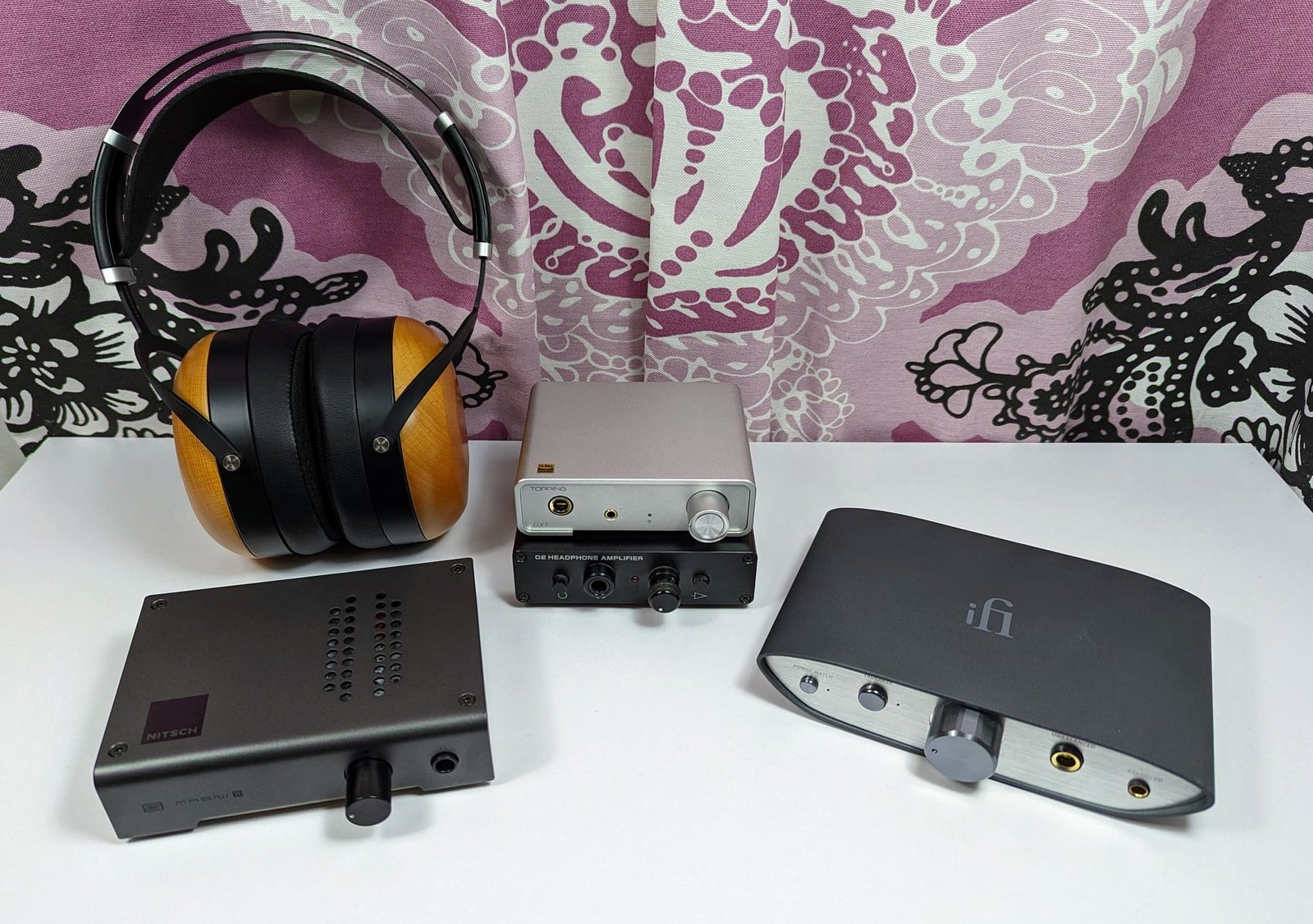
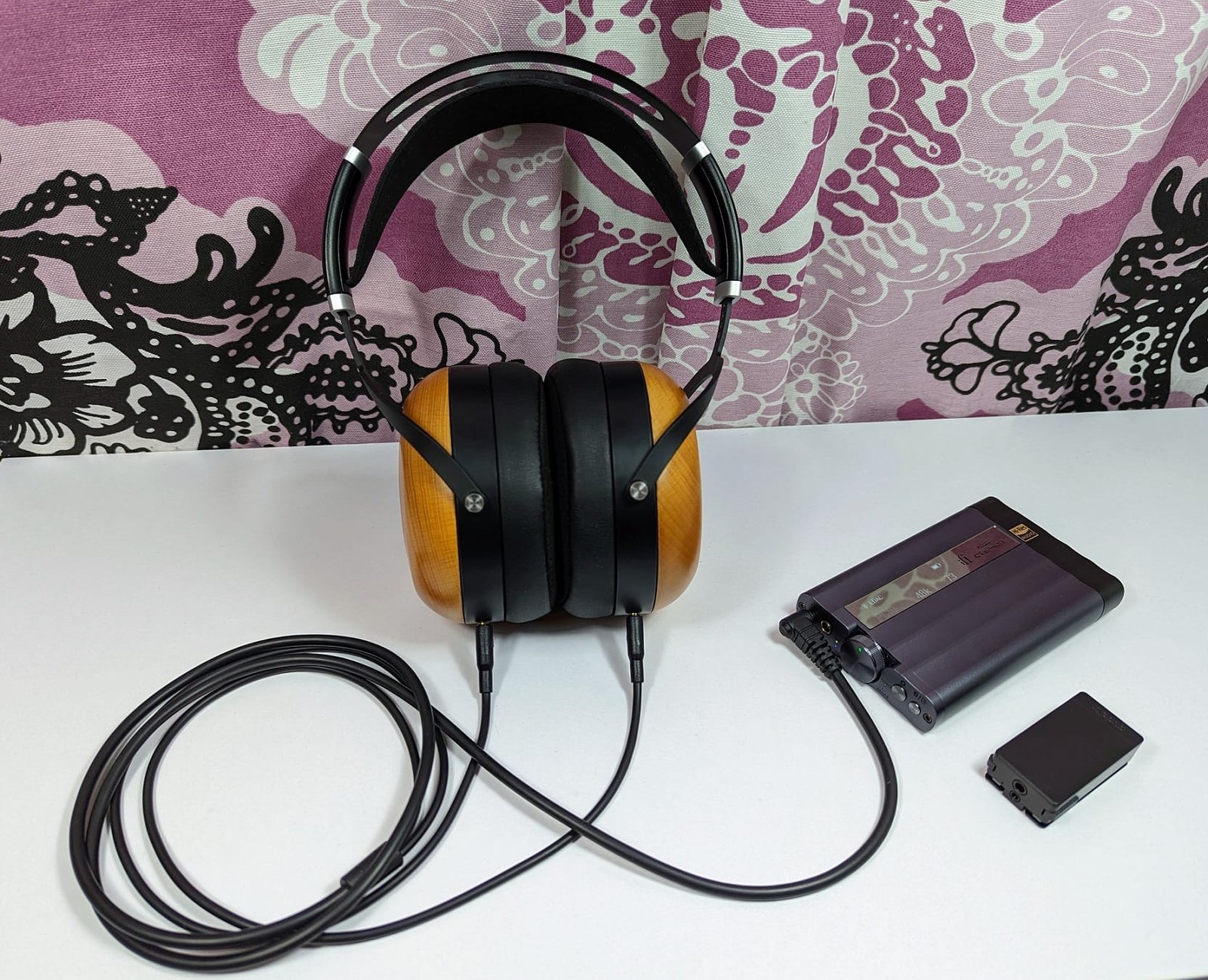
The Sundara Closed model has a lower impedance (20 vs. 37 ohm) and higher sensitivity (97 vs. 94 dB/mW) compared to the open-back model, making it an easier load for amplifiers. I think this is a good thing, as the closed design means many could use the headphones with compact devices outside the home. High volume levels are achieved relatively easily with any device. However, since it is a planar headphone, optimal sound quality requires enough power, which, for example, the headphone jacks of many mobile devices may not be able to provide.
Among the relatively affordable devices I tested, for example, iFi's Zen CAN amplifier and the Topping DX1 combo unit suited the headphones well. iFi's Zen DAC series devices were also sufficient for the headphones, but with them, I noticed the sound distorting and becoming harsh at higher volumes. However, I only got to test the Zen DAC V2 and Zen Air DAC with unbalanced connectors, so the result would likely have been better with the more powerful 4.4 mm connections.
In any case, thanks to its safe treble tuning, the Sundara Closed does not seem to be particularly picky about the type of sound provided by the amplifier it is listened with. I would only see devices that strongly push mid-frequencies to the forefront as somewhat risky pairings, as the headphones already present vocal performances prominently in the overall sound. The Sundara Closed sounded even more precise and resolving with more expensive amplifiers, such as the Cayin IHA-6 and iFi xDSD Gryphon, so investing more in the equipment might yield some benefits. All in all, I still got the impression that not much performance is lost even with basic devices.
Summary
Hifiman is still a beginner as a manufacturer of closed-back headphones, yet despite its original frequency response, the Sundara Closed is, in my opinion, a quite successful product. The manufacturer's dynamic driver-equipped HE-R9 and HE-R10D offer a more colored and bass-heavy sound, whereas I would cautiously call the Sundara balanced-sounding. Thanks to the planar driver, the reproduction is pleasantly clear and resolving, but the relaxed treble and thick bass reproduction clearly steer the headphones' intended use more towards enjoying listening than towards more critical analysis of reproduction.
The Sundara Closed may not revolutionize the closed-back headphone offerings in the 500-euro price range, but thanks to its smoother-than-average and relaxed-style frequency response, listening to it is easy and pleasant. There are no major flaws in the sound that would make me dislike the headphones. The exceptionally calm presence region is, of course, a stylistic choice that requires some getting used to compared to the brighter presentation of many other headphones – if I were to EQ the Sundara, I would start here. The build and comfort (at least for me) of the headphones are good, and the wooden cups add their own interesting spice to the otherwise understated appearance.
Hifiman's open-back headphone models still offer objectively higher quality and more balanced sound, while the advantages of the Sundara Closed model are stronger bass reproduction, more forgiving treble reproduction for low-quality recordings, and ambient noise attenuation. The headphones thus have their place in the manufacturer's headphone lineup. Since there are generally few closed-back planar headphones available, new options are a welcome addition for consumers.
It will be interesting to see in the future whether Hifiman releases other similar headphones, and if it succeeds in becoming as well-known and popular a player in the closed-back headphone market as it currently is in the open-back headphone product category.
Pros and cons:
+ The sound is clear and resolving thanks to the planar driver
+ Spacious soundstage
+ Fuller bass reproduction than open-back models
+ Dynamics are at a good level for a closed-back planar headphone
+ Tuning is well-suited for relaxed listening
+ Metallic headband structure seems durable
+ Good comfort, if the lack of horizontal movement of the cups does not prevent a proper fit
+ Well-finished wooden cups
+ A reasonably modest amplifier is sufficient for the headphones
+ Using the packaging material as a headphone stand is a refreshing invention
+/- The unique frequency response works well as a whole, but it can probably also divide opinions
– The subtly reproduced presence region would need more energy
– The accuracy of the soundstage leaves a little to be desired
– The headband structure is partially deficient in terms of adjustment possibilities
– Despite the closed structure, it attenuates only a little ambient noise
– Meager accessories
– Costs 100–150 euros more than the open Sundara
-/+ The treble is not particularly crisp or airy compared to the manufacturer's open headphone models, but on the other hand, thanks to it, listening to low-quality recordings is clearly easier and more relaxed
 EN
EN  FI
FI
I was thinking of it for the old man as a birthday present. Any ideas?
Without knowing anything about the old man's preferences, I can't comment more specifically, but if I received them as a gift myself, I would gladly listen to the headphones.
Thomann is currently selling these for 179 euros, quite strong for that price range.
The price has indeed been driven down compared to the original, which seems to be a trend with the manufacturer's other closed-back headphone models as well. They probably haven't sold well, or the launch price was intentionally too high. At the price you mentioned, however, the Sundara Closed is an excellent purchase in every respect, so currently, discounts are an excellent thing for consumers. As a reviewer, I must be even more careful in the future about what one dares to say about the pricing or price-quality ratio of Hifiman products – as the situation can change significantly in half a year.
The Edifier Stax Spirit S3 mentioned in the article is, by the way, an absolutely excellent headphone in my opinion.
I have now listened to it wired with the ifi go link quite a bit and I am still amazed by the sound quality with the Classic setting.
The frequency balance is almost flawless to my taste.
How might Hifiman compare to that?
Hi, I haven't tried Edifier's headphones yet, and it's been a while since I tested the closed Sundara. However, based on the general information I've gathered about the Stax Spirit S3 and having examined its frequency responses, it should sound ”more normal” and more balanced than the Sundara. There is less coloration in the sound, so I would see the Edifier model as the safer option of the two, unless it's known that a presentation style like that of the Sundara C specifically appeals. The Stax Spirit S3 also seems more balanced in its tuning than the newer Stax Spirit S5, even though the latter costs significantly more. Perhaps I'll get to try both someday.
Have you tried EQing these Sundara Closed? Could the sound be made even better with EQ? For example, could those deficient areas be corrected completely or at least partially?
I no longer have the headphones (as they were a loan unit), but by equalizing, the sound could indeed be fine-tuned. For example, with the Squiglink website's Equalizer tool and its AutoEQ function, one can already get closer to the Harman curve, from which one can then start adjusting further by ear in a pleasing direction.
https://kuulokenurkka.squig.link/?share=Harman_2018_Target,Sundara_Closed_**
Most test headphones are at least slightly equalized to confirm one's own observations. By correcting the sound to be neutral, it becomes even clearer which frequencies are deficient or overemphasized by default.