Author: Sword of Damocles
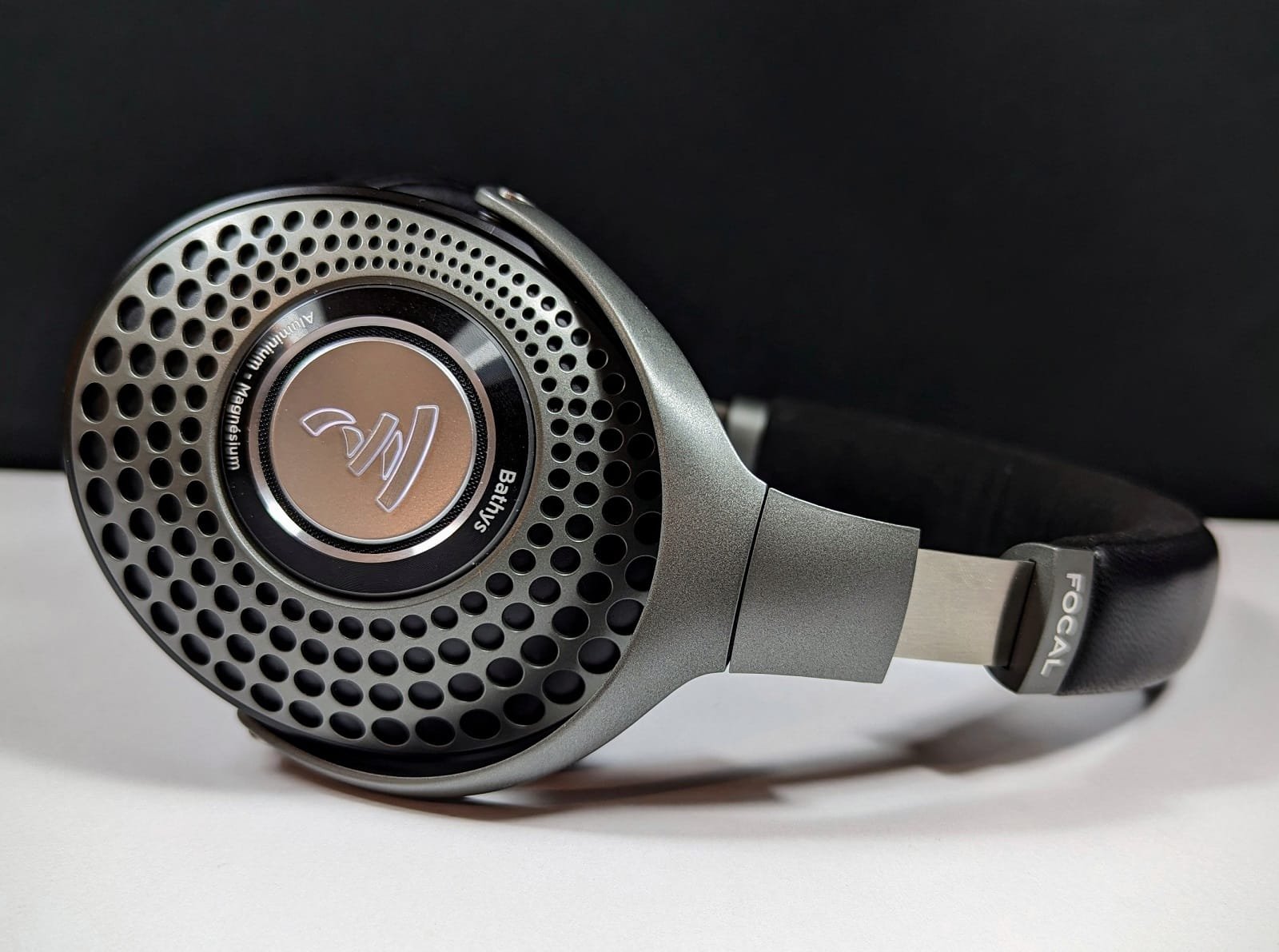
Table of Contents:
Information:
- Release year: 2022
- Country of manufacture: France/China
- Price: 800 €
- Type: Closed, over-ear
- 40 mm dynamic aluminum-magnesium driver (M-dome)
- Audio connections: Bluetooth 5.1, USB-C and 3.5 mm headphone jack
- Bluetooth codecs: AptX Adaptive, AptX, AAC and SBC
- Weight: 350 g
- Battery life: 30 h with Bluetooth connection, 40 h when listening with USB cable and 35 h when listening with headphone cable
- Charging time: approx. 1.5 h (supports fast charging: 5 hours of use in 15 minutes)
- Charging port: USB-C
- Noise cancelling function: Silent, Soft and transparency mode
- Features: multipoint support, voice control (Google Assistant, Amazon Alexa, Siri), Google Fast Pair support
- Includes phone application and equalizer
- Accessories: Carrying case, USB charging cable (1.2 m) and 3.5 mm AUX headphone cable (1.2 m)
Review sample: Self-purchased product
Buyers of expensive headphones and users of noise-cancelling headphones have long been seen as separate consumer groups, so the supply of more expensive noise-cancelling headphones has been limited until now. The demand for such headphones has, of course, been unclear, and headphone manufacturers focusing more on sound quality often do not have experience with noise-cancelling technology or the electronics required for it.
In terms of pricing, Apple's AirPods Max was in a way a significant change from before, as it managed to entice consumers to pay 600 euros for noise-cancelling headphones. Since then, a few other manufacturers have dared to test consumers' willingness to buy more expensive products. The selection in stores currently includes, among others, the 1000 euro Mark Levinson № 5909, the 900 euro Bang & Olufsen Beoplay H95, and the 700 euro Bowers & Wilkins Px8. In 2022, Focal Bathys joined this group (link to product page), priced at 800 euros. Unlike most other manufacturers of noise-cancelling headphones, the French company Focal is known for its excellent wired headphones, so expectations for the Bathys' sound quality were higher than usual.
The headphones' 40 mm dynamic drivers are manufactured in France at Focal's factory, and their structure, apart from smaller magnets and voice coil, is quite similar to the Celestee model. The electronics required for Bluetooth connectivity and noise-cancelling technology, however, come from China, so the headphones are actually assembled there. This means that Focal sends the drivers to China – a somewhat more unusual production model, although probably sensible from a logistics and production cost perspective. Bathys is named after the Bathysphere diving apparatus, because thanks to the noise-cancelling function, using the headphones is described as resembling the silence experienced during diving.
Product packaging
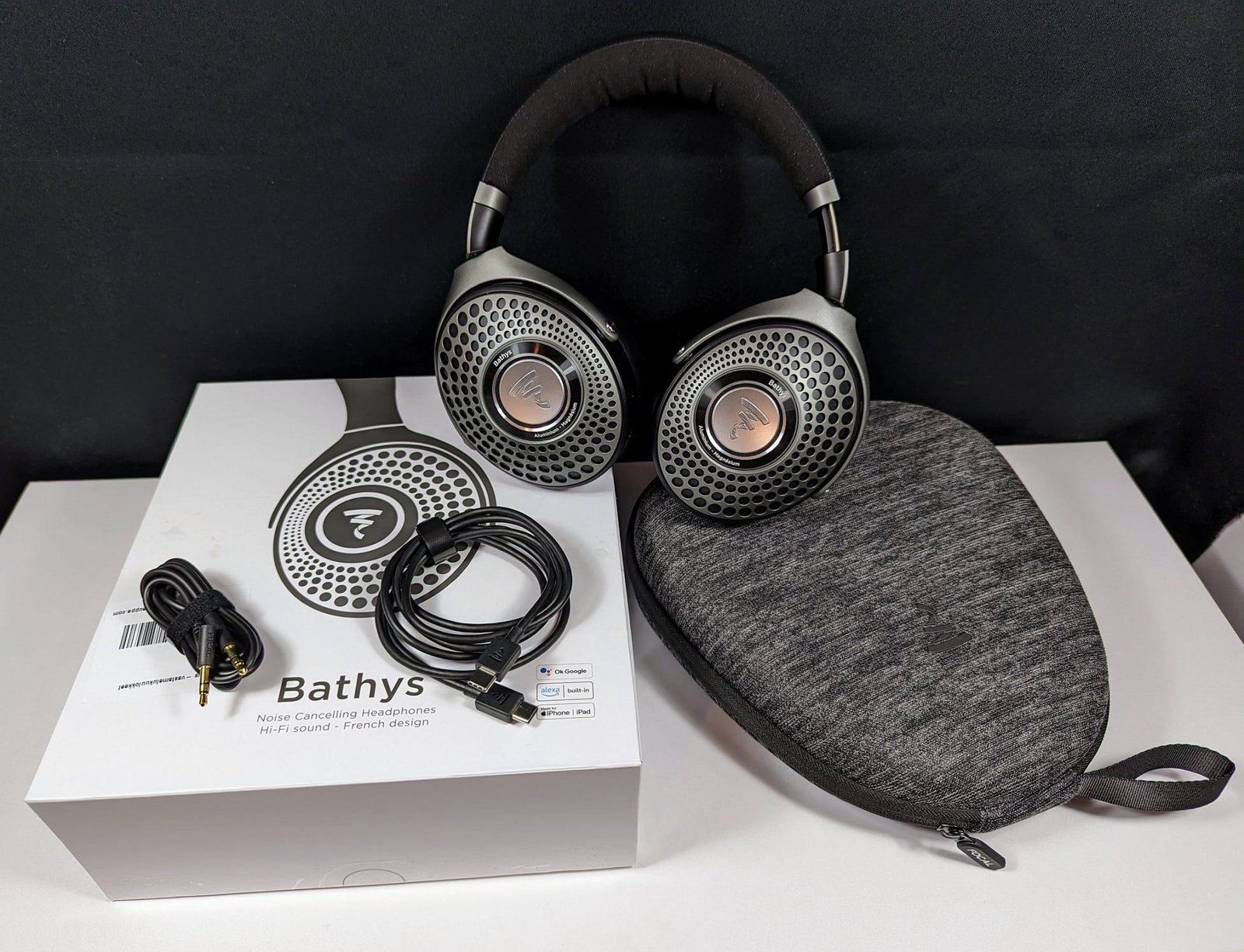
Focal is known for its fine product packaging, so the cardboard box for the Bathys model is also made of thicker cardboard than usual and closes with magnets. However, in terms of content, the presentation is quite simple, as the headphones and accompanying cables are packed in a flat carrying case. The 1.2-meter USB-C cable, primarily intended for charging, can also be used for listening to the headphones. If necessary, listening can also be done with a 3.5 mm AUX headphone cable. Both cables are generic in quality, so Focal has unfortunately not invested a single euro more in them than necessary.
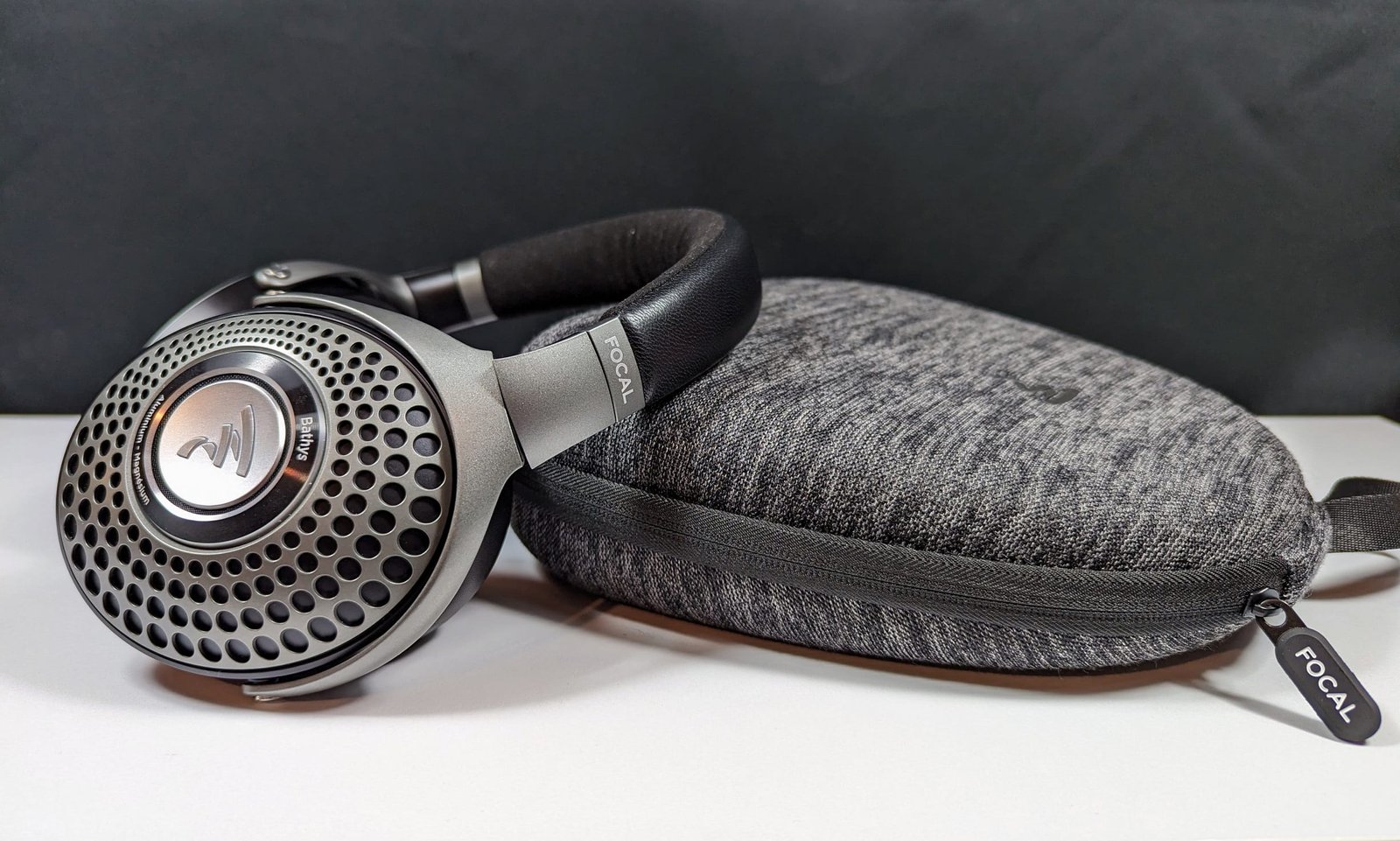
The fabric-covered case resembles the cases that come with larger Focal models. The smaller Bathys' earcups turn horizontally, so the case is compact enough for portability. For example, Sony WH-1000XM5's case is quite similarly sized. Focal's case also has one slightly annoying feature: the headphones always have to be rotated 180 degrees when packing, because the earcups turn horizontally in the opposite direction to the case. The earcups themselves, in my opinion, bend in the right direction, as they rest comfortably against the chest when lowering the headphones from the ears to the neck.
Structure and comfort
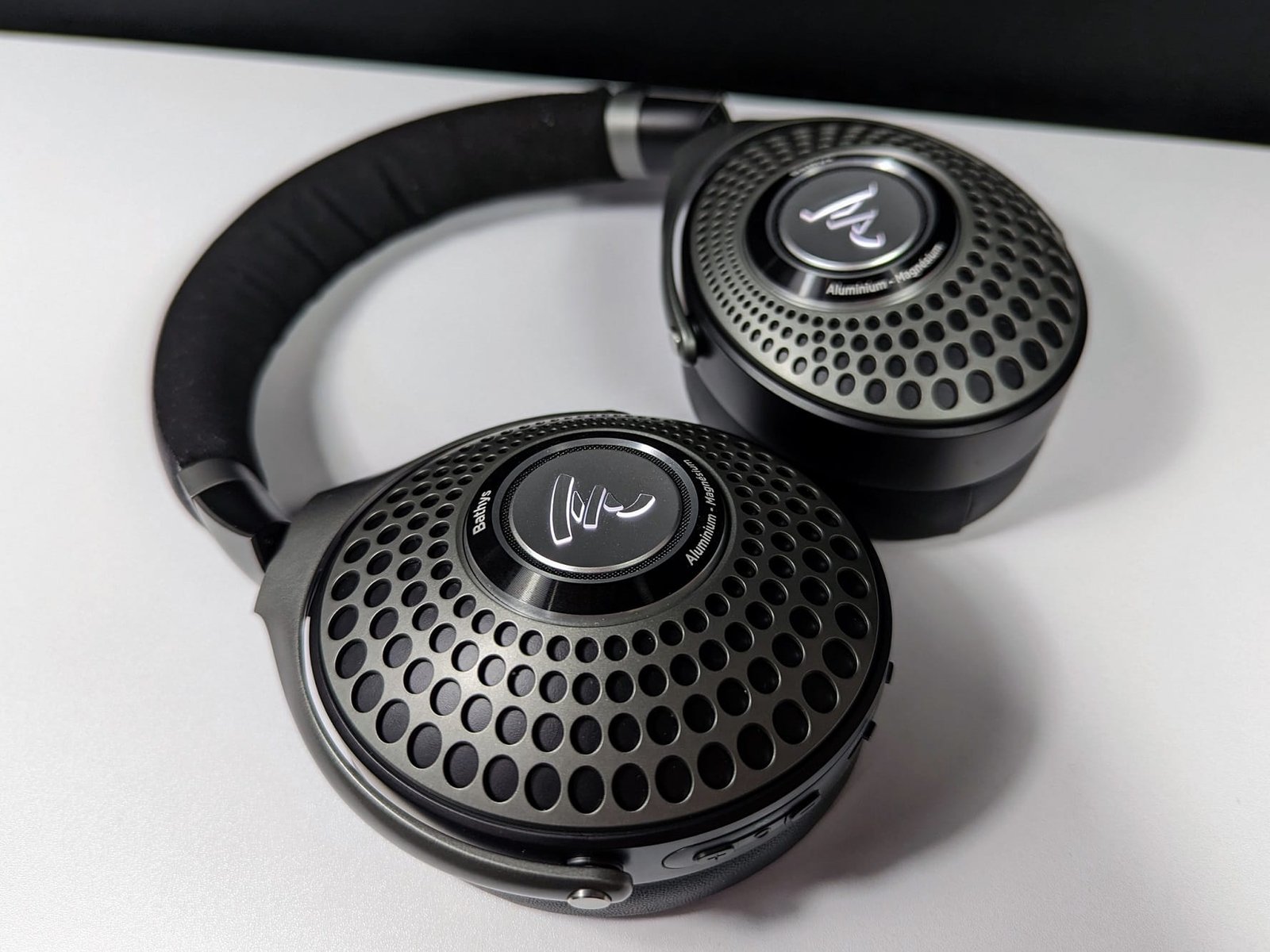
Bathys is immediately recognizable as a Focal product thanks to the design and perforated pattern of the earcups – the design language is similar to the manufacturer's other closed-back headphone models. As an interesting detail, the flame symbols on the earcups have white backlighting. The appearance of the headphones will surely divide opinions, but I personally like the metallic grey coloring and the slender headband structure, which has allowed Bathys' external dimensions and weight to be reduced compared to larger Focal models.
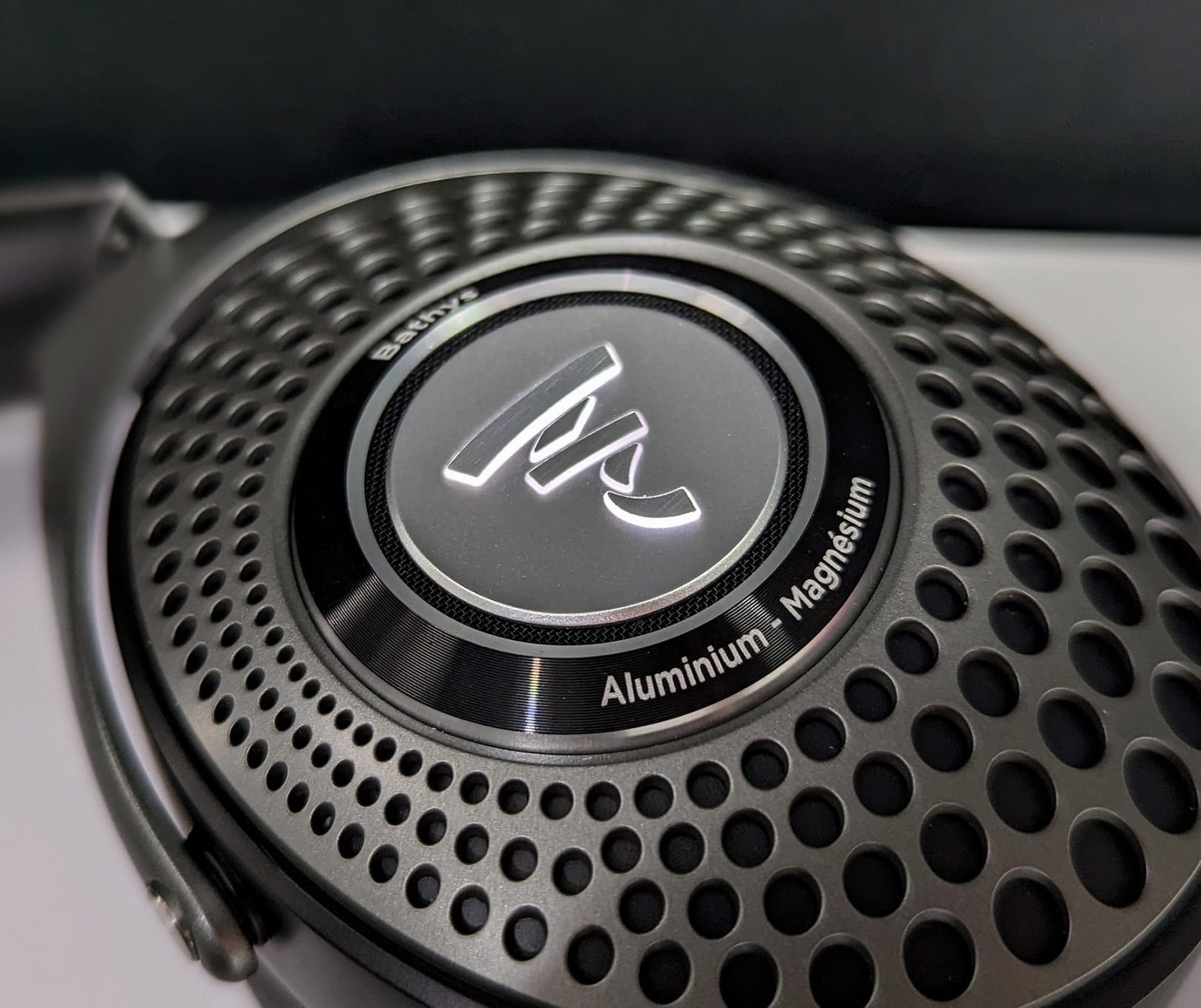
Bathys weighs 350 grams, making it about 100 grams heavier than the lightest noise-cancelling headphones on the market. However, the slightly higher weight includes, among other things, a magnesium headband and plush earpads. The construction feels very sturdy by noise-cancelling headphone standards and, apart from the plastic earcups (the grey part is metal) and buttons, the materials are high quality. For example, turning the earcups requires quite a bit of force, so they don't swing loosely from side to side when holding the headphones.
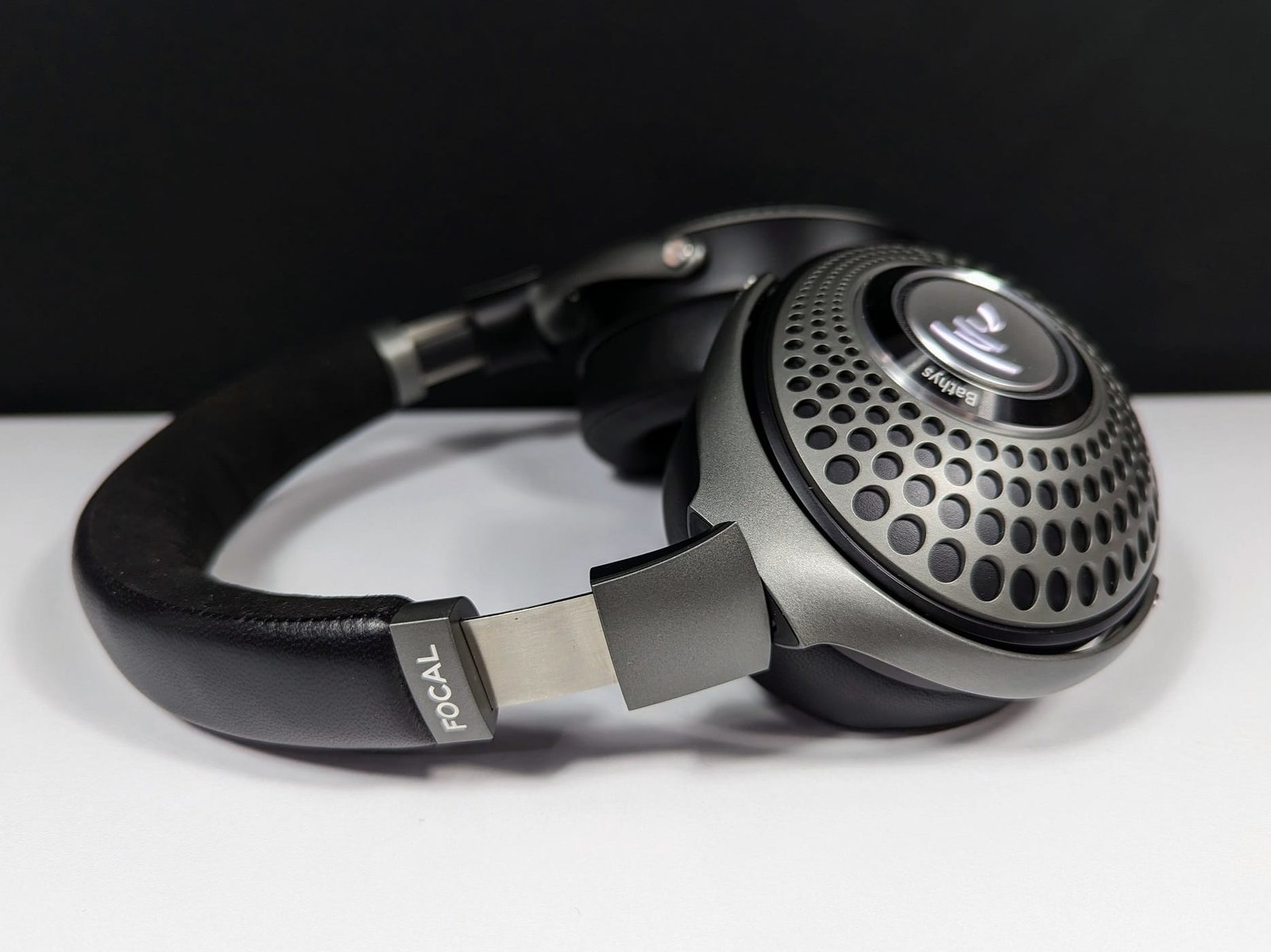
The headband's height adjustment has 8 audibly clicking steps, which one would wish to hold their position a little more firmly than they currently do. There is also a bit of looseness inside the headband around the extension part of the height adjustment, so the metal part can rattle and clatter when moving the headphones – this wouldn't be an issue in a more affordable product, but in 800-euro headphones, I would expect more precise attention to small details. Regarding the finish, the corners of the metal parts of the headband have also been left unpleasantly sharp. Despite the valuable-looking appearance, the impression of quality is somewhat weaker than what I am used to with Focal headphones.
Buttons:
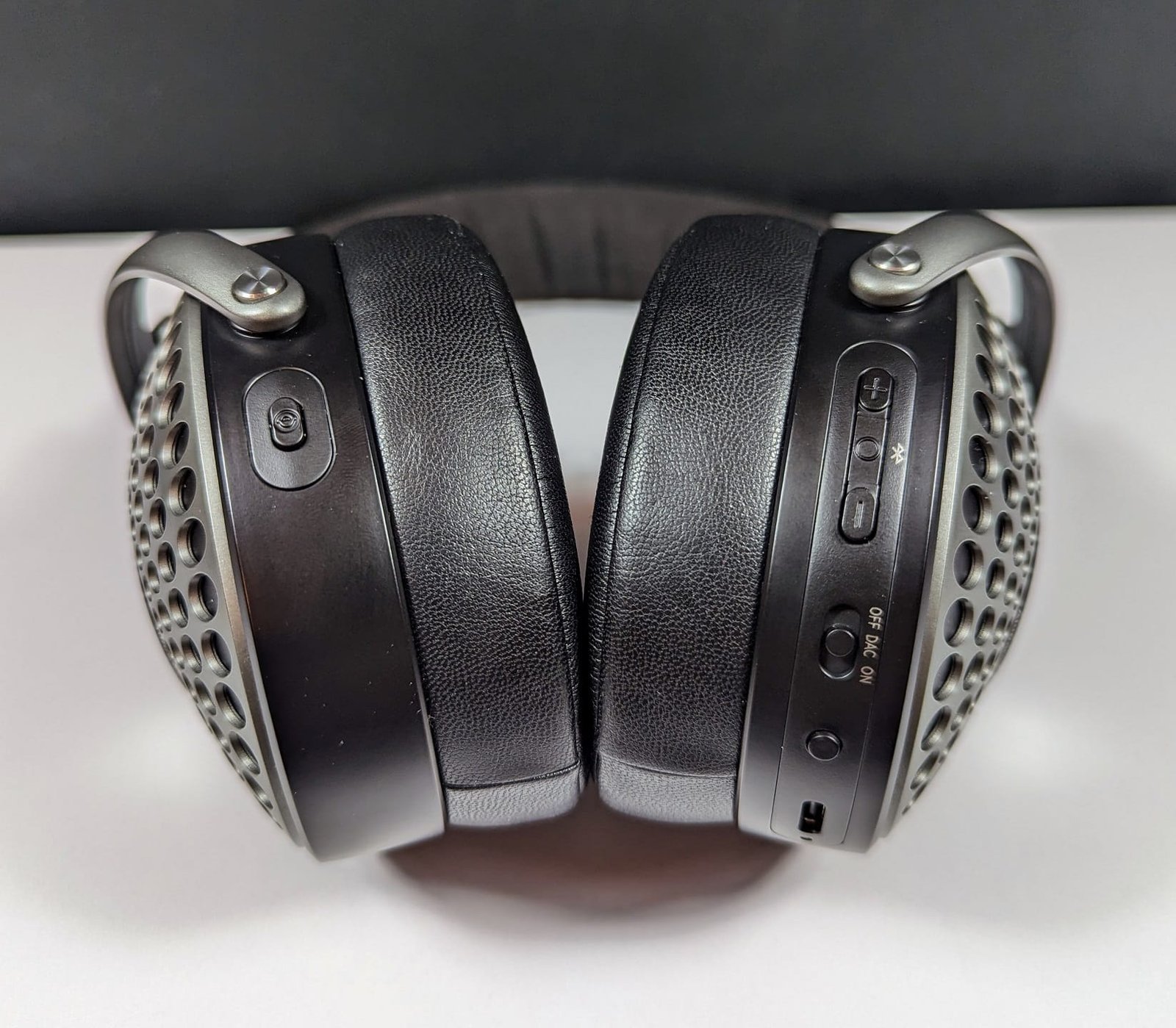
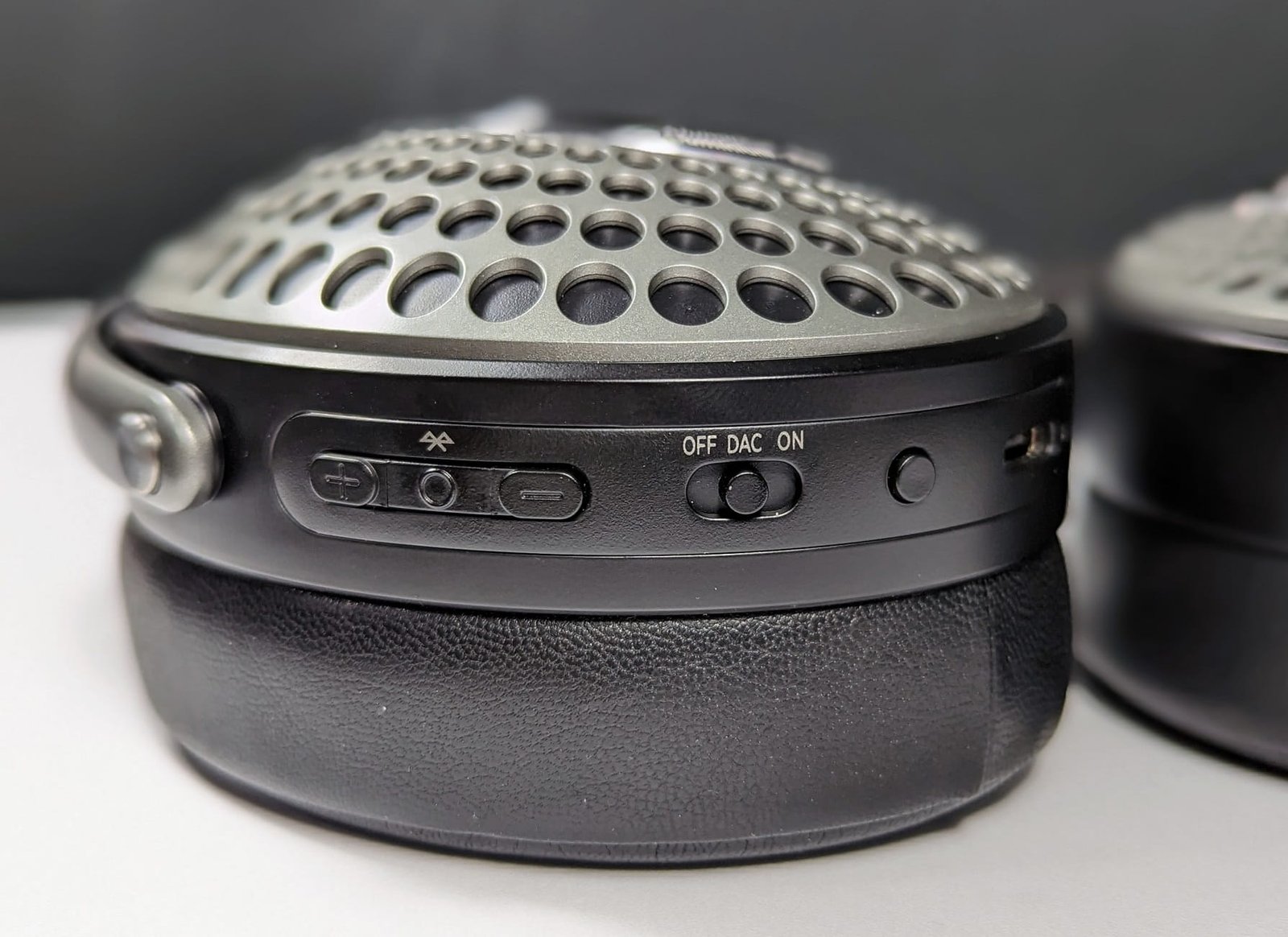
Bathys is controlled by small physical buttons, whose plastic feel somewhat lowers the overall impression of quality. However, the buttons are reliable compared to the touch controls of many other headphones. On the rear edge of the left earcup is a button controlling the noise-cancelling function, while the power button, volume control, and other functions are located on the right earcup. The bottom of the right earcup also has a USB-C connector and a 3.5 mm headphone jack. The power button is implemented as a slider, which is easy and quick to use. The button that activates voice control is, however, similar in shape, so it can be difficult to distinguish it from the power button by feel.
Earpads:
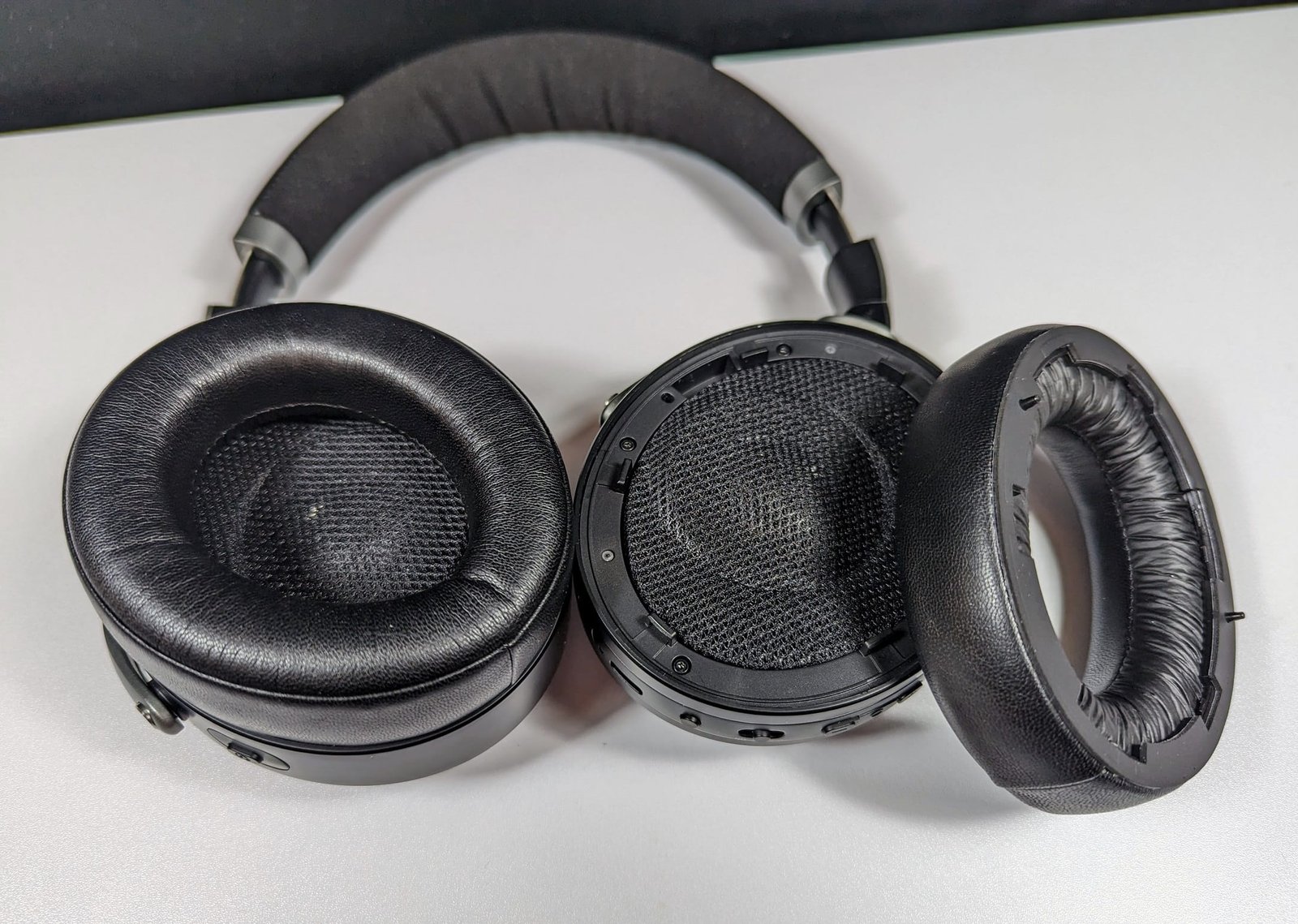
Bathys” earcups are larger and wider than usual for noise-cancelling headphones. About half of the width is made up of plush ear cushions, which are made of genuine leather and comfortable memory foam. The ear opening of the cushions corresponds in size to most ”full-size" hi-fi headphones, so there is plenty of room for the ears in every direction. The cushions are removable and replaceable if needed, as they are attached to the headphones with plastic clips. However, I have not yet seen replacement cushions for sale, so it remains to be seen how expensively Focal will price them.
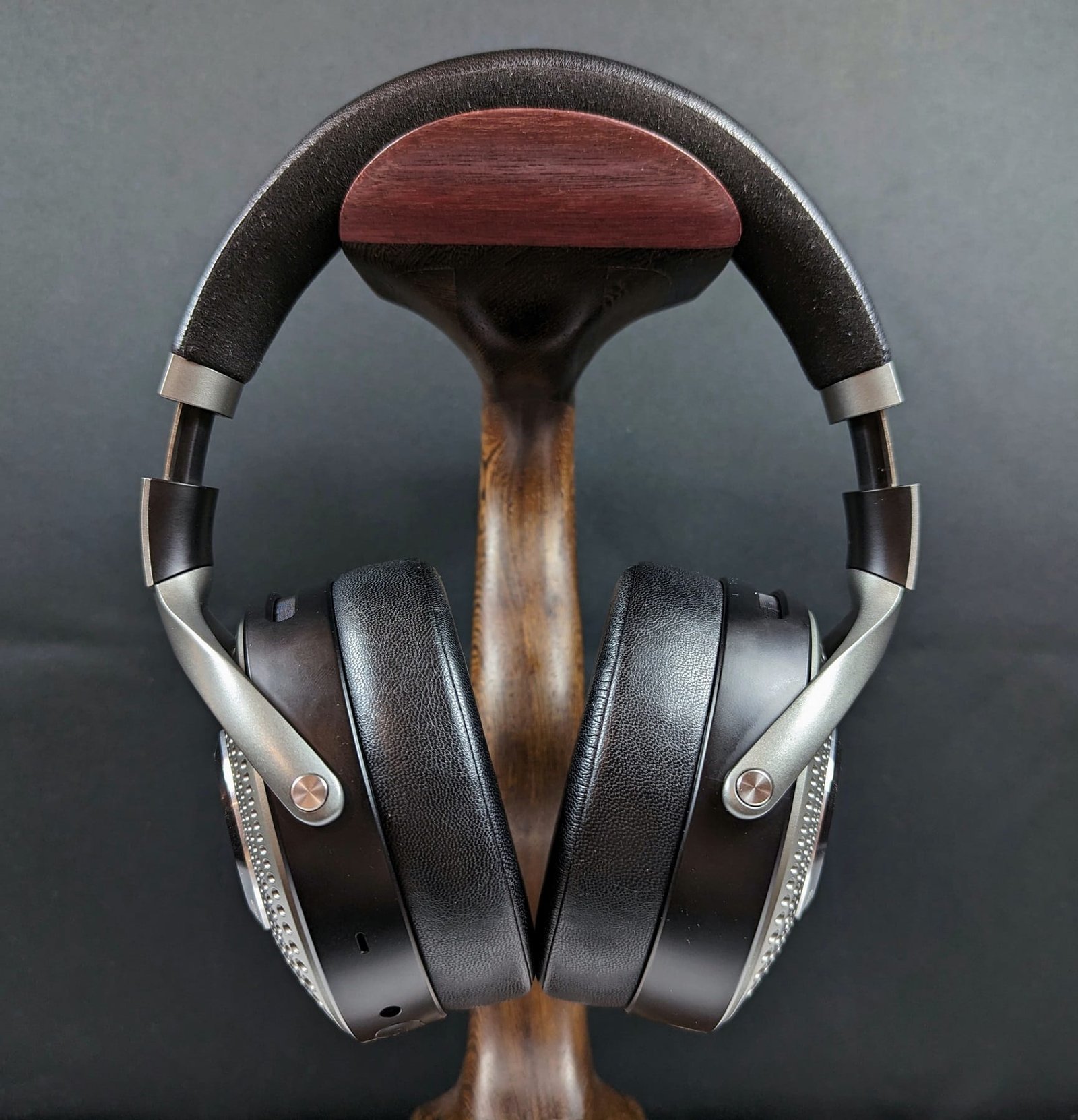
The upper part of the headband is also leather, while the part that rests against the head is made of a durable-feeling fabric that resembles materials used in upholstery for sofas and car interiors. The headband has sufficient padding, so despite its narrow width, it does not cause a significant feeling of pressure, at least on my head. The clamping force of the headband is also remarkably even, though stronger than average. For me, wearing the headphones is really comfortable. However, I have to use the height adjustment setting 6/8, so it's possible that the adjustment range may not be sufficient for everyone.
Features and Bluetooth technology
As noise-cancelling headphones, the Bathys is a simple product because it does not include more special additional features that we are used to, for example, in Sony products. However, use is easy thanks to multipoint support, voice control (although I personally don't use this), and Google Fast Pair quick pairing.
The Bathys operates with Bluetooth version 5.1 and supports the AptX Adaptive Bluetooth codec, which has its own advantages compared to the LDAC codec, considered the best in quality. A partial weakness of LDAC is still device support, because if a device cannot provide a stable connection at 990 kb/s (max 24bit/96kHz), the data transfer rate drops directly to 660 kb/s. If this also causes problems, the data transfer rate defaults to 330 kb/s. Thus, there is great variation in quality. When using LDAC, especially with affordable headphones, slight stuttering often occurs.
The AptX Adaptive codec supports a maximum data transfer rate of 420 kb/s (max 24bit/96kHz), which dynamically drops in small steps if necessary (down to 279 kb/s). Thus, there are no massive drops in quality like with LDAC. Especially when listening with slightly older devices, the quality may remain higher than with LDAC. I have not noticed any stuttering when listening to the Bathys, so if Focal was at all uncertain about the functionality of LDAC, the more reliable AptX Adaptive codec has been a justified choice in my opinion. In an ideal situation, I would still hope for the headphones to support both codecs.
Phone application
Focal has created a phone application called Focal & Naim for the headphones, which includes an equalizer. From the application, the effectiveness of the noise-cancelling function can also be selected from two options, but the same can also be done by pressing the button on the headphones for a few seconds. Adjusting and turning off the backlight of the logos, however, can only be done through the application. There are three options available: full brightness, dim lighting, or lights completely off. The color of the LEDs cannot be changed, which is in a way a missed opportunity, as 800-euro RGB noise-cancelling headphones would certainly attract even more attention among consumers.
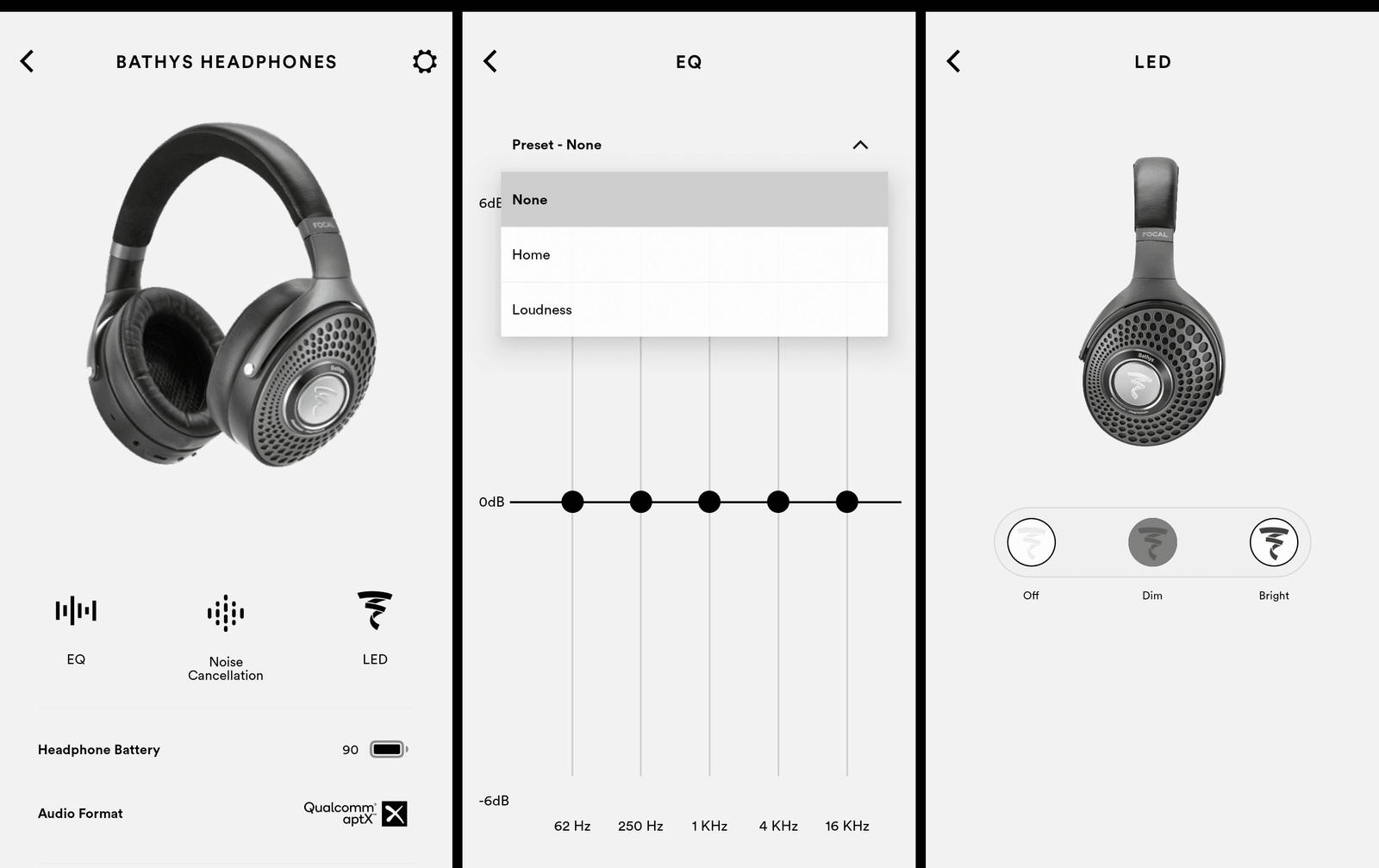
The application's 5-band equalizer is strange because adjustments can only be made when the headphones are simultaneously playing audio. Equalization can be done 6 decibels up and down at Focal's predetermined frequencies. There are also two preset settings available: ”Home,” which reduces the amount of bass and upper-mid frequencies, and ”Loudness,” which creates a V-shaped sound. New sound profiles can be saved in the application from your own settings, and the selected equalization is also used on other listening devices.
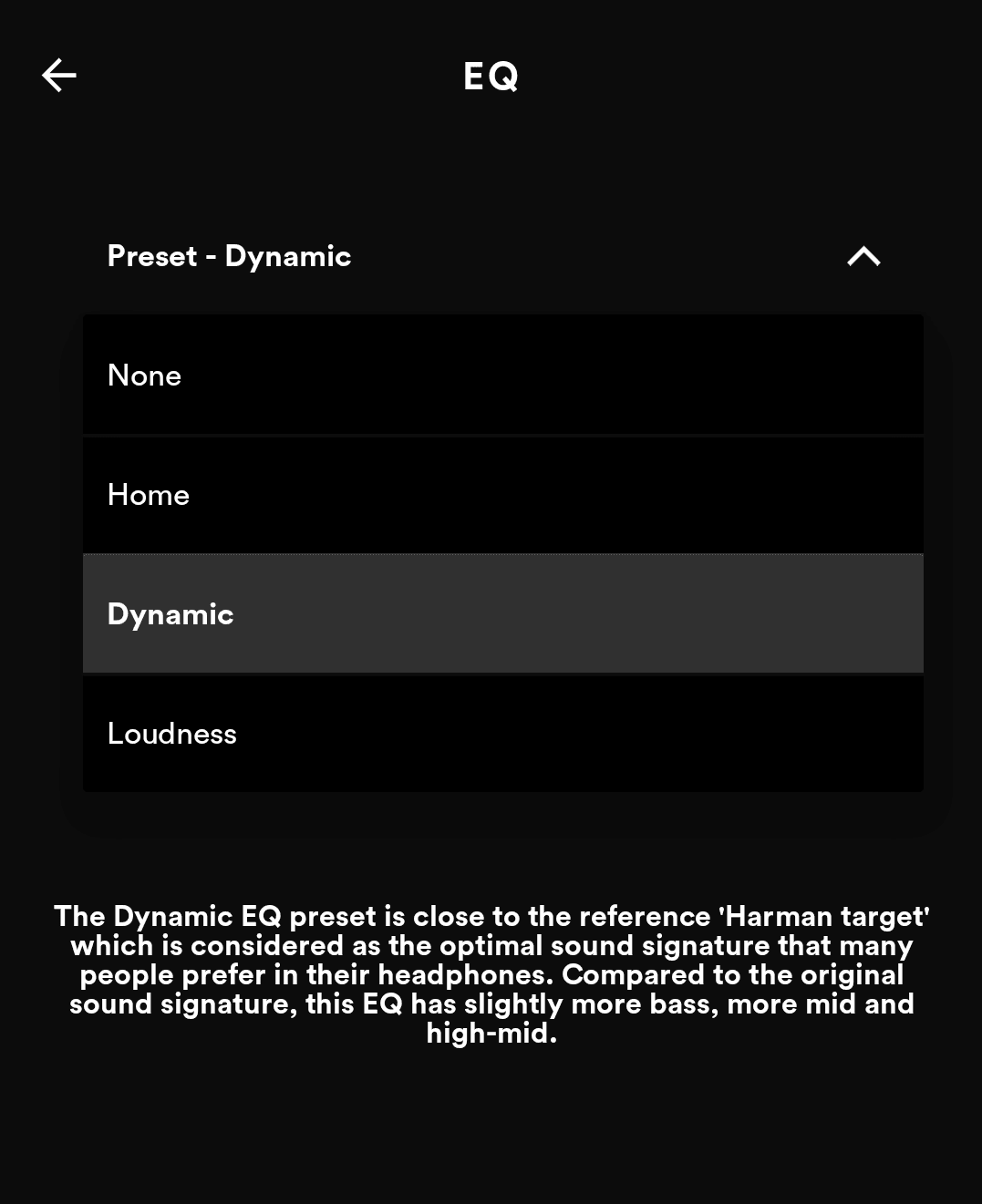
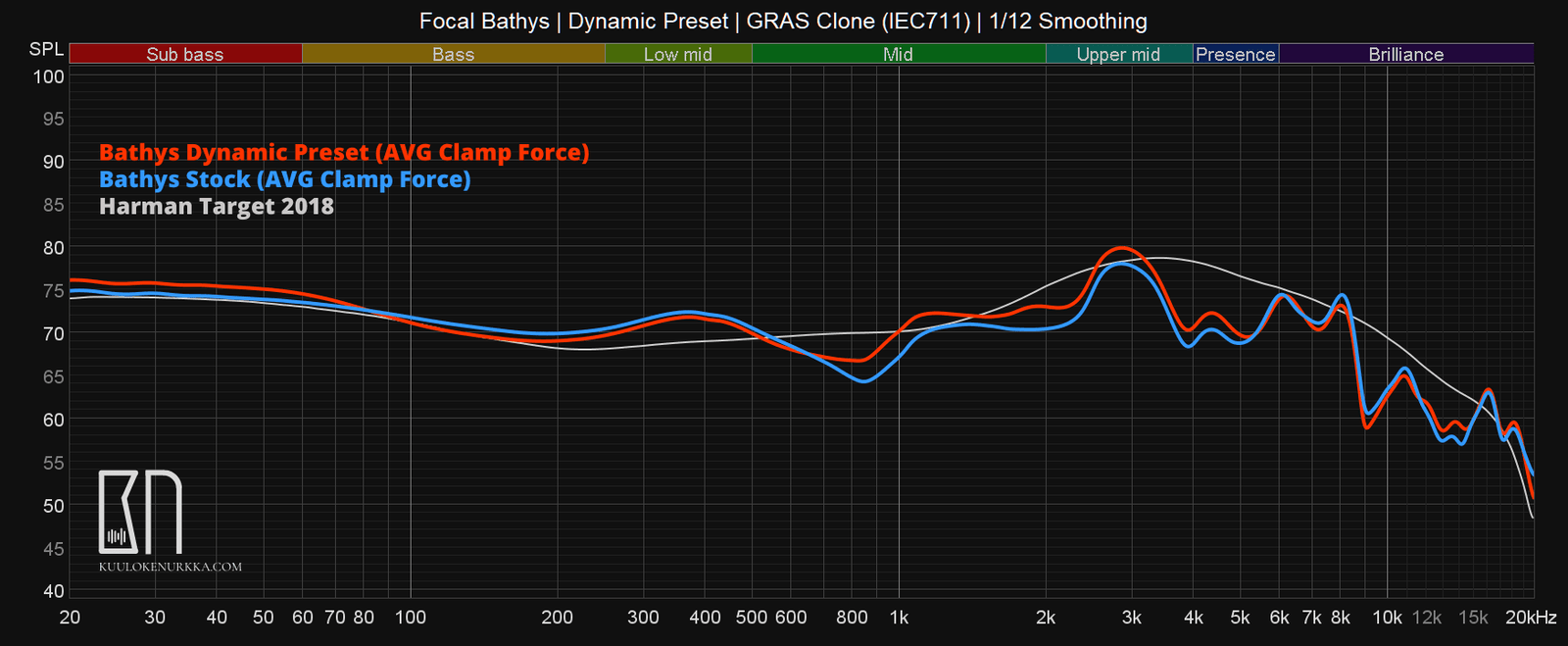
Update 28.3.2023: Focal updated the application so that equalization can now be done without simultaneous audio playback. Additionally, the application's theme can be changed from white to dark-themed. A new Dynamic sound mode was also added to the equalizer, which modifies the sound to follow Harman's target curve.
Complaints related to use
The headphones confirm different functions with original ”blomblom,” ”Wiiiuh,” and ”O-oum” sounds, so there are no spoken audio cues. Sometimes strange sounds are heard without a clear reason, which is somewhat disturbing, especially when I don't understand what to make of them. I have had to restart the headphones a few times because they don't stop playing audio cues amidst the music. It could very well be that the software incorrectly detects the battery as low, or it is announced far too early. Focal's inexperience as a manufacturer of Bluetooth headphones is clear, but some of the minor issues are hopefully fixable with future software updates.
I would also hope for some additional optimization for volume control, whose jumps are large on an Android phone. I usually have to listen to the headphones either a bit too quietly or unnecessarily loudly. On the positive side, a lot of sound can be produced if needed, although I have also seen complaints about the headphones being too quiet. This could indicate that there is variation in volume and its adjustment range between different listening devices. The usability of the Bathys could be improved for its 800-euro price, so in that respect, it causes a slight disappointment compared to, for example, the model I previously reviewed Bose QuietComfort SE -model or Audio Technica ATH-HL7BT-headphones. However, nothing is actually broken in the Bathys, and the weaknesses inherently related to Android's volume control are in no way Focal's fault.
Battery life and concern about the future of headphones
The headphones' battery is promised to last 30 hours when listening via Bluetooth, 40 hours when listening via USB cable, and 35 hours when listening via headphone cable. These figures are, in my opinion, quite sufficient for most. However, with the Bathys, it must be noted that the noise-cancelling function cannot be turned off to extend battery life. Listening is also not possible in any mode without power, so once the battery runs out, the only solution is to charge it, which takes about 1.5 hours. In addition, a 15-minute quick charge is enough for 5 hours of listening.
I do not consider it desirable that the headphones cannot be used without power. If the electronics break down or the battery level deteriorates, the Bathys will eventually become unusable. Headphones have traditionally been a long-lasting purchase as a product category, as they can withstand use for several decades. Compared to that, the lifespan of the Bathys will inevitably be quite short, even though Focal has apparently considered offering some kind of battery replacement service in the future. Since this is still a big question mark, I believe a Bathys buyer should consider how a costly and potentially short-lived purchase feels. On the other hand, we also buy expensive mobile phones for a few years, so the phenomenon is not new for other battery-powered electronics.
Active Noise Cancellation (ANC)
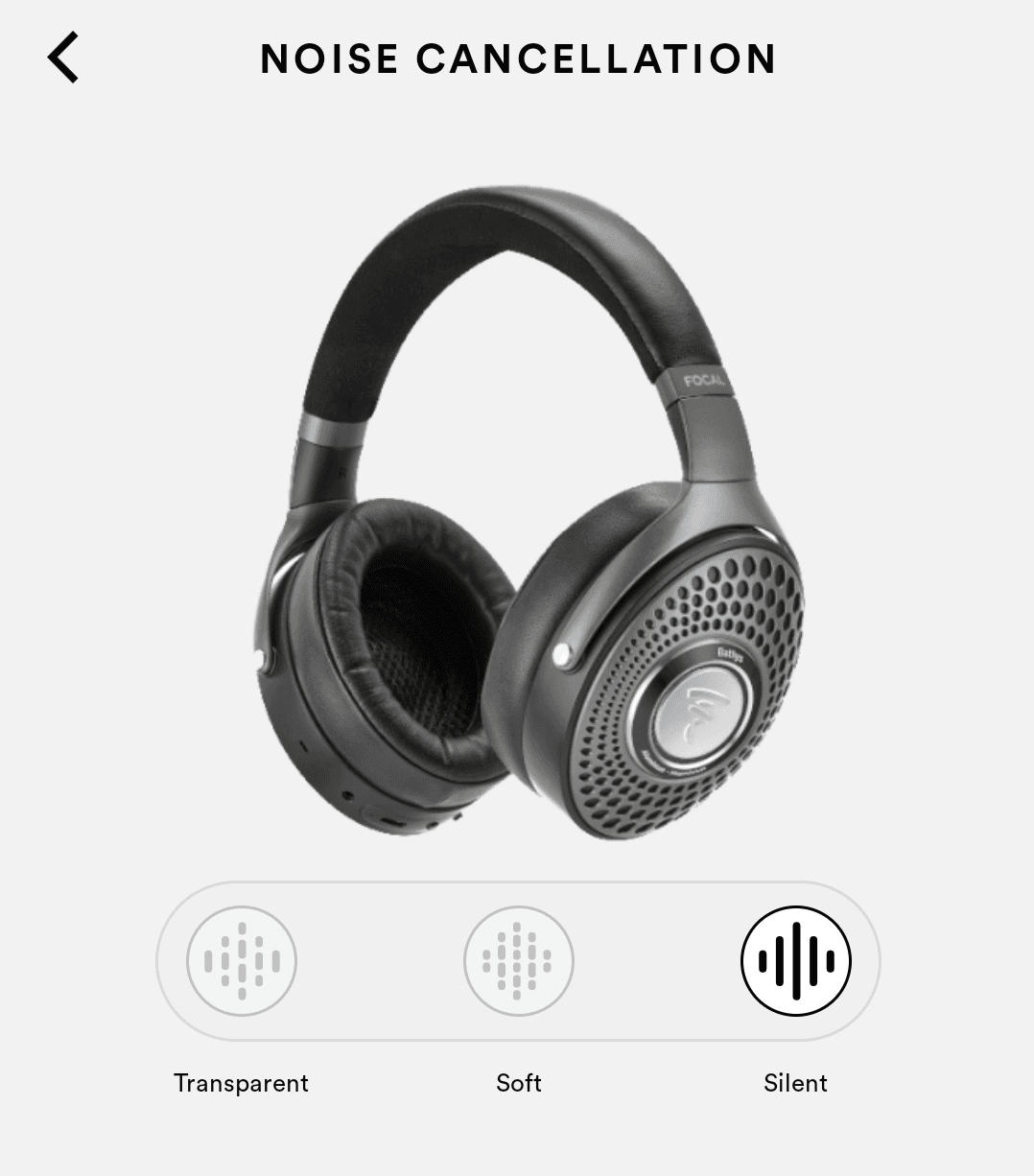
Since Focal has not developed noise-cancelling technology before, it has likely had to rely at least partially on the know-how and assistance of another company. The effectiveness of noise cancellation in the Bathys model can be selected between two modes. Silent mode offers better attenuation with a greater feeling of pressure inside the cups, while Soft mode attenuates sound less, being at the same time more pleasant to use in quieter environments. Silent mode does not cause me actual pain, but I sometimes notice a slight pressure in my ears – however, this is very individual. Bathys also includes a transparency mode that lets in ambient sounds, which sounds surprisingly natural despite its background hiss.
For Focal's first noise-cancelling headphones, the noise reduction does not reach the level of the best competitors (especially Sony and Bose) as expected, but the situation is acceptable, especially when listening to music at the same time. The headphones have very little background hiss and effectively attenuate low-frequency noise. Attenuation of higher frequency ranges, however, remains weaker, so for example, human speech, all kinds of hissing, and individual sudden sounds are still quite clearly audible. In my opinion, the noise-cancelling function is therefore better suited for attenuating constant noise caused by vehicles than for varying conditions.
Comparing headphones like the Bathys, which cost 800 euros, to more affordable models is fruitless in the sense that, regarding the noise-cancelling function, the price-quality ratio will in any case be worse than in Sony and Bose headphones known for effective noise reduction. I have indeed found the noise-cancelling function of the Bose QuietComfort SE to be significantly more capable, even though the Bathys' background hiss is clearly fainter. Also, the 150-euro priced model I previously reviewed Soundcore Space Q45 is, apart from a stronger background hiss, overall a slightly more effective noise canceller than the Bathys. For this reason, I do not consider the Bathys' noise-cancelling function to be the headphones' main selling point, but the ability to attenuate ambient noise is in any case a clear advantage compared to closed-back headphones in the same price range that do not have noise-cancelling functionality.
PS The Bathys' noise-cancelling function is almost identical in effectiveness to the recently released Chinese Edifier WH950NB headphone model – pure coincidence?
Microphone sound quality
Information about the microphone's sound quality should be sought elsewhere, as I have not tested it. I wouldn't hold my breath regarding the quality, but speaking to others will certainly be possible. For regular meeting use, I would in any case acquire different headphones.
Headphone sound quality
Headphone frequency response measurements have been performed with equipment compliant with the IEC711 standard. The graphs use the Harman target curve (2018 version), based on scientific research, as a reference, which is a generalization of what kind of frequency response sound would sound good to most people. More information about my measurements and their accuracy can be found Headphone Measurements-page. The Bathys' frequency response is also comparable with other headphones I have measured comparison tool .
Focal has adjusted the Bathys' DSP correction so that the frequency response is exactly the same regardless of whether the headphones are listened to via Bluetooth, USB cable, or a traditional headphone cable. This makes using the headphones straightforward, although listening is not possible with the power off. Focal advertises the Bathys as sounding even better when listened to via USB cable, maximizing the benefit from the headphones' built-in DAC chip. Listening via USB cable is achieved by setting the headphones to DAC mode with the slider. The phone application is not available then, so any potential equalization must be done in advance via a Bluetooth connection.
Headphone frequency response:
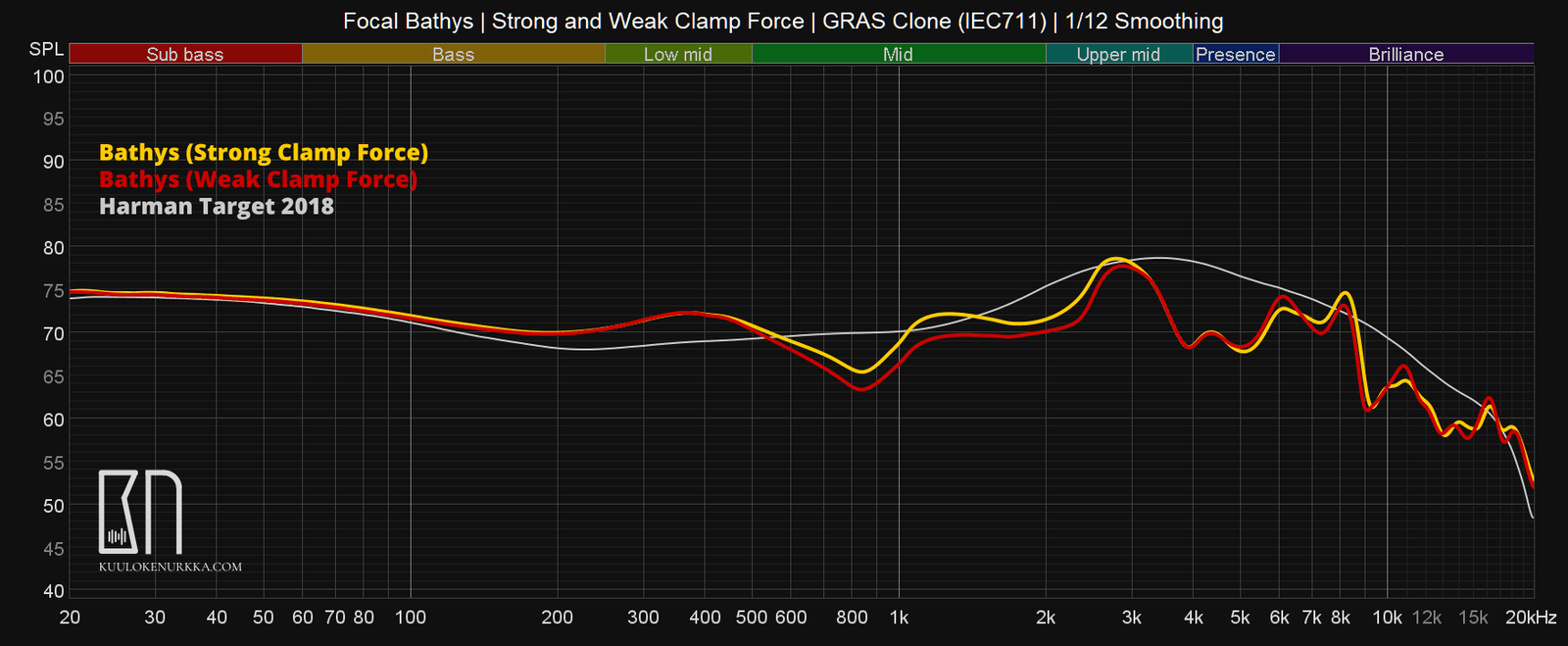
The Bathys is somewhat challenging headphones to handle, as its frequency response and sound vary more than usual depending on how tightly the cups press against the user's ears and where the ears are located within the pads. I measured the headphones' frequency response with both slightly stronger and weaker clamping forces, which shows that the mid-frequencies are lower in energy with light clamping and more prominent with stronger clamping. The placement of the headphones on the head, in turn, most affects the intensity of the treble peak formed around 8 kHz. The Bathys sounds most balanced when placed as far forward and down on the head as possible. In this case, there should be no major treble emphasis.
The headphones' frequency response seems to be measured very differently by various measurement devices in general, so a wide range of results can be found online. With my own equipment, there appears to be a significant lack of energy between 3.5–6 kHz, but when listening to the headphones, I would estimate that this frequency range is about half as recessed compared to the Harman target curve I use as a reference.
Within Focal's own headphone lineup, the sound of the Bathys model most resembles the closed-back Radiance model, which is fuller and more relaxed than, for example, the Celestee. However, the Bathys has been tuned to have stronger bass and slightly more energetic treble to appeal to larger consumer groups and those accustomed to other noise-cancelling headphones. Fortunately, this has not gone too far, as the result still pleases a more critical headphone enthusiast like myself.
How does the Bathys sound via Bluetooth?
In my opinion, when listened to via Bluetooth, the Bathys sounds balanced, yet quite relaxed and slightly bass-heavy. The powerful Harman-style bass reproduction makes the sound enjoyably weighty and engaging, while the upper frequencies, apart from a small sparkle radiating around 8 kHz, are restrained and safe.
The sound has a natural warmth emanating from the lower mid-frequencies, which makes acoustic instruments, in particular, reproduce pleasantly. However, the presentation is not too thick, because the correct energy level at 3 kHz makes the mid-frequencies clear. For example, the vocalist is intimately positioned quite close in the soundstage, and the vocals are reproduced in a calm style. Due to the tame high frequencies, the sound feels slightly softened in detail, and the soundstage is not particularly airy either. However, the headphones' powerful and easy-to-listen-to sound is excellent for longer listening sessions and for consuming modern radio-played music, for example.
Bathys stands out from more affordable Bluetooth noise-cancelling headphones, especially in terms of sound purity and clarity of detail separation. The headphones' soundstage is somewhat small, but it has a transparency that I haven't encountered when listening to other noise-cancelling headphones. The reproduction is also more precise and tighter in dynamics, making Bathys by far the best Bluetooth headphone I've heard. Compared to wired headphones costing over 500 euros, the reproduction is still softer and, in a way, more congested and compressed in terms of soundstage. For this reason, a retail price of, for example, 650 euros would feel more appropriate when critically evaluated. Focal, on the other hand, is a luxury brand from which one should not expect the tightest pricing.
Bass:
One of the headphones' clearest strengths is high-quality bass reproduction. The bass is tight, and its impacts feel weighty. The sub-bass follows Harman's target curve and is thus almost bottomless in its solidity. There is a slight emphasis in the upper bass frequencies and a resonance that leaks into the mid-frequencies when listening via Bluetooth, but thanks to this, the sound has the physical punch many desire. Compared to headphones that emphasize mid-bass more, such as Sony's WH-1000X series, the bass is not nearly as thick and overemphasized; instead, Bathys' style is clearer and more sensible. It is possible to get rid of the slight resonance by adjusting the 250 Hz region down by a couple of decibels with an equalizer. Similarly, those who desire more emphasized bass reproduction can increase it to their own taste.
Mid-frequencies:
The presentation of the headphones' mid-frequencies can vary greatly from user to user, as the style can range from subdued and attenuated to surprisingly neutral, depending on the clamping force of the headband. To me, Bathys sounds normal in a good way, even though there is a dip between 700–1000 Hz, which is considered the headphones' most unusual characteristic. Generally, the dip is audible in such a way that it seems to draw part of the sound deeper into the soundstage. In my opinion, this does not disturb the reproduction of different instruments, but some male vocalists sound a bit weak-voiced or at least more distant than usual. Most often, however, I don't pay much attention to it, because the reproduction of the upper mid-frequencies is present and clear. When I first tried the headphones in a hi-fi store, I paid more attention to the unevenness of the mid-frequencies, so the human brain can probably correct individual sound errors after a longer period of acclimatization.
When listening via Bluetooth, Bathys places the vocalist in the center and close in the soundstage. I find warmly and relaxed reproduced vocal performances natural in style. However, due to a small emphasis in the treble, slight sharpness and sibilance (hissing s- and t-sounds) may occur, especially with some female vocalists. Moving the headphones forward and downward on the ears seems to alleviate this.
All instruments are reproduced clearly, albeit with details slightly subdued. This is influenced by both the Bluetooth connection and partly by the calm tuning of the high frequencies. Bathys emphasizes the attack and intensity of sounds more than their airy decay. The sound is detailed, but details need to be somewhat sought out rather than being forced into the listener's awareness. The presentation style somewhat resembles ZMF headphones, rather than other Focal models that sound fresher, though at the same time more unnatural. To my taste, Bathys is actually the best tuned of the more affordable Focal models. Listening to these headphones is truly pleasant.
Treble:
Focal has opted for a safe solution regarding the high frequencies, where the listener is not attempted to be impressed by sharpening the sound, but rather the higher notes are kept calm. Around 8 kHz, there might be a slight sparkle depending on the headphones' placement, but otherwise, the treble receives less attention overall compared to the lower frequency ranges. Still, nothing is truly missing from the sound, unless someone wishes Bathys to sound airier and lighter, i.e., more hi-fi-like. If necessary, the sound can be brightened by slightly boosting the 16 kHz region with an equalizer. However, in my opinion, this is not particularly necessary, as the sound can also be lightened by dropping the previously mentioned 250 Hz region by a couple of decibels. Those desiring a fresher sound can try these changes simultaneously, also adding a little energy to the 4 kHz region.
Audio description:
Bathys is a fairly traditional Focal model in terms of soundstage. The reproduction is precise, but not particularly spacious. On the other hand, compared to other noise-cancelling headphones I've heard, the soundstage has more depth and separation, which I gladly welcome. The drivers are installed at an angle forward and outward relative to the ears, which I believe has positive effects specifically on the depth of the soundstage. In most other noise-cancelling headphones, the drivers are not angled.
Equalization and Dynamic Sound Mode
Bathys is among the few noise-cancelling headphones that, in my opinion, don't have a great need for equalization. I myself would leave the mid-frequencies completely alone regarding manual adjustments, for example. If the bass reproduction feels too strong for someone's taste, lowering both bass controls by 2 decibels provides a sufficient improvement. Some might also desire a little boost in the treble. Everyone should boldly experiment with the equalizer according to their own taste, as I cannot define what sounds good to whom.
Update 28.3.2023: The Dynamic sound mode added by Focal with the app and firmware update is, in my opinion, the best of the preset sound settings and equalization options, as it makes the headphones sound more neutral and clearer in their mid-frequencies than before. This is especially beneficial when listening via Bluetooth if someone is bothered by a certain calmness and softness in the sound, as well as overly thick bass.
Focal's mention of a Harman target curve-style sound holds true, as the mid-frequencies gain more energy throughout (this would be impossible to achieve with manual equalization). The sub-bass has also been slightly increased, while the upper bass frequencies have been slightly reduced, making the low frequencies reproduce more clearly than before. The result, compared to the default state, is quite neutral and fresh, which makes Bathys an even more versatile headphone. For some music, a thicker and calmer default sound might be more suitable, while other types of music benefit from the Dynamic mode's more energetic presentation.
Sound improves in DAC mode
If Bathys, with its default settings via Bluetooth, doesn't quite compete with similarly priced wired headphones, when listened to via USB cable in DAC mode, it is one of the best closed-back headphones I've heard in the sub-1000 euro price range. The change compared to the Bluetooth connection is astonishingly positive, which makes me wonder if the LDAC codec would have performed more evenly. Be that as it may, Focal is absolutely right in praising the implementation of the DAC mode. Using the headphones with a USB-C cable is also effortless, for example, with a mobile phone. However, I haven't found a use for a traditional headphone cable, because the audio signal is processed through the headphones' own DSP chip anyway, and a kind of double amplification is not optimal in my view.
The most immediate change in DAC mode compared to a Bluetooth connection is the significant widening of the soundstage. The vocalist, who previously felt close, moves further away, and around them, both the bass reproduction and the treble become more transparent. The slight boominess and bloatedness that plagued the bass with a Bluetooth connection disappear, making it tighter and more detailed – there is no longer any need for bass equalization.
The high frequencies are also more detailed and fresher, as they spread more naturally and distinctly into the surrounding space. A slight sharpness around 8 kHz is completely removed, so sibilance is no longer noticeable. The reproduction is in all respects more precise and dynamic. I can discern the details and different components of the music more easily from each other than before, so the result significantly resembles good Hifi headphones. At the same time, the active noise cancellation does not seem to disturb the overall experience. Despite the higher quality and more detailed sound, Bathys' frequency response remains unchanged, so the headphones would still appeal to those who are less critical listeners.
Update 28.3.2023: The new Dynamic sound mode, when listening with a cable, makes Bathys sound even more detailed. However, in my opinion, the default tuning in DAC mode is more enjoyable without major weaknesses, so the Dynamic option does not offer as clear a qualitative improvement as when used with a Bluetooth connection.
Other expensive noise-cancelling headphones
Unfortunately, I did not have the opportunity to acquire other more expensive noise-cancelling headphones for comparison for this review, so I cannot definitively say whether Bathys is the best among them. However, based on the frequency response measurements I have seen, the externally impressive Bowers & Wilkins Px8 is, for its price, shockingly mid-bass heavy (=muddy and boomy) and uneven in its mid-frequencies – these frequency ranges are measured most accurately regardless of the equipment, so conclusions drawn from frequency responses are reliable.
The Harman-style tuned Mark Levinson № 5909, on the other hand, has a single strong treble emphasis that many find irritating. In my opinion, these headphones also look the cheapest of all expensive noise-cancelling headphones for their 1000 euro price. Bathys' toughest challenger might be the Bang & Olufsen Beoplay H95, about which people have had very little negative to say. According to what I've read, none of the headphone models I mentioned have particularly effective noise cancellation, so in that regard, my choice between them would focus on sound quality, comfort, and appearance. I would deduce that the Focal Bathys performs well against its competitors on all these metrics. However, I cannot declare any winner without trying other headphones.
Summary
The Focal Bathys is a clear step up in sound quality from more affordable noise-cancelling headphones. I consider the consumer-friendly tuning successful, and the sound is pleasantly clear and separated. One feels like listening to the headphones wirelessly for longer periods, although in my opinion, the 800 euro price is not fully justified if the headphones are only used that way. However, the sound in DAC mode is still significantly higher quality, so Bathys should be considered an excellent wired headphone that can also be listened to wirelessly with good sound quality. The headphones also have decent noise cancellation and a sturdy and comfortable build, so considering all different use cases, the 800 euro price is not entirely pulled out of thin air after all.
Focal still has some homework to do regarding occasionally frustrating usability and details that detract from the perceived quality of the build, but my minor criticisms do not spoil the user experience. The only remaining question marks are the potential user-specific variation in frequency response and the lifespan of the headphones without the possibility of passive listening with the power off.
Bathys may still not win over the most vocal audiophiles who disapprove of Bluetooth noise-cancelling headphones, but I believe many are currently more interested in this product category than ever before. In my view, the majority of consumers today only consider buying noise-cancelling headphones, so for them, Bathys offers an opportunity to enjoy better sound quality than before. However, more effective noise cancellation can still be found at a lower price.
Update 28.3.2023: By using the new Dynamic sound mode, it is possible to make the headphones sound more neutral and energetic. The sound becomes clearer, especially with a Bluetooth connection. Bathys is thus, if needed, quite approachable for those who are accustomed to reproduction according to Harman's target curve. It's great that Focal is committed to developing its product to be better and more versatile after its release.
Pros and cons:
+ Clearly the best Bluetooth noise-cancelling headphone I've heard in terms of sound clarity and separation
+ Successful consumer-friendly tuning that also doesn't alienate those who prefer balanced reproduction
+ Tight and impactful bass reproduction
+ Sounds even better in DAC mode
+ Dynamic sound mode makes the reproduction more energetic and neutral
+ Same frequency response/DSP correction regardless of usage mode
+ Emphasis has been placed on comfort
+ Sturdy construction
+ Hardly any background noise
– There can be user-specific variation in mid-frequency reproduction
– In addition, there is an unusual dip between 700–900 Hz in the mid-frequencies, which may require getting used to
– There are a few aspects in the build that detract from the impression of quality
– The effectiveness of noise cancellation in the higher frequency ranges remains quite far from the market leaders
– The headphones cannot be used without power
– No support for the LDAC codec
– The price feels a bit high if the headphones are used only wirelessly
 EN
EN  FI
FI