Author: Sword of Damocles
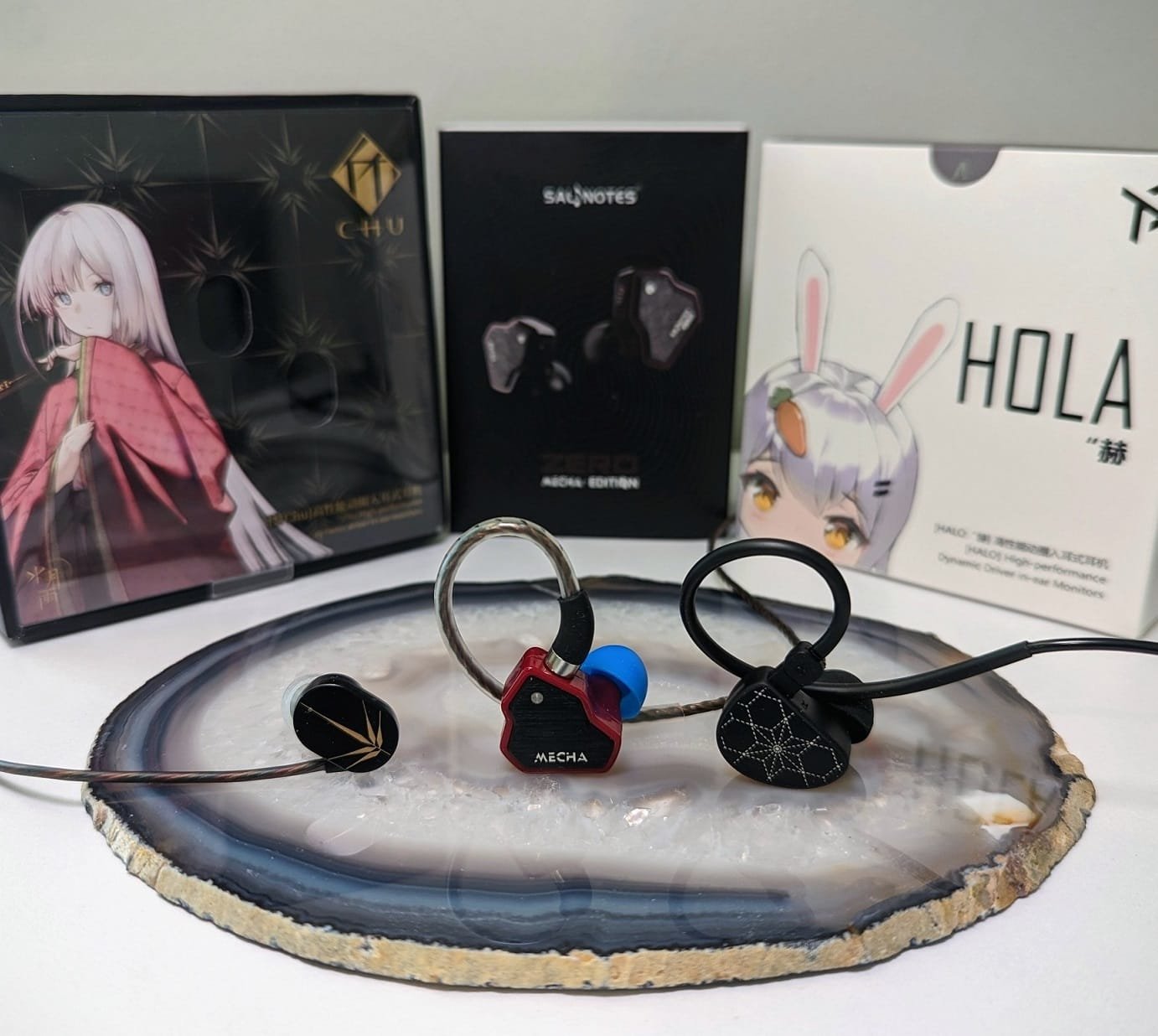
Table of Contents:
| Moondrop Chu | 7hz Salnotes Zero | Truthear Hola | |
|---|---|---|---|
| Country of manufacture | China | China | China |
| Year of release | 2022 | 2022 | 2023 |
| Price | 20 € / 20 USD | 29 € / 23 USD | 19 € / 19 USD |
| Color options | Black | Black, blue, white, red, orange, rose | Black |
| Driver type | Dynamic 10mm (titanium-coated composite diaphragm) | Dynamic 10mm (metal composite diaphragm) | Dynamic 11mm (PU frame and LCP diaphragm) |
| Structure material | Metal (zinc alloy) | Plastic + metal side panel | Resin and plastic |
| Impedance | 28 ohm | 32 ohm | 28 ohm |
| Sensitivity | 120 dB/mW | 108 dB/mW | 120 dB/mW |
| Connector type | fixed cable | 2-pin | 2-pin |
| Cable | 1.2 meter cable with 3.5 mm connector (at 90-degree angle) | 1.15 meter cable with 3.5 mm connector | 1.2 meter cable with 3.5 mm connector (at 90-degree angle) |
| Accessories | Spring-tips eartips (cost 13 € when purchased separately) and fabric pouch | Many colorful eartips | Many black eartips, faux leather pouch and anime card |
Review unit acquisition method: Product purchased by myself
Nowadays, you can get good in-ear headphones for little money
In-ear headphones have been a growing product category in recent years, based on the steady release of new models. Nowadays, numerous Chinese manufacturers, in particular, compete with each other for both visibility and popularity – with impressive appearance and anime characters on packaging serving as metrics in addition to sound quality. Hype easily builds around new releases, until a few weeks later, people are already excited about the next product. From the consumer's perspective, however, the tightening competition has the good side that it has also shifted to the more affordable price ranges. Most manufacturers have also understood the importance of a proper frequency response, so truly excellent products can be purchased for as little as 20 euros compared to equivalent over-ear headphones.
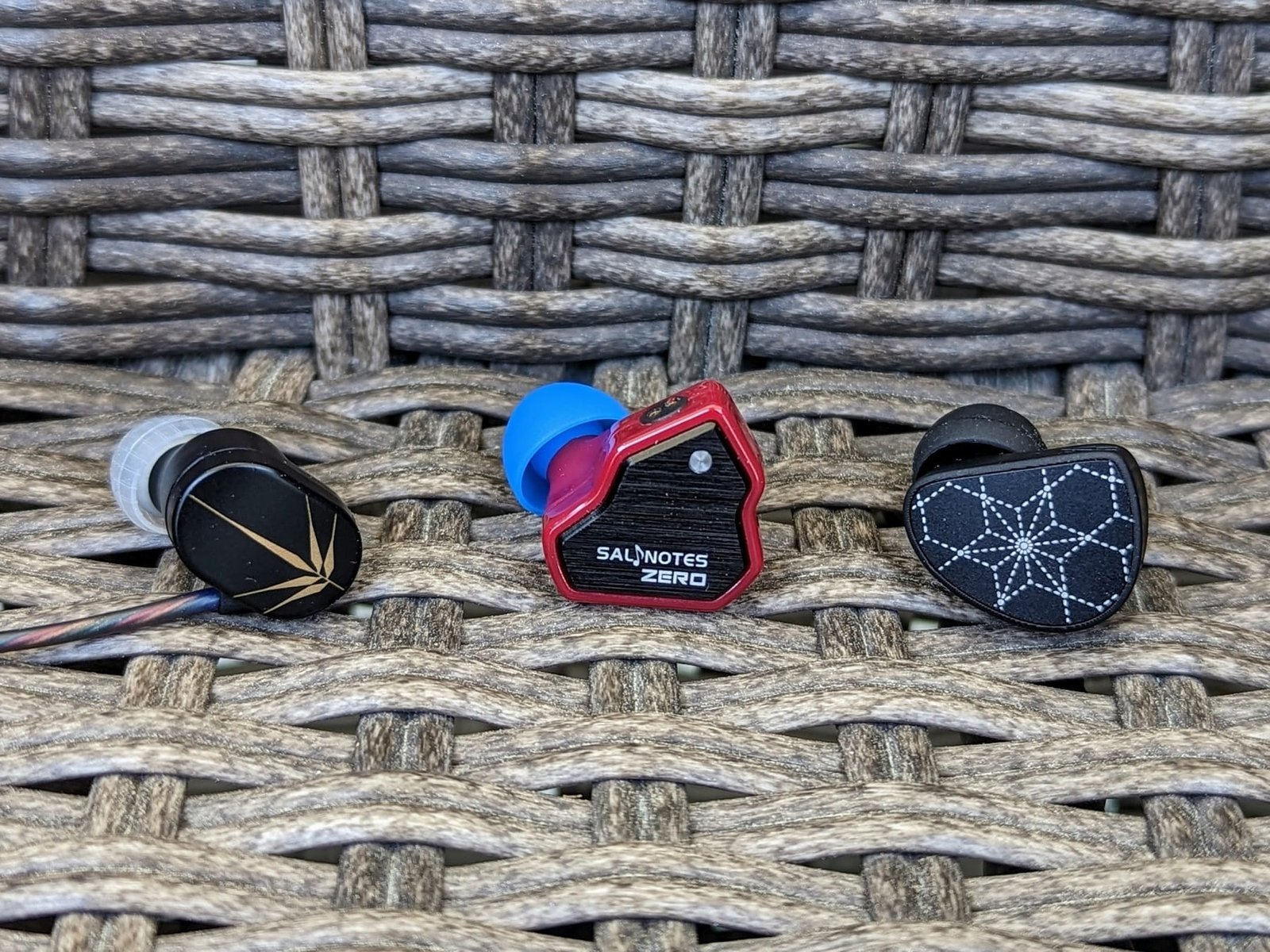
I have wanted to do a small comparison between a few affordable in-ear models for a while now. For that purpose, I bought three hyped headphones that are sufficiently different from each other. Moondrop Chu: can be seen as having started the emergence of good affordable in-ear headphones, as before its release, only very mediocre products with strong V-shaped tunings were available for 20 euros.
Released a few months later 7hz Salnotes Zero (the company has no own website) costs a bit more, but in my opinion, no other headphone has been hyped as much as it. After its release, the headphones were revealed to be Crinacle's (maintains the world's largest in-ear headphone frequency response database) tuned, so in that respect, the enthusiastic reception was not a big surprise after all. The newest addition to my comparison trio, which came on sale at the beginning of 2023, is Truthear Hola, which aims to get its share of sales by being one euro cheaper than Moondrop Chu and offering quite a different sound.
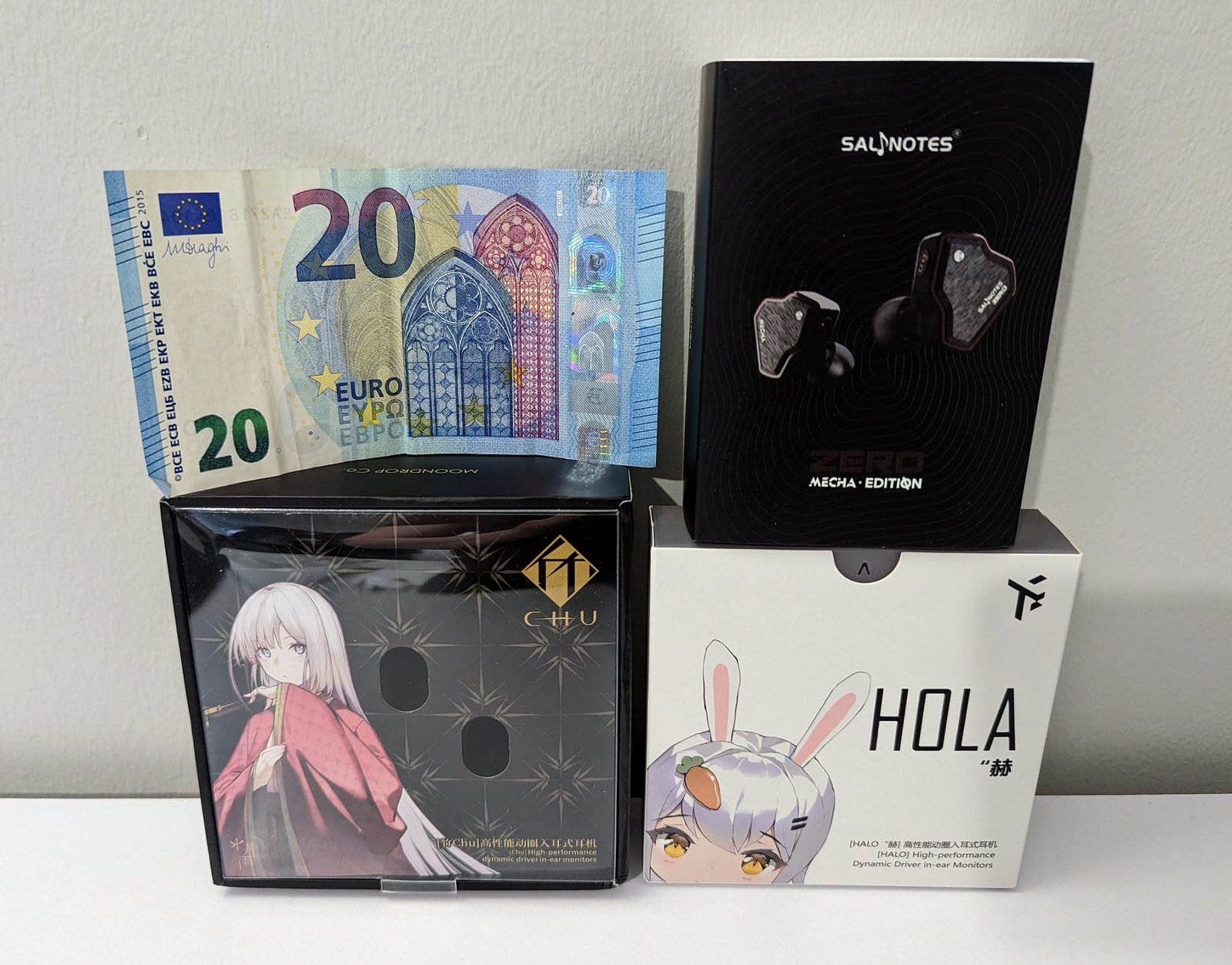
If I had expanded the comparison with a fourth model, it would have been the TANGZU Wan’er, costing around 20 euros. However, acquiring additional models would become an almost endless spiral with new releases, so I will consider writing another comparison after some time, if affordable in-ear headphones generate enough interest.
Product packaging and accessories
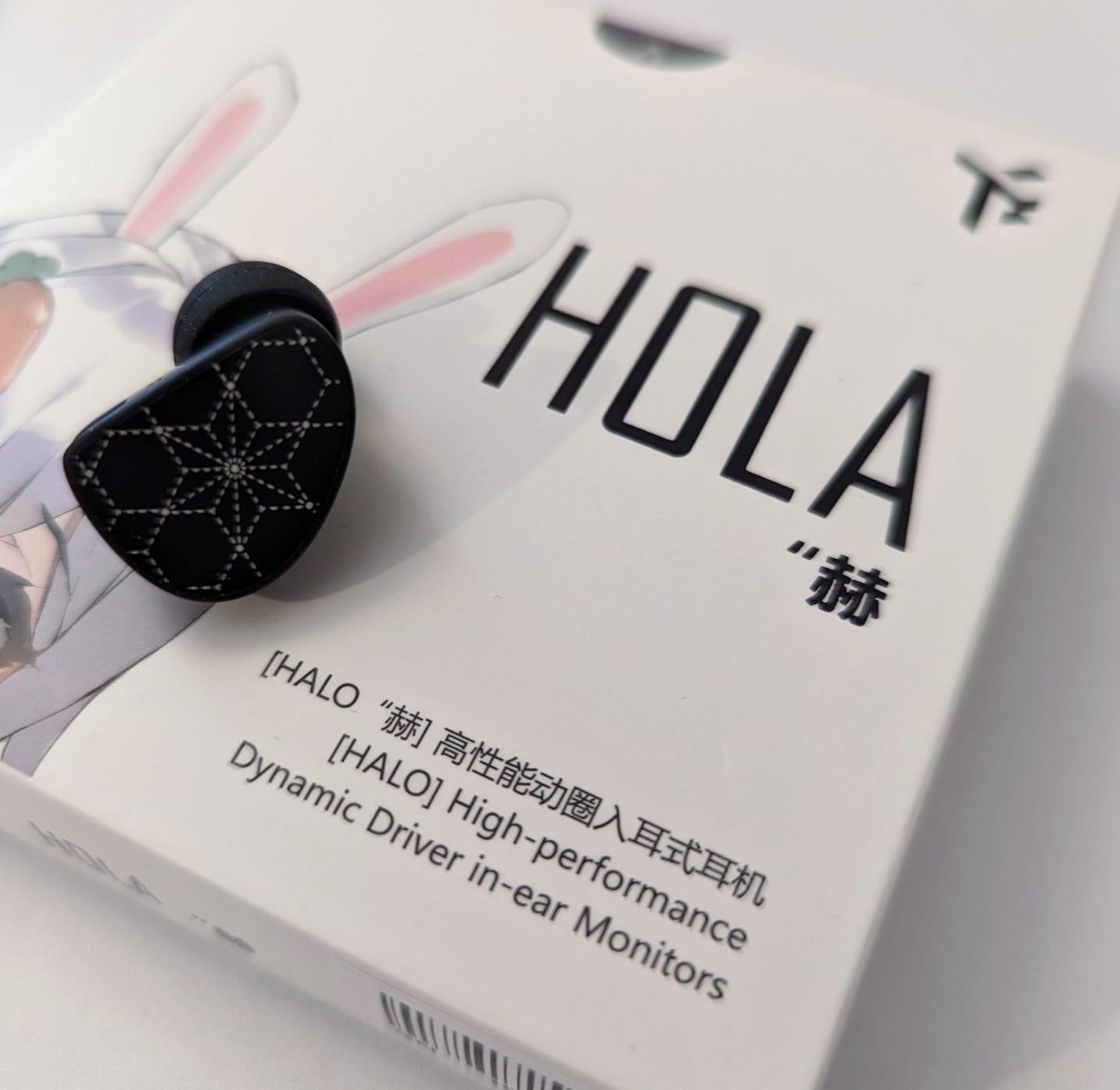
With affordable products, no miracles can be expected in any area, so it hasn't been possible to invest many euros in product packaging or accessories. Nevertheless, each of the three headphones is delivered in a basic stylish small cardboard package with instructions and product information. The frequency response of the headphones is also printed on the back of the Moondrop Chu and Truthear Hola boxes. Amusingly, Truthear is not sure of its product's name, as the box alternately reads both Hola and Halo.
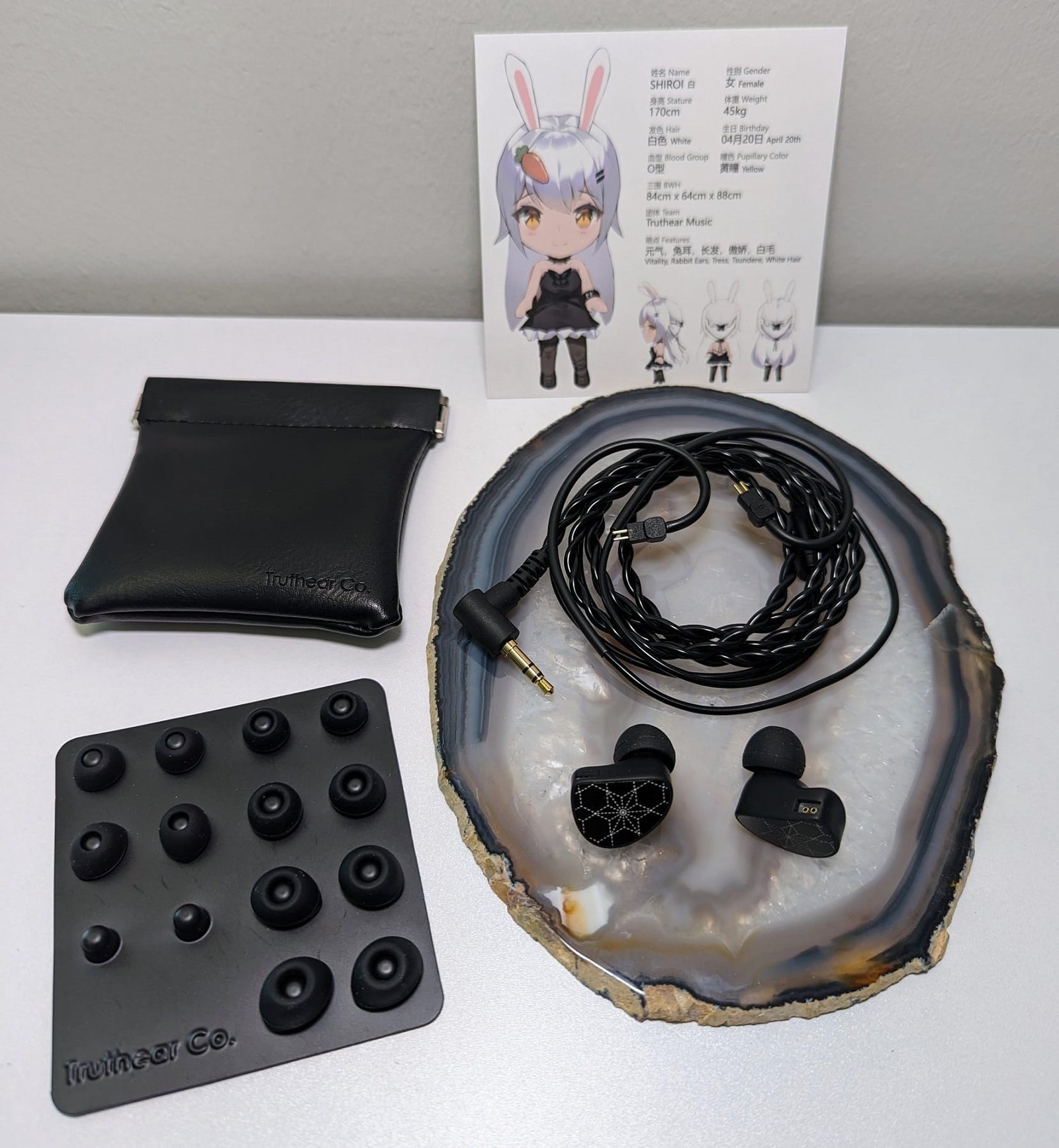
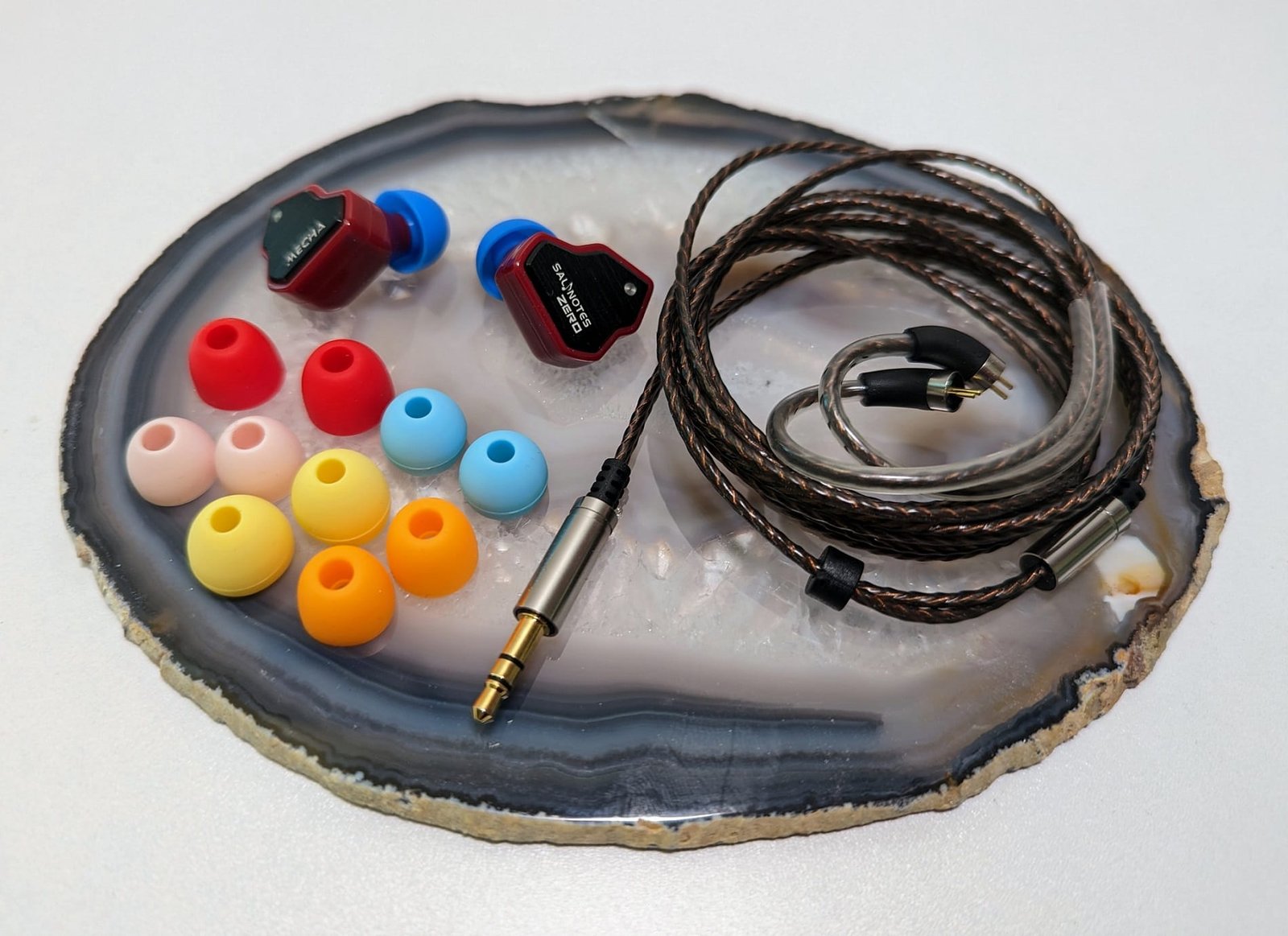
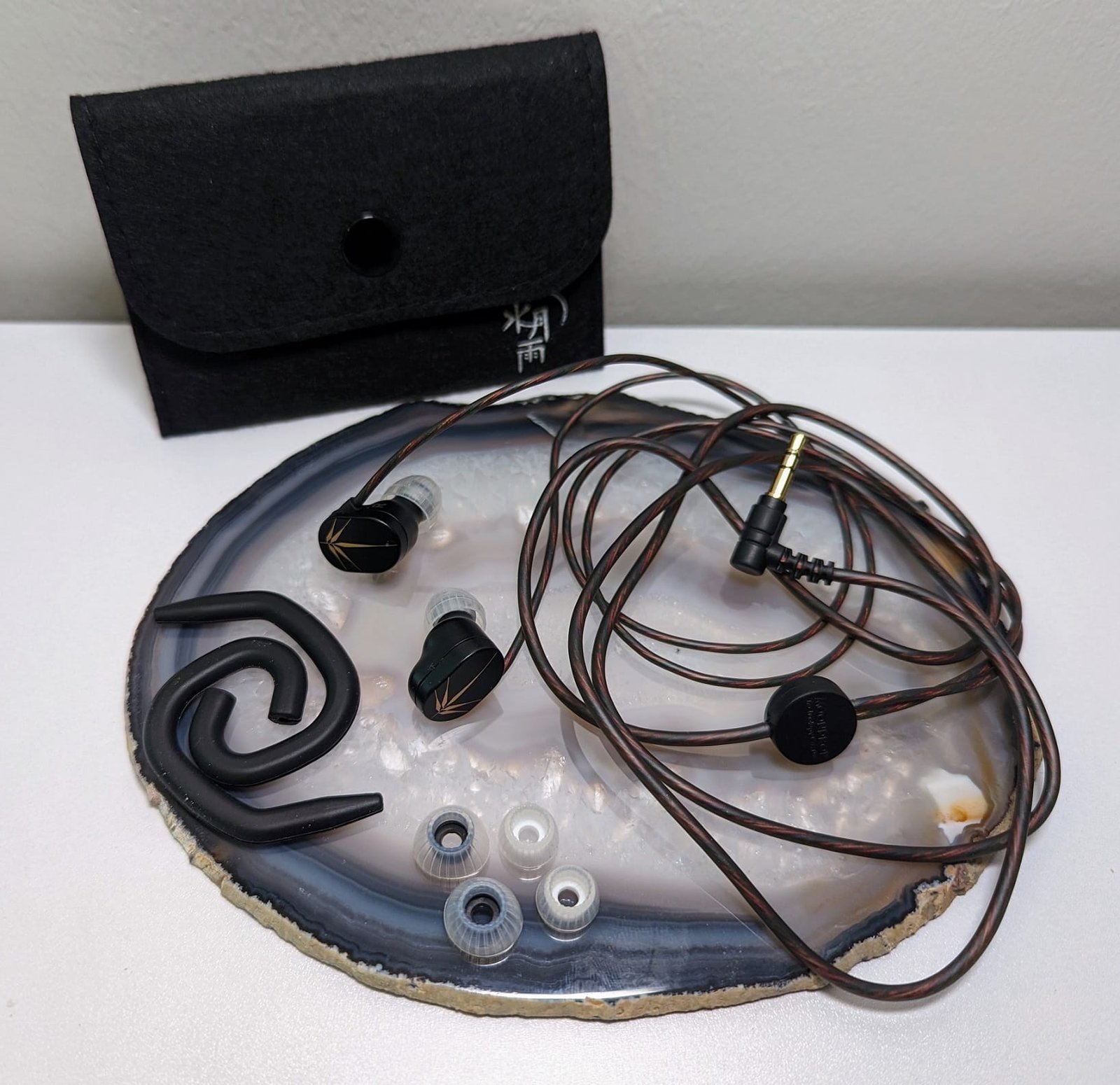
The Salnotes Zero, with the most limited accessories, only comes with a colorful assortment of ear tips, while the Moondrop Chu and Truthear Hola also include a storage pouch. The Chu is the most interesting in terms of accessories, as it comes with the manufacturer's higher quality Spring-tips ear tips, which cost 13 euros if purchased separately. Thus, the headphones' price is essentially only 7 euros, if one does not take into account that the manufacturing costs of ear tips are actually negligible. Nevertheless, the higher quality ear tips distinguish the Chu from the other two headphone models.
Ranking (features):
Moondrop Chu (1)
Truthear Hola (2)
7hz Salnotes Zero (3)
Similar innards
The selling price also determines the components used in the trio, which do not differ significantly from each other. In each model, sound is produced by a single dynamic driver, with a diameter of 10 millimeters in the Moondrop Chu and 7hz Salnotes Zero, and 11 millimeters in the Truthear Hola. According to the manufacturers, all models have N52 magnets, while the diaphragms of the drivers are made of slightly different material. The Chu and Zero are largely similar, while the Hola differs from their metal-coated composite drivers slightly due to its LCP (Liquid Crystal Polymer) diaphragm and its PU frame.
The impedance of all three headphone models is approximately 30 ohms, and the sensitivity is sufficient for listening with practically any device. The sensitivity of the Chu and Hola is 120 dB/mW, while in the Salnotes Zero it is slightly lower at 108 dB/mW. This makes the Zero easier to use with more powerful amplifiers in terms of volume control, and it also produces less hiss with them than the other two headphone models.
External structure and usability
Moondrop Chu
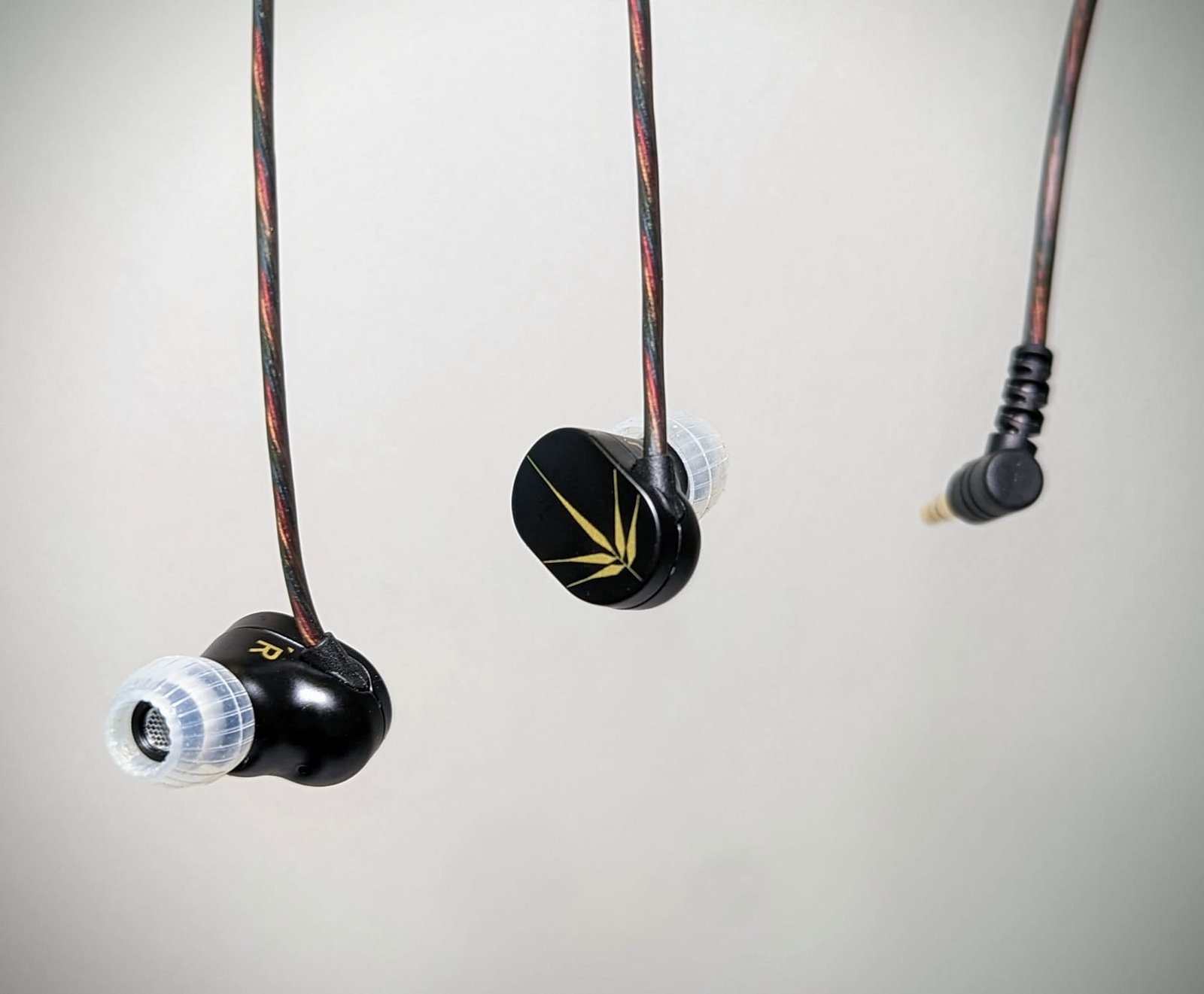
The Chu is the smallest headphone of the trio and the only one whose body is made entirely of metal. Thanks to this, the construction feels high-quality and indestructibly sturdy, and there is nothing about its appearance that bothers me. However, the headphones are quite heavy compared to other counterparts (about 10 g vs. 5 g per earbud), which makes dangling the Chu by its cable somewhat annoying. The headphones easily develop swinging motion, causing their metal bodies to clatter unpleasantly against each other.
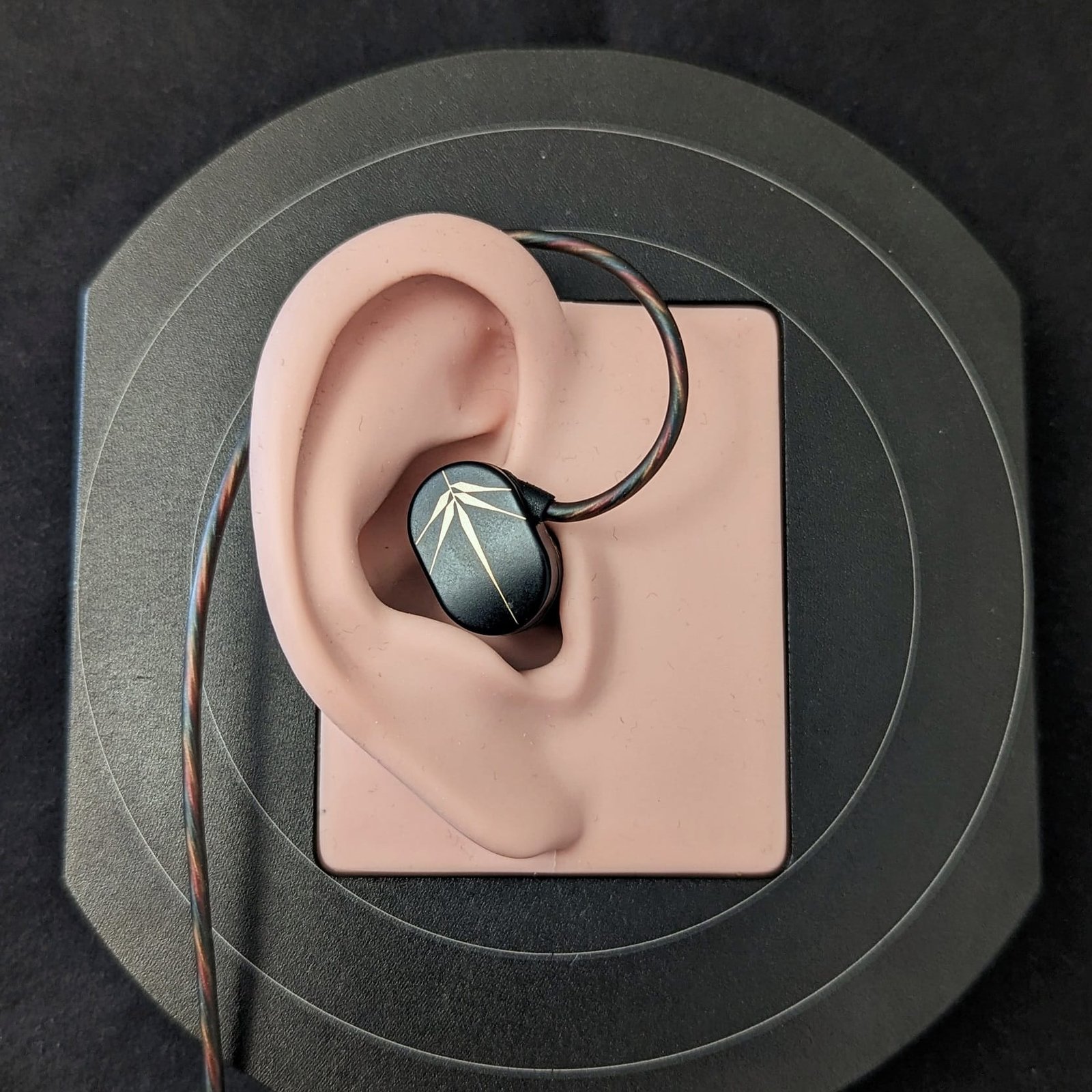
Thanks to its small physical size and the manufacturer's Spring-tips eartips, the fit in the ears is excellent. The R and L markings are fortunately clear, because due to the cable installed at an unusual angle, it might otherwise be difficult to determine how the headphones are meant to be placed in the ears. The diagonally downward-pointing cable is apparently meant to be wrapped behind the ear, where it stays poorly, at least without installing the separate ”ear hooks” provided.
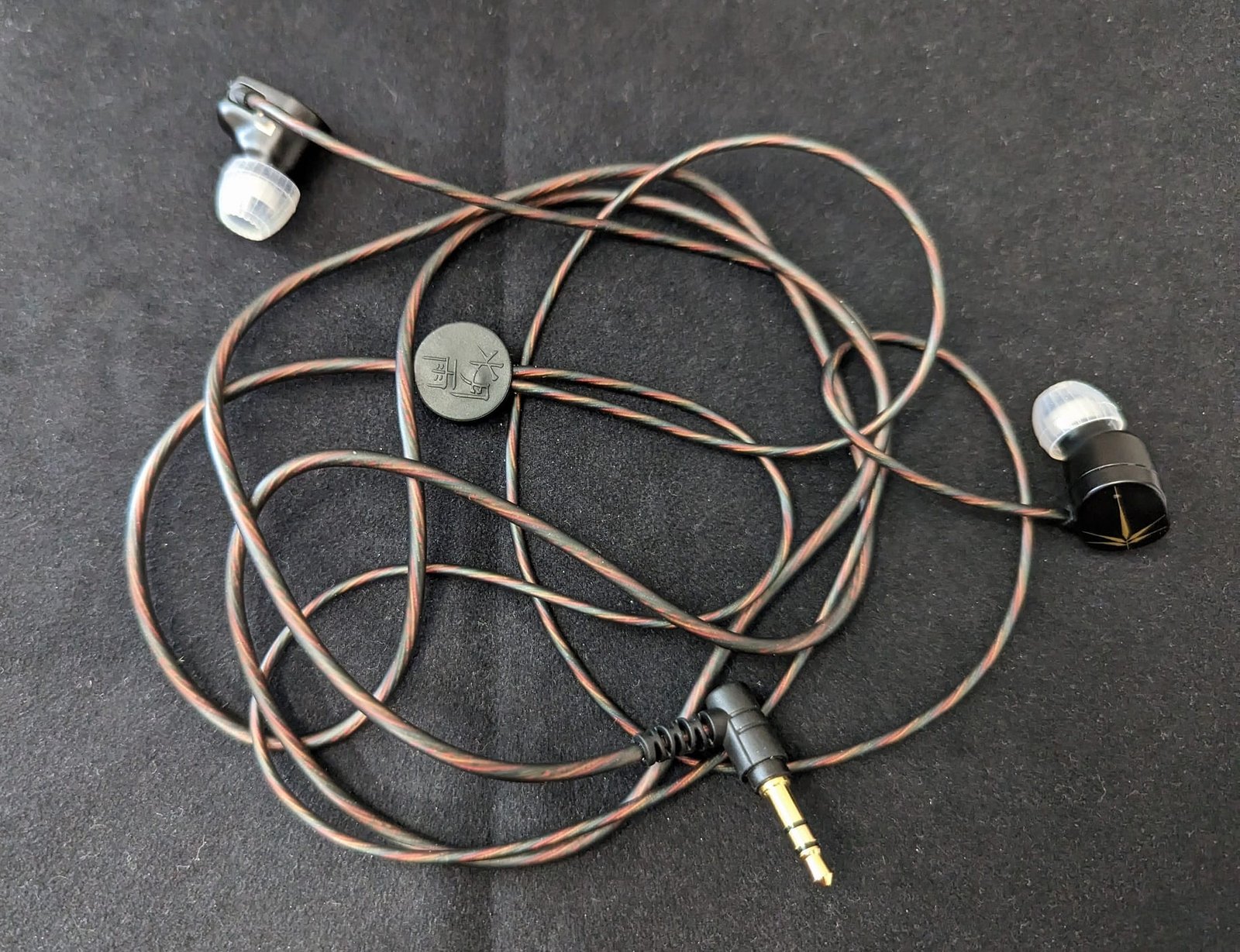
The cable is also the Chu's biggest weakness, as it is not detachable or replaceable like the Salnotes Zero and Hola. Moondrop's chosen cable is furthermore poor in usability because it constantly gets tangled due to its light weight and sticky rubber surface. I would gladly pay a few euros more for the headphones so that using them wouldn't be annoying. The Chu's usability leaves quite a bit to be desired, but it is still manageable.
7hz Salnotes Zero
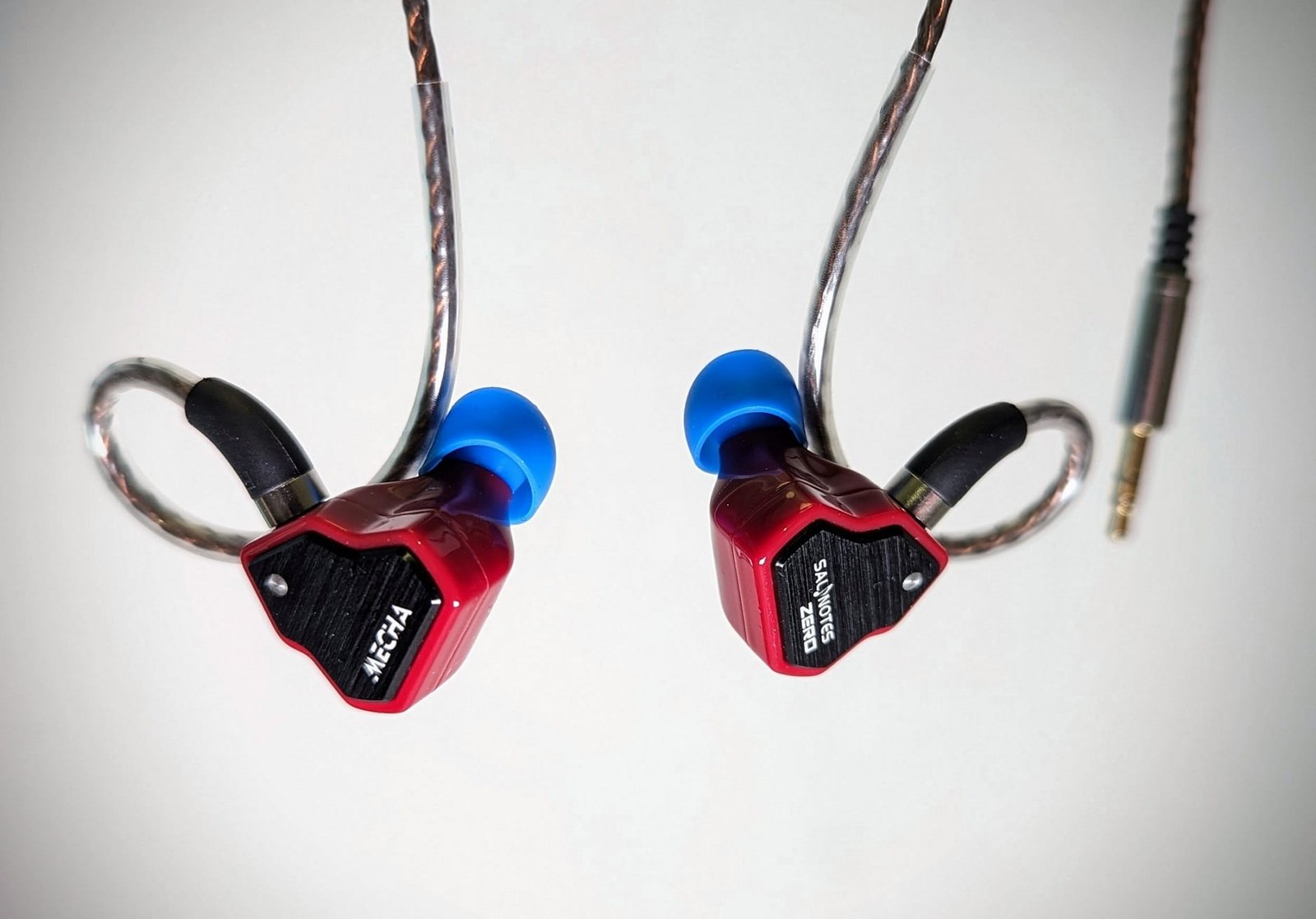
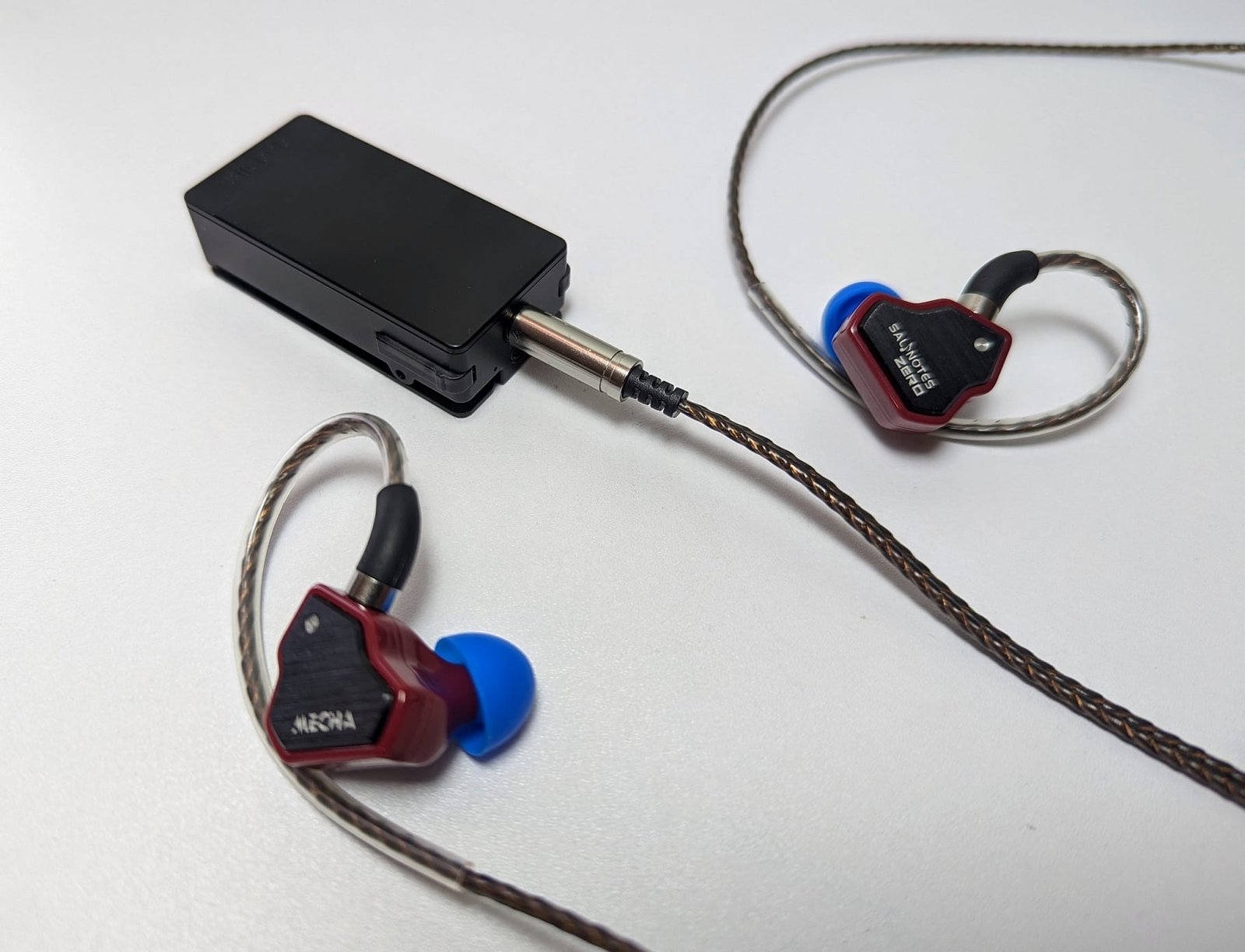
The Salnotes Zero is a clear improvement in usability compared to the Moondrop Chu, thanks to its detachable and neatly straight-staying cable. The cable also stays well in place behind the ears thanks to its ear hooks. If someone feels the brown color clashes too much with the headphones themselves, the commonly used 2-pin connector allows for changing the cable to a different one. From a usability perspective, however, it is very good.
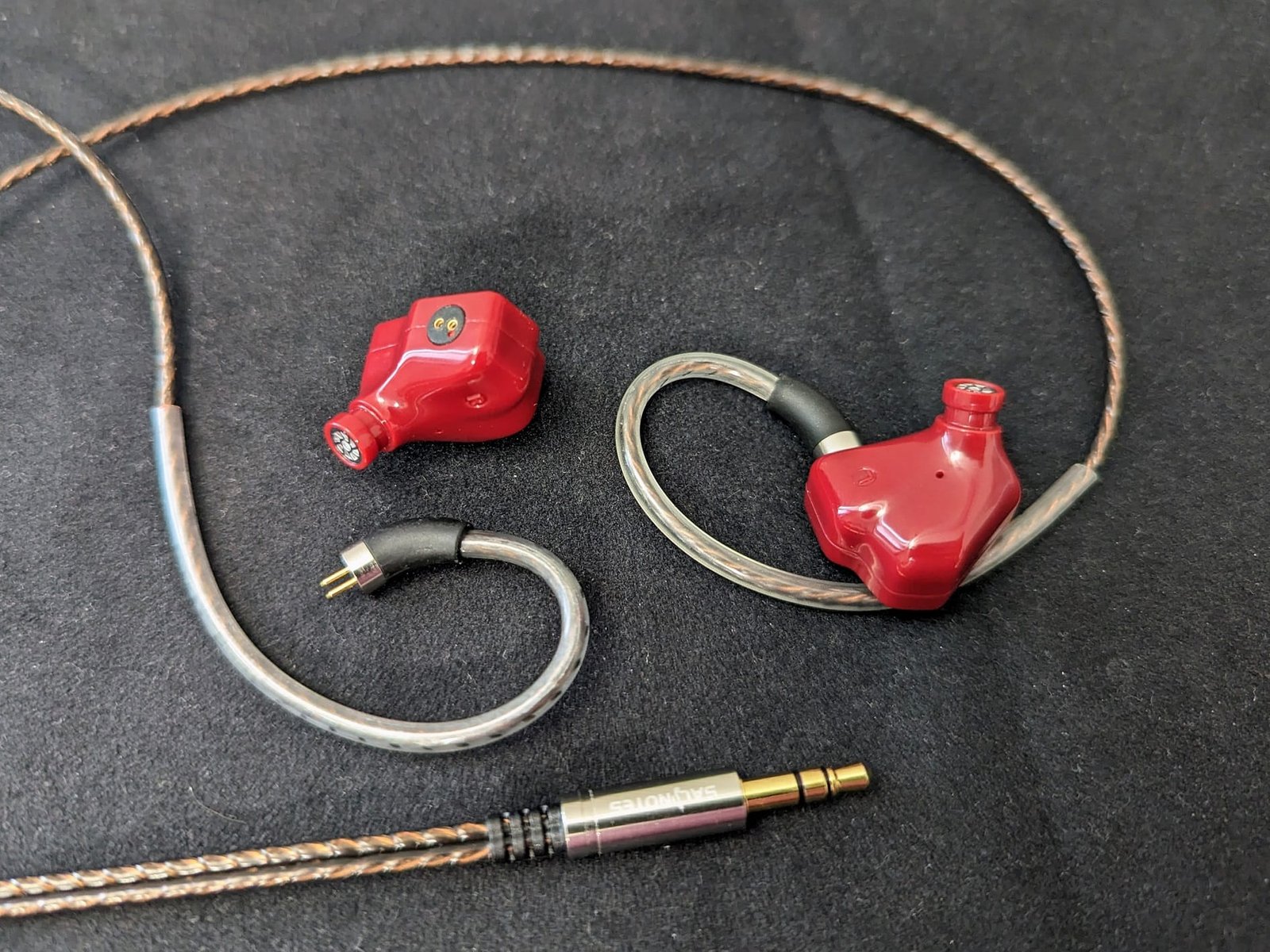
Regarding the rest of the construction, the Salnotes Zero is the largest of the trio I compared, despite which the fit is still really good for me. Additionally, a sufficient number of different sized eartips are included, which are interestingly all different colors.
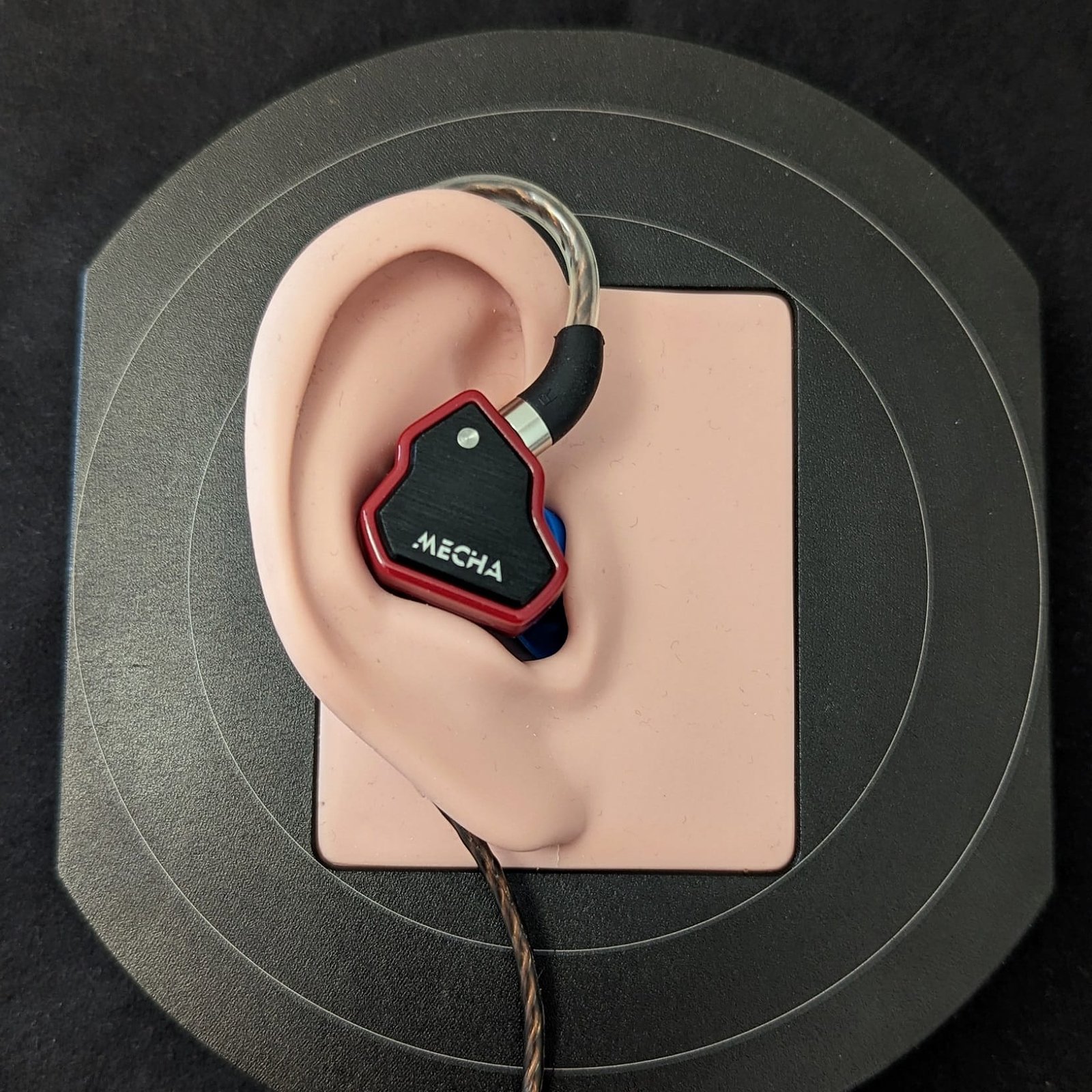
The angular design of the headphones will surely divide opinions, especially since it is made of toy-like plastic – yet the tactile feel is sturdy. The manufacturer sells the Salnotes Zero in many different colors, most of which are quite unusual. The appearance is also decorated with side panels made of brushed aluminum. I personally bought the burgundy Mecha special edition, which with blue eartips is quite an eye-catching sight, both in a good and bad sense. Nevertheless, I think the playful approach is quite functional as a whole.
Truthear Hola
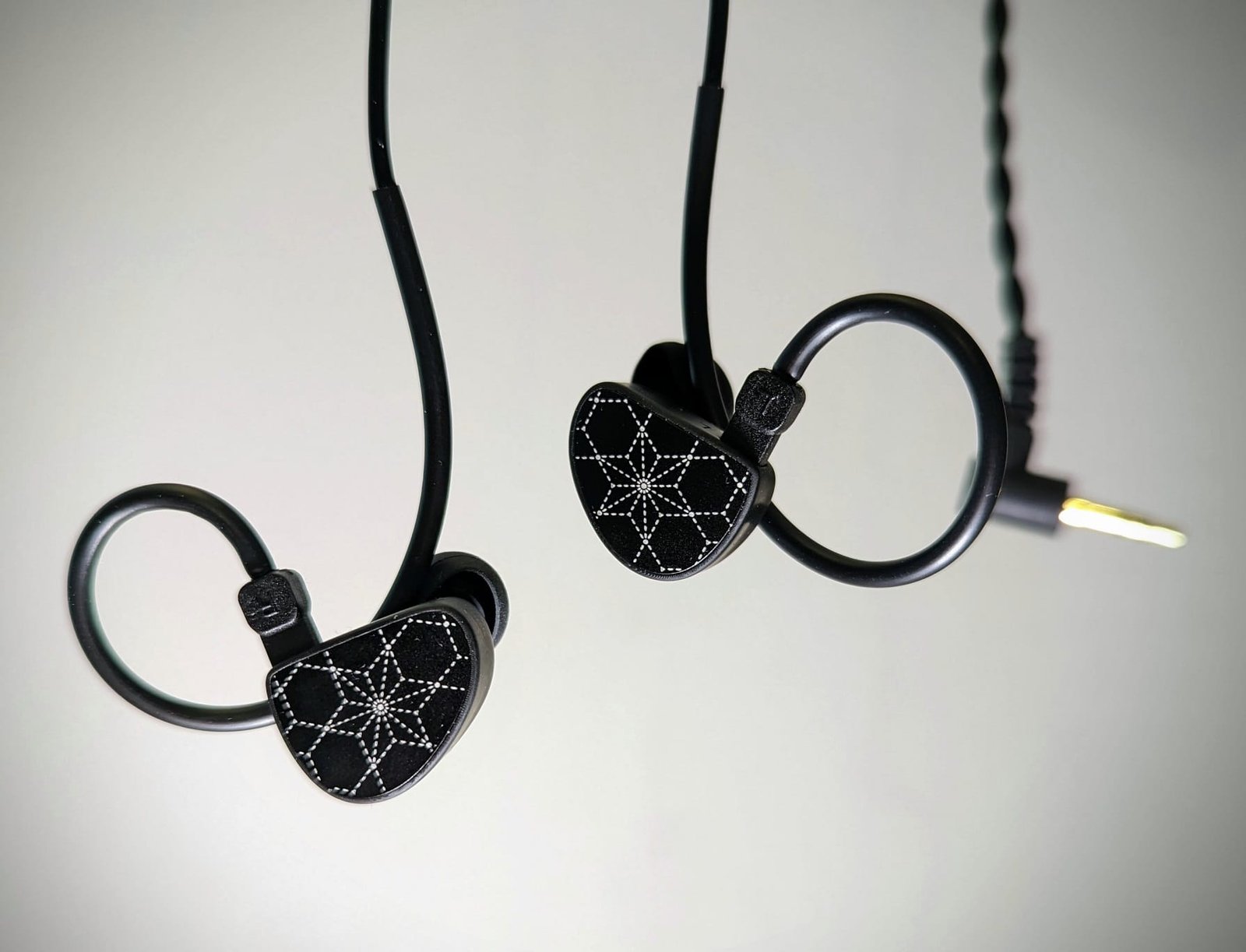
The newest addition to the trio, the Truthear Hola, is in my opinion the most cohesive product as a whole. It costs one euro less than the Moondrop Chu and about ten euros less than the Salnotes Zero, but the headphones still have a detachable and excellent usability cable. The Hola's black braided cable is also the finest in appearance and perfectly matches the headphones. All included eartips are also black in color.
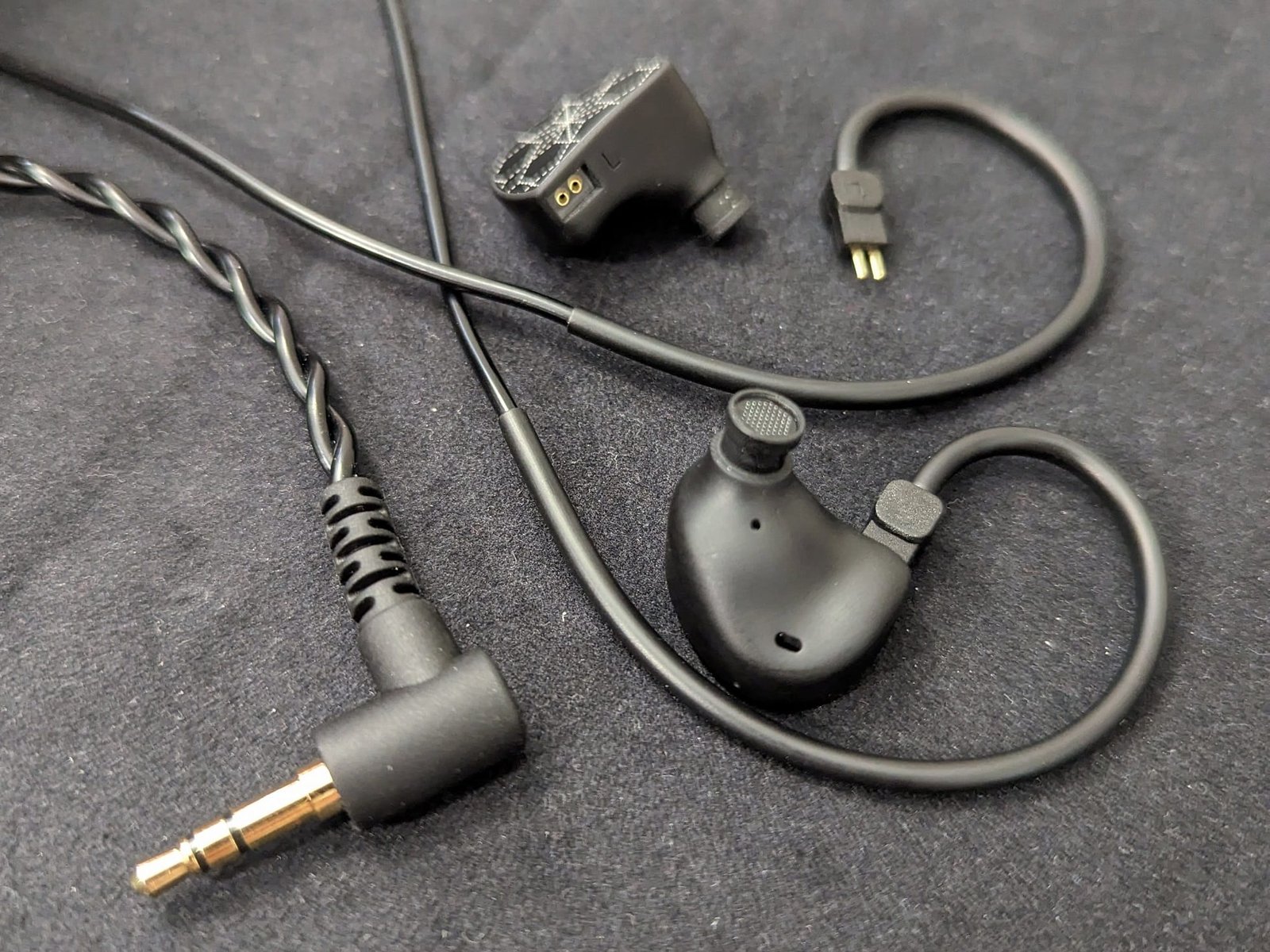
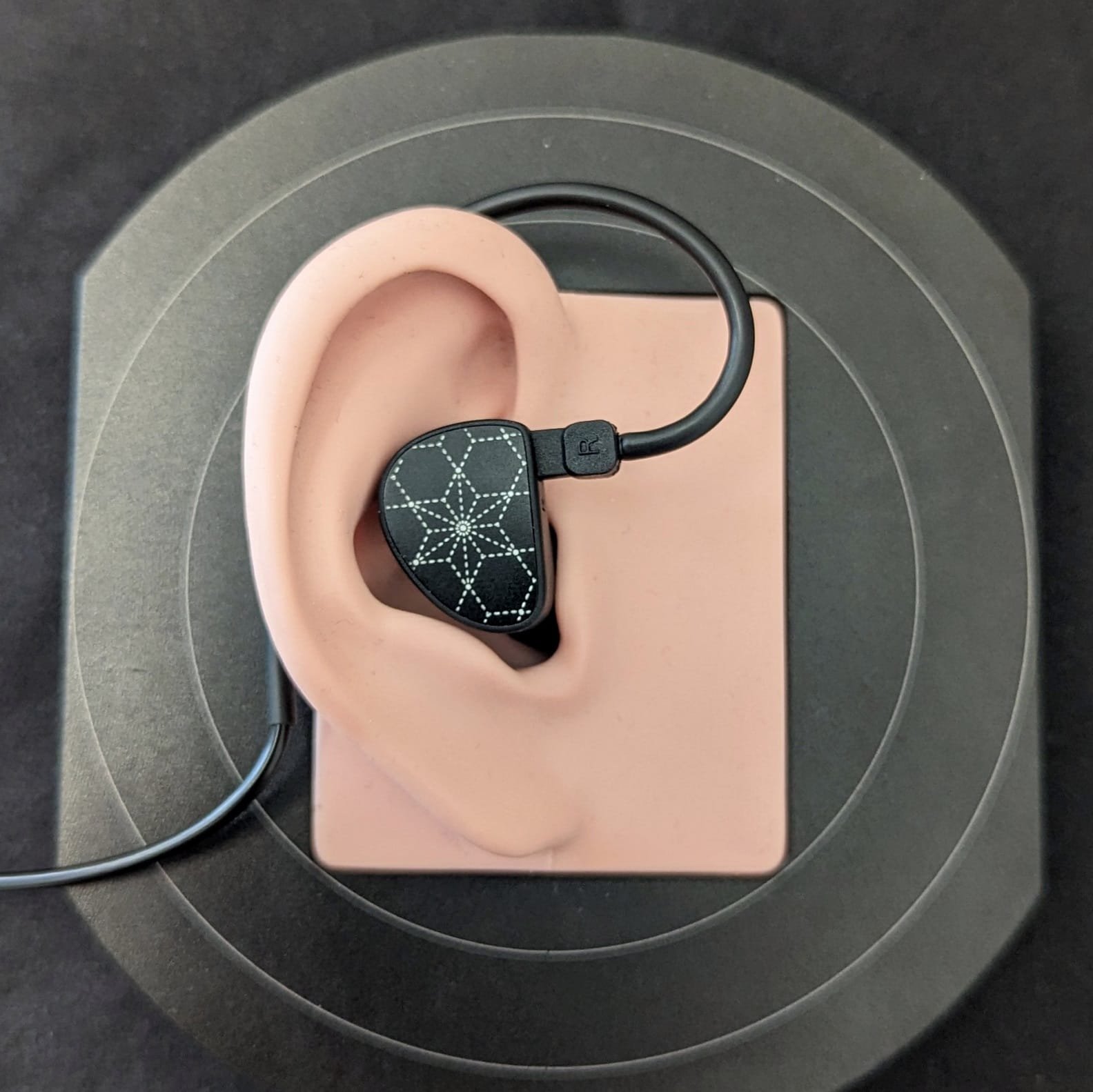
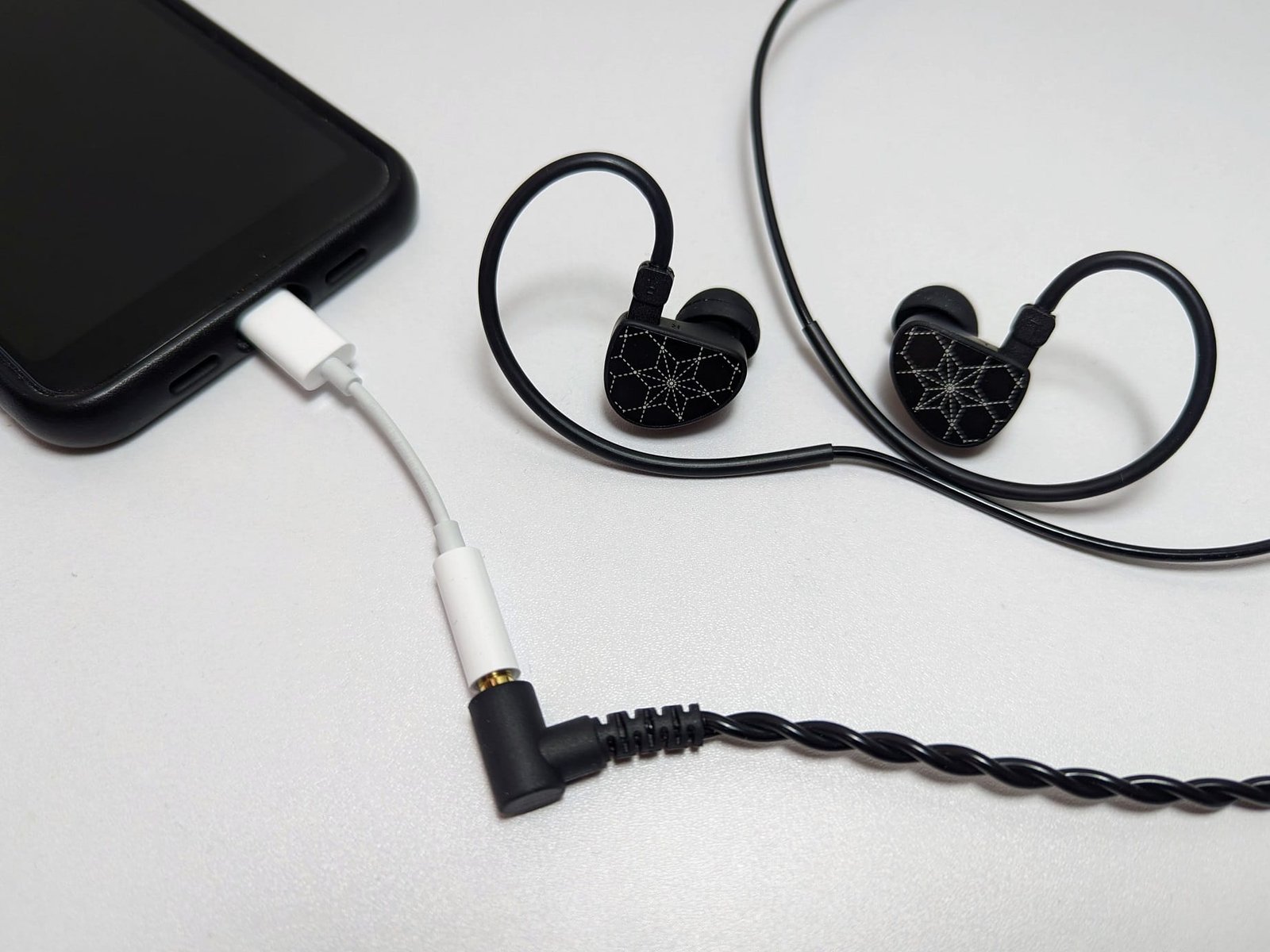
The body of the headphones is made of resin and feels very sturdy. The geometric pattern printed in white on the side is a nice addition to an otherwise understated product. The Hola's size falls between the Chu and the Salnotes Zero. The fit in my ears is excellent, and the cable's ear hooks work well. I can't find anything to complain about or wonder about with these headphones; they are simply astonishingly perfect in terms of usability for their affordable price.
Ranking (usability):
Truthear Hola (1)
7hz Salnotes Zero (2)
Moondrop Chu (3)
Sound quality
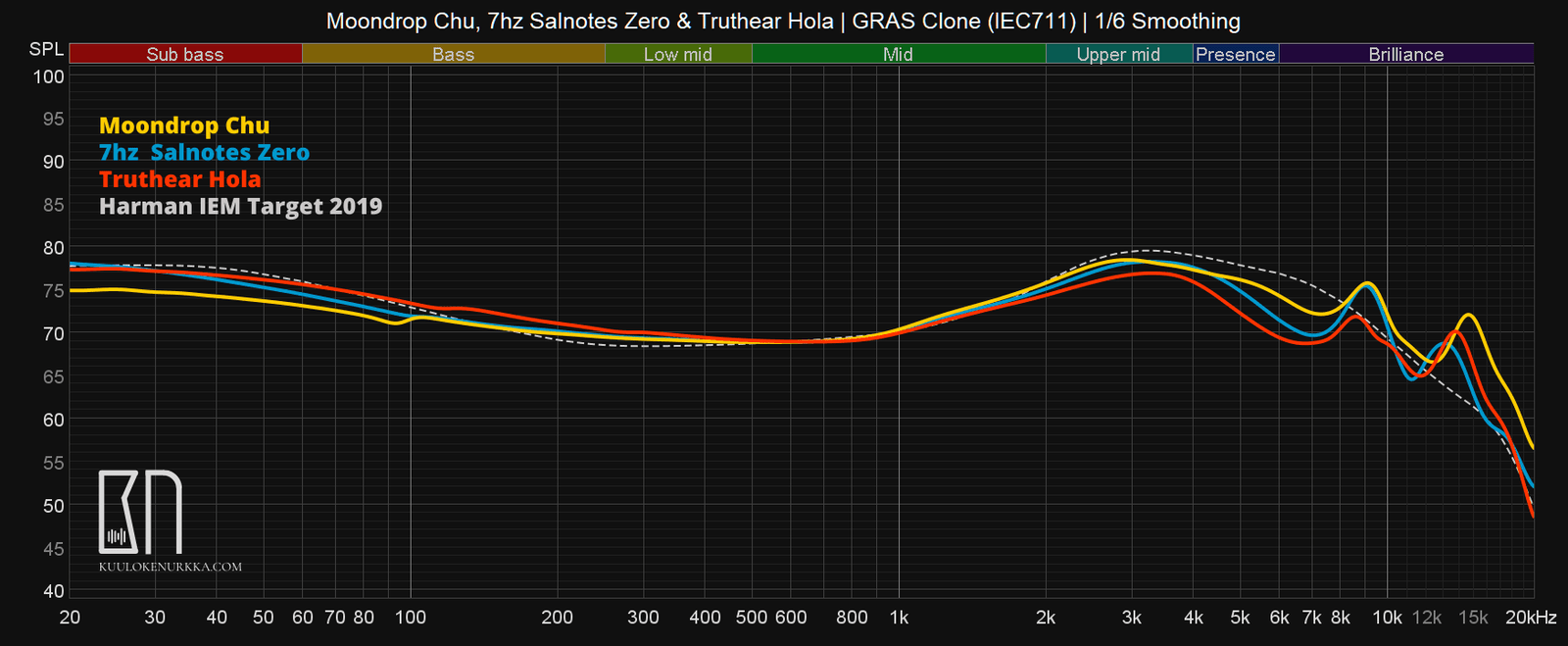
Headphone frequency response measurements have been performed with equipment compliant with the IEC711 standard. The graphs use the Harman target curve for in-ear headphones (2019 version), based on scientific research, as a reference. This curve is a generalization of what kind of frequency response sound would sound good to most people.
However, Harman's research for in-ear headphones is still somewhat incomplete, as test subjects have not been allowed to sufficiently influence the amount of high frequencies in addition to the amount of bass. Many therefore consider in-ear headphones that follow Harman's target curve to sound overly aggressive, and most headphone manufacturers still tune their products more moderately. Moondrop tunes its headphones (e.g., Chu) according to its own VDSF target curve, and headphones made in collaboration with Crinacle (e.g., Salnotes Zero) often use the IEF Neutral target curve as a basis for the high frequencies. These are conscious choices, so the Harman target curve serves mainly as a guiding reference in my own work.
In frequency responses measured with an IEC711-based device, it is worth noting the automatically formed emphasis between 8–10 kHz, which is purely due to the characteristics of the device, and not entirely the headphones themselves. The emphasis shifts depending on how deep the headphone is inserted into the ear canal of the measuring device. I have measured the three headphones I am comparing with similar ear tips, aiming to align the treble emphasis to the same frequency. Thus, it is possible to compare the amount of treble despite the emphasis caused by the device. However, the emphasis also interferes with the measurement accuracy of the very highest frequencies from 10 kHz onwards, so the results should primarily be compared relative to each other rather than being considered absolute truth.
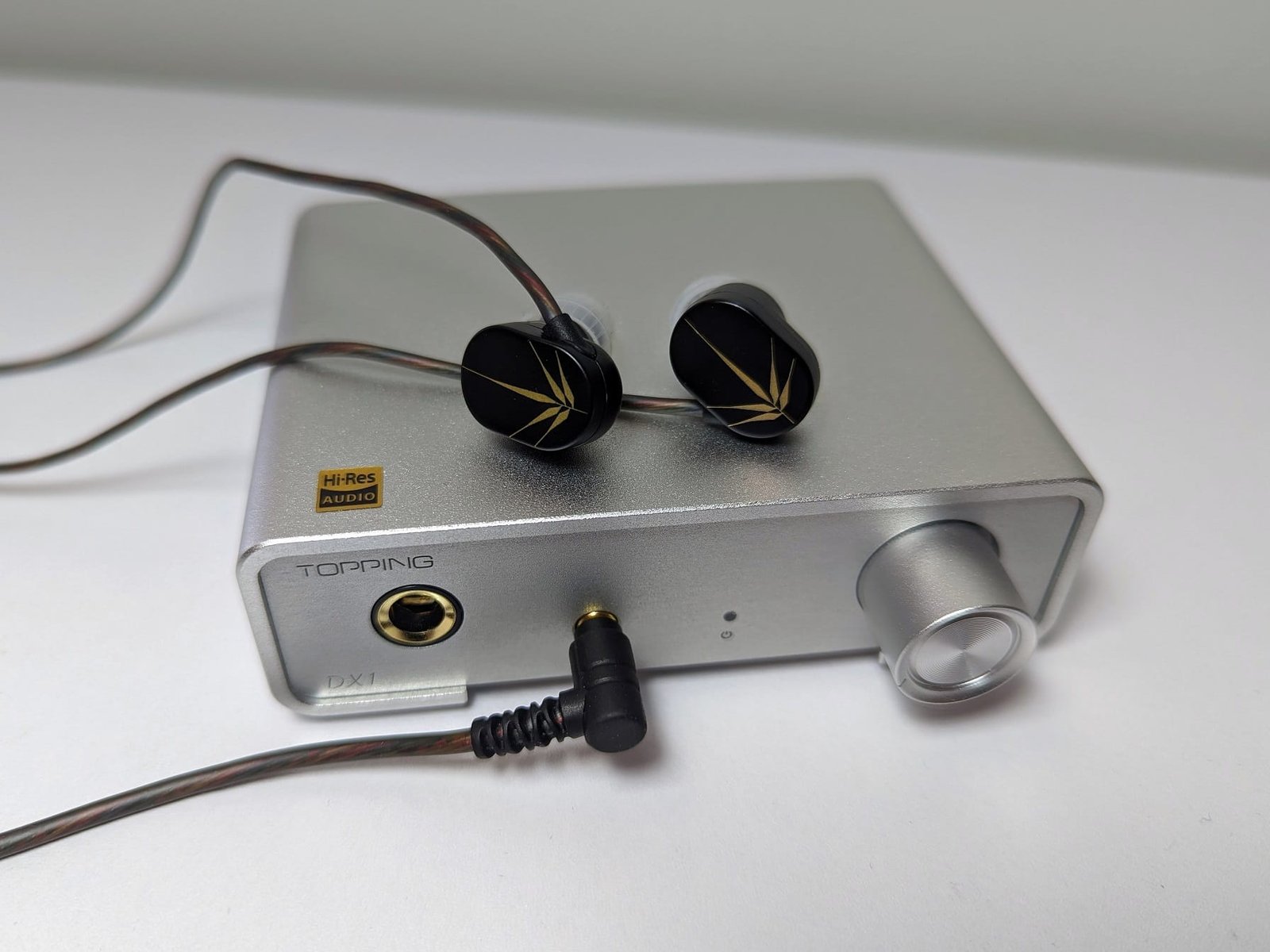
Devices used for testing:
Since headphones are extremely easy to drive, I have mainly listened to them with the Qudelix 5K mobile amplifier and the Topping DX1 combo device. Of these, the Qudelix sounds slightly more relaxed with all headphones, while the Topping emphasizes the treble somewhat. When looking for the most affordable device, for example, a 10-euro Apple Dongle would be perfectly sufficient. It is also a sensible purchase for a mobile phone that lacks a 3.5 mm headphone jack.
Headphone frequency responses:
(the image can be opened larger by clicking on it)
Moondrop Chu
Of the trio, the Chu is the brightest and most energetic in sound, which is clearly visible in the frequency response from the upper midrange onwards. The headphones also have the least bass, so the high frequencies draw even more attention to themselves. I wouldn't call the presentation annoyingly bright, but it is a bit unnatural in style for my taste. Singers sometimes sound overly aggressive and sibilant with s-sounds, while drum cymbals often reproduce with an emphasized splashiness. The midrange also sounds a bit thin, although on the other hand, the energy and airiness of the reproduction sometimes blend well with the music being listened to. For example, female vocalists sound admirably effortless and present at their best, and string instruments reproduce more freshly than with other comparables.
The emphasized treble also makes the sound detailed, which is supported by very clear detail separation. Furthermore, the Chu's bass is qualitatively pleasant to listen to because impact sounds reproduce crisply. The bass is not as full as in the other two comparables, but a tasty sub-bass emphasis makes the Chu's bright-leaning presentation surprisingly fun.
Although the Moondrop Chu is not the most balanced-sounding of the trio due to its overly emphasized treble, it is worth noting that before its release, there were no other equally good-sounding in-ear headphones available to consumers at a similar price. I would say that the Chu still offers really good sound quality for 20 euros for those who like a fairly neutral sound with a slight treble emphasis. Ultimately, it's hard to find major fault with the sound unless compared to newer products.
7hz Salnotes Zero
The slightly more expensive Salnotes Zero could be described as a kind of Chu 2.0, as it has just the right amount more bass and less treble, extending from proper midrange frequencies. The result is more balanced and natural without any real drawbacks. The Chu sounds more aggressive of the two, while the Salnotes Zero's treble is pleasantly snappy and airy without being sharp. Especially with the Topping DX1, the headphones would probably still be too bright-sounding for some, although they do not cause listening fatigue for me. With the Qudelix 5K, the treble is suitably less prominent.
Of the trio I tested, the Salnotes Zero sounds the most spacious in its soundstage. The reproduction has the most spatial separation, and I found myself paying more attention to the locations of sounds than with other headphone models. For example, the vocalist remains slightly further away overall than with the more aggressive Chu and the calmly present Hola. I personally like Zero's spacious presentation the most, but depending on taste, other headphones also have their strengths.
The bass reproduction of the Salnotes Zero has a pleasant physicality without the bass being overly emphasized. The presentation style is not particularly thick or full-bodied, but it is fun and, above all, clear. Chu's impact sounds might even be slightly tighter, while the Salnotes Zero sounds weightier.
These headphones are my personal favorites of the trio I tested, because with them no frequency range feels lacking or pops out annoyingly emphasized. The spacious and natural sound is pleasant to listen to for longer periods. The reproduction is also at least as detailed as with the brighter-tuned Chu, so Moondrop's headphones will inevitably see less use for me. I wouldn't expect to get such a polished product for under 30 euros, so Crinacle has truly succeeded in tuning the Salnotes Zero.
Truthear Hola
However, if someone in the same price range desires a thicker bass reproduction and calmer high frequencies, it's worth listening towards the Truthear Hola. It is clearly the fullest and thickest sounding of the trio, which is a result of a more prominent mid-bass and a somewhat subdued treble. The headphones are best suited for relaxed listening, while the more energetic and detailed sound of Chu and Salnotes Zero activate the listener more.
When listening, Hola draws the most attention to the bass reproduction and the vocalist, who sounds closer than with other models. The full-bodied mid-frequencies are also more prominent than in other models. In my opinion, the presentation style would suit those who like an intimate and calm sound spiced with thick bass. The recessed high frequencies can be a strength of Hola for some, while for me they are the clearest weakness compared to the other two headphone models. I sometimes have genuine difficulty hearing some musical details because the high frequencies are reproduced so quietly. This certainly also affects the blurry sound separation and placement in the soundstage. For example, in Yosi Horikawa's song Bubbles, the location of the bouncing balls is significantly more indistinct with Hola than with Chu or Salnotes Zero.
Hola's thick bass reproduction is in its own way more fun than other headphone models, but at the same time also slower and more boomy. The presentation simply remains somewhat congested for my taste, which is not optimal. Still, for the price of 19 euros, I can't complain too much, and Hola still sounds better than I would expect without hearing other models. In the end, I can't decide if I like it more or the Moondrop Chu, which is a bit too aggressive for my taste. The Salnotes Zero could even be said to be the optimal middle ground between the two, with the most spacious sound.
Ranking (sound quality):
7hz Salnotes Zero (1)
Truthear Hola & Moondrop Chu (2)
Summary
The trio I compared shows that good sound quality is now available very affordably and tailored to different tastes. Each headphone model seems to have its own fans. My clear favorite was the 7hz Salnotes Zero, whose spacious and balanced sound makes me immediately immerse myself in listening. Alongside it, the Moondrop Chu feels a bit too aggressive, while the Truthear Hola is overly bass-heavy and subdued in its treble. Individually, each of the headphones is still, in my opinion, more than worth its price. Someone might even buy several of them because they offer slightly different sounds. Also, Chu's higher quality ear tips or Hola's more uniform appearance can influence the purchasing decision alongside sound quality.
If the goal is to get in-ear headphones for 20 euros, the Salnotes Zero would have to be removed from the list, as it costs about 29 euros in the Eurozone without discounts. However, it offers the most balanced result, so I think everyone should consider increasing their budget by 10 euros. On the other hand, a price limit always has to be drawn somewhere, because by paying another 10 euros more, slightly better headphones might be available, which already start to feature multiple drivers instead of a single dynamic driver.
Instead of some ”entry-level model,” it might actually be sensible for the consumer to buy a well-regarded model from the 50–100 euro price range at once. However, this does not negate the fact that excellent in-ear headphones can be bought for less than the price of two lunches. ”Good for cheap” is also an idea that can tempt one to buy more 20-euro models instead of more expensive headphones. Someone who enjoys trying different products might even create a new hobby for themselves by comparing such models.
Pros and cons:
Moondrop Chu
+ A very successful take on neutral sound with treble emphasis
+ Tight bass reproduction
+ Detail in reproduction
+ Good fit
+ Sturdy metal construction
+ Includes Spring-tips eartips worth 13 euros
+ Affordable price
– Treble emphasis makes the sound somewhat unnatural
– Sibilance in vocal performances is more pronounced than in other models
– The bass could be a bit more
– The terrible fixed cable makes using the headphones annoying
7hz Salnotes Zero
+ Balanced and natural frequency response
+ Spacious and accurate soundstage
+ Detail in reproduction
+ Good fit
+ Several different color options available
+ The included cable is good in usability and is also detachable
+ Affordable price
– The treble may be too prominent for some tastes
– Plastic construction and peculiar appearance
– More limited accessories than other models
Truthear Hola
+ Thanks to calm high frequencies, it is well suited for relaxed listening
+ Enjoyably full bass reproduction
+ Intimate vocal performances
+ Excellent fit
+ Sturdy construction
+ Cohesive appearance
+ The included cable is good in usability and is also detachable
+ Affordable price
– Treble sounds muffled
– Bass is slower and boomier in style than other models
– Sound separation and staging are somewhat vague
 EN
EN  FI
FI